

Collection
William James Glackens
Explore curated art prints selected for distinctive homes and considered interiors.
Suggested filters
-

 Dancer in a Pink Dress - William James Glackens
Print · Framed
Regular price From £28.00 GBPSale price From £28.00 GBP Regular price -

 Under the Trees, Luxembourg Gardens - William James Glackens
Print · Framed
Regular price From £28.00 GBPSale price From £28.00 GBP Regular price -
 Merry Christmas - William James Glackens
Print
Regular price From £28.00 GBPSale price From £28.00 GBP Regular price -

 Summer Hotel - William James Glackens
Print · Framed
Regular price From £28.00 GBPSale price From £28.00 GBP Regular price -

 East Point, Gloucester - William James Glackens
Print · Framed
Regular price From £28.00 GBPSale price From £28.00 GBP Regular price -

 The Bandstand - William James Glackens
Print · Framed
Regular price From £28.00 GBPSale price From £28.00 GBP Regular price -

 Flowers in a Quimper Pitcher - William James Glackens
Print · Framed
Regular price From £28.00 GBPSale price From £28.00 GBP Regular price -

 Figures in a Park, Paris - William James Glackens
Print · Framed
Regular price From £28.00 GBPSale price From £28.00 GBP Regular price -

 City Scene - William James Glackens
Print · Framed
Regular price From £28.00 GBPSale price From £28.00 GBP Regular price -

 May Day in Central Park - William James Glackens
Print · Framed
Regular price From £28.00 GBPSale price From £28.00 GBP Regular price -

 The Shoppers - William James Glackens
Print · Framed
Regular price From £28.00 GBPSale price From £28.00 GBP Regular price -

 Standing Girl with White Spats - William James Glackens
Print · Framed
Regular price From £28.00 GBPSale price From £28.00 GBP Regular price -

 The Bathing Hour - William James Glackens
Print · Framed
Regular price From £28.00 GBPSale price From £28.00 GBP Regular price -

 Breakfast Porch - William James Glackens
Print · Framed
Regular price From £28.00 GBPSale price From £28.00 GBP Regular price -

 Twenty-Three Fifth Avenue, Interior - William James Glackens
Print · Framed
Regular price From £28.00 GBPSale price From £28.00 GBP Regular price -

 Skating in Central Park - William James Glackens
Print · Framed
Regular price From £28.00 GBPSale price From £28.00 GBP Regular price -

 Seated Actress with Mirror - William James Glackens
Print · Framed
Regular price From £28.00 GBPSale price From £28.00 GBP Regular price -

 Beach Scene, New London - William James Glackens
Print · Framed
Regular price From £28.00 GBPSale price From £28.00 GBP Regular price -

 New Castle, New Hampshire - William James Glackens
Print · Framed
Regular price From £28.00 GBPSale price From £28.00 GBP Regular price -

 Breezy Day, Tugboats, New York Harbor - William James Glackens
Print · Framed · Canvas
Regular price From £28.00 GBPSale price From £28.00 GBP Regular price -
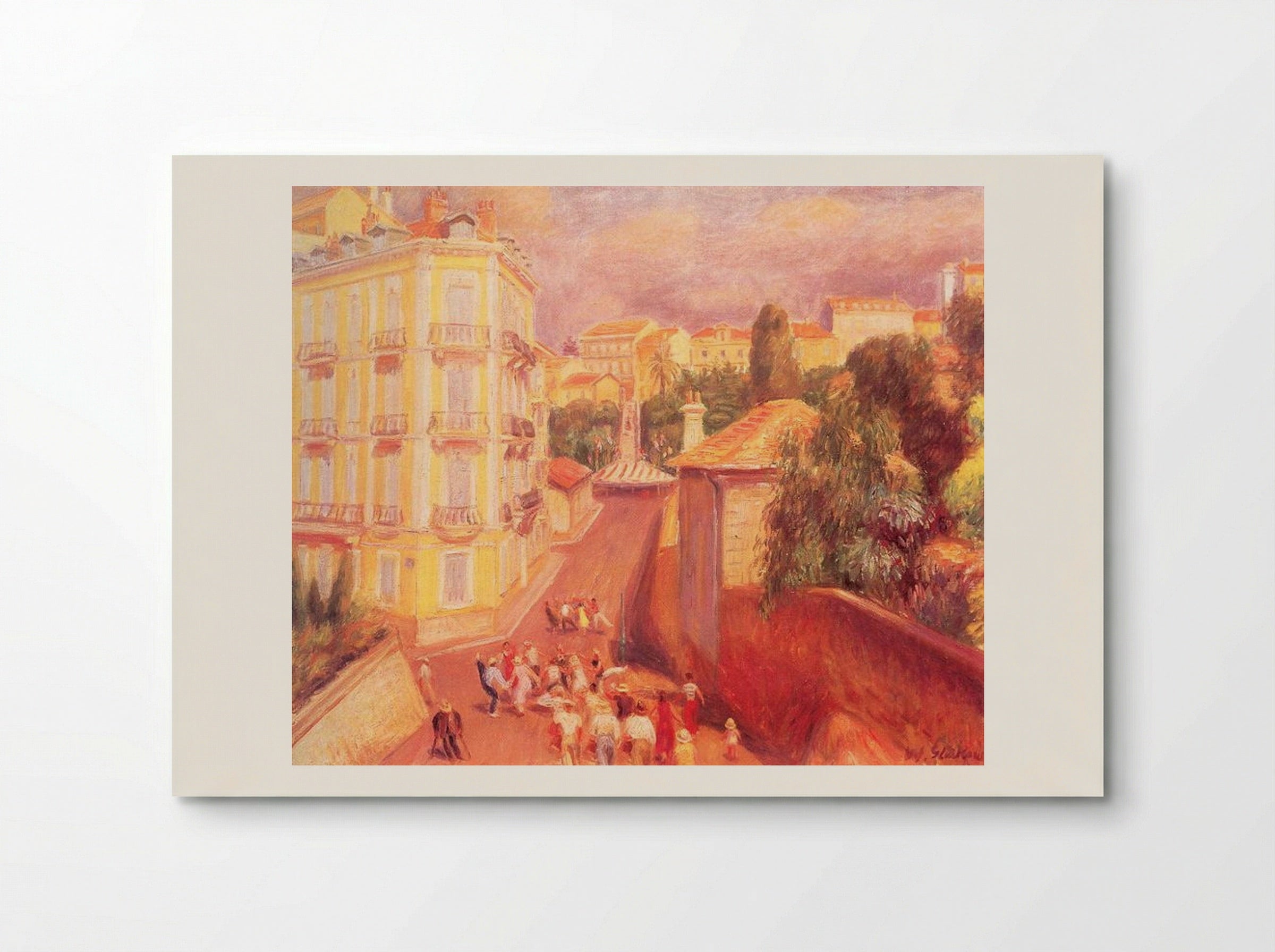
 Fête de Suquet - William James Glackens
Print · Framed · Canvas
Regular price From £28.00 GBPSale price From £28.00 GBP Regular price -
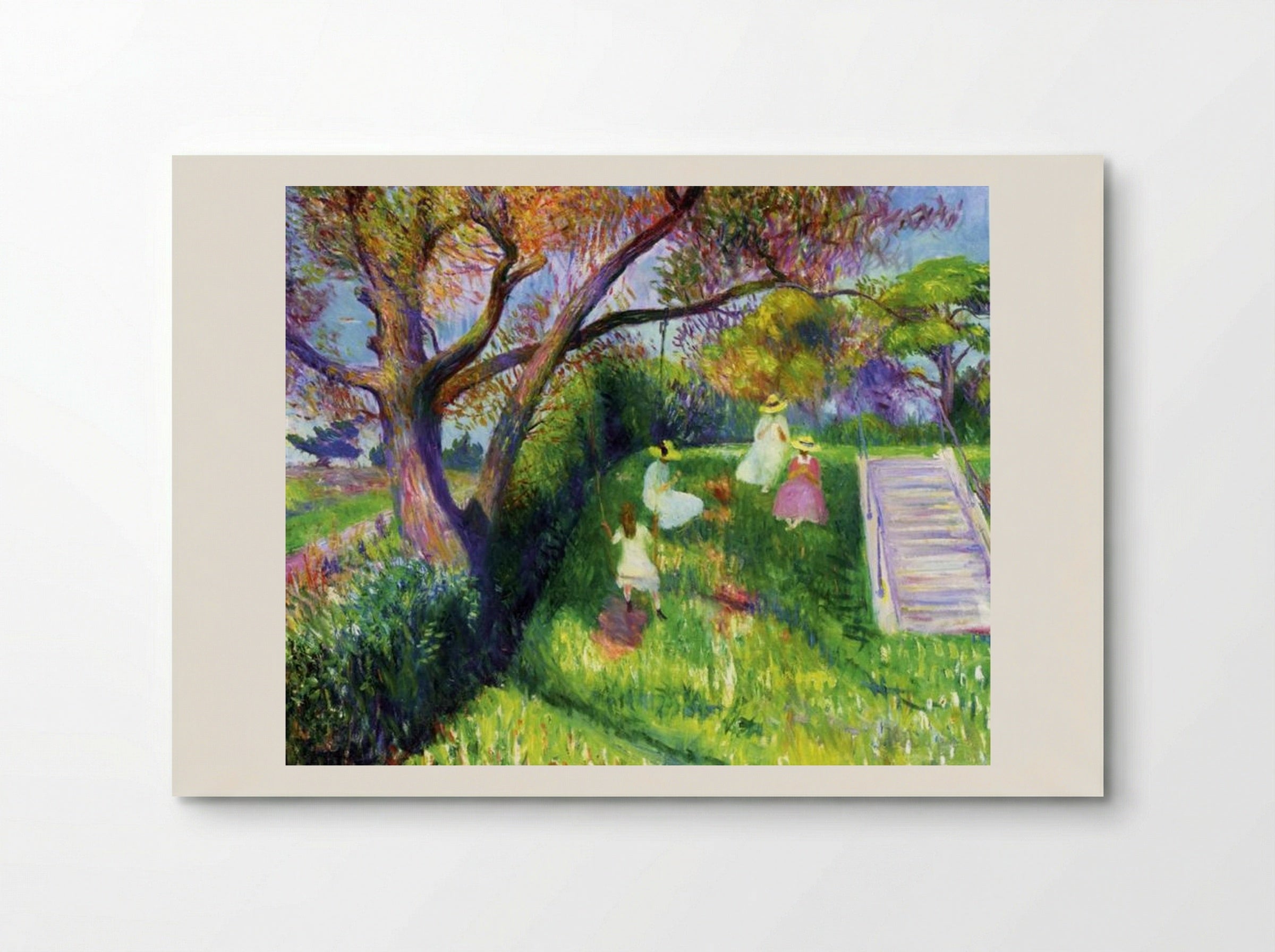 The Swing - William James Glackens
Print
Regular price From £28.00 GBPSale price From £28.00 GBP Regular price -
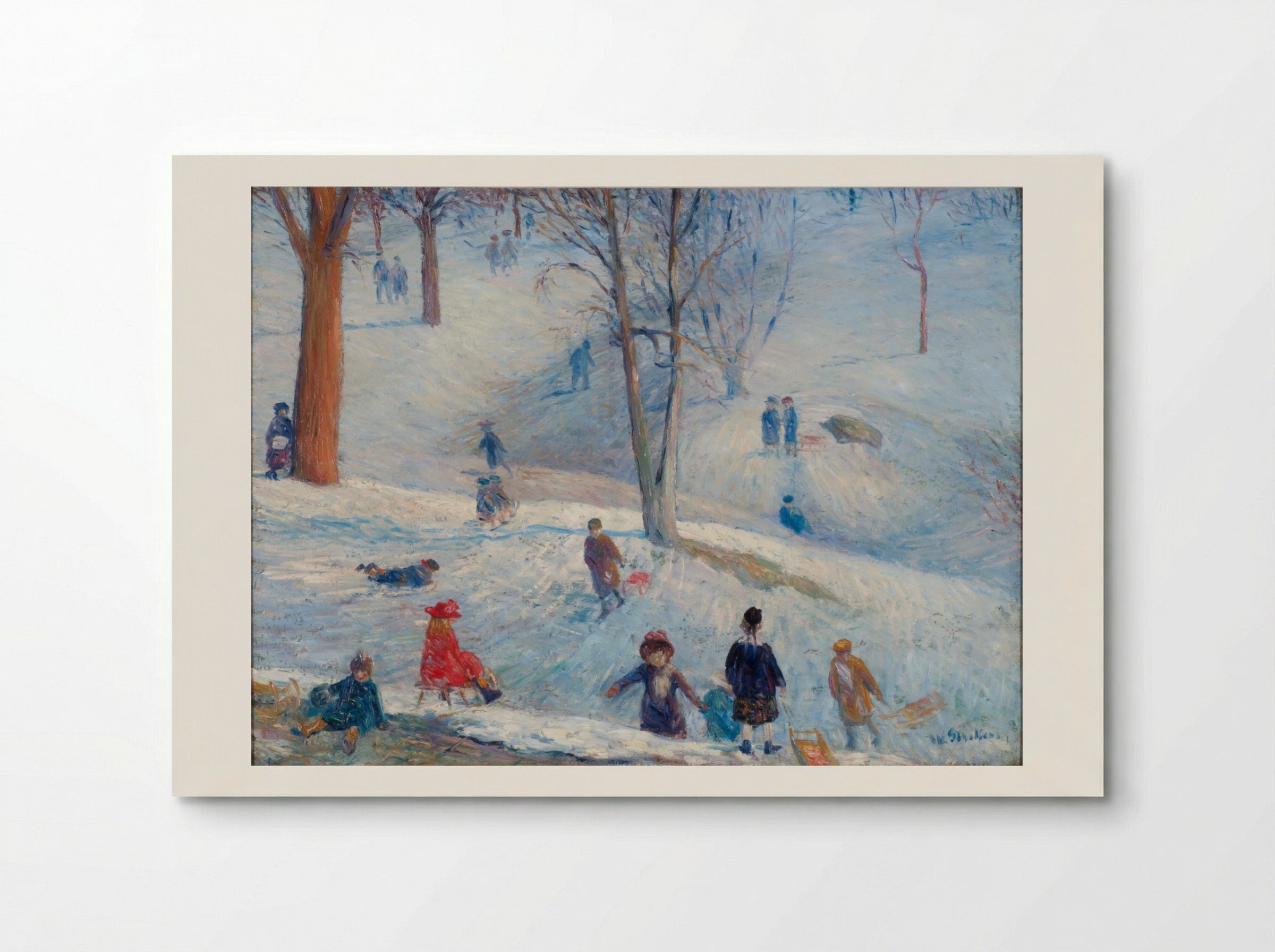 Sledding in Central Park - William James Glackens
Print
Regular price From £28.00 GBPSale price From £28.00 GBP Regular price -
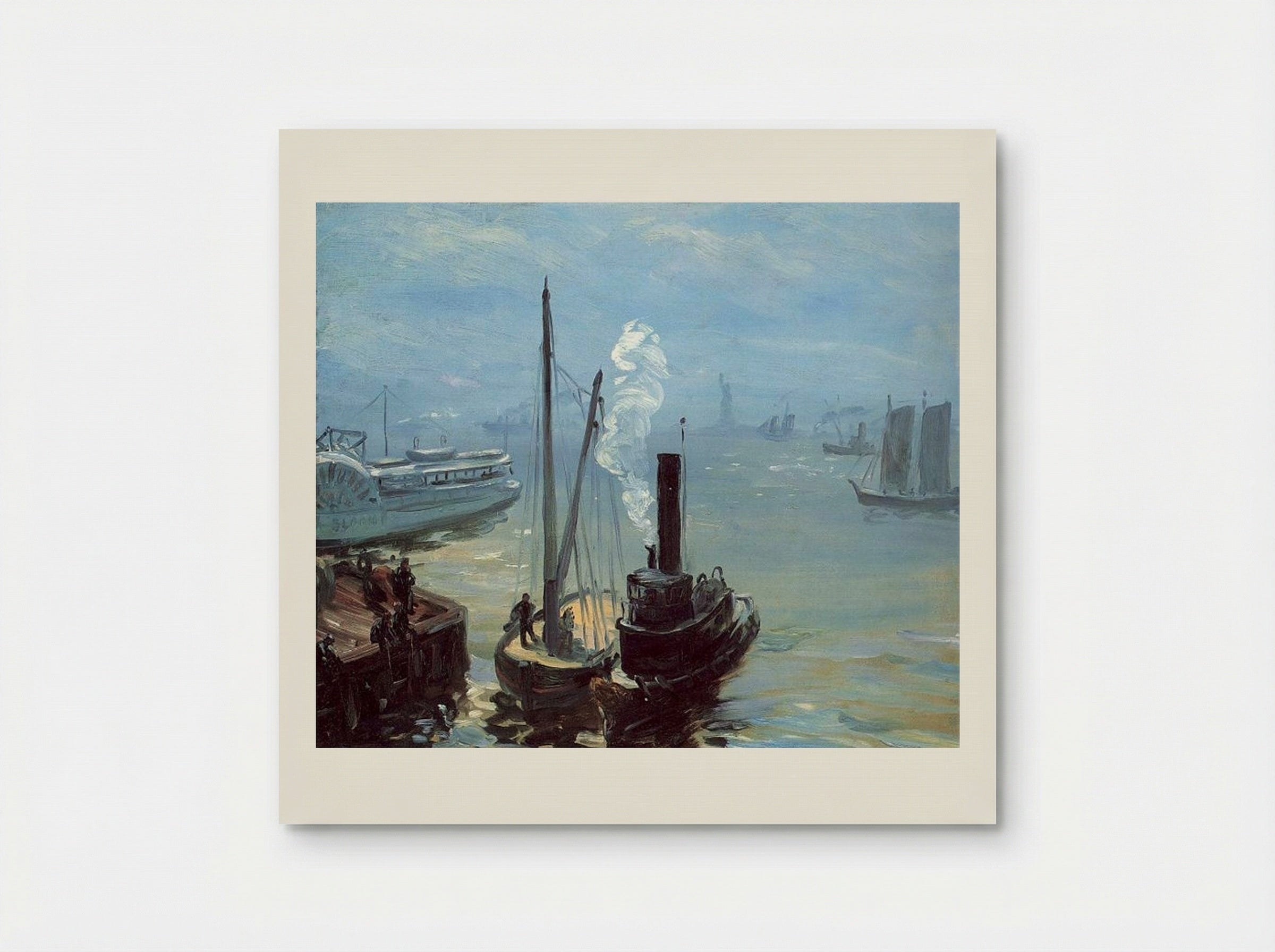 Tugboat and Lighter - William James Glackens
Print
Regular price From £37.00 GBPSale price From £37.00 GBP Regular price


Artist Biography
William James Glackens
William Glackens, a leading light of the Ashcan School, wasn't just painting pictures; he was capturing the vibrant pulse of early 20th-century New York. Born in Pennsylvania in 1870, Glackens initially worked as an artist-reporter for newspapers, honing his skills for observation and quickly sketching scenes of city life. This background gave him a unique eye for detail and a knack for portraying the everyday experiences of ordinary people, a quality that would define his artistic career.
Glackens's move to fine art saw him embrace the gritty realism of the Ashcan School. Unlike the more romanticised depictions of the era, Glackens plunged into the streets, depicting bustling marketplaces, crowded beaches, and lively theatre scenes. Works like 'Hammerstein's Roof Garden' and 'Chez Mouquin' are testaments to his ability to capture the energy and diversity of urban life. Though initially influenced by European Impressionism, Glackens developed a distinctly American style, full of movement and a keen sense of narrative.
While some critics initially dismissed the Ashcan School's focus on the mundane, Glackens's work has since been recognised for its historical and artistic significance. He wasn't just painting scenes; he was documenting a pivotal moment in American history, capturing the spirit of a nation on the cusp of modernity. William Glackens died in 1938, leaving behind a body of work that continues to resonate with its honesty, energy, and enduring charm.
Glackens's move to fine art saw him embrace the gritty realism of the Ashcan School. Unlike the more romanticised depictions of the era, Glackens plunged into the streets, depicting bustling marketplaces, crowded beaches, and lively theatre scenes. Works like 'Hammerstein's Roof Garden' and 'Chez Mouquin' are testaments to his ability to capture the energy and diversity of urban life. Though initially influenced by European Impressionism, Glackens developed a distinctly American style, full of movement and a keen sense of narrative.
While some critics initially dismissed the Ashcan School's focus on the mundane, Glackens's work has since been recognised for its historical and artistic significance. He wasn't just painting scenes; he was documenting a pivotal moment in American history, capturing the spirit of a nation on the cusp of modernity. William Glackens died in 1938, leaving behind a body of work that continues to resonate with its honesty, energy, and enduring charm.


Why Choose Us ?