

Collection
William Blake
Explore curated art prints selected for distinctive homes and considered interiors.
Suggested filters
-

 With Dreams Upon My Bed Thou Scarest Me and Affrightest Me with Visions (The Book of Job) - William Blake
Print · Framed
Regular price From £28.00 GBPSale price From £28.00 GBP Regular price -

 And Smote Job with Sore Boils from the Sole of His Foot to the Crown of His Head - William Blake
Print · Framed
Regular price From £28.00 GBPSale price From £28.00 GBP Regular price -

 When the Morning Stars Sang Together and All the Sons of God Shouted for Joy (The Book of Job) - William Blake
Print · Framed
Regular price From £28.00 GBPSale price From £28.00 GBP Regular price -

 Then the Lord Answered Job out of the Whirlwind - William Blake
Print · Framed
Regular price From £28.00 GBPSale price From £28.00 GBP Regular price -
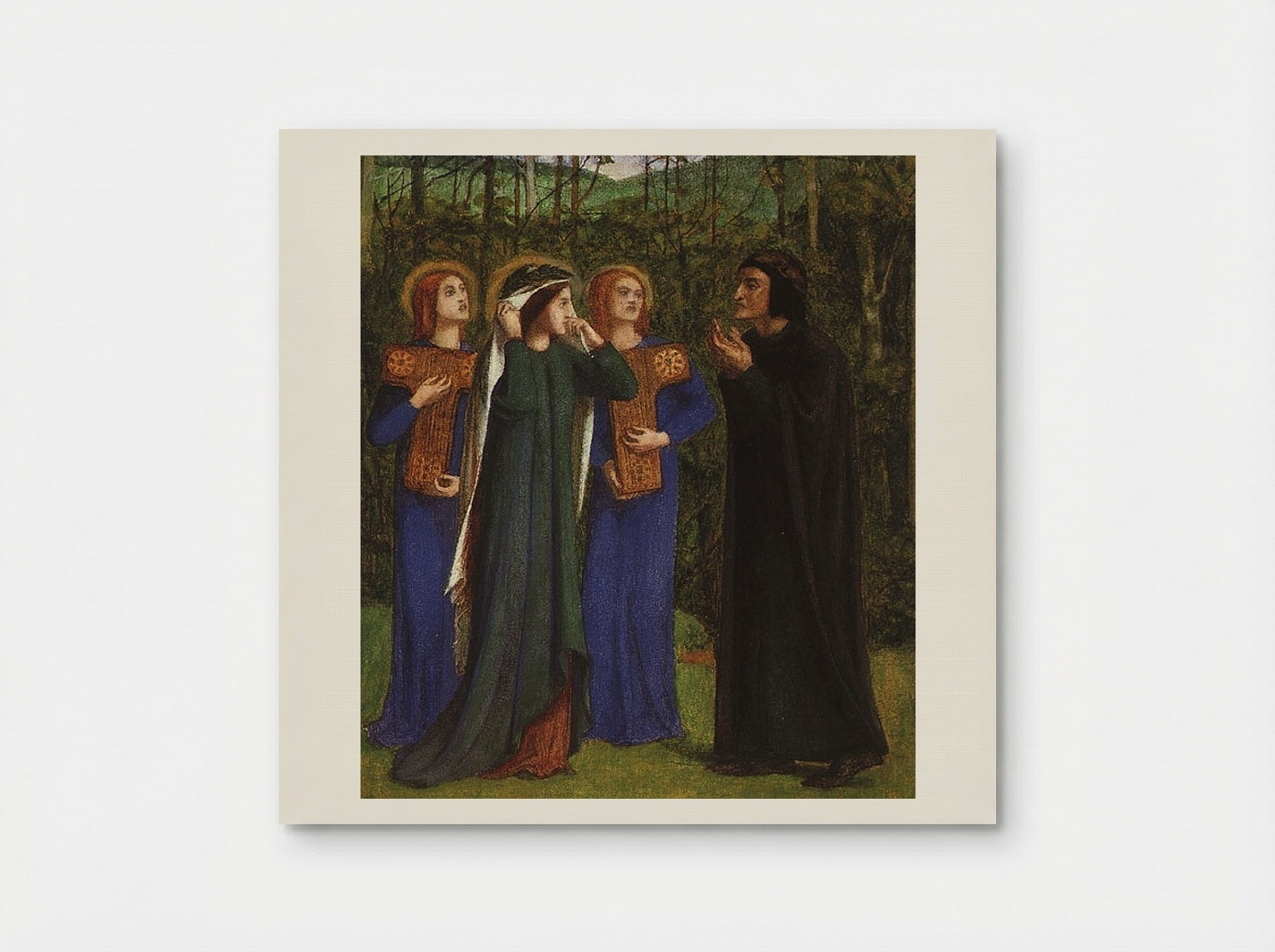
 The Meeting of Dante and Beatrice in Paradise - William Blake
Print · Framed · Canvas
Regular price From £30.00 GBPSale price From £30.00 GBP Regular price -

 Night the Second - William Blake
Print · Framed · Canvas
Regular price From £28.00 GBPSale price From £28.00 GBP Regular price -

 Behold Now Behemoth, Which I Made With Thee (The Book of Job) - William Blake
Print · Framed · Canvas
Regular price From £28.00 GBPSale price From £28.00 GBP Regular price -
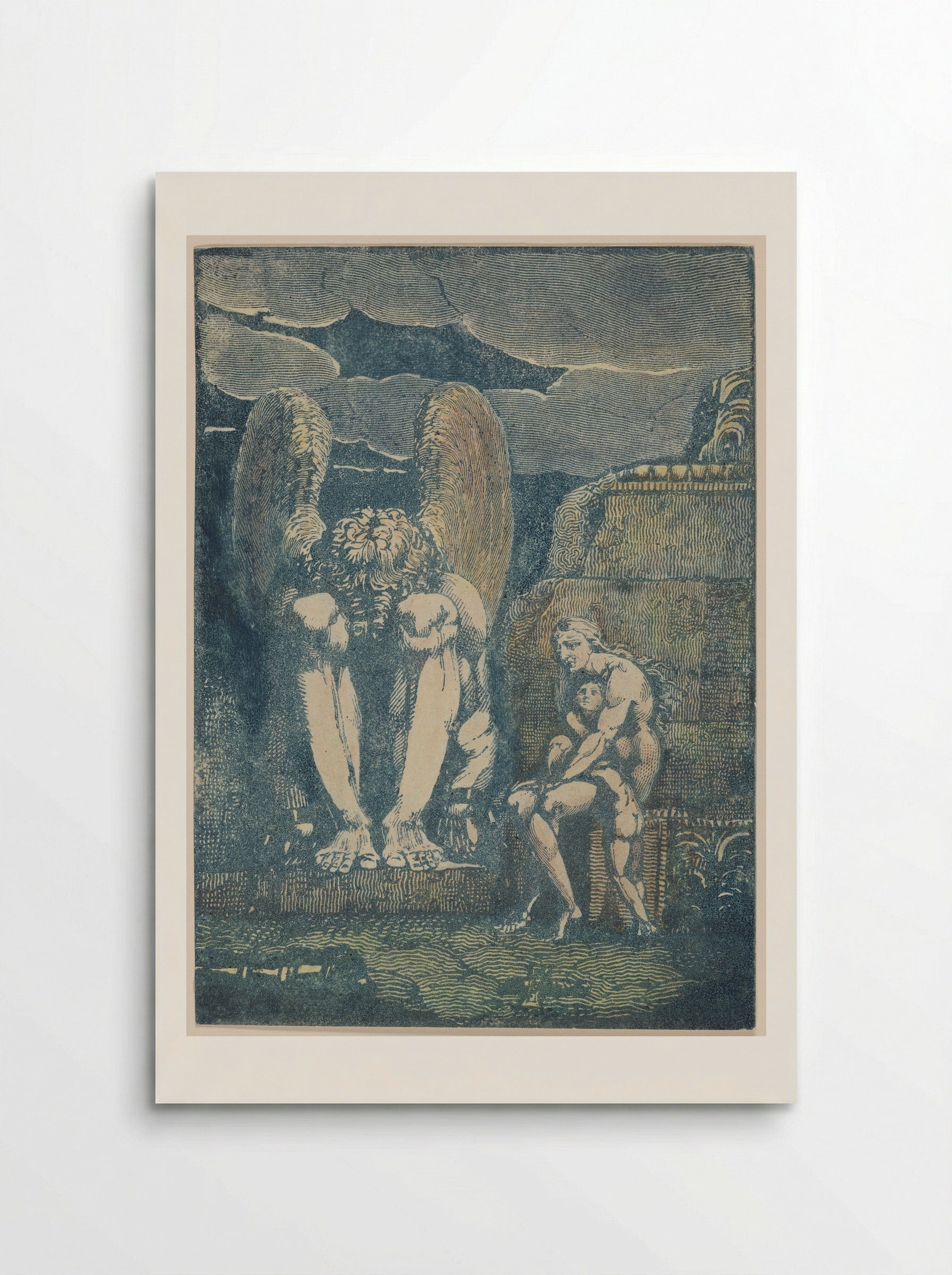
 Frontispiece for America a Prophecy - William Blake
Print · Framed · Canvas
Regular price From £28.00 GBPSale price From £28.00 GBP Regular price -
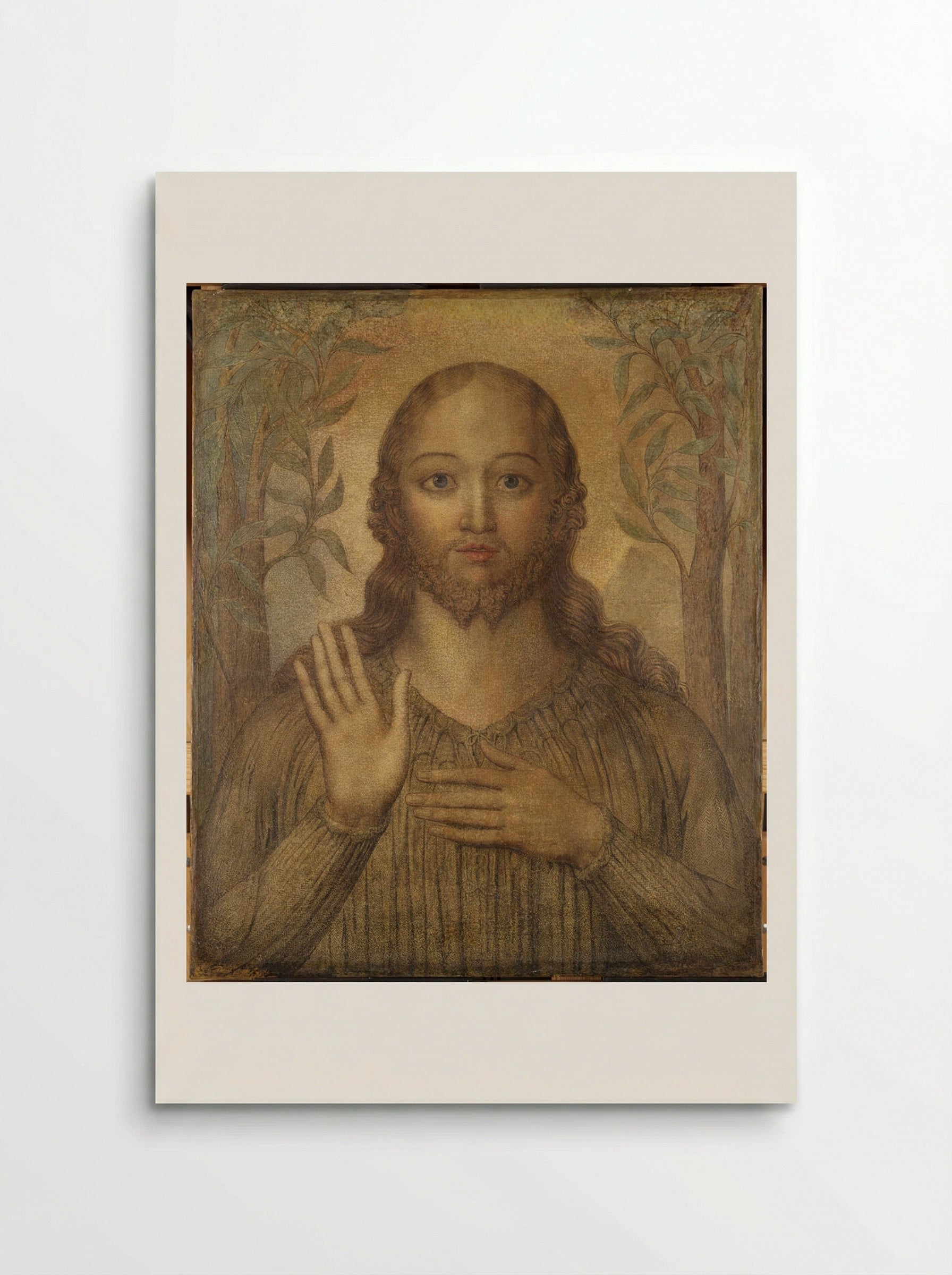 Christ Blessing - William Blake
Print
Regular price From £28.00 GBPSale price From £28.00 GBP Regular price -
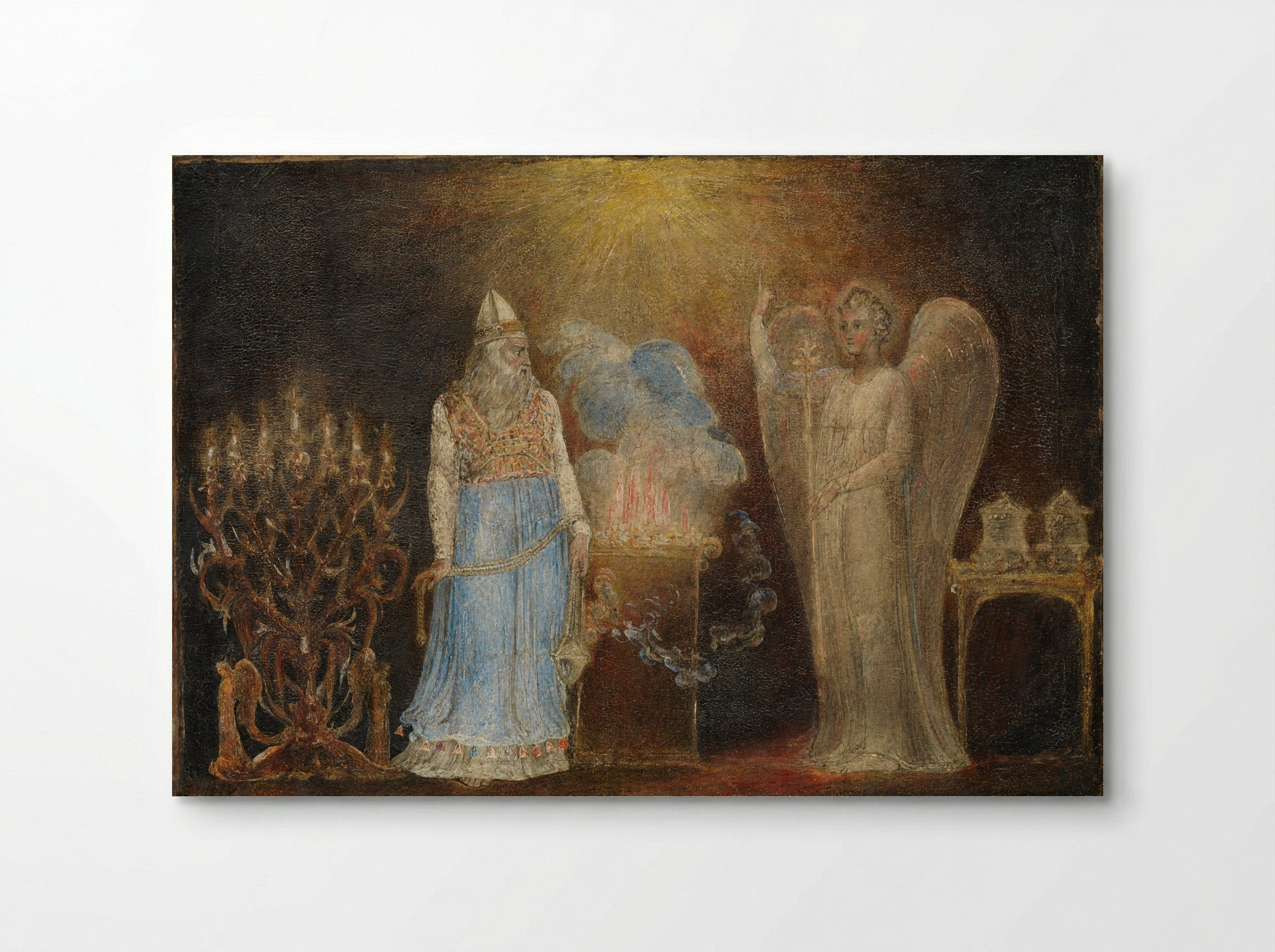 The Angel Appearing to Zacharias - William Blake
Print
Regular price From £28.00 GBPSale price From £28.00 GBP Regular price -

 Title Page, Illustrations of the Book of Job - William Blake
Print
Regular price From £28.00 GBPSale price From £28.00 GBP Regular price -

 Thus did Job continually - William Blake
Print · Framed
Regular price From £28.00 GBPSale price From £28.00 GBP Regular price -

 And smote Job with sore Boils - William Blake
Print · Framed
Regular price From £28.00 GBPSale price From £28.00 GBP Regular price -

 Behold now Behemoth which I made with thee - William Blake
Print · Framed
Regular price From £28.00 GBPSale price From £28.00 GBP Regular price -

 With Dreams upon my bed thou scarest me & affrightest me with Visions - William Blake
Print · Framed
Regular price From £28.00 GBPSale price From £28.00 GBP Regular price -

 Thou hast fulfilled the judgement of the wicked - William Blake
Print · Framed
Regular price From £28.00 GBPSale price From £28.00 GBP Regular price -

 So the Lord blessed the latter end of Job - William Blake
Print · Framed
Regular price From £28.00 GBPSale price From £28.00 GBP Regular price


Artist Biography
William Blake
Blake saw angels in a tree when he was about eight years old, at Peckham Rye in south London. Bright angelic wings, he said, bespangling every bough like stars. When he reported this at home, his father nearly beat him for lying. His mother intervened. He was never sent to school. He later said he was grateful for this, having been spared being flogged into following the style of a fool.
He married Catherine Boucher in 1782. She was illiterate at the time and signed the marriage register with an X. He taught her to read, write, and engrave, and she became his collaborator for the next forty-five years: mixing paint, operating the printing press, hand-colouring plates, and binding the finished pages into covers.
Their working method was Blake's own invention, revealed to him (he said) in a dream by the spirit of his dead brother Robert. Relief etching reversed the standard printmaking process: instead of cutting lines into copper, Blake wrote and drew on the plate in acid-resistant varnish, then dissolved the surrounding metal with acid, leaving text and image raised. This allowed him to compose poetry and illustration simultaneously on a single plate, print them together, then hand-colour each sheet in watercolour. Every copy was therefore unique. Songs of Innocence and of Experience was produced this way. He sold fewer than thirty copies during his lifetime.
In 1803, he physically threw a soldier named John Schofield out of his garden in Felpham. He was charged with assault and with uttering treasonable expressions against the King. He was acquitted at the Chichester assizes in January 1804.
Newton, painted in 1795, shows the scientist as a young man with the body of a Greek god, bent forward at the bottom of a dark ocean, fixing his gaze on a pair of compasses, measuring and drawing on a scroll that appears to project from his own head. It is a painting about the limits of reason: beautiful, precise, and missing everything beyond the edge of the paper. The Ancient of Days, from the same period, depicts his mythological figure Urizen crouching at the edge of a void, reaching down with a compass to measure the darkness below.
He died on 12 August 1827, working on illustrations for Dante's Divine Comedy. He was buried at Bunhill Fields. The wider recognition came decades later.
He married Catherine Boucher in 1782. She was illiterate at the time and signed the marriage register with an X. He taught her to read, write, and engrave, and she became his collaborator for the next forty-five years: mixing paint, operating the printing press, hand-colouring plates, and binding the finished pages into covers.
Their working method was Blake's own invention, revealed to him (he said) in a dream by the spirit of his dead brother Robert. Relief etching reversed the standard printmaking process: instead of cutting lines into copper, Blake wrote and drew on the plate in acid-resistant varnish, then dissolved the surrounding metal with acid, leaving text and image raised. This allowed him to compose poetry and illustration simultaneously on a single plate, print them together, then hand-colour each sheet in watercolour. Every copy was therefore unique. Songs of Innocence and of Experience was produced this way. He sold fewer than thirty copies during his lifetime.
In 1803, he physically threw a soldier named John Schofield out of his garden in Felpham. He was charged with assault and with uttering treasonable expressions against the King. He was acquitted at the Chichester assizes in January 1804.
Newton, painted in 1795, shows the scientist as a young man with the body of a Greek god, bent forward at the bottom of a dark ocean, fixing his gaze on a pair of compasses, measuring and drawing on a scroll that appears to project from his own head. It is a painting about the limits of reason: beautiful, precise, and missing everything beyond the edge of the paper. The Ancient of Days, from the same period, depicts his mythological figure Urizen crouching at the edge of a void, reaching down with a compass to measure the darkness below.
He died on 12 August 1827, working on illustrations for Dante's Divine Comedy. He was buried at Bunhill Fields. The wider recognition came decades later.


Why Choose Us ?