

Collection
Patrick Caulfield
Explore curated art prints selected for distinctive homes and considered interiors.
Suggested filters
-

 Portrait of a Frenchman - Patrick Caulfield
Print · Framed
Regular price From £28.00 GBPSale price From £28.00 GBP Regular price -

 Found Objects - Patrick Caulfield
Print · Framed
Regular price From £28.00 GBPSale price From £28.00 GBP Regular price -
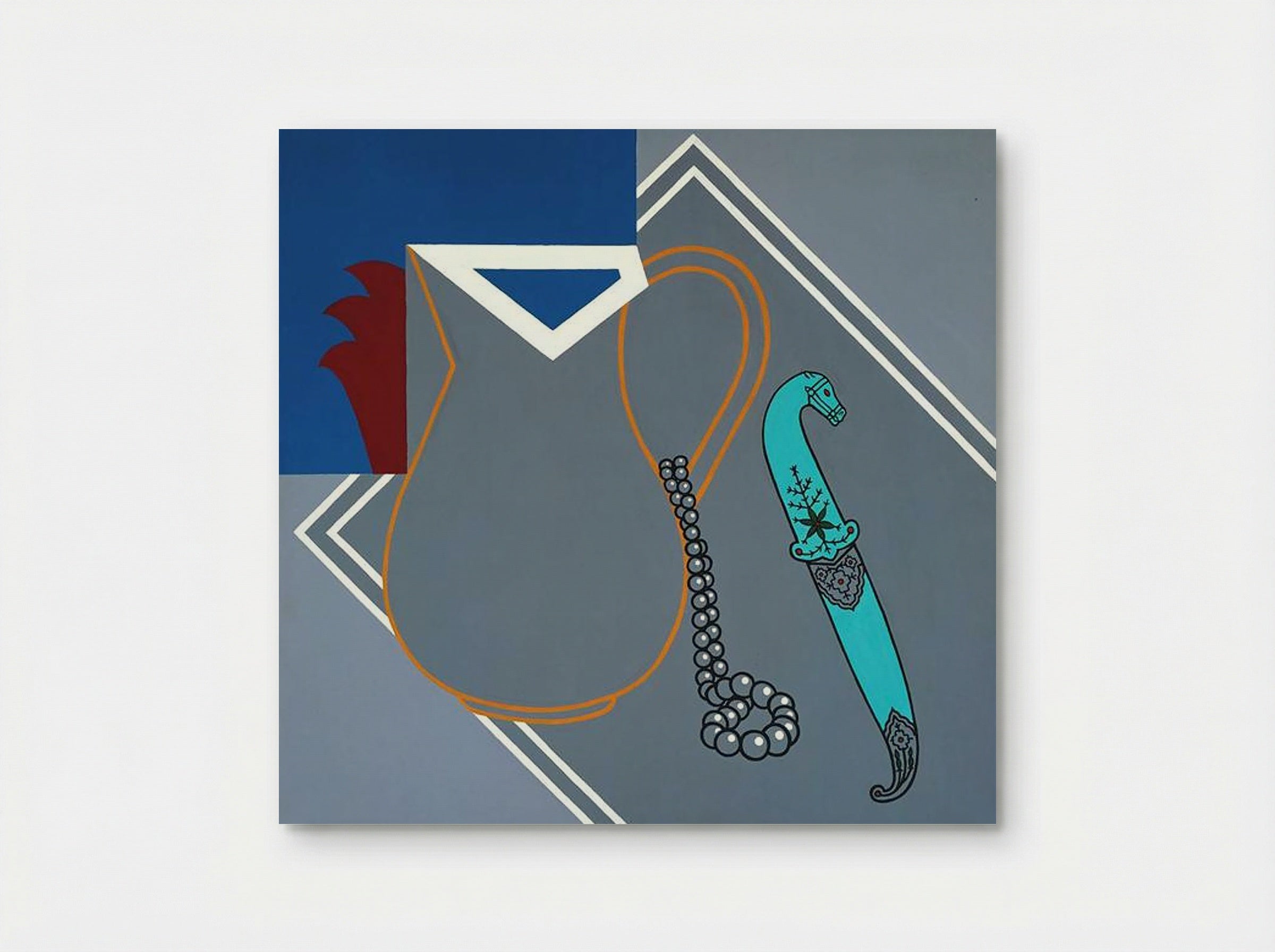
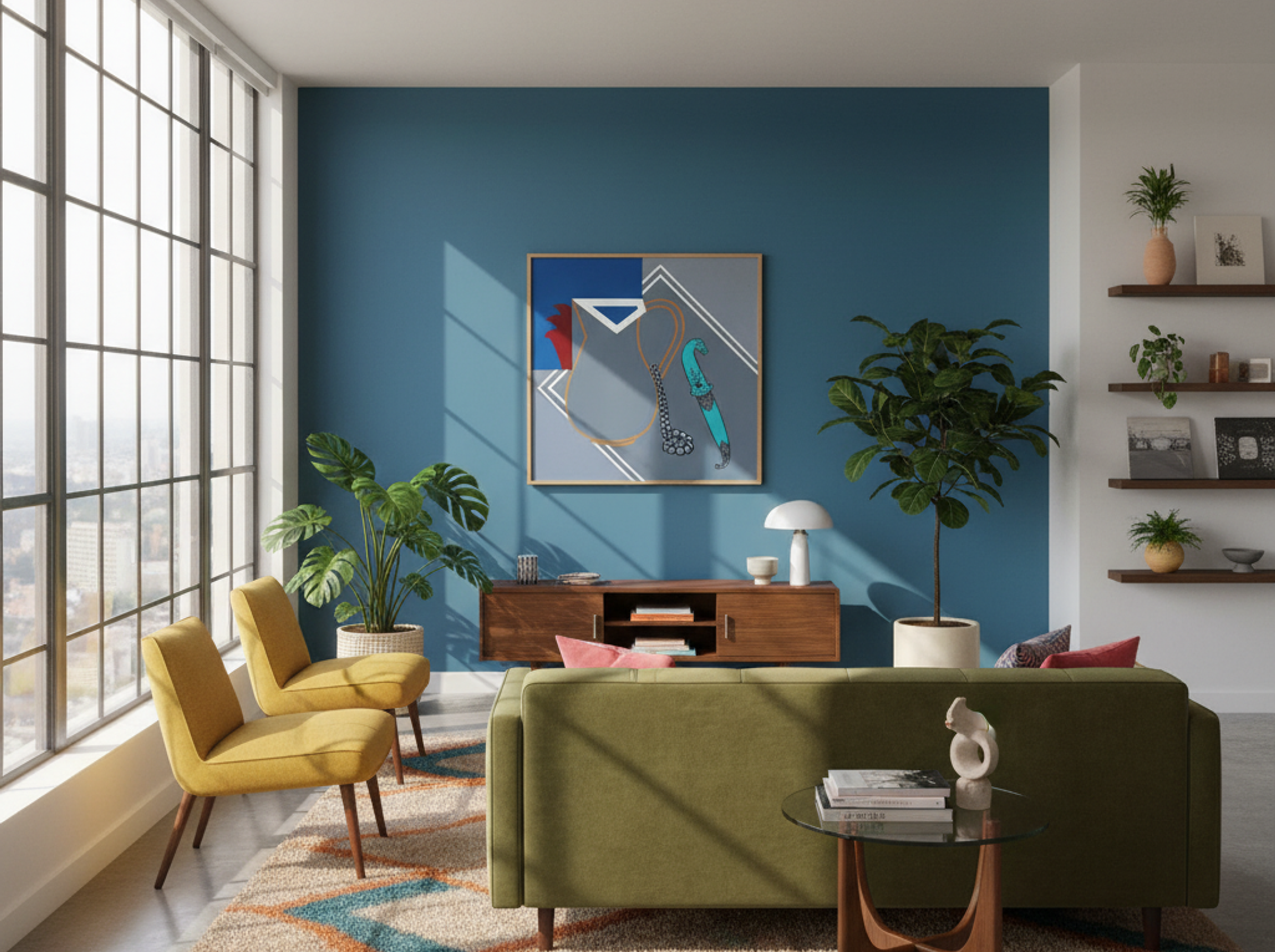 Still Life with Dagger - Patrick Caulfield
Print · Framed
Regular price From £37.00 GBPSale price From £37.00 GBP Regular price -

 Garden with Pines - Patrick Caulfield
Print · Framed
Regular price From £28.00 GBPSale price From £28.00 GBP Regular price -

 Les Demoiselles d'Avignon vues de derrière - Patrick Caulfield
Print · Framed · Canvas
Regular price From £30.00 GBPSale price From £30.00 GBP Regular price -
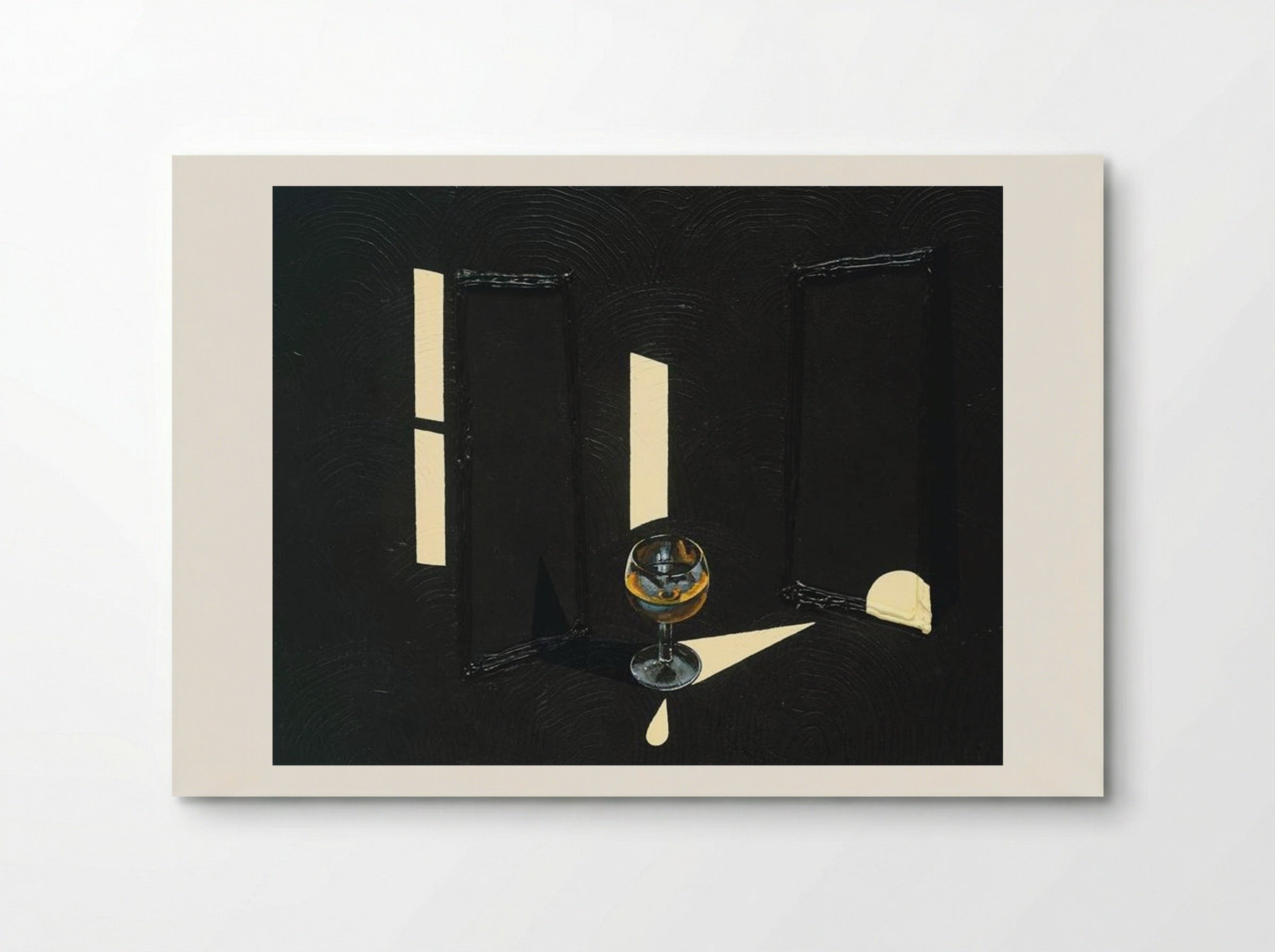 Second Glass of Whisky - Patrick Caulfield
Print
Regular price From £28.00 GBPSale price From £28.00 GBP Regular price -
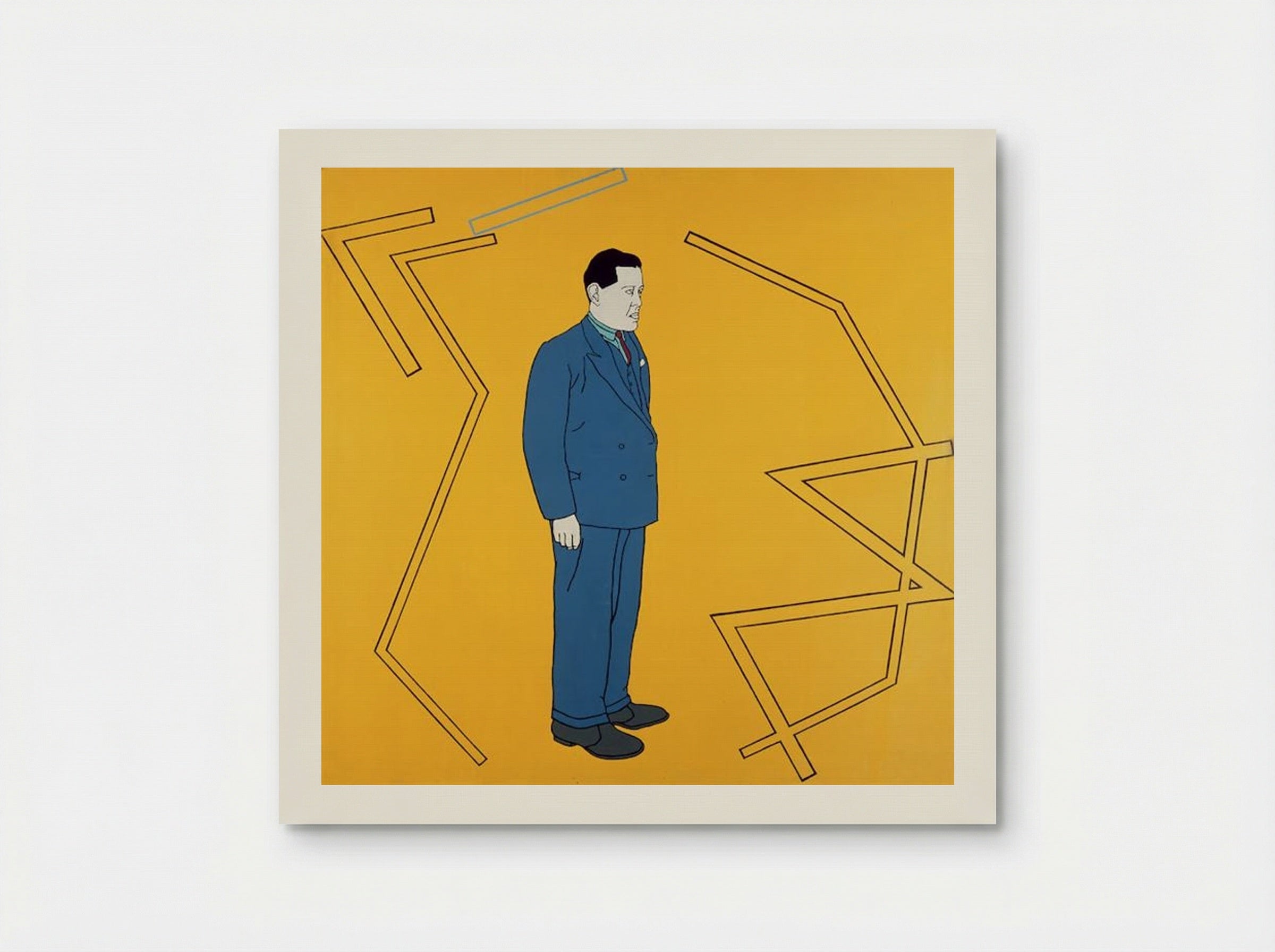 Portrait of Juan Gris - Patrick Caulfield
Print
Regular price From £37.00 GBPSale price From £37.00 GBP Regular price -
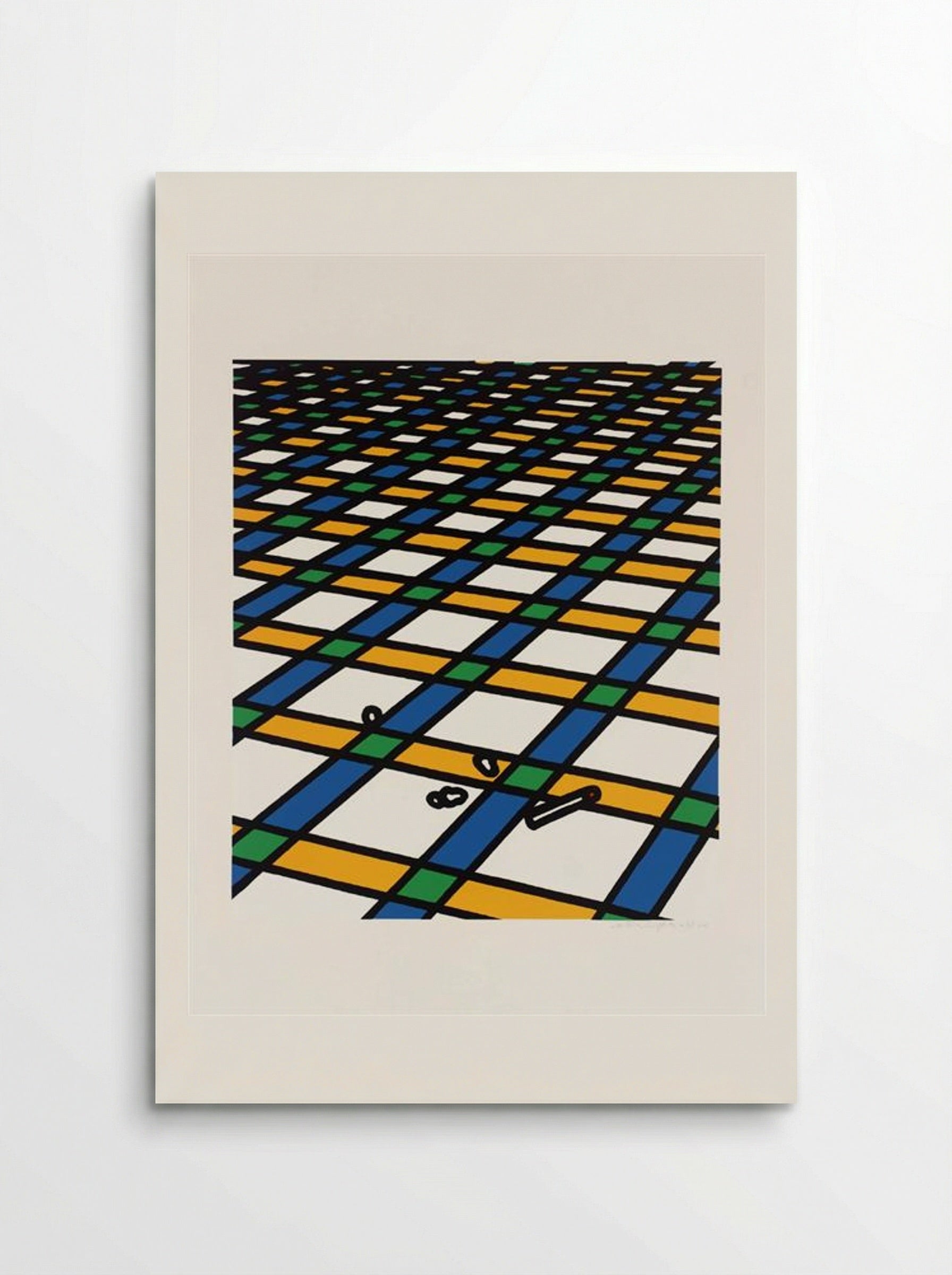 And I am alone in my house - Patrick Caulfield
Print
Regular price From £28.00 GBPSale price From £28.00 GBP Regular price -
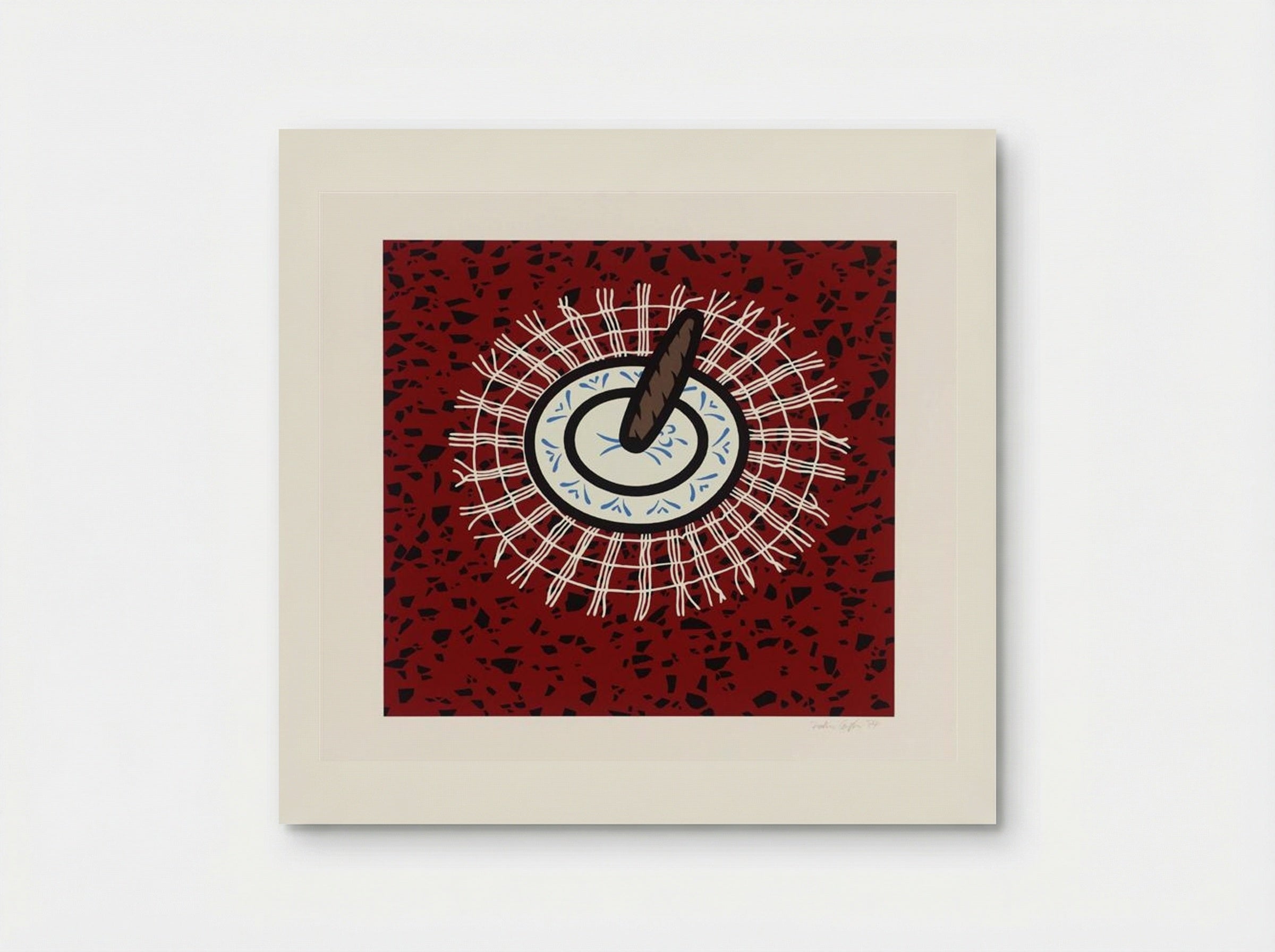 Cigar - Patrick Caulfield
Print
Regular price From £37.00 GBPSale price From £37.00 GBP Regular price -
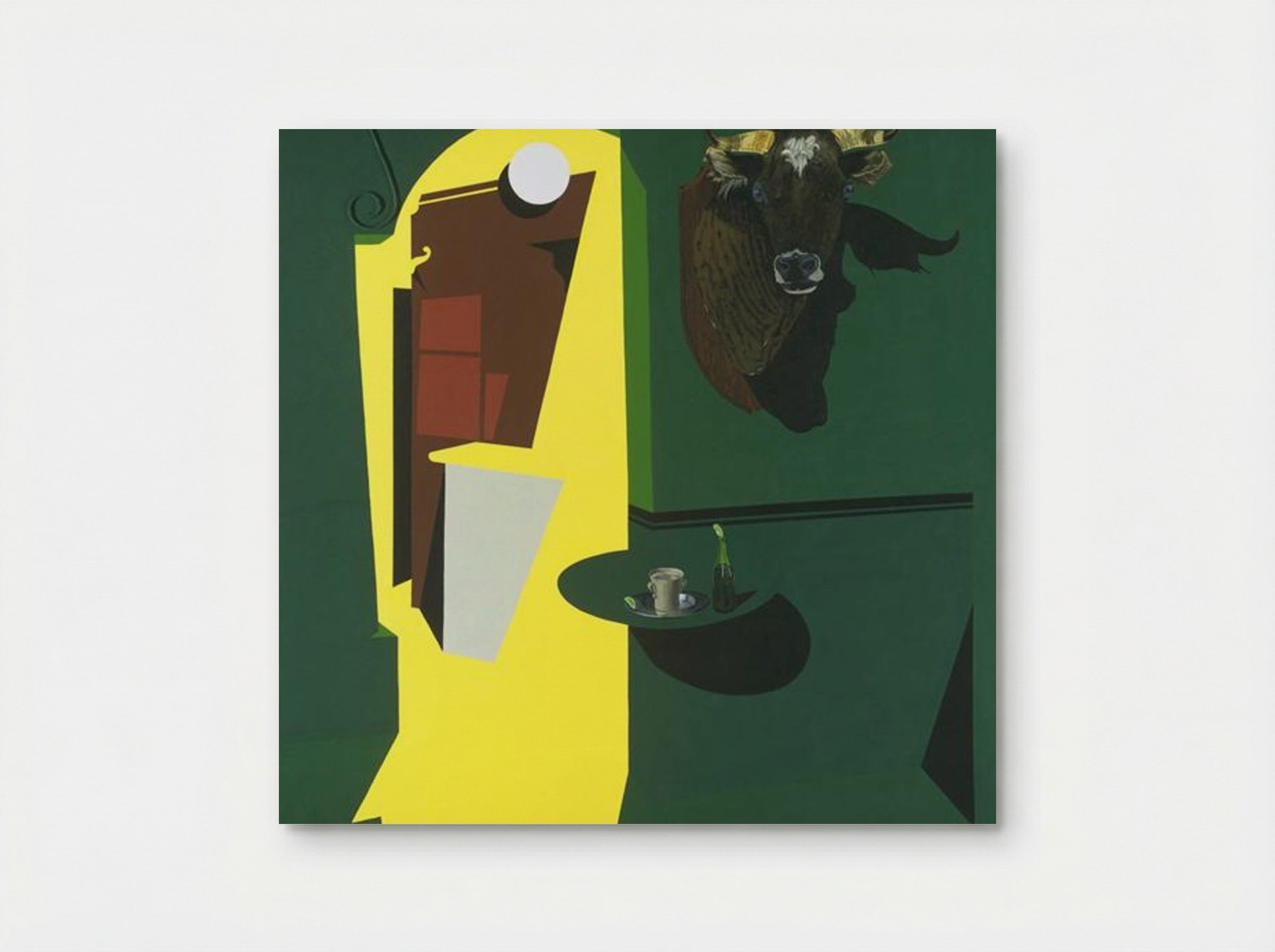
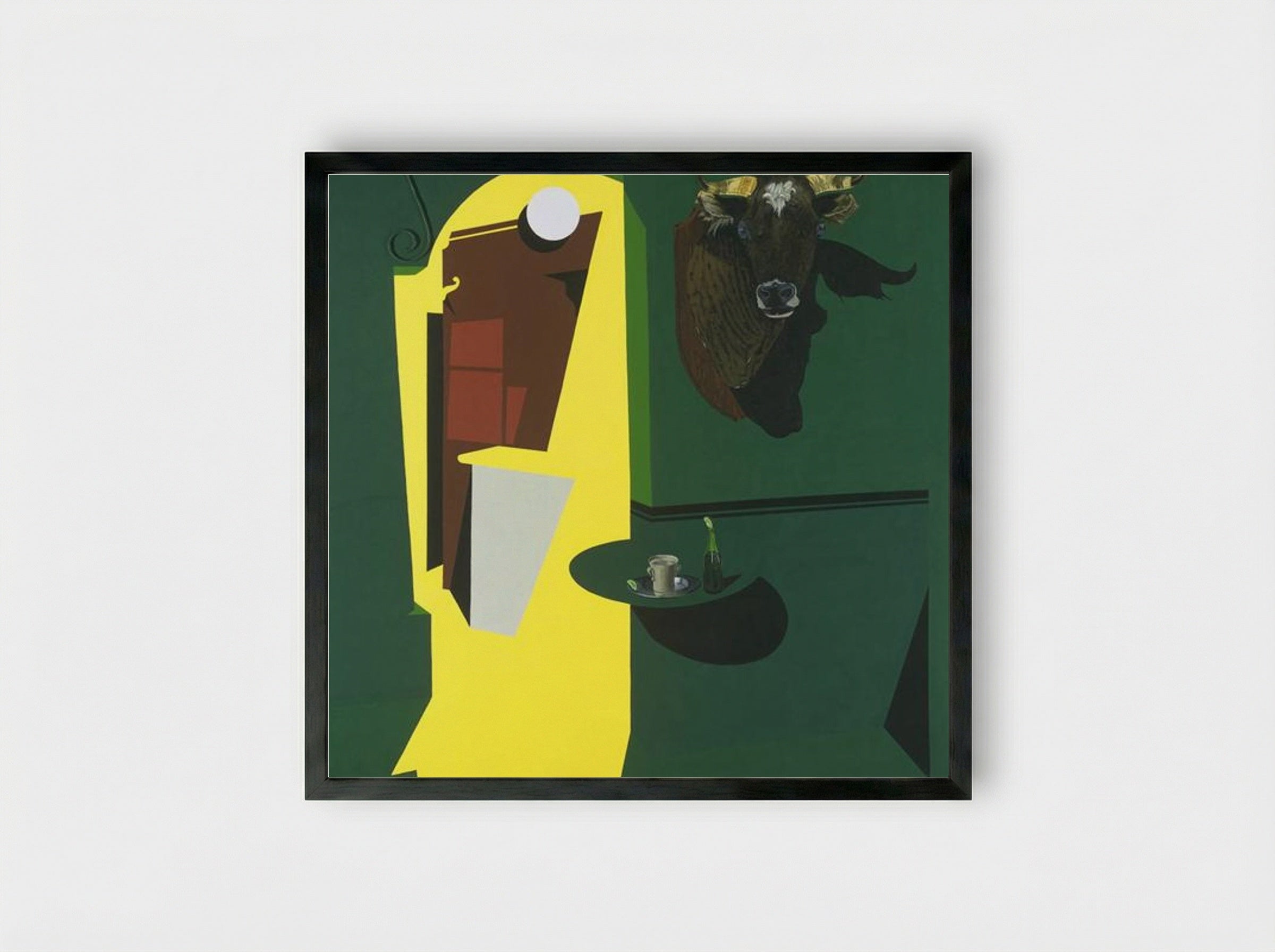 Hemingway Never Ate Here - Patrick Caulfield
Print · Framed
Regular price From £37.00 GBPSale price From £37.00 GBP Regular price -
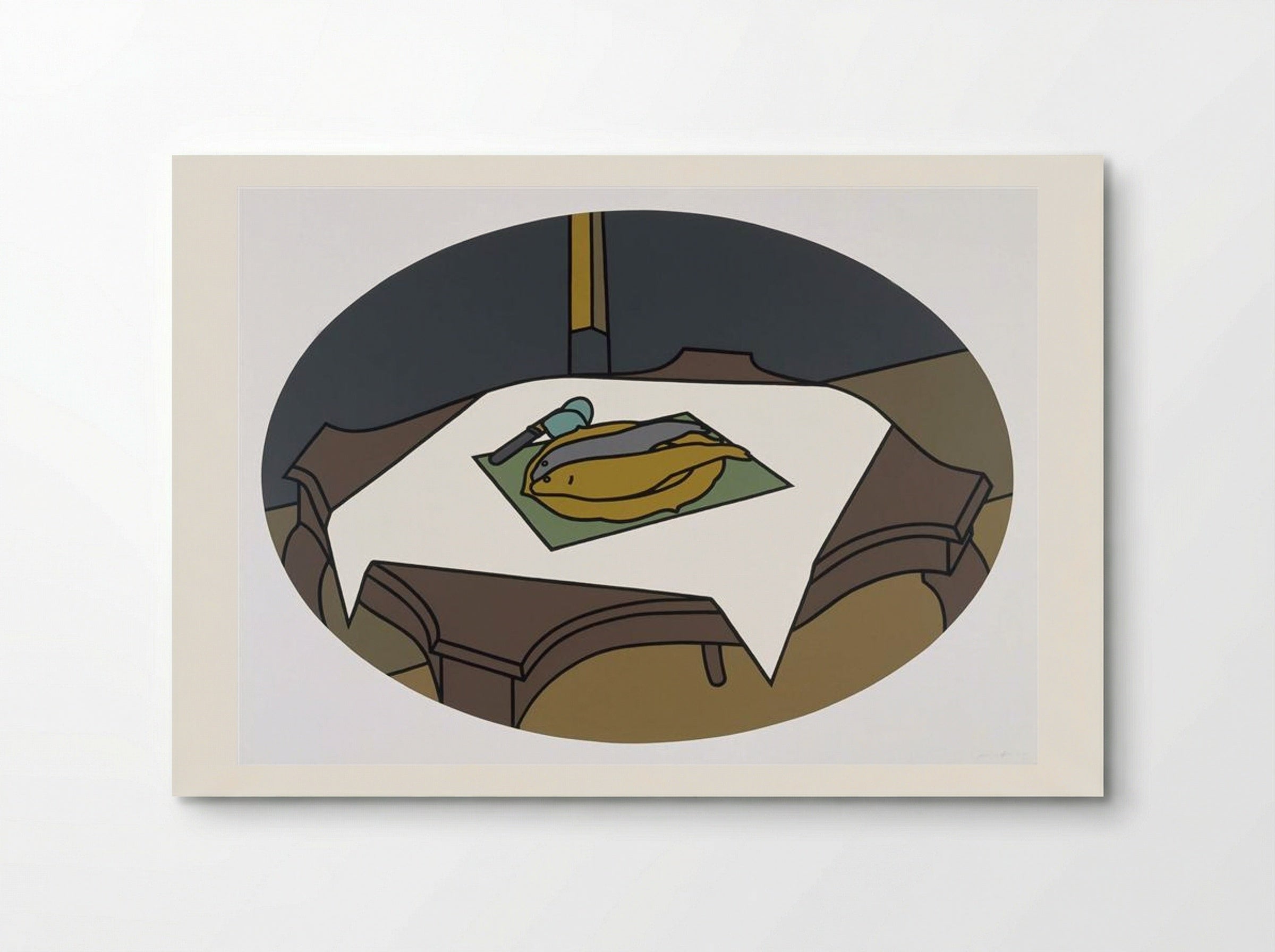
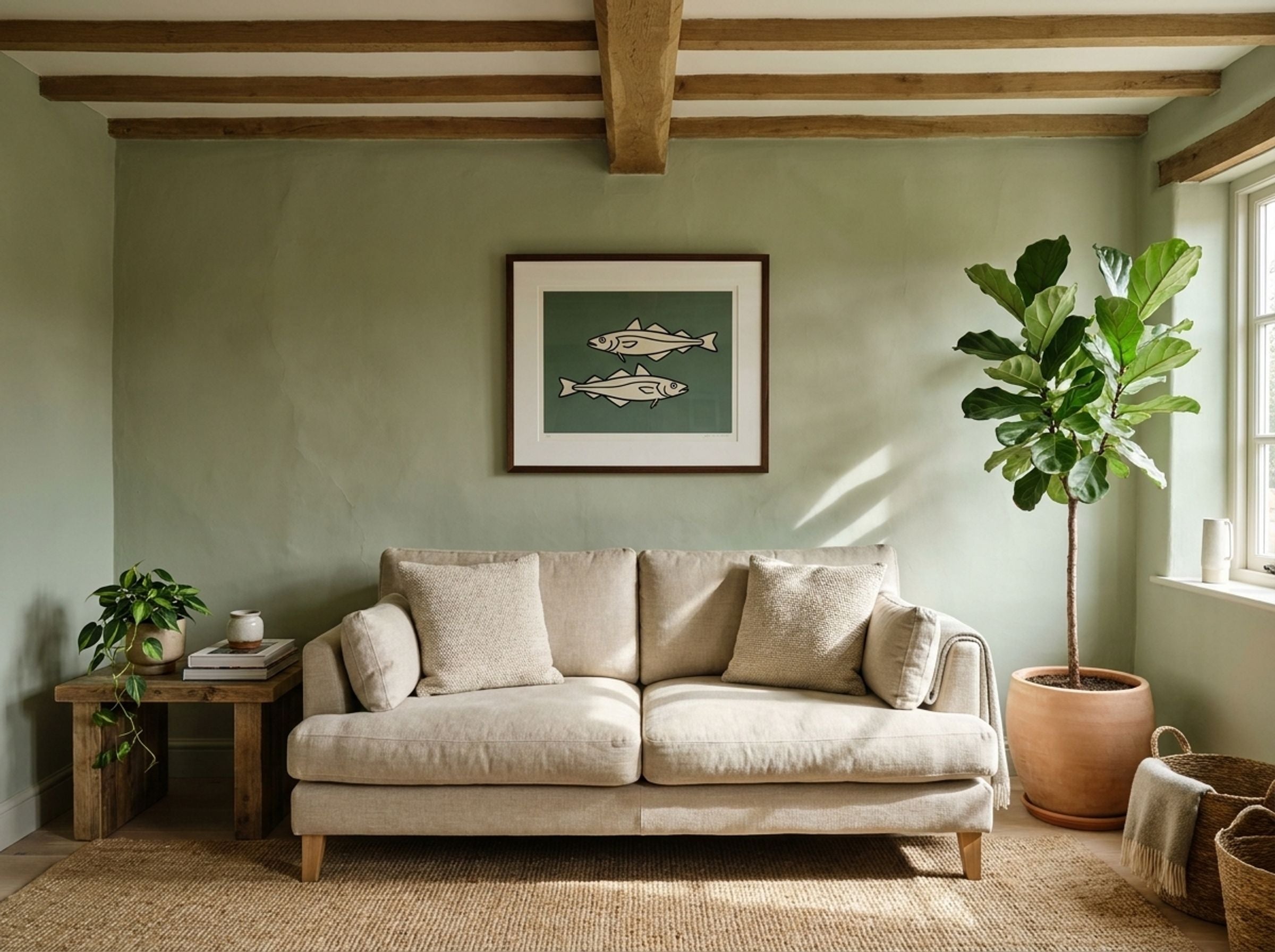 Two Whiting - Patrick Caulfield
Print
Regular price From £28.00 GBPSale price From £28.00 GBP Regular price -
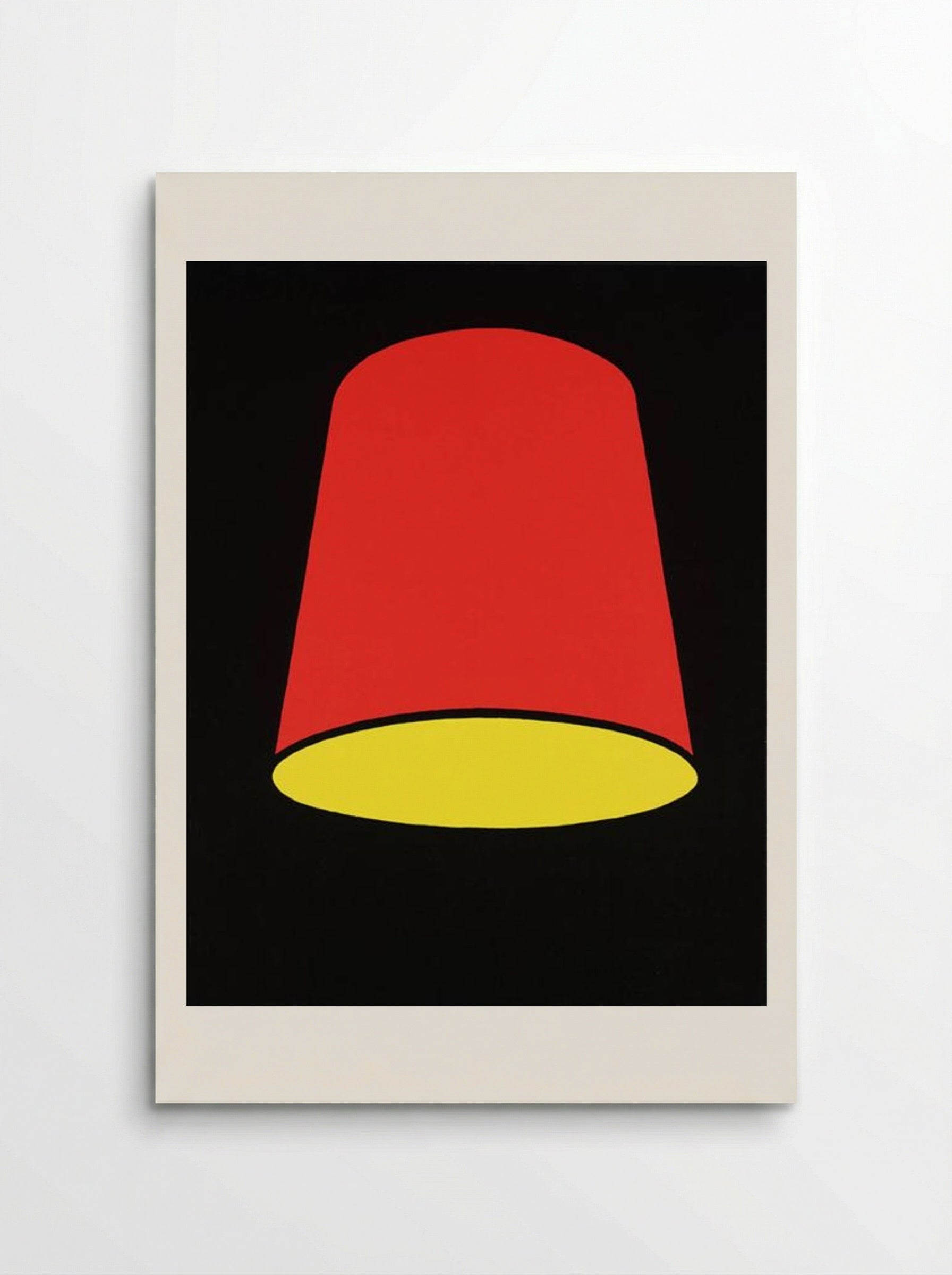
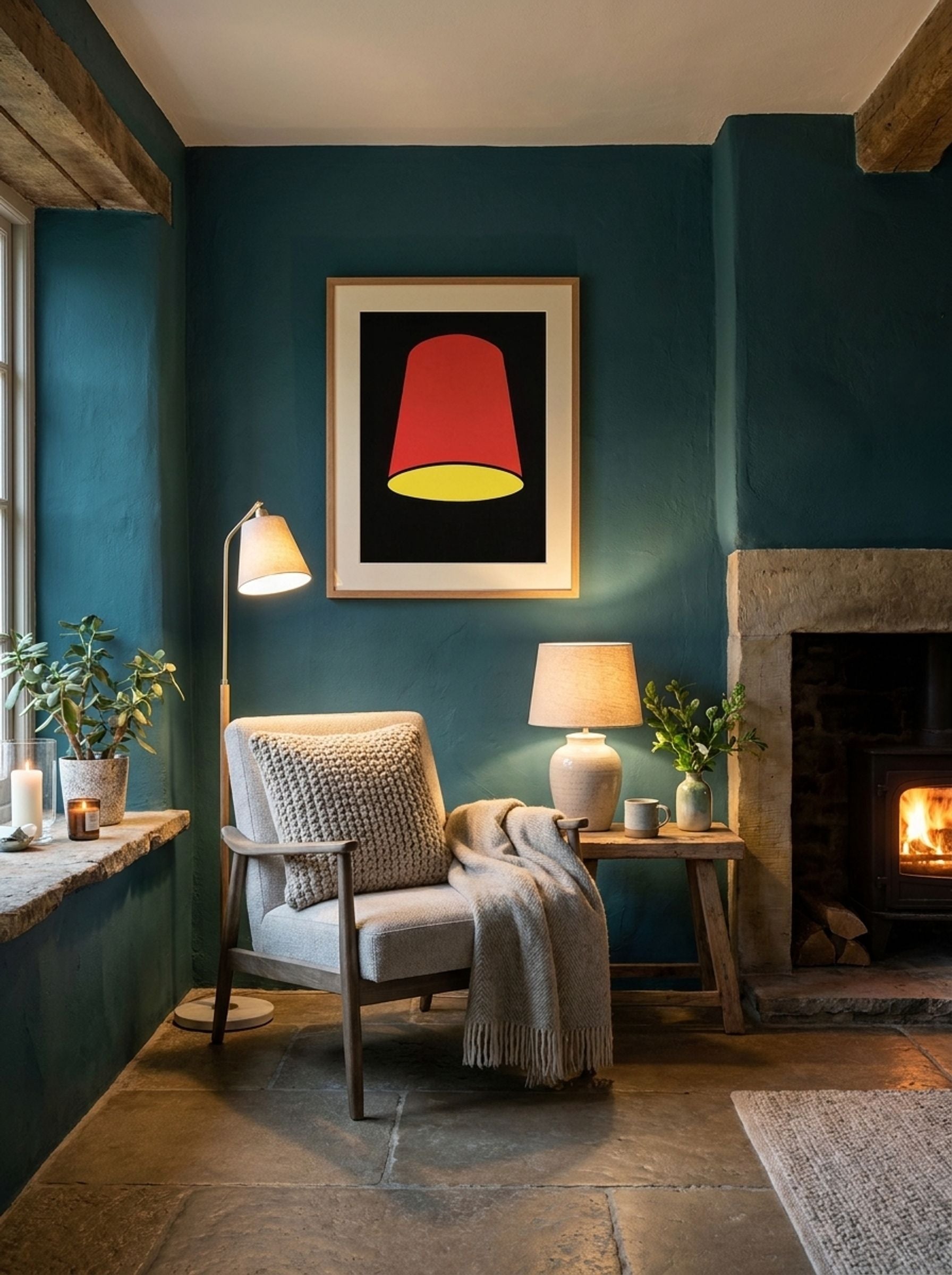 Lampshade - Patrick Caulfield
Print
Regular price From £28.00 GBPSale price From £28.00 GBP Regular price -
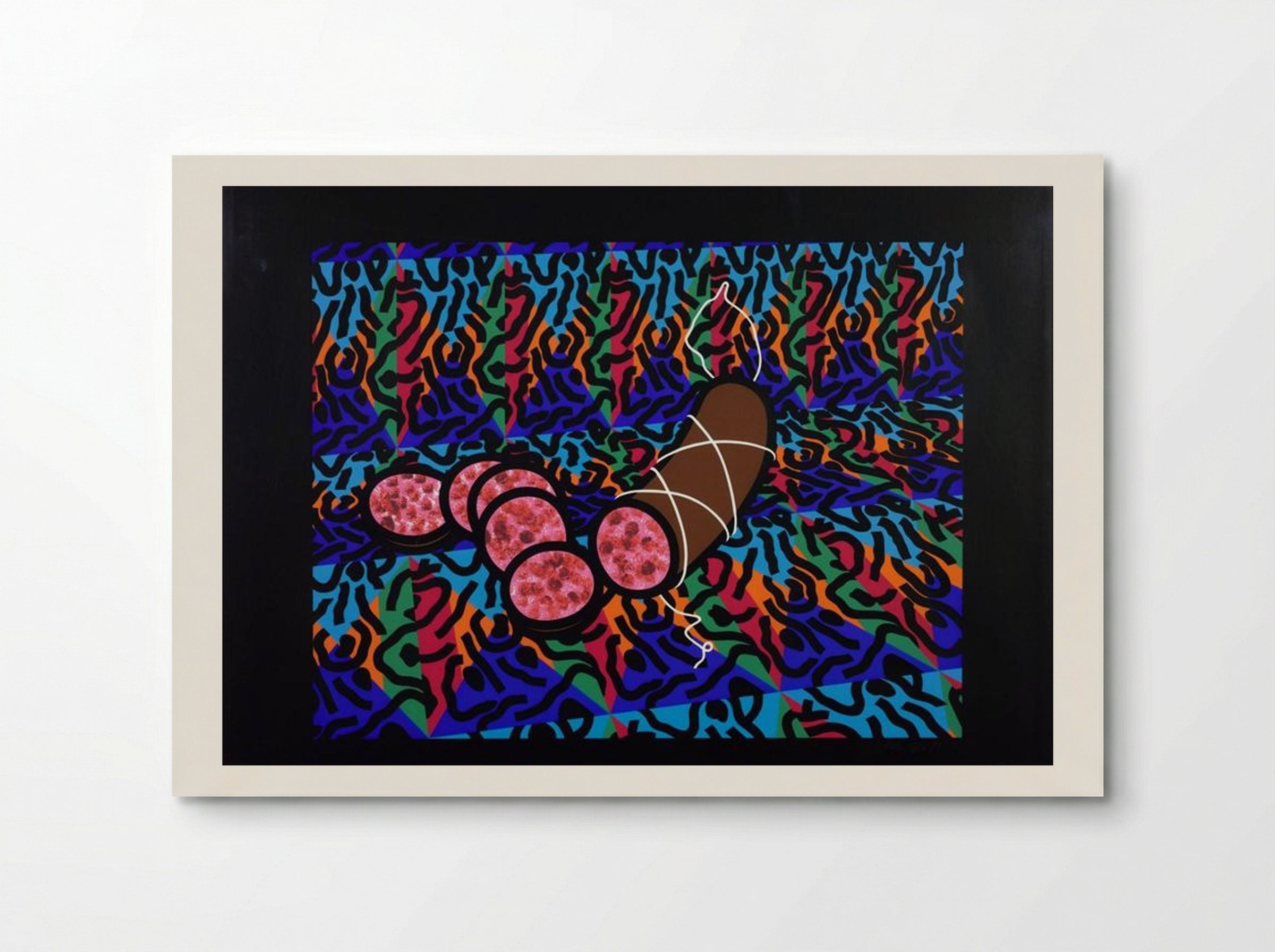
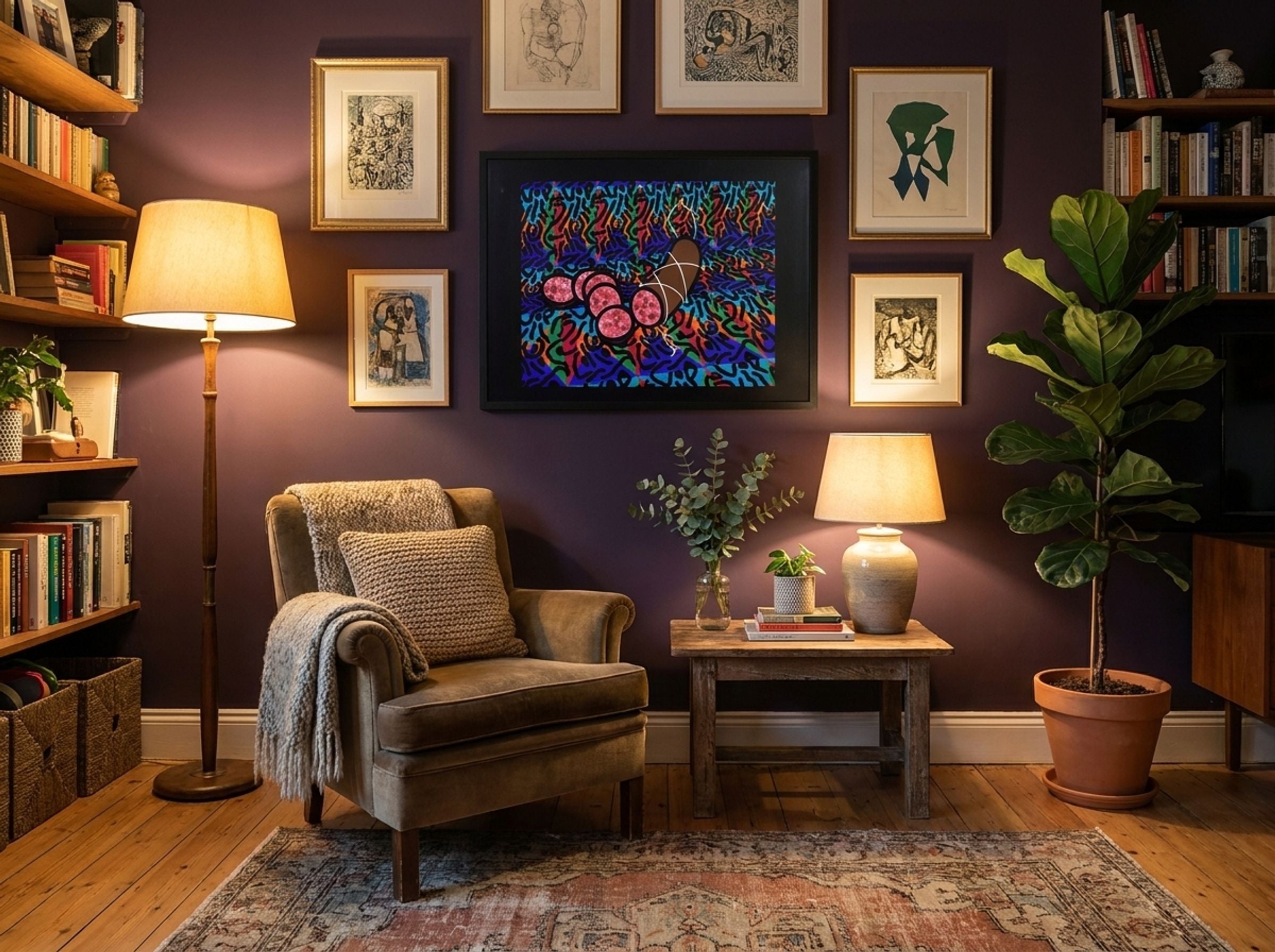 Sausage - Patrick Caulfield
Print
Regular price From £28.00 GBPSale price From £28.00 GBP Regular price -
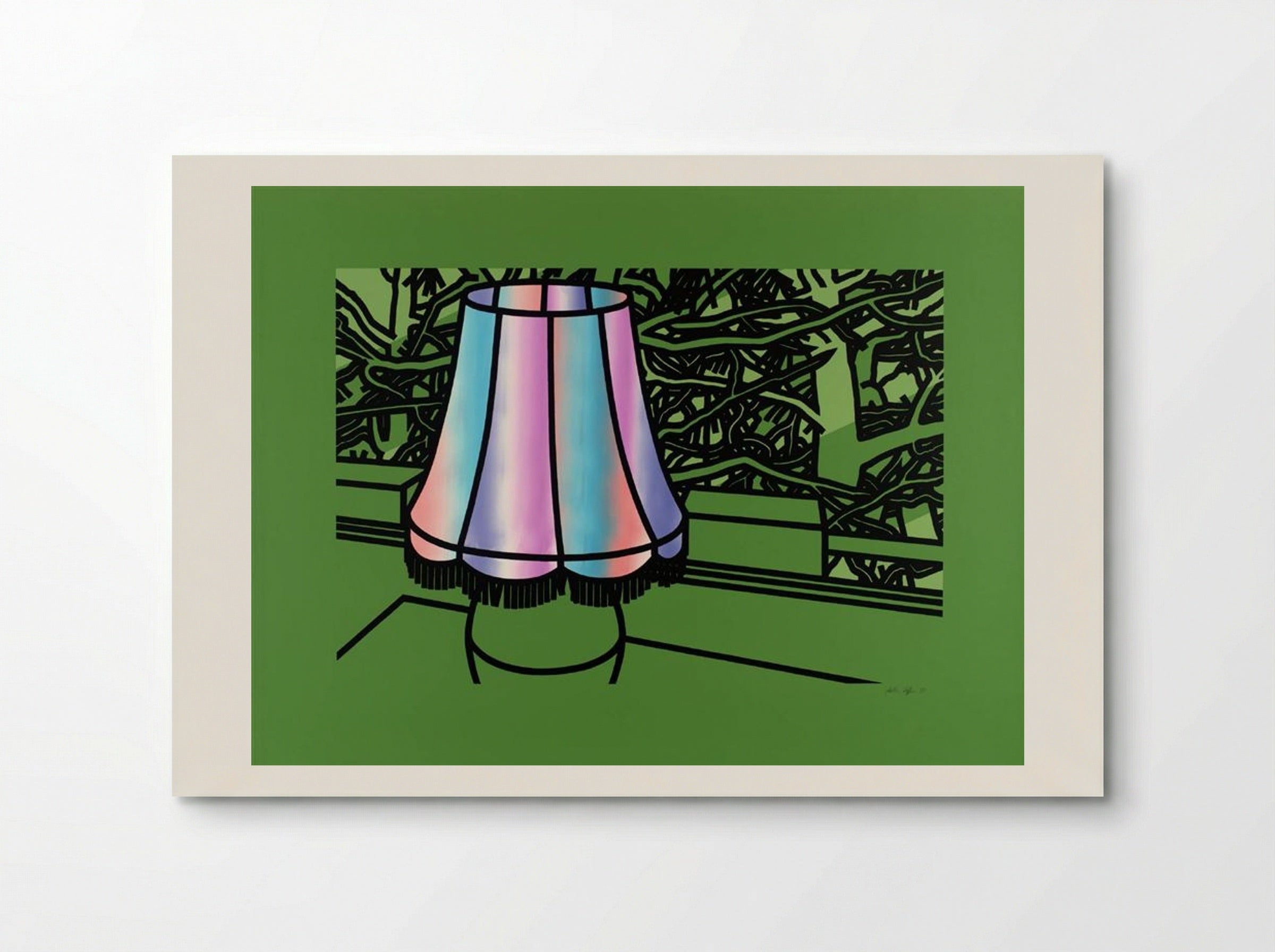
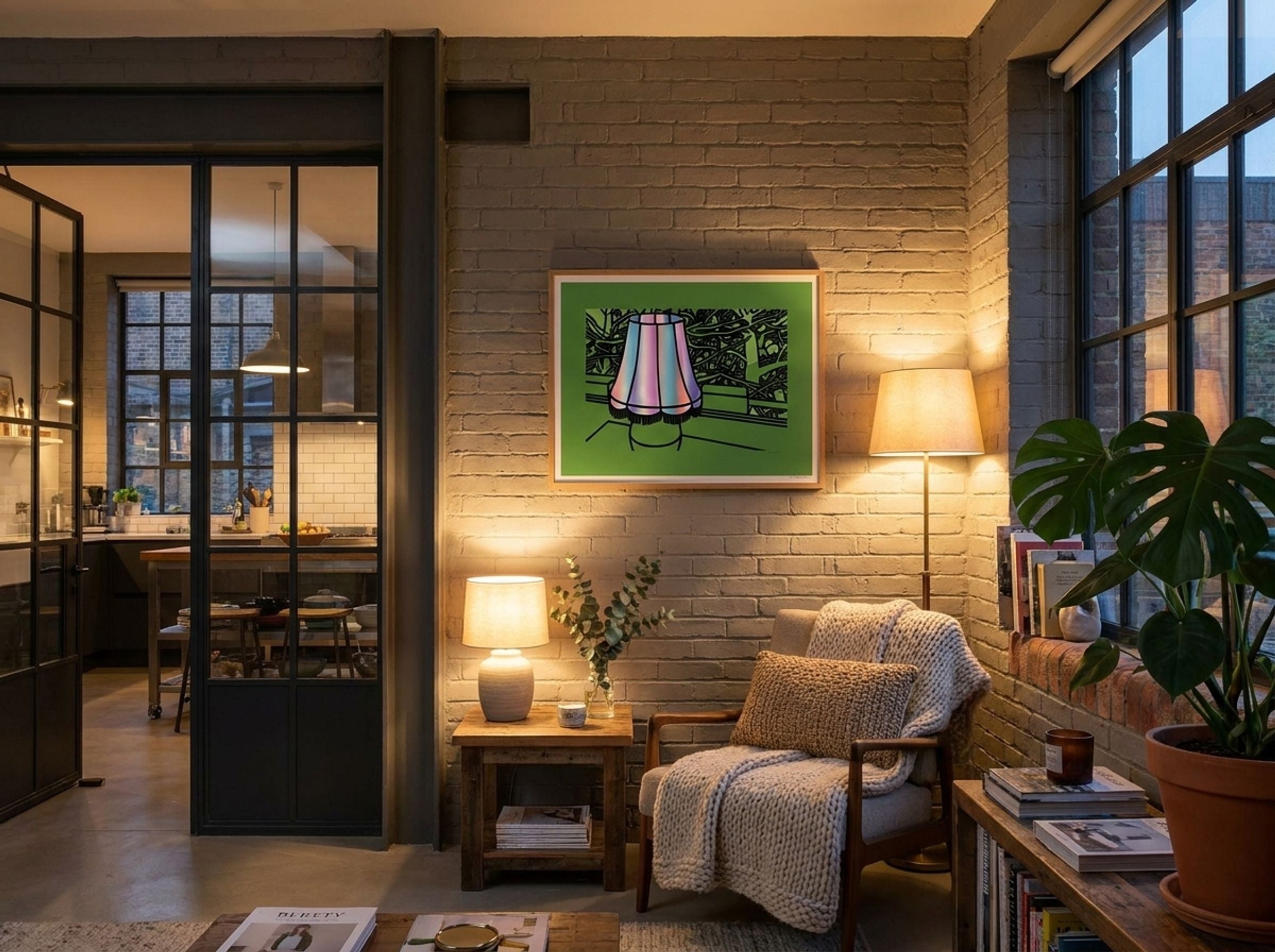 Lamp and Pines - Patrick Caulfield
Print
Regular price From £28.00 GBPSale price From £28.00 GBP Regular price -
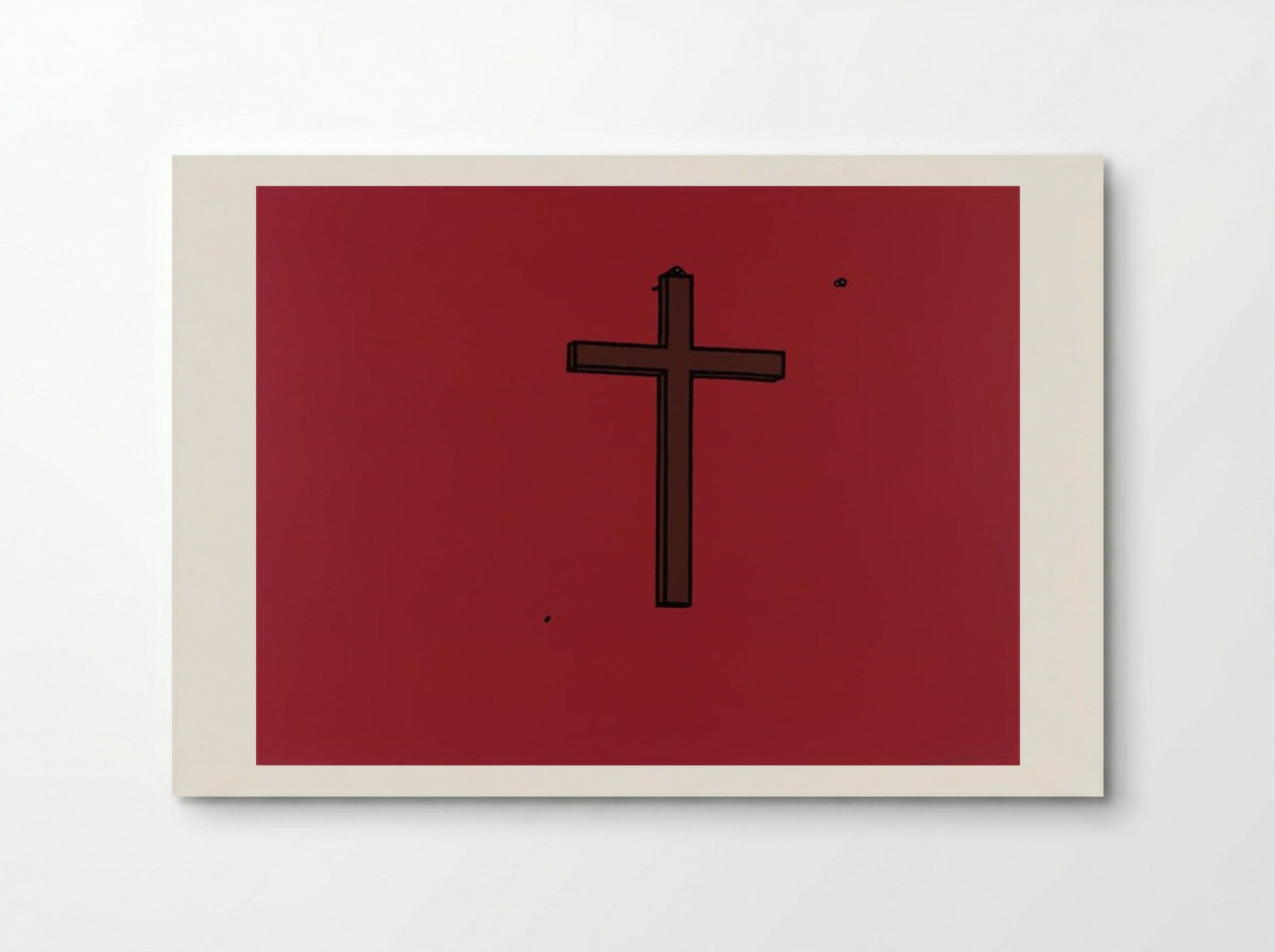
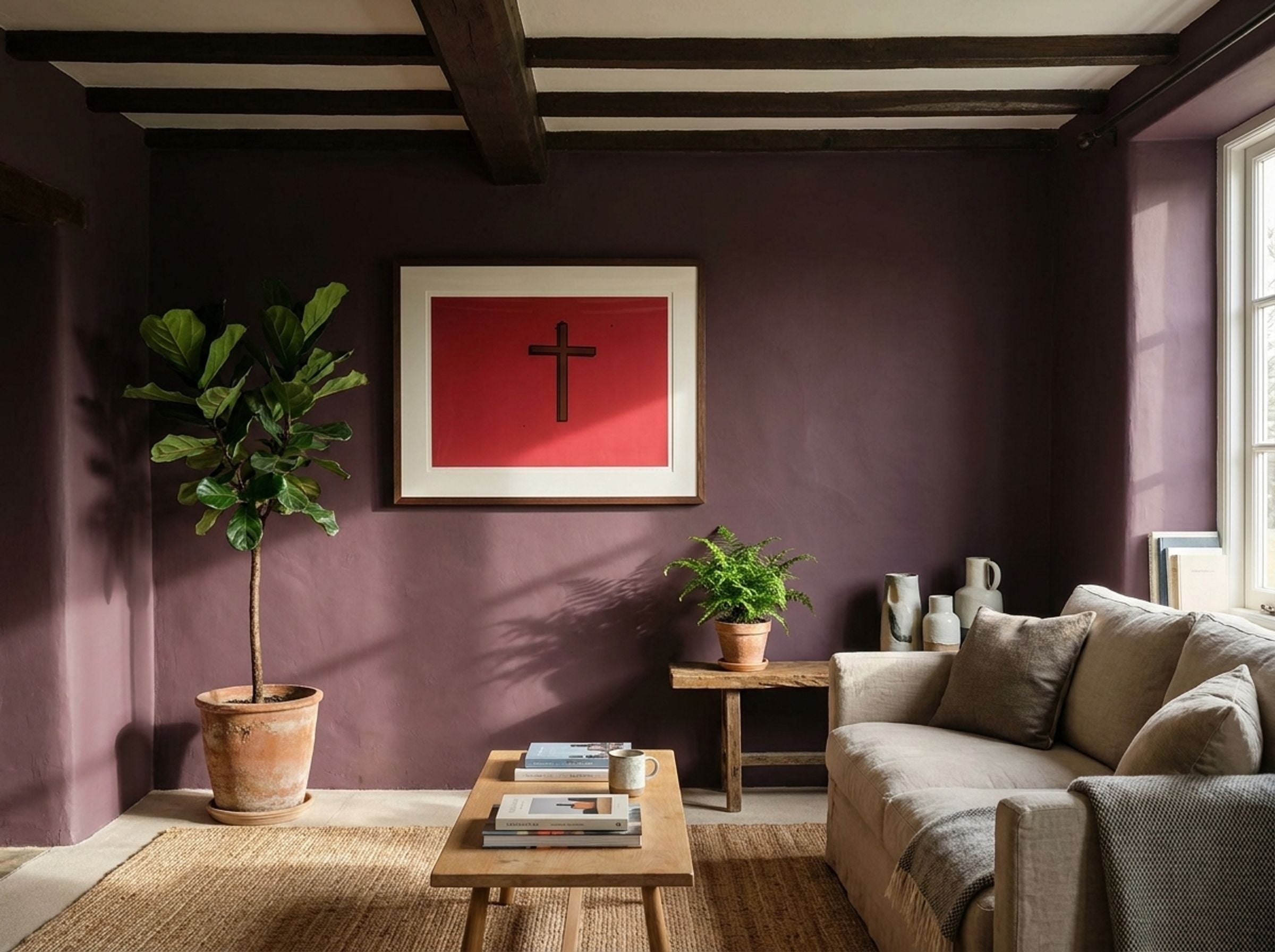 Cross - Patrick Caulfield
Print
Regular price From £28.00 GBPSale price From £28.00 GBP Regular price -
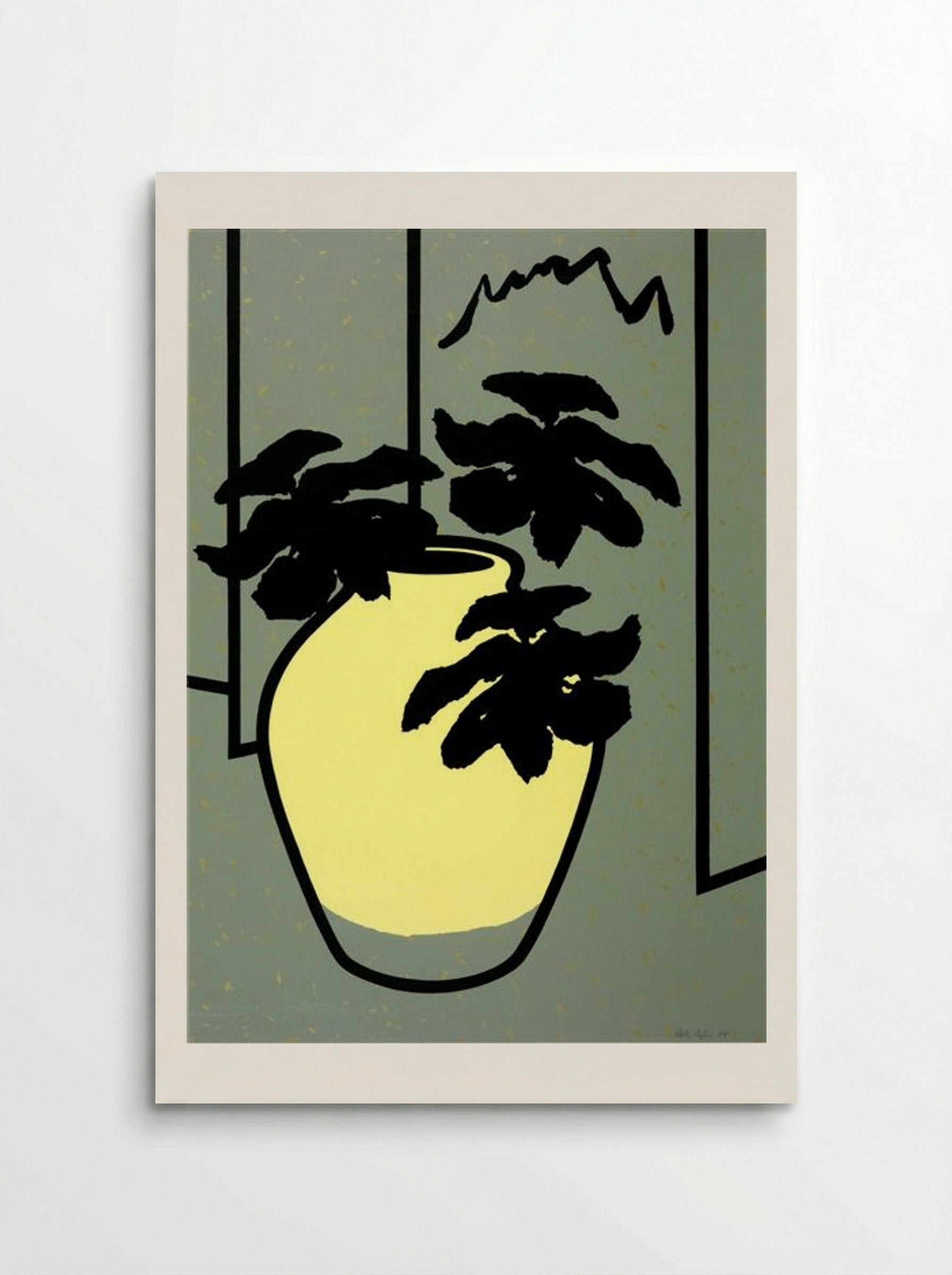
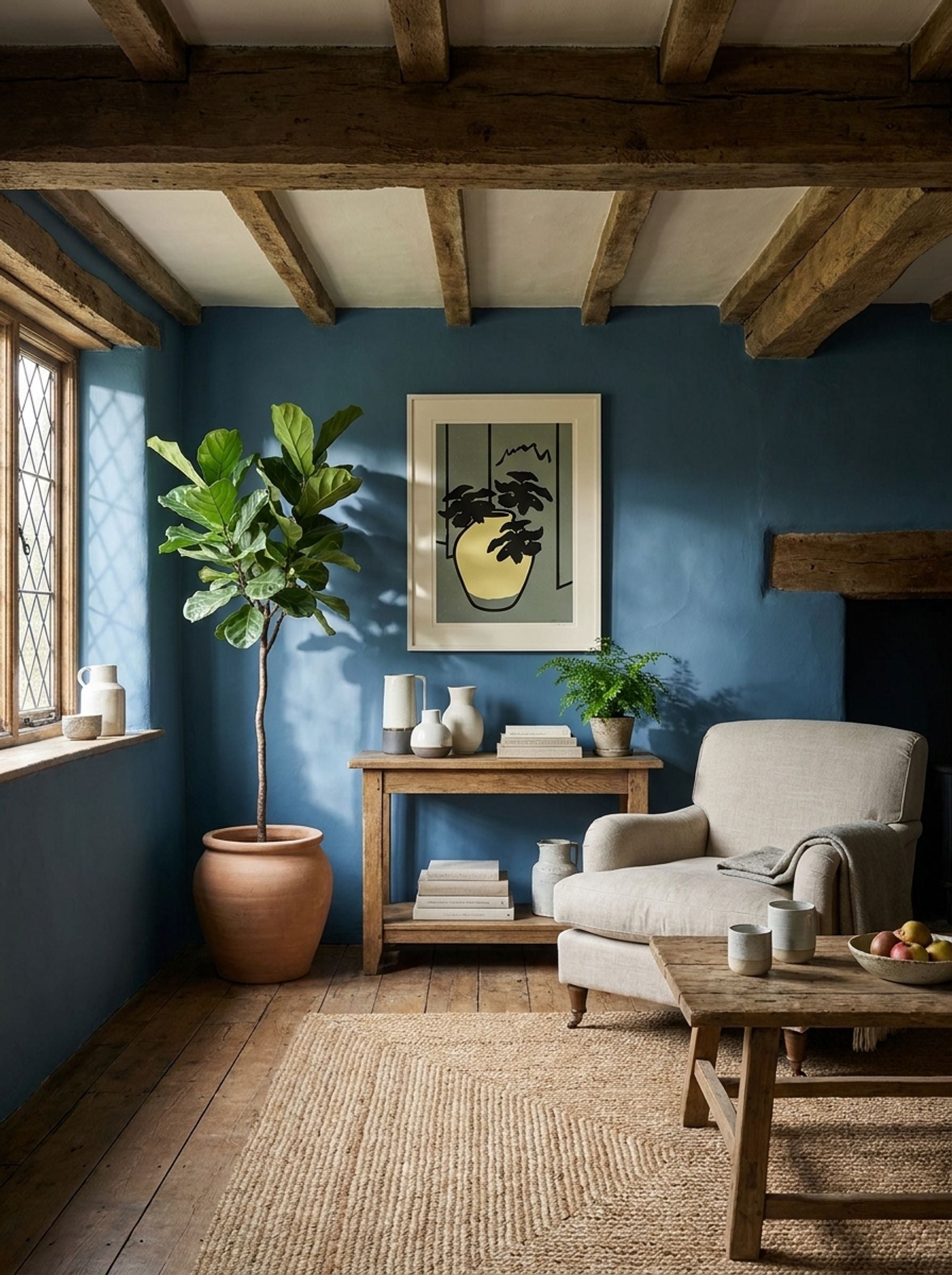 Cream Glazed Pot - Patrick Caulfield
Print
Regular price From £28.00 GBPSale price From £28.00 GBP Regular price -
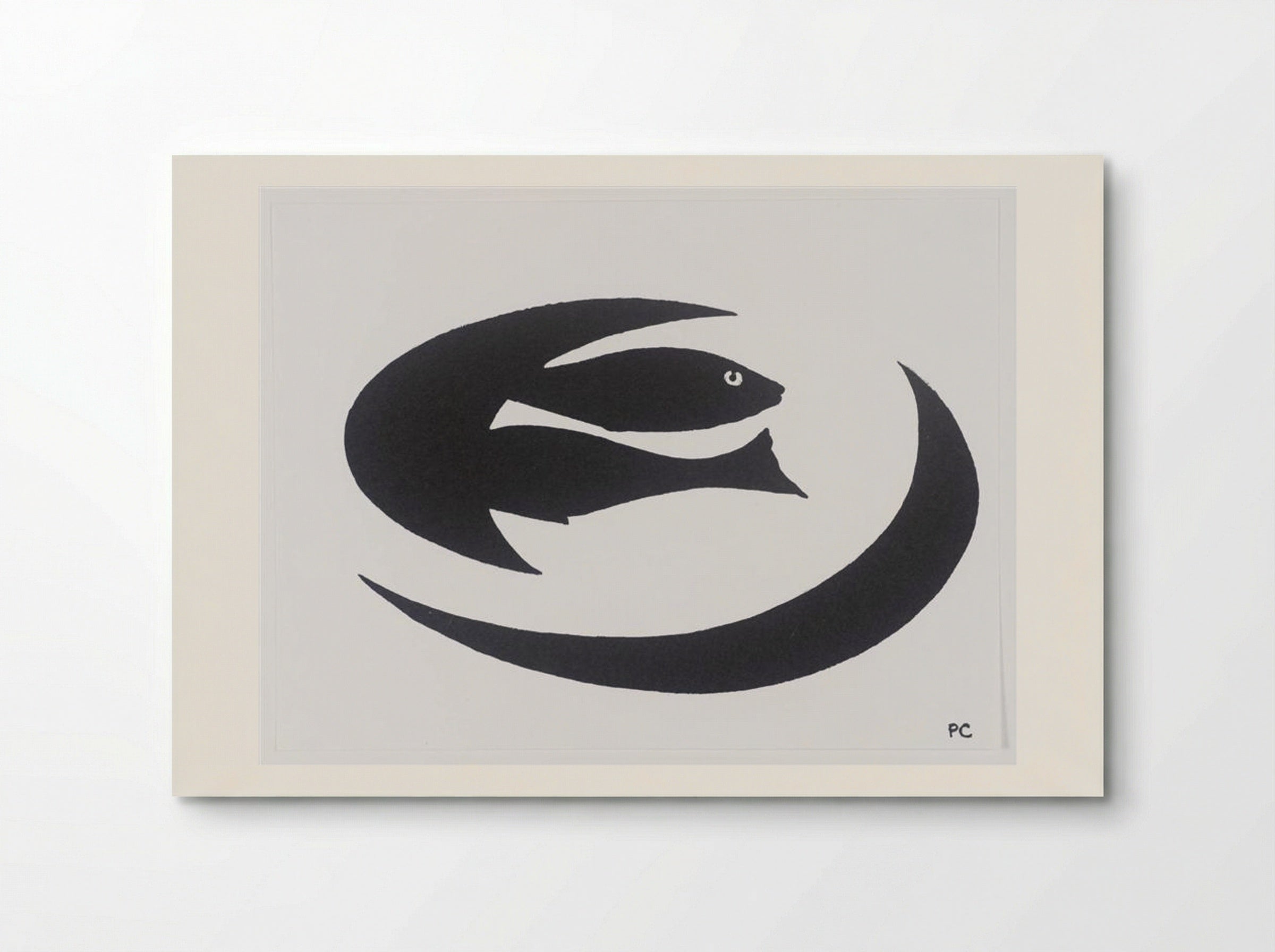
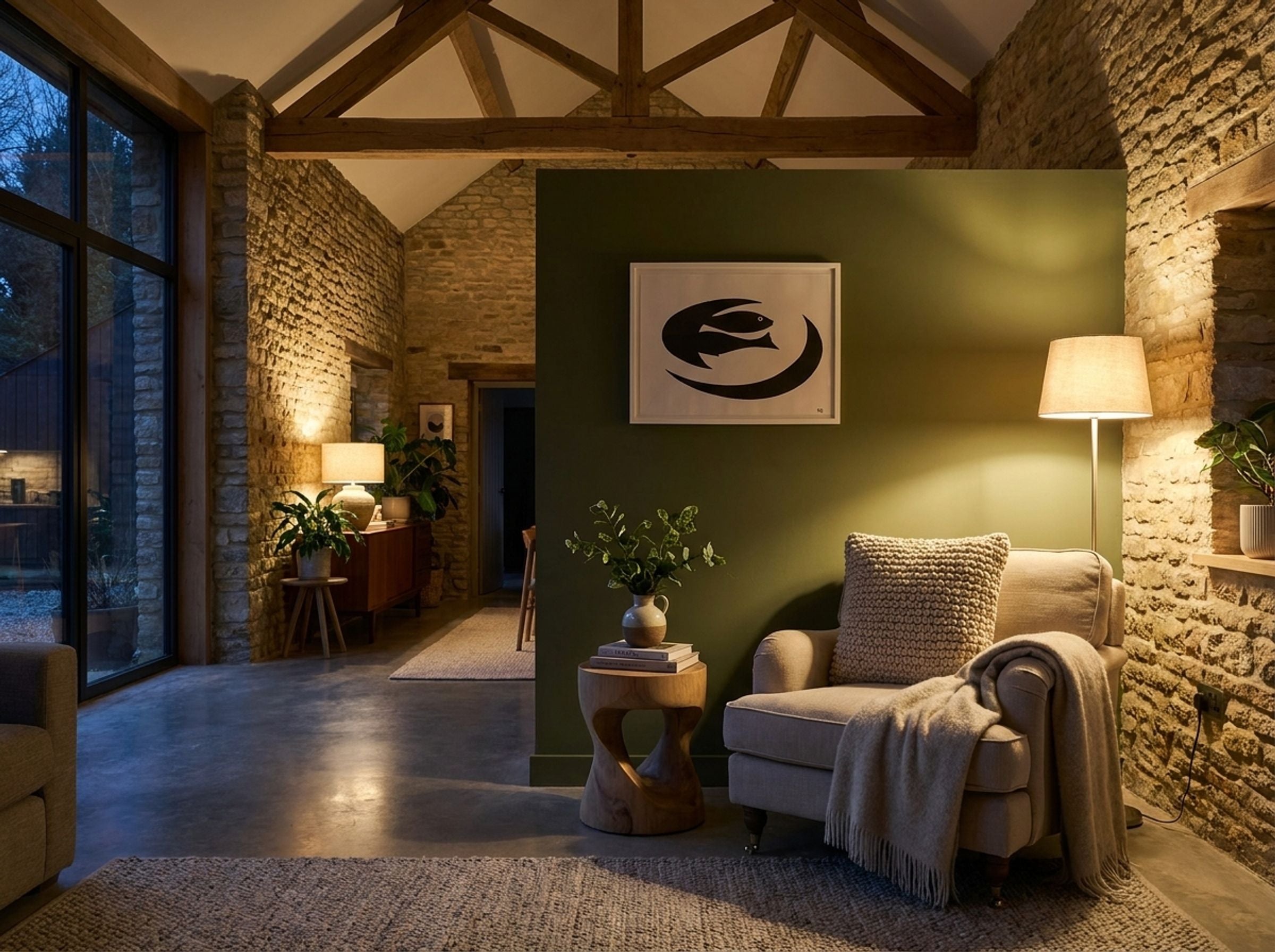 Two Fish on a Plate - Patrick Caulfield
Print
Regular price From £28.00 GBPSale price From £28.00 GBP Regular price -
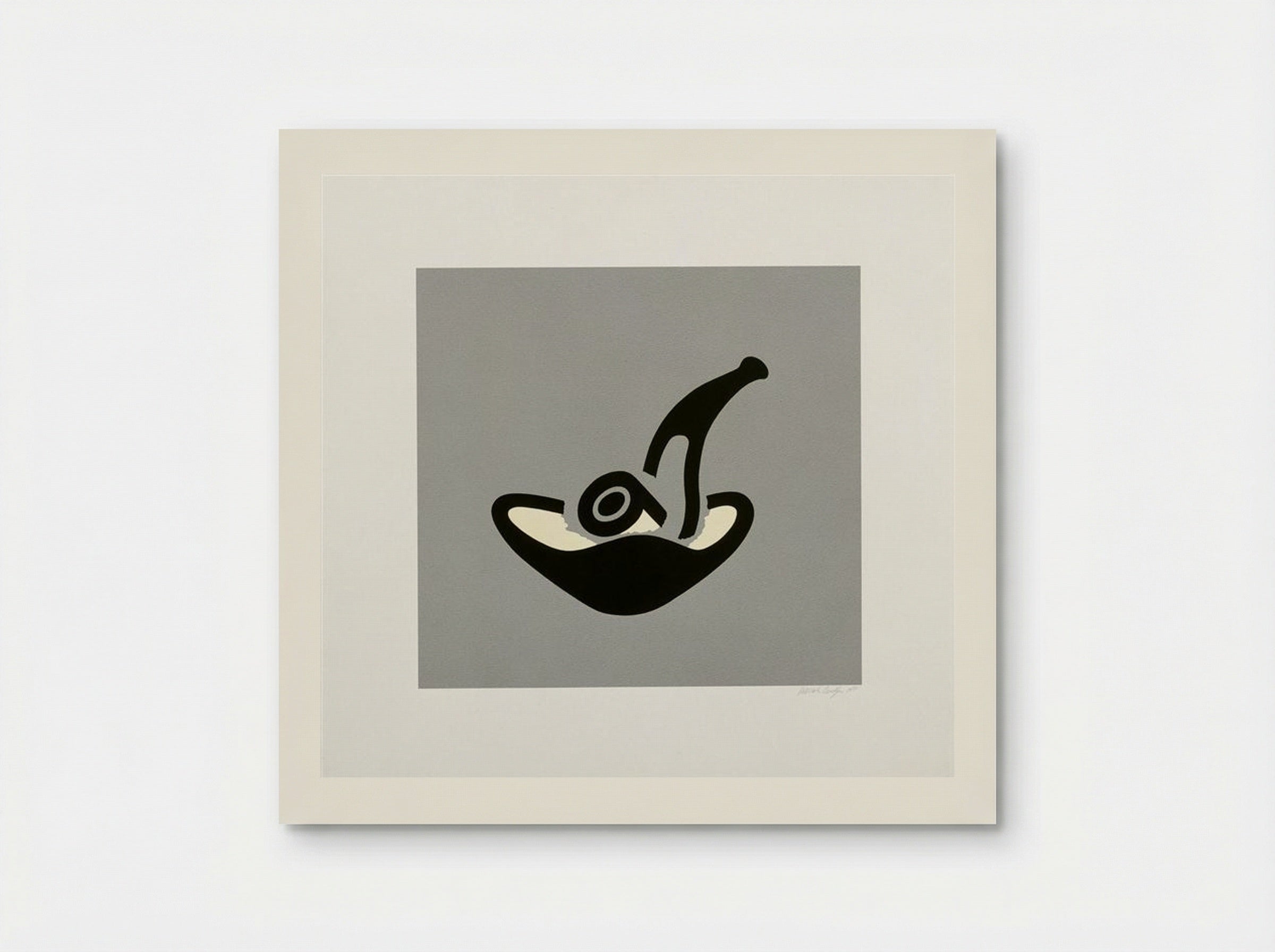
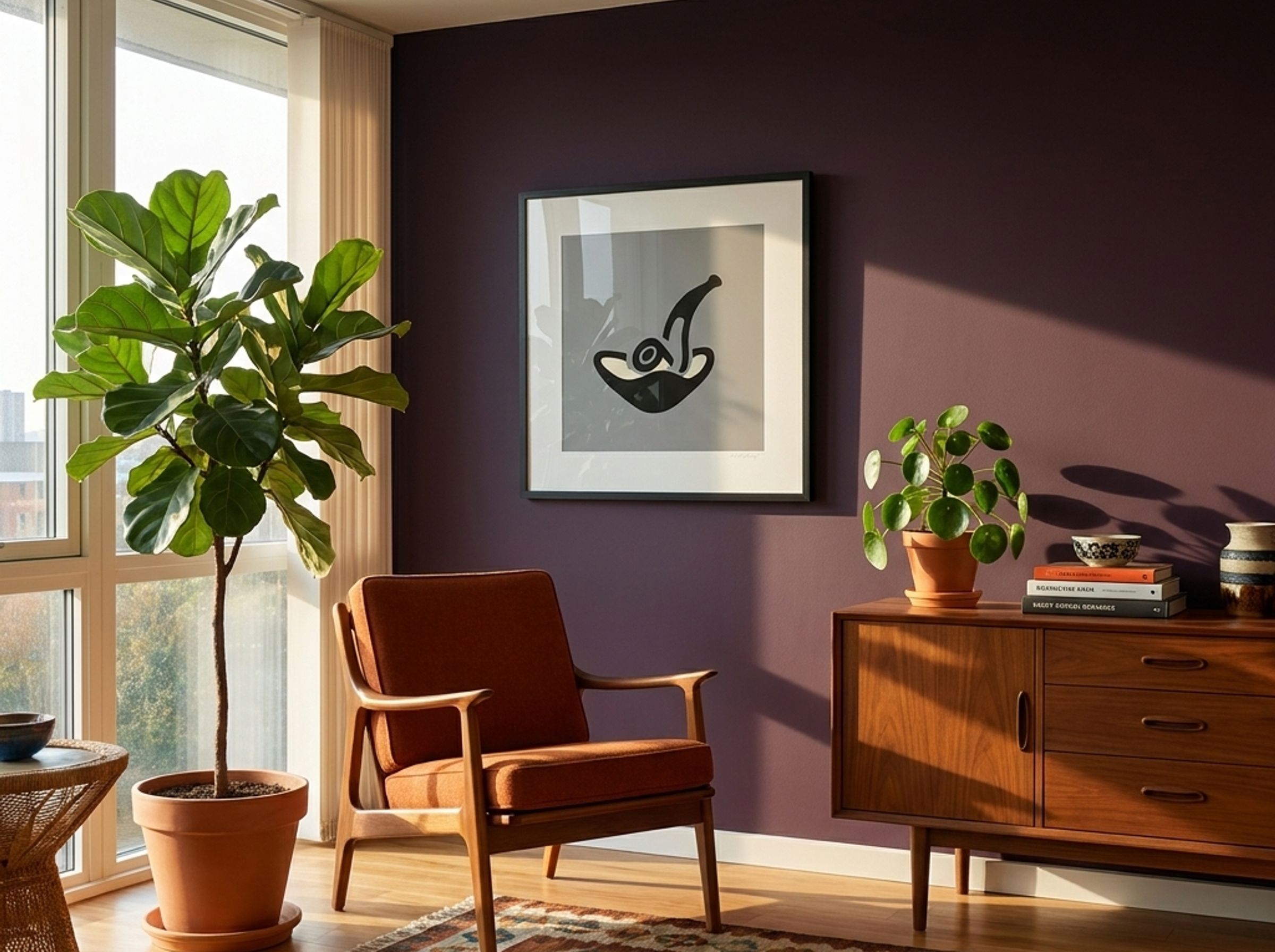 Grey Pipe - Patrick Caulfield
Print · Framed
Regular price From £37.00 GBPSale price From £37.00 GBP Regular price -
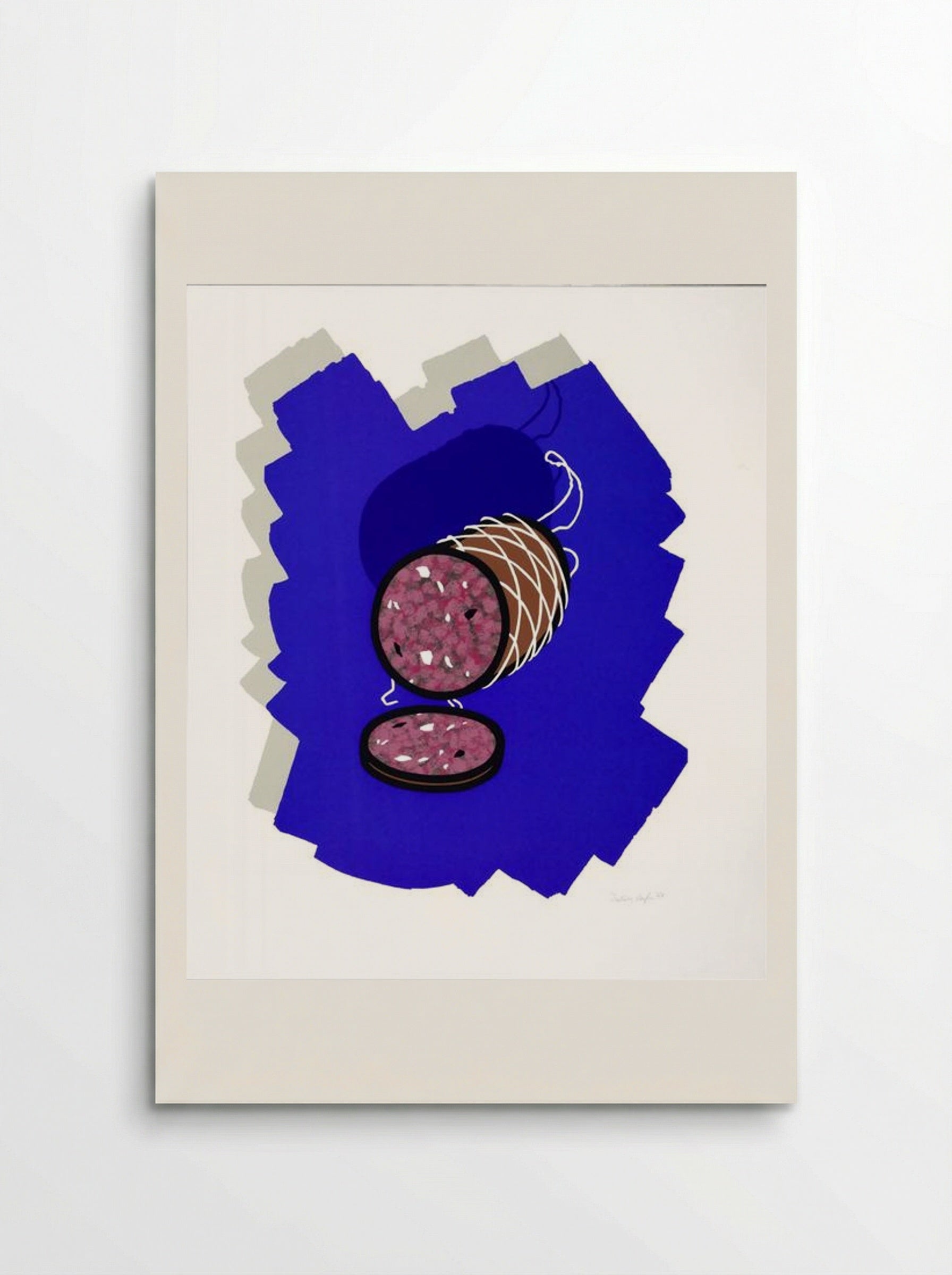
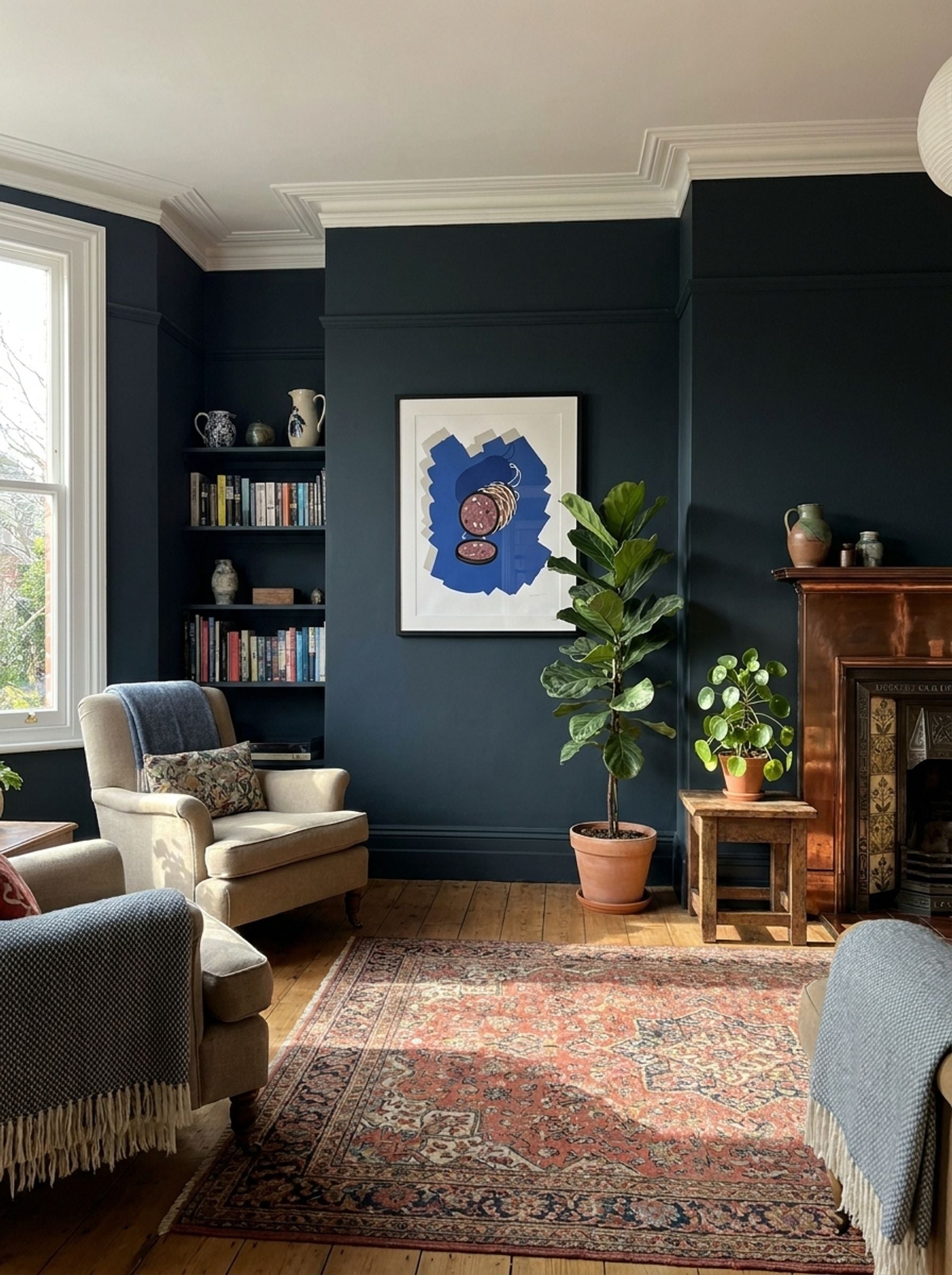 Big Sausage - Patrick Caulfield
Print · Framed
Regular price From £28.00 GBPSale price From £28.00 GBP Regular price -
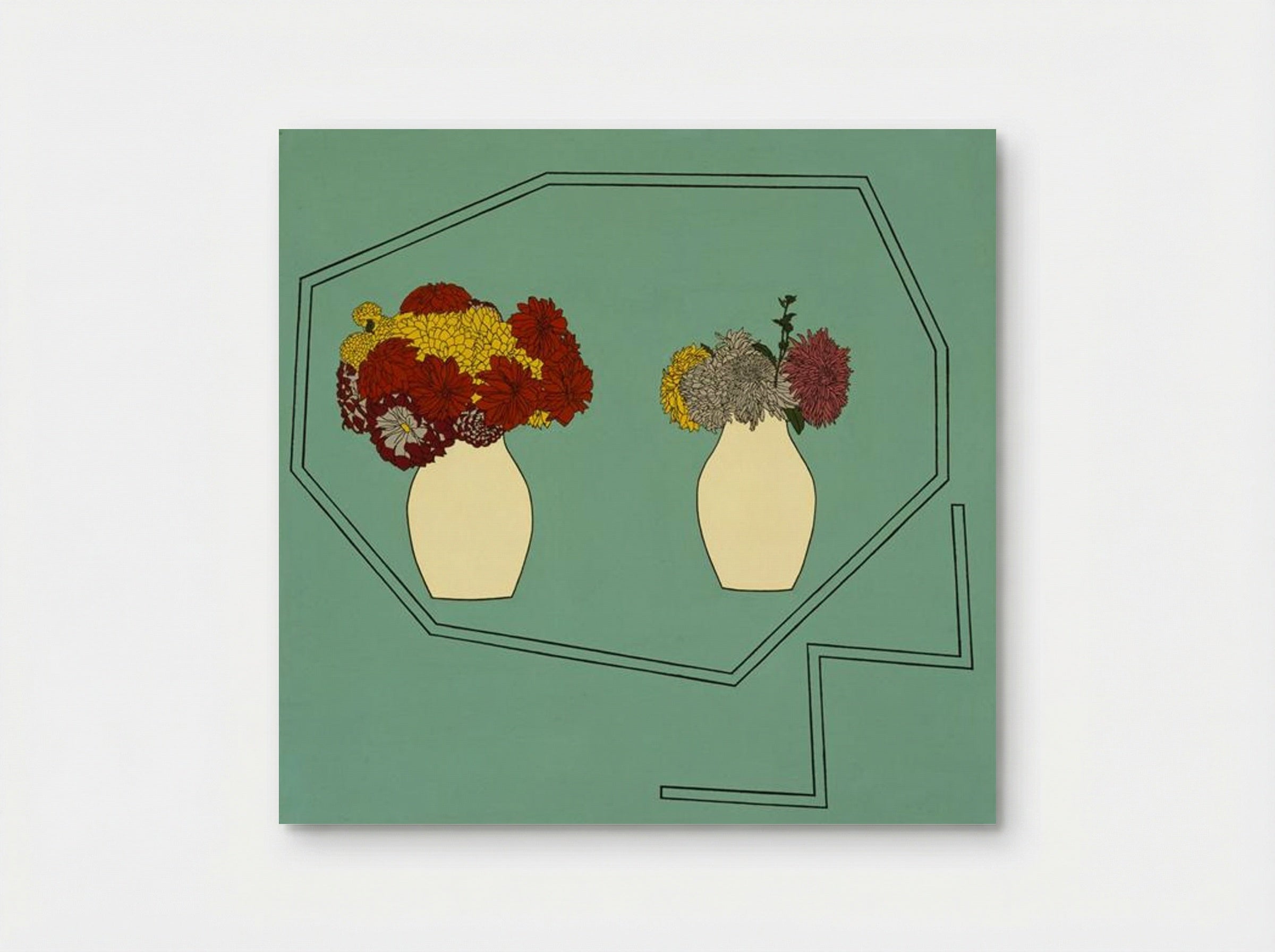
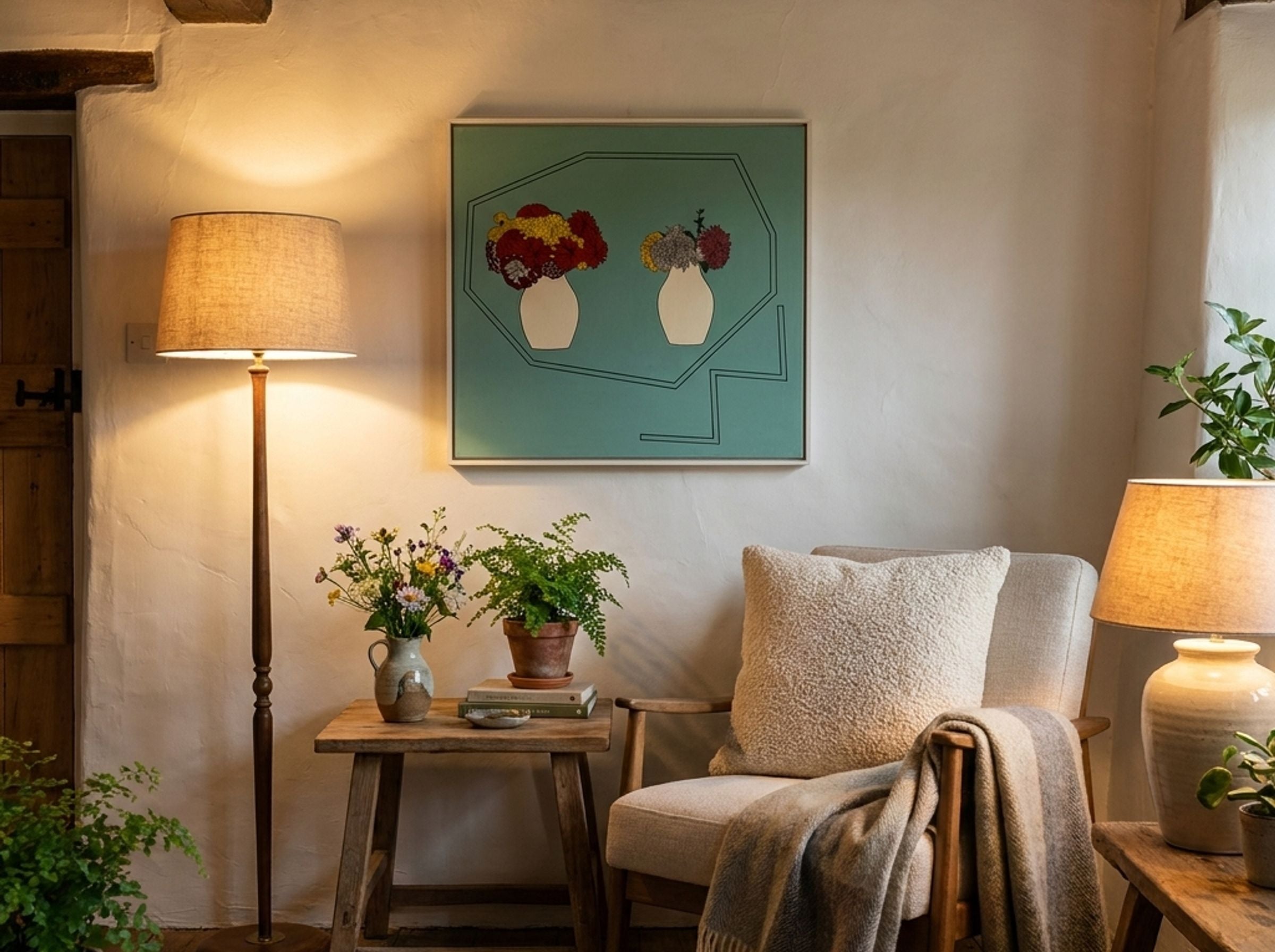 Vases of Flowers - Patrick Caulfield
Print · Framed
Regular price From £37.00 GBPSale price From £37.00 GBP Regular price -
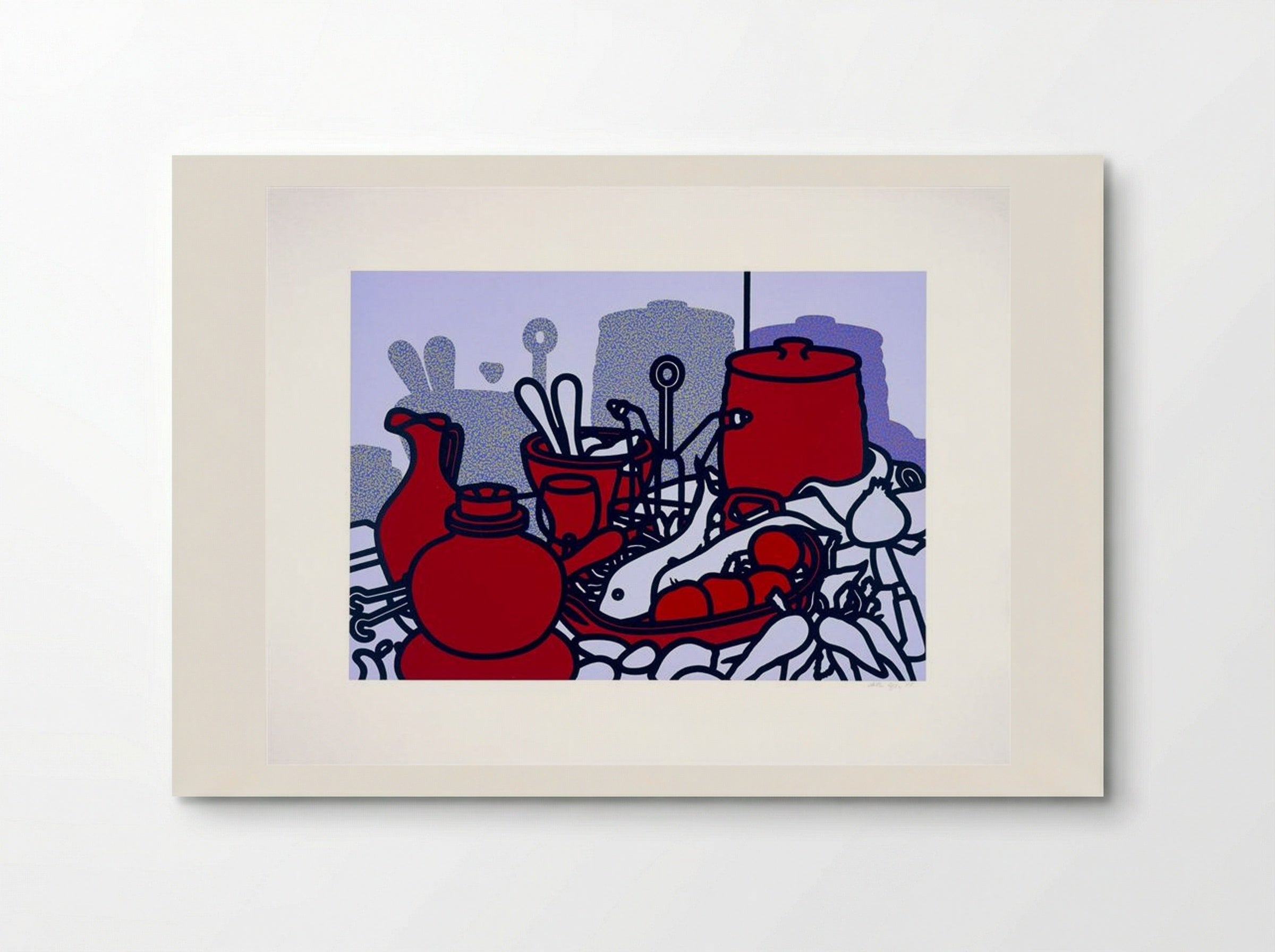
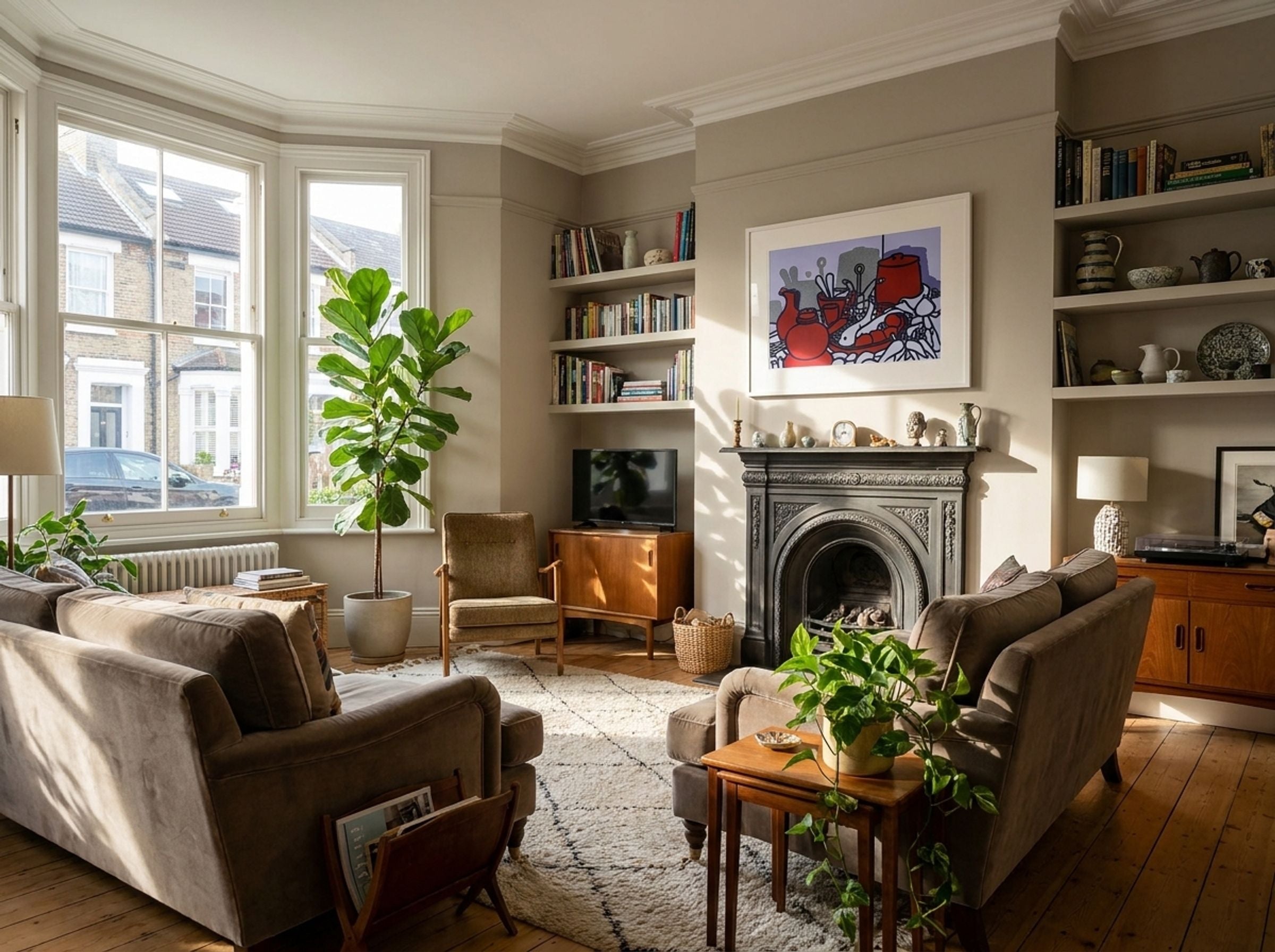 Glazed Earthenware - Patrick Caulfield
Print · Framed
Regular price From £28.00 GBPSale price From £28.00 GBP Regular price -
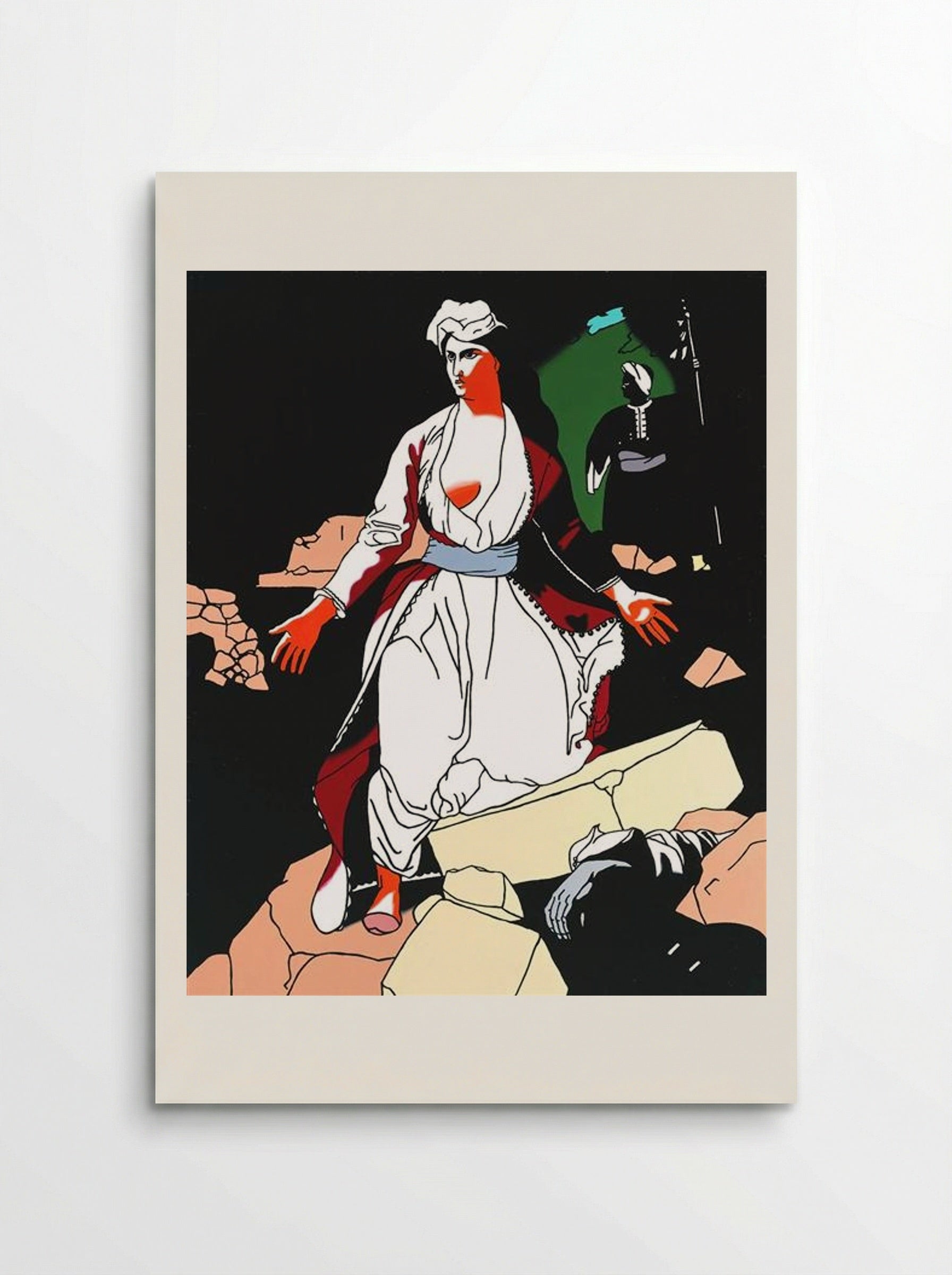
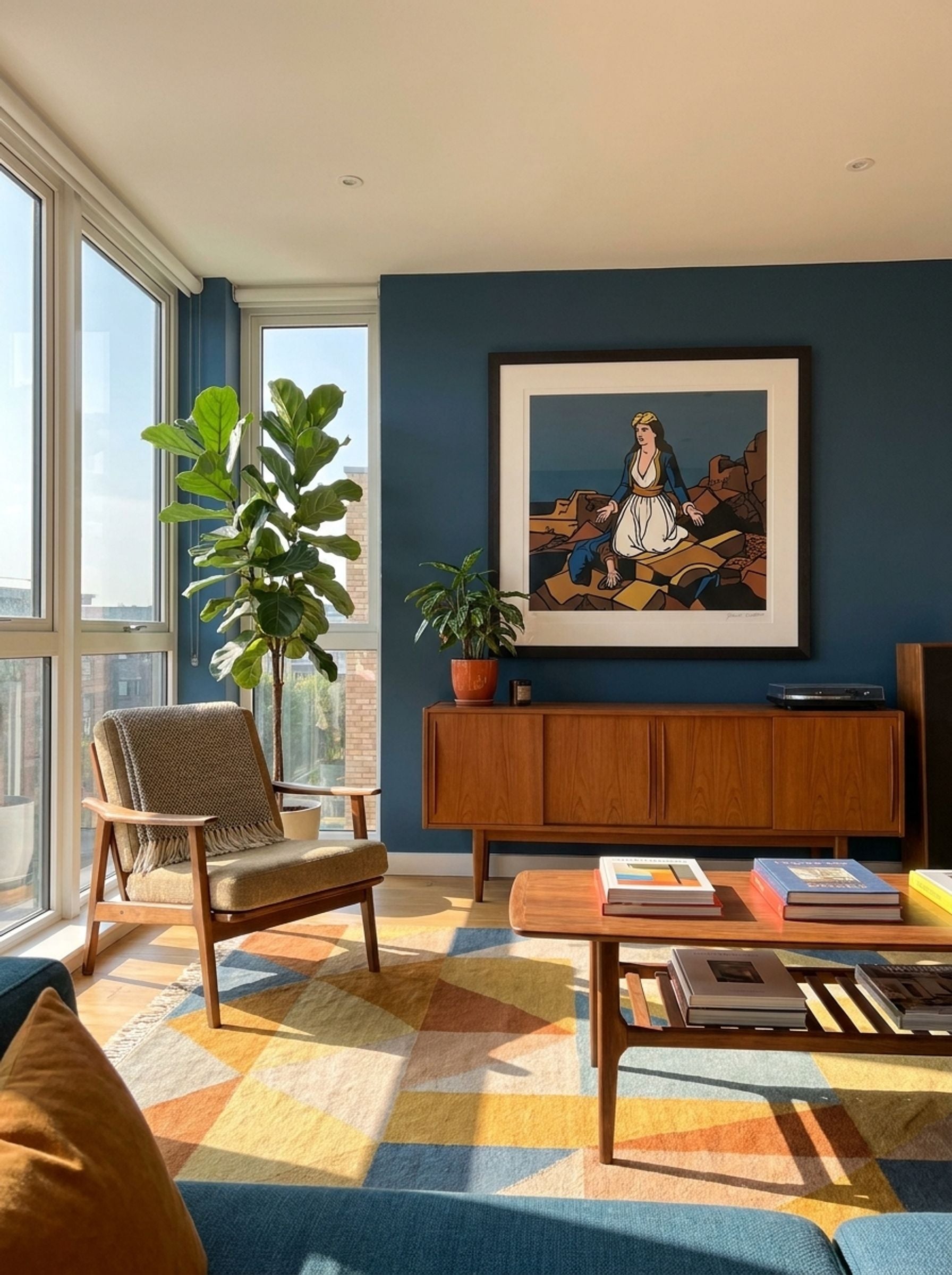 Greece Expiring on the Ruins of Missolonghi (after Delacroix) - Patrick Caulfield
Print · Framed
Regular price From £28.00 GBPSale price From £28.00 GBP Regular price -

 Interior: Noon - Patrick Caulfield
Print · Framed
Regular price From £28.00 GBPSale price From £28.00 GBP Regular price


Artist Biography
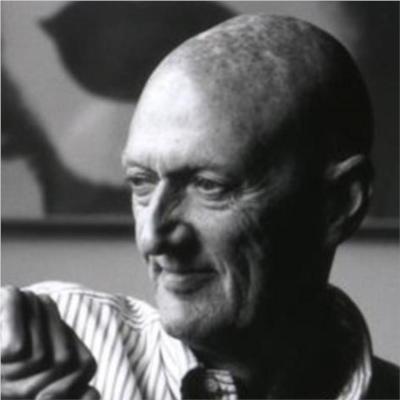
Patrick Caulfield
Caulfield left school at fifteen and got a job as a filing clerk at Crosse and Blackwell, the food company. He was moved to the design studio, where he washed brushes and varnished chocolates for display cases. He decided to become an artist after watching the 1952 film Moulin Rouge about Toulouse-Lautrec.
He joined the RAF at seventeen for national service, then studied at the Royal College of Art from 1960 to 1963, alongside Hockney, Allen Jones, R.B. Kitaj, and Derek Boshier. The 1964 New Generation exhibition at the Whitechapel Gallery tagged him as Pop Art. He rejected the label for the rest of his life, calling himself a formal artist.
His paintings use bold, flat outlines and blocks of colour. They depict interiors, still lifes, restaurants, and domestic scenes with a deadpan quality that sits somewhere between commercial illustration and painting. The spaces are often empty or nearly so. A potted plant, a wine glass, a candle: the objects are ordinary but the treatment makes them strange. He was nominated for the Turner Prize in 1987. David Bowie and Charles Saatchi both collected his work. He died in 2005. The street in Acton where he was born was renamed Caulfield Road.
He joined the RAF at seventeen for national service, then studied at the Royal College of Art from 1960 to 1963, alongside Hockney, Allen Jones, R.B. Kitaj, and Derek Boshier. The 1964 New Generation exhibition at the Whitechapel Gallery tagged him as Pop Art. He rejected the label for the rest of his life, calling himself a formal artist.
His paintings use bold, flat outlines and blocks of colour. They depict interiors, still lifes, restaurants, and domestic scenes with a deadpan quality that sits somewhere between commercial illustration and painting. The spaces are often empty or nearly so. A potted plant, a wine glass, a candle: the objects are ordinary but the treatment makes them strange. He was nominated for the Turner Prize in 1987. David Bowie and Charles Saatchi both collected his work. He died in 2005. The street in Acton where he was born was renamed Caulfield Road.
Related Artists


_%E2%80%93_LOC.jpg?width=800)


Why Choose Us ?