

Collection
Jean Francois Millet
Explore curated art prints selected for distinctive homes and considered interiors.
Suggested filters
-
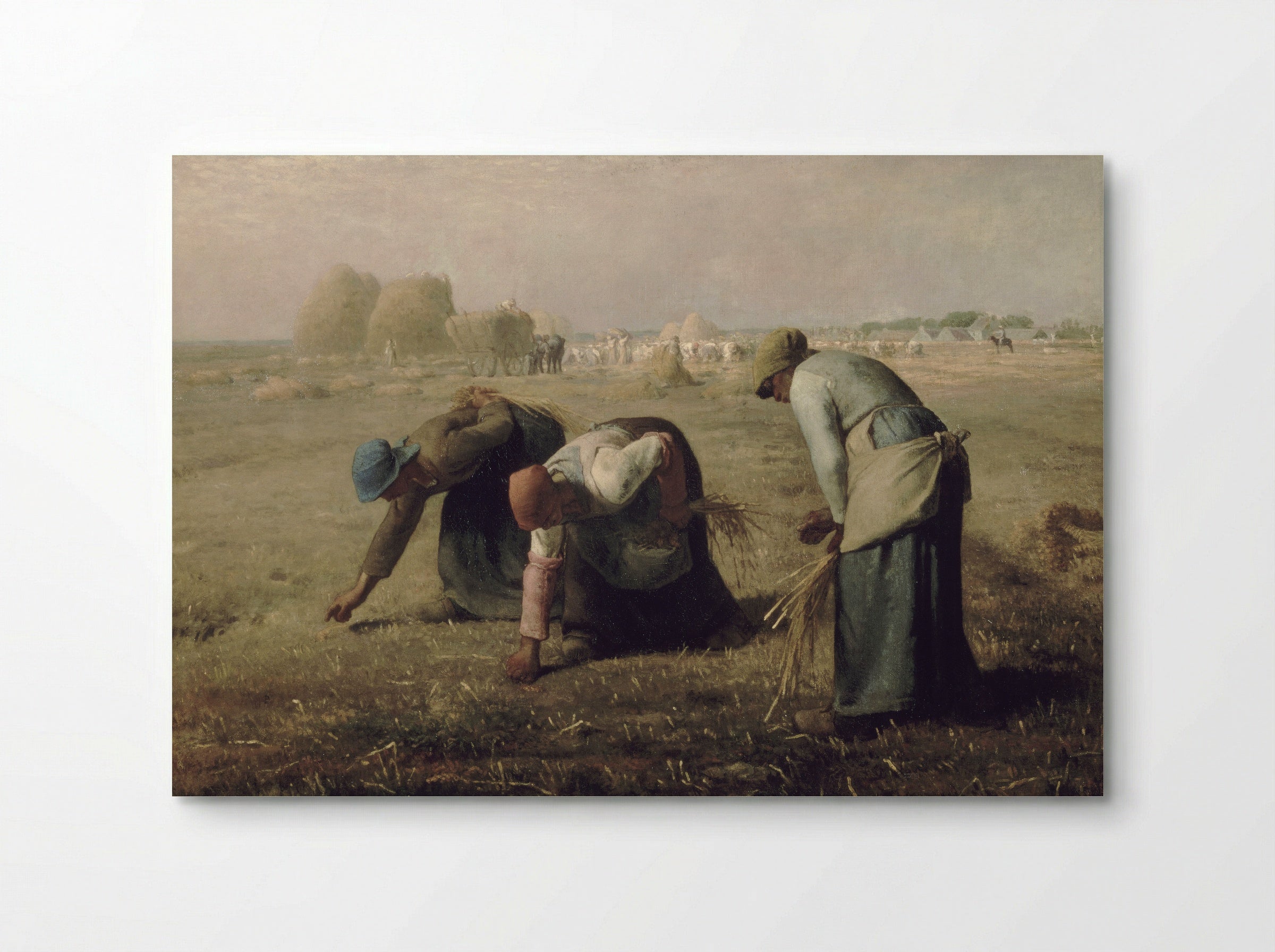
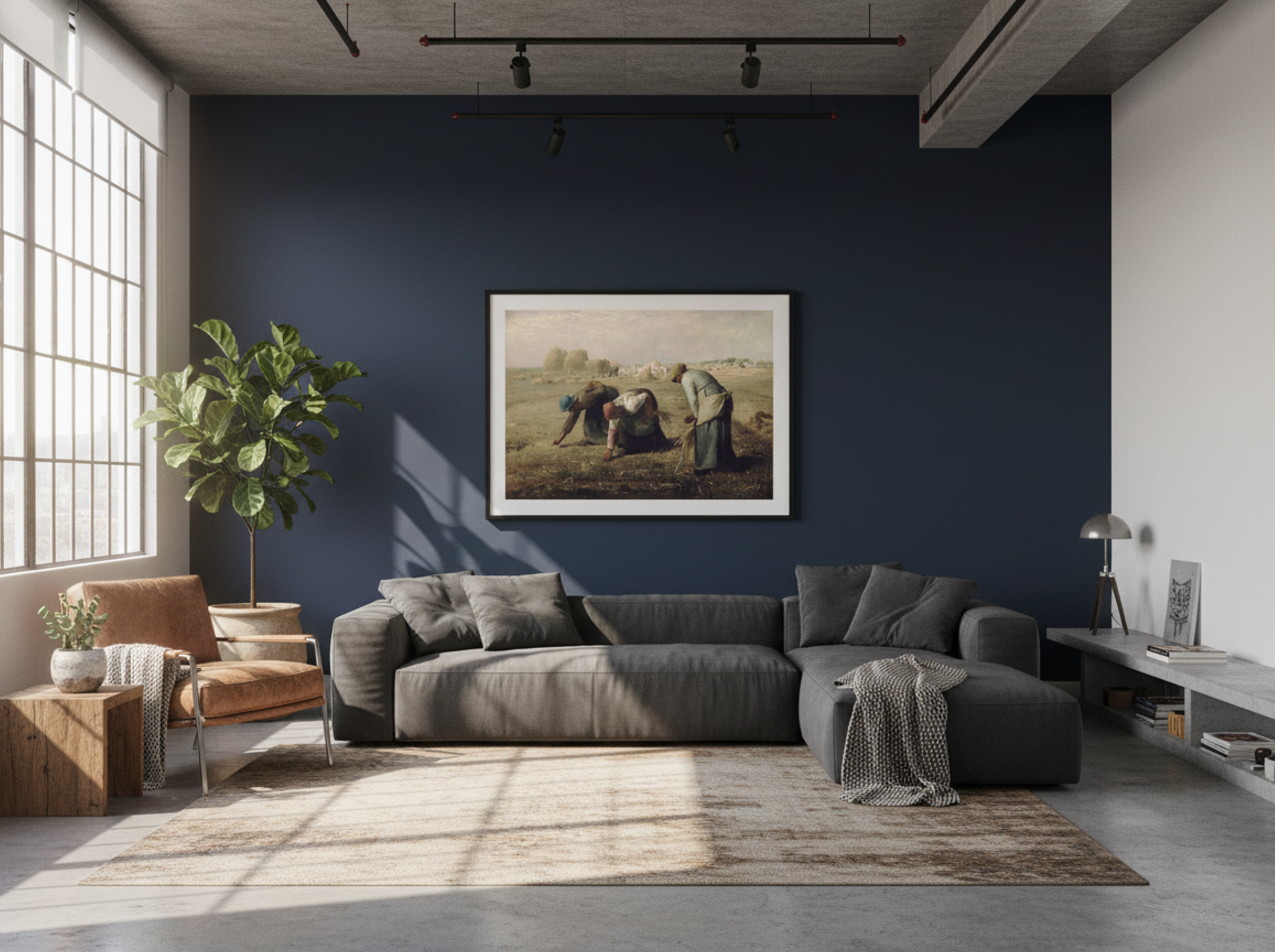 The Gleaners - Jean-François Millet
Print · Framed · Canvas
Regular price From £28.00 GBPSale price From £28.00 GBP Regular price -
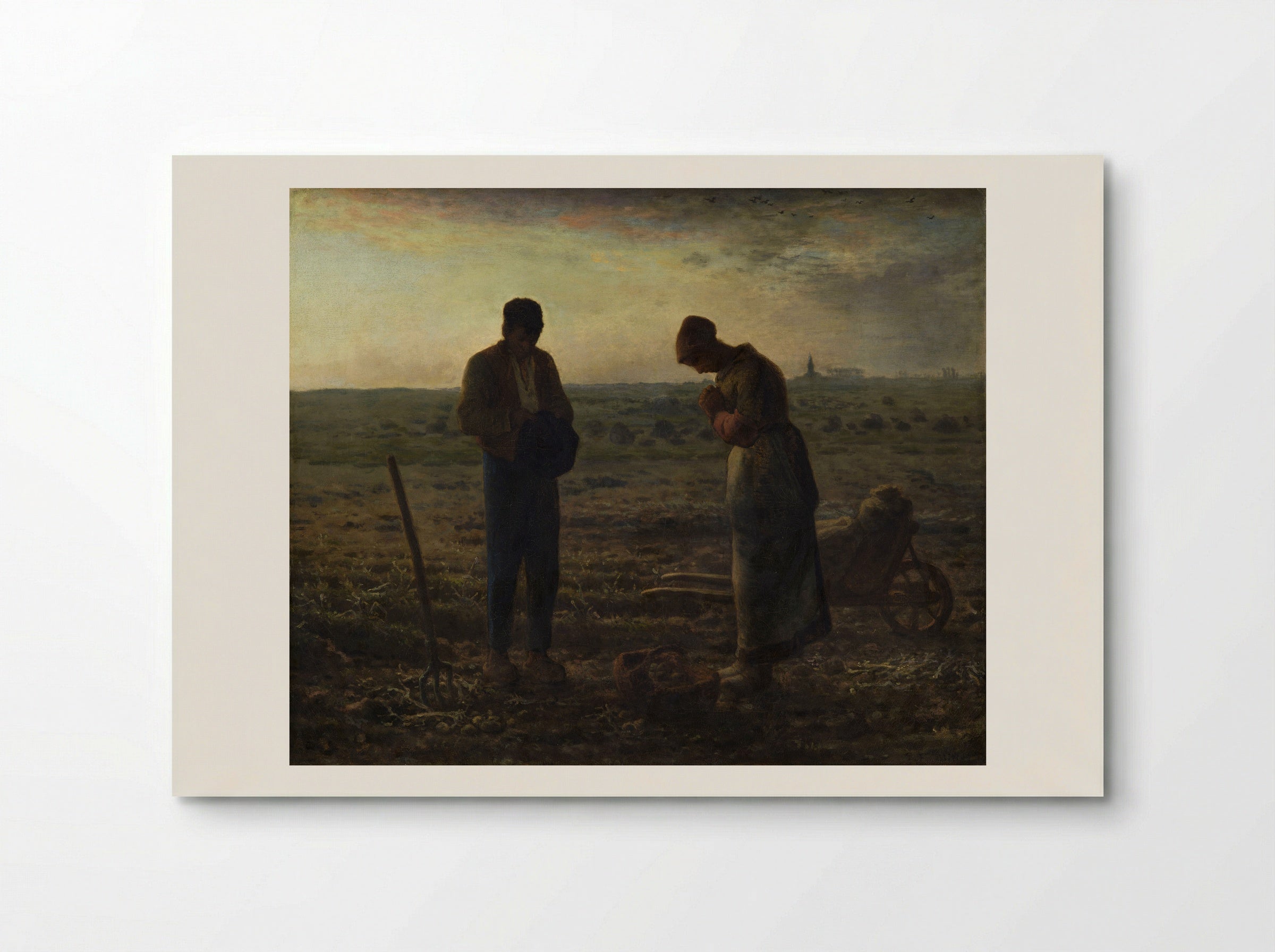
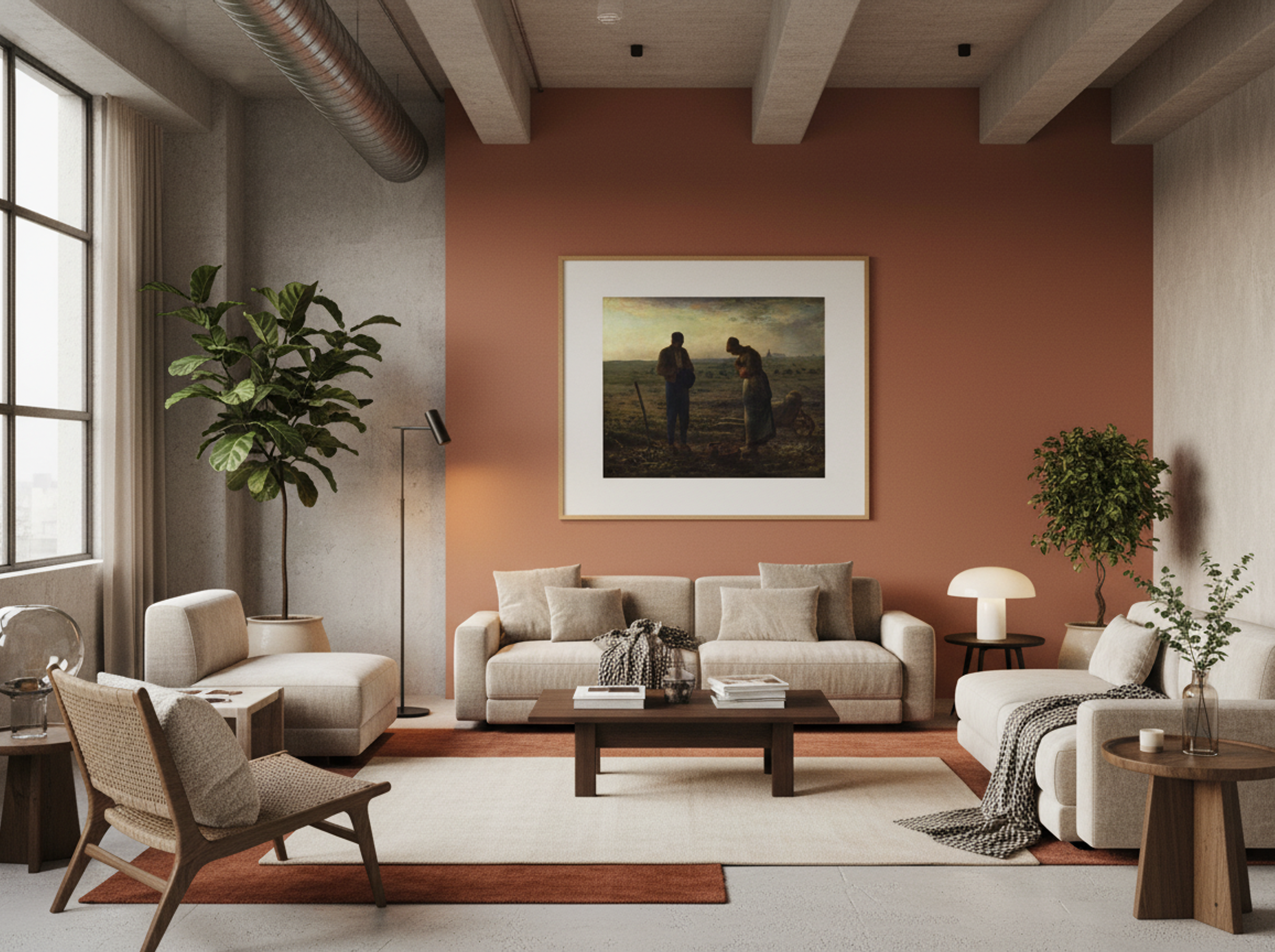 The Angelus - Jean-François Millet
Print · Framed · Canvas
Regular price From £28.00 GBPSale price From £28.00 GBP Regular price -
 Woman Baking Bread - Jean-François Millet
Print
Regular price From £28.00 GBPSale price From £28.00 GBP Regular price -
 Woman with a Rake - Jean-François Millet
Print
Regular price From £28.00 GBPSale price From £28.00 GBP Regular price -
 The Carder - Jean-François Millet
Print
Regular price From £28.00 GBPSale price From £28.00 GBP Regular price -
 The Wood Sawyers - Jean-François Millet
Print
Regular price From £28.00 GBPSale price From £28.00 GBP Regular price -
 The Winnower - Jean-Francois Millet
Print
Regular price From £28.00 GBPSale price From £28.00 GBP Regular price -
 The Man with the Hoe - Jean-Francois Millet
Print
Regular price From £28.00 GBPSale price From £28.00 GBP Regular price -
 Shepherdess with her Flock - Jean-Francois Millet
Print
Regular price From £28.00 GBPSale price From £28.00 GBP Regular price -
 Going to Work - Jean-François Millet
Print
Regular price From £28.00 GBPSale price From £28.00 GBP Regular price -
 The Farm at Gruchy - Jean-François Millet
Print
Regular price From £28.00 GBPSale price From £28.00 GBP Regular price -
 Peasants Bringing Home a Calf Born in the Fields - Jean-François Millet
Print
Regular price From £28.00 GBPSale price From £28.00 GBP Regular price -
 The Winnower - Jean-François Millet
Print
Regular price From £28.00 GBPSale price From £28.00 GBP Regular price -
 The Sower - Jean-François Millet
Print
Regular price From £28.00 GBPSale price From £28.00 GBP Regular price -
 Portrait of Eugene Canoville - Jean-Francois Millet
Print
Regular price From £28.00 GBPSale price From £28.00 GBP Regular price -
 The Rock of Castel Vendon - Jean-Francois Millet
Print
Regular price From £28.00 GBPSale price From £28.00 GBP Regular price -
 Winter: The Faggot Gatherers - Jean-Francois Millet
Print
Regular price From £28.00 GBPSale price From £28.00 GBP Regular price -
 The Knitting Lesson - Jean-François Millet
Print
Regular price From £28.00 GBPSale price From £28.00 GBP Regular price -
 The Sheep Pen, Moonlight - Jean-François Millet
Print
Regular price From £28.00 GBPSale price From £28.00 GBP Regular price -
 Portrait of Pauline Ono - Jean-Francois Millet
Print
Regular price From £28.00 GBPSale price From £28.00 GBP Regular price -
 Shepherdess - Jean-Francois Millet
Print
Regular price From £28.00 GBPSale price From £28.00 GBP Regular price -
 Portrait of Javain (Mayor of Cherbourg) - Jean-Francois Millet
Print
Regular price From £28.00 GBPSale price From £28.00 GBP Regular price -
 The Spinner, Goatherd of the Auvergne - Jean-Francois Millet
Print
Regular price From £28.00 GBPSale price From £28.00 GBP Regular price -
 Shepherdess Seated on a Rock - Jean-François Millet
Print
Regular price From £28.00 GBPSale price From £28.00 GBP Regular price


Artist Biography
Jean Francois Millet
Millet could plough a field in the morning, paint in the afternoon, and recite Shakespeare at night. He was the eldest son of farming parents in Gruchy, Normandy, near the coast, and he said: a peasant I was born, a peasant I will die.
Two village priests educated him in Latin and literature before he was pulled back to farm work. He eventually reached Paris, where he lived in poverty for a period, painting in a damp cellar. His first wife died of tuberculosis three years after their 1841 marriage. He later had nine children with Catherine Lemaire.
The Gleaners (1857) and The Angelus (1857-59) made him famous and controversial. Both depict peasants at work with a dignity that unnerved the bourgeoisie, who saw political radicalism in the simple act of painting agricultural labourers as worthy subjects. The Angelus became one of the most widely reproduced images in the world.
Van Gogh was obsessed with him. While in the asylum at Saint-Remy in late 1889 and early 1890, Van Gogh made twenty-one copies of Millet's paintings over three months, translating them into his own colour and brushwork. Millet died in 1875, co-founder of the Barbizon school and the painter who gave peasant life a permanent place in art.
Two village priests educated him in Latin and literature before he was pulled back to farm work. He eventually reached Paris, where he lived in poverty for a period, painting in a damp cellar. His first wife died of tuberculosis three years after their 1841 marriage. He later had nine children with Catherine Lemaire.
The Gleaners (1857) and The Angelus (1857-59) made him famous and controversial. Both depict peasants at work with a dignity that unnerved the bourgeoisie, who saw political radicalism in the simple act of painting agricultural labourers as worthy subjects. The Angelus became one of the most widely reproduced images in the world.
Van Gogh was obsessed with him. While in the asylum at Saint-Remy in late 1889 and early 1890, Van Gogh made twenty-one copies of Millet's paintings over three months, translating them into his own colour and brushwork. Millet died in 1875, co-founder of the Barbizon school and the painter who gave peasant life a permanent place in art.


Why Choose Us ?