

Collection
Constant Troyon
Explore curated art prints selected for distinctive homes and considered interiors.
Suggested filters
-
 Cows in the Field - Constant Troyon
Print
Regular price From £28.00 GBPSale price From £28.00 GBP Regular price -

 Plowing - Constant Troyon
Print · Framed
Regular price From £28.00 GBPSale price From £28.00 GBP Regular price -

 Outside the Stable - Constant Troyon
Print · Framed
Regular price From £28.00 GBPSale price From £28.00 GBP Regular price -

 Returning From Pasture - Constant Troyon
Print · Framed
Regular price From £28.00 GBPSale price From £28.00 GBP Regular price -

 Approaching Storm - Constant Troyon
Print · Framed
Regular price From £28.00 GBPSale price From £28.00 GBP Regular price -

 The Fisherman - Constant Troyon
Print · Framed
Regular price From £28.00 GBPSale price From £28.00 GBP Regular price -

 Unloading the Ferry - Constant Troyon
Print · Framed
Regular price From £28.00 GBPSale price From £28.00 GBP Regular price -

 Beach at Trouville - Constant Troyon
Print · Framed
Regular price From £28.00 GBPSale price From £28.00 GBP Regular price -

 Watercourse in the Woods - Constant Troyon
Print · Framed
Regular price From £28.00 GBPSale price From £28.00 GBP Regular price -

 The White Bull - Constant Troyon
Print · Framed
Regular price From £28.00 GBPSale price From £28.00 GBP Regular price -

 On The Farm - Constant Troyon
Print · Framed
Regular price From £28.00 GBPSale price From £28.00 GBP Regular price -

 Path in a Small Wood - Constant Troyon
Print · Framed
Regular price From £28.00 GBPSale price From £28.00 GBP Regular price -

 Calf Cows at the Marl - Constant Troyon
Print · Framed
Regular price From £28.00 GBPSale price From £28.00 GBP Regular price -

 On the Way to the Market - Constant Troyon
Print · Framed
Regular price From £28.00 GBPSale price From £28.00 GBP Regular price -

 Herdsman - Constant Troyon
Print · Framed
Regular price From £28.00 GBPSale price From £28.00 GBP Regular price -

 Running Dogs - Constant Troyon
Print · Framed
Regular price From £28.00 GBPSale price From £28.00 GBP Regular price -

 Apple Harvest in Normandy - Constant Troyon
Print · Framed
Regular price From £28.00 GBPSale price From £28.00 GBP Regular price -

 In the Park of Saint Cloud - Constant Troyon
Print · Framed
Regular price From £28.00 GBPSale price From £28.00 GBP Regular price -

 Four Oxen Pulling a Plough - Constant Troyon
Print · Framed
Regular price From £28.00 GBPSale price From £28.00 GBP Regular price -

 Going to Market - Constant Troyon
Print · Framed
Regular price From £28.00 GBPSale price From £28.00 GBP Regular price -

 Road in the Woods - Constant Troyon
Print · Framed
Regular price From £28.00 GBPSale price From £28.00 GBP Regular price -
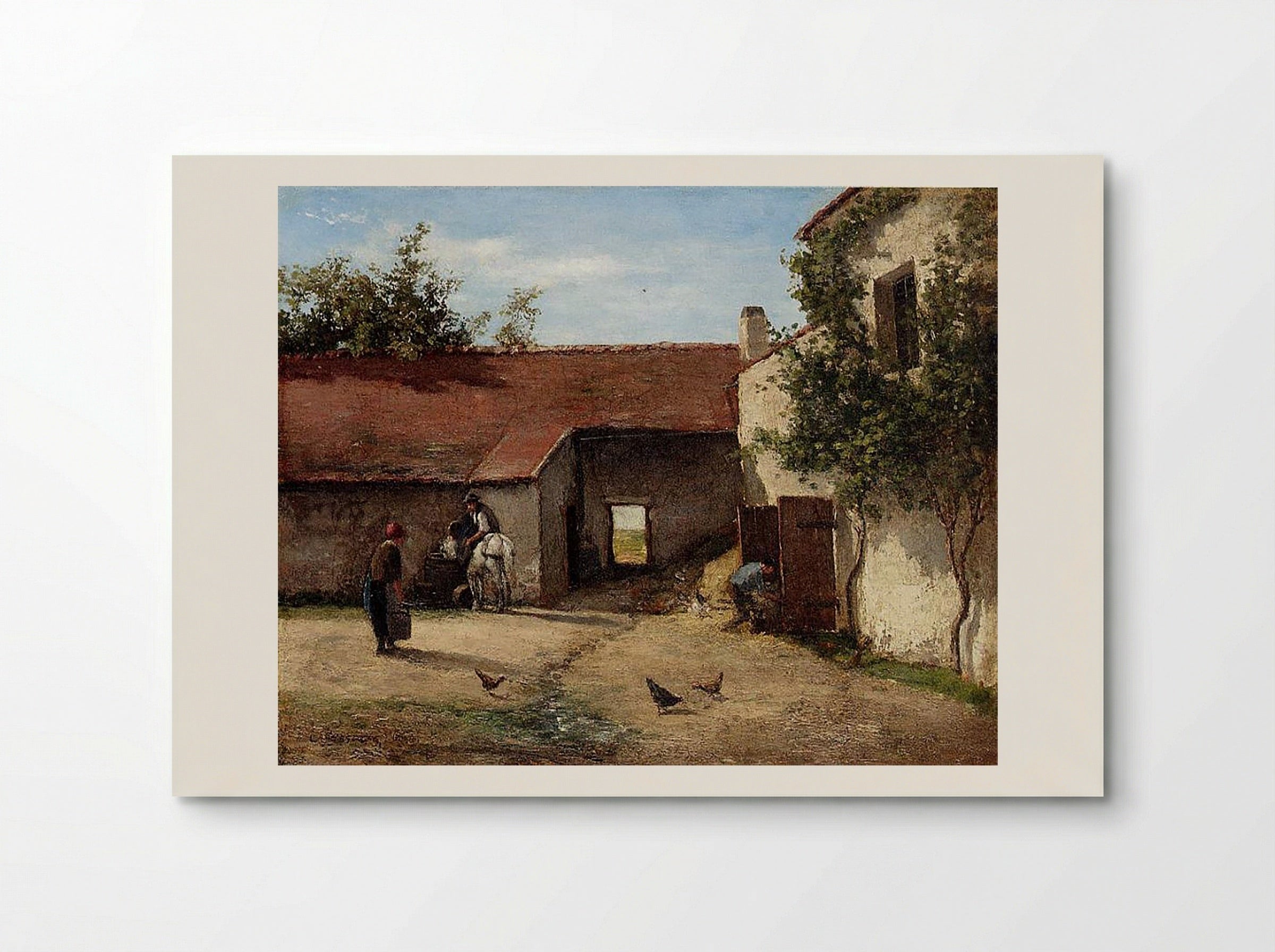
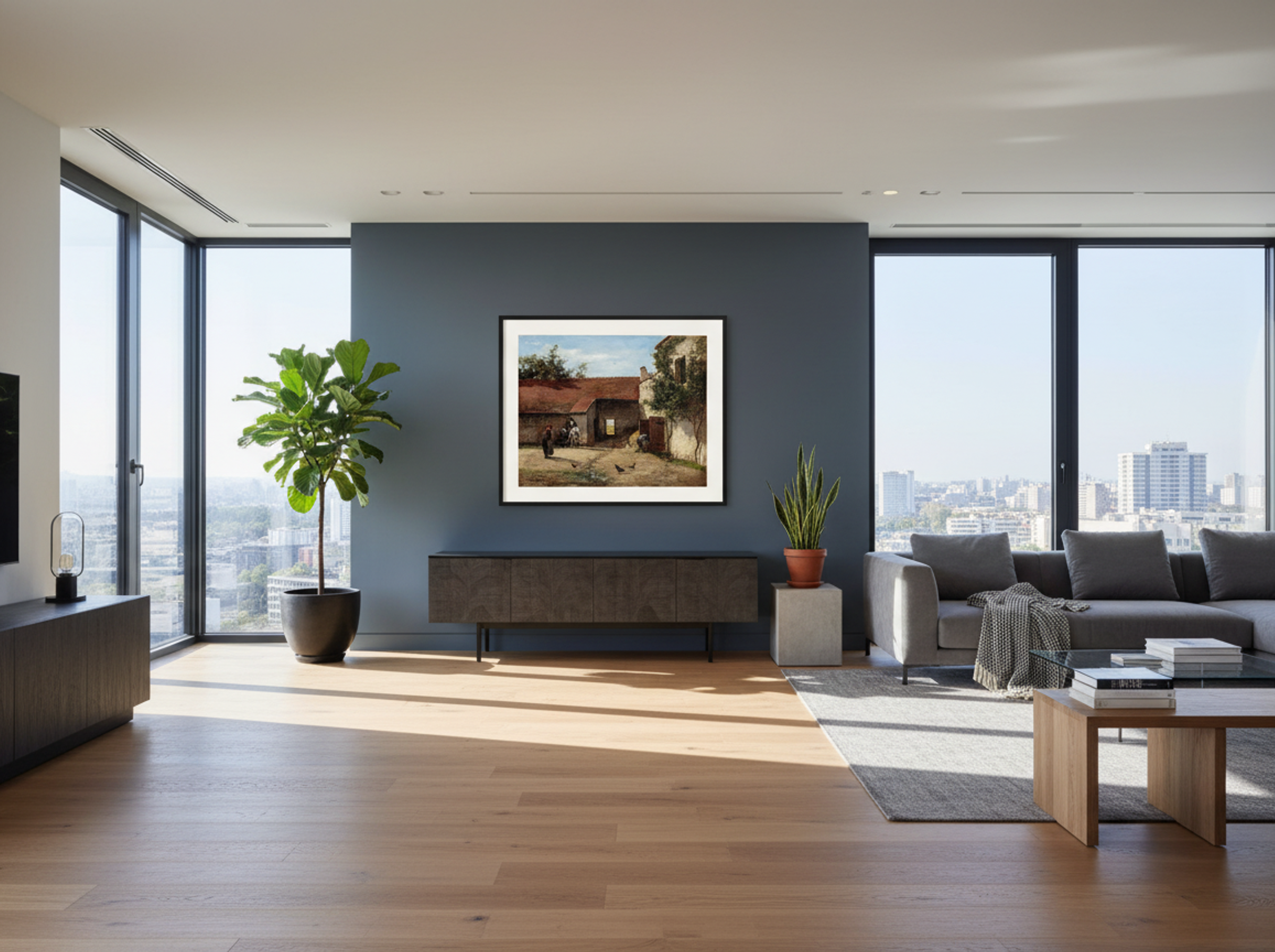 Farmyard - Constant Troyon
Print · Framed · Canvas
Regular price From £28.00 GBPSale price From £28.00 GBP Regular price -
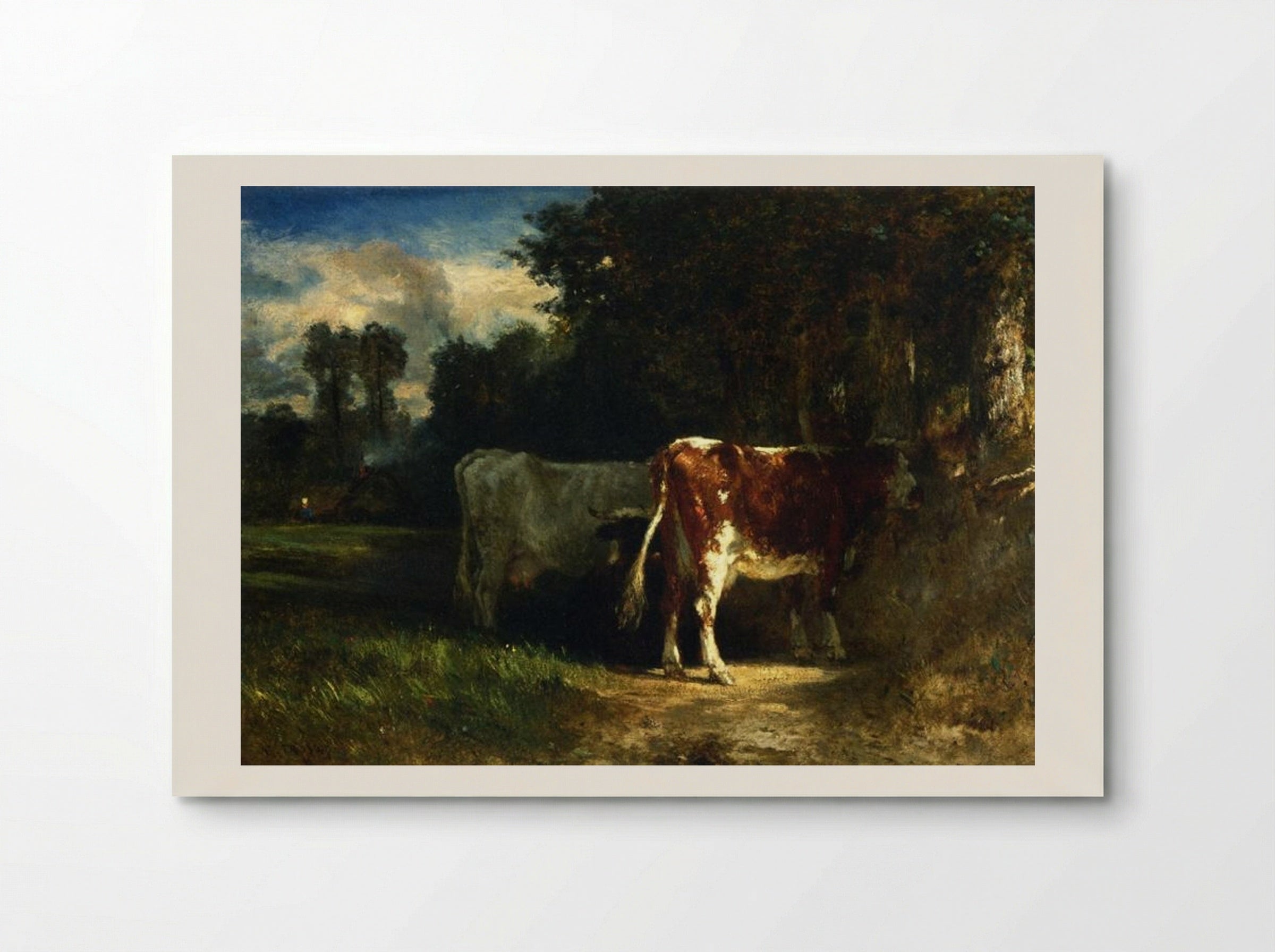 Landscape with Cattle - Constant Troyon
Print
Regular price From £28.00 GBPSale price From £28.00 GBP Regular price -
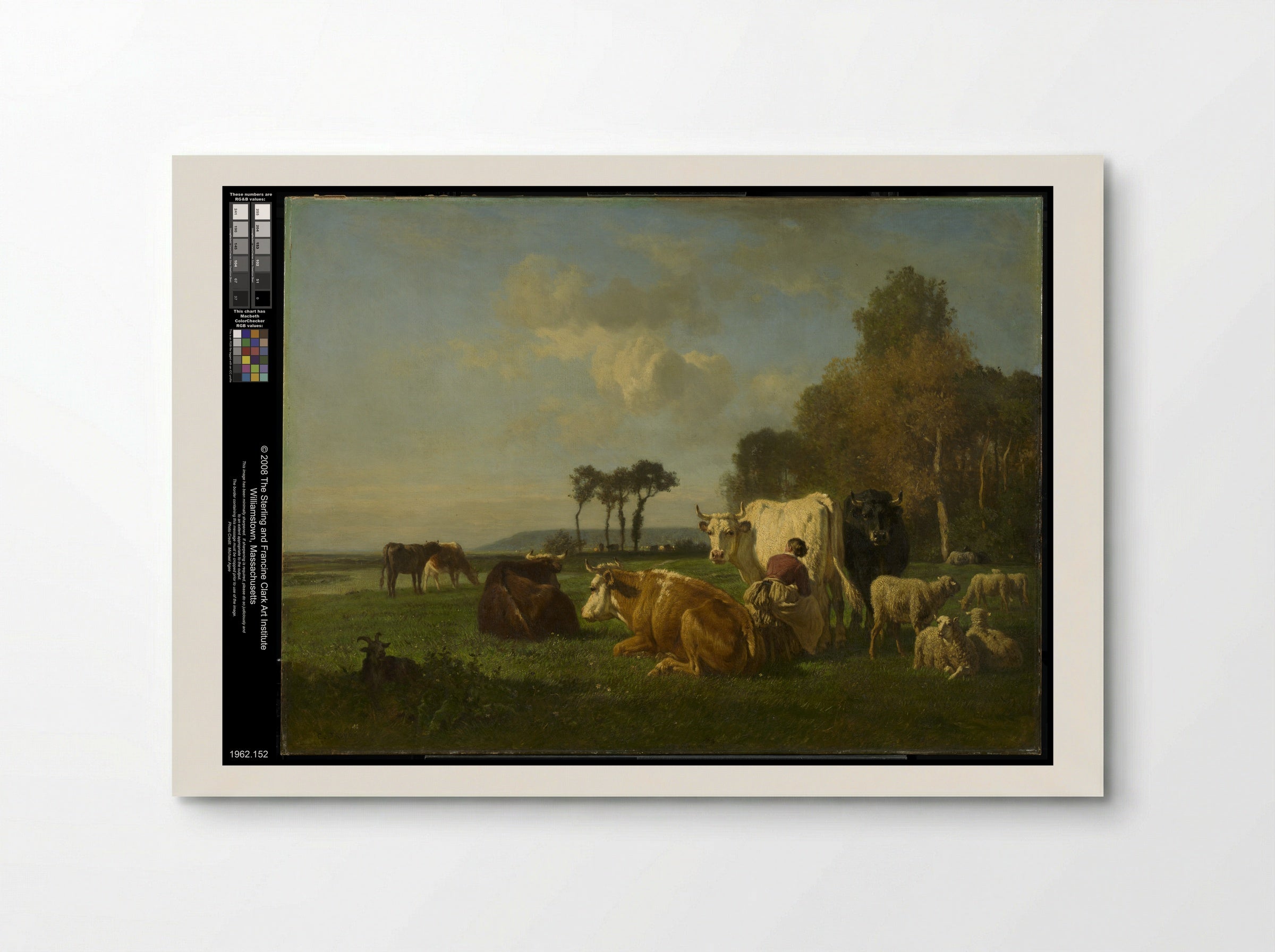 Cattle and Sheep in a Pasture - Constant Troyon
Print
Regular price From £28.00 GBPSale price From £28.00 GBP Regular price


Artist Biography
Constant Troyon
In 1859, Troyon advised the young Claude Monet to work outdoors. It was one of several pieces of advice from established painters that nudged Monet toward what would become Impressionism. Troyon himself never made the leap. He remained a painter of cattle and landscape in the Barbizon tradition, though his animals stood in light that was beginning to dissolve solid form.
He was born in Sevres in 1810. His father worked at the famous porcelain manufactory, and the boy entered the ateliers young, spending years learning the minute decorative skills of porcelain painting. The precision served him well but took years to shake off. His early landscapes were tight and conventional.
The breakthrough came in 1846, when he travelled to the Netherlands and saw Paulus Potter's The Young Bull at the Hague, along with Cuyp's sunny landscapes and Rembrandt. He returned to France with a new approach: larger canvases, freer brushwork, and cattle as the central subject. Within a few years he was the leading animal painter in France, decorated with the Legion of Honour, five times a medallist at the Paris Salon, and collected by Napoleon III.
All his best pictures date from between 1850 and 1864. Success came late, and he never quite believed in it; even when he could command the market of several countries, he complained about his treatment. His mother, who survived him, established the Troyon prize for animal painting at the Ecole des Beaux-Arts. He died in Paris in 1865, at fifty-four, unmarried, after a period of deteriorating mental health.
He was born in Sevres in 1810. His father worked at the famous porcelain manufactory, and the boy entered the ateliers young, spending years learning the minute decorative skills of porcelain painting. The precision served him well but took years to shake off. His early landscapes were tight and conventional.
The breakthrough came in 1846, when he travelled to the Netherlands and saw Paulus Potter's The Young Bull at the Hague, along with Cuyp's sunny landscapes and Rembrandt. He returned to France with a new approach: larger canvases, freer brushwork, and cattle as the central subject. Within a few years he was the leading animal painter in France, decorated with the Legion of Honour, five times a medallist at the Paris Salon, and collected by Napoleon III.
All his best pictures date from between 1850 and 1864. Success came late, and he never quite believed in it; even when he could command the market of several countries, he complained about his treatment. His mother, who survived him, established the Troyon prize for animal painting at the Ecole des Beaux-Arts. He died in Paris in 1865, at fifty-four, unmarried, after a period of deteriorating mental health.


Why Choose Us ?