

Collection
Horace Pippin
Explore curated art prints selected for distinctive homes and considered interiors.
Suggested filters
-
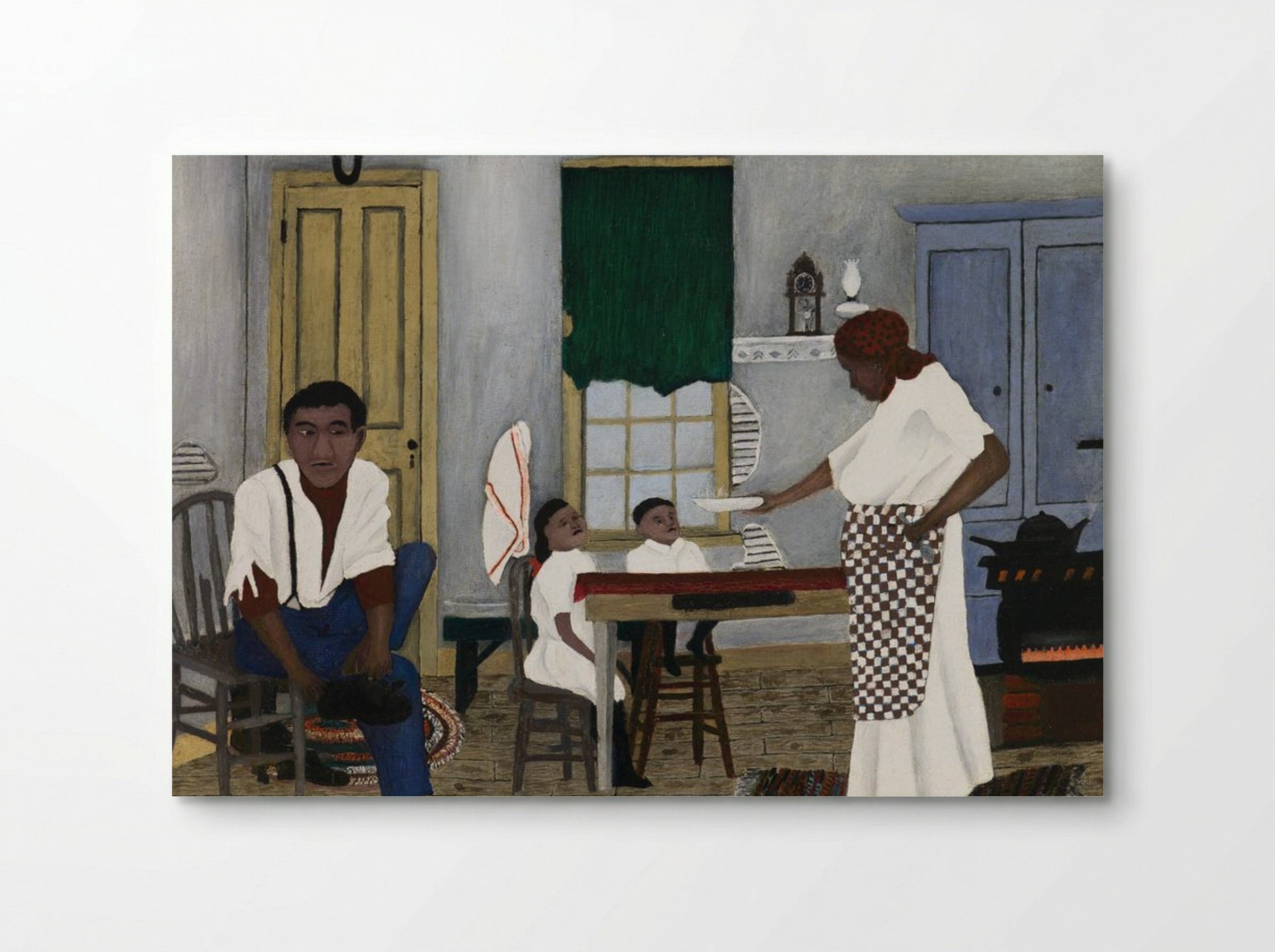
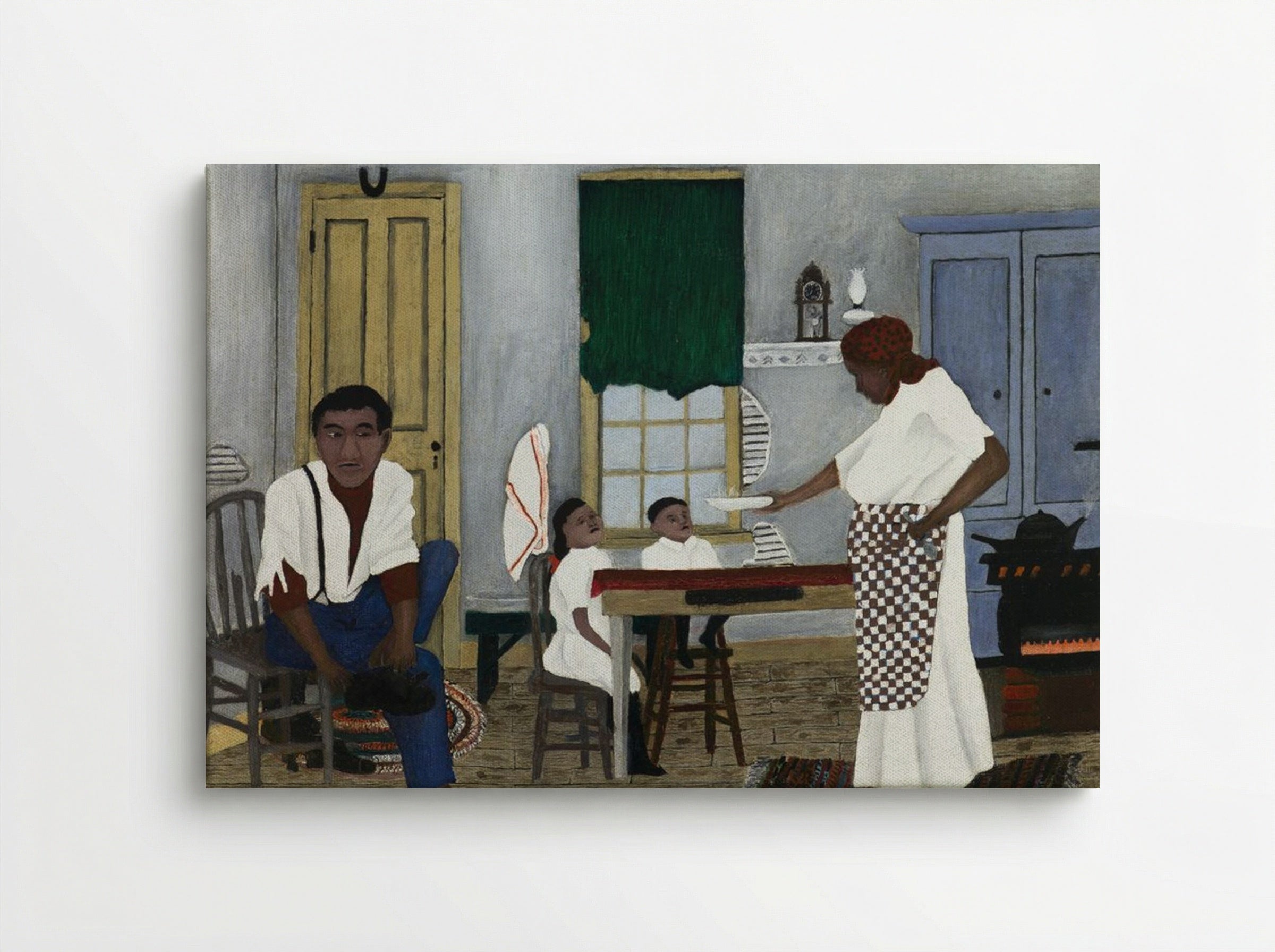 Sunday Morning Breakfast - Horace Pippin
Print · Framed · Canvas
Regular price From £28.00 GBPSale price From £28.00 GBP Regular price -
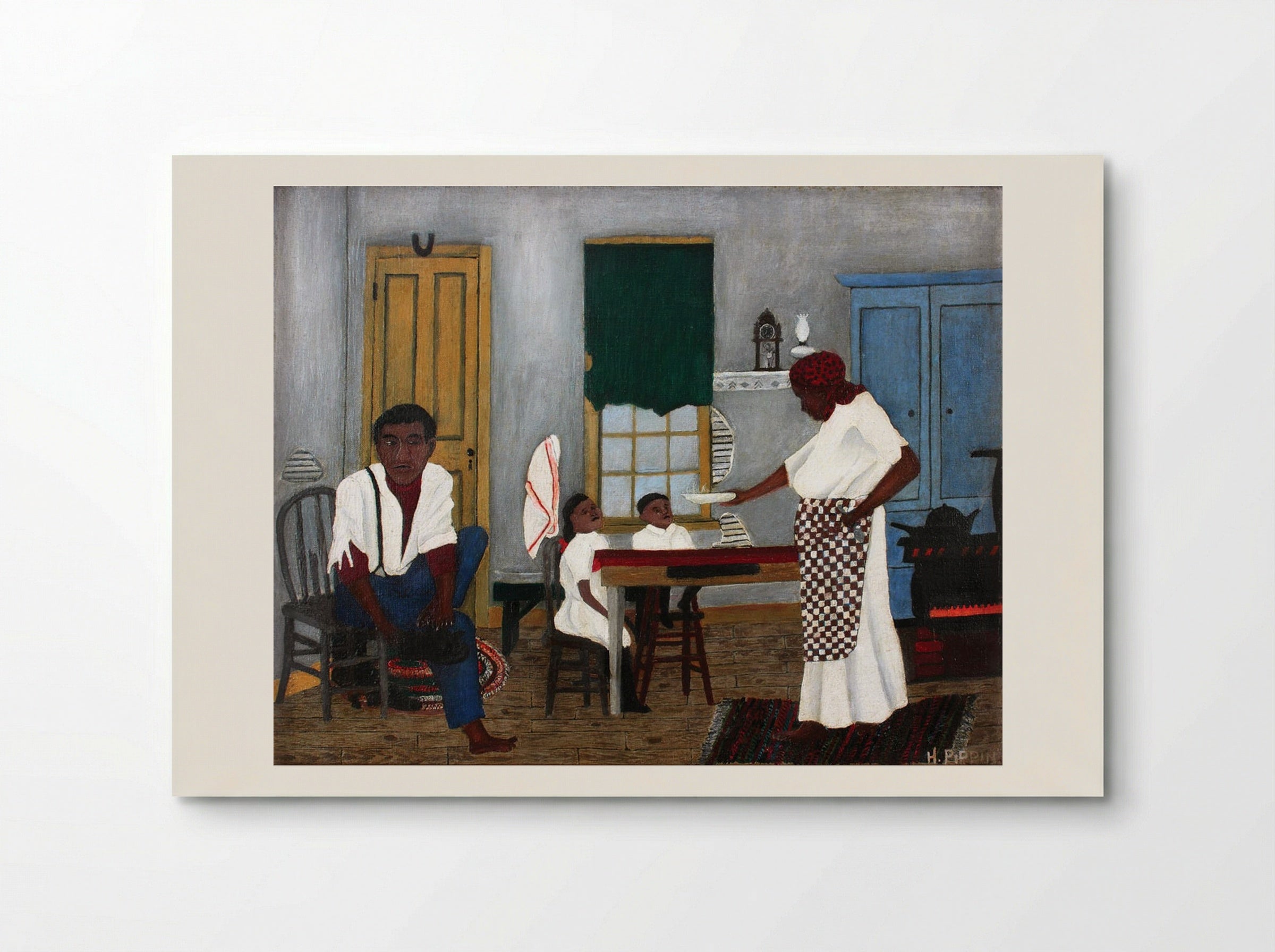 Christmas Morning Breakfast - Horace Pippin
Print
Regular price From £28.00 GBPSale price From £28.00 GBP Regular price -
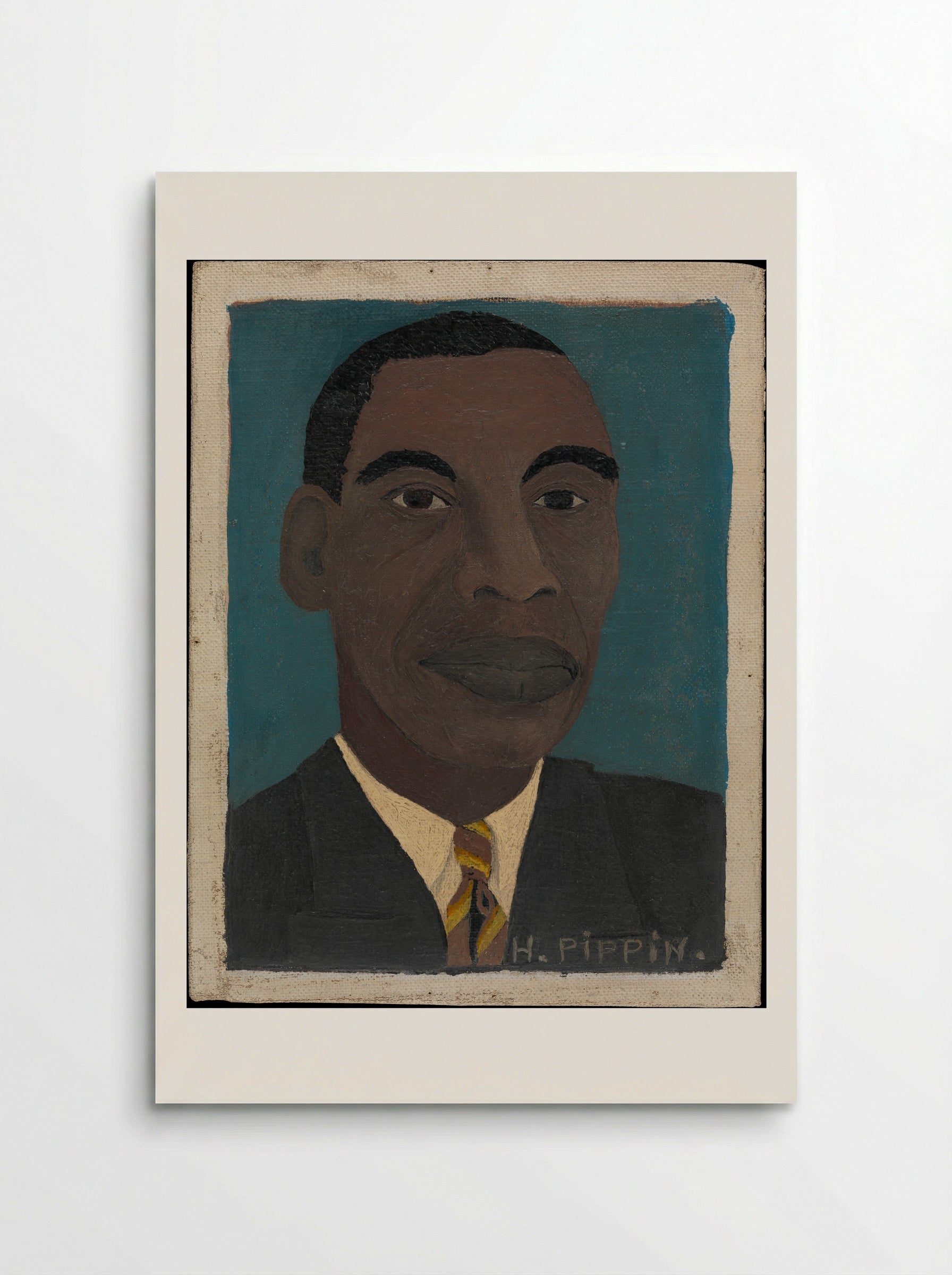 Self-Portrait - Horace Pippin
Print
Regular price From £28.00 GBPSale price From £28.00 GBP Regular price -
 John Brown Going To His Hanging - Horace Pippin
Print
Regular price From £28.00 GBPSale price From £28.00 GBP Regular price -
 Interior (Horace Pippin) - Horace Pippin
Print
Regular price From £28.00 GBPSale price From £28.00 GBP Regular price


Artist Biography
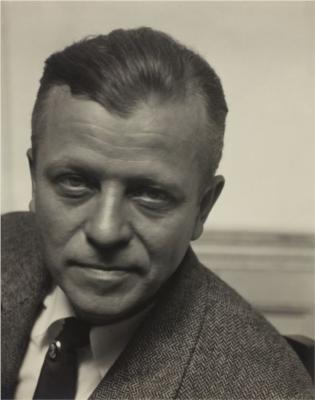
Horace Pippin
Pippin enlisted in the army under a false name. On 15 July 1917, he joined the all-Black 15th New York National Guard Regiment (later the 369th Infantry, known as the Harlem Hellfighters) as "Harris Pippin". He served in France, kept a war journal illustrated with drawings, and was shot by a German sniper. The bullet partially paralysed his right arm. He was twenty-nine.
He was born in West Chester, Pennsylvania, in 1888; his grandparents had been enslaved. As a boy in Goshen, New York, he won a box of crayons in a competition sponsored by an art supplier. That was the extent of his formal art education. After the war, he settled back in West Chester and began painting in the early 1930s, using his left hand to prop up his injured right arm. He worked on canvas, fabric, and cigar boxes, and burned images into wood panels with a hot poker. He also tried bee sting therapy for his wound, trading fish pepper seeds to his Quaker friend H. Ralph Weaver in exchange for bees.
Pippin produced roughly 140 works over twenty years. His subjects ranged from war memories to biblical scenes, landscapes and domestic interiors. The style was self-taught and non-academic: flat, bold colour within firm outlines, with a structural clarity that recalls American folk art and Edward Hicks's peaceable kingdom paintings. In 1943, the collector Albert C. Barnes and curator Christian Brinton began championing his work, bringing it to major exhibitions in Philadelphia and New York.
He became the first Black artist to be the subject of a published monograph, Selden Rodman's Horace Pippin, A Negro Painter in America (1947). He died in West Chester in 1946, at fifty-eight. The New York Times called him the most important Black painter in American history.
He was born in West Chester, Pennsylvania, in 1888; his grandparents had been enslaved. As a boy in Goshen, New York, he won a box of crayons in a competition sponsored by an art supplier. That was the extent of his formal art education. After the war, he settled back in West Chester and began painting in the early 1930s, using his left hand to prop up his injured right arm. He worked on canvas, fabric, and cigar boxes, and burned images into wood panels with a hot poker. He also tried bee sting therapy for his wound, trading fish pepper seeds to his Quaker friend H. Ralph Weaver in exchange for bees.
Pippin produced roughly 140 works over twenty years. His subjects ranged from war memories to biblical scenes, landscapes and domestic interiors. The style was self-taught and non-academic: flat, bold colour within firm outlines, with a structural clarity that recalls American folk art and Edward Hicks's peaceable kingdom paintings. In 1943, the collector Albert C. Barnes and curator Christian Brinton began championing his work, bringing it to major exhibitions in Philadelphia and New York.
He became the first Black artist to be the subject of a published monograph, Selden Rodman's Horace Pippin, A Negro Painter in America (1947). He died in West Chester in 1946, at fifty-eight. The New York Times called him the most important Black painter in American history.
Related Artists


Why Choose Us ?