

Collection
El Lissitzky
Explore curated art prints selected for distinctive homes and considered interiors.
Suggested filters
-
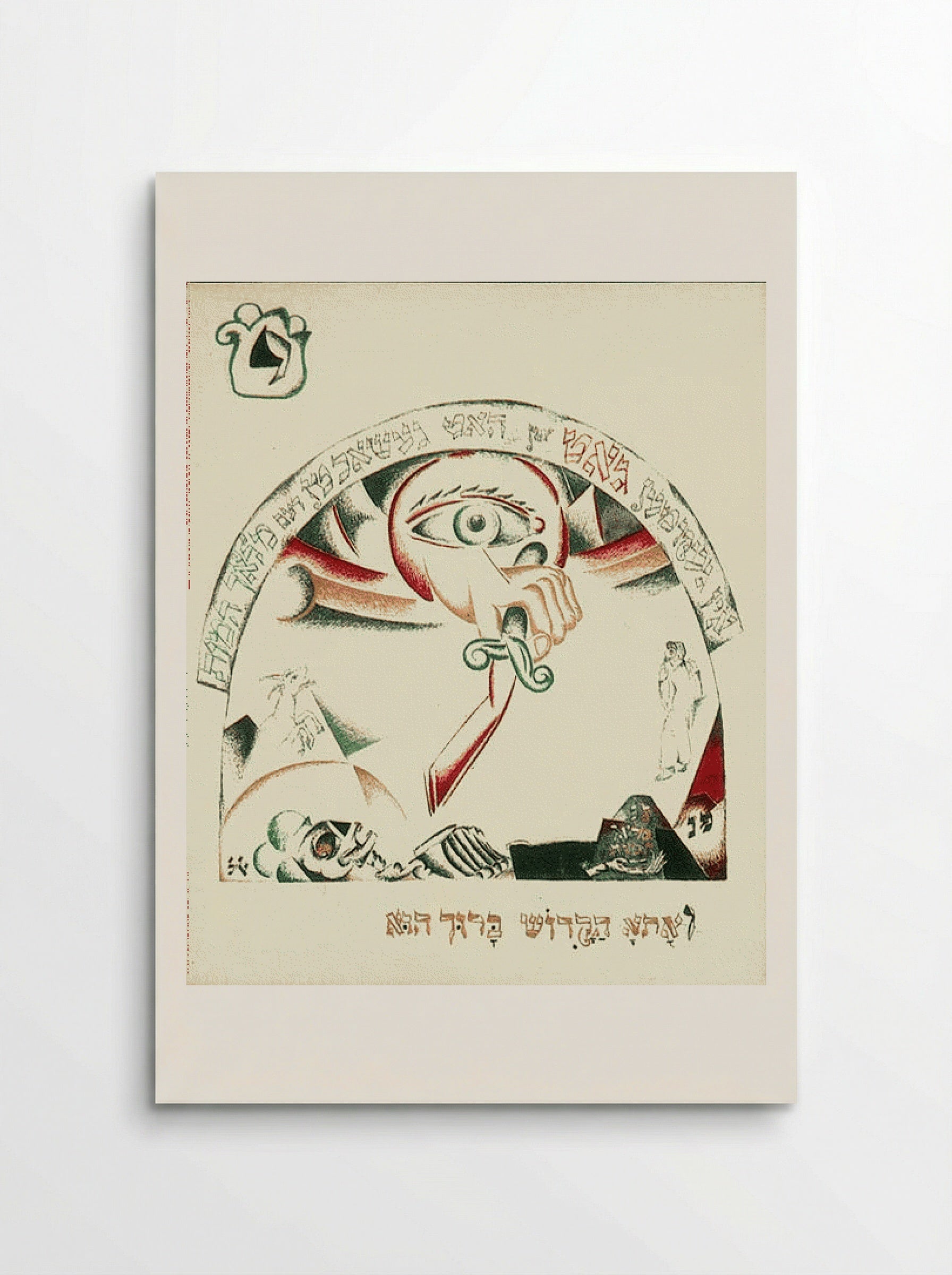
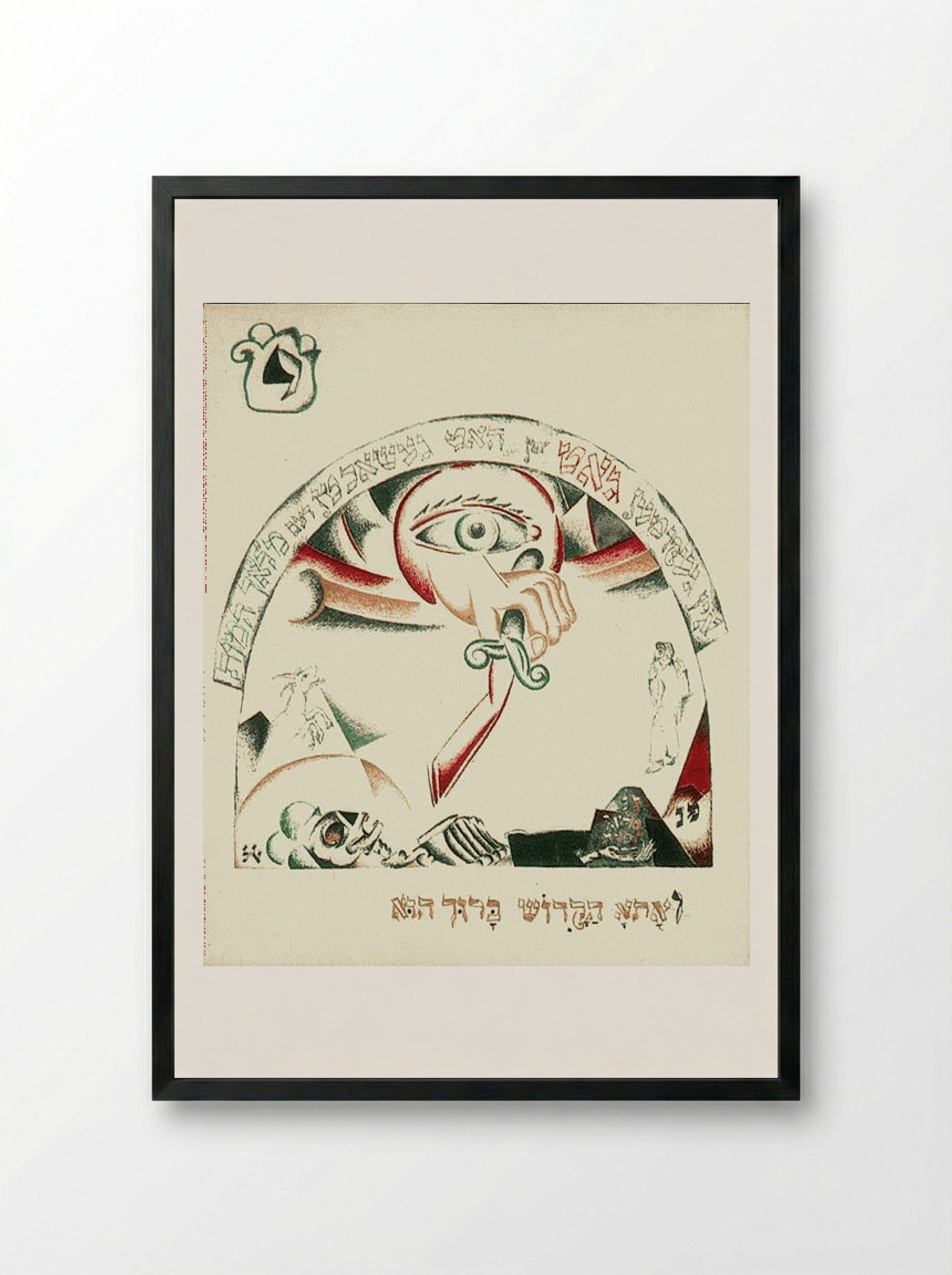 Illustration to Aggadah - El Lissitzky
Print · Framed
Regular price From £28.00 GBPSale price From £28.00 GBP Regular price -
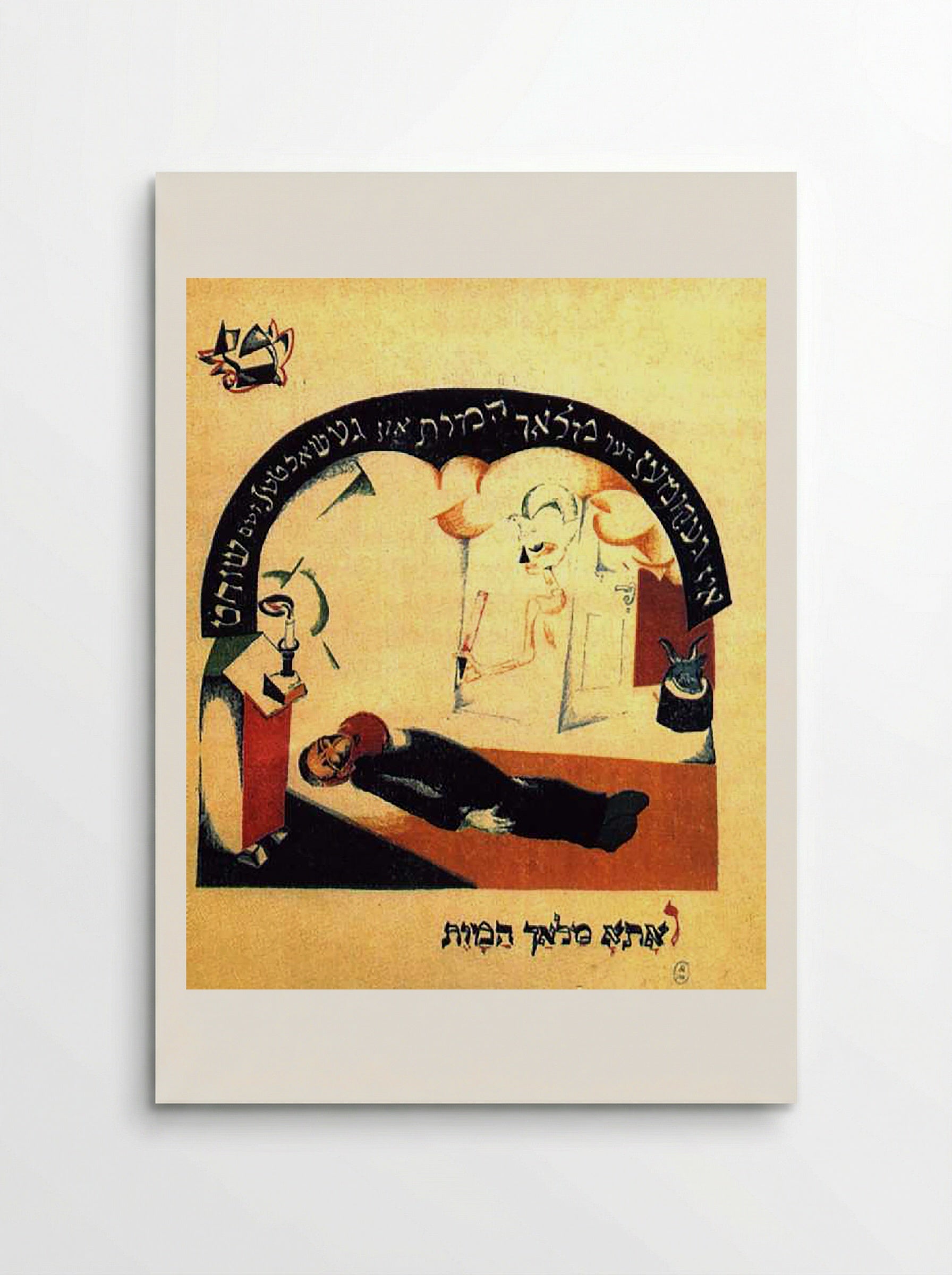
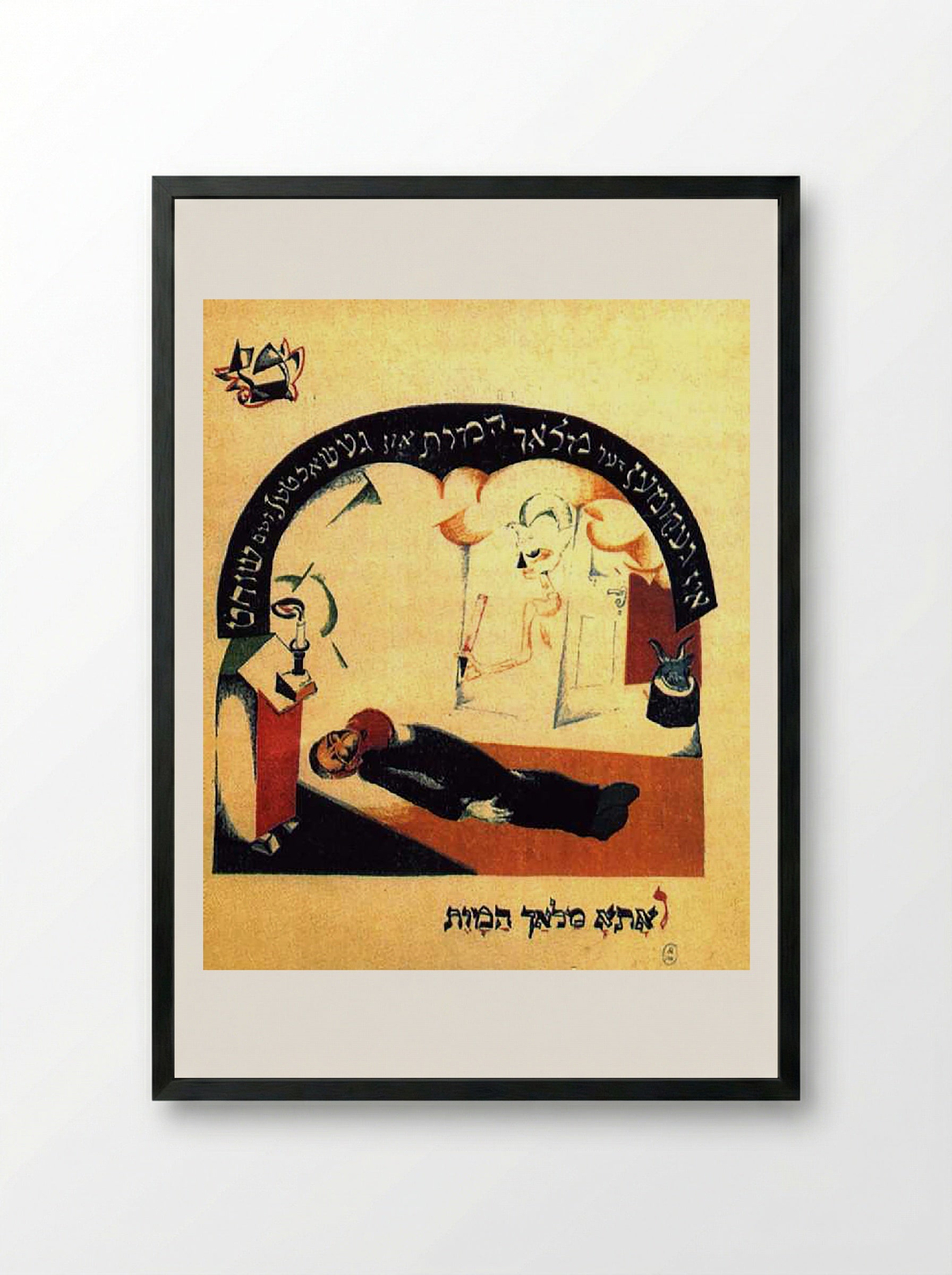 Illustration for Jewish Folk Tale 'The Goat' - El Lissitzky
Print · Framed
Regular price From £28.00 GBPSale price From £28.00 GBP Regular price -
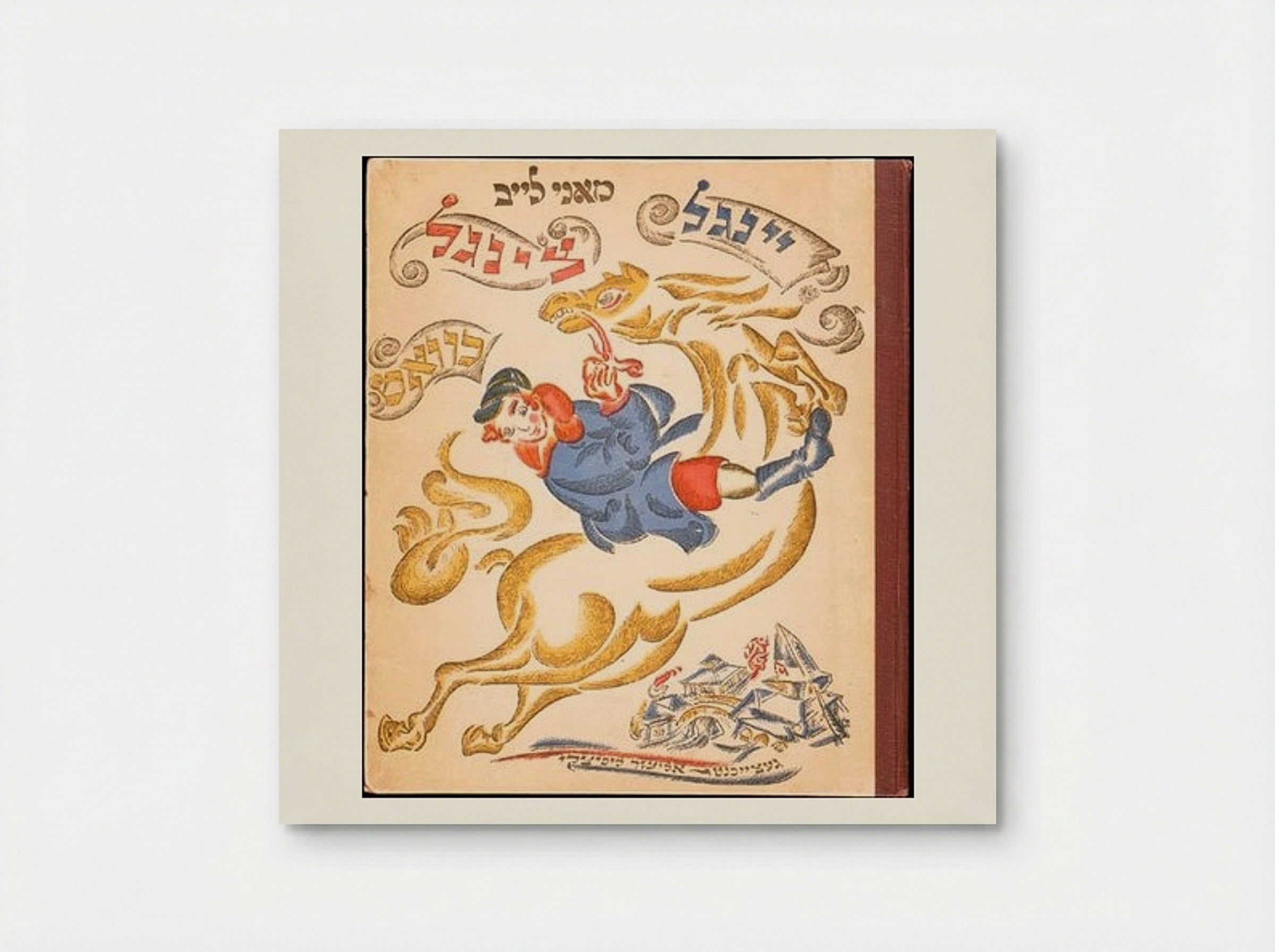
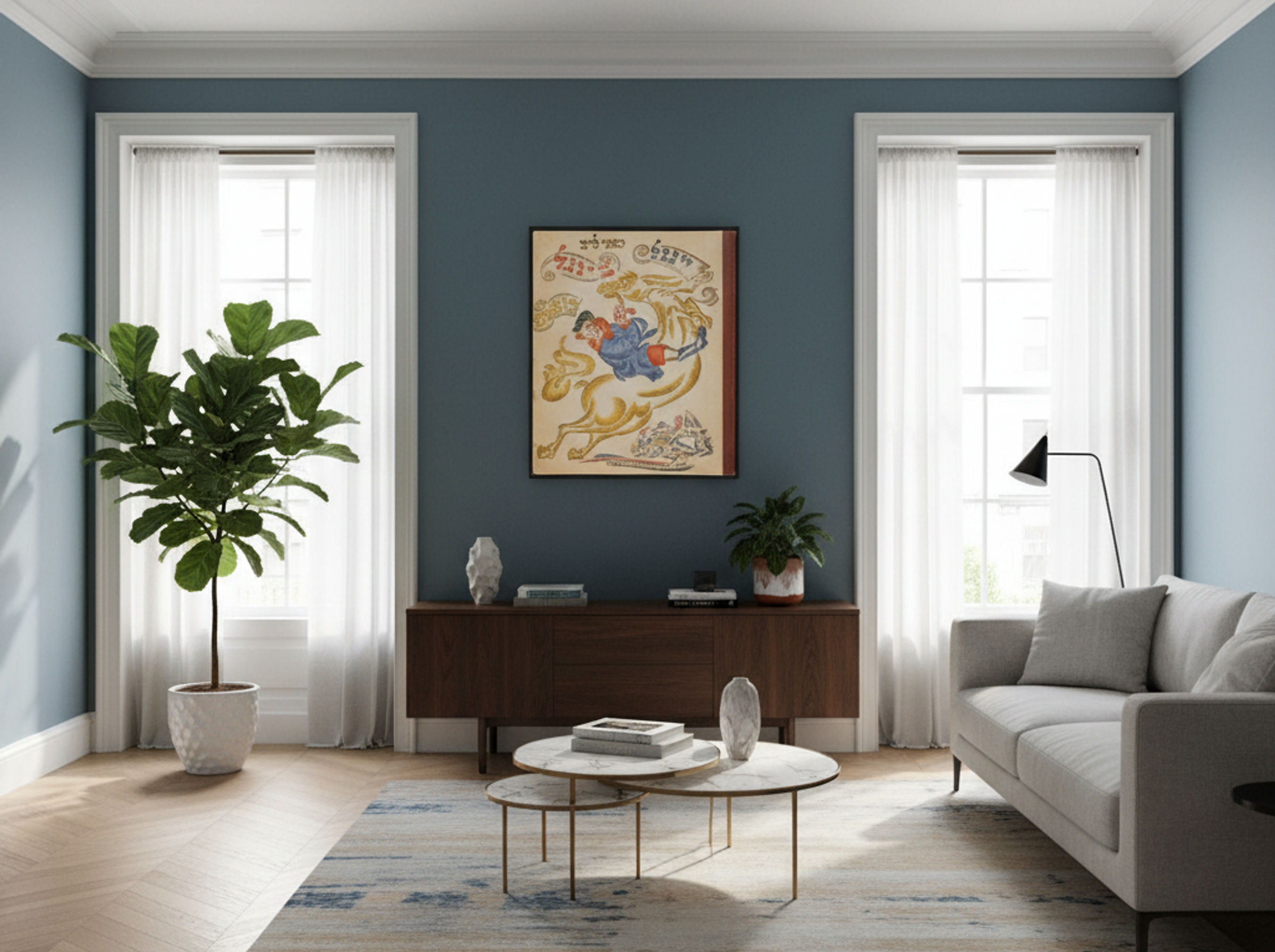 Book cover for 'Ingle-Tsingl-Khvat' by Mani Leib - El Lissitzky
Print · Framed
Regular price From £37.00 GBPSale price From £37.00 GBP Regular price -
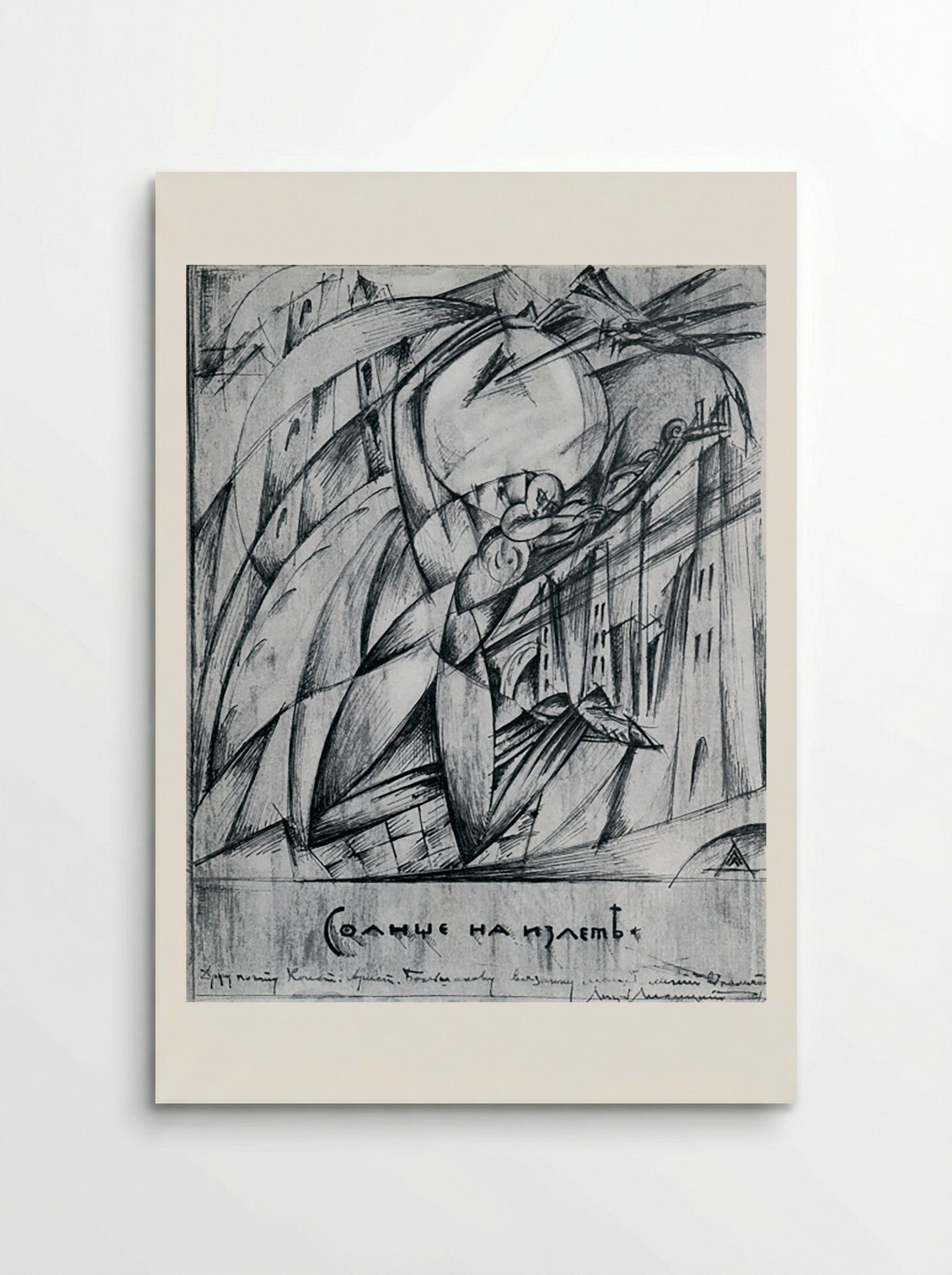
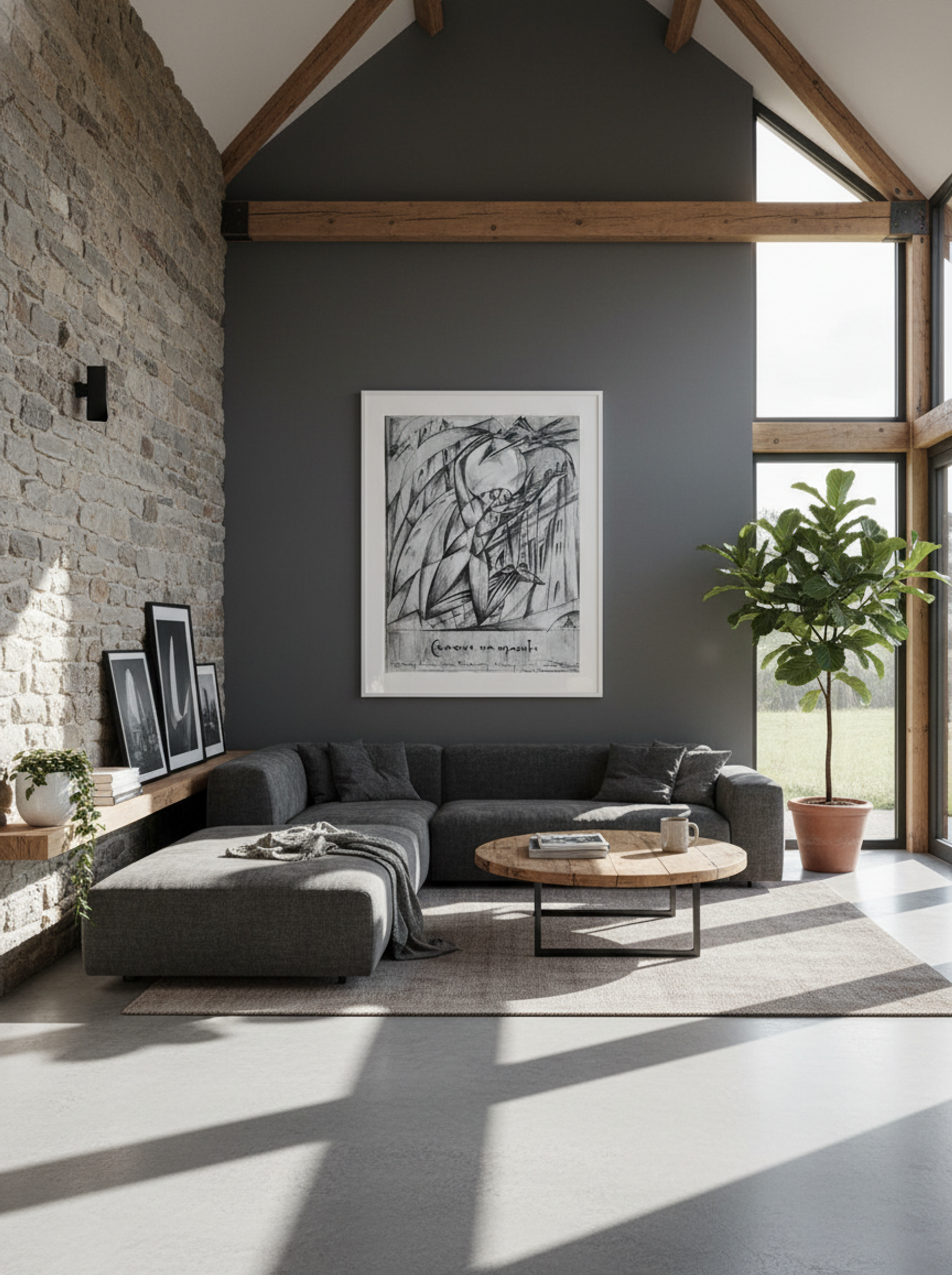 Flying Sun - El Lissitzky
Print · Framed
Regular price From £28.00 GBPSale price From £28.00 GBP Regular price -
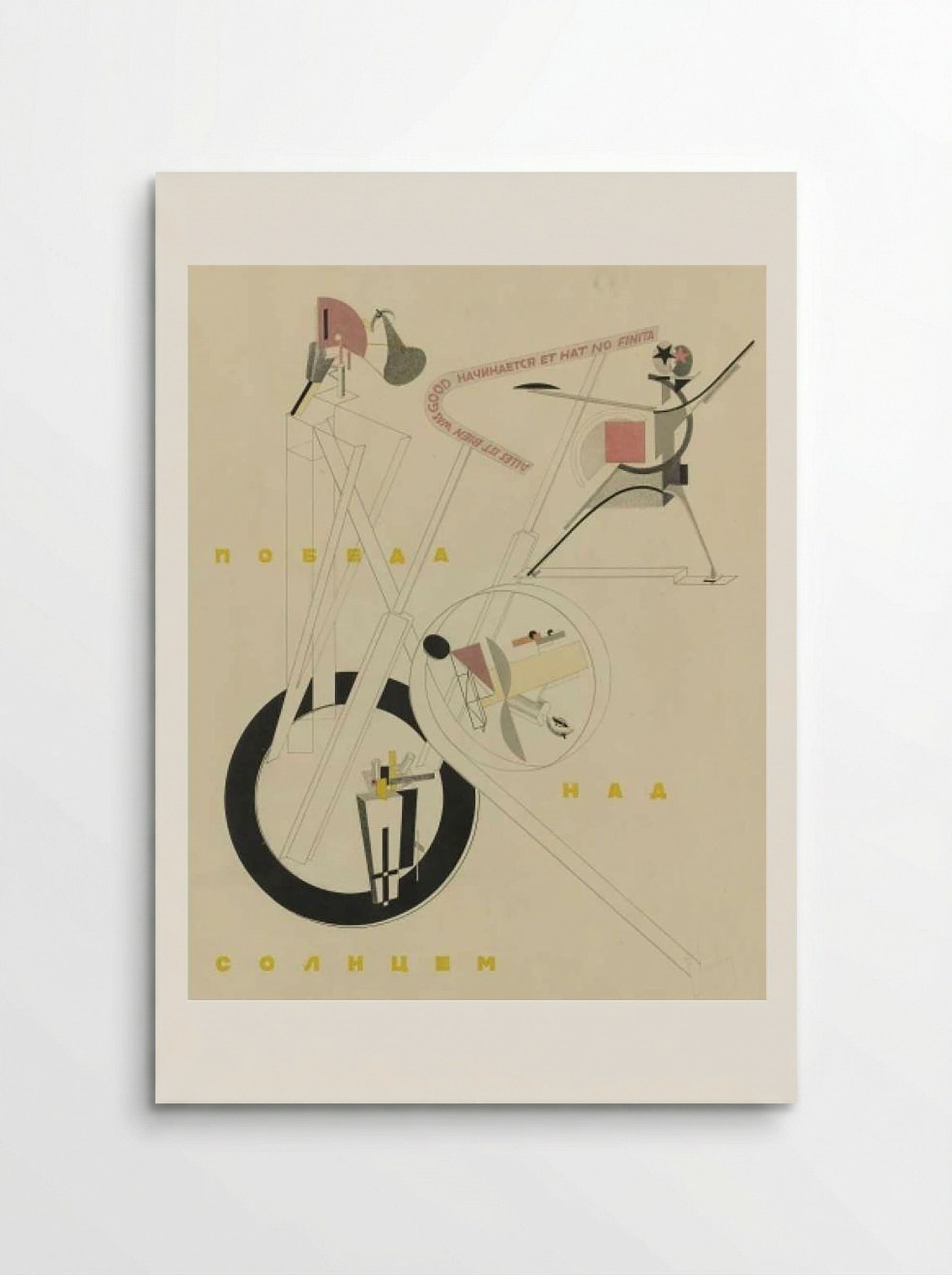
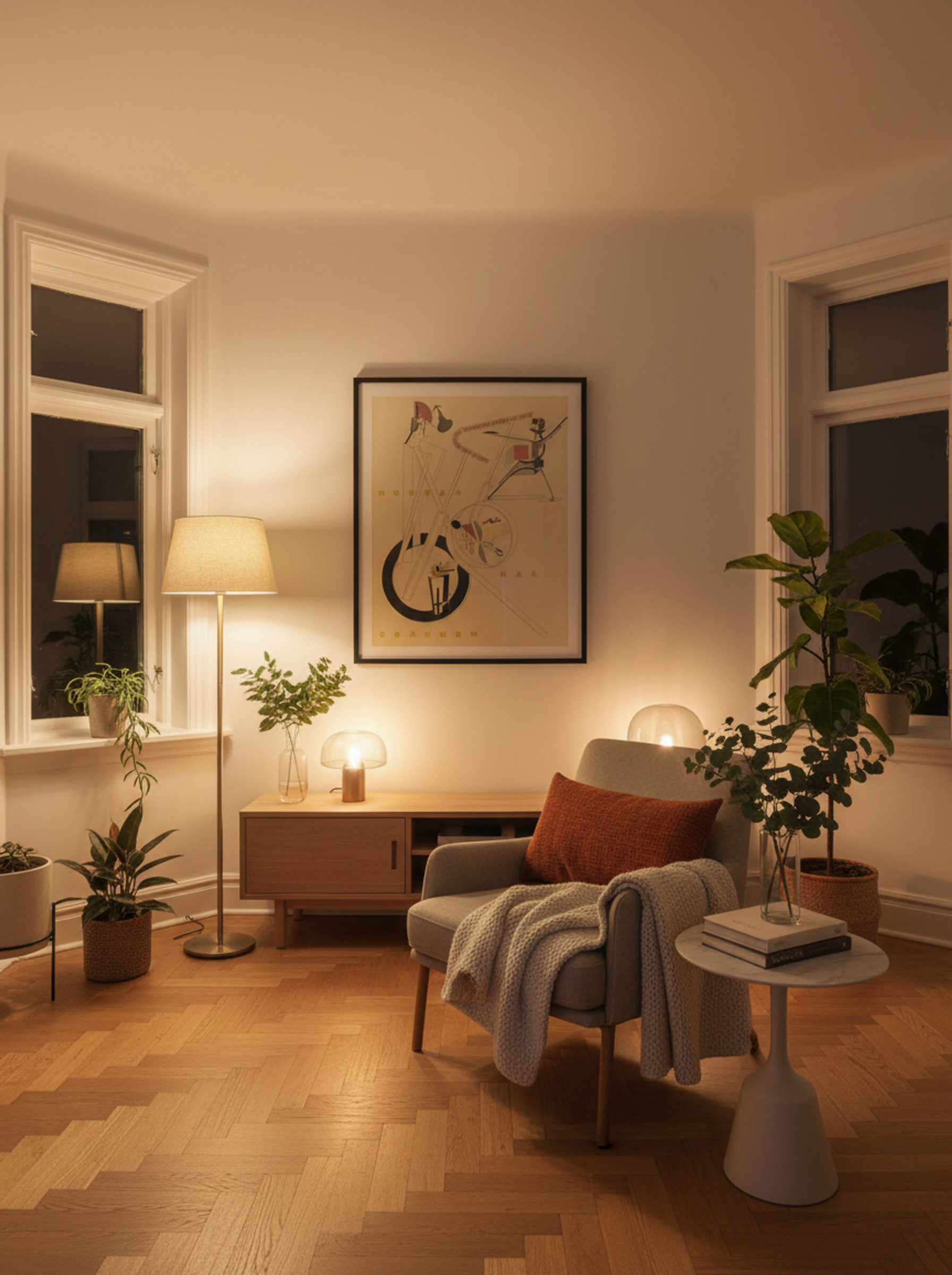 Victory over the Sun: All is well that begins well and has no end - El Lissitzky
Print · Framed
Regular price From £28.00 GBPSale price From £28.00 GBP Regular price -
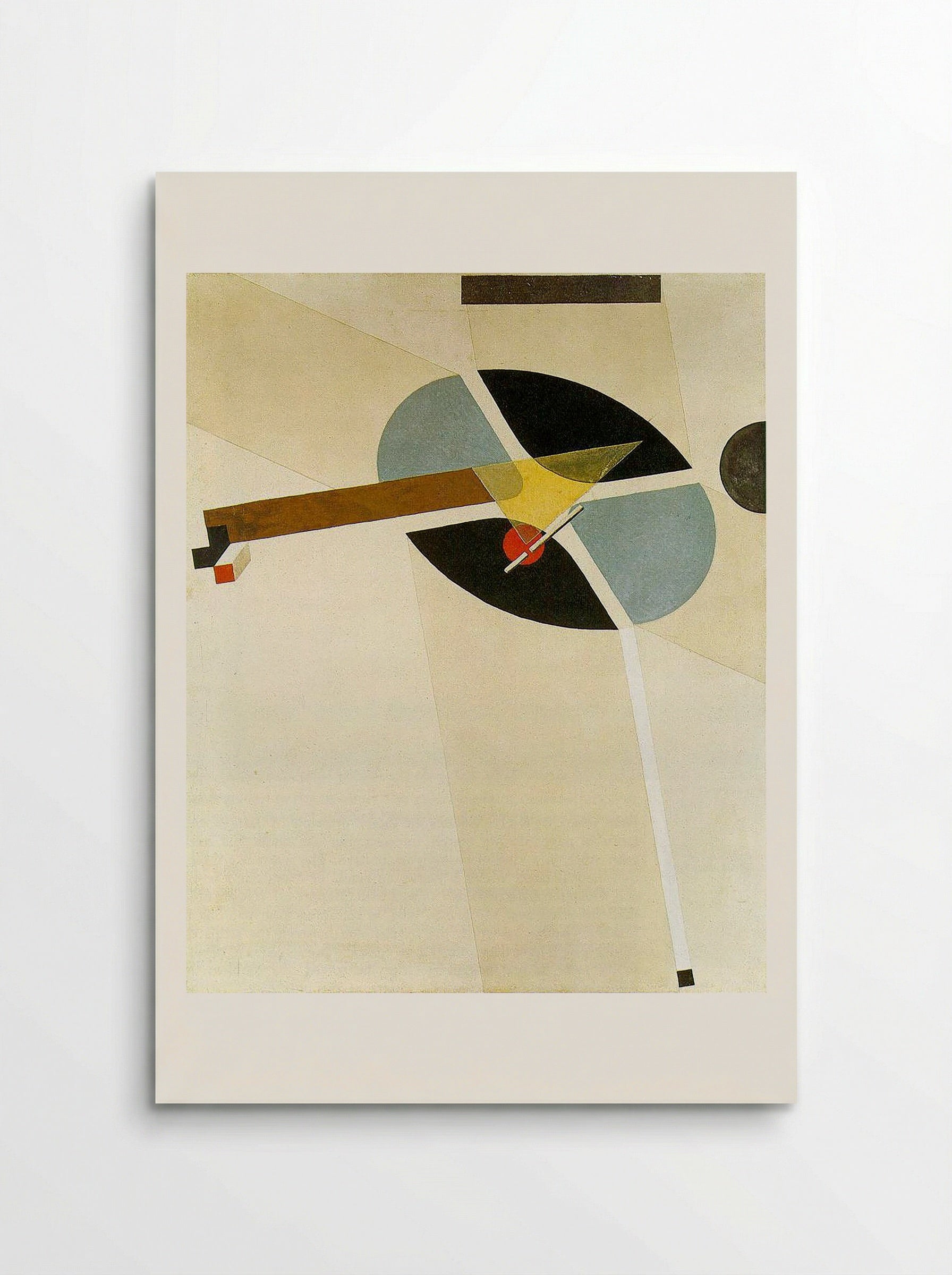
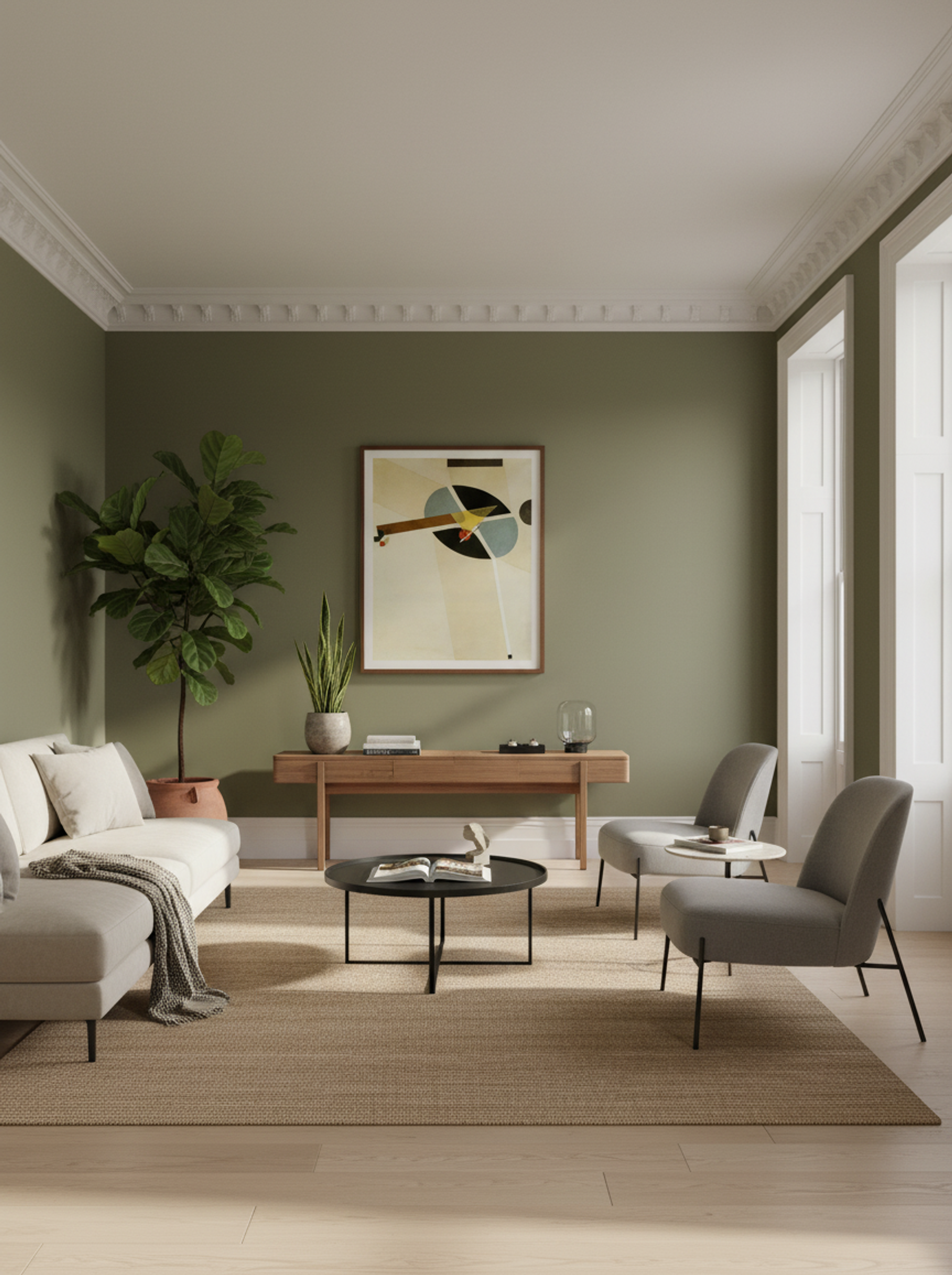 Proun G7 - El Lissitzky
Print · Framed
Regular price From £28.00 GBPSale price From £28.00 GBP Regular price -
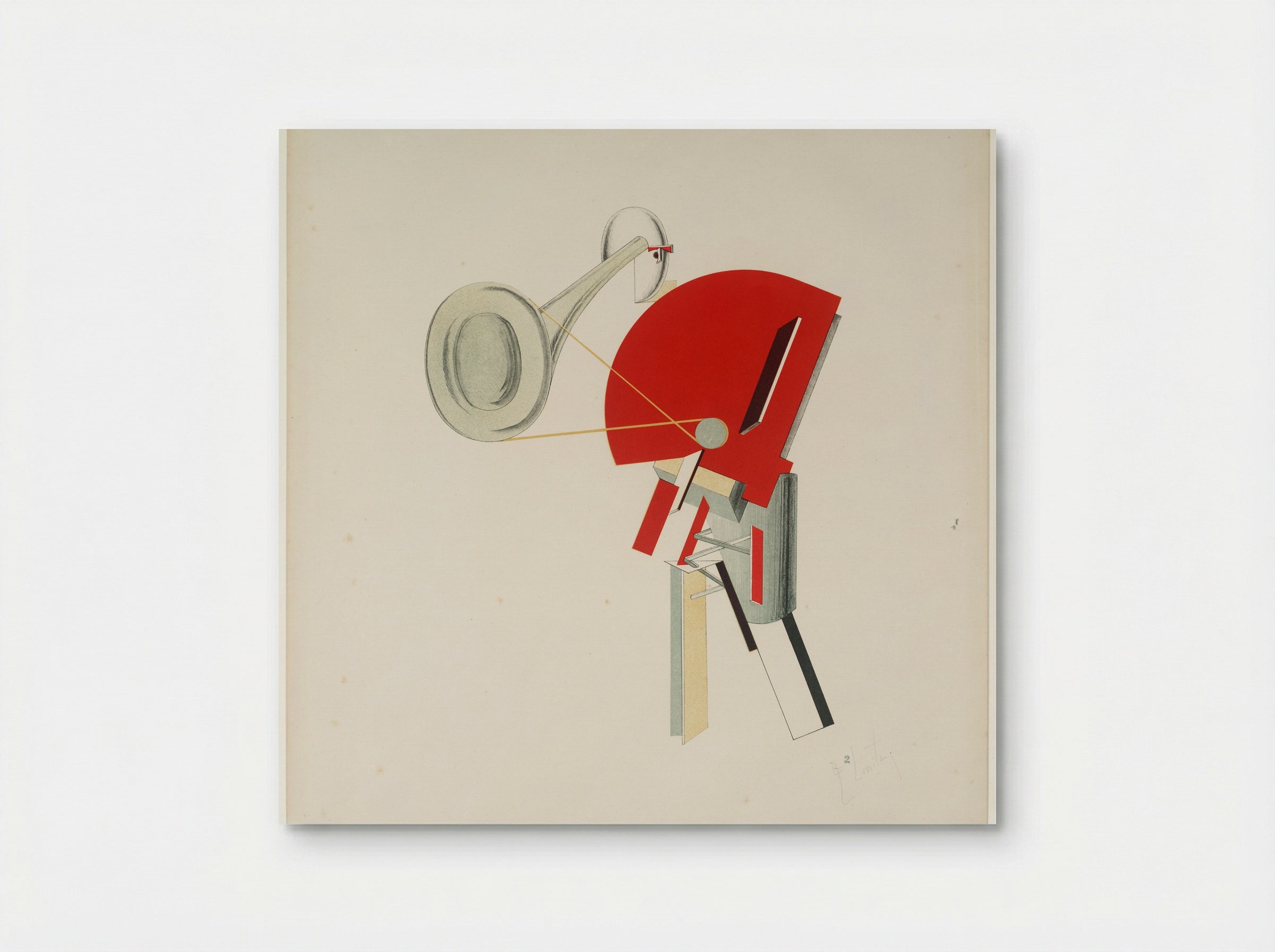
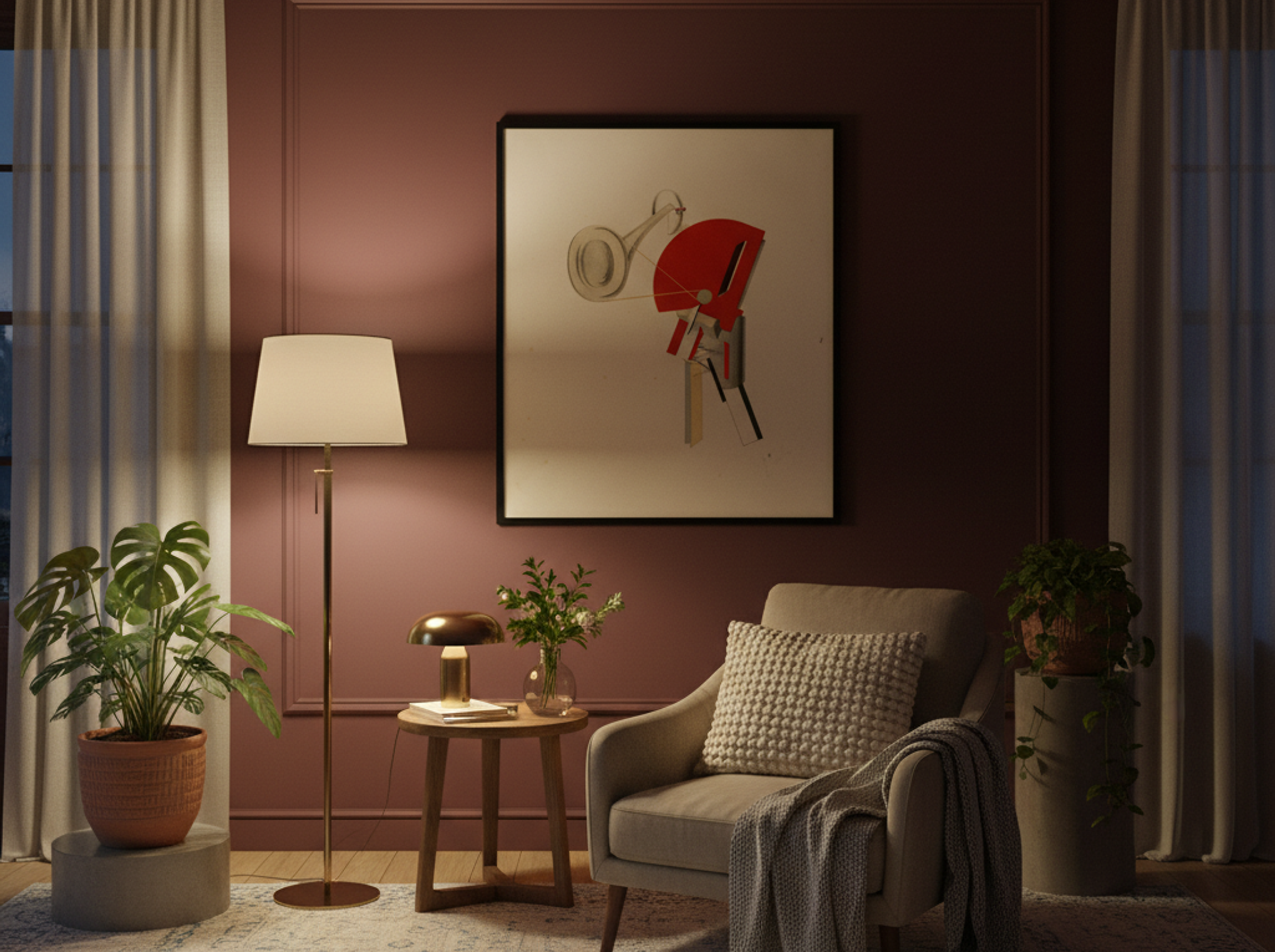 Announcer - El Lissitzky
Print · Framed
Regular price From £37.00 GBPSale price From £37.00 GBP Regular price -
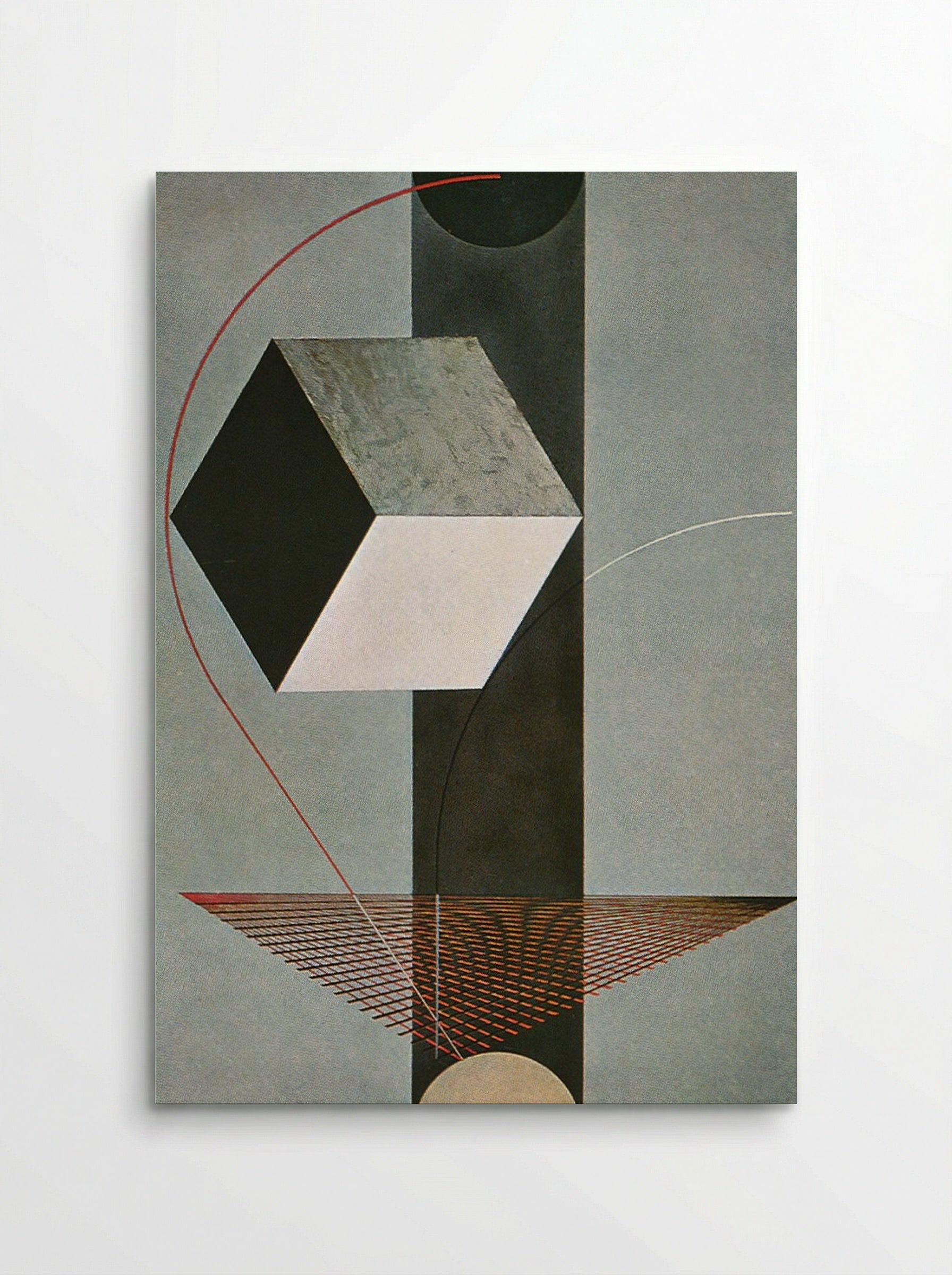
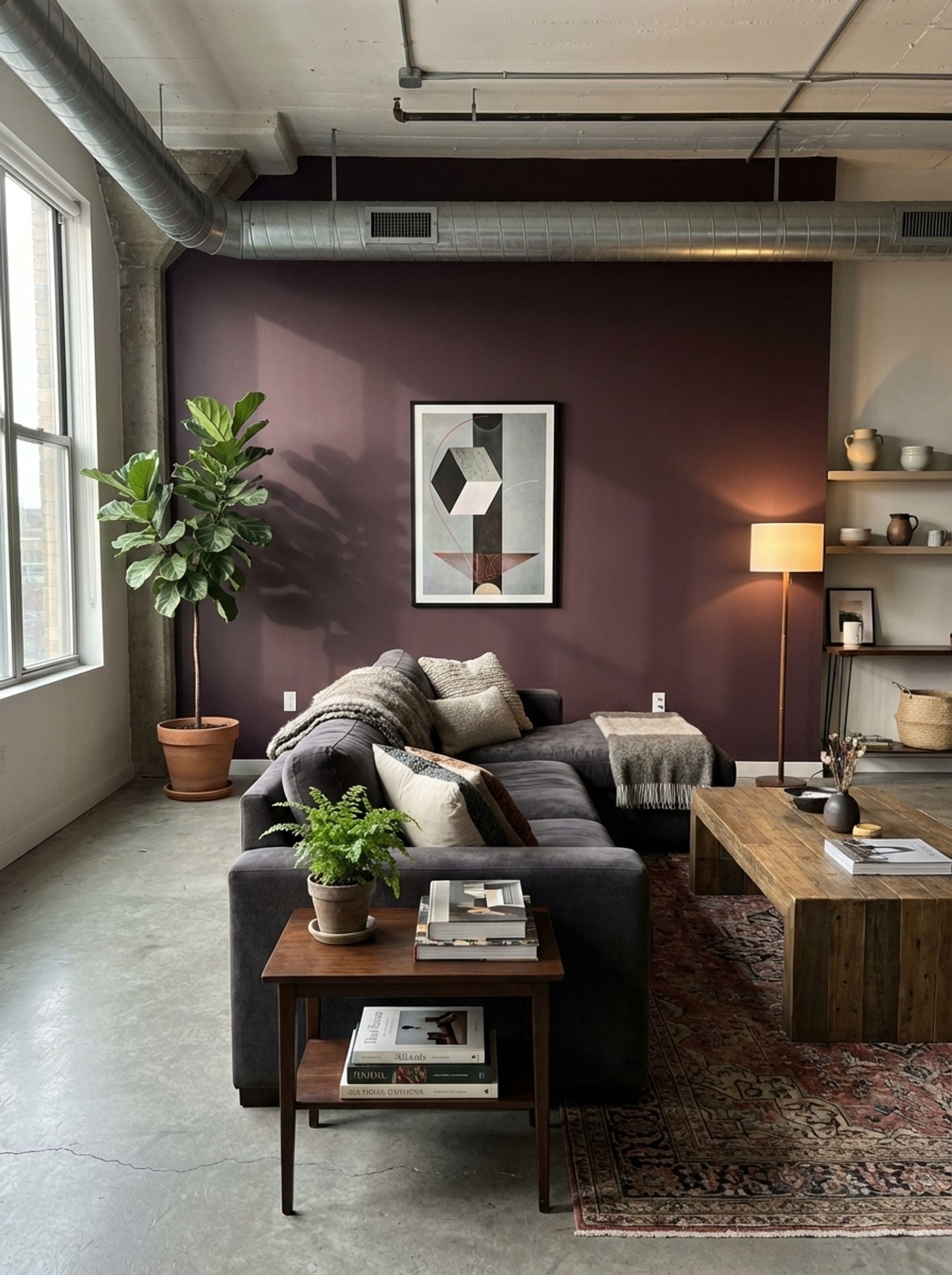 Proun 99 - El Lissitzky
Print · Framed
Regular price From £28.00 GBPSale price From £28.00 GBP Regular price -
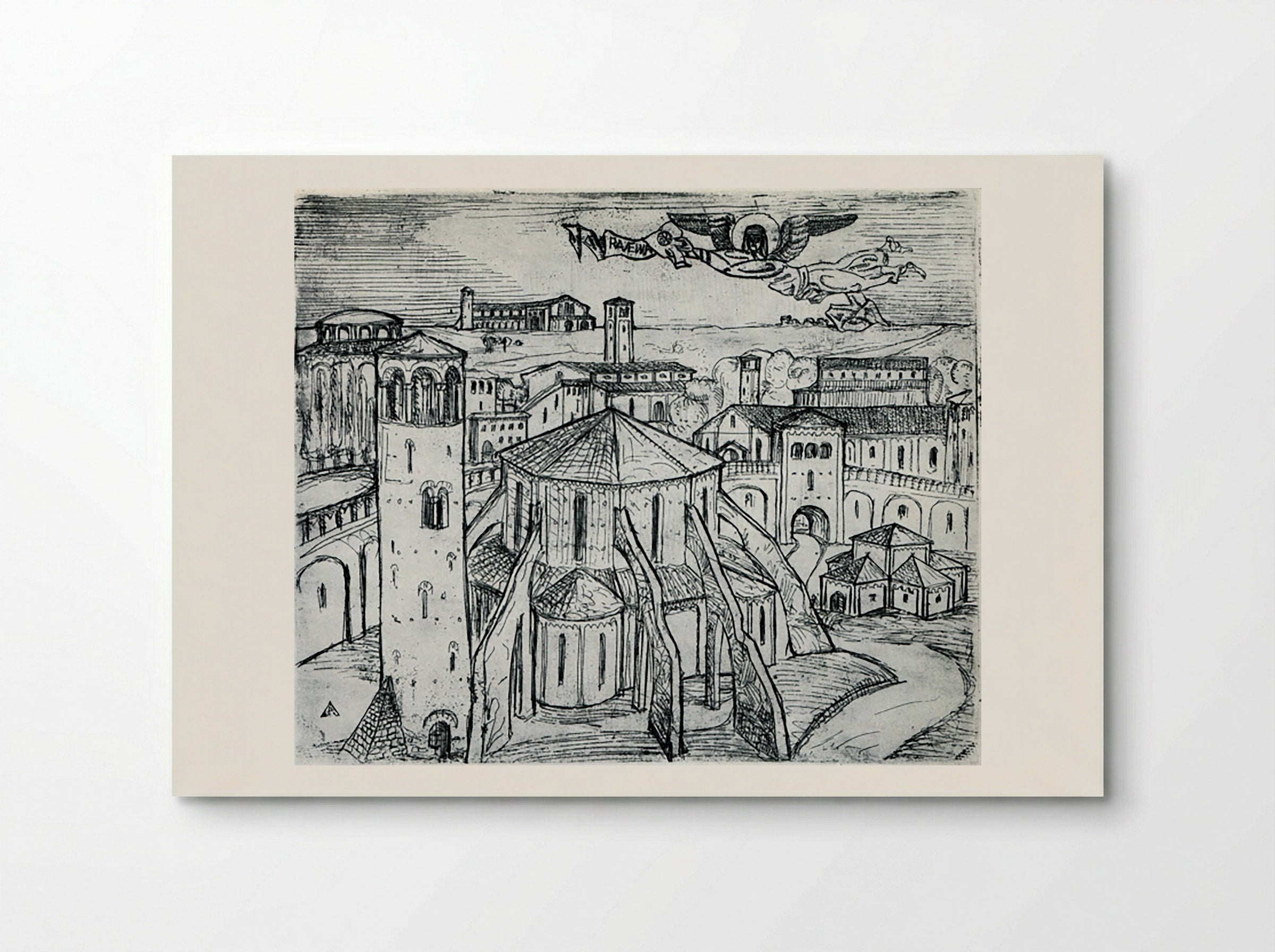
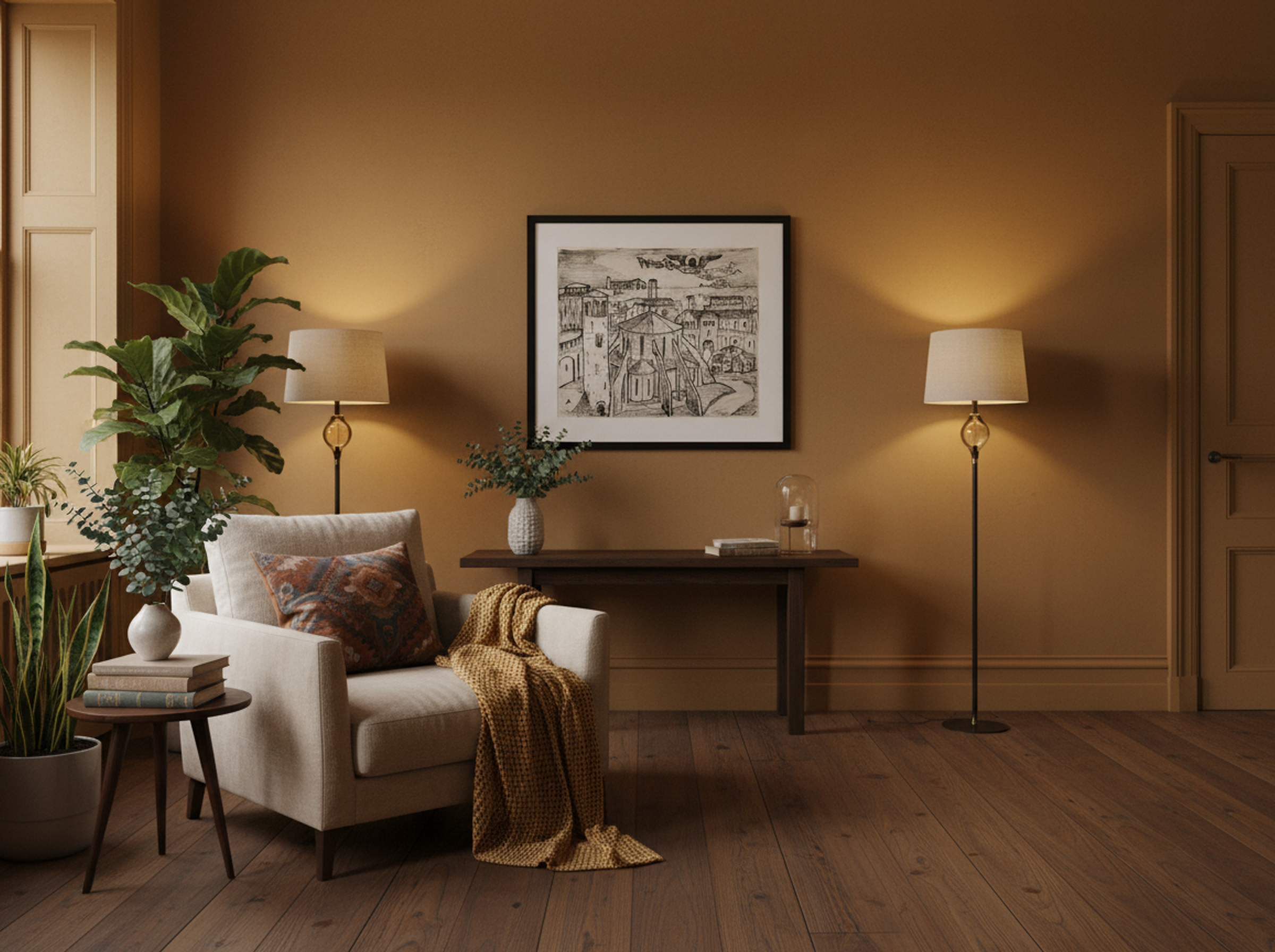 Reminiscence of Ravenna - Fine Art Print
Print · Framed
Regular price From £28.00 GBPSale price From £28.00 GBP Regular price -
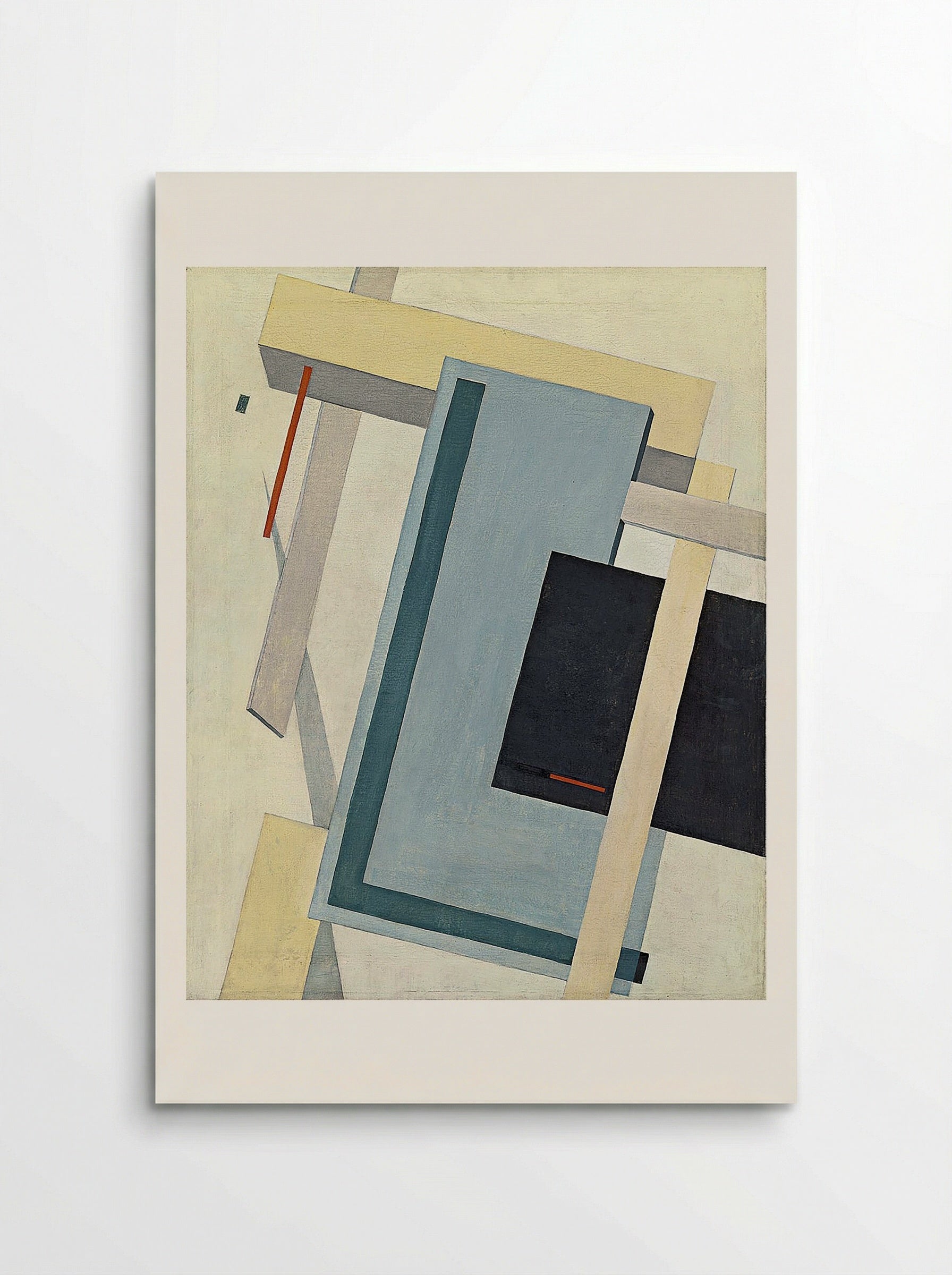
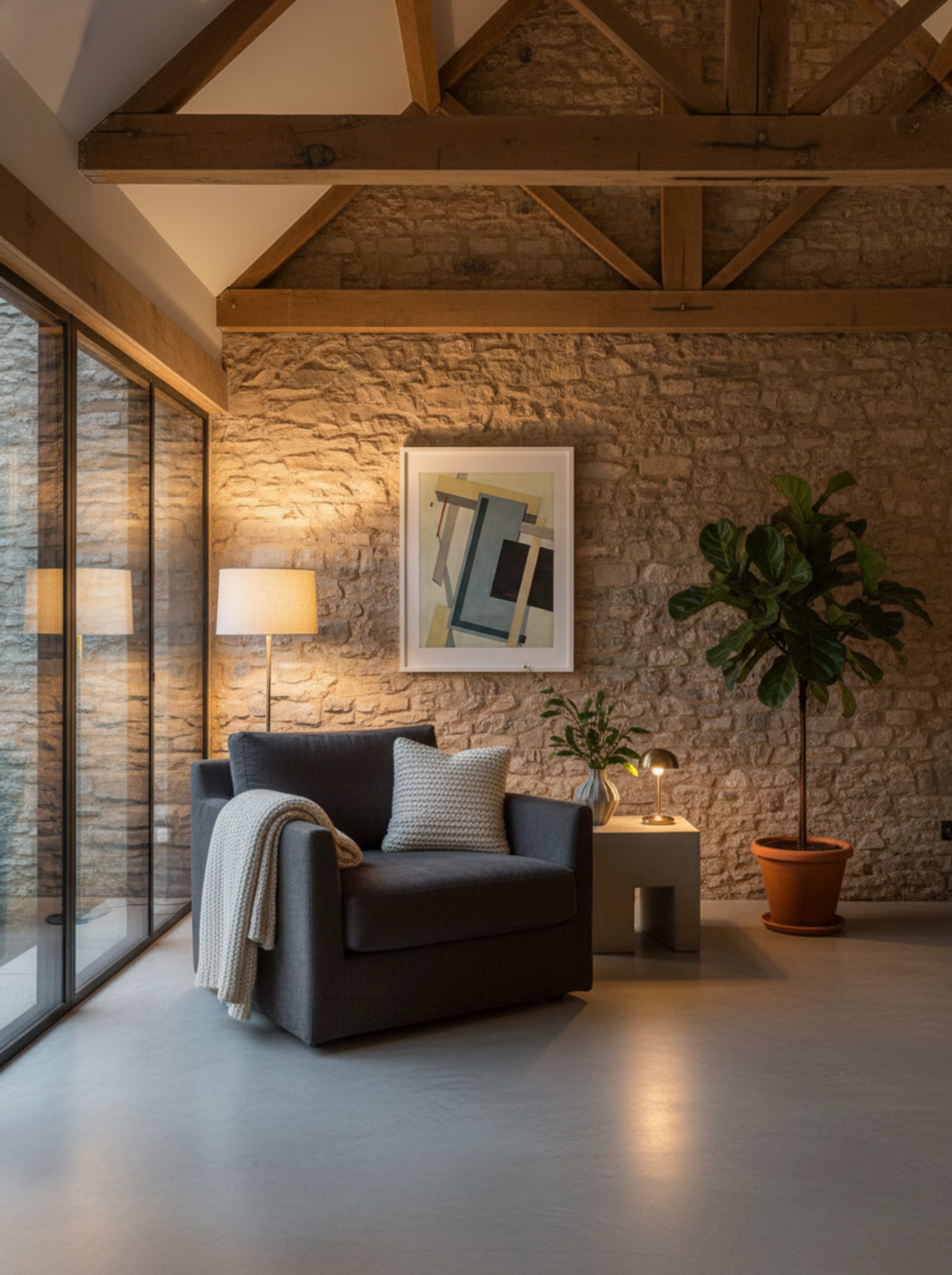 Proun 4B - El Lissitzky
Print · Framed
Regular price From £28.00 GBPSale price From £28.00 GBP Regular price -
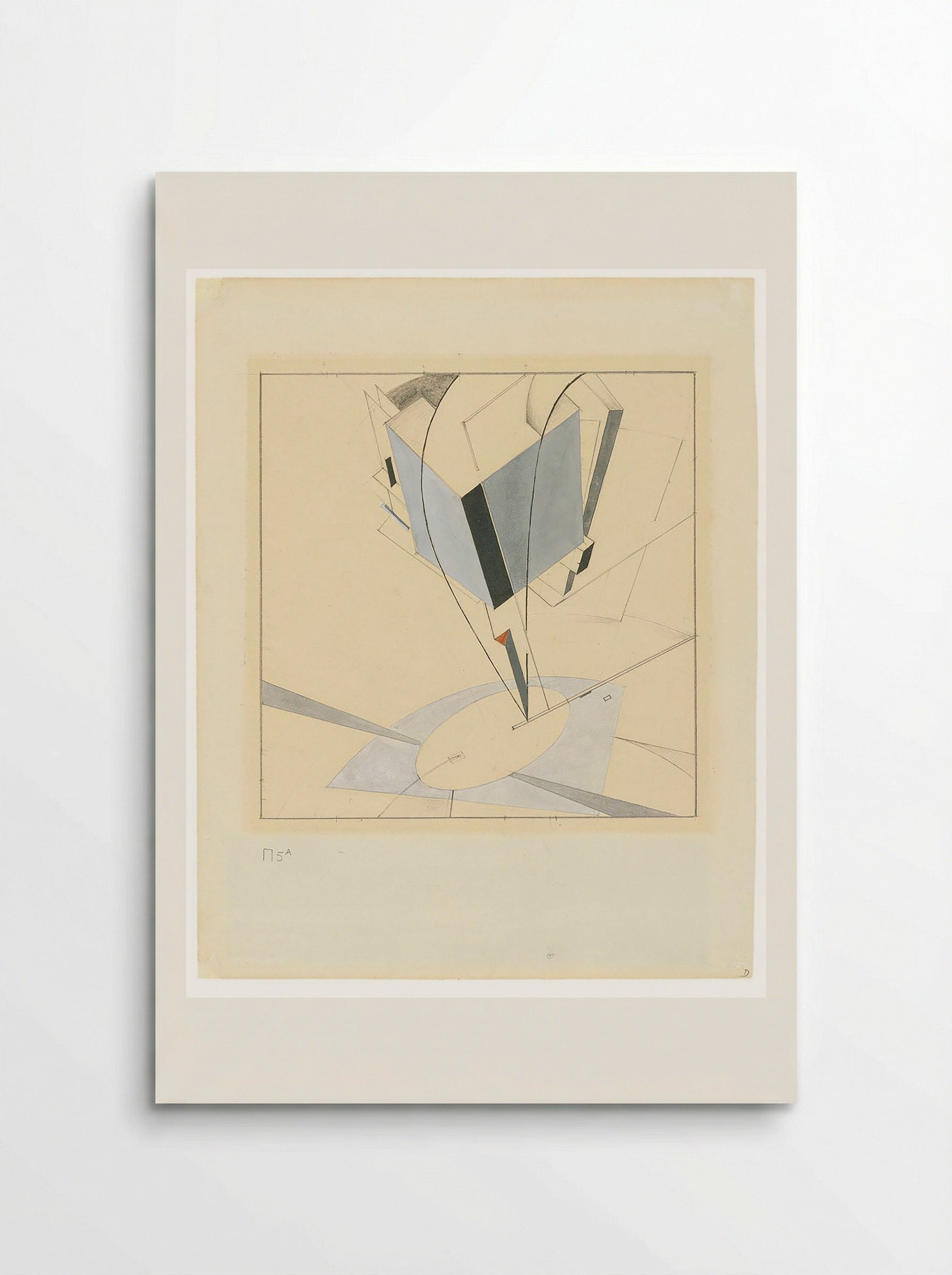
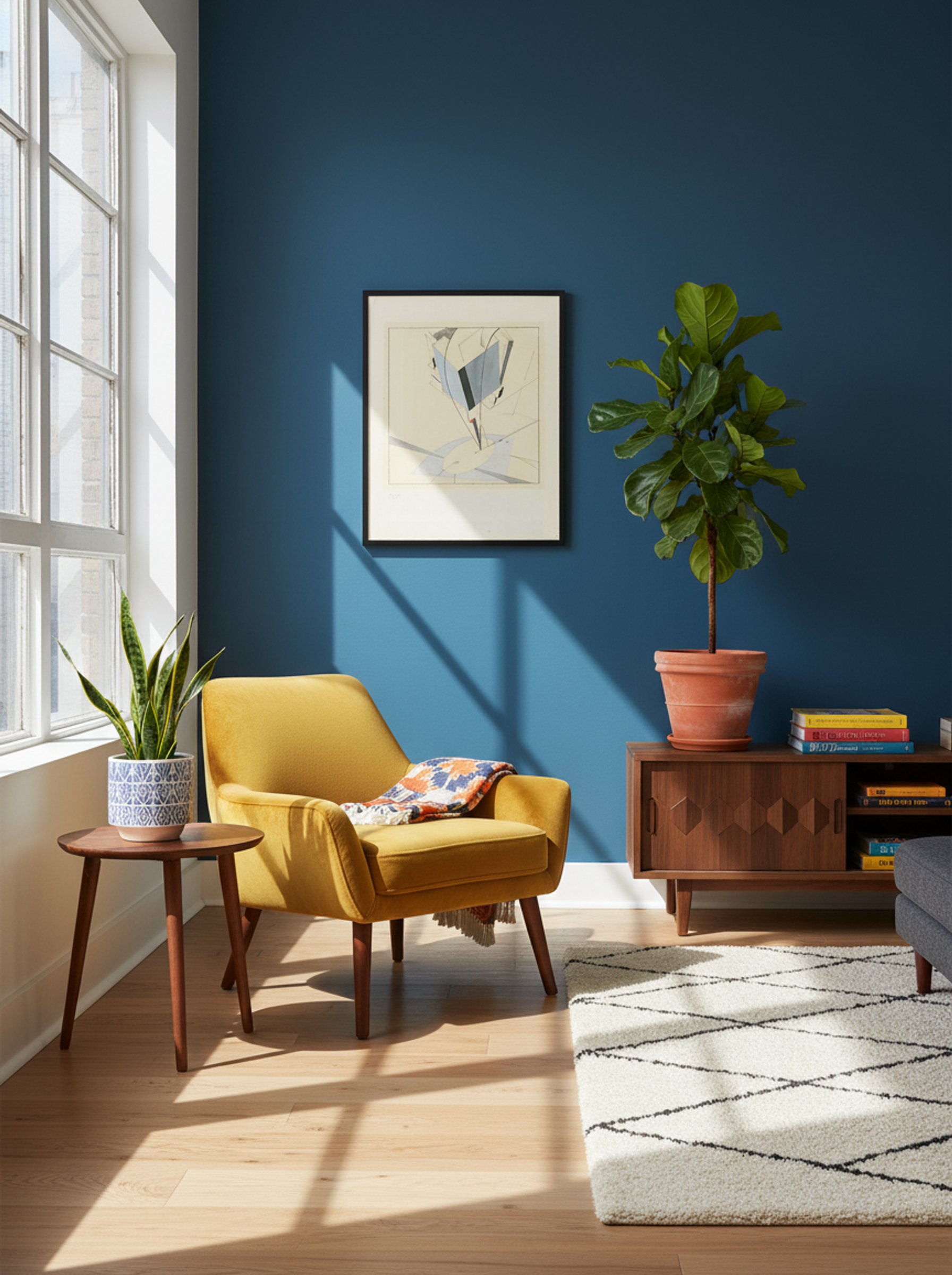 Proun 5A - El Lissitzky
Print · Framed
Regular price From £28.00 GBPSale price From £28.00 GBP Regular price -
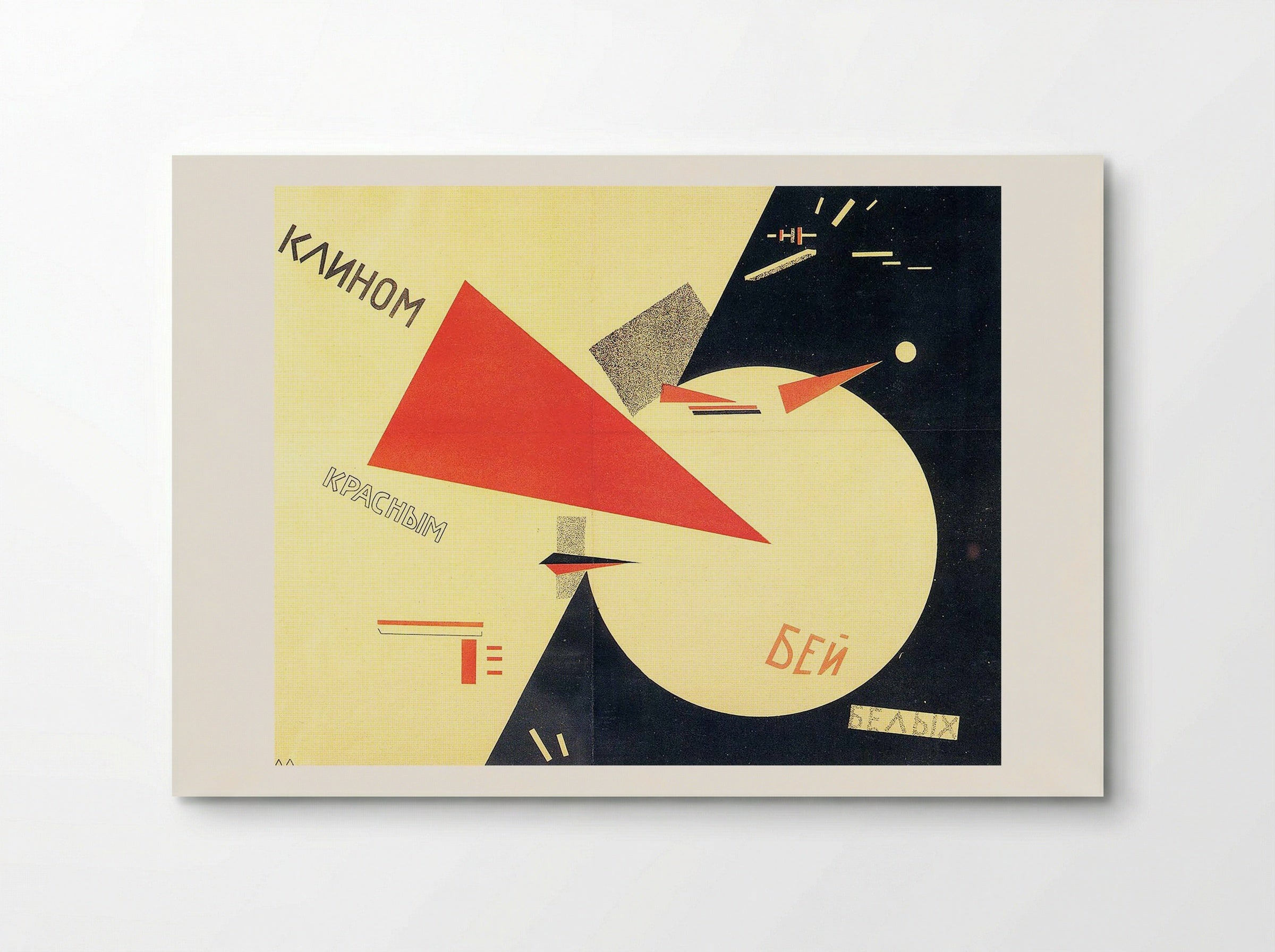
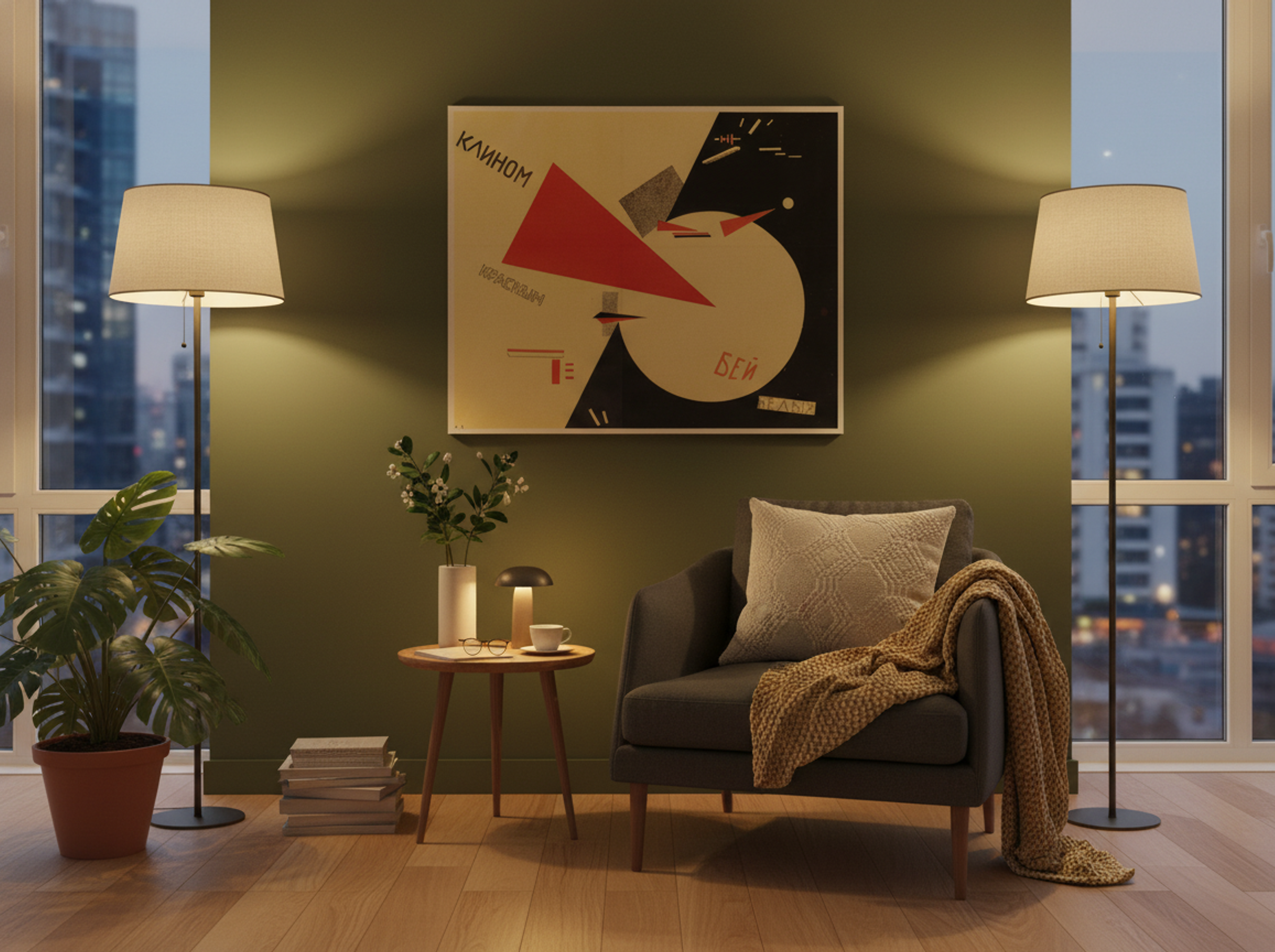 Beat the Whites with the Red Wedge - El Lissitzky
Print · Framed
Regular price From £28.00 GBPSale price From £28.00 GBP Regular price -
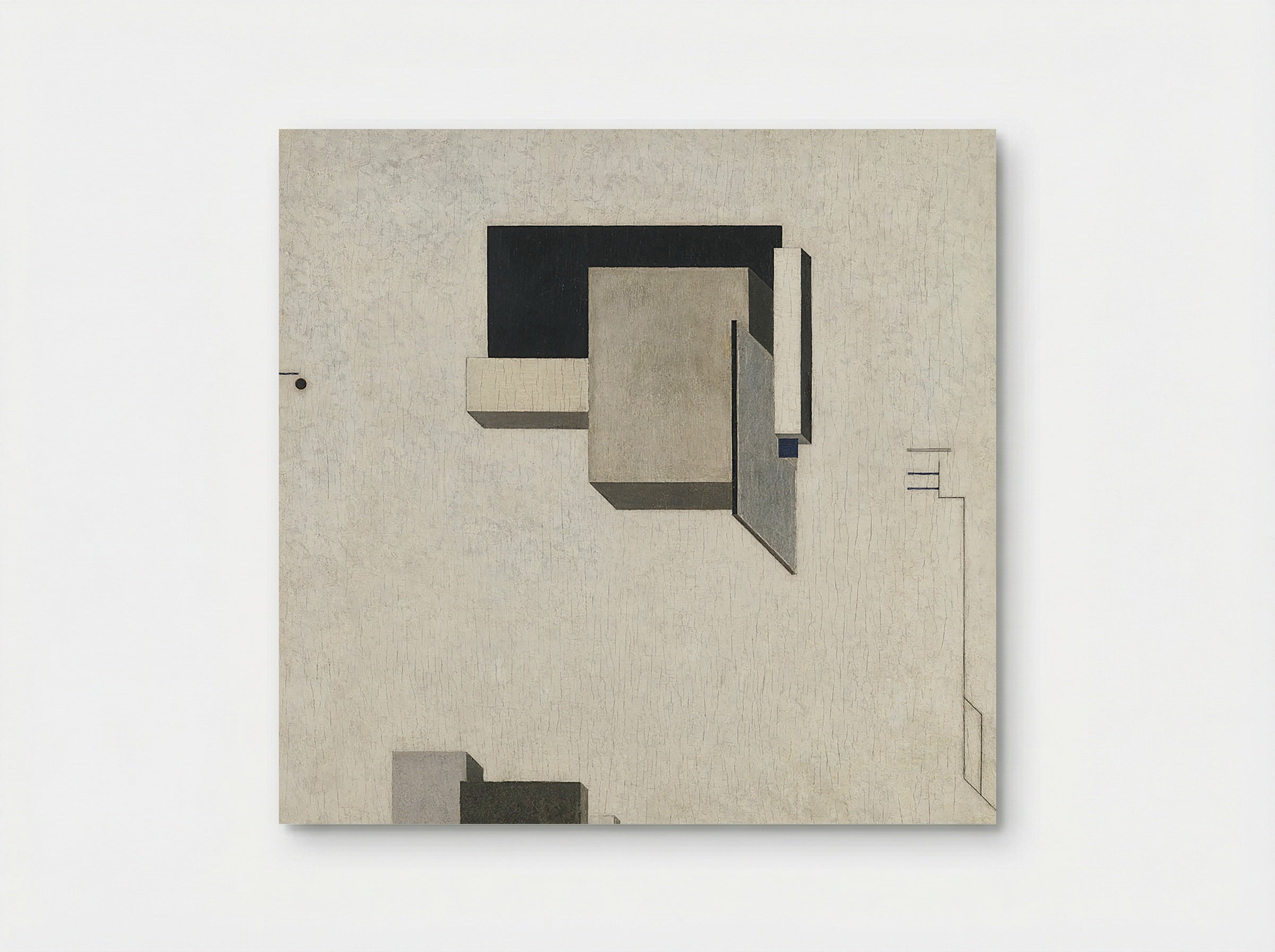
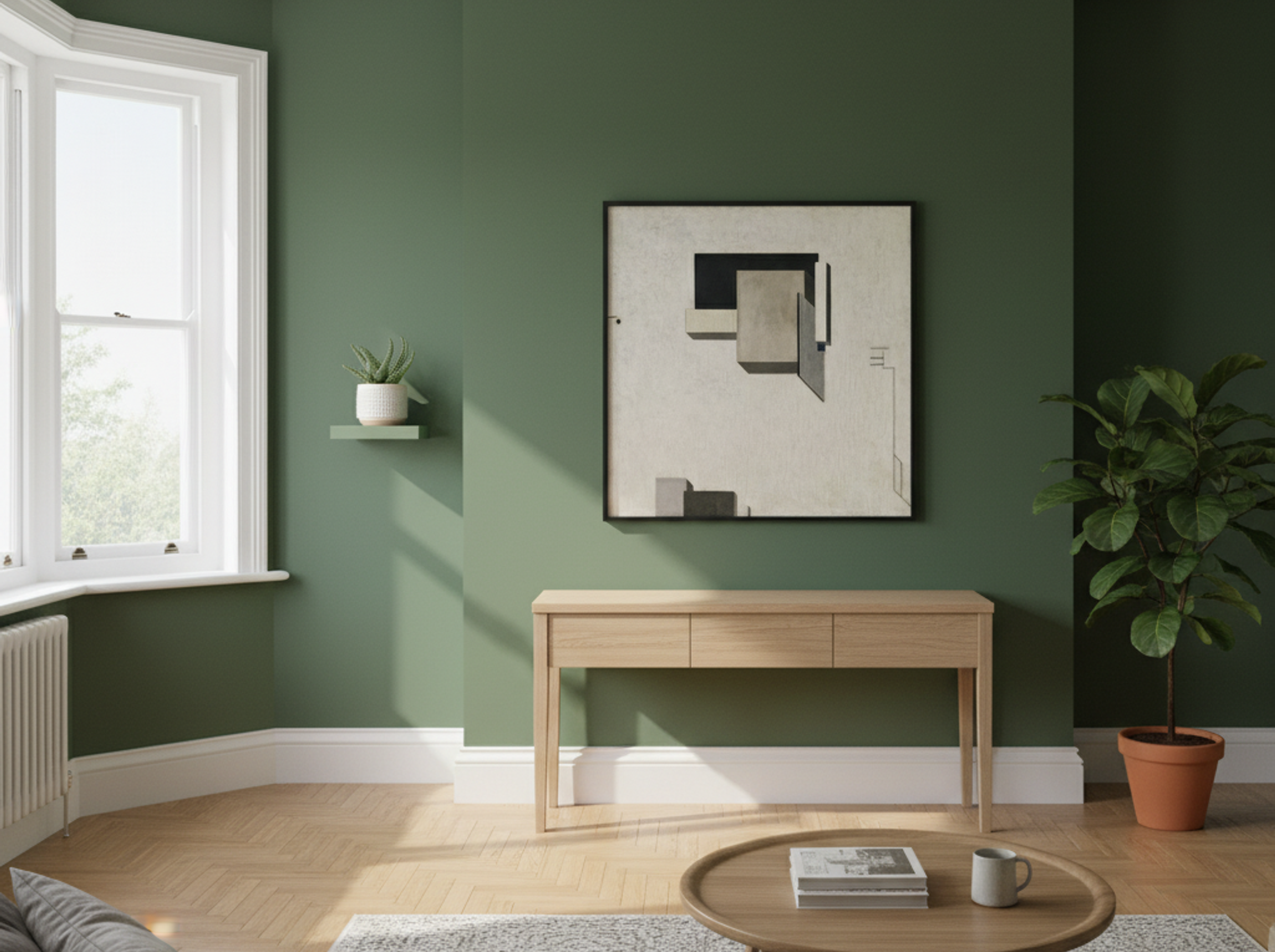 Proun 1C - El Lissitzky
Print · Framed
Regular price From £37.00 GBPSale price From £37.00 GBP Regular price

Artist Biography
El Lissitzky
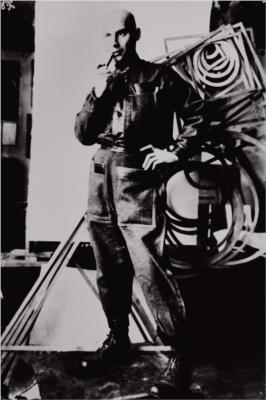
Lissitzky was rejected from the St Petersburg Art Academy in 1909 because of a quota limiting Jewish students. He went to Darmstadt, Germany, to study architecture instead. The detour shaped everything: his Prouns (Project for the Affirmation of the New), begun around 1919, sit between painting and architecture, abstract compositions that suggest three-dimensional space without depicting it.
He was born Lazar Markovich Lissitzky in 1890. After returning to Russia, he worked alongside Malevich at the UNOVIS art school in Vitebsk, where Suprematism and the revolution were supposed to be the same thing. He became one of the most influential graphic designers of the twentieth century, his poster designs, book layouts, and exhibition installations connecting Russian avant-garde art to the Bauhaus and De Stijl in western Europe.
He contracted pulmonary tuberculosis and continued working as a book artist and photomonteur because he could do it lying down. His sister Jenta committed suicide in Vitebsk in 1925 while he was hospitalised in Switzerland. He married Sophie Kuppers, a German woman whose family disapproved of the match; she had to leave her sons behind to move to Moscow. He died in Moscow in 1941, the year Germany invaded Russia.
He was born Lazar Markovich Lissitzky in 1890. After returning to Russia, he worked alongside Malevich at the UNOVIS art school in Vitebsk, where Suprematism and the revolution were supposed to be the same thing. He became one of the most influential graphic designers of the twentieth century, his poster designs, book layouts, and exhibition installations connecting Russian avant-garde art to the Bauhaus and De Stijl in western Europe.
He contracted pulmonary tuberculosis and continued working as a book artist and photomonteur because he could do it lying down. His sister Jenta committed suicide in Vitebsk in 1925 while he was hospitalised in Switzerland. He married Sophie Kuppers, a German woman whose family disapproved of the match; she had to leave her sons behind to move to Moscow. He died in Moscow in 1941, the year Germany invaded Russia.




Why Choose Us ?