

Collection
Edward Hopper
Explore curated art prints selected for distinctive homes and considered interiors.
Suggested filters
-

 Self-Portrait - Edward Hopper
Print · Framed
Regular price From £28.00 GBPSale price From £28.00 GBP Regular price -

 Blue Night - Edward Hopper
Print · Framed
Regular price From £37.00 GBPSale price From £37.00 GBP Regular price -

 The Railroad - Edward Hopper
Print · Framed
Regular price From £37.00 GBPSale price From £37.00 GBP Regular price -

 Automat - Edward Hopper
Print · Framed
Regular price From £28.00 GBPSale price From £28.00 GBP Regular price -

 Road in Maine - Edward Hopper
Print · Framed
Regular price From £28.00 GBPSale price From £28.00 GBP Regular price -

 Rooms By The Sea - Edward Hopper
Print · Framed
Regular price From £28.00 GBPSale price From £28.00 GBP Regular price -

 Adobes and Shed, New Mexico - Edward Hopper
Print · Framed
Regular price From £28.00 GBPSale price From £28.00 GBP Regular price -

 Sun on Prospect Street (Gloucester, Massachusetts) - Edward Hopper
Print · Framed
Regular price From £28.00 GBPSale price From £28.00 GBP Regular price -

 Morning Sun - Edward Hopper
Print · Framed
Regular price From £28.00 GBPSale price From £28.00 GBP Regular price -

 Jo Painting (Josephine Hopper) - Edward Hopper
Print · Framed
Regular price From £28.00 GBPSale price From £28.00 GBP Regular price -

 First Branch of the White River, Vermont - Edward Hopper
Print · Framed
Regular price From £28.00 GBPSale price From £28.00 GBP Regular price -

 Baptistry of St. John's - Edward Hopper
Print · Framed
Regular price From £28.00 GBPSale price From £28.00 GBP Regular price -
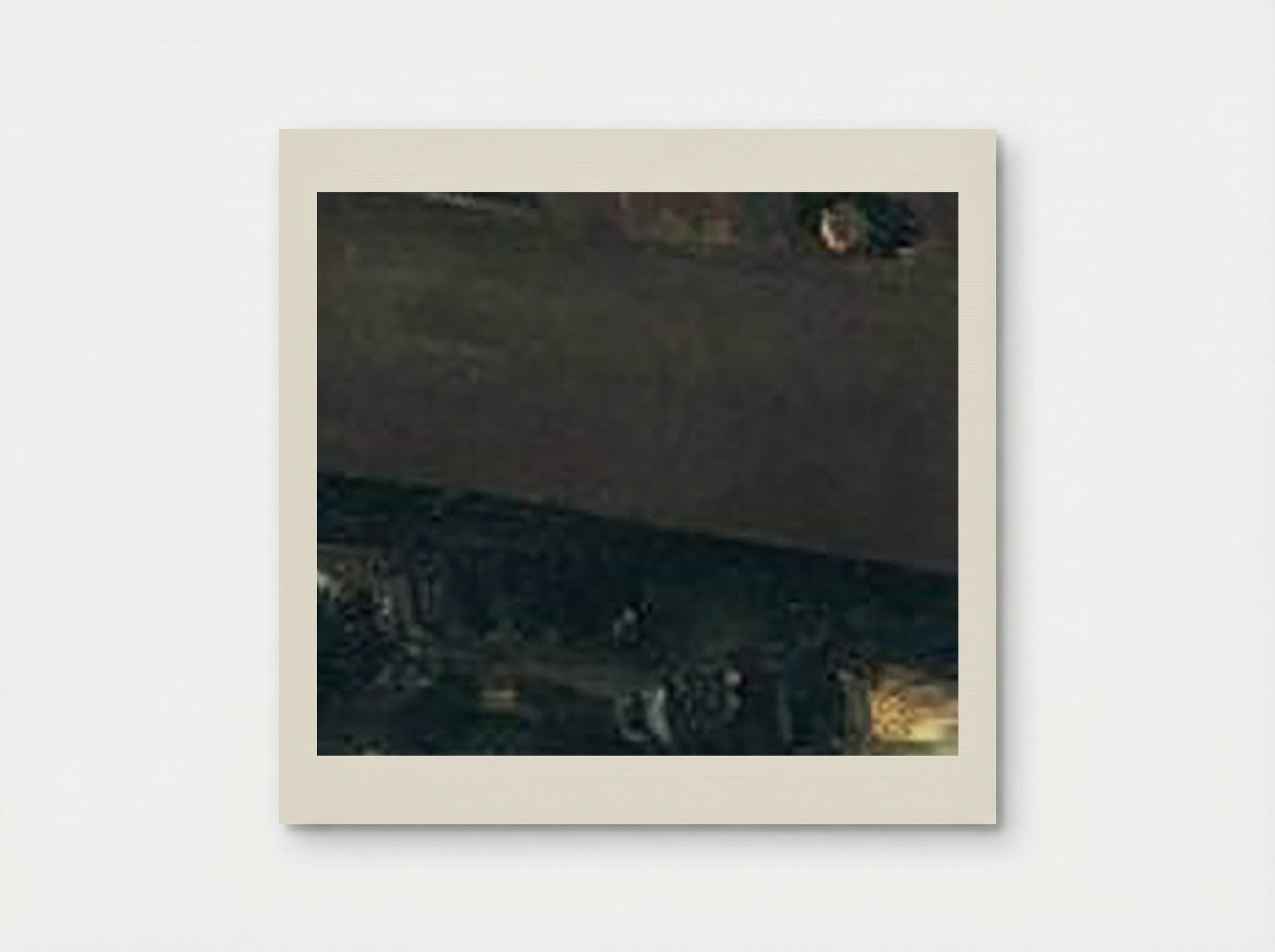
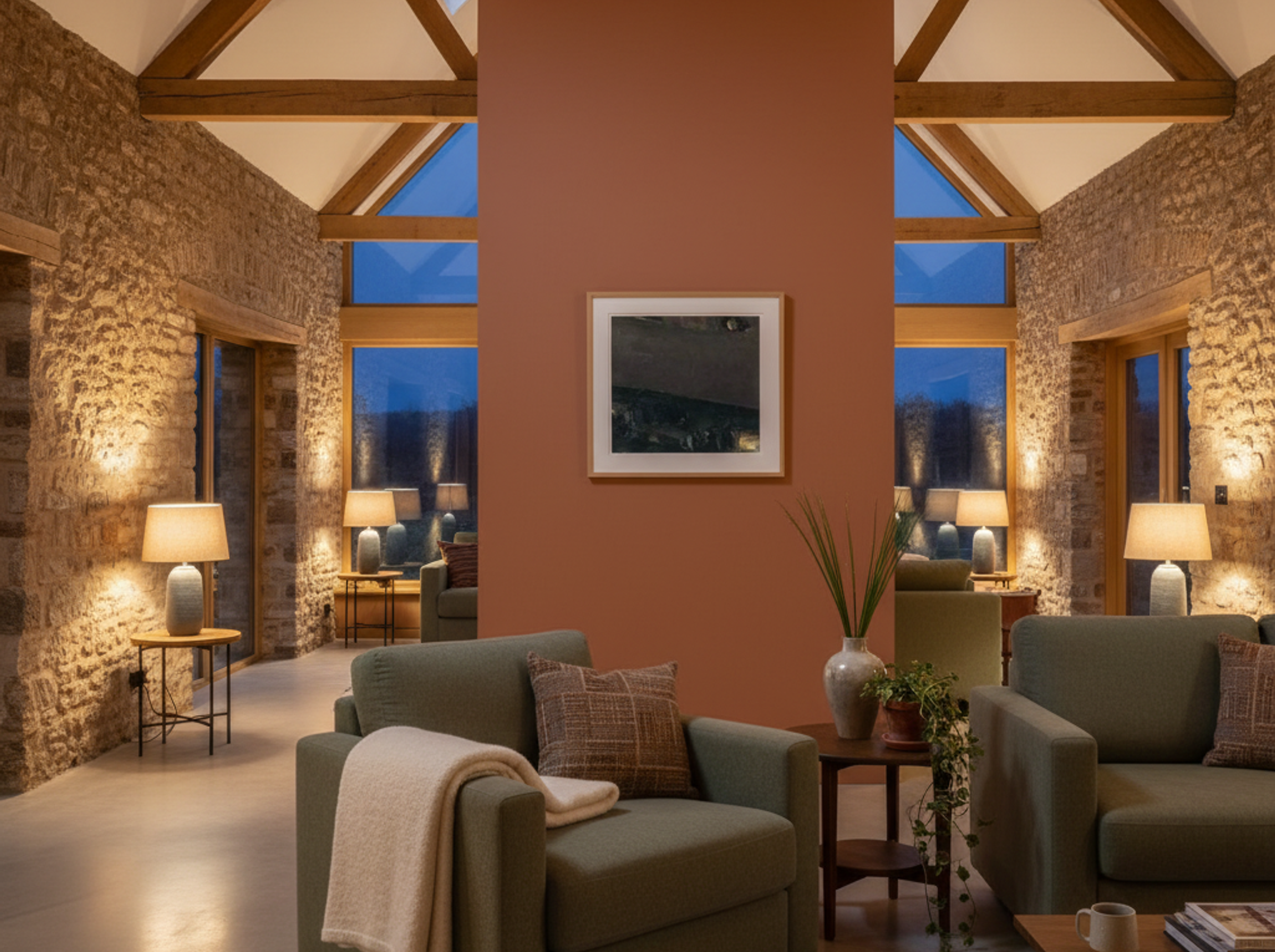 Railroad Train - Edward Hopper
Print · Framed
Regular price From £28.00 GBPSale price From £28.00 GBP Regular price -

 Office in a Small City - Edward Hopper
Print · Framed
Regular price From £28.00 GBPSale price From £28.00 GBP Regular price -

 Gloucester Harbor - Edward Hopper
Print · Framed
Regular price From £28.00 GBPSale price From £28.00 GBP Regular price -

 Light at Two Lights - Edward Hopper
Print · Framed
Regular price From £28.00 GBPSale price From £28.00 GBP Regular price


Artist Biography
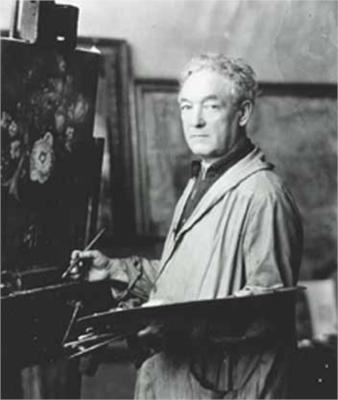
Edward Hopper
Hopper liked walking around New York at night, looking into lit windows. Room in New York, one of his best paintings, came from doing exactly that: glimpsing a couple in an apartment, not speaking to each other, the woman touching a piano key with one finger. He painted what he saw from the outside.
He grew up in Nyack, a small town on the Hudson River, studied illustration, then moved to Robert Henri's painting class at the New York School of Art. Henri was the central figure of the Ashcan School, which painted American life without prettifying it. Hopper absorbed the directness but not the social energy. His paintings got quieter, more still, more concerned with what people look like when they think nobody is watching.
He went to Paris three times between 1906 and 1910 and came back with Degas and Manet in his head: cropped compositions, angled light, figures caught mid-thought. Then he spent a decade failing commercially, working as an illustrator to pay the bills, and painting watercolours that nobody bought. Success came late. His first solo show was at forty-one.
In 1924 he married Josephine Nivison, a painter who had also studied under Henri. She modelled for nearly every female figure in his paintings, managed his career, and kept detailed records of every work he produced. The marriage was difficult. Both of them had sharp tempers. She engineered his public image as a recluse, which he was, mostly.
Nighthawks, the diner painting, was made in 1942. Jo named it. Hopper admitted he was probably painting the loneliness of a large city, though he was reluctant to say so directly. The diner has no visible door. People have pointed this out for eighty years and nobody has determined whether it was intentional.
He grew up in Nyack, a small town on the Hudson River, studied illustration, then moved to Robert Henri's painting class at the New York School of Art. Henri was the central figure of the Ashcan School, which painted American life without prettifying it. Hopper absorbed the directness but not the social energy. His paintings got quieter, more still, more concerned with what people look like when they think nobody is watching.
He went to Paris three times between 1906 and 1910 and came back with Degas and Manet in his head: cropped compositions, angled light, figures caught mid-thought. Then he spent a decade failing commercially, working as an illustrator to pay the bills, and painting watercolours that nobody bought. Success came late. His first solo show was at forty-one.
In 1924 he married Josephine Nivison, a painter who had also studied under Henri. She modelled for nearly every female figure in his paintings, managed his career, and kept detailed records of every work he produced. The marriage was difficult. Both of them had sharp tempers. She engineered his public image as a recluse, which he was, mostly.
Nighthawks, the diner painting, was made in 1942. Jo named it. Hopper admitted he was probably painting the loneliness of a large city, though he was reluctant to say so directly. The diner has no visible door. People have pointed this out for eighty years and nobody has determined whether it was intentional.


Why Choose Us ?