

Collection
Alfred Parsons
Explore curated art prints selected for distinctive homes and considered interiors.
Suggested filters
-
 When Nature Painted all Things Gay - Alfred Parsons
Print
Regular price From £28.00 GBPSale price From £28.00 GBP Regular price -

 Morning on the Kennet - Alfred Parsons
Print · Framed
Regular price From £28.00 GBPSale price From £28.00 GBP Regular price -

 On the Cotswolds - Alfred Parsons
Print · Framed
Regular price From £28.00 GBPSale price From £28.00 GBP Regular price -

 Spring Sunshine - Alfred Parsons
Print · Framed
Regular price From £28.00 GBPSale price From £28.00 GBP Regular price -

 A Bunch of London Market Garden Moss Roses - Alfred Parsons
Print · Framed
Regular price From £28.00 GBPSale price From £28.00 GBP Regular price -

 Thorverton Bridge - Alfred Parsons
Print · Framed
Regular price From £28.00 GBPSale price From £28.00 GBP Regular price -

 Poplars in the Thames Valley - Alfred Parsons
Print · Framed
Regular price From £28.00 GBPSale price From £28.00 GBP Regular price -

 Ash Trees at Cropthorne, Worcestershire - Alfred Parsons
Print · Framed
Regular price From £28.00 GBPSale price From £28.00 GBP Regular price -

 The Pear Orchard - Alfred Parsons
Print · Framed
Regular price From £28.00 GBPSale price From £28.00 GBP Regular price -

 The Manor Park - Alfred Parsons
Print · Framed
Regular price From £28.00 GBPSale price From £28.00 GBP Regular price -

 River Scene with a Shepherd and Sheep by a Ferry - Alfred Parsons
Print · Framed · Canvas
Regular price From £28.00 GBPSale price From £28.00 GBP Regular price -
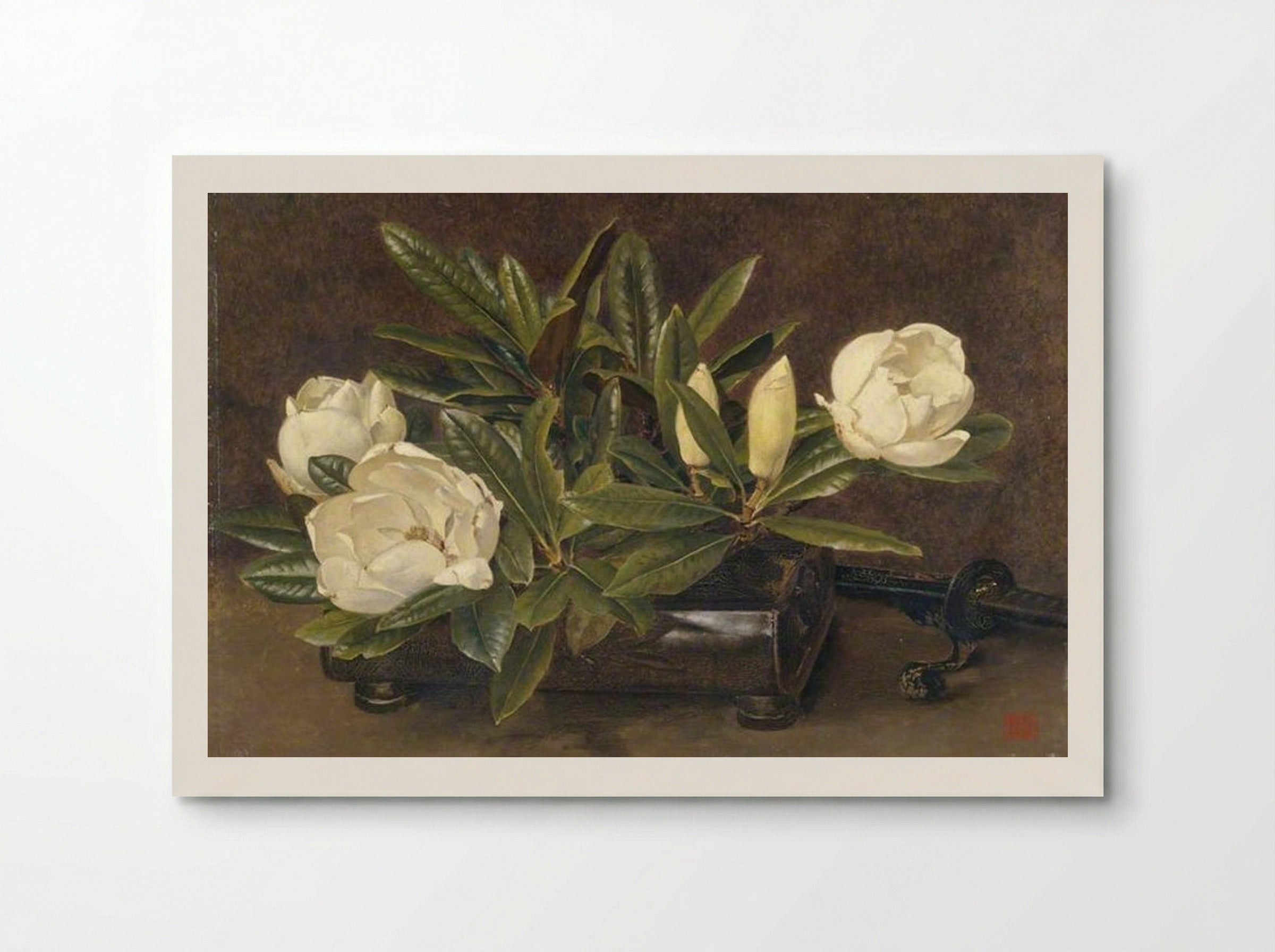
 Magnolias - Alfred Parsons
Print · Framed · Canvas
Regular price From £28.00 GBPSale price From £28.00 GBP Regular price -
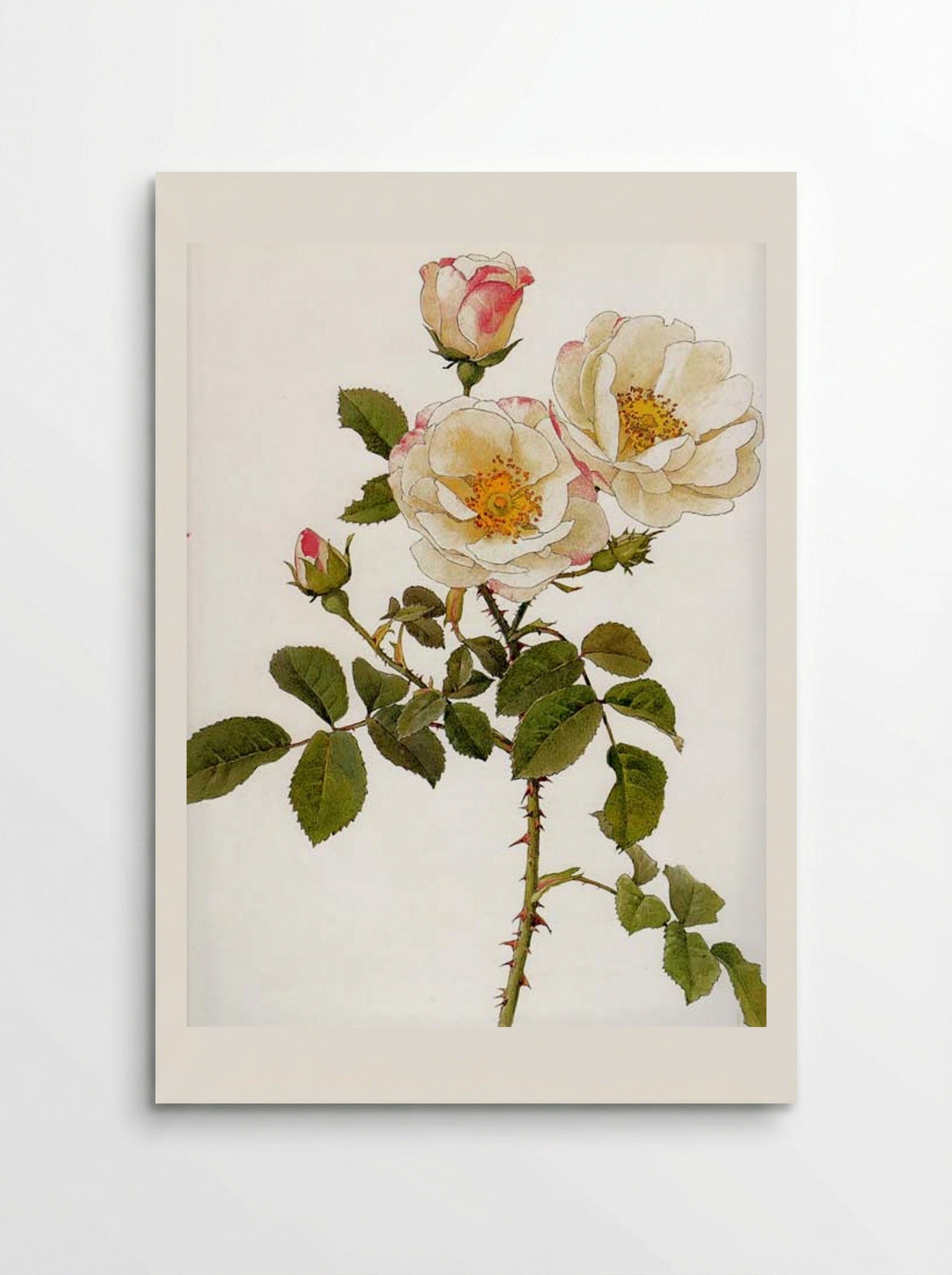 Rosa damascena rubrotincta - Alfred Parsons
Print
Regular price From £28.00 GBPSale price From £28.00 GBP Regular price -
 The Narrows at Rosneath and the Gareloch - Alfred Parsons
Print
Regular price From £28.00 GBPSale price From £28.00 GBP Regular price -
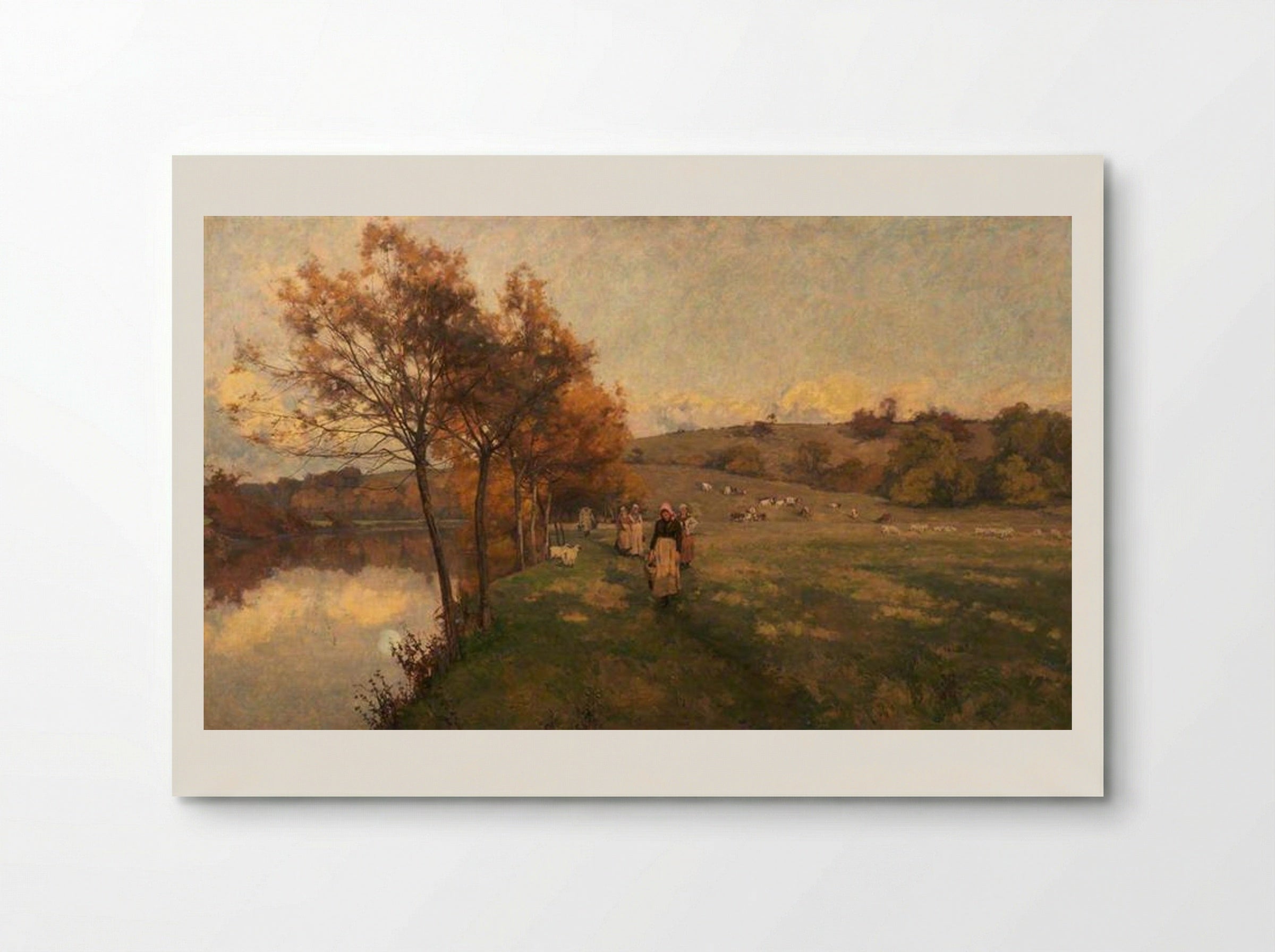 Meadows by the Avon - Alfred Parsons
Print
Regular price From £28.00 GBPSale price From £28.00 GBP Regular price -
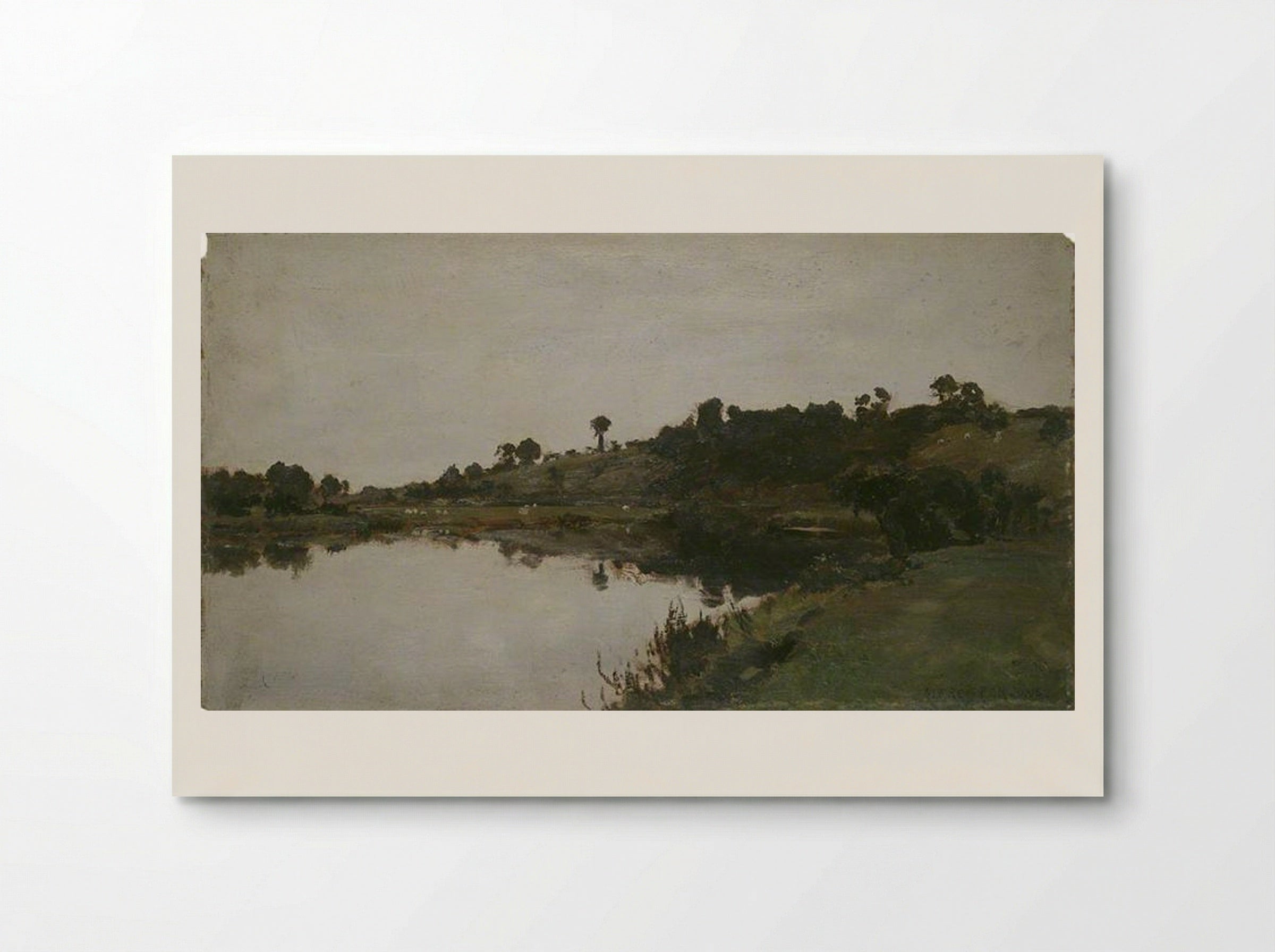 River Landscape - Alfred Parsons
Print
Regular price From £28.00 GBPSale price From £28.00 GBP Regular price -
 All in the Blue Unclouded Weather - Alfred Parsons
Print
Regular price From £28.00 GBPSale price From £28.00 GBP Regular price -
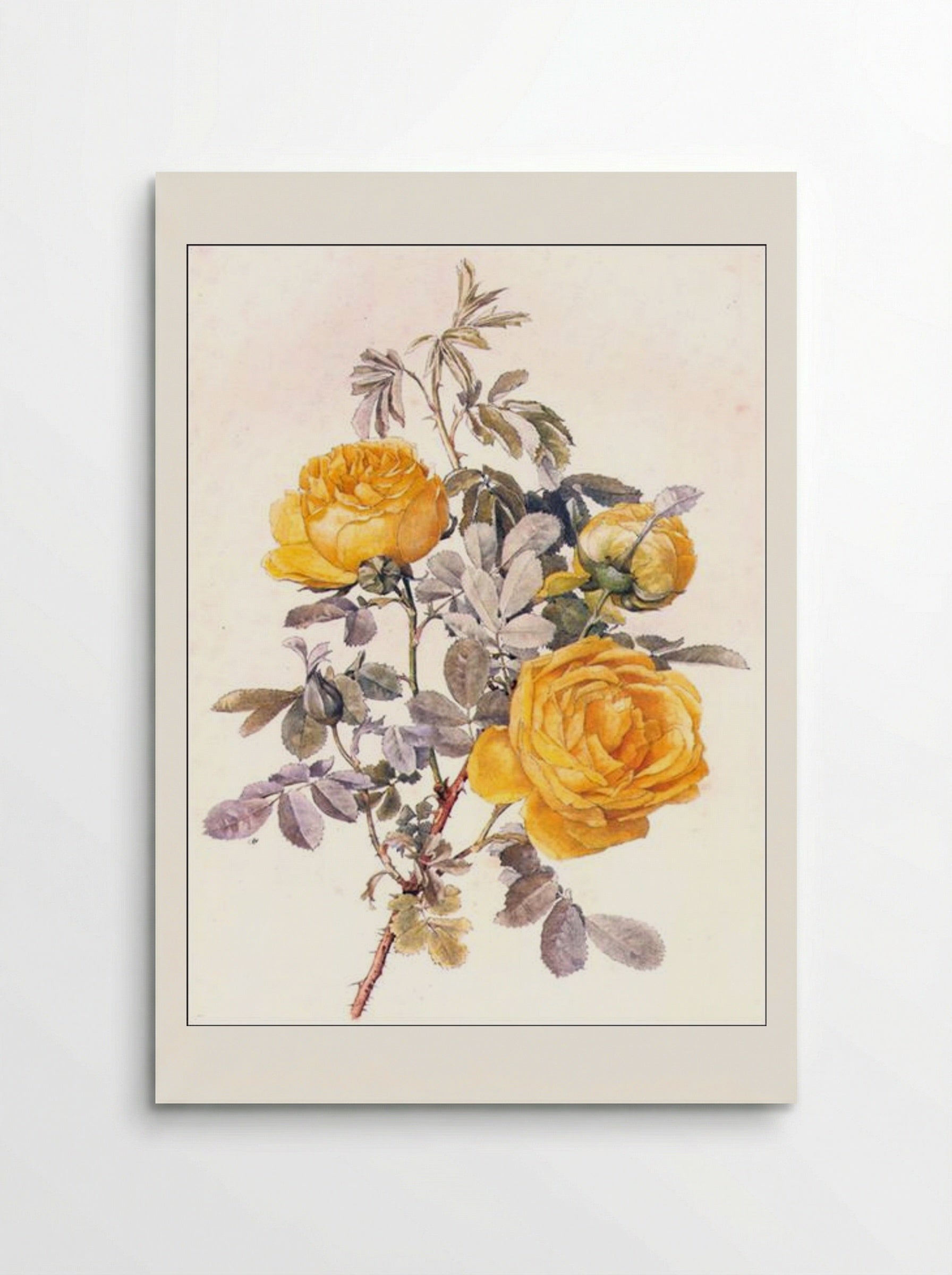 Botanical Illustration of Yellow Roses - Alfred Parsons
Print
Regular price From £28.00 GBPSale price From £28.00 GBP Regular price -
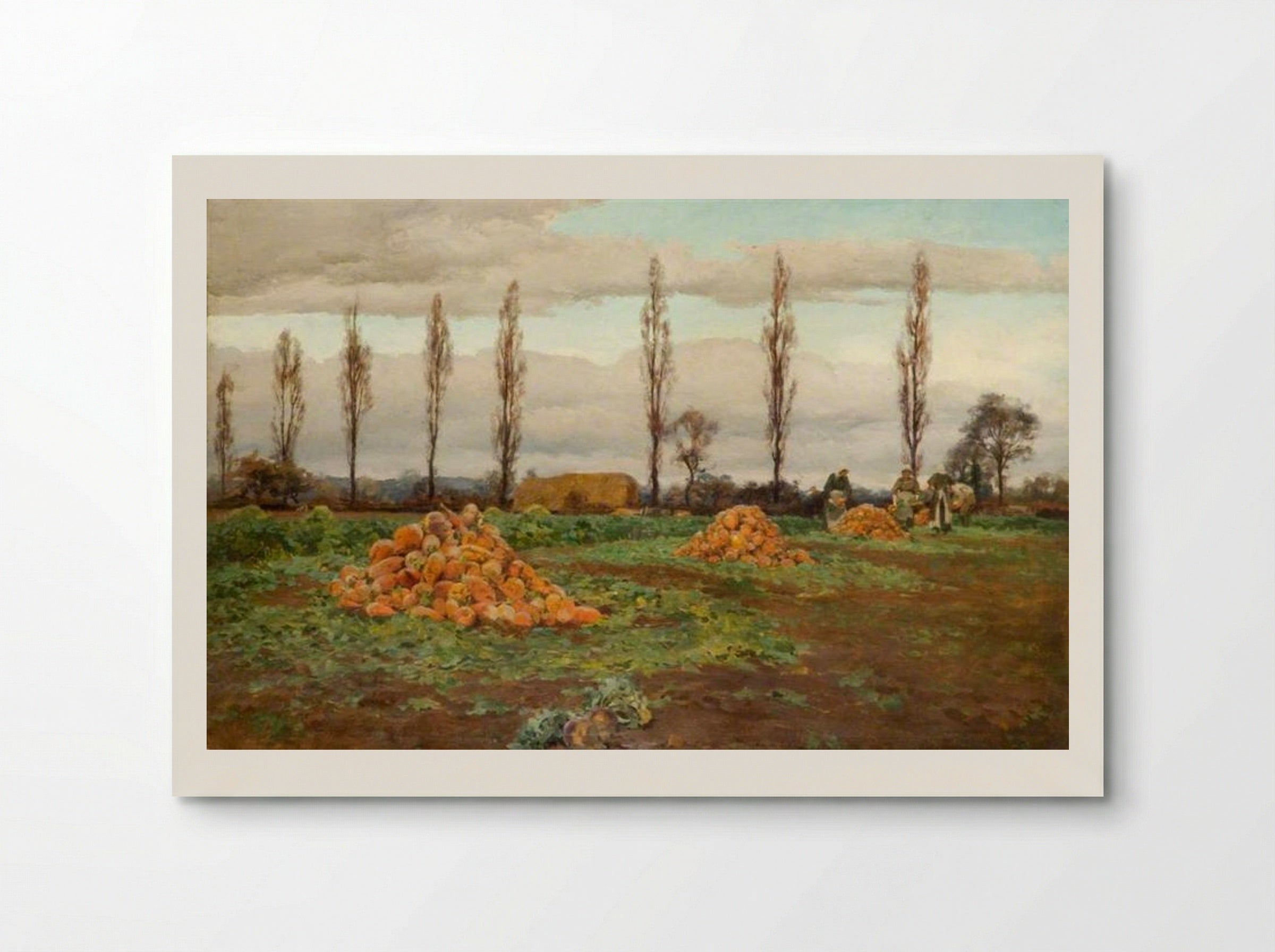 The Swede Harvest - Alfred Parsons
Print
Regular price From £28.00 GBPSale price From £28.00 GBP Regular price -
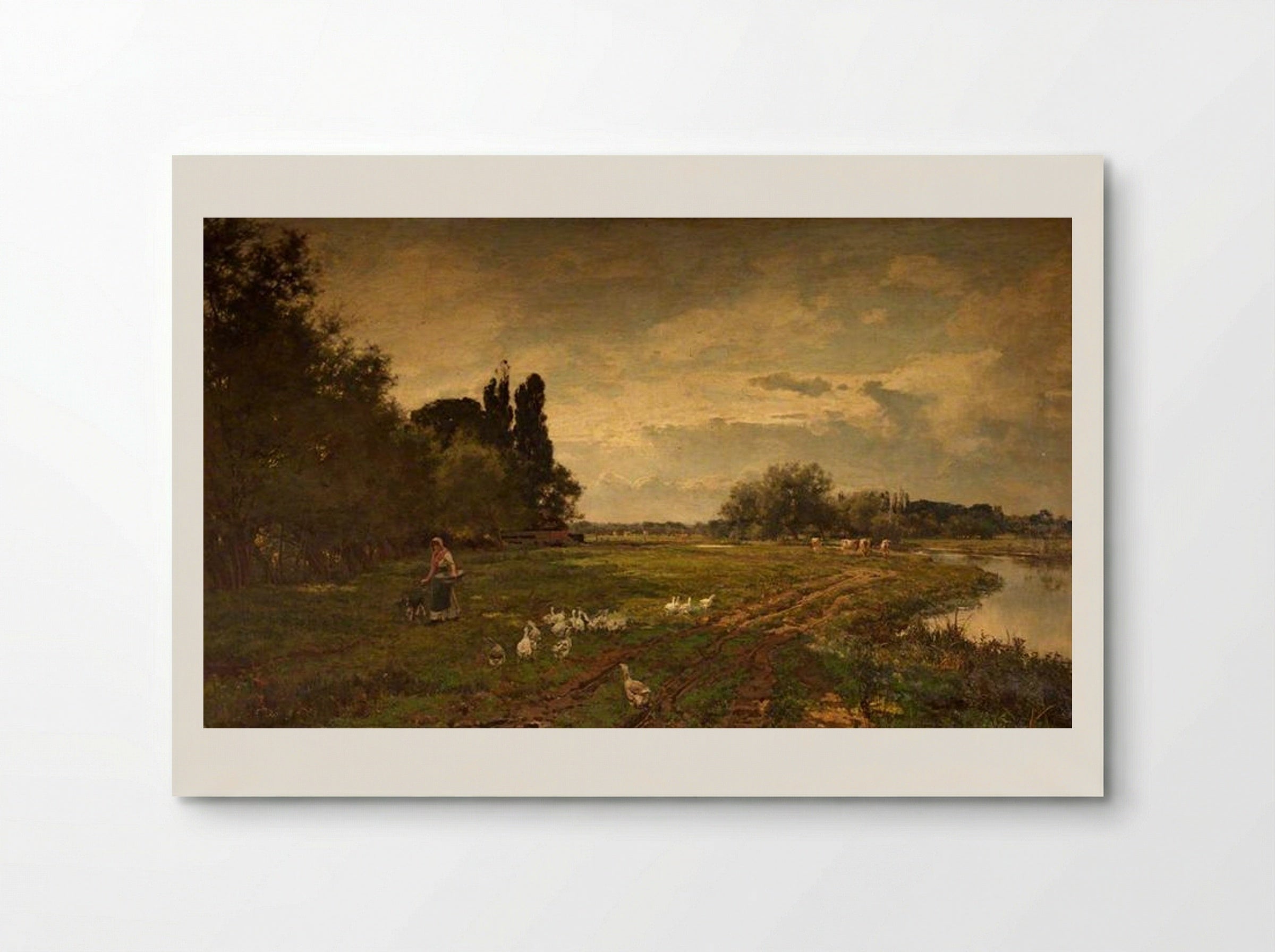 On the Avon near Stratford - Alfred Parsons
Print
Regular price From £28.00 GBPSale price From £28.00 GBP Regular price


Artist Biography
Alfred Parsons
Alfred Parsons was the kind of Victorian artist who could fill a gallery with landscapes and a library with illustrations, and do both well enough to be taken seriously at each. Born in Beckington, Somerset in 1847, he trained himself largely by doing, and by the time he reached London in the 1870s he was already making a reputation as a black-and-white illustrator for Harper's New Monthly Magazine and other American publications that paid well for English rural scenes.
It was his eye for gardens that set him apart. Parsons had a genuine feeling for the way English cottage and manor gardens worked: their colour sequences, their relationship to the surrounding landscape, the social world they implied. His collaboration with the gardening writer E.T. Cook on articles for various publications developed into a consistent visual language for the late Victorian garden, and his paintings were sought after by the country-house owners whose properties he depicted.
In 1891 he contributed illustrations to Henry James's collection of essays A Little Tour in France, though gardens rather than buildings remained his primary subject. He was elected to the Royal Academy in 1911. Parsons also designed gardens professionally, most notably The Courts in Wiltshire, which he began laying out around 1900 and which passed eventually to the National Trust.
His watercolours have a directness that reads as almost modern: flat washes, clear light, plants described with botanical accuracy but without preciousness. He died in Broadway, Worcestershire in 1920, having spent many years in that colony of Anglo-American artists centred on John Singer Sargent and Francis Millet.
It was his eye for gardens that set him apart. Parsons had a genuine feeling for the way English cottage and manor gardens worked: their colour sequences, their relationship to the surrounding landscape, the social world they implied. His collaboration with the gardening writer E.T. Cook on articles for various publications developed into a consistent visual language for the late Victorian garden, and his paintings were sought after by the country-house owners whose properties he depicted.
In 1891 he contributed illustrations to Henry James's collection of essays A Little Tour in France, though gardens rather than buildings remained his primary subject. He was elected to the Royal Academy in 1911. Parsons also designed gardens professionally, most notably The Courts in Wiltshire, which he began laying out around 1900 and which passed eventually to the National Trust.
His watercolours have a directness that reads as almost modern: flat washes, clear light, plants described with botanical accuracy but without preciousness. He died in Broadway, Worcestershire in 1920, having spent many years in that colony of Anglo-American artists centred on John Singer Sargent and Francis Millet.



Why Choose Us ?