

Every print starts with a surface that is inked and pressed against paper. The differences between printmaking techniques come down to how that surface holds ink: on raised areas (relief), in grooves cut into the surface (intaglio), or on chemically treated flat surfaces (planographic). These three families account for virtually every printed image made before the digital age.
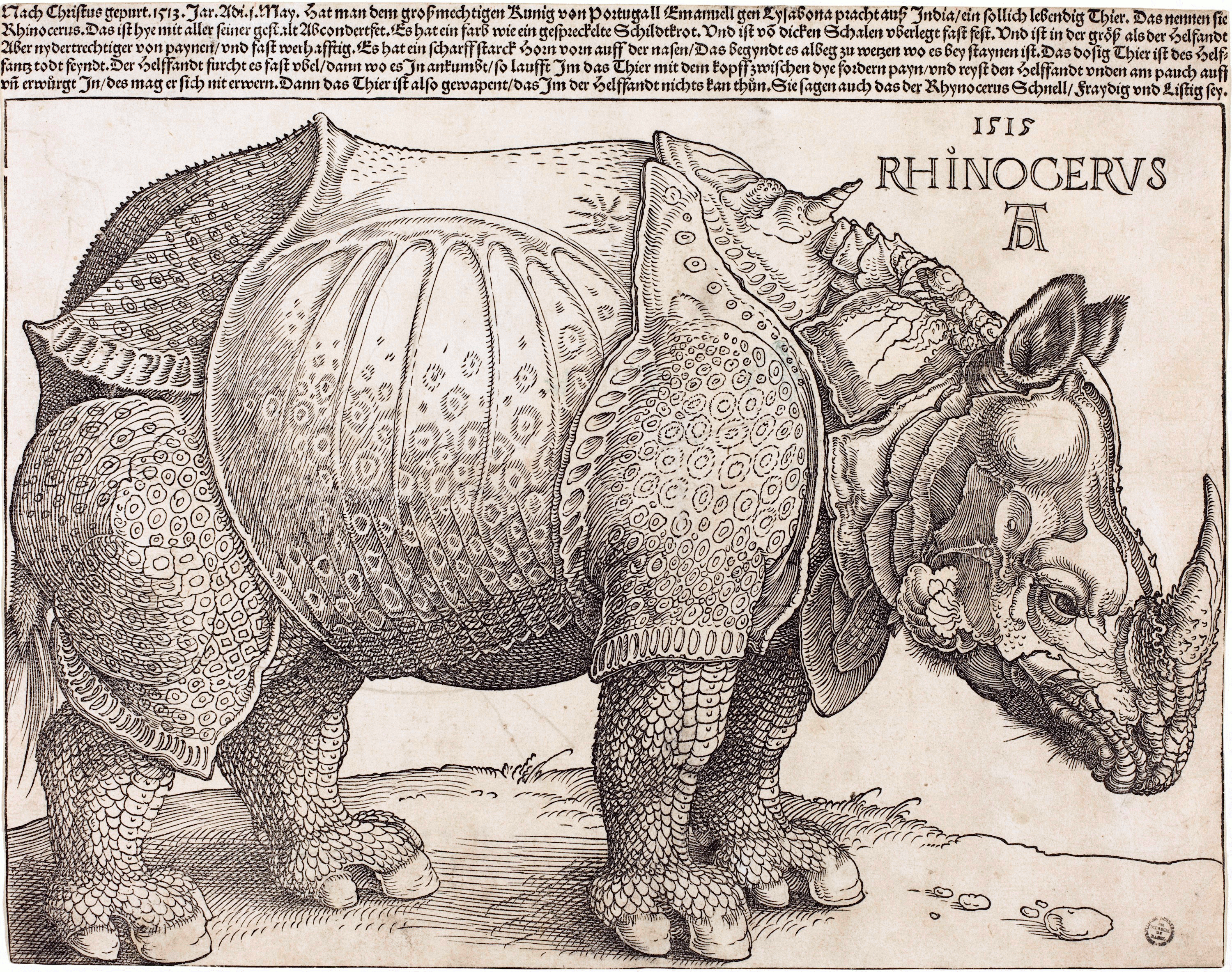
Relief: Woodcut and Wood Engraving
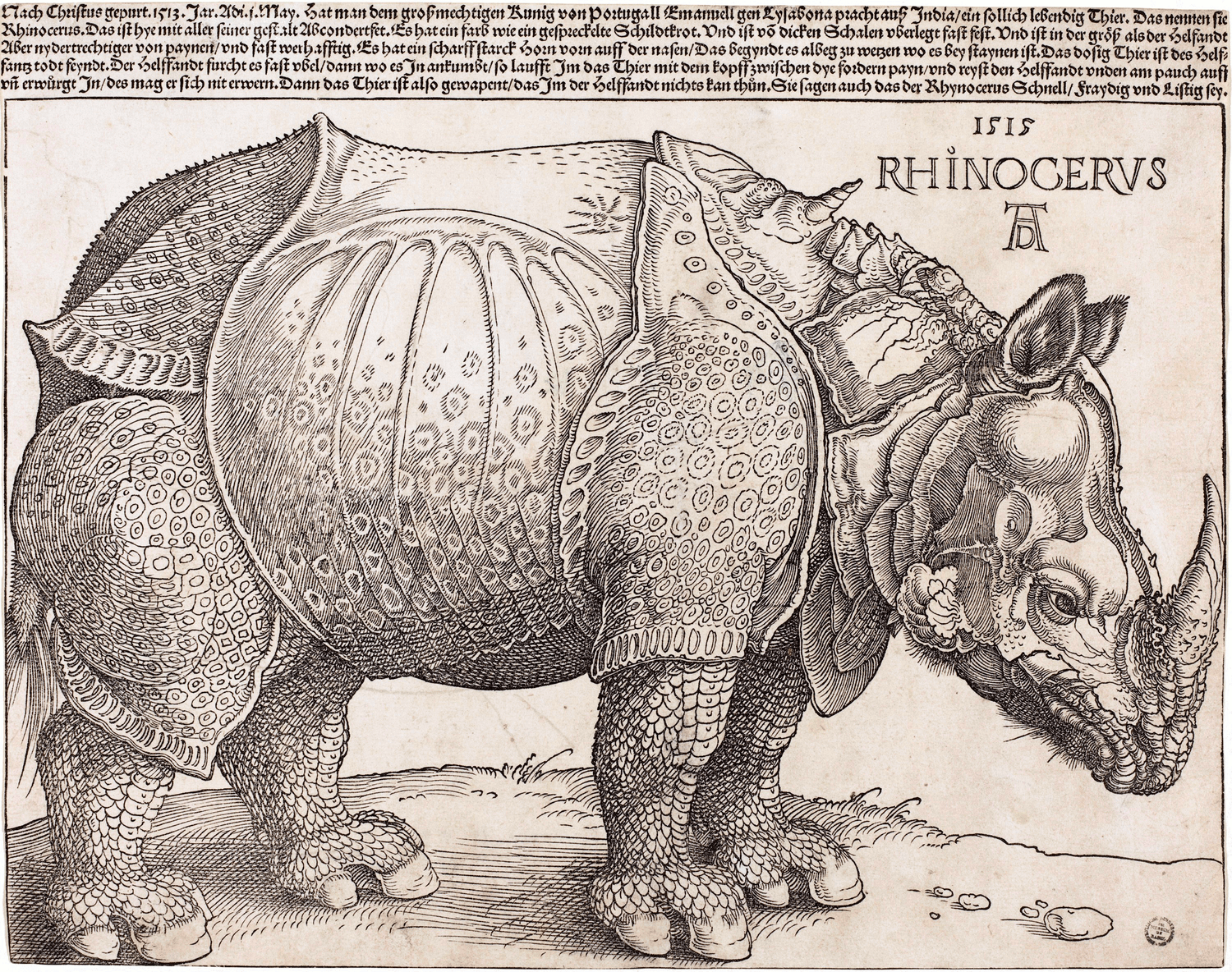
In relief printing, the artist carves away everything that should remain white. Ink is rolled onto the raised surface that remains, and paper is pressed against it. The oldest Western relief technique is the woodcut, used in Europe from the early fifteenth century. The artist draws on a plank of wood (cut along the grain) and a carver removes the non-printing areas with gouges and knives.
Dürer's Rhinoceros (1515) is the most famous woodcut in history. Dürer never saw the animal; he worked from a written description and a rough sketch sent from Lisbon. The result is anatomically wrong (the rhino appears to wear armour plates, and there is a small extra horn on its back) but artistically complete. The image was reprinted for centuries and became the standard European representation of a rhinoceros until the late eighteenth century.
Intaglio: Engraving, Etching, and Drypoint

Intaglio is the opposite of relief: ink sits in grooves cut into a metal plate, and the plate surface is wiped clean before printing. When damp paper is pressed against the plate under heavy pressure, it draws the ink out of the grooves.
In engraving, the grooves are cut directly into the copper plate with a tool called a burin. The technique requires enormous skill and produces clean, precise lines. In etching, the plate is coated with an acid-resistant ground, the artist draws through the ground with a needle (much easier than pushing a burin through metal), and acid bites the exposed lines into the plate. The result is freer and more spontaneous than engraving.
Rembrandt mastered etching because it suited his temperament: he could draw as naturally on the copper plate as on paper. His self-portrait above, made at twenty-four, shows the confidence of a young man experimenting with expression: mouth open, eyes wide, the etched lines building shadow with a scratchy energy that engraving could never achieve.
Planographic: Lithography
Lithography, invented in 1796 by Alois Senefelder, works on the principle that oil and water repel each other. The artist draws with a greasy crayon on a flat limestone surface. The stone is then dampened; water adheres to the blank areas but is repelled by the greasy drawing. When oily ink is rolled across the surface, it sticks only to the drawn areas. Paper pressed against the stone picks up the image.
Lithography was a revolution because it allowed artists to draw freely, without the technical constraints of carving or acid-biting. Toulouse-Lautrec, Mucha, and Bonnard all used colour lithography for posters. Picasso produced over 300 lithographs. The technique made high-quality printed images available to a mass audience and turned the poster into an art form.
Each technique produces a different quality of line, a different texture, a different relationship between the artist's hand and the finished image. Relief prints are bold and graphic. Intaglio prints are detailed and tonal. Lithographs are fluid and painterly. Knowing how a print was made changes how you see it: the marks on the paper are a record of the process that created them.