Curating Chaos: The Art of Maximalism
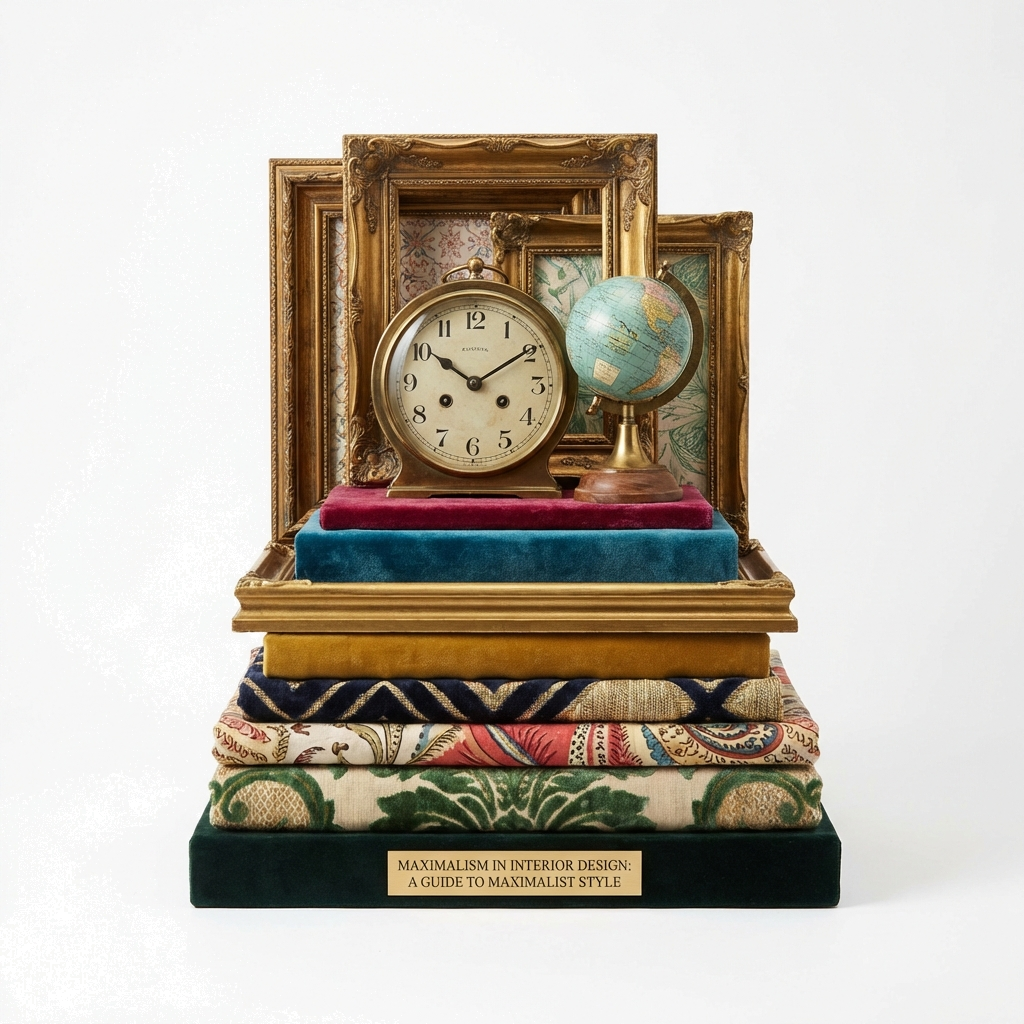
Maximalism in interior design is often misunderstood as simply "clutter", but true maximalist style is a highly curated form of self-expression. It is not about filling every inch of space with random objects; it is about layering colour, pattern, and texture to create a room that feels rich, lived-in, and deeply personal. Where minimalism asks you to strip back, maximalism invites you to add on-provided every addition tells a story.
To master this look, you must be a bold editor. The goal is to create a visual feast that delights the eye rather than overwhelming it. Whether you are drawn to the intricate wallpapers of the Arts and Crafts movement or the vibrant energy of Pop Art, maximalism allows you to blend eras and movements with confidence. It is the ultimate playground for the art lover who refuses to choose just one aesthetic.
The Building Blocks of Maximalist Art
Building a maximalist gallery wall or room scheme requires understanding your visual ingredients. Unlike a minimalist space where a single piece carries the room, maximalism relies on the interplay between multiple strong elements.
1. The Pattern Anchor
Every maximalist scheme needs a strong foundation of pattern. This sets the rhythm for the room. The key is to choose complex, repeating motifs that draw the eye in. The William Morris collection is the gold standard for this. His intricate botanical designs, like the iconic Strawberry Thief or Willow Bough, provide a dense, historical texture that anchors lighter or more modern pieces. Start with a large Morris print to establish your colour palette.
2. The Colour Punch
Once you have your pattern, you need bold blocks of colour to cut through the noise. This prevents the room from feeling "muddy". Look to the Fauvist masters who understood that colour exists to express emotion. A vibrant piece from the Henri Matisse collection, with its cut-out shapes and primary hues, acts as a perfect visual punctuation mark against a busy wallpaper or dark paint.
3. The Exotic Narrative
Maximalism thrives on a sense of travel and wonder. Your art should transport you. The lush, dreamlike jungles found in the Henri Rousseau collection add immediate depth and a touch of the surreal. Alternatively, the detailed storytelling found in traditional Japanese prints (Ukiyo-e) offers a sophisticated layer of narrative that rewards close inspection.
Common Mistakes to Avoid
The "Souvenir Shop" Effect
The biggest risk in maximalism is crossing the line from curated to chaotic. Avoid buying small, unrelated items just to fill space. Every piece should have enough visual weight to hold its own. If you have many smaller items, group them tightly to read as one large shape.
Ignoring Scale
A room filled with twenty A4 prints will look messy. You need variety in scale. Anchor your wall with an oversized statement piece-perhaps a shimmering gold-accented work from the Gustav Klimt collection-and surround it with smaller, more detailed works. This hierarchy guides the eye and gives the viewer a place to rest.
Fearing the Clash
Novice decorators often try to match colours too perfectly. Maximalism prefers "clashing" tones that vibrate against each other. Don't be afraid to sit a geometric Bauhaus print next to a romantic Botanical illustration. It is the tension between these opposing styles that creates the energy maximalism is known for.
Final Thoughts: Go Big
The beauty of maximalism is that it is never truly finished. It evolves as you do. Start with the prints that speak to your soul-whether that is the abstract geometry of Wassily Kandinsky or the rebellious spirit of Tattoos-and build outwards. Trust your gut, break the rules, and remember: in a maximalist home, there is always room for one more masterpiece.