

Samling
Man Ray
Utforska utvalda konsttryck för unika hem och medvetna inredningar.
-

 En natt i Saint Jean - Man Ray
Print · Framed
Ordinarie pris Från £28.00 GBPReapris Från £28.00 GBP Ordinarie pris -
 The Black Tray - Man Ray
Print
Ordinarie pris Från £28.00 GBPReapris Från £28.00 GBP Ordinarie pris -

 Self-Portrait Assemblage - Man Ray
Print · Framed
Ordinarie pris Från £37.00 GBPReapris Från £37.00 GBP Ordinarie pris -

 Untitled (Glastår) - Man Ray
Print · Framed
Ordinarie pris Från £28.00 GBPReapris Från £28.00 GBP Ordinarie pris -

 Landskap (Abstraktion) - Man Ray
Print · Framed
Ordinarie pris Från £28.00 GBPReapris Från £28.00 GBP Ordinarie pris -

 Som ni behagar - Man Ray
Print · Framed · Canvas
Ordinarie pris Från £30.00 GBPReapris Från £30.00 GBP Ordinarie pris -

 Jazz - Man Ray
Print · Framed · Canvas
Ordinarie pris Från £28.00 GBPReapris Från £28.00 GBP Ordinarie pris -
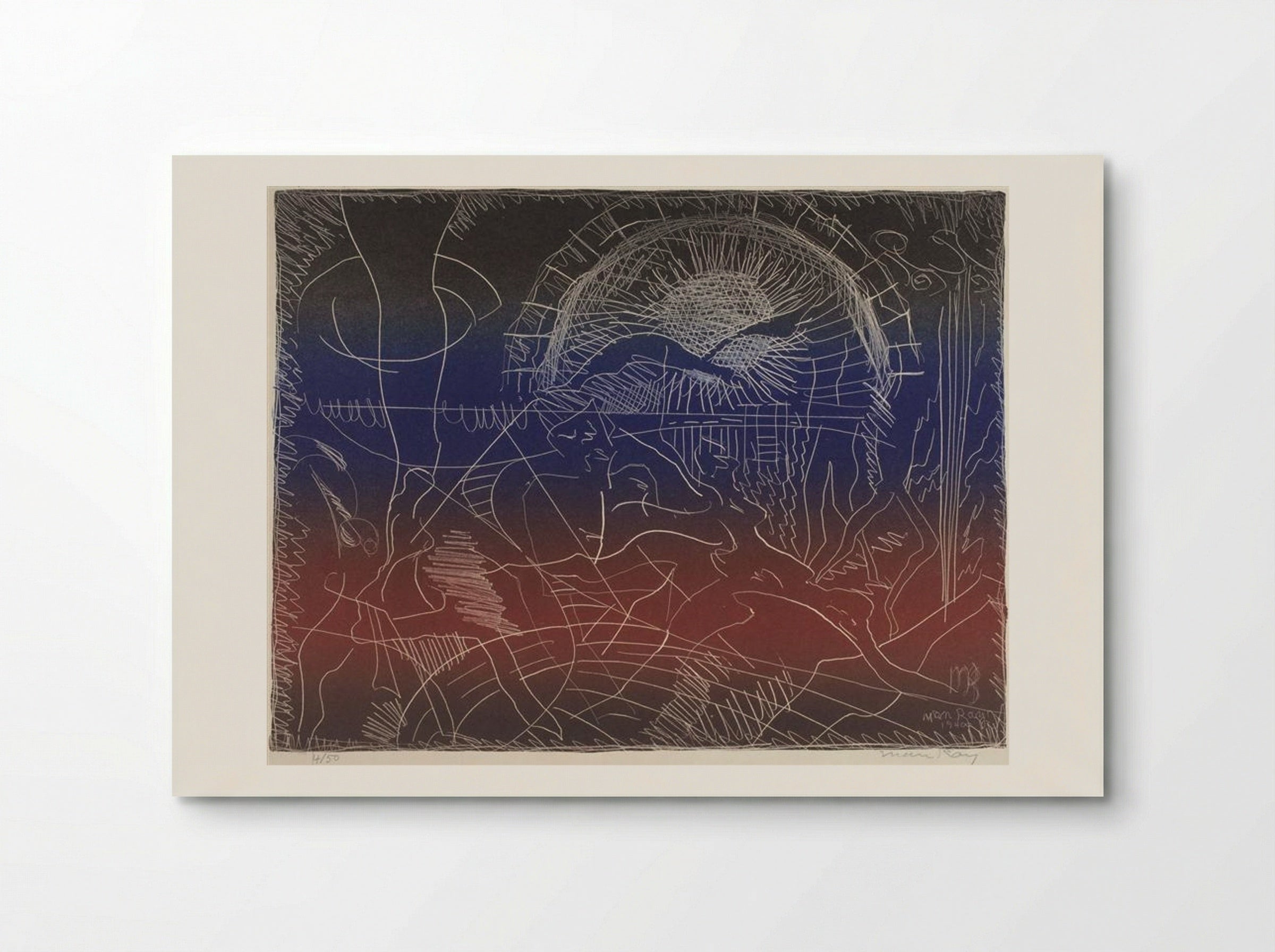 Untitled (abstrakt komposition) - Man Ray
Print
Ordinarie pris Från £28.00 GBPReapris Från £28.00 GBP Ordinarie pris -
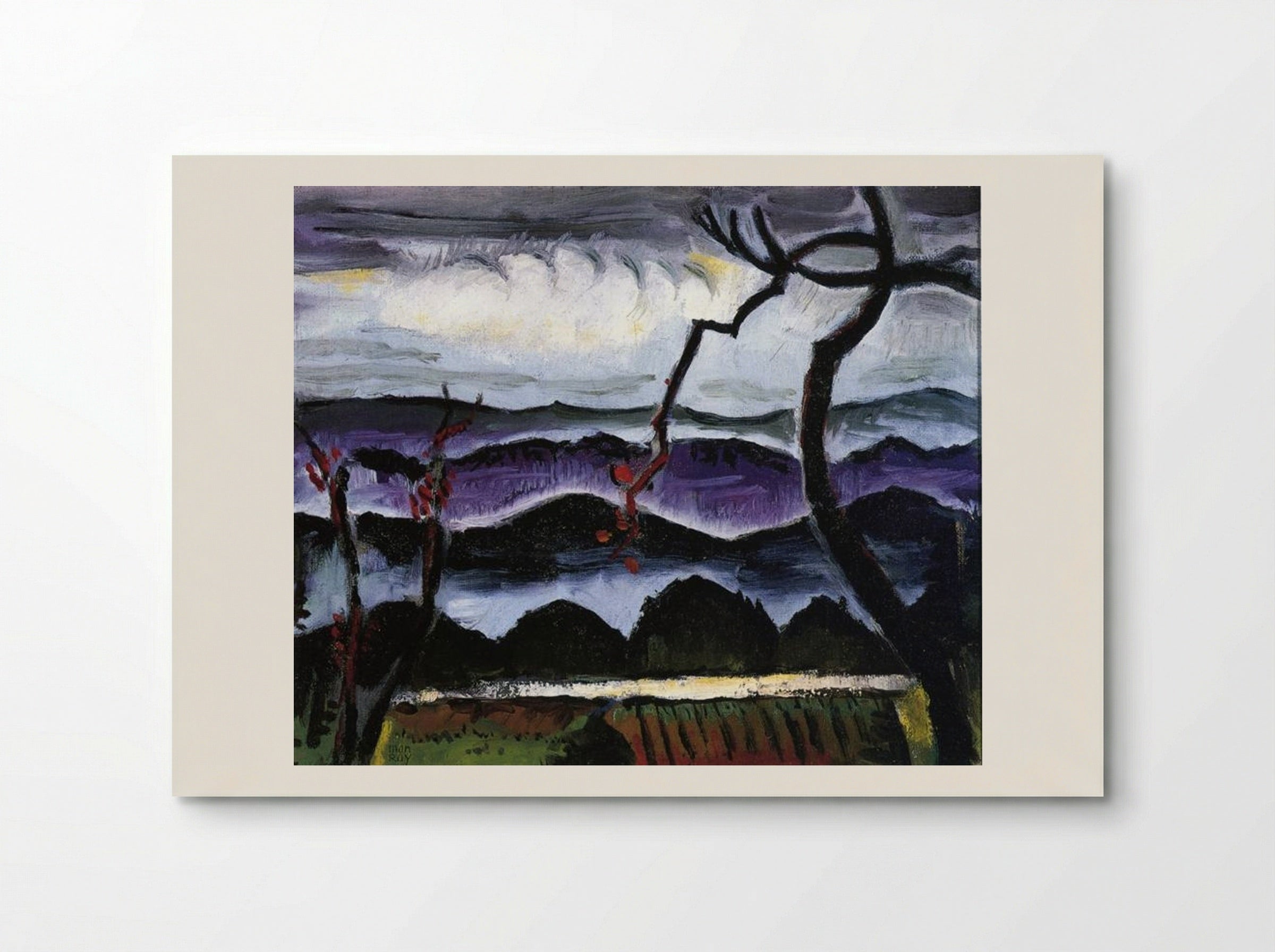
-
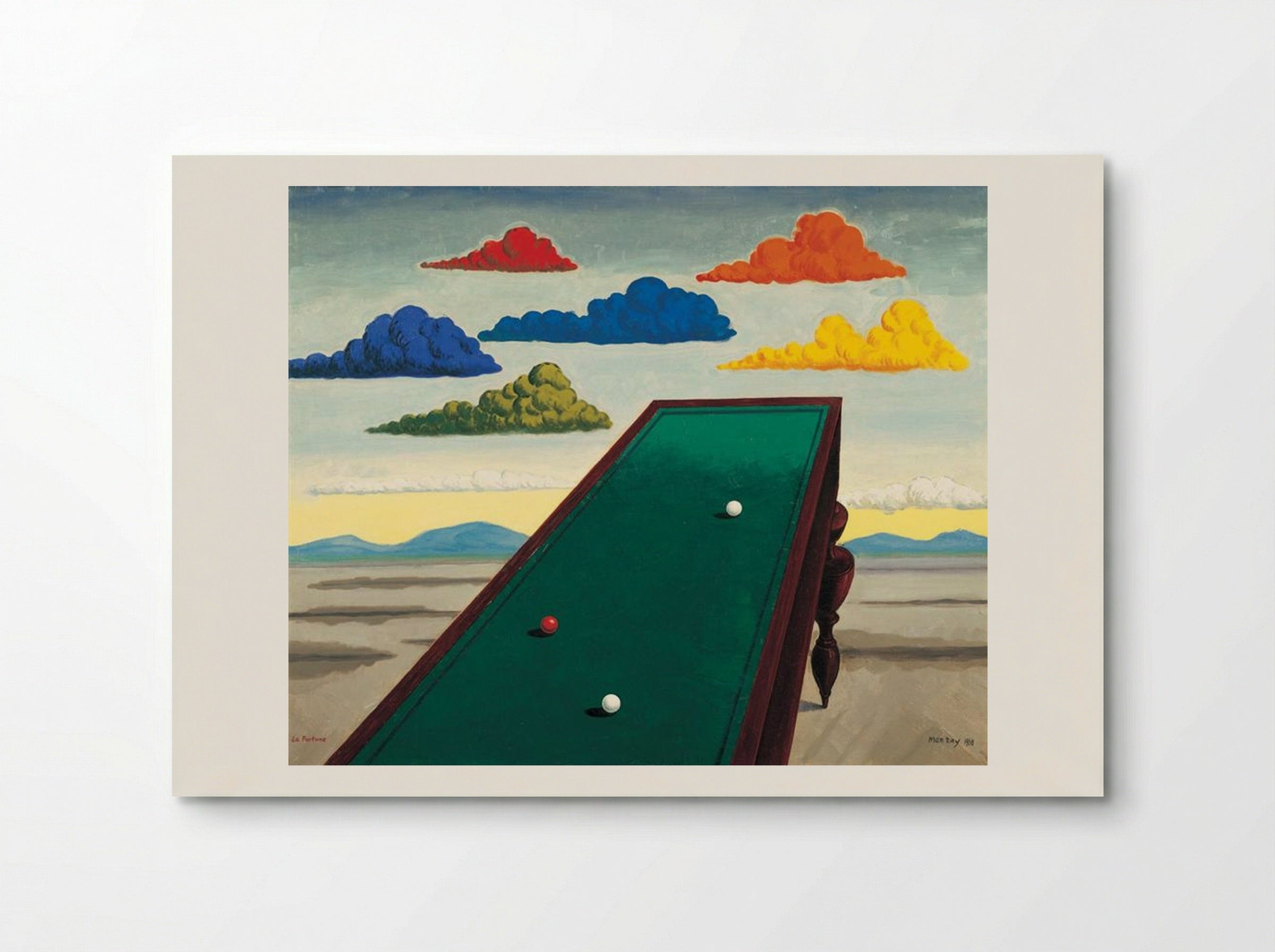
-
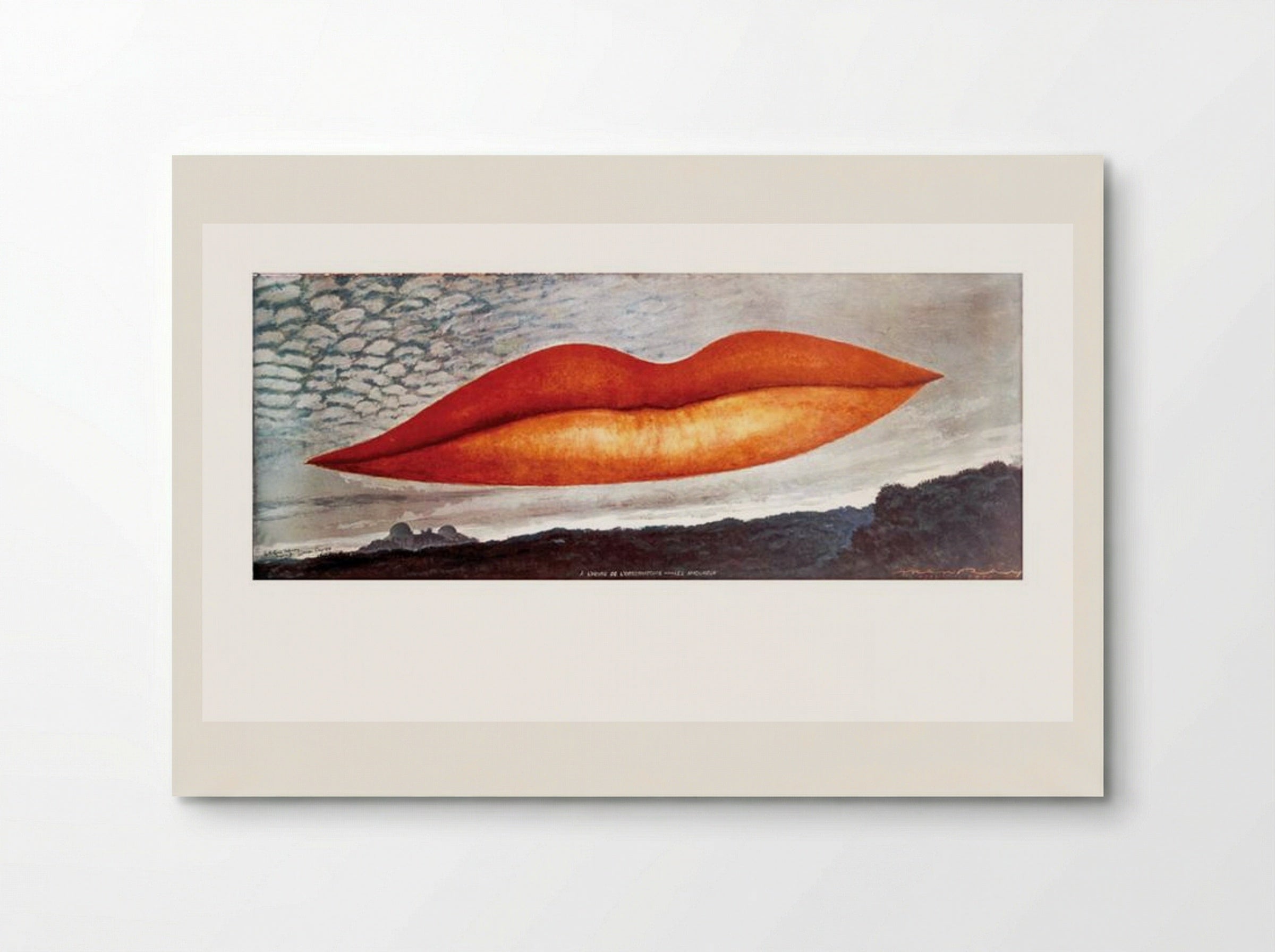 Observatory Time: The Lovers – Man Ray
Print
Ordinarie pris Från £28.00 GBPReapris Från £28.00 GBP Ordinarie pris -
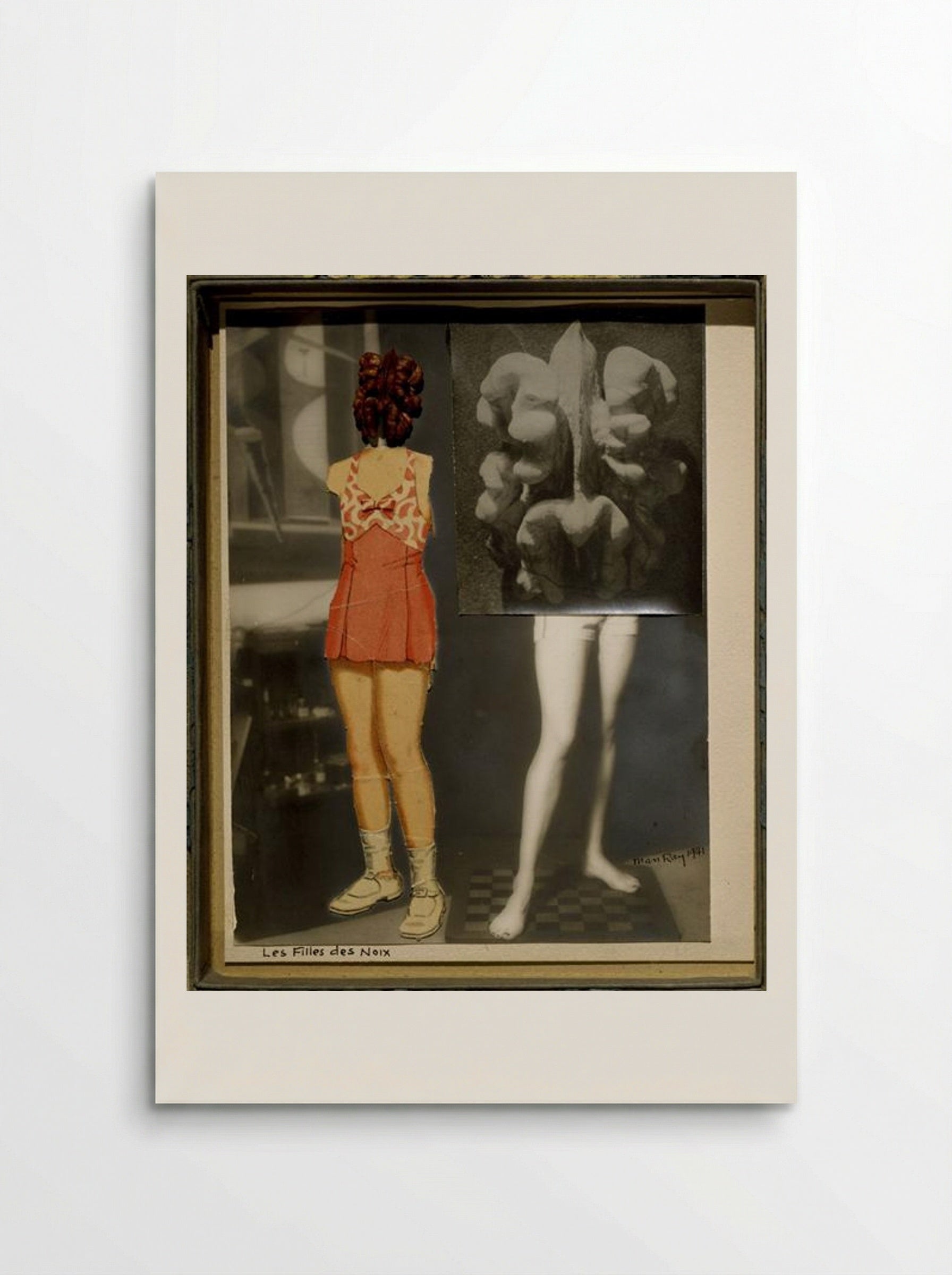 Nut Girls (Nöt Tjejer) - Man Ray
Print
Ordinarie pris Från £28.00 GBPReapris Från £28.00 GBP Ordinarie pris -

 Optiska förhoppningar och illusioner - Man Ray
Print · Framed
Ordinarie pris Från £28.00 GBPReapris Från £28.00 GBP Ordinarie pris -

 Shakespeareska ekvationen: Kung Lear - Man Ray
Print · Framed
Ordinarie pris Från £37.00 GBPReapris Från £37.00 GBP Ordinarie pris -

 Kullen - Man Ray
Print · Framed
Ordinarie pris Från £28.00 GBPReapris Från £28.00 GBP Ordinarie pris -

 Stilleben med röd tekanna - Man Ray
Print · Framed
Ordinarie pris Från £28.00 GBPReapris Från £28.00 GBP Ordinarie pris -

 Le Beau Temps - Man Ray
Print · Framed
Ordinarie pris Från £37.00 GBPReapris Från £37.00 GBP Ordinarie pris -

 Självporträtt (Man Ray) - Man Ray
Print · Framed
Ordinarie pris Från £28.00 GBPReapris Från £28.00 GBP Ordinarie pris -

 Symfoniorkester - Man Ray
Print · Framed
Ordinarie pris Från £28.00 GBPReapris Från £28.00 GBP Ordinarie pris


Artist Biography
Man Ray
Man Ray was born Emmanuel Radnitzky in Philadelphia and changed his name because it sounded better. The name change set the tone. He spent his career crossing boundaries: between painting and photography, between Dada and Surrealism, between Paris and New York, between art and fashion.
He moved to Paris in 1921 and stayed for twenty years. He arrived knowing Marcel Duchamp, who had been his closest collaborator in New York. The two of them shared an instinct for provocation. Man Ray's contribution to Dada was the 'rayograph', made by placing objects directly on photographic paper and exposing them to light. No camera, no lens. The results look like X-rays of the unconscious: keys, springs, hands, fabrics, rendered as white silhouettes on black.
He became the portrait photographer of the Parisian avant-garde. Picasso, Hemingway, Gertrude Stein, Jean Cocteau, the Surrealists. The portraits are sharp, well-lit, and respectful, which is not what you would expect from a Dadaist. He also worked in fashion photography for Vogue and Harper's Bazaar, which paid the bills and gave him access to models and studios.
The most famous image is Le Violon d'Ingres (1924): a photograph of Kiki de Montparnasse's back with f-holes painted on it, turning a woman into a cello. It is witty, elegant, and uncomfortable in exactly the way Surrealism intended. He claimed to value his paintings more than his photographs. The world disagreed, and he never entirely forgave it.
He returned to Paris after the war and stayed until his death in 1976, at eighty-six.
He moved to Paris in 1921 and stayed for twenty years. He arrived knowing Marcel Duchamp, who had been his closest collaborator in New York. The two of them shared an instinct for provocation. Man Ray's contribution to Dada was the 'rayograph', made by placing objects directly on photographic paper and exposing them to light. No camera, no lens. The results look like X-rays of the unconscious: keys, springs, hands, fabrics, rendered as white silhouettes on black.
He became the portrait photographer of the Parisian avant-garde. Picasso, Hemingway, Gertrude Stein, Jean Cocteau, the Surrealists. The portraits are sharp, well-lit, and respectful, which is not what you would expect from a Dadaist. He also worked in fashion photography for Vogue and Harper's Bazaar, which paid the bills and gave him access to models and studios.
The most famous image is Le Violon d'Ingres (1924): a photograph of Kiki de Montparnasse's back with f-holes painted on it, turning a woman into a cello. It is witty, elegant, and uncomfortable in exactly the way Surrealism intended. He claimed to value his paintings more than his photographs. The world disagreed, and he never entirely forgave it.
He returned to Paris after the war and stayed until his death in 1976, at eighty-six.
Related Artists


Varför välja oss?