

Fine Art Poster
From £28
A giclée print on 200gsm matte fine art paper, using a twelve-colour process for accurate, fade-resistant colour. Supplied unframed, delivered flat or rolled.



Archival giclée
Frames arrive ready to hang
Secure checkout
Made to order
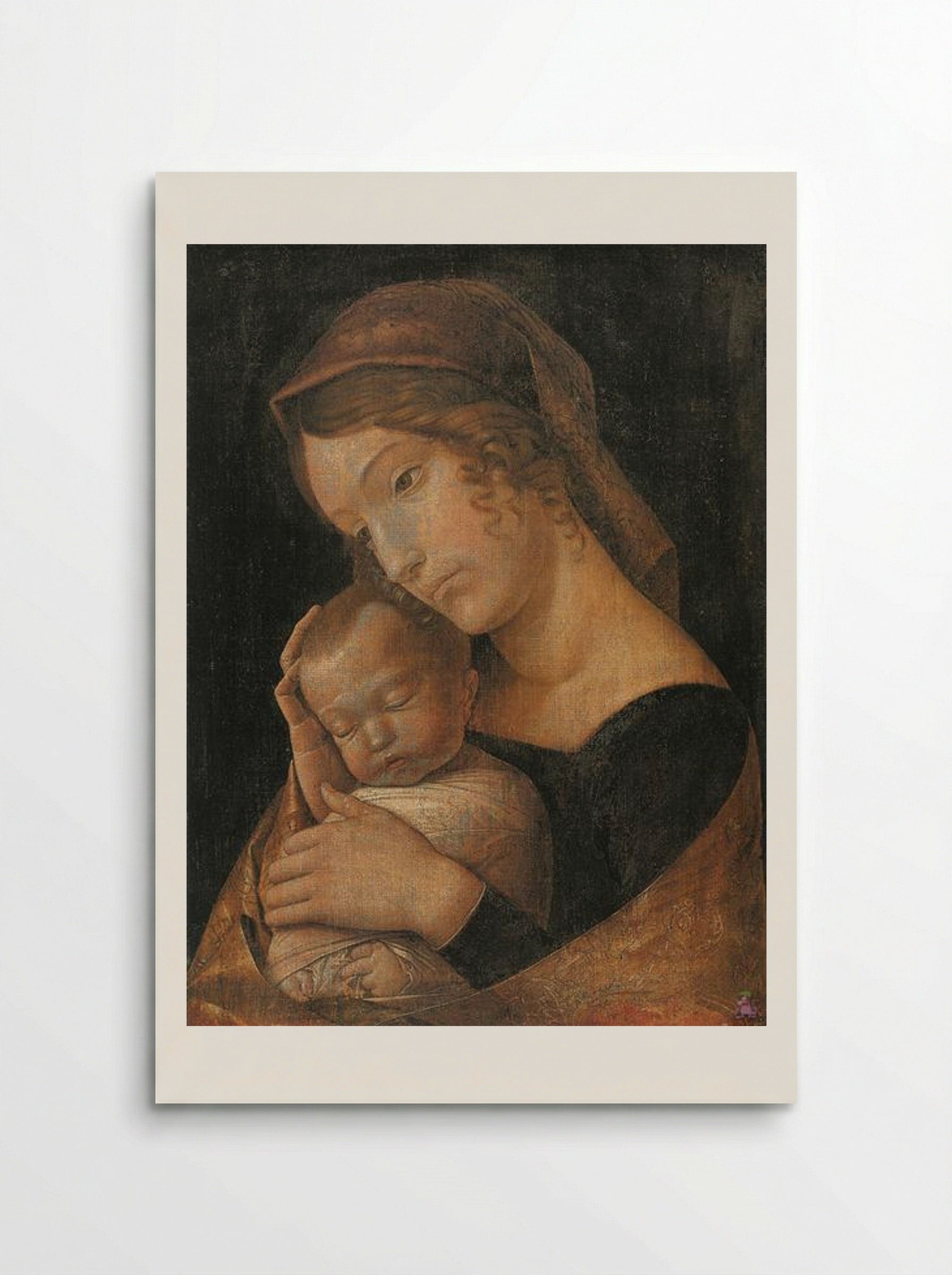
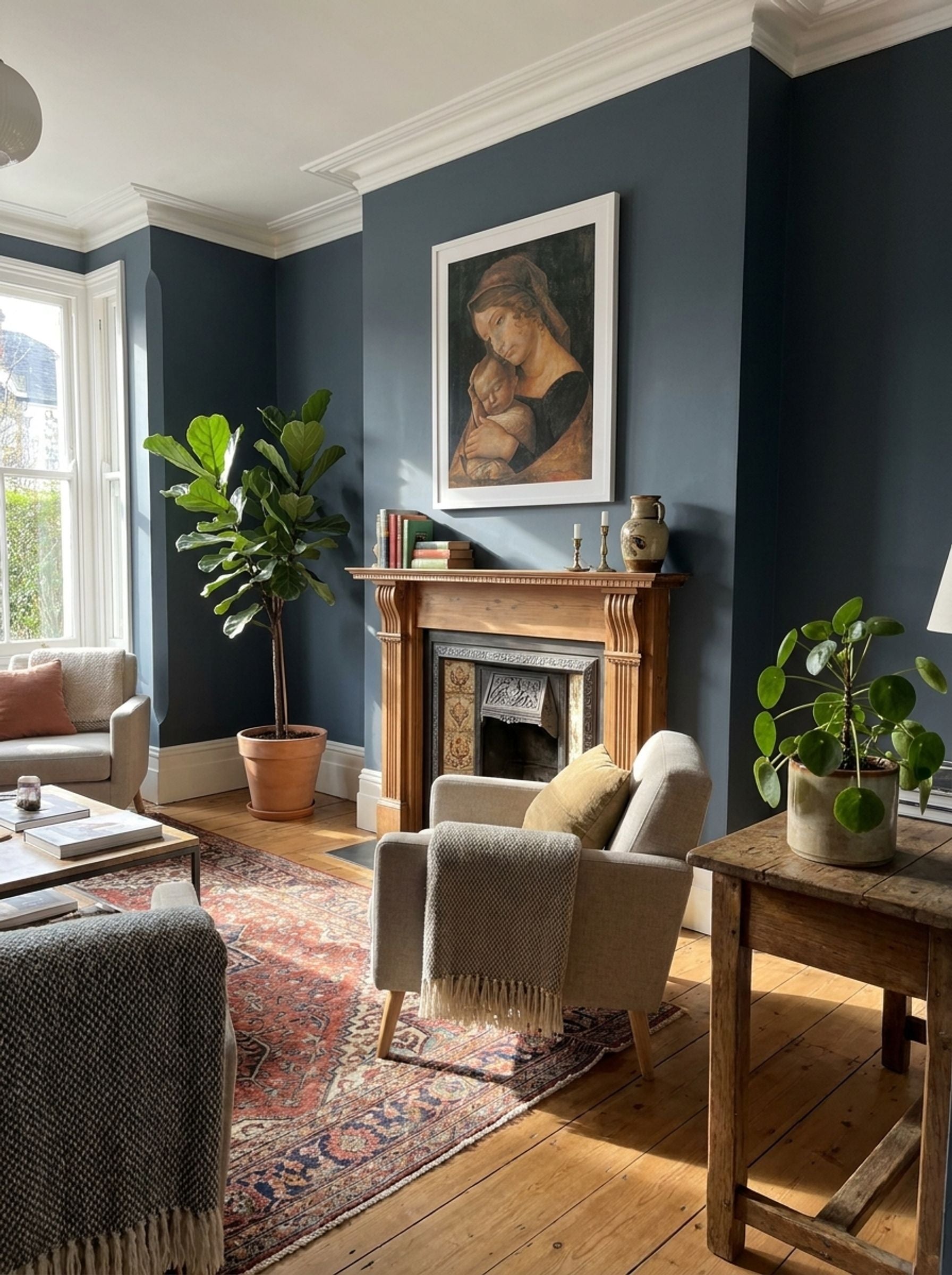
This painting by Andrea Mantegna depicts the Virgin Mary holding the Christ Child. The work showcases Mantegna's mastery of perspective and his ability to render figures with sculptural precision.
Andrea Mantegna, a leading artist of the Italian Renaissance, painted this tender depiction of the Virgin Mary cradling the sleeping Christ Child. Mantegna was known for his mastery of perspective and his ability to render figures with sculptural precision. This work, executed in oil on canvas, showcases his skill in capturing the delicate features of the Virgin and Child, as well as the soft folds of their garments. The composition is simple yet powerful, with the figures set against a dark background that accentuates their luminosity. Mary's gaze is downcast, conveying a sense of maternal love and concern. The sleeping Christ Child is rendered with remarkable realism, his peaceful expression suggesting a divine serenity. The painting reflects the religious devotion of the period, while also demonstrating Mantegna's innovative approach to portraiture. His use of light and shadow creates a sense of depth and volume, while his attention to detail brings the figures to life. The work exemplifies the Renaissance interest in humanism and the natural world, blending religious symbolism with a realistic portrayal of the human form. It remains a moving example of Mantegna's artistic genius and his contribution to the development of Renaissance art.
Because every print is made to order, we don't offer change-of-mind returns, refunds or exchanges. If your order arrives faulty, damaged or incorrect, we'll replace it free of charge — just contact us within 48 hours of delivery. See our refunds page for full details.
We ship worldwide, printing at the production hub nearest to your delivery address. Delivery times and costs vary by destination — you'll see the options available to you at checkout.
Each print is produced to order using 12-colour giclée printing on FSC-certified archival paper. Designed in Britain and printed at your nearest production hub to reduce waste and speed up delivery.

Artist Biography
Our Features
Designed for Lasting Impact
Every Solis piece is made to order with archival, gallery-quality materials built to last.
To keep your artwork looking its best:
Museum-grade giclée on FSC-certified archival matte paper, with framed and canvas options.
Made to order
Every piece is printed to order. These are the five finishes, and what makes each one different.
From £28
A giclée print on 200gsm matte fine art paper, using a twelve-colour process for accurate, fade-resistant colour. Supplied unframed, delivered flat or rolled.

From £45
The same fine art print in a solid wood frame with UV-protective acrylic glaze and rigid backing. Five frame colours. Arrives ready to hang.
Why Choose Us ?
Damage-free delivery guarantee
Fast Shipping
Museum-Quality Materials
Artist Biography
Andrea Mantegna
You May Also Like
Cookies show us which prints people love, so we hang the right art. Help us fill it?
Essential cookies only if you prefer · Privacy Policy