

Fine Art Poster
From £28
A giclée print on 200gsm matte fine art paper, using a twelve-colour process for accurate, fade-resistant colour. Supplied unframed, delivered flat or rolled.



Archival giclée
Frames arrive ready to hang
Secure checkout
Made to order
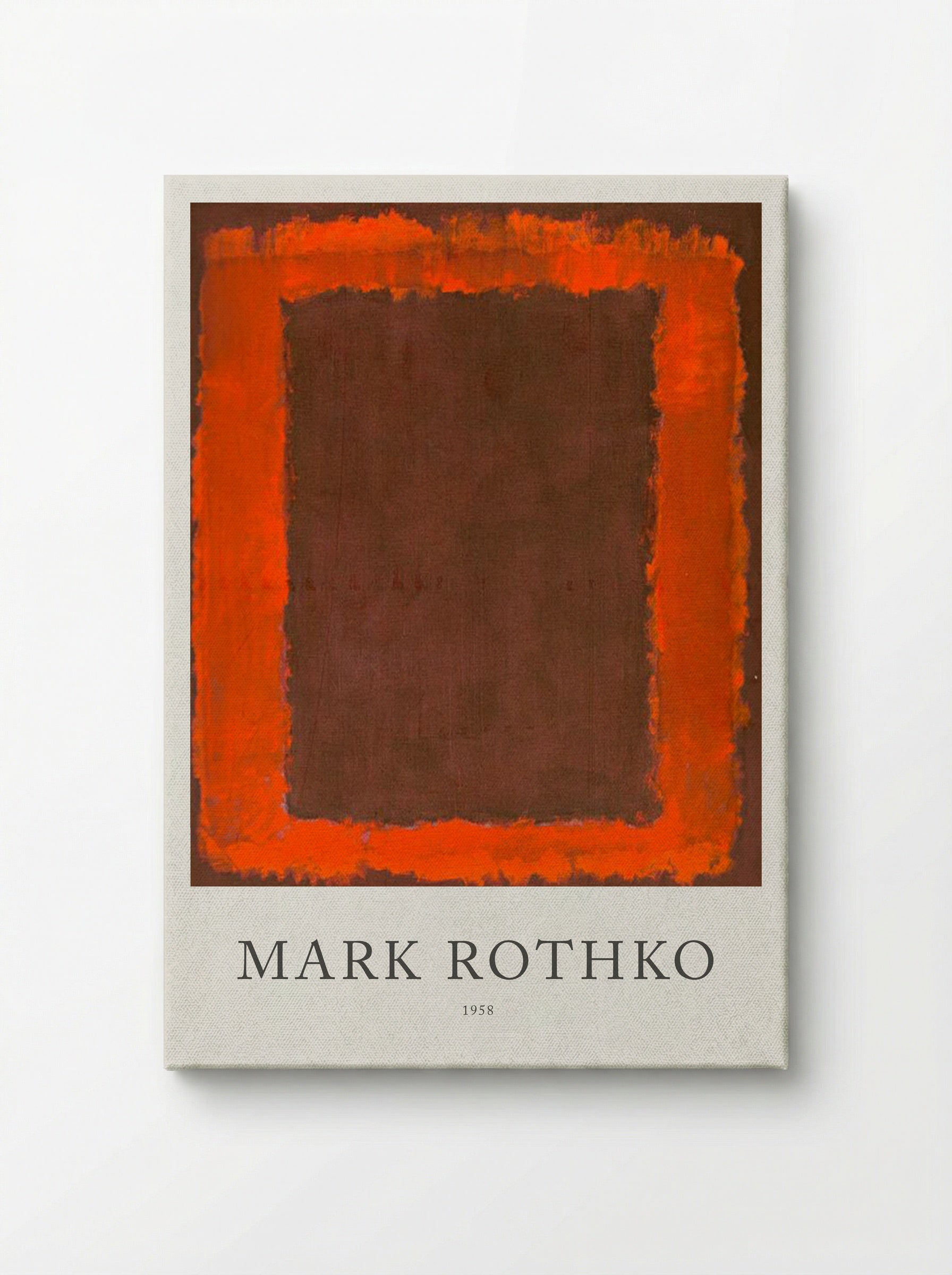
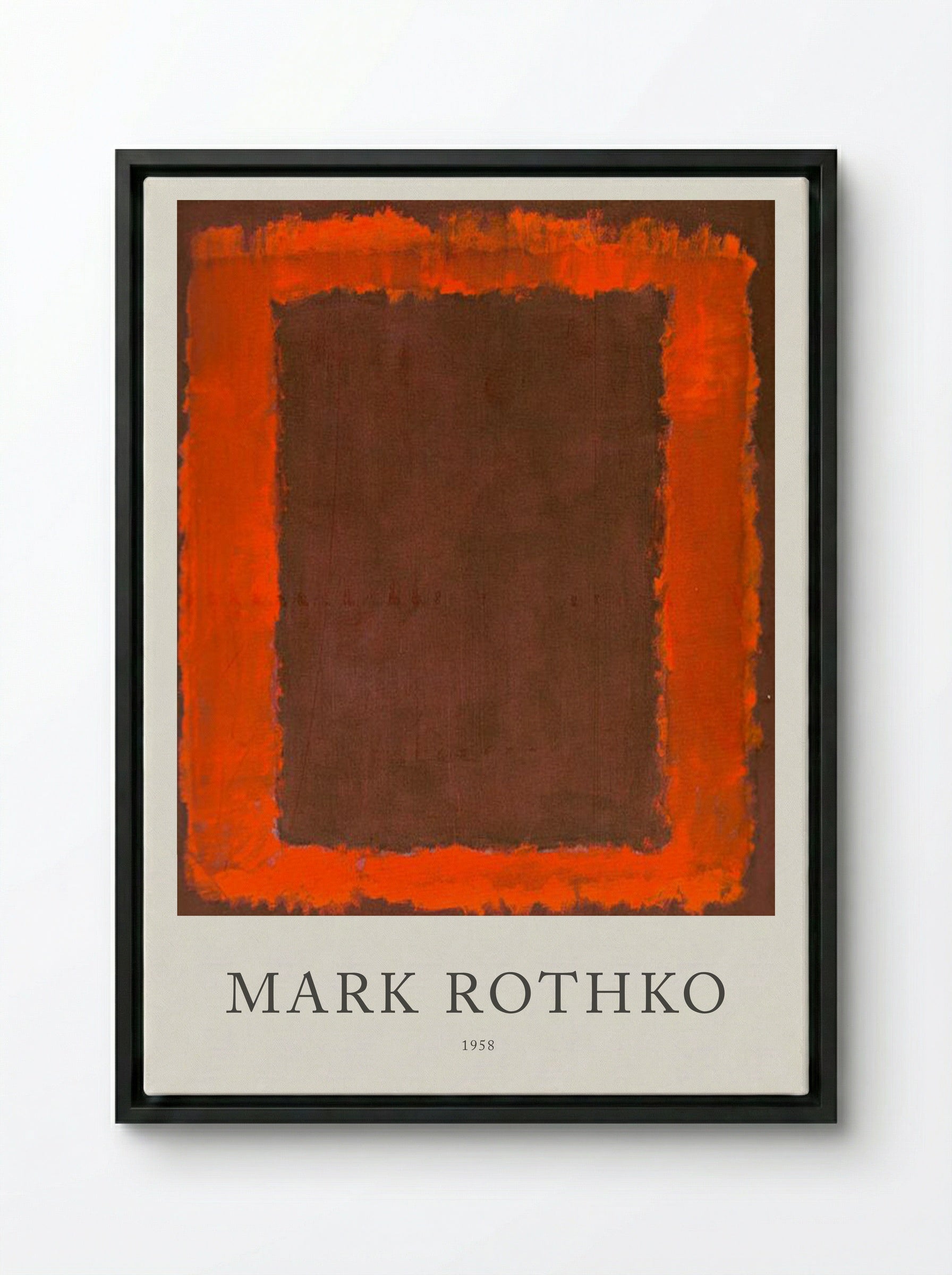
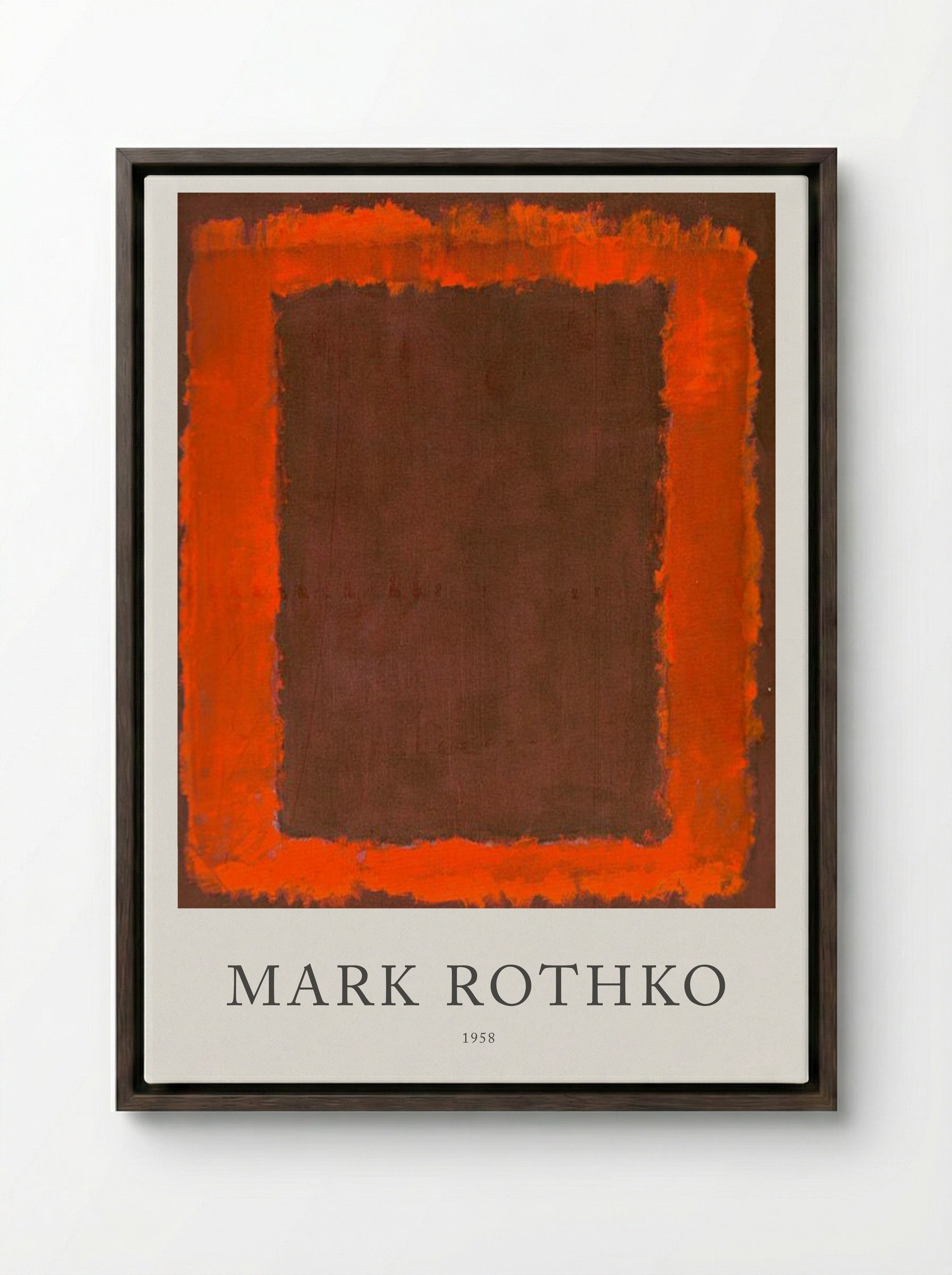
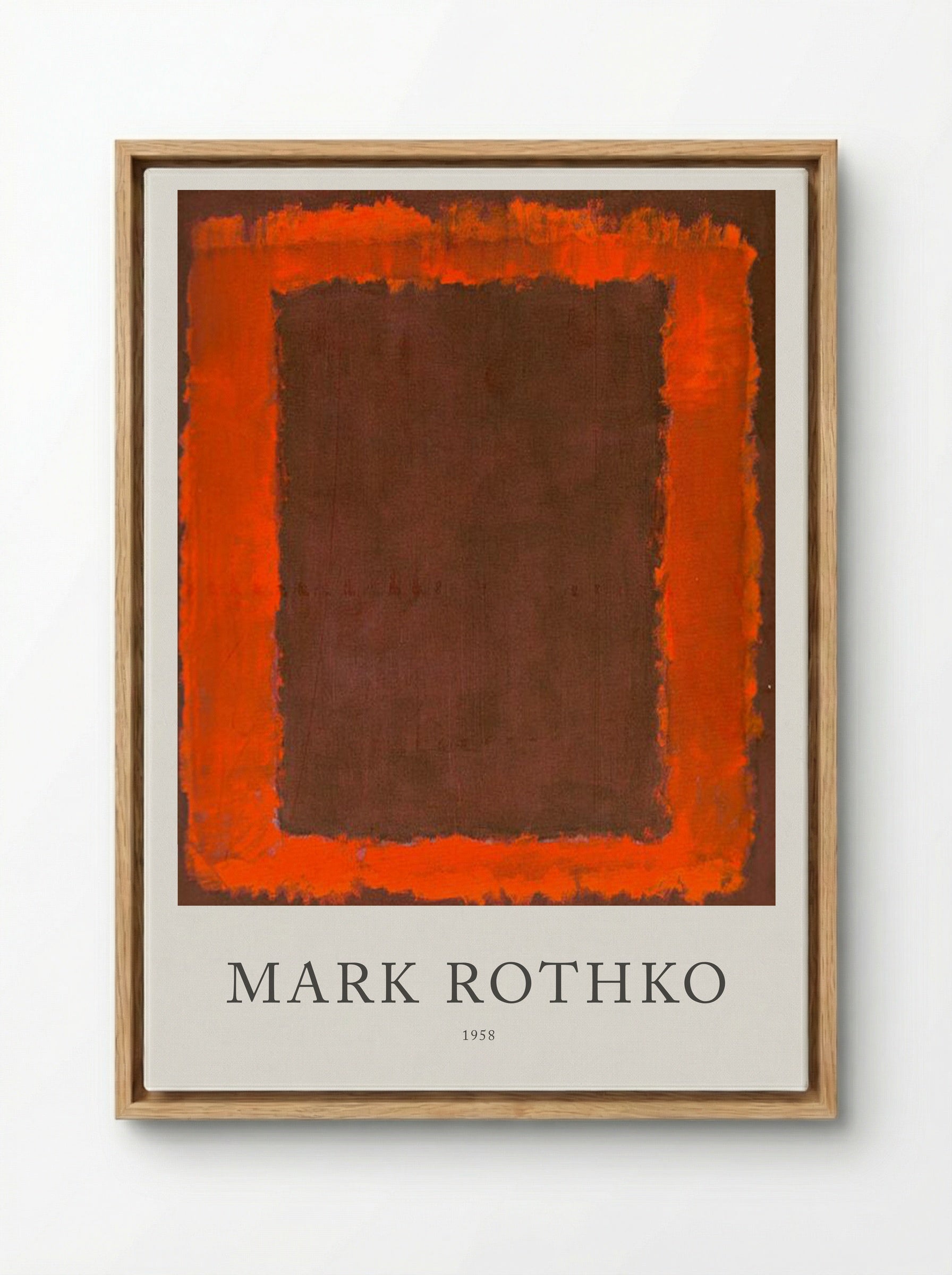
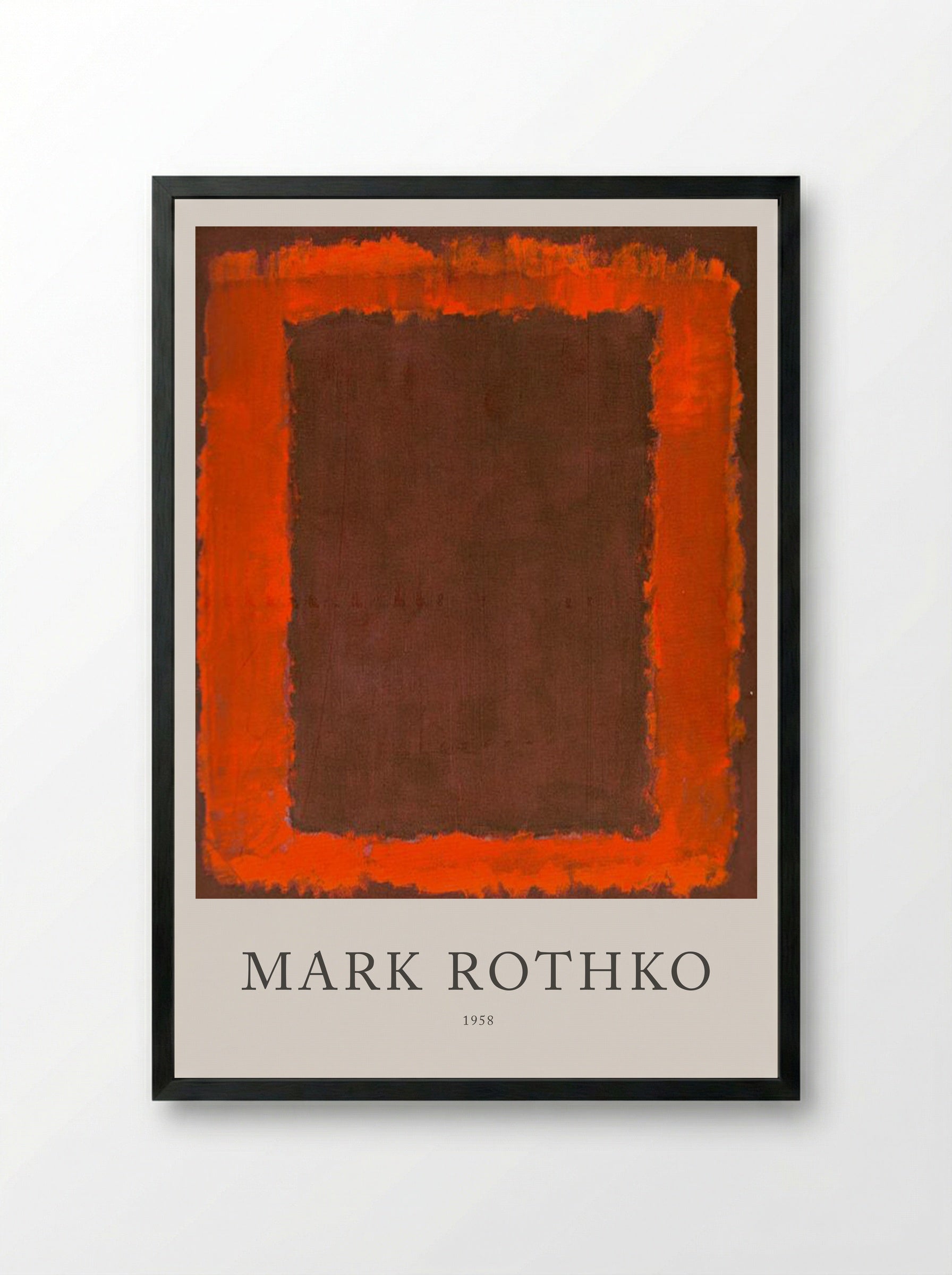
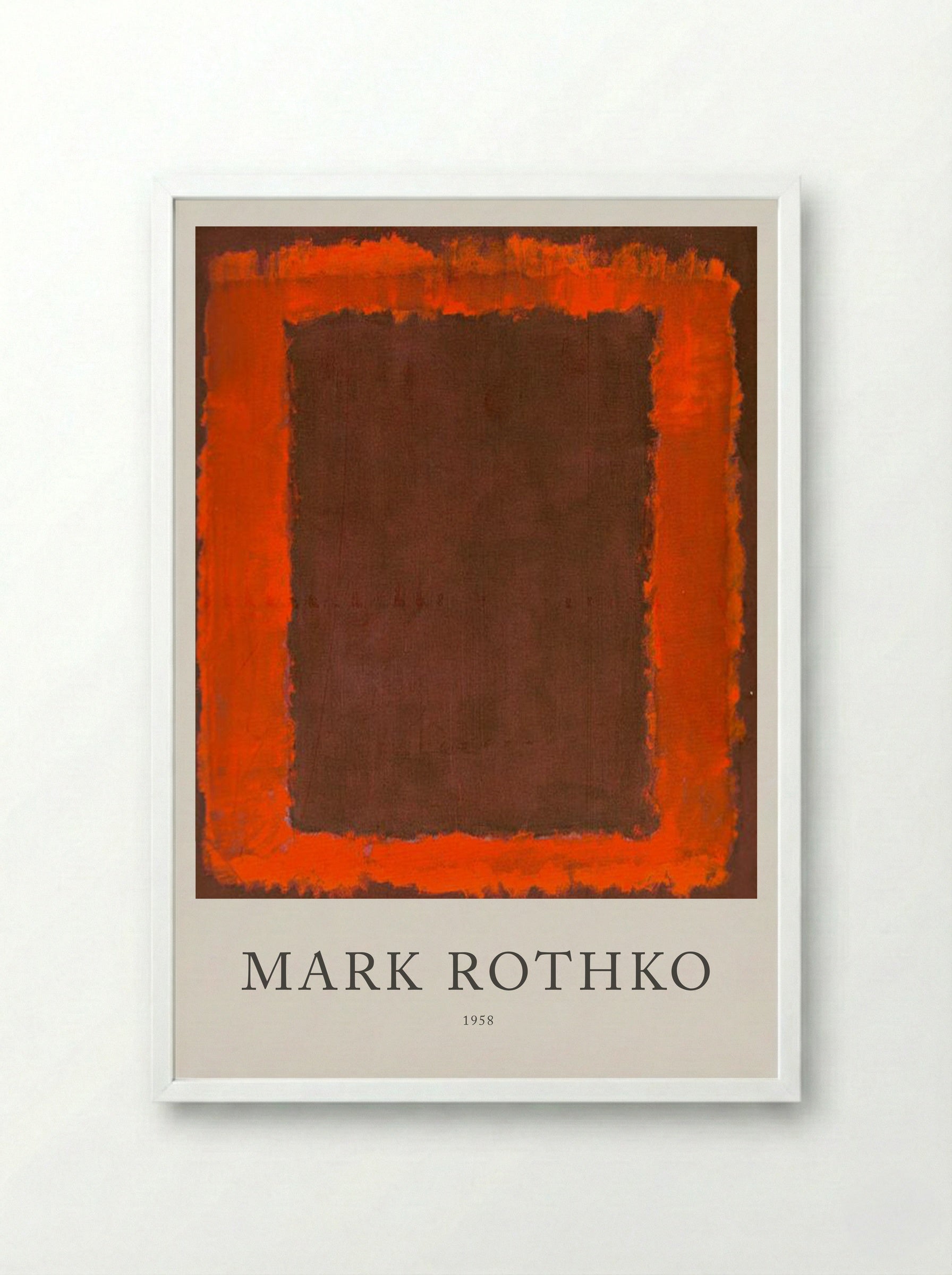
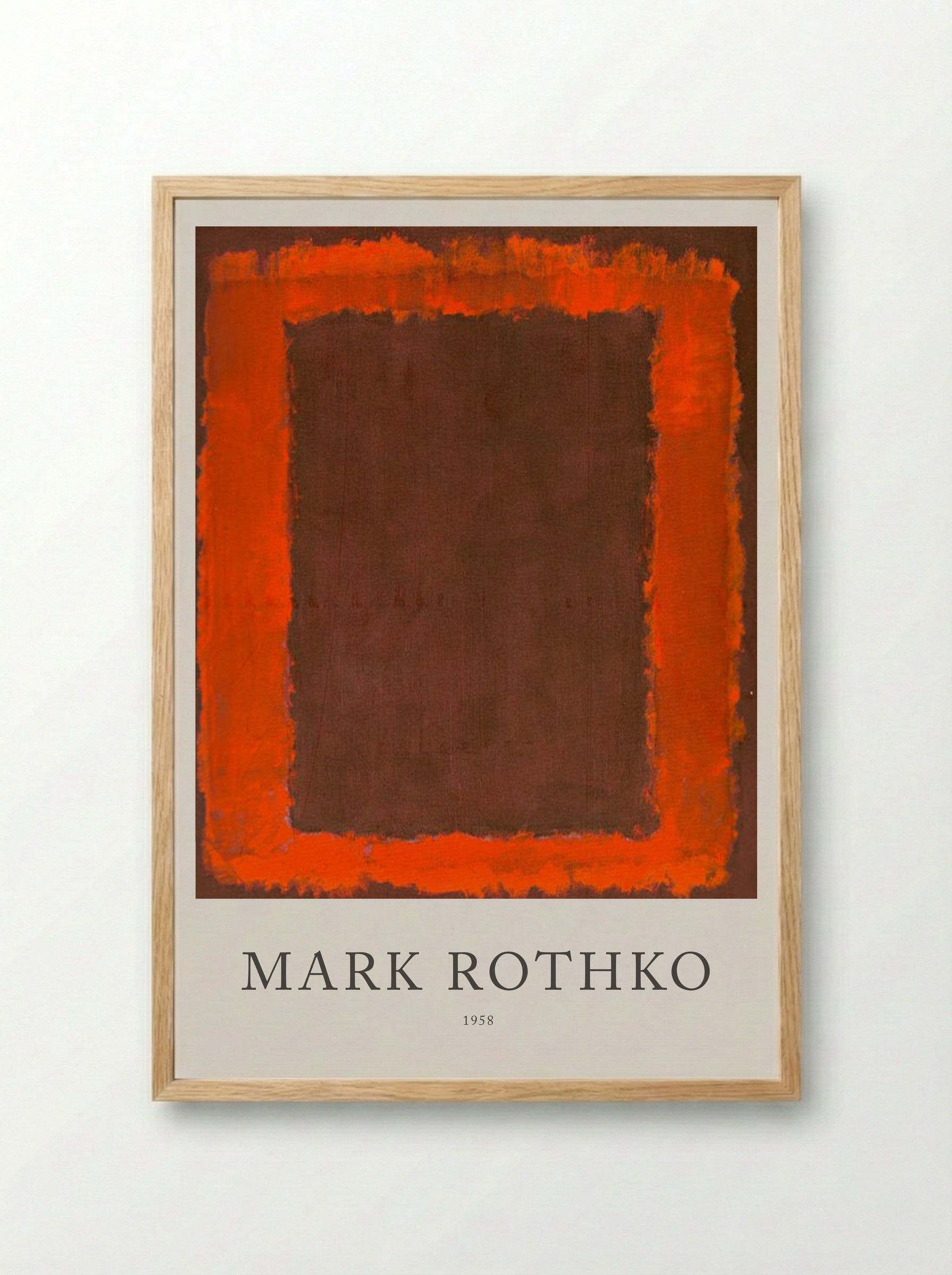
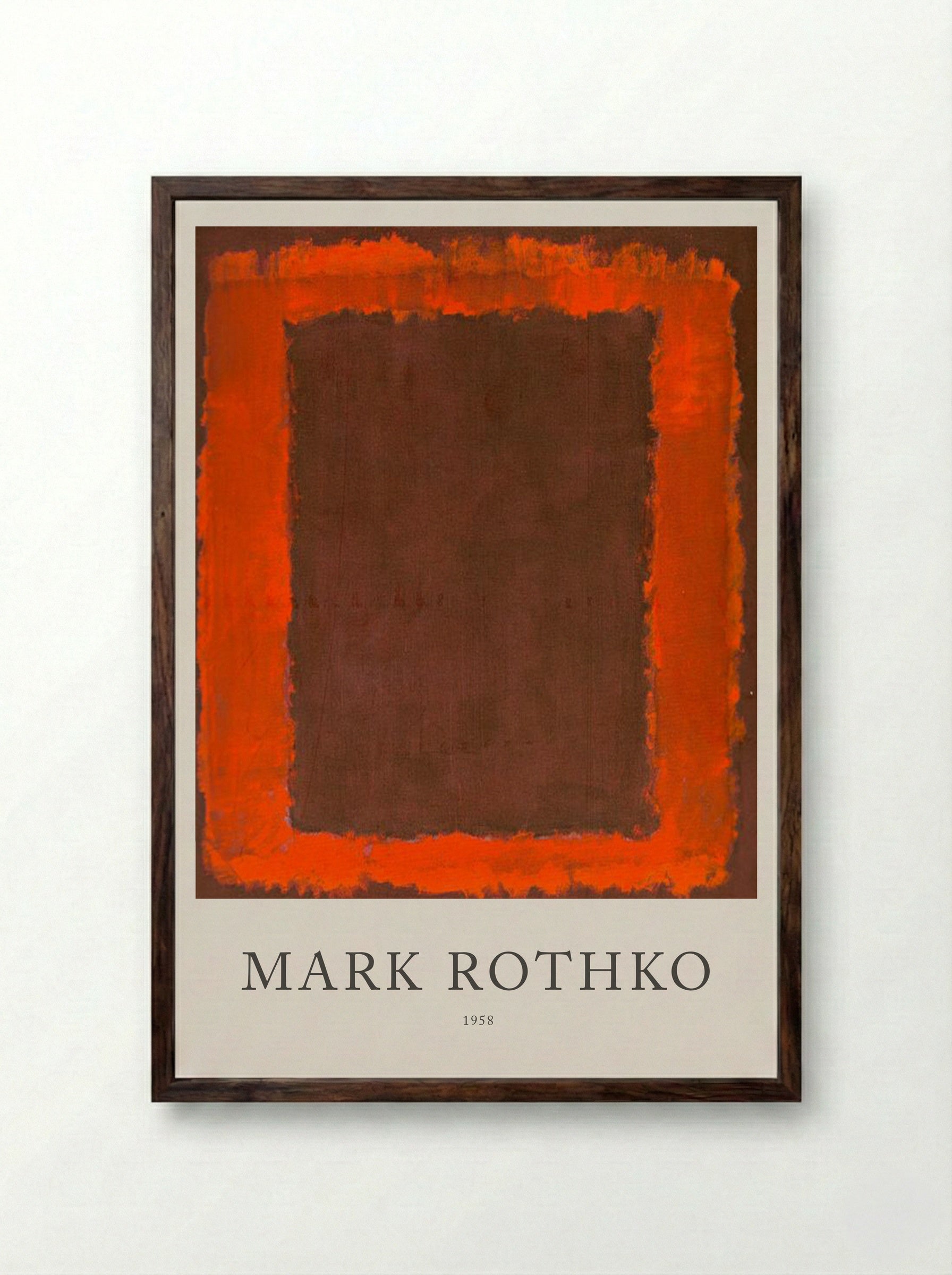
A classic Mark Rothko abstract expressionist painting from 1958, featuring a brown rectangle framed by a vibrant orange border. This fine art print brings a touch of modern sophistication to any interior.
Mark Rothko, a leading figure in the Abstract Expressionist movement, created works that aimed to evoke profound emotional responses through the use of colour and form. This untitled work from 1958 exemplifies Rothko's signature style, featuring a large, dominant brown rectangle enveloped by a vibrant orange border. The colours bleed and blend, creating a sense of depth and luminosity that invites contemplation. Rothko's paintings are not merely abstract compositions; they are intended to be immersive experiences, encouraging viewers to engage with their own emotions and inner thoughts. The subtle variations in tone and texture within the rectangles create a dynamic visual field, drawing the eye and holding the attention. As a fine art print, this piece brings a touch of modern sophistication to any interior, offering a focal point for reflection and a conversation starter for guests. Its bold colours and simple yet powerful composition make it a versatile addition to both contemporary and classic decor.
Because every print is made to order, we don't offer change-of-mind returns, refunds or exchanges. If your order arrives faulty, damaged or incorrect, we'll replace it free of charge — just contact us within 48 hours of delivery. See our refunds page for full details.
We ship worldwide, printing at the production hub nearest to your delivery address. Delivery times and costs vary by destination — you'll see the options available to you at checkout.
Each print is produced to order using 12-colour giclée printing on FSC-certified archival paper. Designed in Britain and printed at your nearest production hub to reduce waste and speed up delivery.

Artist Biography
Our Features
Designed for Lasting Impact
Every Solis piece is made to order with archival, gallery-quality materials built to last.
To keep your artwork looking its best:
Museum-grade giclée on FSC-certified archival matte paper, with framed and canvas options.
Made to order
Every piece is printed to order. These are the five finishes, and what makes each one different.
From £28
A giclée print on 200gsm matte fine art paper, using a twelve-colour process for accurate, fade-resistant colour. Supplied unframed, delivered flat or rolled.

From £45
The same fine art print in a solid wood frame with UV-protective acrylic glaze and rigid backing. Five frame colours. Arrives ready to hang.

From £30
Hand-stretched canvas with neat gallery-wrapped edges, giving the artwork surface texture and depth. Arrives ready to hang.

From £135
Stretched canvas set in a floating wood frame, our most substantial finish. Arrives ready to hang.
Why Choose Us ?
Damage-free delivery guarantee
Fast Shipping
Museum-Quality Materials
Artist Biography
Mark Rothko
You May Also Like
We use cookies to see which prints people love and to measure our marketing. By continuing to browse, you agree to this.