

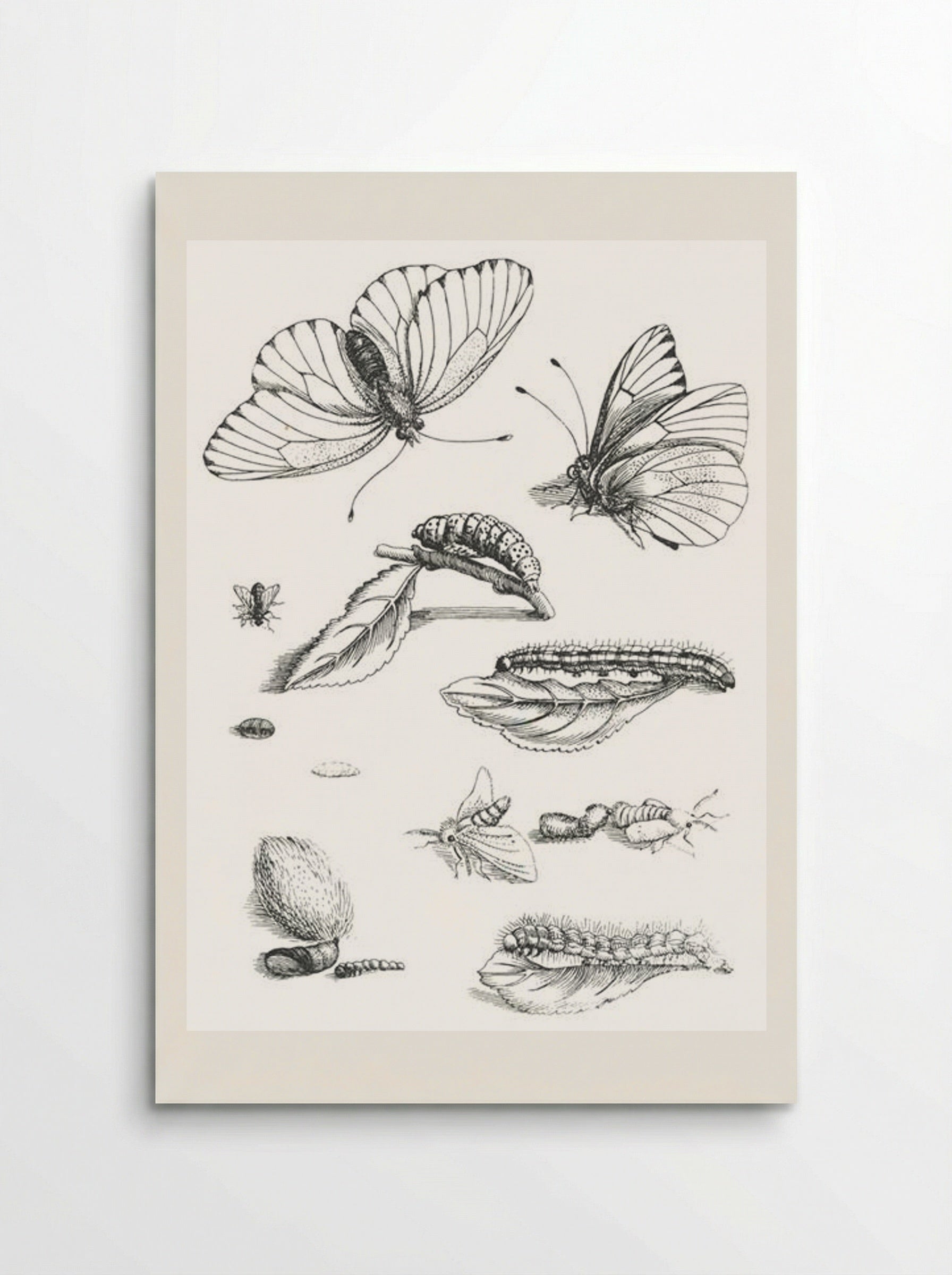
Plate LXXXV, from Erucarum Ortus Alimentum et Paradoxa Metamorphosis - Maria Sibylla Merian
Archival giclée
Frames arrive ready to hang
Secure checkout
Made to order
Description
A detailed botanical illustration by Maria Sibylla Merian, Plate LXXXV from *Erucarum Ortus Alimentum et Paradoxa Metamorphosis* depicts insects and their host plants, showcasing the metamorphosis process with scientific precision.
This print originates from Maria Sibylla Merian's extensive study of insects and plants, documented in her publication *Erucarum Ortus Alimentum et Paradoxa Metamorphosis*. Merian (1647-1717) was a German-born naturalist and scientific illustrator. She is celebrated for her detailed observations and depictions of insects and plants. Her approach combined artistic skill with scientific inquiry, challenging the conventions of natural history illustration. This particular plate presents a variety of insects at different stages of their life cycles, including butterflies, caterpillars, and moths, alongside the plants they feed on. The composition is arranged to display the metamorphosis process, showing the connections between insects and their host plants. The drawing style is precise, with fine lines used to define the forms and textures of the insects and foliage. The absence of colour directs attention to the anatomical details and the relationships between the organisms depicted.
Return policy
Because every print is made to order, we don't offer change-of-mind returns, refunds or exchanges. If your order arrives faulty, damaged or incorrect, we'll replace it free of charge — just contact us within 48 hours of delivery. See our refunds page for full details.
Shipping
We ship worldwide, printing at the production hub nearest to your delivery address. Delivery times and costs vary by destination — you'll see the options available to you at checkout.
Manufacturing
Each print is produced to order using 12-colour giclée printing on FSC-certified archival paper. Designed in Britain and printed at your nearest production hub to reduce waste and speed up delivery.
Plate LXXXV, from Erucarum Ortus Alimentum et Paradoxa Metamorphosis - Maria Sibylla Merian

Artist Biography
Maria Sibylla Merian
Merian's artistic approach combined scientific accuracy with aesthetic appeal. Her detailed watercolours and engravings depicted insects alongside their host plants, creating visually arresting compositions. She meticulously documented the stages of insect development, from egg to larva to pupa to adult, providing valuable insights into entomology. Her magnum opus, *Metamorphosis insectorum Surinamensium*, showcased the biodiversity of Suriname and challenged prevailing scientific views.
Today, Merian's work appeals to collectors who appreciate the intersection of art and science. Her prints offer a glimpse into a world of natural wonders, rendered with precision and artistry. Her images possess both historical and aesthetic value, making them a striking addition to any collection. They are a reminder of the beauty and complexity of the natural world, as seen through the eyes of a remarkable woman.
Our Features
Designed for Lasting Impact
Specific Features
Every Solis piece is made to order with archival, gallery-quality materials built to last.
- Museum-grade giclée printing for rich, fade-resistant colour
- Archival matte fine-art paper, FSC-certified
- Multiple sizes and framing options available
- Frames in black, natural wood, dark wood or white
- Framed prints arrive ready to hang
Care & Cleaning
To keep your artwork looking its best:
- Dust gently with a soft, dry cloth
- Avoid prolonged direct sunlight
- Never use liquid cleaners on the print or canvas surface
- Keep in a dry, room-temperature space
- Handle prints with clean, dry hands
Materials & Sizing
Museum-grade giclée on FSC-certified archival matte paper, with framed and canvas options.
- Paper sizes: A4, A3, A2, A1, A0 and B2 (50×70 cm)
- Canvas: XS (20×30 cm) to Large (60×90 cm)
- Frames: black, natural wood, dark wood or white
Why Choose Us ?
Damage-free delivery guarantee
Fast Shipping
Museum-Quality Materials
Artist Biography
Maria Sibylla Merian
Merian's artistic approach combined scientific accuracy with aesthetic appeal. Her detailed watercolours and engravings depicted insects alongside their host plants, creating visually arresting compositions. She meticulously documented the stages of insect development, from egg to larva to pupa to adult, providing valuable insights into entomology. Her magnum opus, *Metamorphosis insectorum Surinamensium*, showcased the biodiversity of Suriname and challenged prevailing scientific views.
Today, Merian's work appeals to collectors who appreciate the intersection of art and science. Her prints offer a glimpse into a world of natural wonders, rendered with precision and artistry. Her images possess both historical and aesthetic value, making them a striking addition to any collection. They are a reminder of the beauty and complexity of the natural world, as seen through the eyes of a remarkable woman.
You May Also Like