

Fine Art Poster
From £28
A giclée print on 200gsm matte fine art paper, using a twelve-colour process for accurate, fade-resistant colour. Supplied unframed, delivered flat or rolled.



Archival giclée
Frames arrive ready to hang
Secure checkout
Made to order
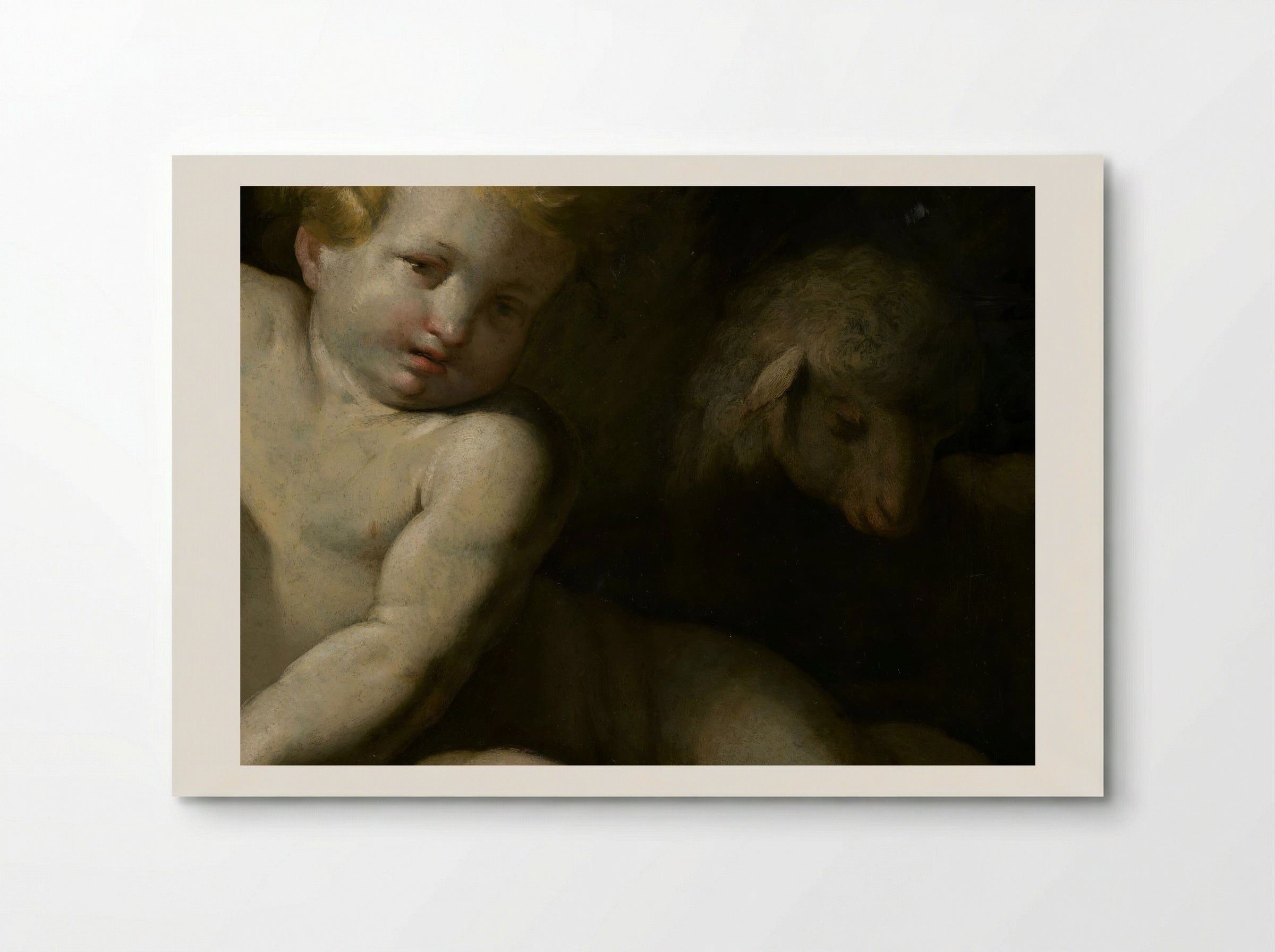
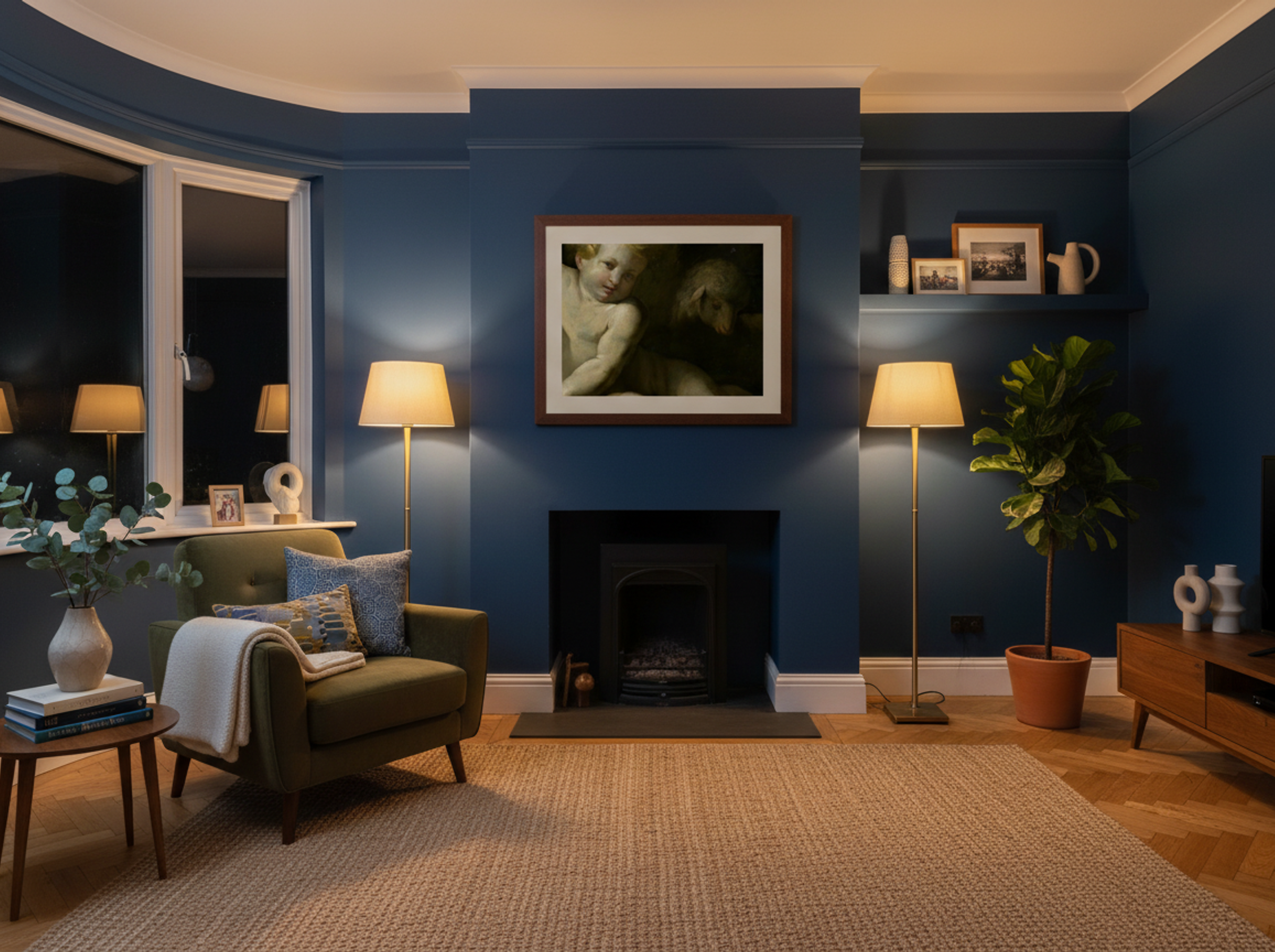
A serene Baroque painting by Bartolomé Esteban Murillo, depicting the infant Saint John the Baptist with the Lamb of God. This fine art print brings a touch of classical elegance and spiritual contemplation to any space.
This tender depiction of the infant Saint John the Baptist with the sacrificial lamb is characteristic of Bartolomé Esteban Murillo's devotional works. Painted in the Spanish Baroque style, the scene is imbued with a gentle naturalism and a focus on human emotion. The soft chiaroscuro, with its dramatic contrast of light and shadow, enhances the painting's emotional depth and draws the viewer into the intimate moment. Murillo was celebrated for his ability to portray religious figures with a sense of warmth and accessibility, making his works highly sought after for both private devotion and public display. The painting presents a young Saint John reclining, holding a staff bearing the inscription 'Ecce Agnus Dei' ('Behold the Lamb of God'). The lamb, a symbol of Christ's sacrifice, nestles beside him, its woolly fleece rendered with delicate detail. The composition is carefully balanced, with the figures arranged to create a sense of harmony and peace. The dark background serves to accentuate the luminous flesh tones of the infant saint and the soft texture of the lamb's wool. As a fine art print, this image brings a touch of classical elegance and spiritual contemplation to any space. Its muted colour palette and serene subject matter make it a versatile addition to a variety of interior styles, from traditional to contemporary. Whether displayed in a living room, study, or bedroom, this print offers a timeless reminder of faith, hope, and the enduring power of art.
Because every print is made to order, we don't offer change-of-mind returns, refunds or exchanges. If your order arrives faulty, damaged or incorrect, we'll replace it free of charge — just contact us within 48 hours of delivery. See our refunds page for full details.
We ship worldwide, printing at the production hub nearest to your delivery address. Delivery times and costs vary by destination — you'll see the options available to you at checkout.
Each print is produced to order using 12-colour giclée printing on FSC-certified archival paper. Designed in Britain and printed at your nearest production hub to reduce waste and speed up delivery.

Artist Biography
Our Features
Designed for Lasting Impact
Every Solis piece is made to order with archival, gallery-quality materials built to last.
To keep your artwork looking its best:
Museum-grade giclée on FSC-certified archival matte paper, with framed and canvas options.
Made to order
Every piece is printed to order. These are the five finishes, and what makes each one different.
From £28
A giclée print on 200gsm matte fine art paper, using a twelve-colour process for accurate, fade-resistant colour. Supplied unframed, delivered flat or rolled.

From £45
The same fine art print in a solid wood frame with UV-protective acrylic glaze and rigid backing. Five frame colours. Arrives ready to hang.

From £85
A deeper solid wood frame: 33mm deep with a 20mm face and Perspex glaze. The print sits unmounted for a clean gallery presentation. Black, white or natural.

From £30
Hand-stretched canvas with neat gallery-wrapped edges, giving the artwork surface texture and depth. Arrives ready to hang.

From £135
Stretched canvas set in a floating wood frame, our most substantial finish. Arrives ready to hang.
Why Choose Us ?
Damage-free delivery guarantee
Fast Shipping
Museum-Quality Materials
Artist Biography
Bartolomé Esteban Murillo
You May Also Like
We use cookies to measure our marketing and see which prints people love.We use cookies to measure our marketing.
By continuing to browse, you agree · Privacy Policy