

Fine Art Poster
From £28
A giclée print on 200gsm matte fine art paper, using a twelve-colour process for accurate, fade-resistant colour. Supplied unframed, delivered flat or rolled.



Archival giclée
Frames arrive ready to hang
Secure checkout
Made to order
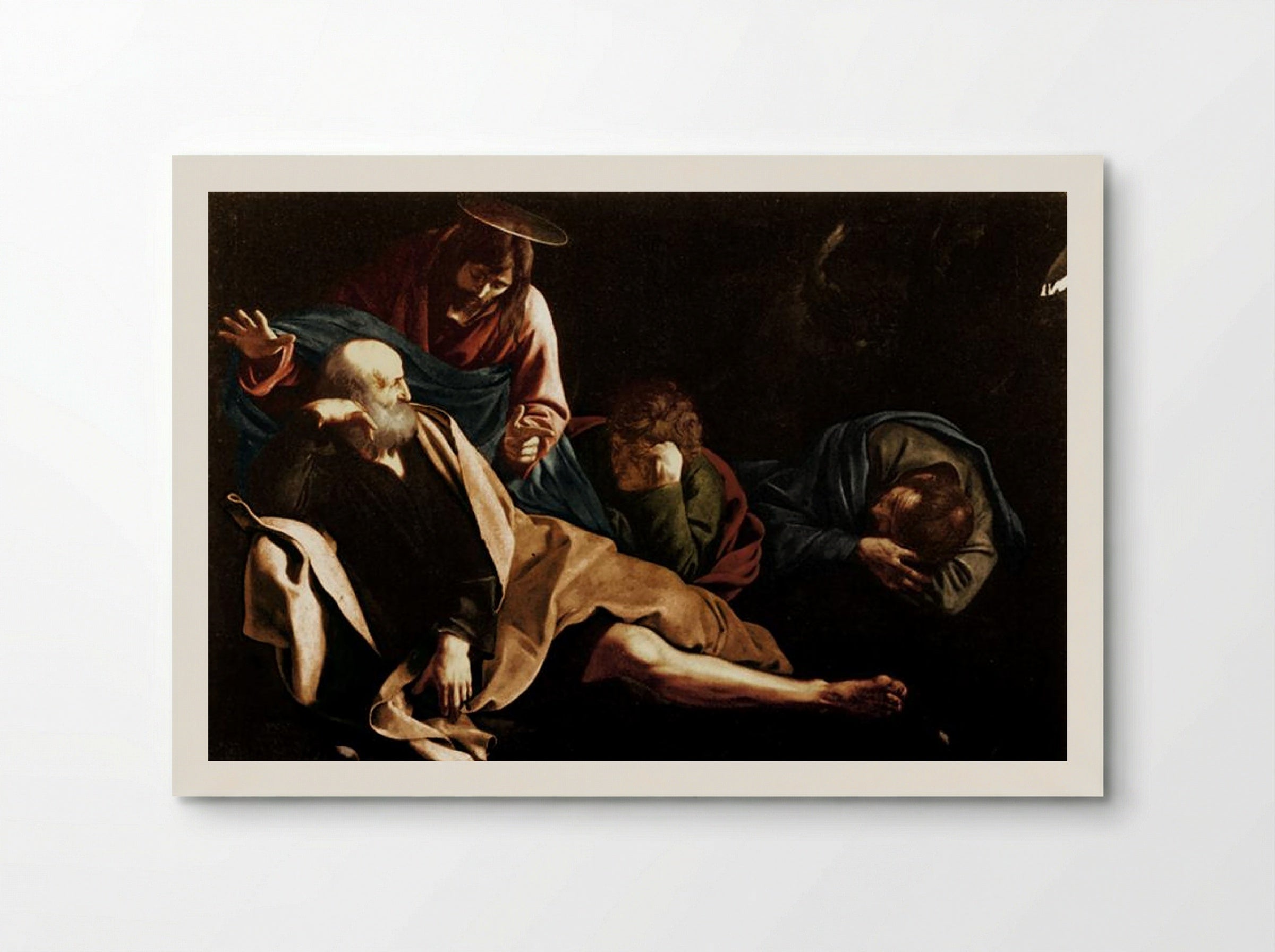
This oil on canvas painting by Michelangelo Merisi da Caravaggio depicts the biblical scene of Christ praying in the Garden of Gethsemane, accompanied by his sleeping apostles. The work exemplifies Caravaggio's mastery of tenebrism, using dramatic light and shadow to convey deep emotion.
Michelangelo Merisi da Caravaggio, an Italian painter active from 1592 to 1610, is known for his dramatic use of light and shadow, a technique called tenebrism. His paintings combine a realistic observation of the human state, both physical and emotional, with a theatrical use of lighting, which had a formative influence on Baroque painting. 'Christ on the Mount of Olives' depicts the scene from the Gospels where Jesus prays in the Garden of Gethsemane the night before his crucifixion. He is accompanied by three of his apostles: Peter, John, and James. The painting captures the moment of Jesus's agony as he anticipates his impending suffering. The apostles are shown asleep, unable to stay awake and support him in his hour of need. The figures are set against a dark, almost black background, with light focused on their faces and bodies to heighten the drama and emotional intensity of the scene. The composition is simple, yet the emotional impact is powerful, reflecting Caravaggio's ability to convey deep human emotions through his art.
Because every print is made to order, we don't offer change-of-mind returns, refunds or exchanges. If your order arrives faulty, damaged or incorrect, we'll replace it free of charge — just contact us within 48 hours of delivery. See our refunds page for full details.
We ship worldwide, printing at the production hub nearest to your delivery address. Delivery times and costs vary by destination — you'll see the options available to you at checkout.
Each print is produced to order using 12-colour giclée printing on FSC-certified archival paper. Designed in Britain and printed at your nearest production hub to reduce waste and speed up delivery.

Artist Biography
Our Features
Designed for Lasting Impact
Every Solis piece is made to order with archival, gallery-quality materials built to last.
To keep your artwork looking its best:
Museum-grade giclée on FSC-certified archival matte paper, with framed and canvas options.
Made to order
Every piece is printed to order. These are the five finishes, and what makes each one different.
From £28
A giclée print on 200gsm matte fine art paper, using a twelve-colour process for accurate, fade-resistant colour. Supplied unframed, delivered flat or rolled.

From £45
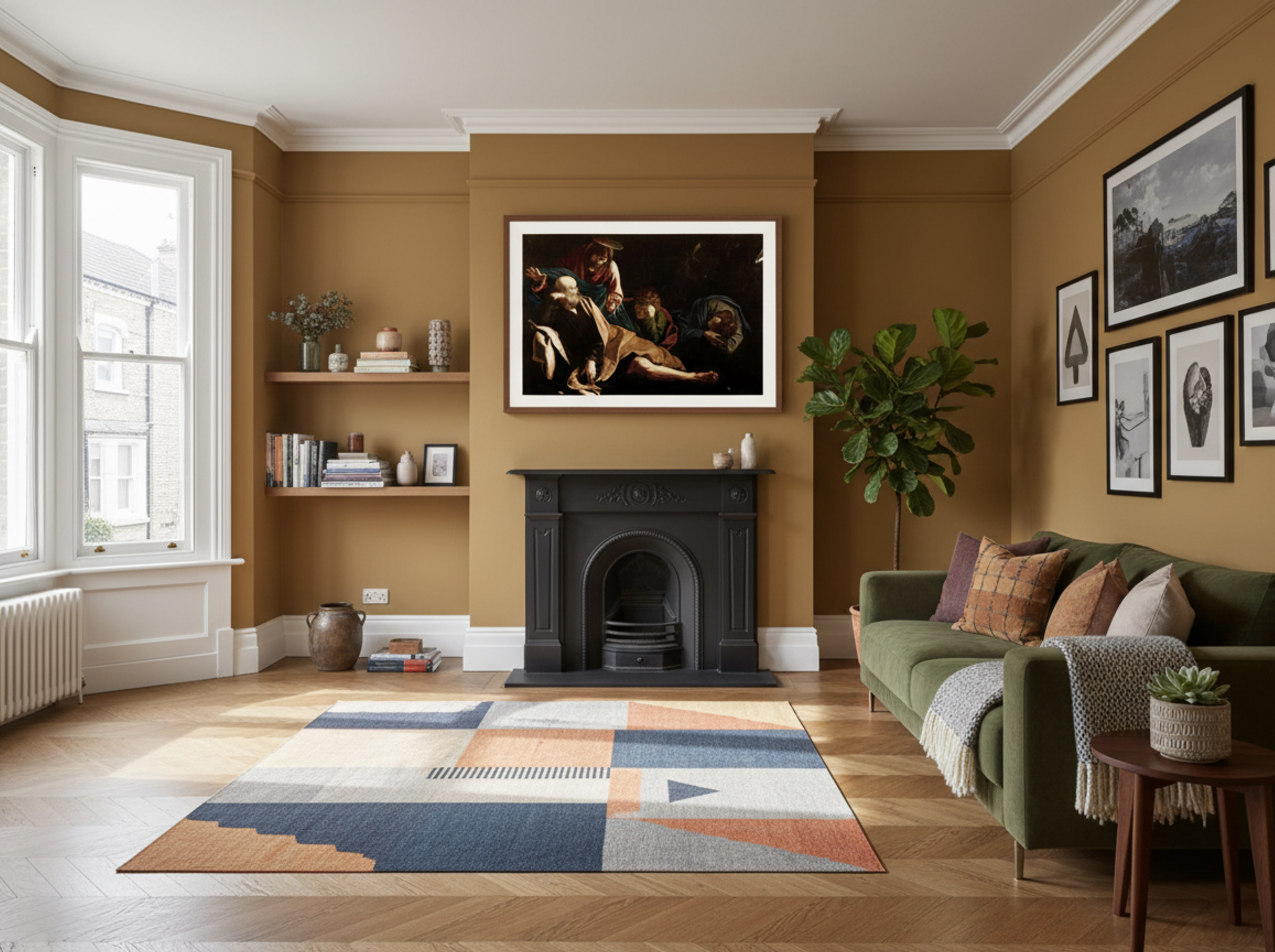
The same fine art print in a solid wood frame with UV-protective acrylic glaze and rigid backing. Five frame colours. Arrives ready to hang.
Why Choose Us ?
Damage-free delivery guarantee
Fast Shipping
Museum-Quality Materials
Artist Biography
Caravaggio
You May Also Like
Cookies show us which prints people love, so we hang the right art. Help us fill it?
Essential cookies only if you prefer · Privacy Policy