

Fine Art Poster
From £28
A giclée print on 200gsm matte fine art paper, using a twelve-colour process for accurate, fade-resistant colour. Supplied unframed, delivered flat or rolled.

Archival giclée
Frames arrive ready to hang
Secure checkout
Made to order
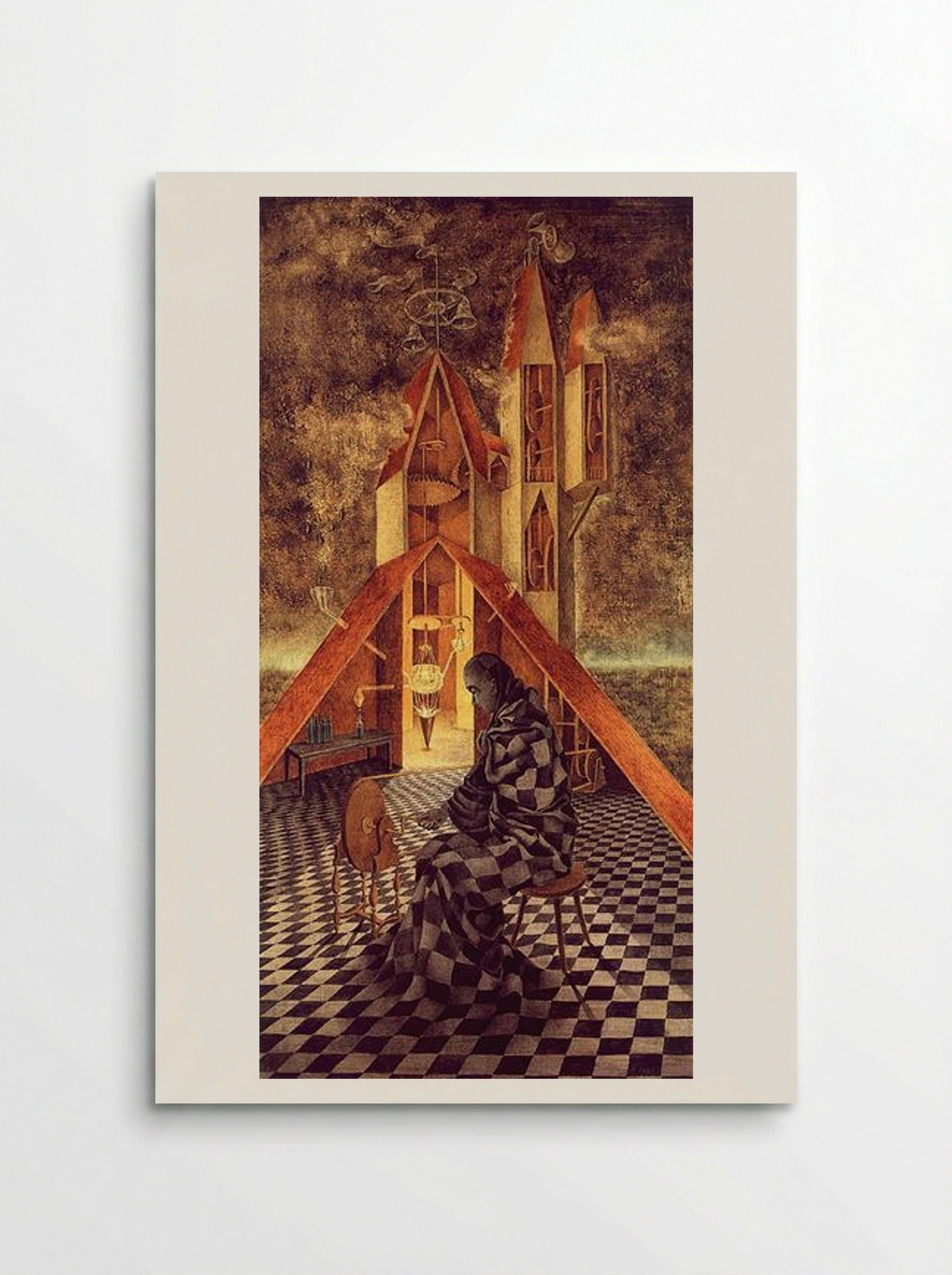
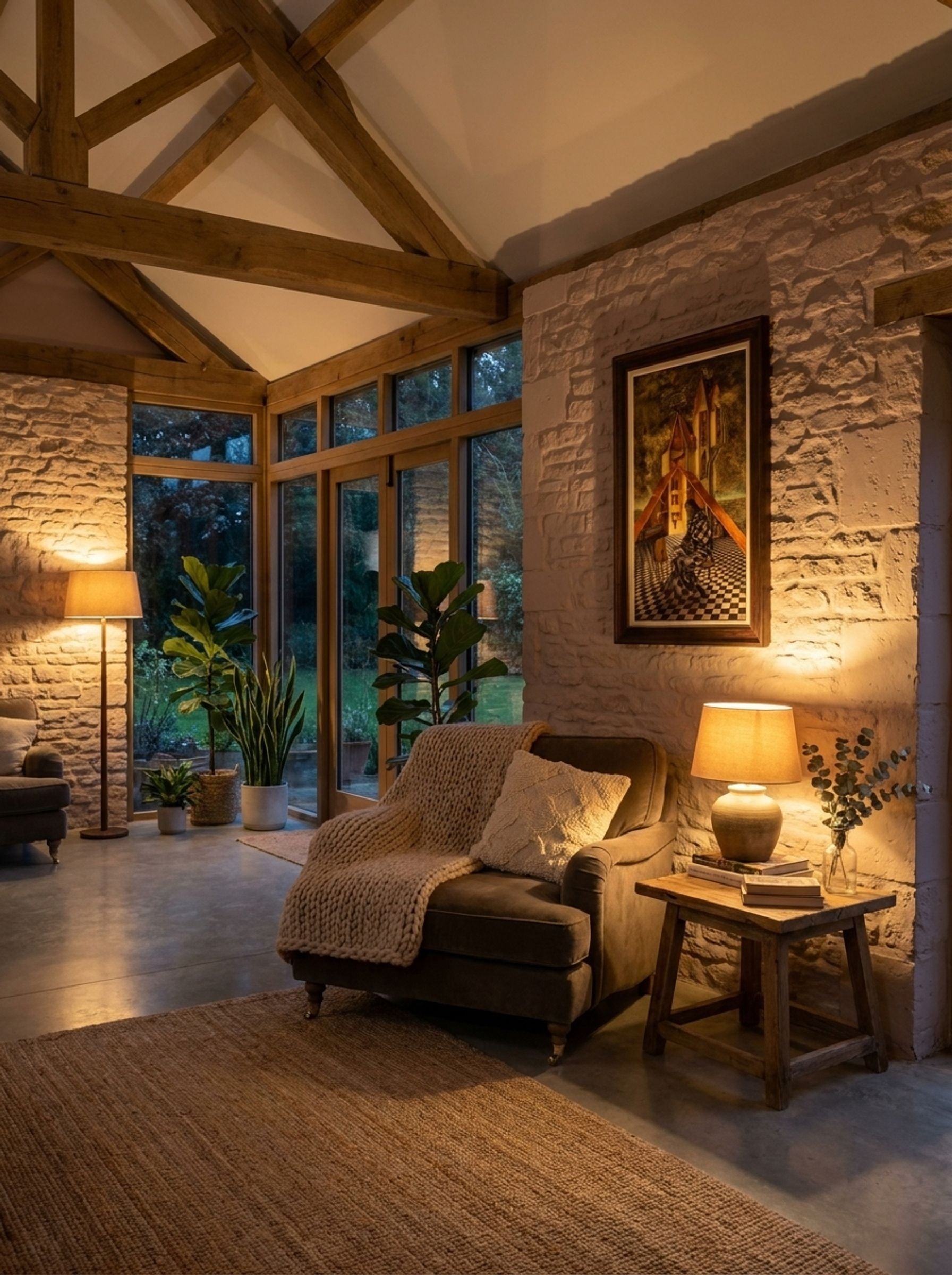
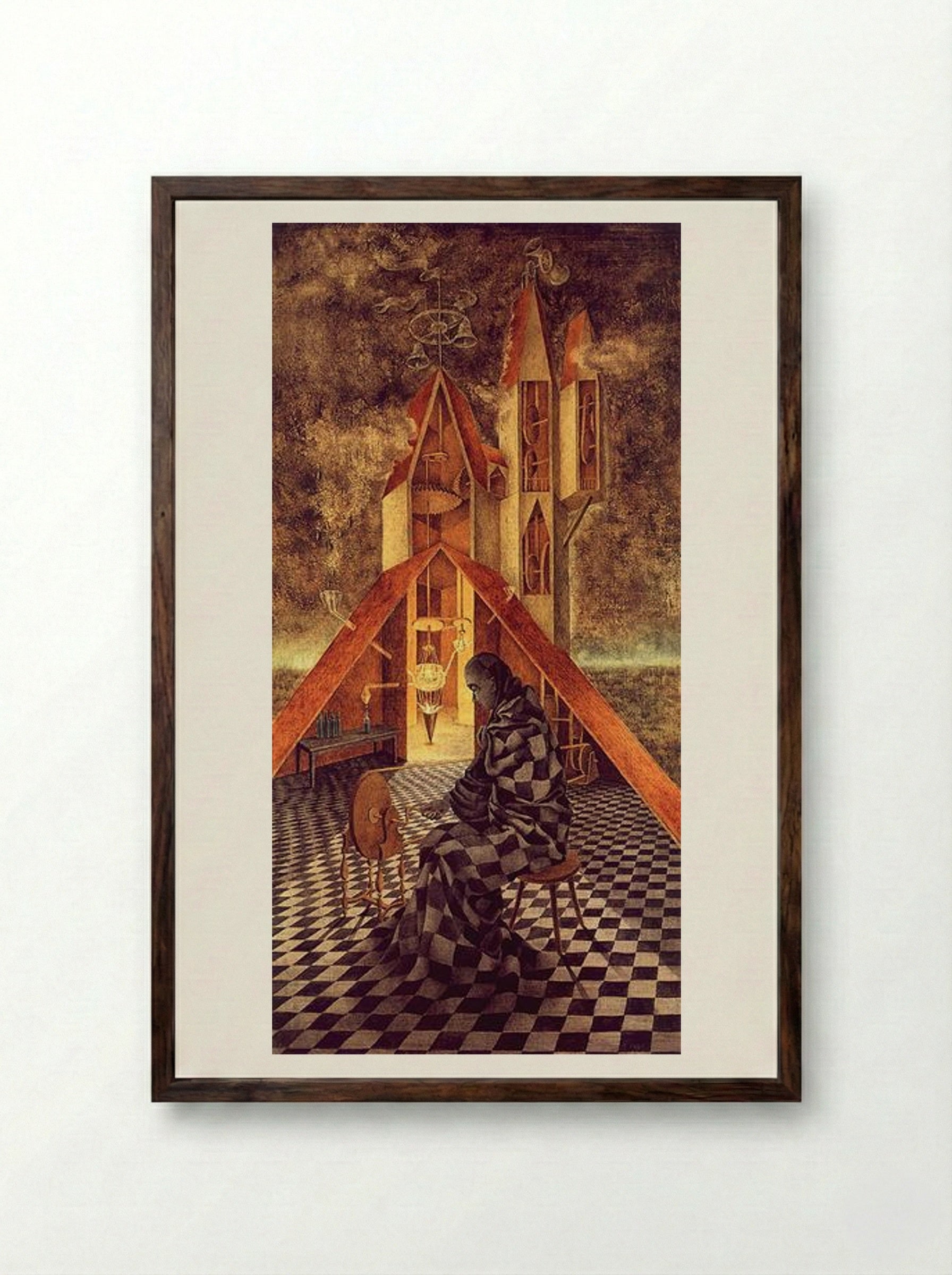
A surreal scene by Remedios Varo depicts a figure engaged in alchemical pursuits within a fantastical architectural setting. The muted colour palette and distorted perspective create an otherworldly atmosphere.
Remedios Varo (1908-1963) was a Spanish-Mexican surrealist painter, known for her distinctive blend of science, mysticism, and dreamlike imagery. Born in Spain, she fled to Mexico during World War II, where she continued to develop her unique artistic vision. Her works often feature androgynous figures engaged in alchemical or scientific pursuits within fantastical settings. In "Alchemy or the Useless Science", a solitary figure, draped in a chequered robe, sits before a peculiar apparatus. The figure's posture suggests deep concentration, as if engaged in a delicate experiment. The setting is a room with a sharply receding chequered floor, giving a sense of distorted perspective. Behind the figure rises a towering structure resembling a cross between a cathedral and a laboratory, complete with spiralling staircases and intricate mechanisms. The colour palette is muted, dominated by browns, ochres, and creams, which adds to the painting's otherworldly atmosphere. The sky is filled with swirling clouds, hinting at unseen forces at play. The painting invites viewers to contemplate the nature of knowledge, the pursuit of the unattainable, and the intersection of science and spirituality.
Because every print is made to order, we don't offer change-of-mind returns, refunds or exchanges. If your order arrives faulty, damaged or incorrect, we'll replace it free of charge — just contact us within 48 hours of delivery. See our refunds page for full details.
We ship worldwide, printing at the production hub nearest to your delivery address. Delivery times and costs vary by destination — you'll see the options available to you at checkout.
Each print is produced to order using 12-colour giclée printing on FSC-certified archival paper. Designed in Britain and printed at your nearest production hub to reduce waste and speed up delivery.

Artist Biography
Our Features
Designed for Lasting Impact
Every Solis piece is made to order with archival, gallery-quality materials built to last.
To keep your artwork looking its best:
Museum-grade giclée on FSC-certified archival matte paper, with framed and canvas options.
Made to order
Every piece is printed to order. These are the five finishes, and what makes each one different.
From £28
A giclée print on 200gsm matte fine art paper, using a twelve-colour process for accurate, fade-resistant colour. Supplied unframed, delivered flat or rolled.

From £45
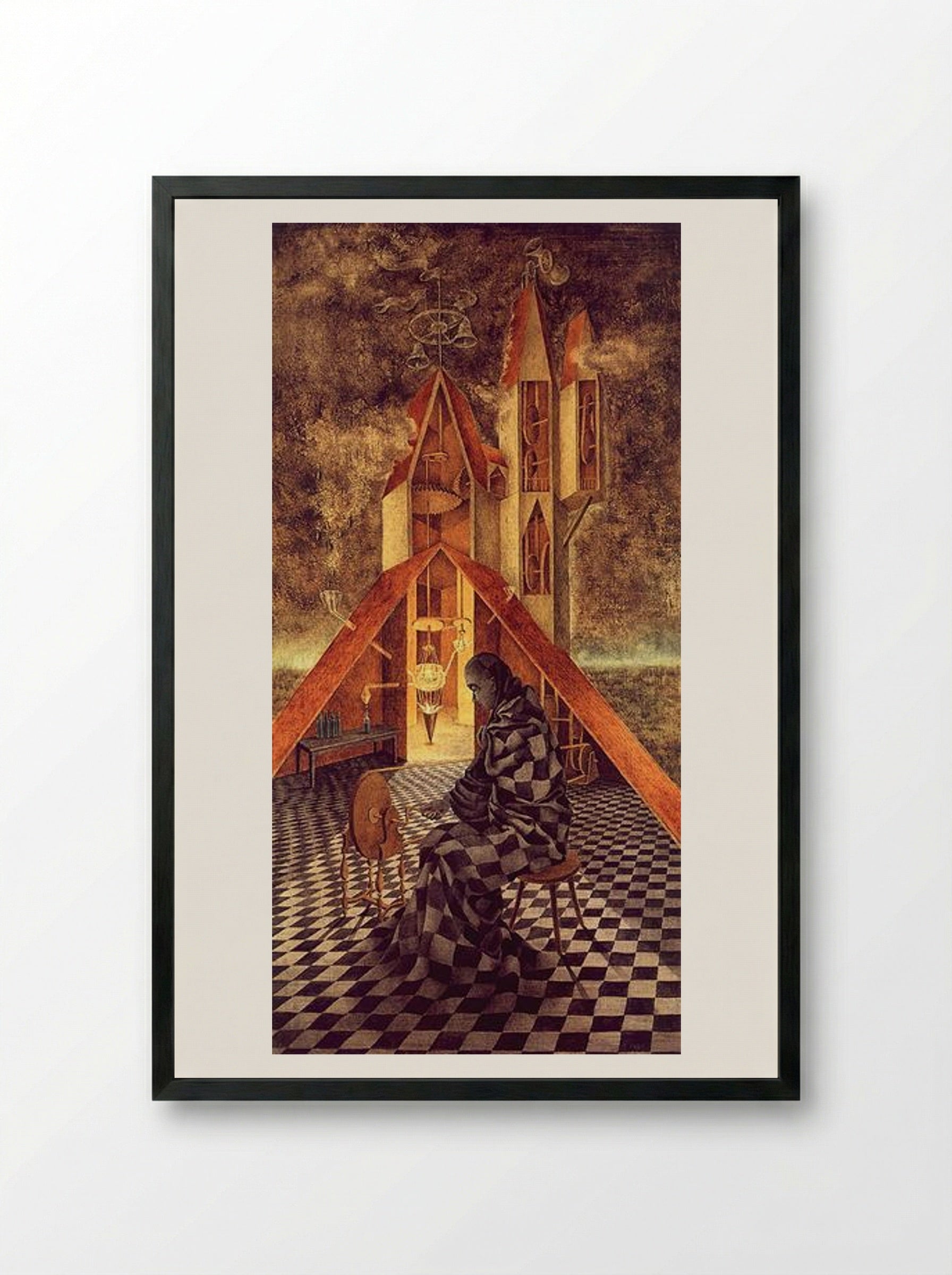
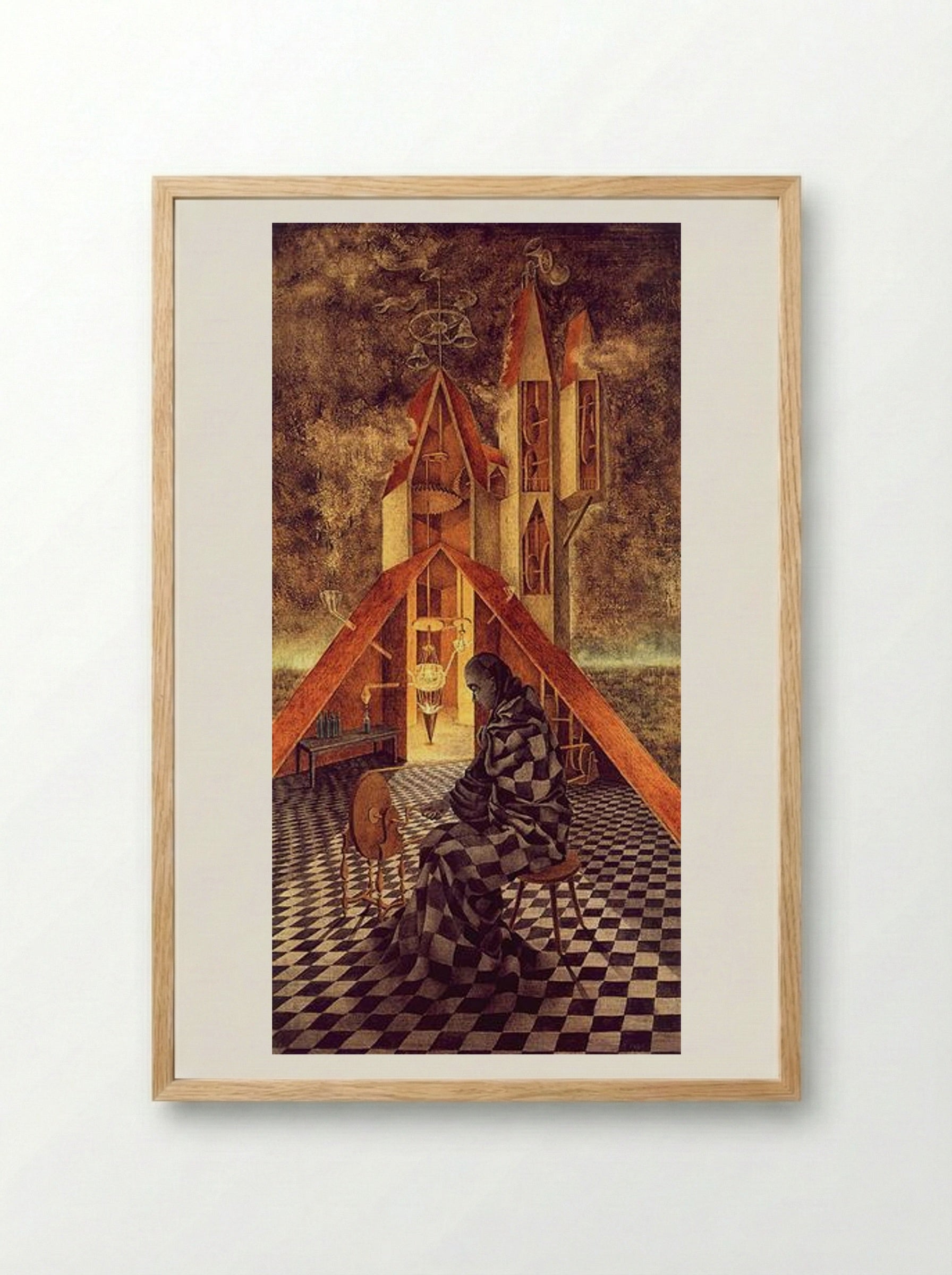
The same fine art print in a solid wood frame with UV-protective acrylic glaze and rigid backing. Five frame colours. Arrives ready to hang.
Why Choose Us ?
Damage-free delivery guarantee
Fast Shipping
Museum-Quality Materials
Artist Biography
Remedios Varo
You May Also Like
Cookies show us which prints people love, so we hang the right art. Help us fill it?
Essential cookies only if you prefer · Privacy Policy