

Fine Art Poster
From £28
A giclée print on 200gsm matte fine art paper, using a twelve-colour process for accurate, fade-resistant colour. Supplied unframed, delivered flat or rolled.

Archival giclée
Frames arrive ready to hang
Secure checkout
Made to order
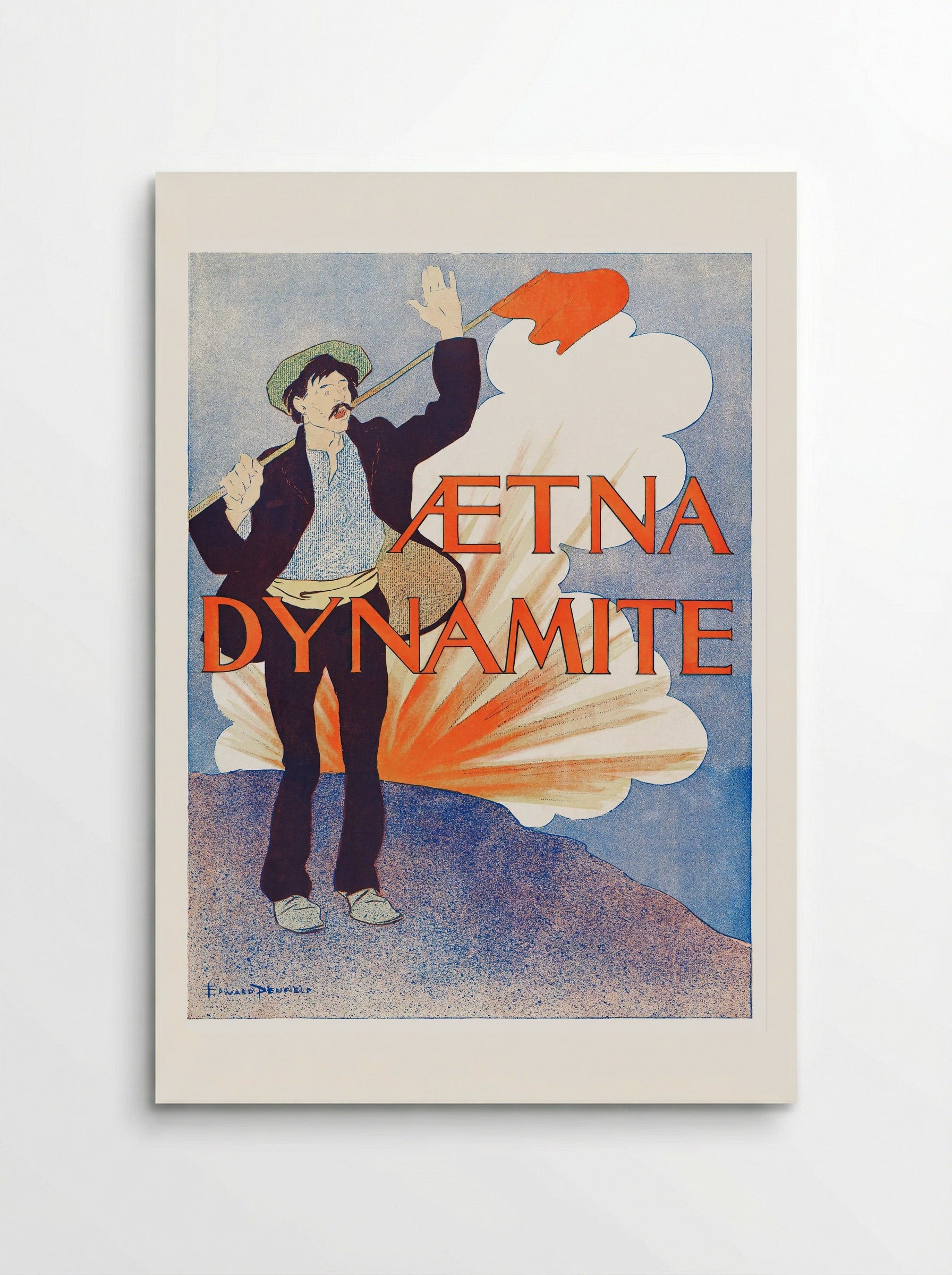
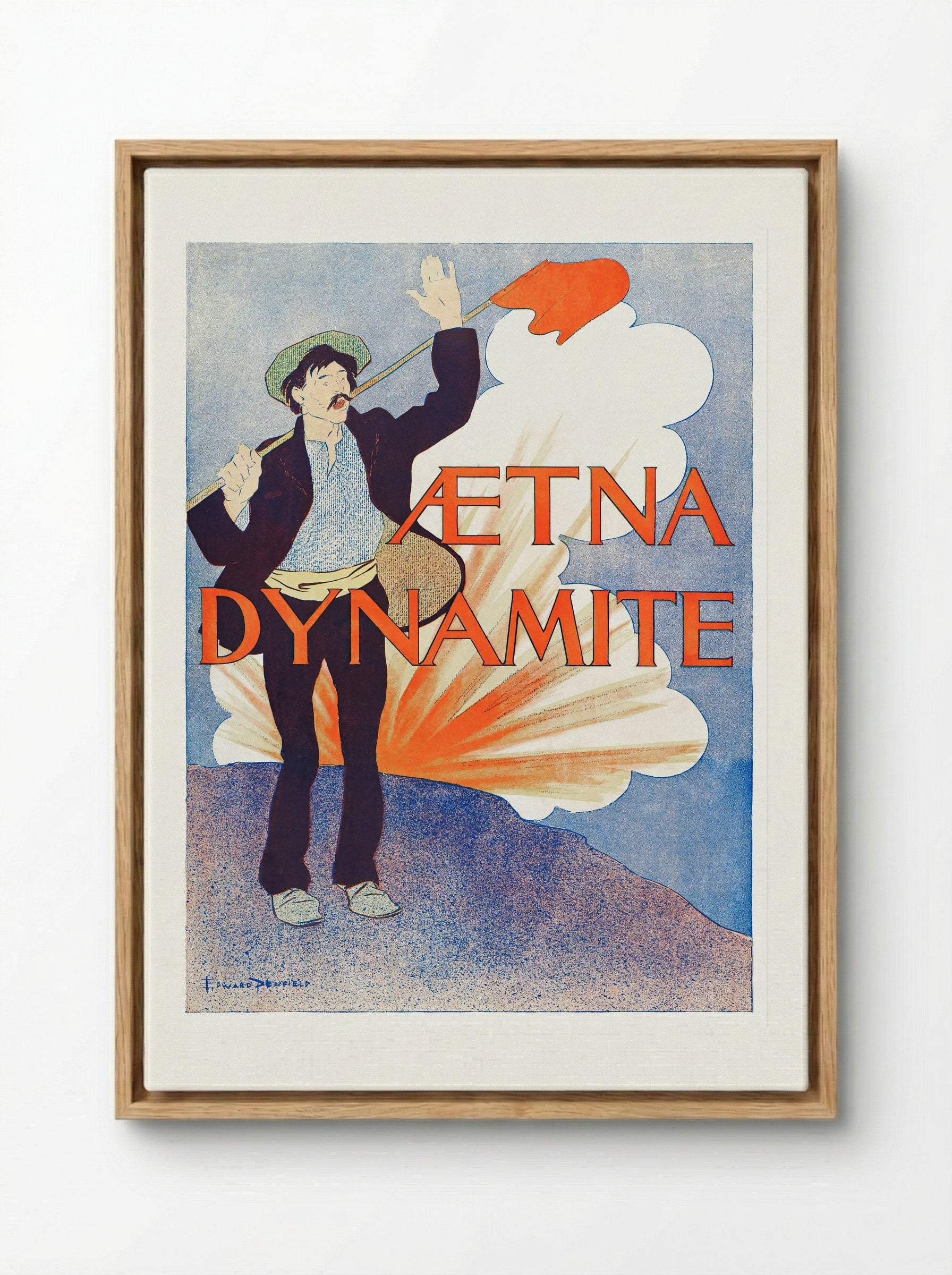
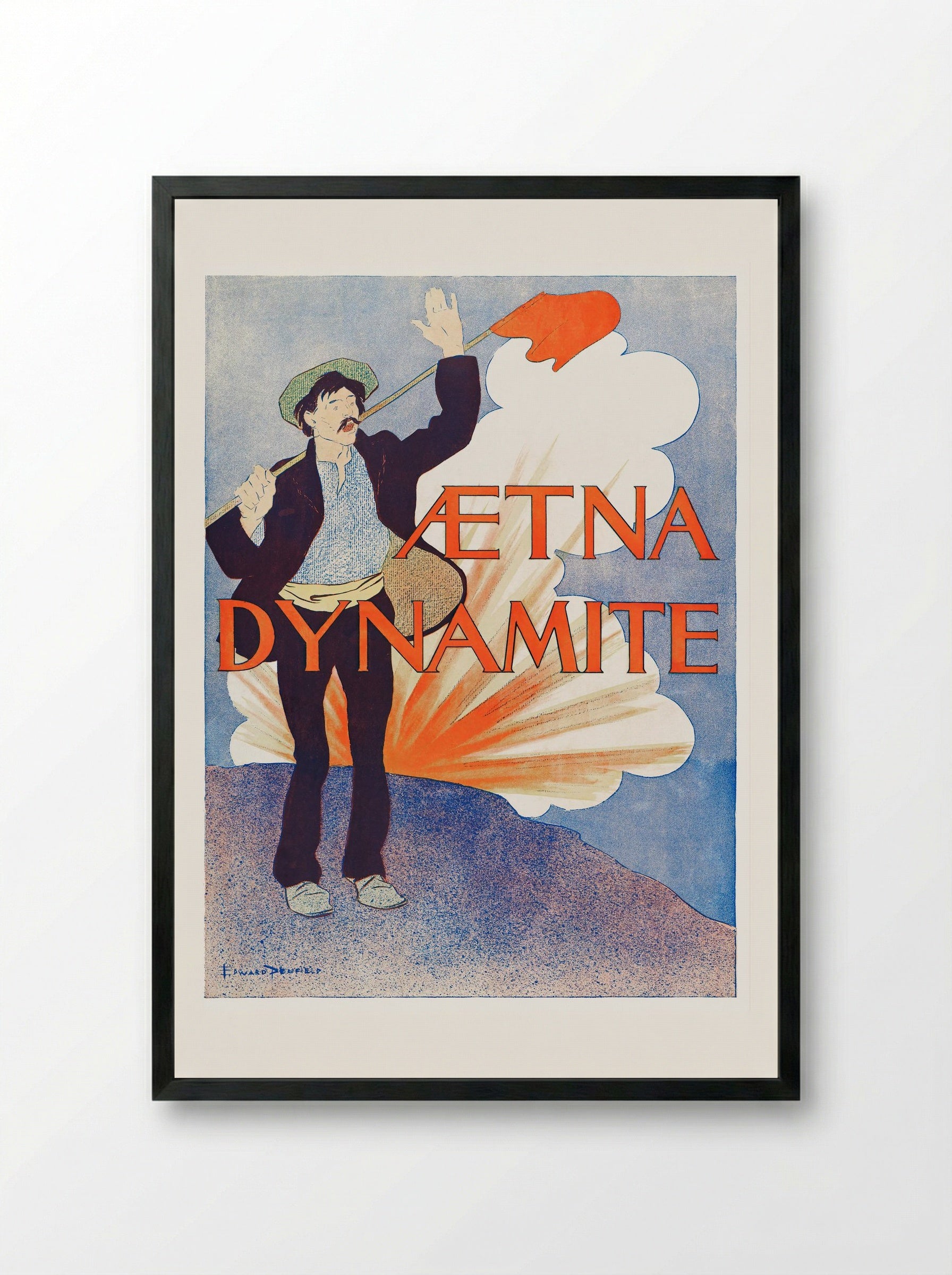
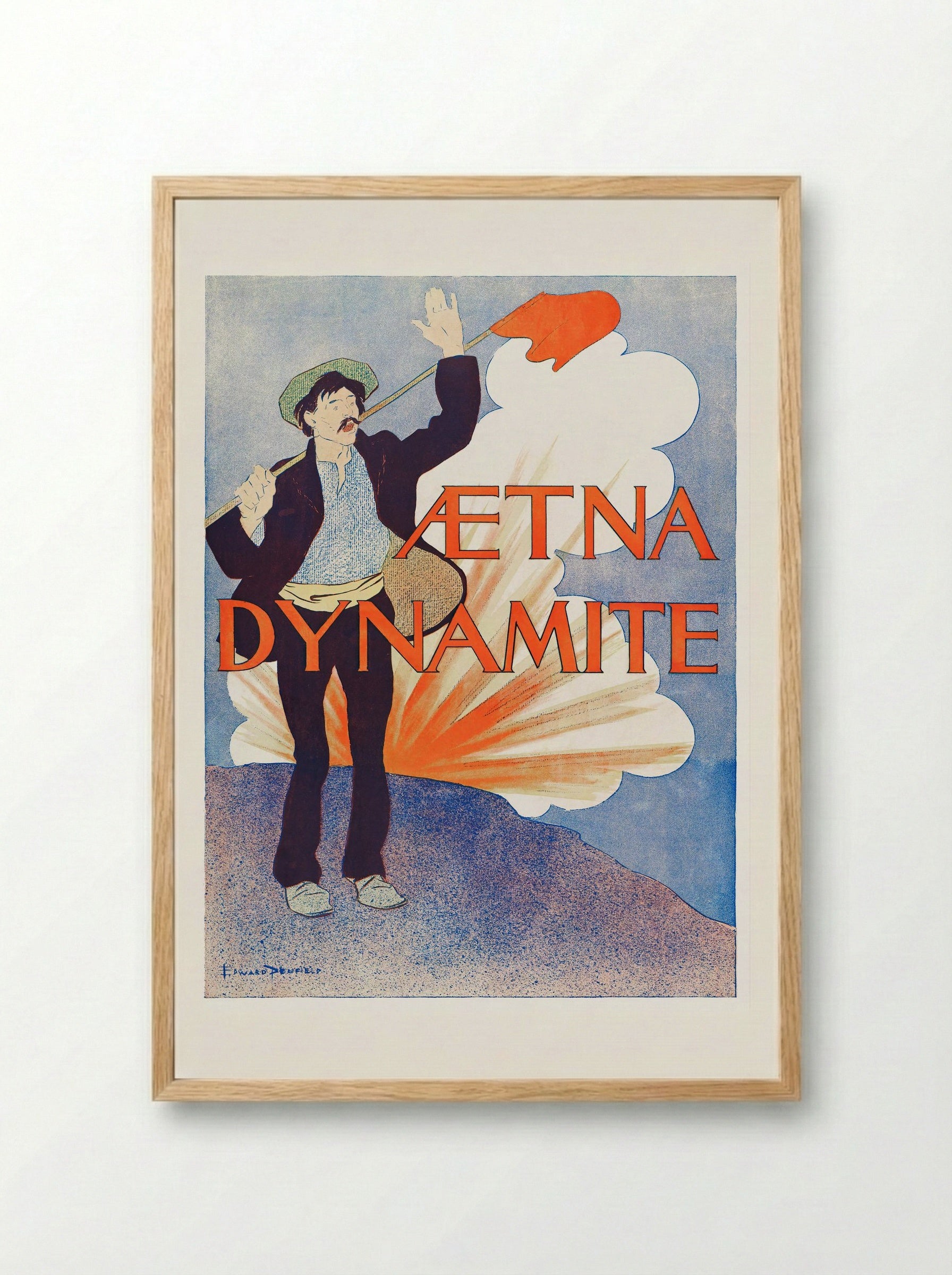
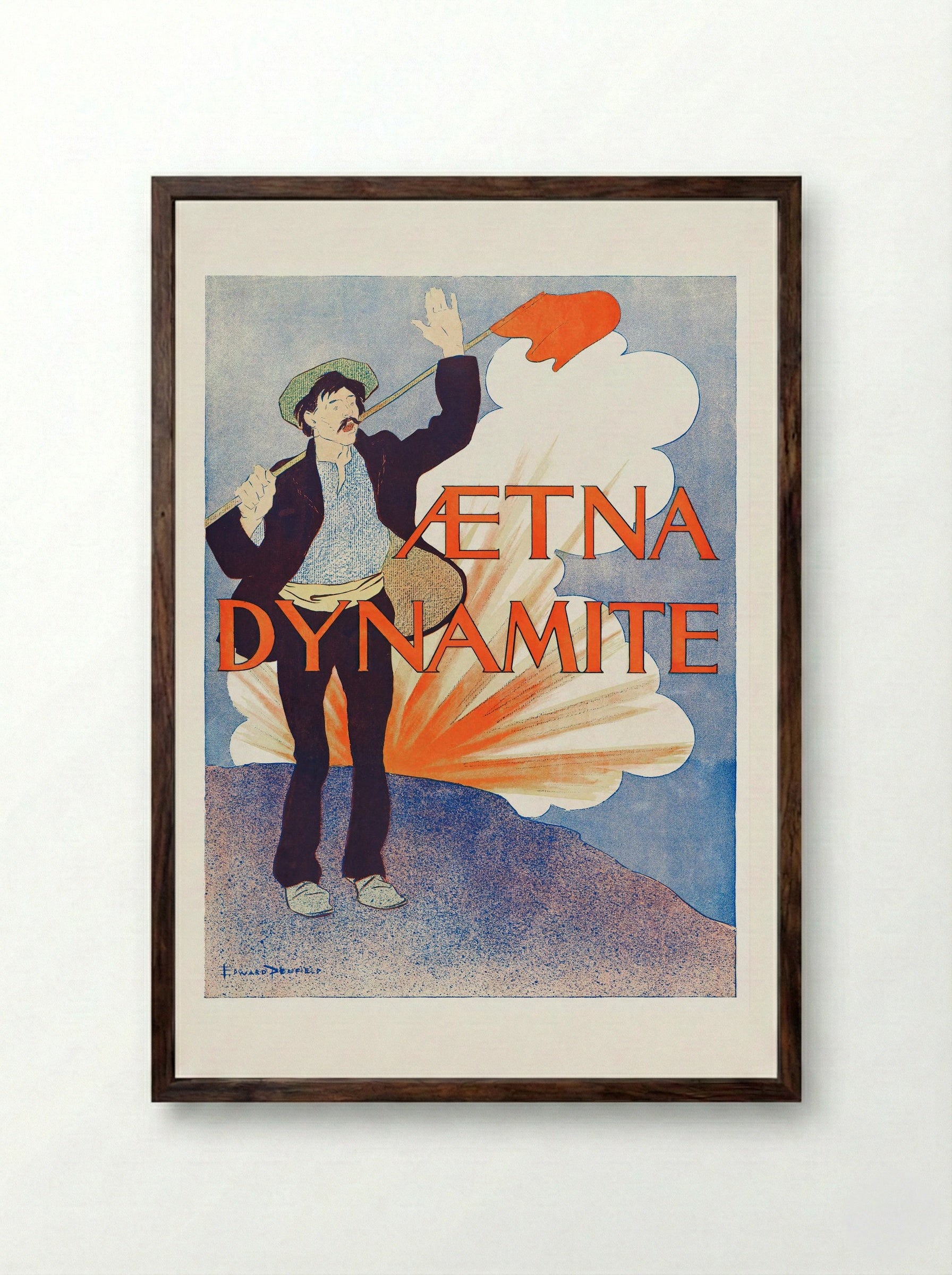
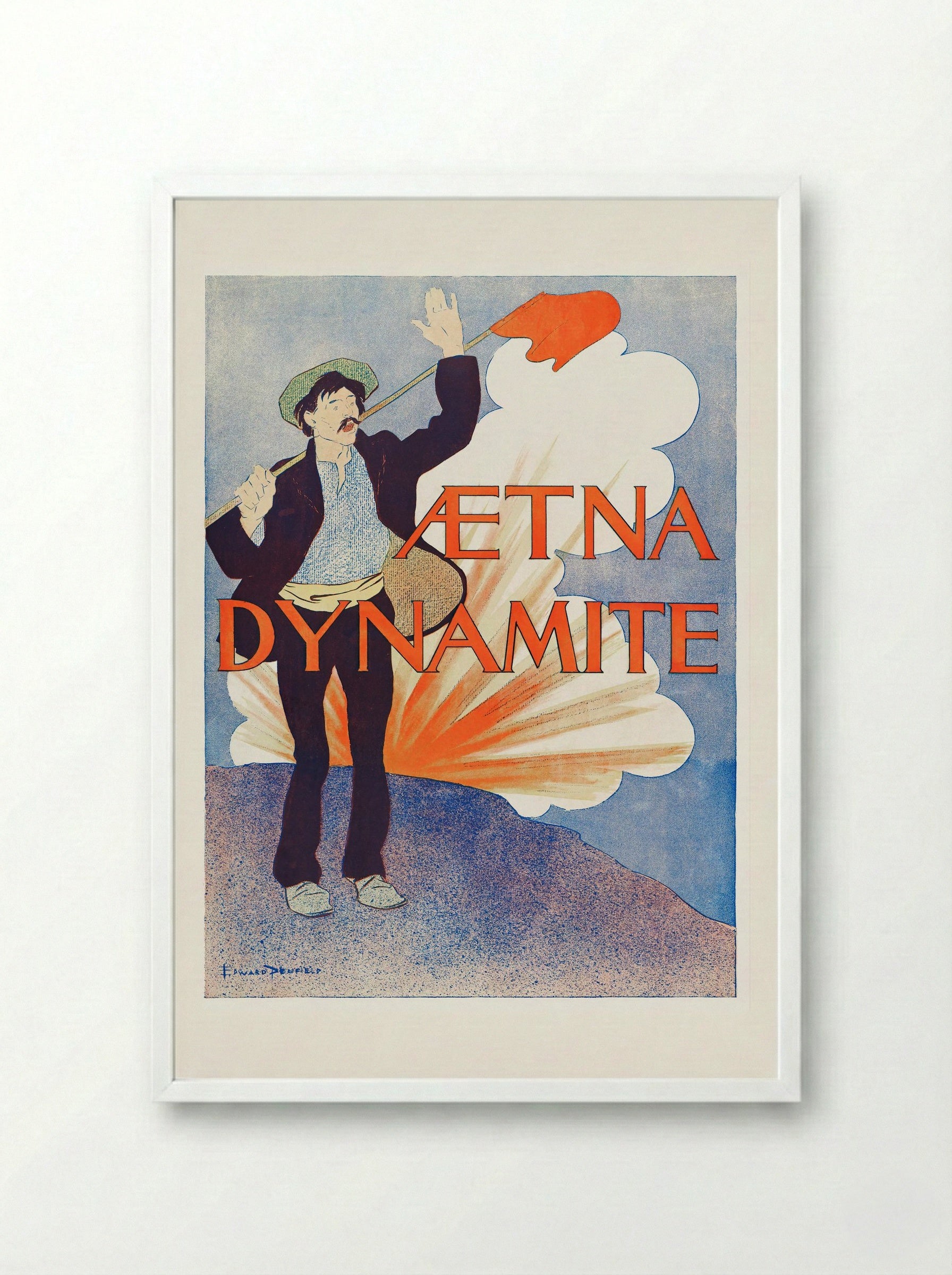
Penfield's poster for Aetna Dynamite is one of his more unusual commercial commissions: an advertisement for an explosives manufacturer. The design applies his elegant Art Nouveau style to an industrial product, a pairing that makes the poster particularly distinctive among his body of work.
Dynamite was a mainstream industrial product in the late 19th century, used extensively in mining, railroad construction, and land clearing. Alfred Nobel had patented dynamite in 1867, and by the 1890s dozens of companies manufactured it across the United States. The Aetna Powder Company was one of these manufacturers, and their decision to commission a leading poster artist reflects how broadly the 1890s poster movement reached across commercial sectors.
Penfield's design softens the product's industrial associations through aesthetic refinement. Where a trade advertisement might show dynamite in use (blasting rock, clearing stumps), Penfield's poster treats the brand name and the product category as graphic elements, prioritising visual appeal over technical demonstration. This approach, making a utilitarian product aspirational through design quality, would become standard practice in industrial advertising during the 20th century. Penfield was among the first to apply it systematically.
Often called the father of the American poster, Penfield served as art director of Harper's Magazine from 1890 to 1901, producing over 100 cover designs during that period. His style drew on Japanese woodblock printing and the French affiche tradition: flat areas of colour, bold outlines, and minimal detail. He became one of the most recognised illustrators of the American Art Nouveau movement, and his wartime posters remain some of the most widely studied examples of early 20th-century graphic propaganda.
This fine art reproduction is printed on museum-grade stock, faithful to the original's bold colours and graphic simplicity.
Because every print is made to order, we don't offer change-of-mind returns, refunds or exchanges. If your order arrives faulty, damaged or incorrect, we'll replace it free of charge — just contact us within 48 hours of delivery. See our refunds page for full details.
We ship worldwide, printing at the production hub nearest to your delivery address. Delivery times and costs vary by destination — you'll see the options available to you at checkout.
Each print is produced to order using 12-colour giclée printing on FSC-certified archival paper. Designed in Britain and printed at your nearest production hub to reduce waste and speed up delivery.

Artist Biography
Our Features
Designed for Lasting Impact
Every Solis piece is made to order with archival, gallery-quality materials built to last.
To keep your artwork looking its best:
Museum-grade giclée on FSC-certified archival matte paper, with framed and canvas options.
Made to order
Every piece is printed to order. These are the five finishes, and what makes each one different.
From £28
A giclée print on 200gsm matte fine art paper, using a twelve-colour process for accurate, fade-resistant colour. Supplied unframed, delivered flat or rolled.

From £45
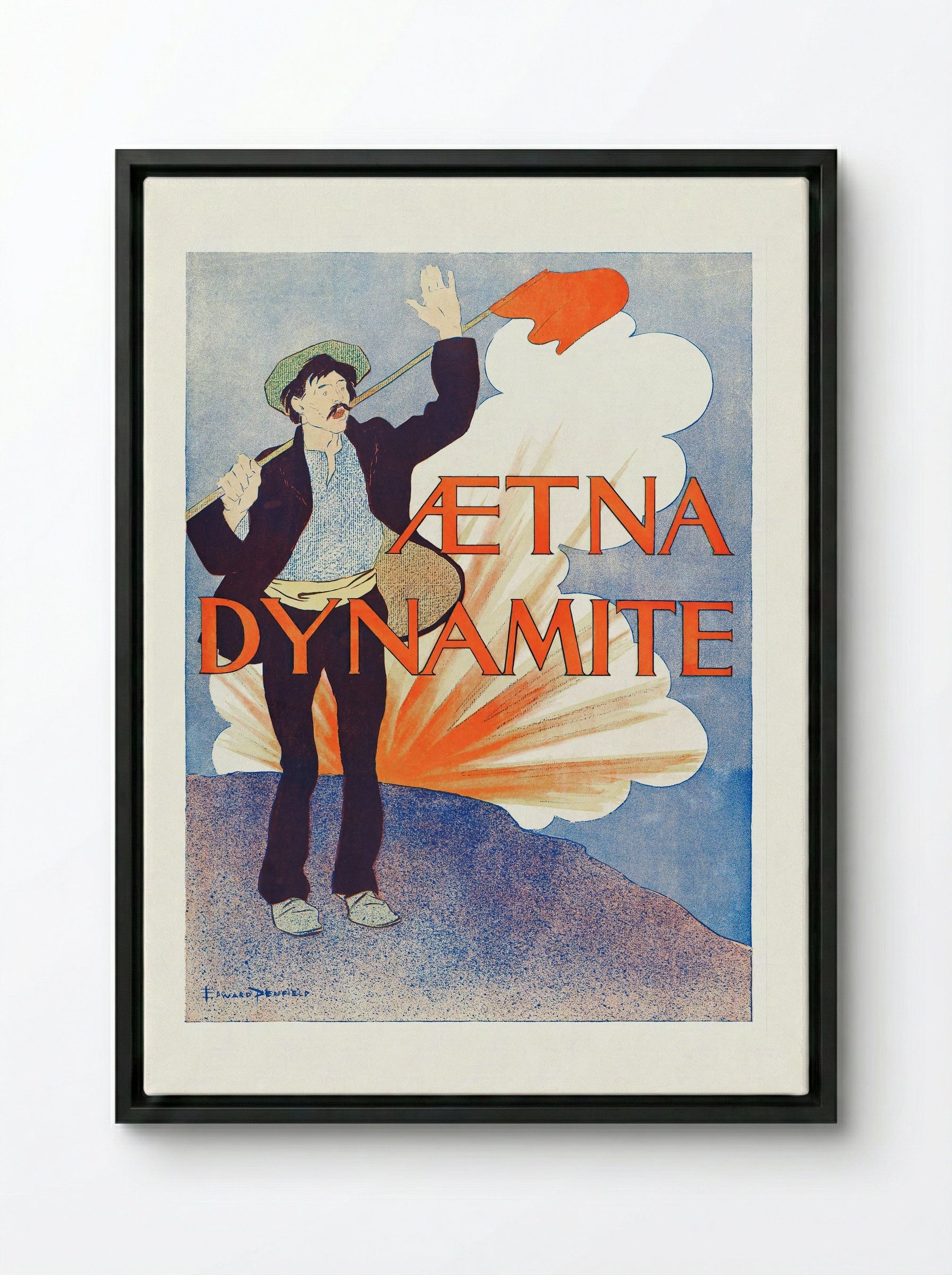
The same fine art print in a solid wood frame with UV-protective acrylic glaze and rigid backing. Five frame colours. Arrives ready to hang.

From £85
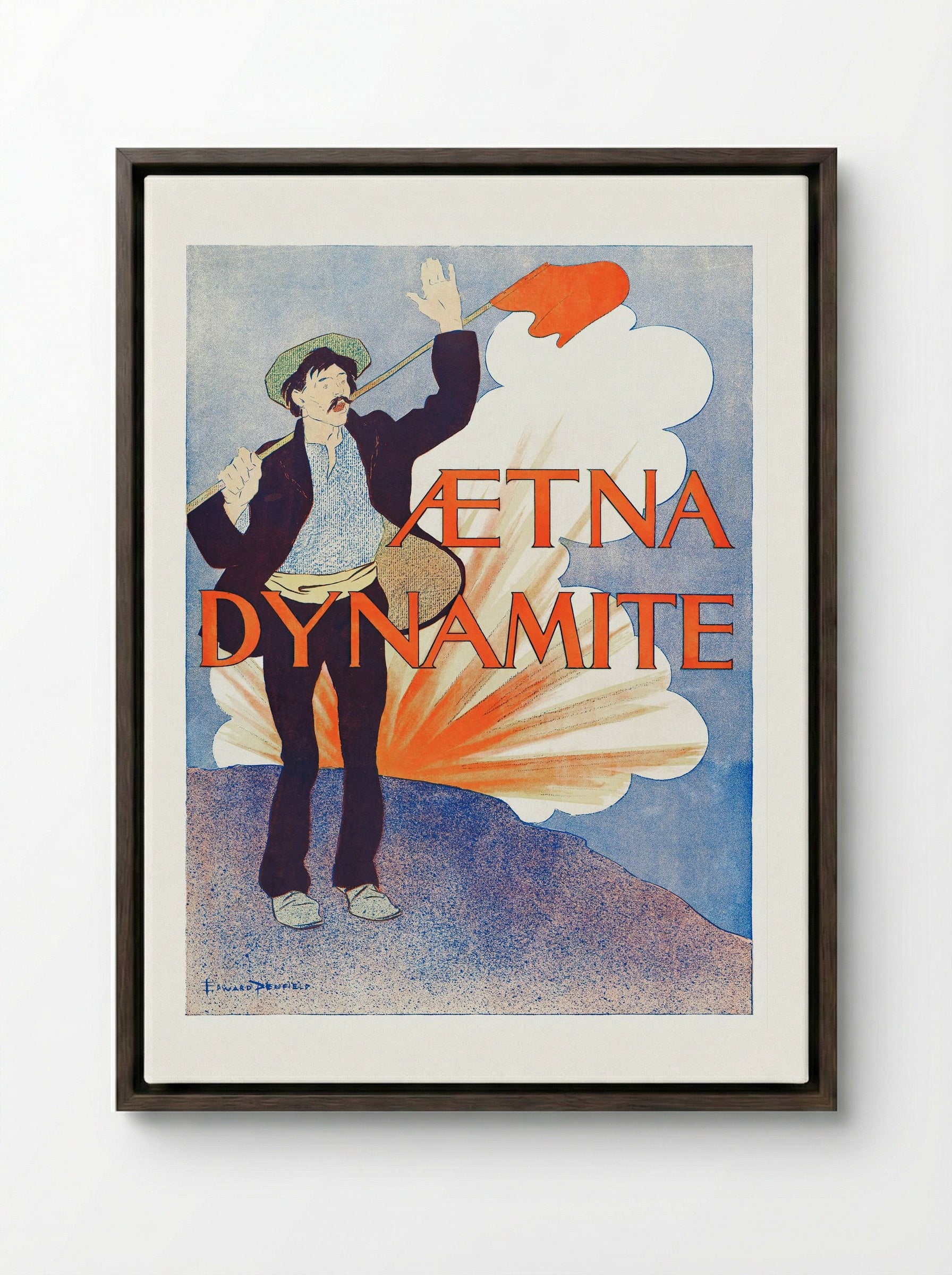
A deeper solid wood frame: 33mm deep with a 20mm face and Perspex glaze. The print sits unmounted for a clean gallery presentation. Black, white or natural.

From £30
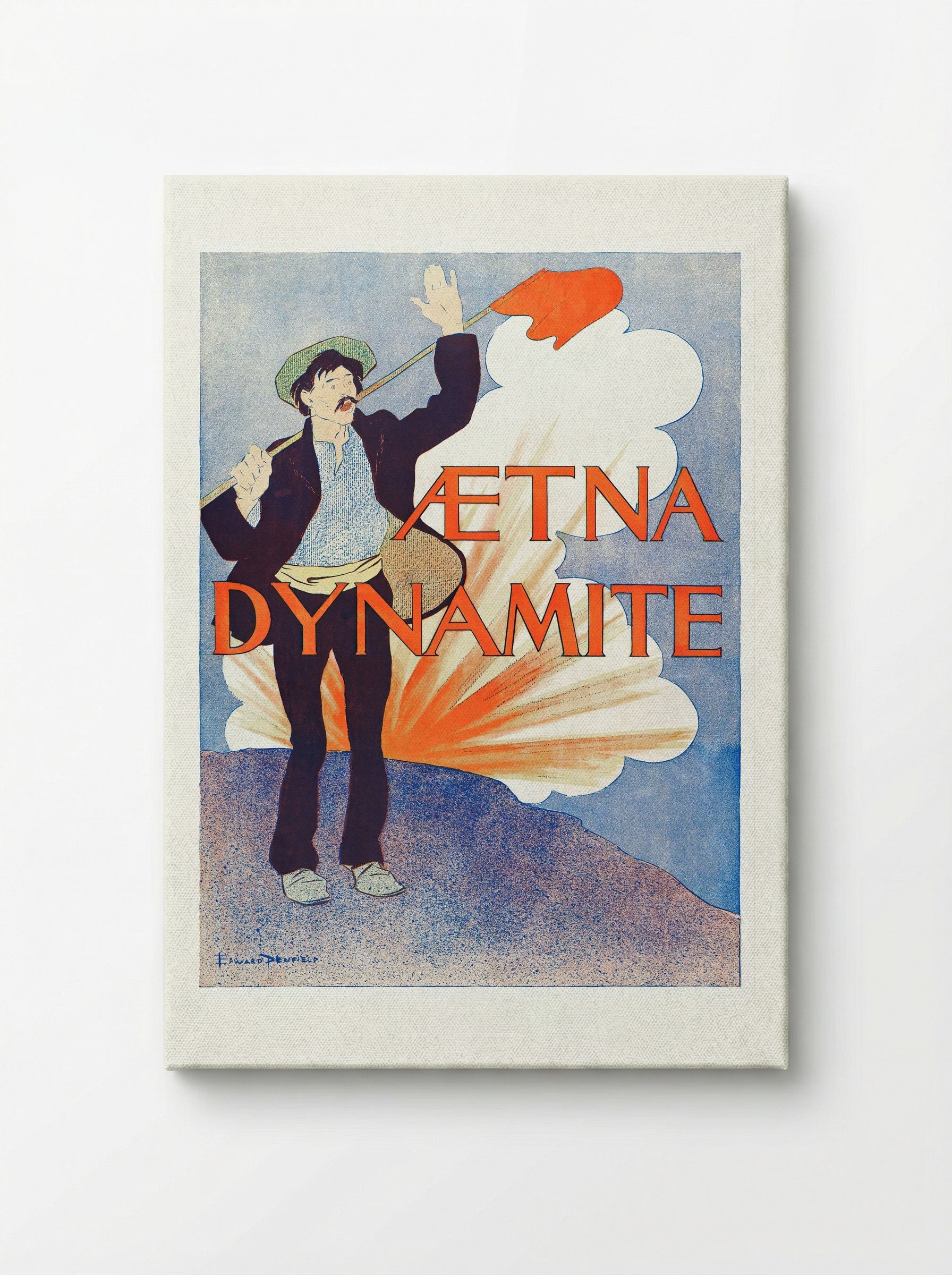
Hand-stretched canvas with neat gallery-wrapped edges, giving the artwork surface texture and depth. Arrives ready to hang.

From £135
Stretched canvas set in a floating wood frame, our most substantial finish. Arrives ready to hang.
Why Choose Us ?
Damage-free delivery guarantee
Fast Shipping
Museum-Quality Materials
Artist Biography
Edward Penfield
You May Also Like
We use cookies to measure our marketing and see which prints people love.We use cookies to measure our marketing.
By continuing to browse, you agree · Privacy Policy