

1869–1952 · British
William Lee Hankey

Notable Works
Tap to view larger.
Next stop
Browse the movements →
Every movement in the collection, from the Renaissance to Pop art.
Related Artists



Frequently Asked Questions
What is William Lee Hankey's most famous work?
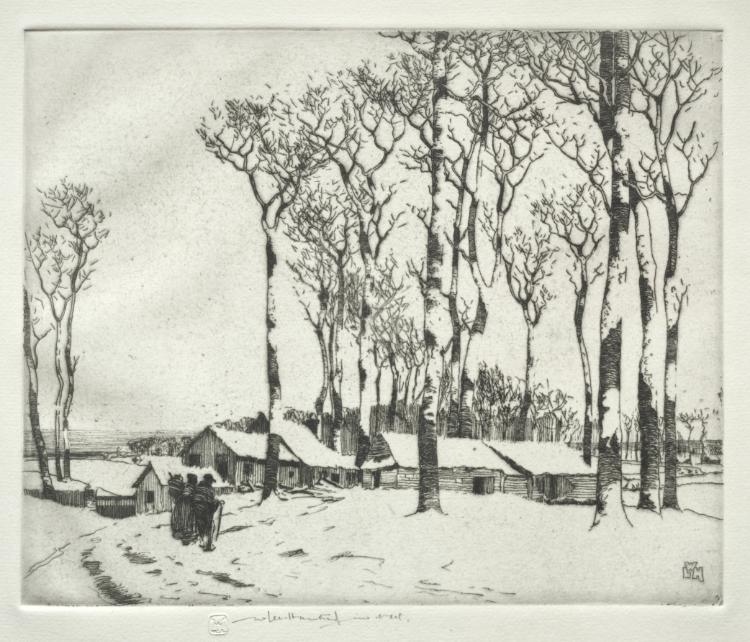
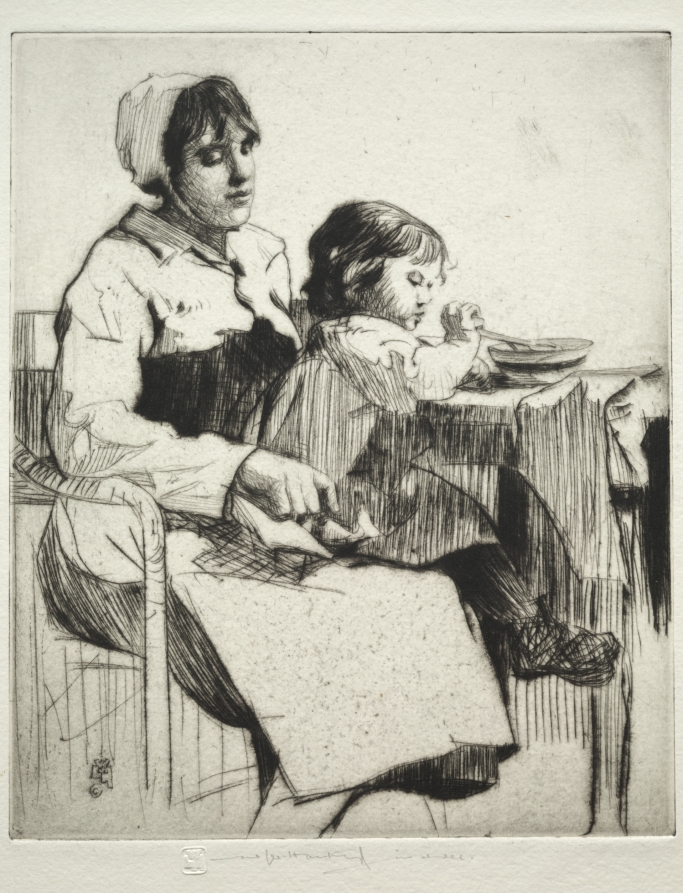
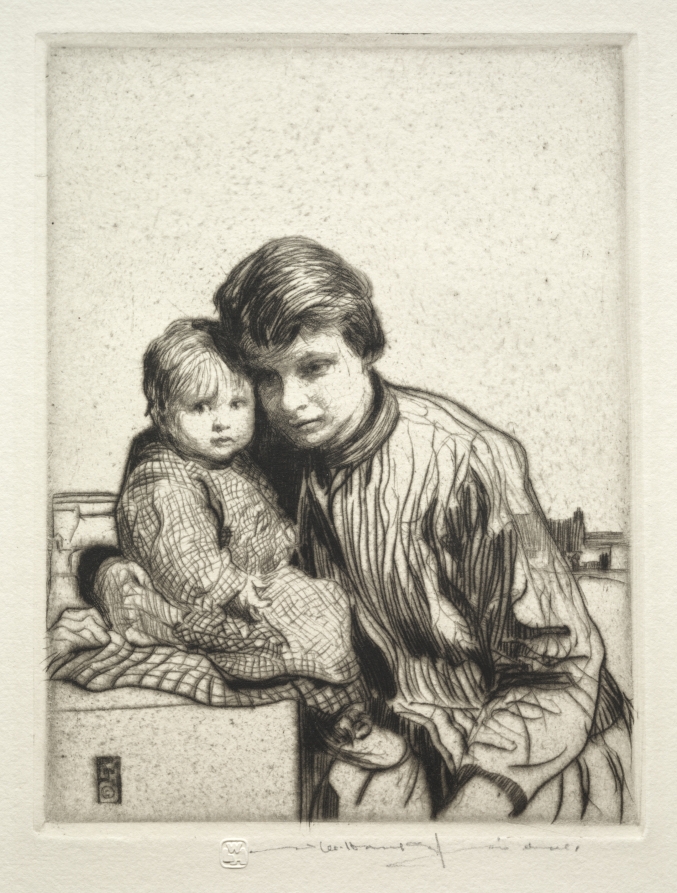
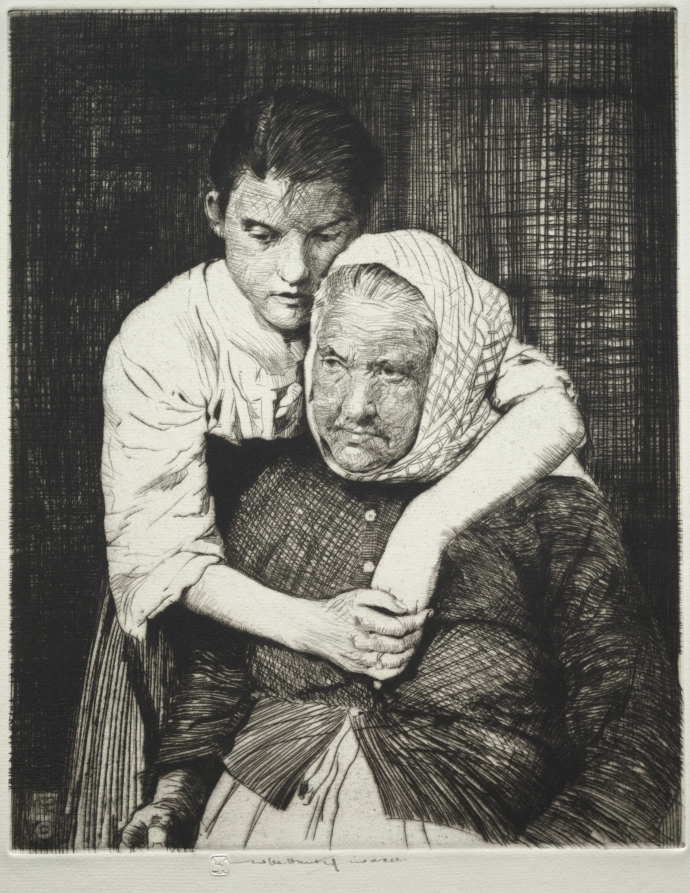
It is difficult to name one single work as William Lee Hankey's most famous. He was a prolific artist who produced a large number of paintings, etchings, and watercolours. Hankey is best known for his depictions of women and children, often in domestic or outdoor settings. These works often have a sentimental quality, and they proved popular with the public during his lifetime. He also produced many scenes of continental Europe, particularly France and Italy, that show peasant life. Some of his more recognised pieces include "The Goose Girl", "Mother and Child", and "A French Peasant Woman". However, his popularity has fluctuated since his death, and there is no one painting that is universally recognised as his masterpiece. His body of work, taken as a whole, is what defines his artistic output.What should I know about William Lee Hankey's prints?
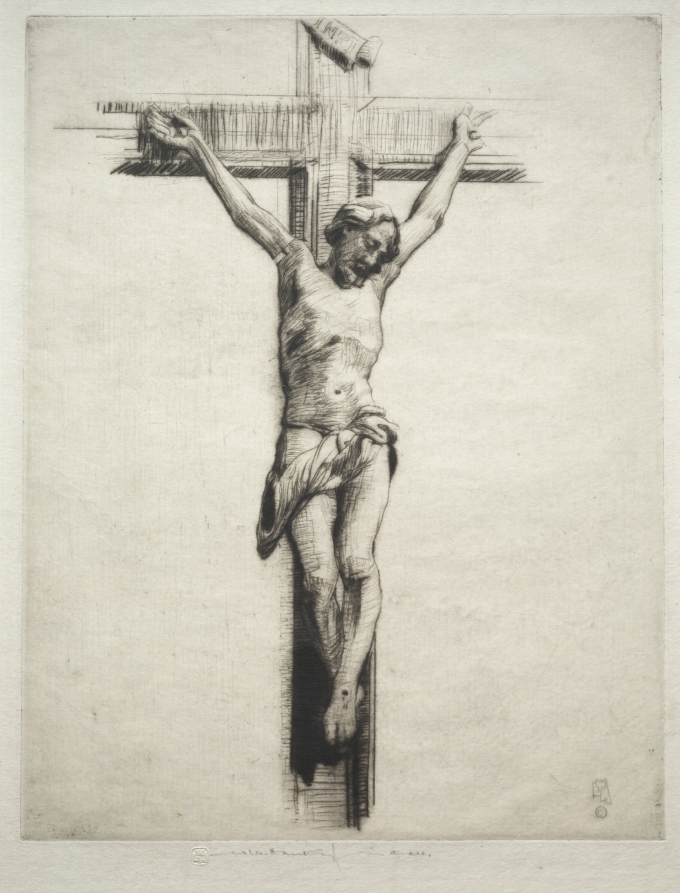
William Lee Hankey was a painter and printmaker, known for his images of women and rural life. When buying his prints, there are several factors to consider. Original prints are often sold in limited editions. The number of prints in an edition can affect the price, with smaller editions sometimes being more prized by collectors. The artist usually makes the decision to limit an edition, rather than the medium itself imposing a restriction. Each print in a limited edition is typically numbered, titled, and signed in pencil by the artist. The edition number is written as a fraction on the bottom left margin of the print, the title in the centre, and the signature on the right. These conventions are not legally binding, but are widely respected within printmaking. The price of prints can vary considerably, depending on the artist's reputation, the image's popularity, and the quality of materials used.What style or movement did William Lee Hankey belong to?
William Lee Hankey (1869-1952) was an English painter and printmaker. He is usually associated with the Impressionist movement, although elements of academic realism are present in his work. Hankey's style incorporates aspects of both. Impressionism is evident in his use of light and colour, and in his focus on everyday subjects. He often depicted scenes of rural life, mothers with children, and landscapes. These subjects align with Impressionist interests. However, Hankey also maintained a strong sense of form and detail, a characteristic more aligned with academic training. His figures are carefully drawn, and his compositions are well structured. This blending of styles perhaps reflects his training and the artistic climate of the late 19th and early 20th centuries, when Impressionism was gaining acceptance but academic traditions remained influential. He produced many etchings and watercolours, media well suited to his style. He is known for his sensitive portrayals of people and places, and his ability to capture the atmosphere of a scene.What techniques or materials did William Lee Hankey use?
William Lee Hankey was a painter and printmaker, known for his skill in various media. Artists make important choices about media and techniques. Understanding these choices helps us better understand the artwork. In painting, artists' quality paints are always preferable. Lesser quality paints lack satisfying colour saturation and permanence. The artist's choice of brushes is also important. Hog hair brushes are favoured for their springy resistance against the canvas. The bluntness of well-worn hog hair brushes enables a broader, more expansive use of oil paint. Artists also prepare the surfaces they work on. Primed canvas, gessoed MDF, and primed canvas stuck to MDF are all options. Some artists find it rewarding to prime and stretch their own canvases. This allows them to guarantee the quality they want and focus their energies.What was William Lee Hankey known for?
William Lee Hankey (1869-1952) was an artist who worked in both watercolour and oil paint, and was also a printmaker. He is known for his images of women and children, often in domestic or rural settings. Hankey studied at the Westminster School of Art and the Royal College of Art. Early in his career, he worked as a magazine illustrator. During the First World War, he served in the Artists' Rifles, and was later commissioned as a lieutenant. He produced many war-related images during this period. After the war, Hankey travelled extensively in Europe, particularly in France and Italy. These trips provided inspiration for many of his later works. He developed a style characterised by loose brushwork and a muted colour palette. His prints, often etchings or aquatints, show considerable skill, and were popular with collectors. He exhibited widely, including at the Royal Academy and the Paris Salon.When did William Lee Hankey live and work?
William Lee Hankey was born in Chester in 1869. He later died in London in 1952. Hankey's artistic career began in the late 19th century and continued into the mid-20th century. He studied at the Chester School of Art and later at the Royal College of Art. Hankey became known for his etchings, watercolours, and oil paintings, often depicting scenes of everyday life, landscapes, and figures. He gained recognition for his work during the late 19th and early 20th centuries, exhibiting widely in Britain and internationally. Hankey was associated with the Etching Revival movement and was elected to the Royal Society of Painters in Water Colours and the Royal Society of Painter-Etchers.Where can I see William Lee Hankey's work?
William Lee Hankey's paintings and prints can be found in numerous public and private collections. Examples of his work are held by institutions in the United Kingdom, such as the Laing Art Gallery in Newcastle upon Tyne, the National Portrait Gallery, and the Imperial War Museum. Outside the UK, Hankey's art has been collected by institutions such as the Musée d'Orsay in Paris, which holds his painting "Le chapeau rouge". The Auckland Art Gallery Toi o Tāmaki in New Zealand also possesses examples of his prints. Many other regional museums and galleries throughout Britain hold works by Hankey. These include the Russell-Cotes Art Gallery & Museum in Bournemouth, the Walker Art Gallery in Liverpool, and the Mercer Art Gallery in Harrogate. Major auction houses, such as Christie's and Sotheby's, frequently offer his paintings and prints for sale, providing further opportunities to view his art. Viewing records of past sales can provide information on the dispersal of works into private hands.Who did William Lee Hankey influence?
William Lee Hankey's artistic influence is not well documented. However, some period sources suggest possible connections and influences between Hankey and his contemporaries. The artist William Leech (1881-1968) studied under Osborne at the RHA Schools and at the Metropolitan School of Art, Dublin. In 1901, Leech went to Paris and enrolled at Julian’s; he was later influenced by the Fauves. Christopher Nevinson (1889-1946) studied at St John’s Wood Academy and the Slade, 1908-12. In 1911, he met Severini in Paris, where he studied at the Académie Julian and the Cercle Russe, mixing with Modigliani. William Nicholson (1872-1949) attended Herkomer’s School of Art at Bushey in 1888, then studied at the Académie Julian 1889-90. These artists represent a network of overlapping influences and shared locations of study.Who influenced William Lee Hankey?
The provided passages do not mention William Lee Hankey, so it is impossible to answer the question about his influences. The passages discuss Paul Klee, Joan Miró, Wassily Kandinsky, Anni Albers, Hans Hofmann, David Smith, Georges Braque, Pablo Picasso, Henri Matisse, Piet Mondrian, Fernand Leger, Paul Cezanne, Renaissance artists, Quattrocento artists, Old Masters, American masters, and African art. Klee's philosophy came from English and German Romanticism, Immanuel Kant, and German Idealism. He aimed to create his own style, ignoring modern art movements, and taught Annelise Else Frieda Fleischmann (later Anni Albers) at the Bauhaus. Albers combined hand-weaving with modern art ideas. One artist found the New York art community welcoming and formed friendships with Hans Hofmann and David Smith. These artists visited each other's studios and felt challenged by each other's work. This artist was influenced by Analytic Cubism, early Kandinsky, and Miró, as well as Matisse and Mondrian. They analysed the structure of their paintings and studied works by Leger, Renaissance and Quattrocento artists, Old Masters, American masters, and African art.Who was William Lee Hankey?
William Lee Hankey (1869-1952) was a British painter and printmaker, known for his works in watercolour, oil, and etching. He often depicted scenes of everyday life, with a particular focus on women and children in domestic or rural settings. His style blends realism with elements of impressionism, characterised by a delicate use of light and shadow. He studied at the Westminster School of Art and later in Paris. Hankey's artistic career gained momentum in the early 20th century, and he exhibited widely both in Britain and internationally, becoming associated with the Etching Revival movement. He gained recognition for his skill in capturing the subtleties of human expression and the atmosphere of his chosen environments. His prints and paintings are held in many public and private collections.Why are William Lee Hankey's works important today?
It is difficult to assess William Lee Hankey's importance today, as the provided texts do not directly discuss his work or legacy. The passages focus instead on the reputations and cultural importance of American poets William Carlos Williams and Frank O'Hara, analysing the reception and republication of their works, as well as their influence on subsequent generations of writers. Mentions are made of critical studies, anthologies, and public recognition events that have contributed to their sustained presence in literary circles. The texts also touch on Williams's relationships with visual artists, such as Stuart Davis and the sculptor Constantin Brancusi, exploring the dialogue between different artistic mediums and the impact of these interactions on creative expression. These details offer insights into the evolving appreciation of artistic figures and the dynamics of influence within artistic communities.