



Paulus Potter
- Baroque
- Delft school
Paulus Potter achieved international fame before his death from consumption at twenty-nine. Unlike many Dutch contemporaries who travelled south, Potter never visited Italy. He instead used a warm, golden light to depict the flat pastures of the Netherlands. His approach was so specific that he treated animals as subjects for formal portraiture instead of mere background elements.

Biography
During his time in the Delft school and later Amsterdam, Potter developed a style defined by anatomical precision. In works such as The Bull and The Cow with the Crumpled Horn, he recorded every hair and texture with care. He positioned animals in the foreground to dominate the composition. These animals occupy the space like sitters in a group portrait, based on his direct observation of rural life.
Modern collectors value Potter for the quiet, atmospheric quality of his Dutch Baroque scenes. His smaller works, often called cabinet paintings, provide a window into seventeenth-century pastoral life. Pieces like A Cow Standing and Another Lying Down or Wild varken offer a sense of stillness. These prints are popular for contemporary interiors because they combine natural realism with a clear, welcoming palette.
Notable Works
Tap to view larger.
Next stop
Baroque →
Explore the artists and ideas of Baroque.
Paulus Potter prints
Hand-finished archival prints from Paulus Potter's body of work.
 The Cow Lying Down Near a Tree - Paulus Potter
From £28.00
The Cow Lying Down Near a Tree - Paulus Potter
From £28.00
 The Cow Urinating - Paulus Potter
From £28.00
The Cow Urinating - Paulus Potter
From £28.00
 Twee koeien van achteren gezien - Paulus Potter
From £28.00
Twee koeien van achteren gezien - Paulus Potter
From £28.00
 Koe met gedraaide hoorn (Cow with Twisted Horn) - Paulus Potter
From £28.00
Koe met gedraaide hoorn (Cow with Twisted Horn) - Paulus Potter
From £28.00
 Twee vechtende ossen - Paulus Potter
From £28.00
Twee vechtende ossen - Paulus Potter
From £28.00
 The Shepherd - Paulus Potter
From £28.00
The Shepherd - Paulus Potter
From £28.00
Related Artists
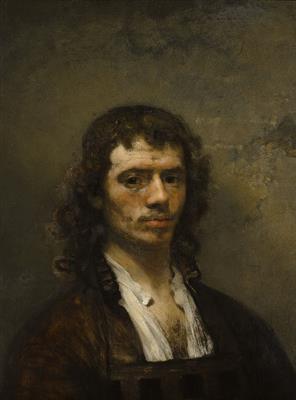


Take Paulus Potter home.
See all Paulus Potter prints →Frequently Asked Questions
When was Paulus Potter born?
Paulus Potter was born in 1625 and died in 1654.What art movement was Paulus Potter part of?
Paulus Potter was associated with Baroque and Delft school.What is Paulus Potter known for?
Paulus Potter is known for paulus Potter was a Dutch Baroque painter who transformed animal painting into a form of portraiture, using anatomical detail and golden light to capture the Dutch countryside.