


1725–1809 · British
Paul Sandby
Paul Sandby lived from 1725 until 1809. He was an artist from the United Kingdom of Great Britain and Ireland.
Biography
Solis Prints offers fine art prints of his work, including Benton Castle Looking Down the Reach to Milford Haven, Caernarvon Castle (Night), Cardiff Castle from the West, Carew Castle N. W., and Carey Castle in Pembrokeshire.
Notable Works
Tap to view larger.
Next stop
Browse the movements →
Every movement in the collection, from the Renaissance to Pop art.
Paul Sandby prints
Hand-finished archival prints from Paul Sandby's body of work.
 Episcopal Palace at St. David's - Paul Sandby
From £37.00
Episcopal Palace at St. David's - Paul Sandby
From £37.00
 Mountainous Landscape with a Castle - Paul Sandby
From £28.00
Mountainous Landscape with a Castle - Paul Sandby
From £28.00
 Luton Park, Bedfordshire - Paul Sandby
From £28.00
Luton Park, Bedfordshire - Paul Sandby
From £28.00
 Entrance into Easton Park from Dunmont - Paul Sandby
From £28.00
Entrance into Easton Park from Dunmont - Paul Sandby
From £28.00
 Conway Castle - Paul Sandby
From £28.00
Conway Castle - Paul Sandby
From £28.00
 Page's Farm, Easton Park, Essex - Paul Sandby
From £28.00
Page's Farm, Easton Park, Essex - Paul Sandby
From £28.00
Related Artists


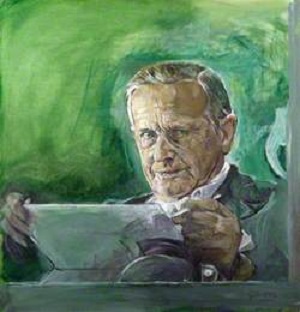
Take Paul Sandby home.
See all Paul Sandby prints →Frequently Asked Questions
When was Paul Sandby born?
Paul Sandby was born in 1725 and died in 1809.What is Paul Sandby known for?
Paul Sandby is known for paul Sandby was an artist from the United Kingdom of Great Britain and Ireland who lived from 1725 until 1809.