


Katsukawa Shunkō
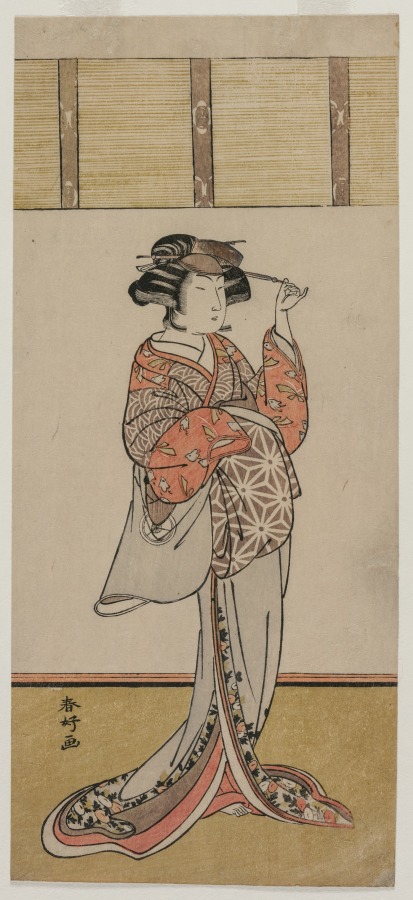
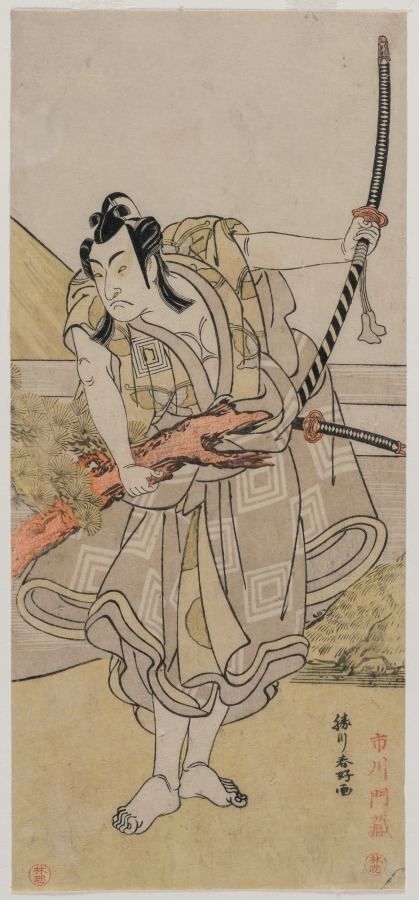
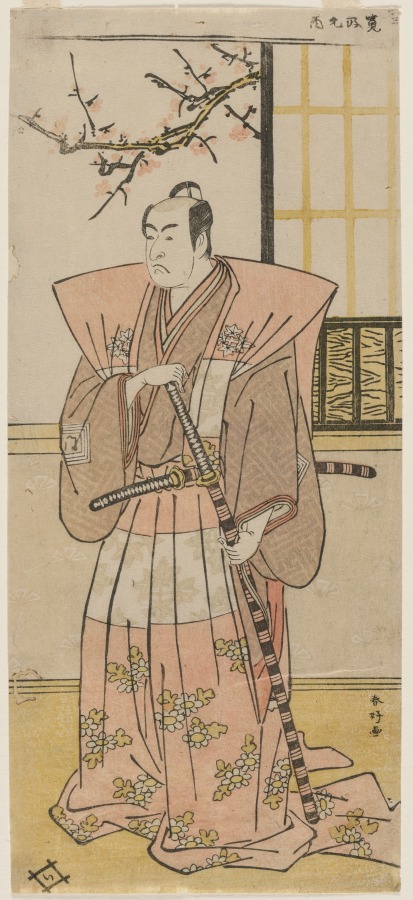
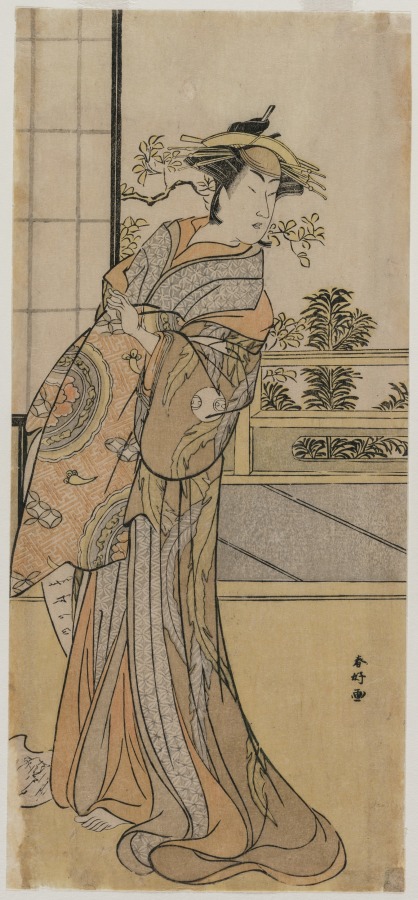
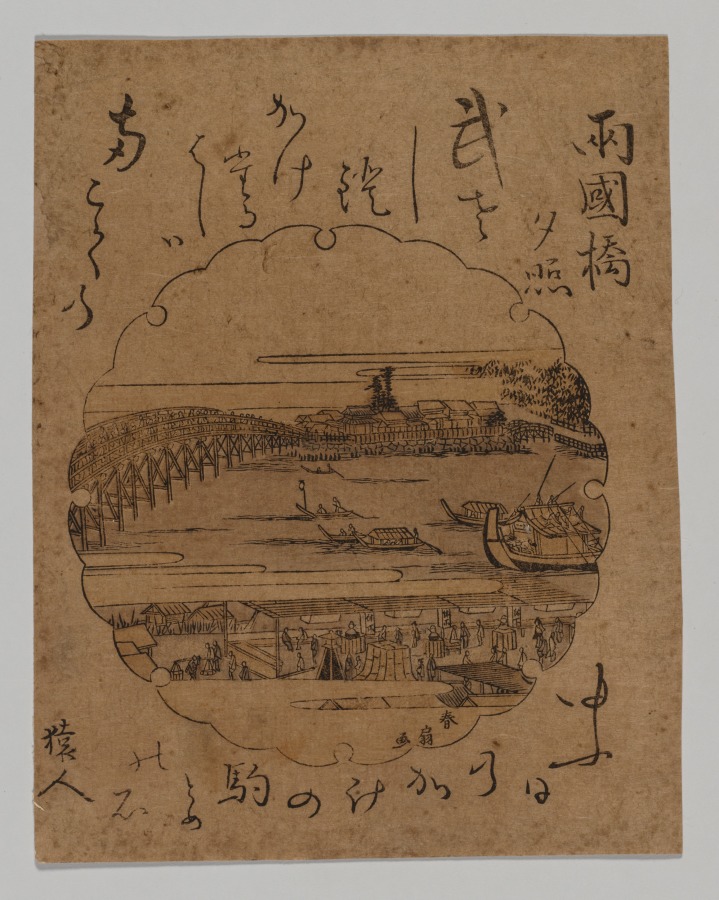
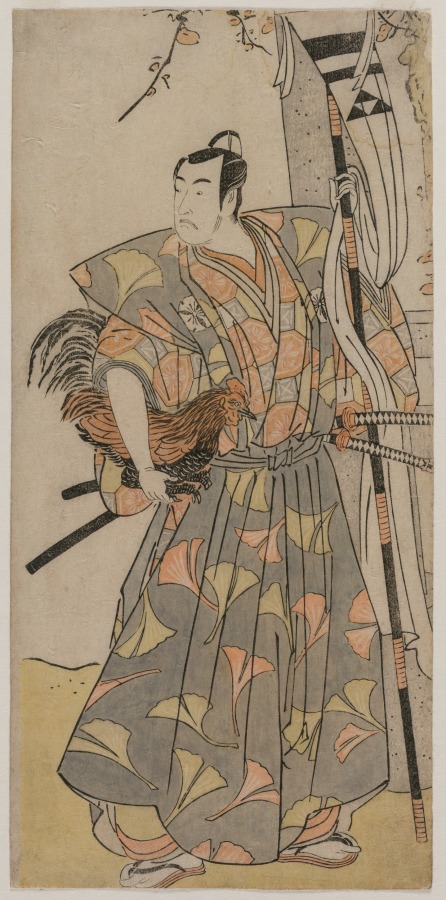
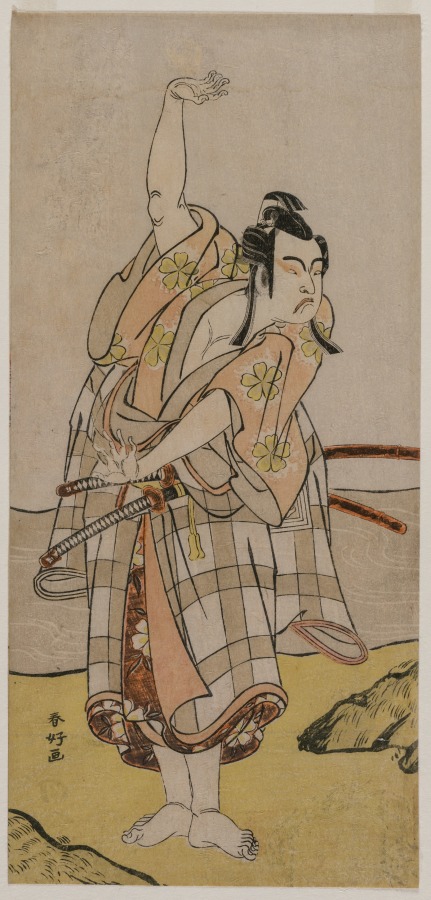
Katsukawa Shunkō (1743-1812) was a pupil of Katsukawa Shunshō. He specialised in theatrical prints and was the most prolific of his teacher's pupils in this genre. During the early 1770s, he began producing actor prints in the tall, narrow hosoban format. He also portrayed actors involved in offstage activities.
Biography
In 1787, Shunkō suffered a stroke that paralysed his right arm. He continued to work with his left arm and produced a number of large-head portraits during the 1790s. Solis Prints offers a selection of his work, including Actor Arashi Sangoro II as a Samurai, Actor Bando Mitsugoro I as Asahina, Actor Bando Mitsugoro I, Actor Faces Left, and Actor Ichikawa Danjūrō 5th as Matsuōmaru.
Notable Works
Tap to view larger.
Next stop
Browse the movements →
Every movement in the collection, from the Renaissance to Pop art.
Katsukawa Shunkō prints
Hand-finished archival prints from Katsukawa Shunkō's body of work.
 Famous Places in Owari - Katsukawa Shunkō
From £28.00
Famous Places in Owari - Katsukawa Shunkō
From £28.00
 An Actor with a Sword Ready to Strike - Katsukawa Shunkō
From £28.00
An Actor with a Sword Ready to Strike - Katsukawa Shunkō
From £28.00
 Actor Nakamura Denkūrō 2nd as a Yako - Katsukawa Shunkō
From £28.00
Actor Nakamura Denkūrō 2nd as a Yako - Katsukawa Shunkō
From £28.00
 Actor Iwai Hanshirō IV as Otani - Katsukawa Shunkō
From £28.00
Actor Iwai Hanshirō IV as Otani - Katsukawa Shunkō
From £28.00
 Actor Bando Mitsugoro I as Asahina - Katsukawa Shunkō
From £28.00
Actor Bando Mitsugoro I as Asahina - Katsukawa Shunkō
From £28.00
 Actor Faces Left - Katsukawa Shunkō
From £28.00
Actor Faces Left - Katsukawa Shunkō
From £28.00
Take Katsukawa Shunkō home.
See all Katsukawa Shunkō prints →Frequently Asked Questions
What is Katsukawa Shunkō known for?
Katsukawa Shunkō is known for katsukawa Shunkō (1743-1812) was a prolific Japanese artist who specialised in theatrical prints and produced large-head portraits after suffering a stroke.