


Juan Bautista Martínez del Mazo
Juan Bautista Martínez del Mazo entered the Spanish court through a personal connection to Diego Velázquez. He married the eldest daughter of Velázquez, Francisca, in 1633 and worked as his chief assistant for decades. This proximity allowed him to rise through the royal hierarchy, eventually succeeding Velázquez as Painter to the Bedchamber for Philip IV in 1661. His ability to mimic the brushwork and colours of Velázquez was so precise that many of his copies were mistaken for originals for centuries.

Biography
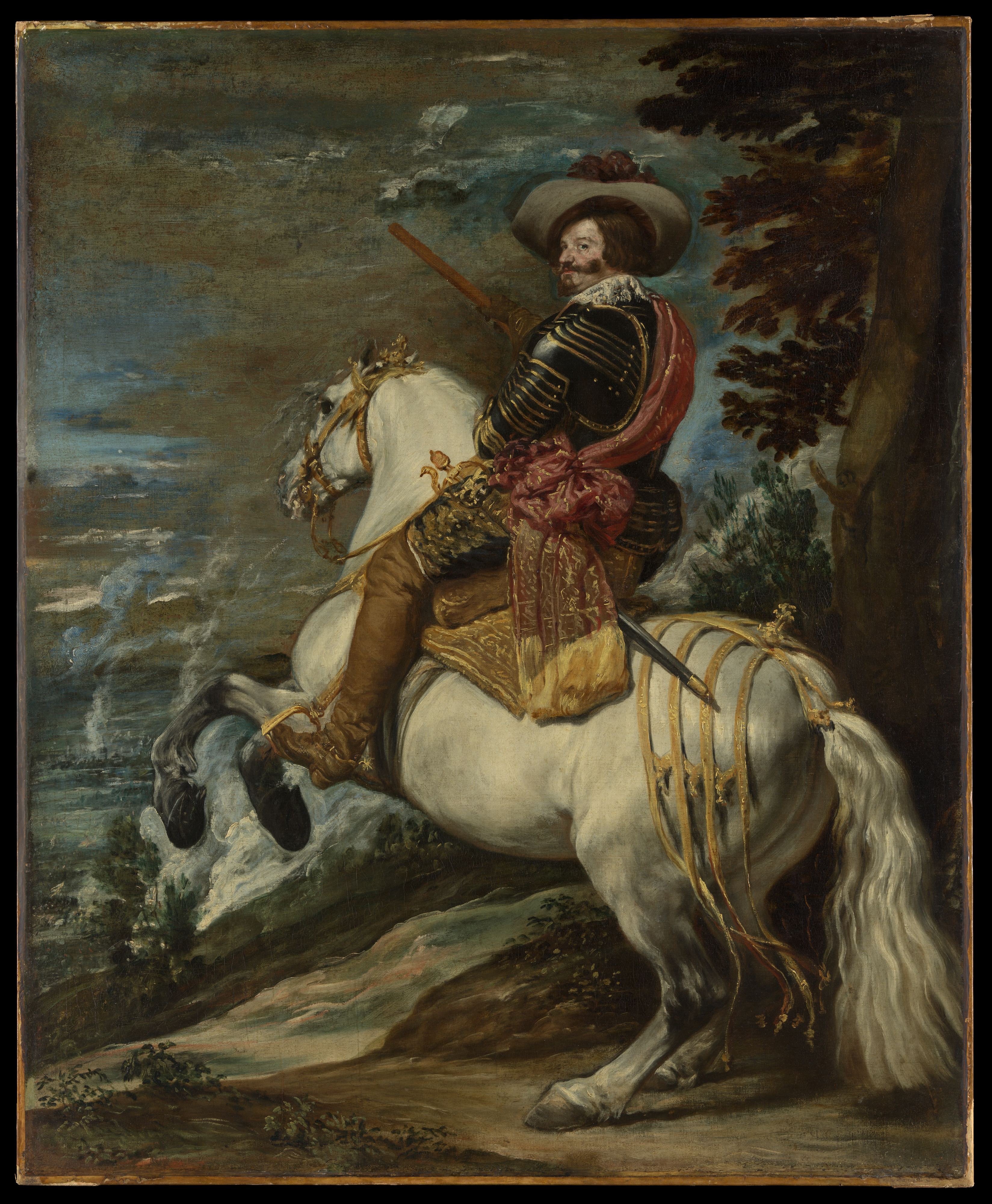
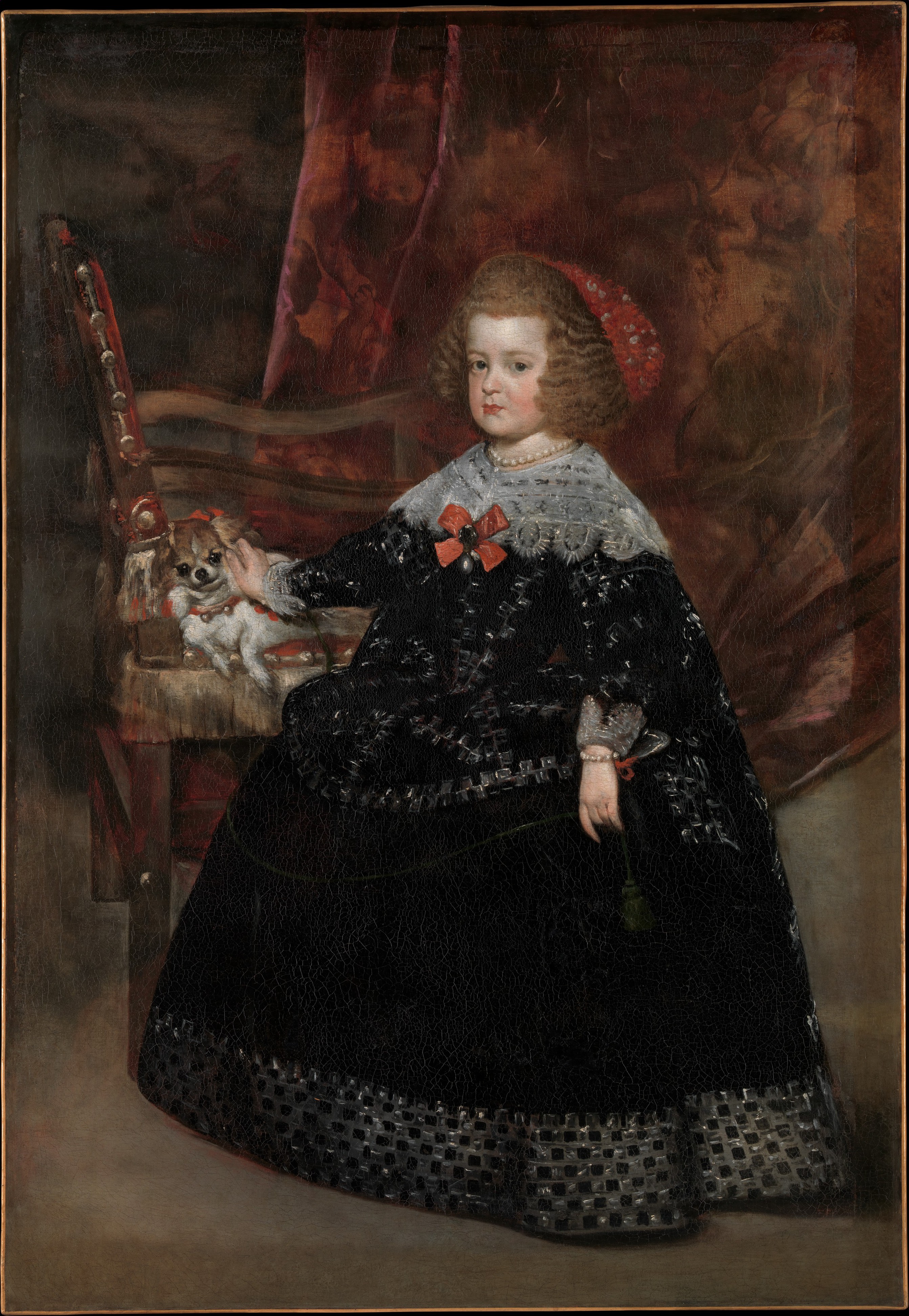
His approach relied on a remarkable adaptability to different styles. Mazo produced repetitions of royal portraits and copies of works by Titian and Rubens. While his portraiture often mirrored Velázquez, his independent work revealed a distinct personality. He was one of the few Spanish artists of the seventeenth century to focus on landscapes. These scenes used a sketchy, quick technique and a Baroque dynamism that avoided the static nature of earlier Flemish models.
Modern collectors value Mazo for his technical precision and his role in the Spanish Golden Age. His portraits of figures like the Count-Duke of Olivares and the Infanta Maria Teresa provide a direct link to the Habsburg court. These prints offer the formal dignity of Spanish court art while demonstrating the fluid brushwork that defined the Madrid school. His work provides an entry into the circle of Velázquez through the eyes of his most trusted collaborator.
Notable Works
Tap to view larger.
Next stop
Baroque →
Explore the artists and ideas of Baroque.
Related Artists


Frequently Asked Questions
What art movement was Juan Bautista Martínez del Mazo part of?
Juan Bautista Martínez del Mazo was associated with Baroque.What is Juan Bautista Martínez del Mazo known for?
Juan Bautista Martínez del Mazo is known for juan Bautista Martínez del Mazo was the son-in-law and successor of Velázquez, known for his masterful royal portraits and rare seventeenth-century Spanish landscapes.