



1792–1875 · German
Johann Adam Klein
Johann Adam Klein was an artist from the Kingdom of Bavaria. He lived from 1792 until 1875.

Biography
Solis Prints offers fine art prints of his work, including A Camp Barber, A Mounted Soldier Talking to an Unmounted Soldier, Barozzaro di Roma, Black Horses from Lincolnshire, and Camels.
Notable Works
Tap to view larger.
Next stop
Browse the movements →
Every movement in the collection, from the Renaissance to Pop art.
Johann Adam Klein prints
Hand-finished archival prints from Johann Adam Klein's body of work.
 Kozakken koken bij hun kamp - Johann Adam Klein
From £28.00
Kozakken koken bij hun kamp - Johann Adam Klein
From £28.00
 Barozzaro di Roma - Johann Adam Klein
From £37.00
Barozzaro di Roma - Johann Adam Klein
From £37.00
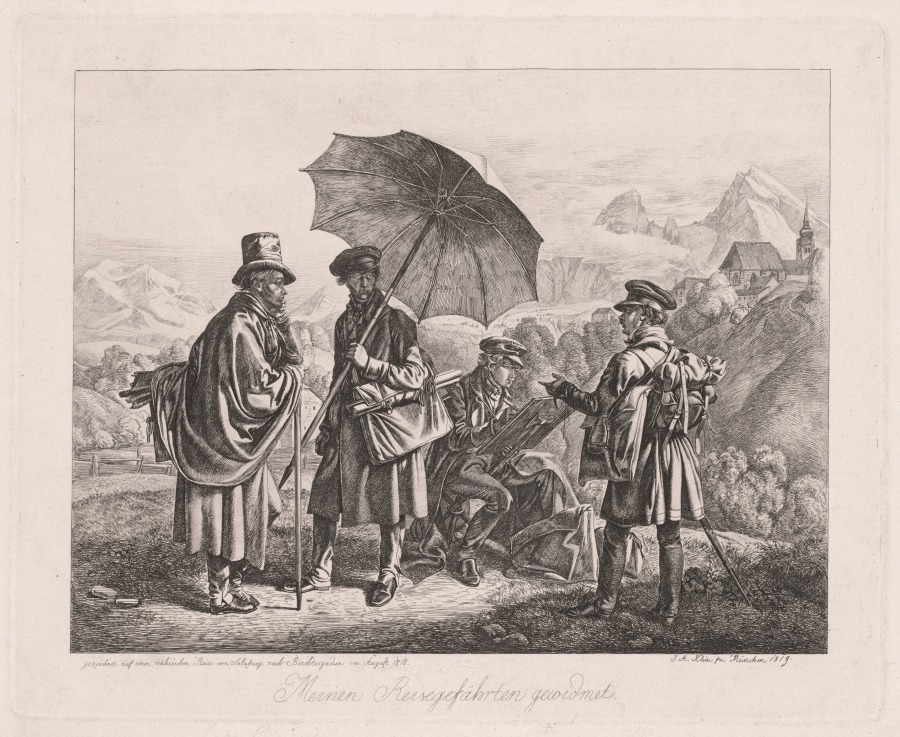
 The Artists on Their Journey - Johann Adam Klein
From £28.00
The Artists on Their Journey - Johann Adam Klein
From £28.00
 Hungarian Buffaloes and Sheep - Johann Adam Klein
From £28.00
Hungarian Buffaloes and Sheep - Johann Adam Klein
From £28.00
 Title Page (Sechs militärische Gegenstände) - Johann Adam Klein
From £28.00
Title Page (Sechs militärische Gegenstände) - Johann Adam Klein
From £28.00
 Man Seen from Behind - Johann Adam Klein
From £28.00
Man Seen from Behind - Johann Adam Klein
From £28.00
Related Artists


Take Johann Adam Klein home.
See all Johann Adam Klein prints →Frequently Asked Questions
When was Johann Adam Klein born?
Johann Adam Klein was born in 1792 and died in 1875.What is Johann Adam Klein known for?
Johann Adam Klein is known for johann Adam Klein was an artist from the Kingdom of Bavaria who lived from 1792 until 1875.