



1618–1682 · French
Jean Le Pautre
Jean Le Pautre was an artist from France. He lived from 1618 until 1682.

Biography
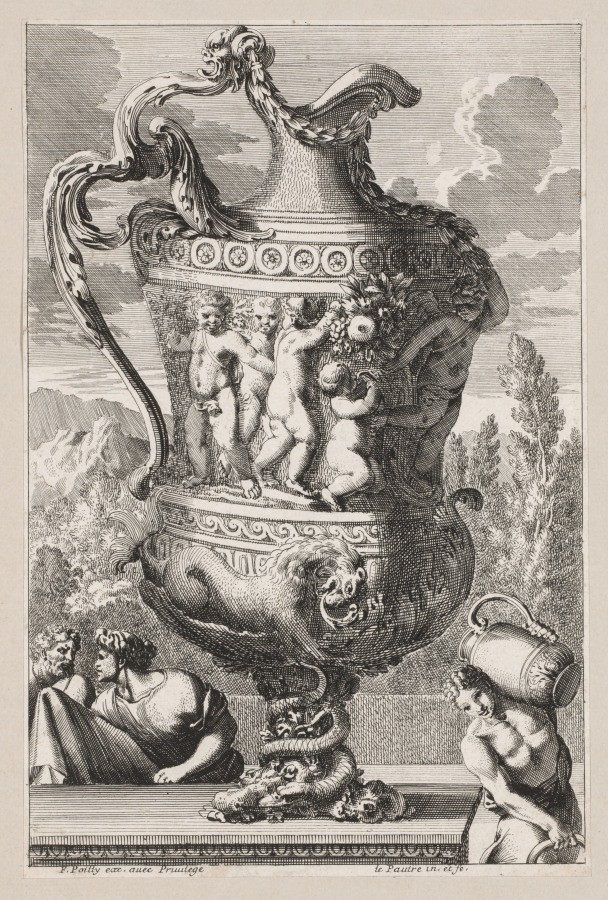
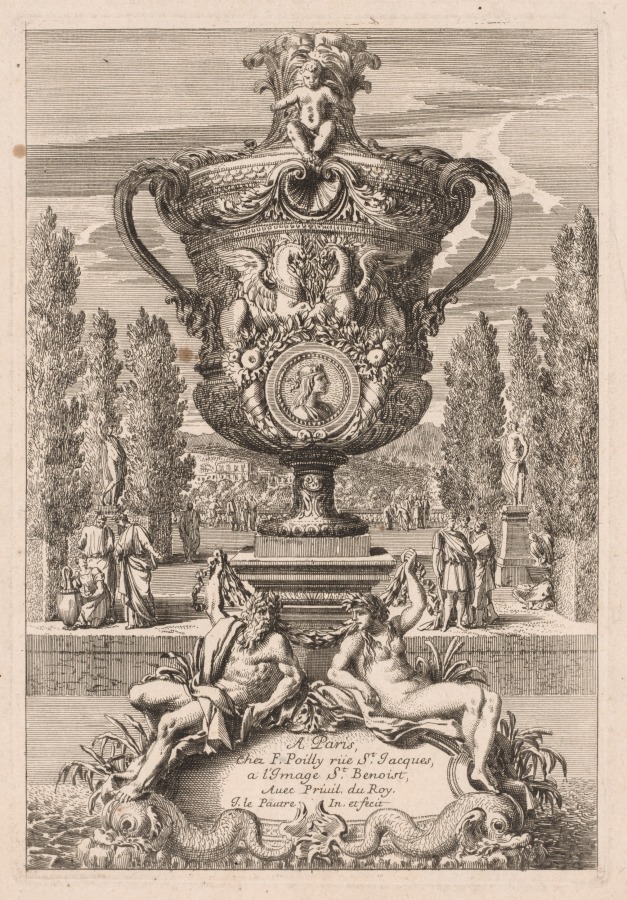
Solis Prints offers fine art prints of his work, including Aegeus Discovering His Son After Poisoning Him Through the Influence of Medea, Alcove with the Death of Cleopatra, Decorative Urn, Interior of a Church, and Kansel van opzij gezien.
Notable Works
Tap to view larger.
Next stop
Browse the movements →
Every movement in the collection, from the Renaissance to Pop art.
Jean Le Pautre prints
Hand-finished archival prints from Jean Le Pautre's body of work.
 Seconde Journée: Theatre fait dans la mesme allée - Jean Lepautre
From £28.00
Seconde Journée: Theatre fait dans la mesme allée - Jean Lepautre
From £28.00
 Kelk voor muur van kerk - Jean Lepautre
From £28.00
Kelk voor muur van kerk - Jean Lepautre
From £28.00
 Alkoof met Jozef en de vrouw van Potifar - Jean Lepautre
From £28.00
Alkoof met Jozef en de vrouw van Potifar - Jean Lepautre
From £28.00
 Muur met smalle nissen naast alkoof - Jean Lepautre
From £28.00
Muur met smalle nissen naast alkoof - Jean Lepautre
From £28.00
 Alkoof met Aigeus en Theseus - Jean Lepautre
From £28.00
Alkoof met Aigeus en Theseus - Jean Lepautre
From £28.00
 Titelblad: Plusieurs Deseings d'Autelz A la Romaine - Jean Lepautre
From £28.00
Titelblad: Plusieurs Deseings d'Autelz A la Romaine - Jean Lepautre
From £28.00
Related Artists


Take Jean Le Pautre home.
See all Jean Le Pautre prints →Frequently Asked Questions
When was Jean Le Pautre born?
Jean Le Pautre was born in 1618 and died in 1682.What is Jean Le Pautre known for?
Jean Le Pautre is known for jean Le Pautre was an artist from France who lived from 1618 until 1682.