


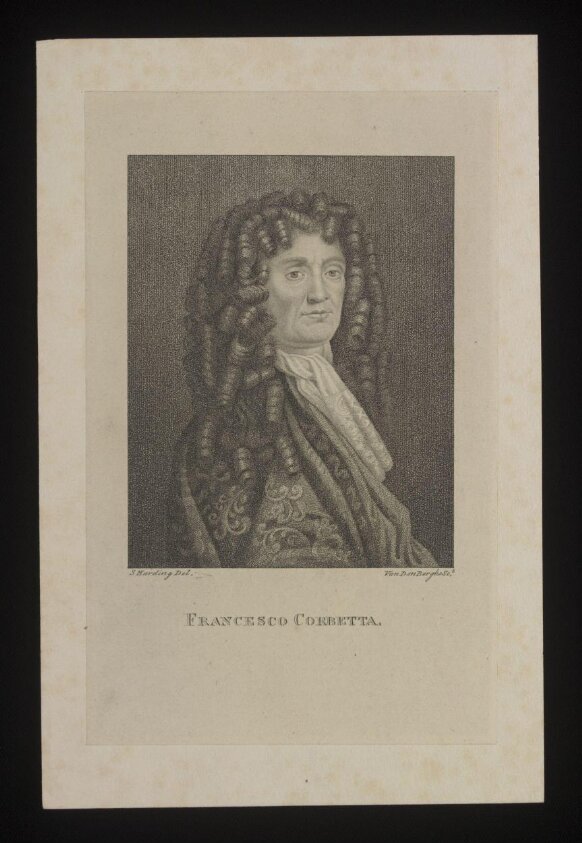
Jan van den Bergh
Jan van den Bergh, a figure of the Dutch Republic, remains a curious study for those examining the intersection of printmaking and classical mythology. While historical records often focus on his contemporaries, van den Bergh carved a niche through his specific thematic output, notably his contributions to the series Apollo's Kermis-gift. He operated during a period when the demand for allegorical prints allowed artists to experiment with narrative structures, often blending rustic festival scenes with the elevated figures of antiquity.

Biography
His artistic approach prioritises line work and structural clarity. In pieces such as Seated Old Man, he demonstrates a keen observation of human form, favouring realistic proportions over idealised features. His compositions, particularly those involving Apollo, often utilise a balanced arrangement where mythological beings occupy the same space as common folk. This stylistic choice creates a visual dialogue between the sublime and the mundane, a hallmark of his printmaking technique that relies on precise hatching to define volume and texture.
Modern collectors appreciate van den Bergh for the historical honesty of his work. His prints offer a window into 17th-century European sensibilities without the heavy artifice found in later academic traditions. The directness of his sketches and the thematic focus of his title pages provide an accessible point of entry for those seeking authentic period pieces that maintain a clear, uncluttered aesthetic.
Notable Works
Tap to view larger.
Next stop
Browse the movements →
Every movement in the collection, from the Renaissance to Pop art.
Related Artists


Frequently Asked Questions
When was Jan van den Bergh born?
Jan van den Bergh was born in 1587 and died in 1660.What is Jan van den Bergh known for?
Jan van den Bergh is known for jan van den Bergh was a Dutch printmaker known for his distinct blend of classical mythology and everyday realism in works such as Apollo's Kermis-gift.