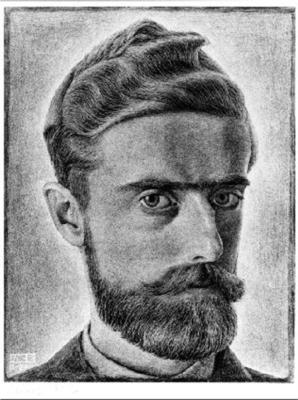
Jan Stolker
1724–1785 · Netherlands

Jan Stolker

Jan Stolker was an 18th-century Dutch artist who studied under Jan Maurits Quinkhard. He spent much of his career in Rotterdam and Amsterdam. He gained a reputation for his ability to recreate the styles of 17th-century masters. He frequently made drawings and prints based on the works of earlier painters. This practice allowed him to preserve older compositions while adding his own technical precision. He was an active member of the art community in Haarlem.

Portrait of Jan Stolker

Biography

His artistic approach combined traditional portraiture with genre scenes. He used mezzotint and etching to achieve a wide range of tones. In "Vrouw met een kaars", he employs a single light source to create dark shadows. This method shows his interest in the light effects of the previous century. His portraits of Willem I and Maurits of Orange-Nassau are formal and clear. He focused on the physical likeness and social status of his subjects.

Modern collectors appreciate the historical character of his work. These prints offer a connection to the Dutch Golden Age through an 18th-century lens. The small format of his engravings is ideal for gallery walls in a home. His genre scenes like "Rommelpotspeler" provide a glimpse into daily life. They possess a quiet authority. These pieces provide a sense of history without being overly decorative.

Frequently Asked Questions

  • When was Jan Stolker born?
    Jan Stolker was born in 1724 and died in 1785.
  • What is Jan Stolker known for?
    Jan Stolker is known for jan Stolker was an 18th-century Dutch painter and engraver known for his portraits and genre scenes that drew inspiration from the masters of the Golden Age.

Keep exploring