

Jan Caspar Philips
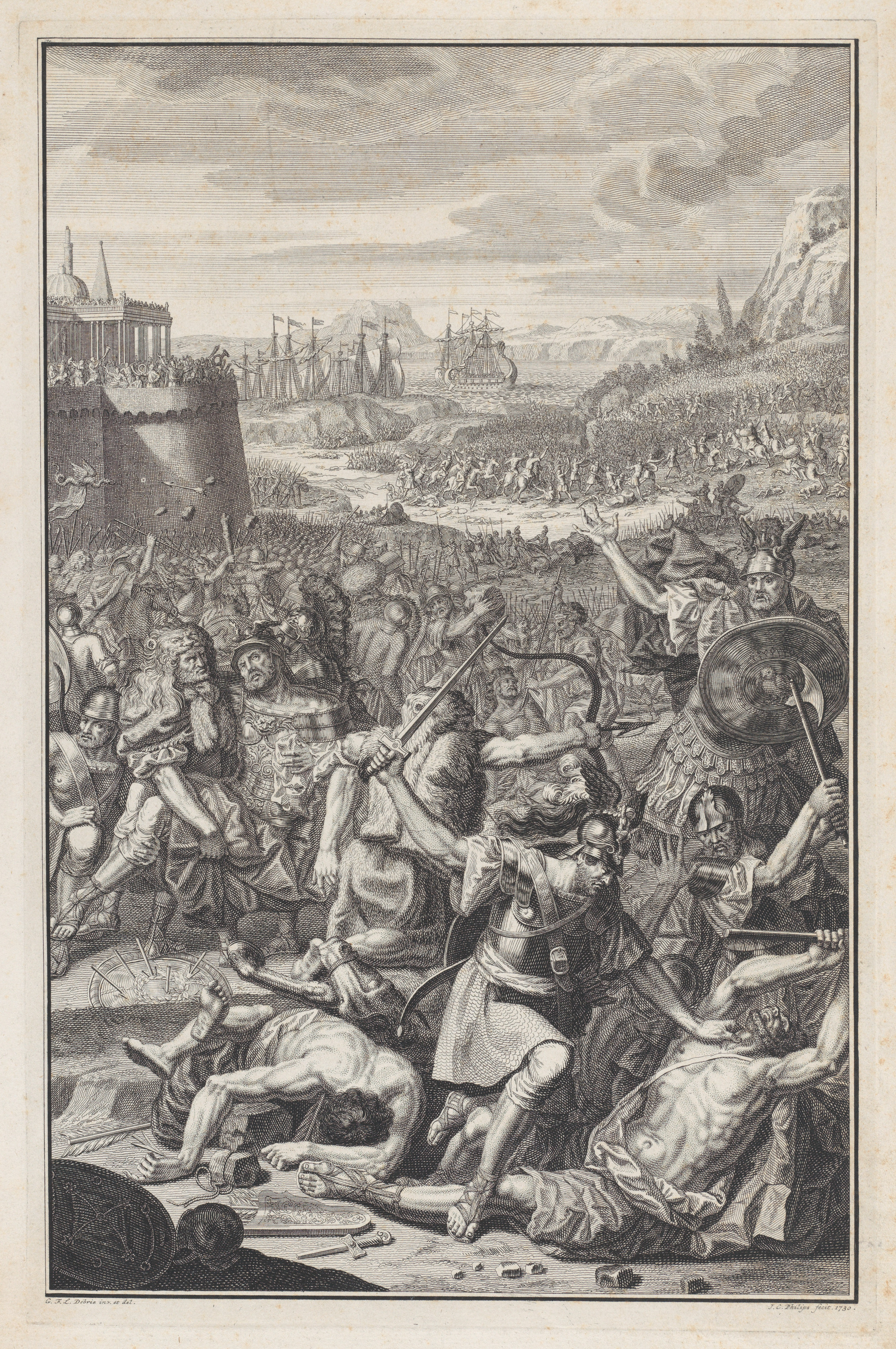
Jan Caspar Philips was an Amsterdam engraver who provided some of the earliest visual records of the Khoikhoi people in Southern Africa. Although he remained in the Netherlands, he translated the observations of explorers into detailed copperplates. These illustrations depict specific cultural practices such as cattle milking and mole hunting. He also documented traditional burial ceremonies and medical procedures. His work offered eighteenth-century Europeans a rare glimpse into a world far beyond their own borders.
.%20Graveur%20Rijksmuseum%20SK-A-2671.jpeg?width=800)
Biography
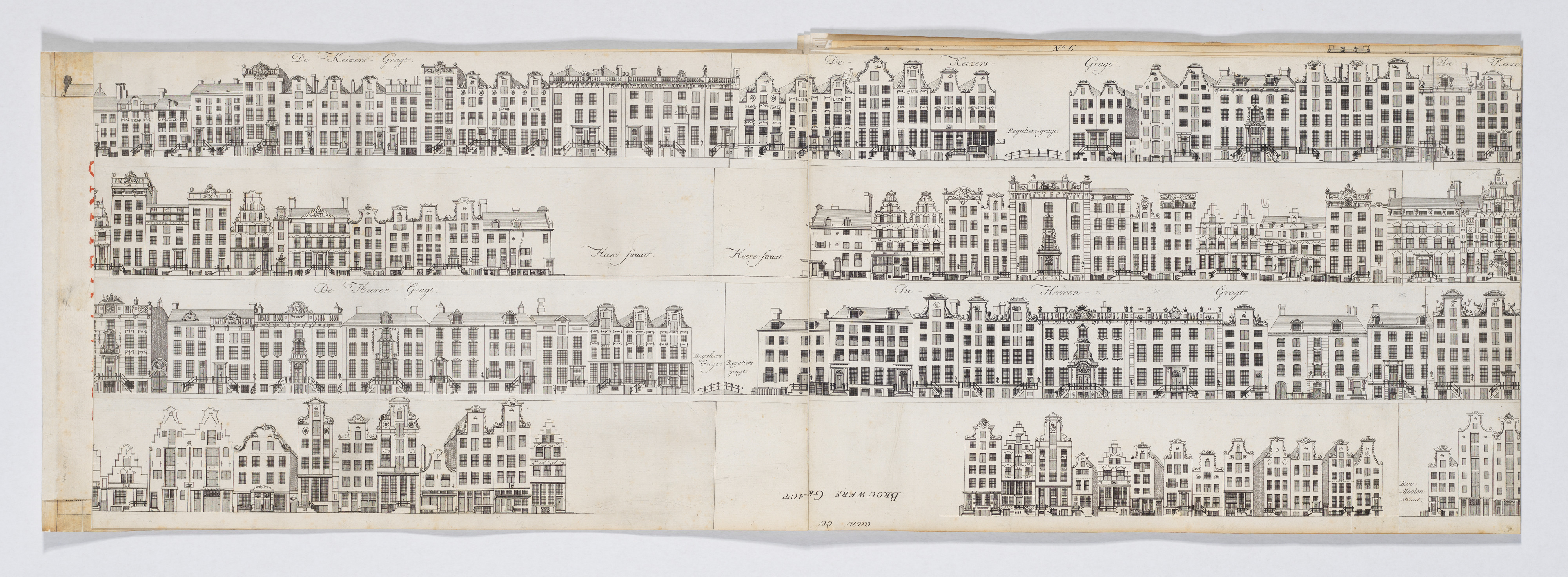
His technical skill extended to the architectural study of Dutch civic life. Philips produced precise renderings of the city halls in Haarlem and Dordrecht. These prints focus on the structural geometry of the buildings and the social activity in the surrounding squares. He avoided unnecessary ornamentation, preferring a direct style that emphasised the physical presence of the stone and brickwork in these urban centres.
Collectors today appreciate the historical accuracy and clean lines found in his engravings. His prints are windows into both the Dutch Golden Age and early ethnographic study. The monochrome palette and formal composition make these works suitable for modern spaces. They provide a sense of order and intellectual curiosity without the visual clutter found in more decorative styles of the period.
Notable Works
Tap to view larger.
Next stop
Browse the movements →
Every movement in the collection, from the Renaissance to Pop art.
Jan Caspar Philips prints
Hand-finished archival prints from Jan Caspar Philips's body of work.
 Gezicht op de haven en Westerschans te Goes - Jan Caspar Philips
From £37.00
Gezicht op de haven en Westerschans te Goes - Jan Caspar Philips
From £37.00
 Gezicht op de haven van Zierikzee - Jan Caspar Philips
From £37.00
Gezicht op de haven van Zierikzee - Jan Caspar Philips
From £37.00
 Gezicht op het stadhuis van Middelburg - Jan Caspar Philips
From £37.00
Gezicht op het stadhuis van Middelburg - Jan Caspar Philips
From £37.00
 Gezicht op de Grote Markt, het stadhuis en de Grote Kerk te Goes - Jan Caspar Philips
From £37.00
Gezicht op de Grote Markt, het stadhuis en de Grote Kerk te Goes - Jan Caspar Philips
From £37.00
 Verscheide wyzen van straf-oeffeningen by de Persianen gebruiklyk - Jan Caspar Philips
From £37.00
Verscheide wyzen van straf-oeffeningen by de Persianen gebruiklyk - Jan Caspar Philips
From £37.00
 Gezicht op de Noordmonsterkerk te Middelburg - Jan Caspar Philips
From £28.00
Gezicht op de Noordmonsterkerk te Middelburg - Jan Caspar Philips
From £28.00
Related Artists


Take Jan Caspar Philips home.
See all Jan Caspar Philips prints →Frequently Asked Questions
When was Jan Caspar Philips born?
Jan Caspar Philips was born in 1690 and died in 1775.What is Jan Caspar Philips known for?
Jan Caspar Philips is known for jan Caspar Philips was an eighteenth-century Dutch engraver known for his precise architectural views and early ethnographic illustrations of the Khoikhoi people.