

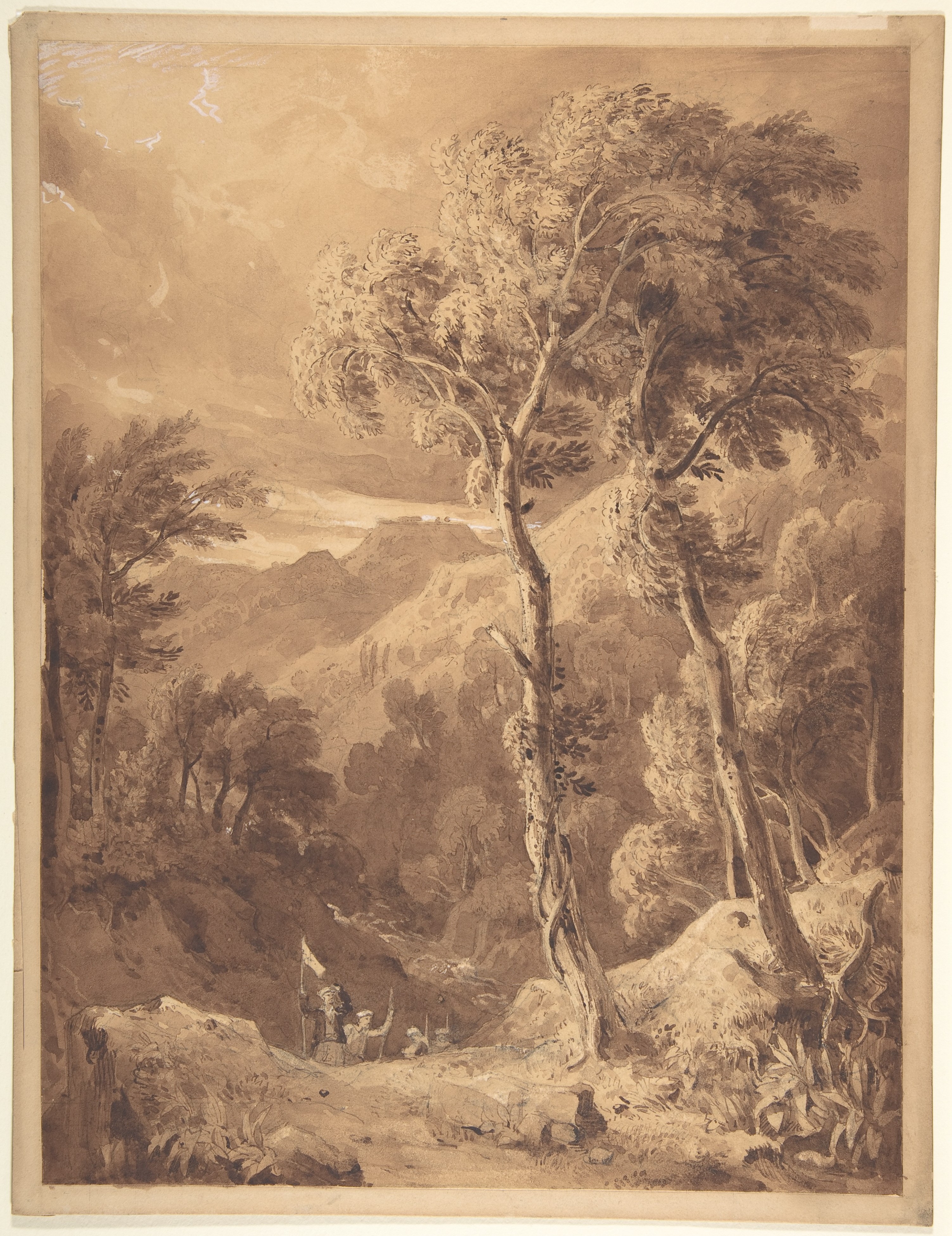
1773–1829 · British
Hugh William Williams
Hugh William Williams was an artist from the Kingdom of Great Britain. He lived from 1773 until 1829.

Biography
Solis Prints offers fine art prints of his works, including Gezicht bij Vallombrosa, ten oosten van Florence, Gezicht op de Smeetoren te Utrecht, The Temple of Antoninus and Faustina, Rome, and Wooded Landscape with Stream.
Notable Works
Tap to view larger.
Next stop
Browse the movements →
Every movement in the collection, from the Renaissance to Pop art.
Hugh William Williams prints
Hand-finished archival prints from Hugh William Williams's body of work.


Related Artists


Take Hugh William Williams home.
See all Hugh William Williams prints →Frequently Asked Questions
When was Hugh William Williams born?
Hugh William Williams was born in 1773 and died in 1829.What is Hugh William Williams known for?
Hugh William Williams is known for hugh William Williams was an artist from the Kingdom of Great Britain who lived from 1773 until 1829.