

Henricus Franciscus Wiertz
Henricus Franciscus Wiertz established his reputation through the rigorous world of academic competitions. Between 1806 and 1809, he consistently placed in the top ranks for his anatomical drawings. He earned a first prize in 1809 and a second prize in 1807 for his studies of the male nude. These works were not mere sketches. They were precise examinations of form and musculature produced under the strict observation of the Dutch art academies.
Biography
His technique relies on a controlled use of line and light. While his early output focused on the human figure and classical compositions, Wiertz also applied this analytical eye to his surroundings in Nijmegen. He captured local landmarks such as the Belvédère with the same precision he applied to his award-winning anatomical drawings. His studies of shells and sea plants demonstrate a shift towards scientific observation. He avoids dramatic flourishes. Instead, he presents his subjects with a clarity that prioritises structural accuracy over decorative effect.
Collectors today value Wiertz for the quiet authority of his work. His drawings of shells and marine life possess a clean, graphic quality that suits contemporary spaces. The academic nudes provide a sense of historical weight without appearing cluttered. These prints offer a balance of technical skill and natural clarity. They are effective additions to a curated home gallery.
Notable Works
Tap to view larger.
Next stop
Browse the movements →
Every movement in the collection, from the Renaissance to Pop art.
Related Artists
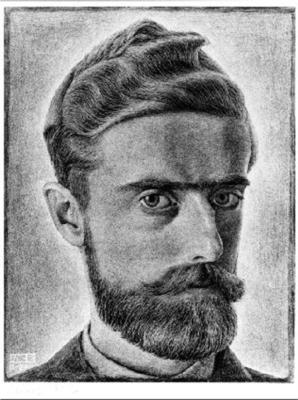


.png)
Frequently Asked Questions
When was Henricus Franciscus Wiertz born?
Henricus Franciscus Wiertz was born in 1784 and died in 1858.What is Henricus Franciscus Wiertz known for?
Henricus Franciscus Wiertz is known for henricus Franciscus Wiertz was a prize-winning Dutch draughtsman known for his precise anatomical studies and detailed illustrations of shells and marine life.