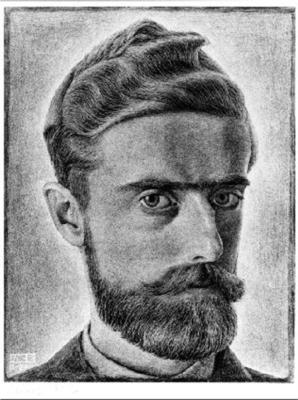
Jan Pynas
Jan Pynas belonged to a group of Dutch painters who travelled to Rome at the start of the seventeenth century. While there, he studied the works of Adam Elsheimer and became part of the Pre-Rembrandtists. This group introduced a new way of painting history scenes to the Netherlands. Pynas was particularly interested in how light could define a space. He often worked closely with his brother Jacob. Their styles were so similar that many of their paintings were confused for one another for centuries.

Biography
His approach combined Dutch realism with the atmospheric qualities of the Roman countryside. In works like 'A Mountainous Landscape with an Arched Bridge over a River', Pynas used a palette of warm browns and cool blues to create depth. He preferred to place small figures within vast natural settings. This method allowed the environment to tell the story as much as the characters themselves. His use of light was direct and clear, avoiding the soft edges found in later Baroque art.
Modern collectors value Pynas for his structured compositions and his role in the development of Dutch art. His paintings offer a sense of order and calm. The earthy tones and clear architectural elements make these prints suitable for contemporary interiors. They provide a window into the early Dutch Golden Age without the heavy ornamentation of later periods. His work represents a specific moment when Northern European artists were first discovering the light of the south.
Notable Works
Tap to view larger.
Next stop
Browse the movements →
Every movement in the collection, from the Renaissance to Pop art.
Frequently Asked Questions
When was Jan Pynas born?
Jan Pynas was born in 1583 and died in 1631.What is Jan Pynas known for?
Jan Pynas is known for jan Pynas was a leading Pre-Rembrandtist painter who brought Italian atmospheric light and structured compositions to seventeenth-century Dutch art.


.png)