

Harold Broadfield Warren
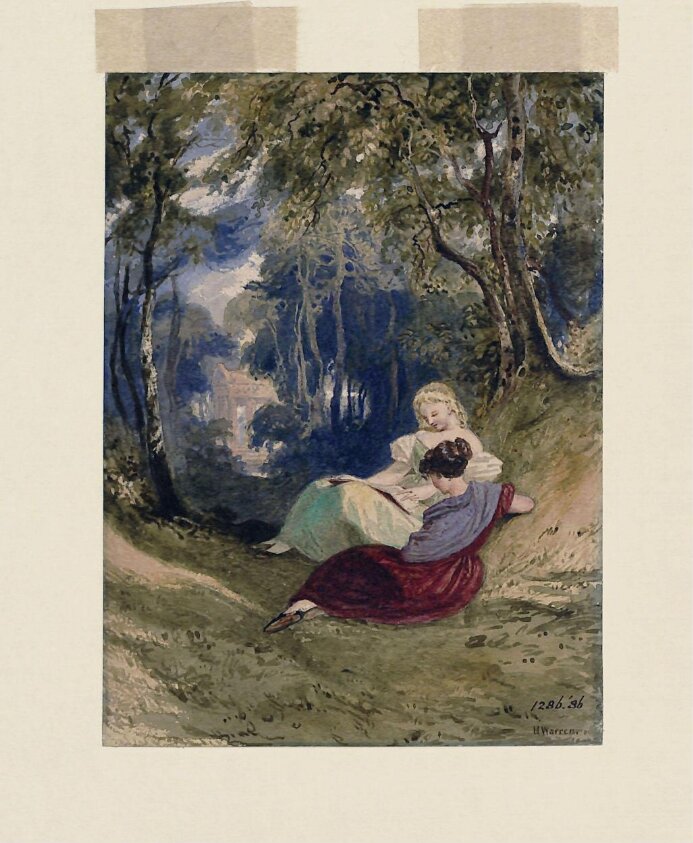
Harold Broadfield Warren was a dedicated student of the English critic John Ruskin. He spent significant time in Europe copying the works of J.M.W. Turner, including a detailed study of Arth on the Lake of Zug. This academic rigour led to his appointment as an instructor at Harvard University, where he worked closely with Charles Eliot Norton. His career was defined by the intersection of architectural precision and the romantic watercolour tradition.
.png?width=800)
Biography
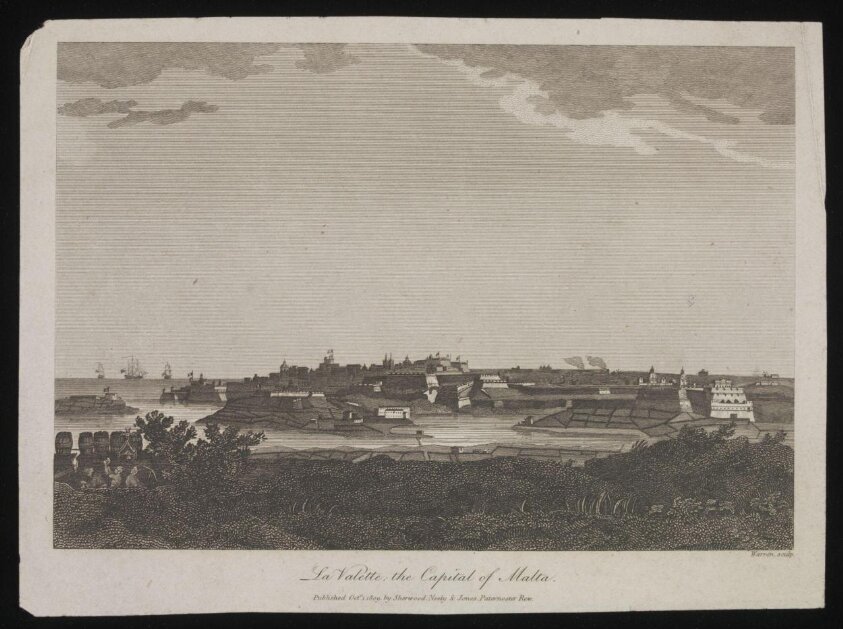
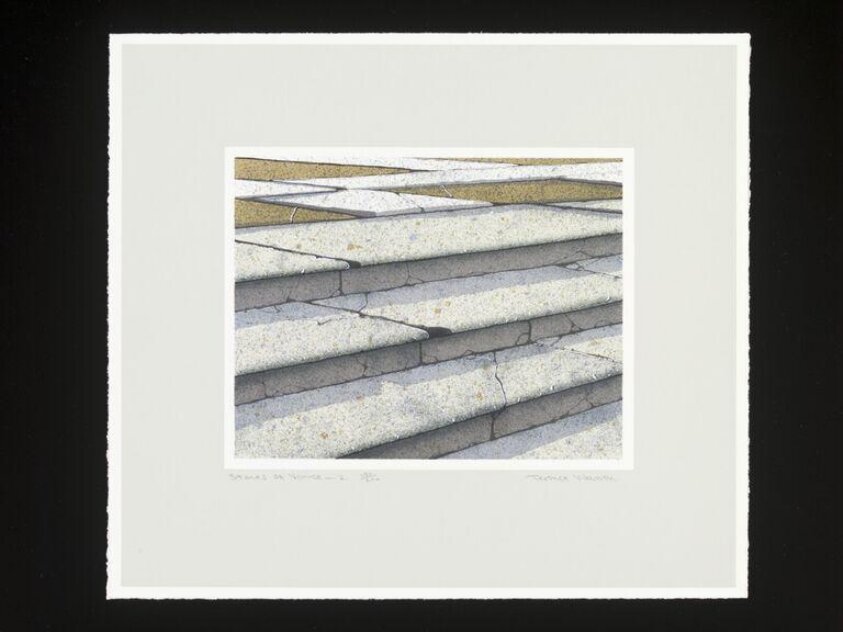
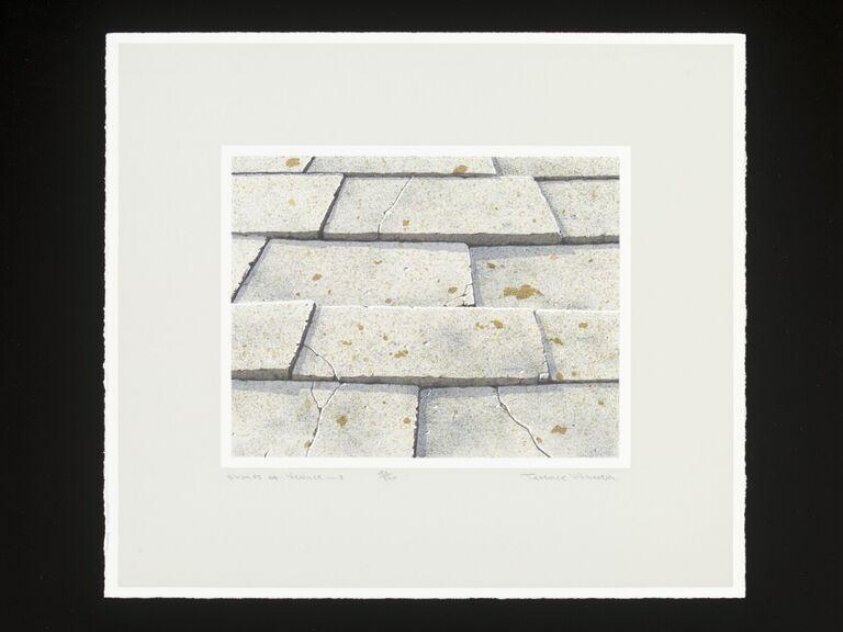
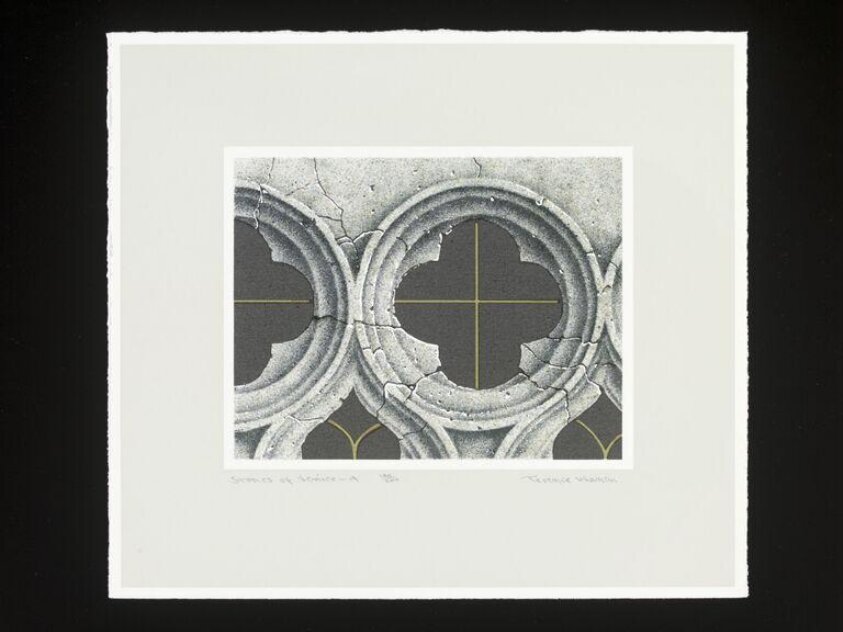
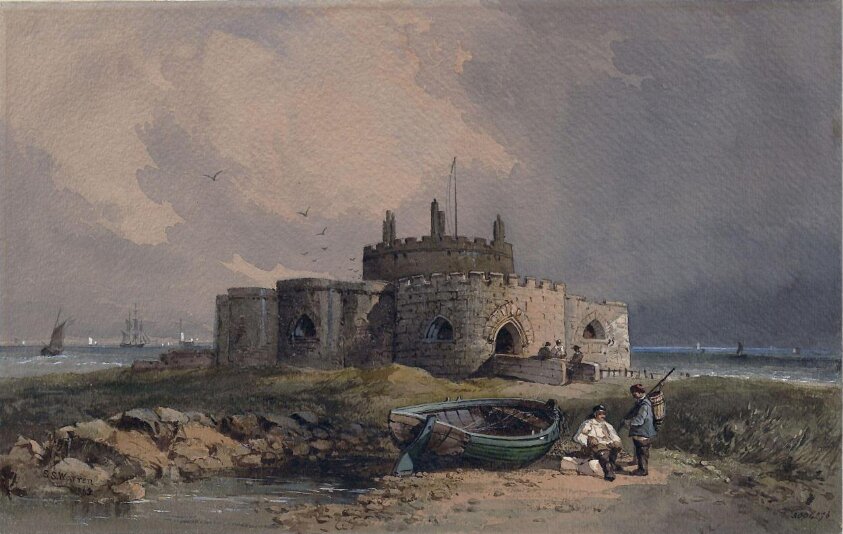
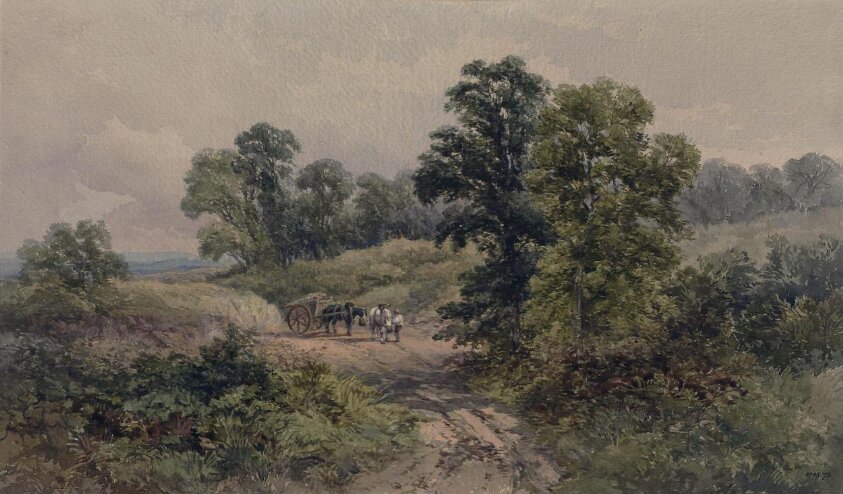
Warren focused on the clarity of light and the structural integrity of his subjects. Whether documenting the ancient stones of the Propylaea on the Acropolis or the vernacular architecture of Yorkshire, his technique remained disciplined. He avoided the loose abstractions of his contemporaries in favour of a controlled wash that defined form through subtle shifts in tone. His views of Dorset and the high pastures of England demonstrate a keen eye for topographical accuracy.
Modern collectors value Warren for his ability to capture a sense of place without resorting to sentimentality. His watercolours provide a window into the late nineteenth-century travel experience, balancing the grandeur of classical ruins with the quiet charm of English villages. These prints offer a sophisticated aesthetic for contemporary interiors, providing a link to the intellectual traditions of the Arts and Crafts movement and the Harvard school of design.
Notable Works
Tap to view larger.
Next stop
Browse the movements →
Every movement in the collection, from the Renaissance to Pop art.
Related Artists
_%E2%80%93_LOC.jpg)



Frequently Asked Questions
When was Harold Broadfield Warren born?
Harold Broadfield Warren was born in 1859 and died in 1934.What is Harold Broadfield Warren known for?
Harold Broadfield Warren is known for harold Broadfield Warren was a master of architectural watercolour and a Harvard instructor who brought the precision of John Ruskin and J.M.W. Turner to his topographical studies.