




Christophe Guérin
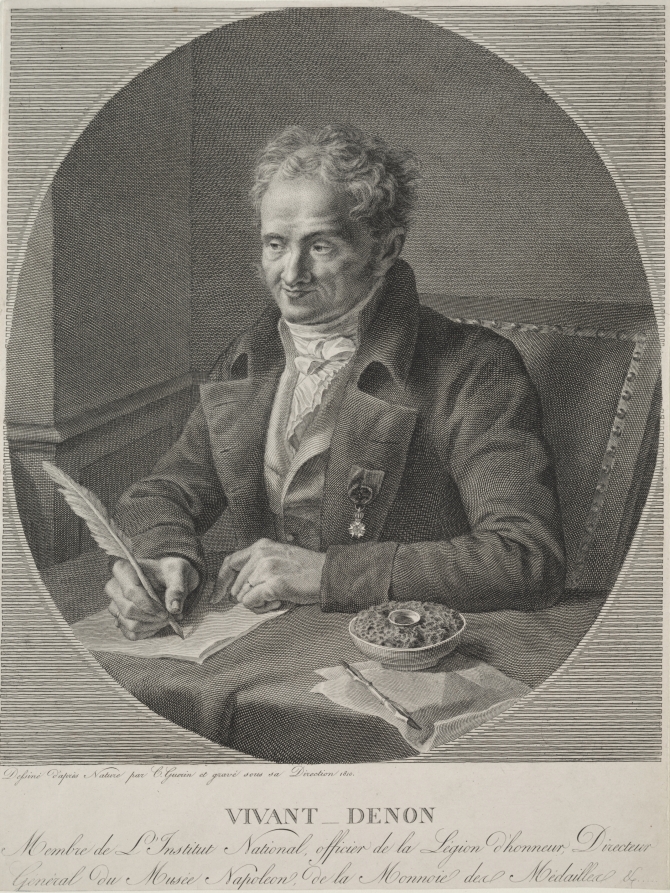
Christophe Guérin belonged to a family of engravers from Strasbourg. He eventually became the curator of the Strasbourg Museum of Fine Arts. This role allowed him to preserve local art collections during the transitions of the late eighteenth century. He balanced administrative duties with a technical artistic practice. He focused on translating the soft qualities of oil paintings into the medium of copperplate engraving.

Biography
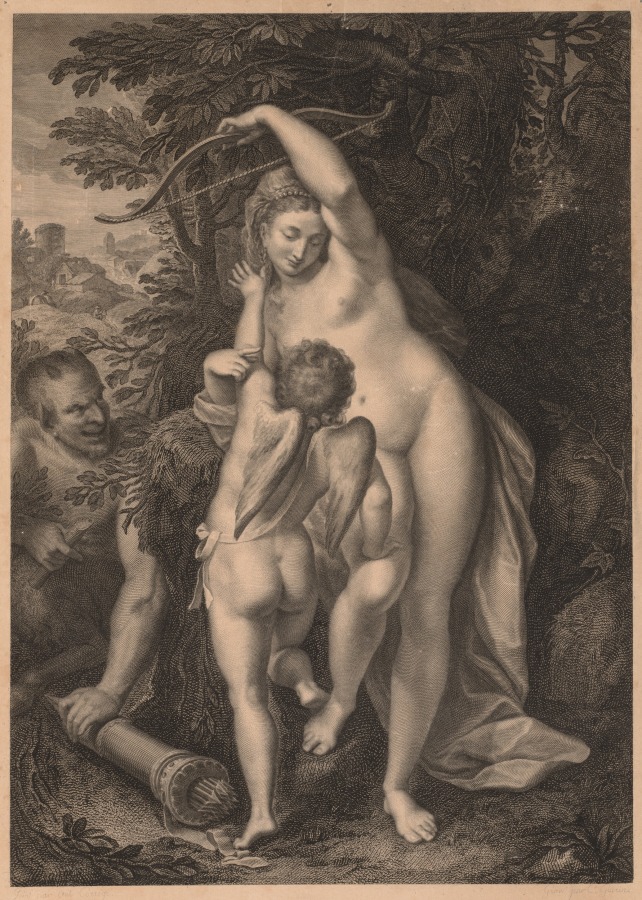
Guérin specialised in the stipple technique. This method uses thousands of tiny dots to build up shadows and form. It creates a soft effect that is different from the sharp lines of traditional etching. In works like Love Disarmed and Allegorical Subject, he applied this technique to mythological figures. His approach favoured the clarity of Neoclassicism over the busy decorations of the earlier Rococo period. He often looked to the works of Correggio for inspiration in his compositions.
These prints appeal to modern collectors who appreciate technical skill and classical proportions. The monochromatic nature of his engravings makes them easy to place in various interior design schemes. They offer a window into the late Enlightenment period without the visual noise of more flamboyant styles. Guérin’s work brings a sense of order and historical depth to a room. His prints are valued for their quiet elegance and mastery of light.
Notable Works
Tap to view larger.
Next stop
Browse the movements →
Every movement in the collection, from the Renaissance to Pop art.
Related Artists


Frequently Asked Questions
When was Christophe Guérin born?
Christophe Guérin was born in 1758 and died in 1831.What is Christophe Guérin known for?
Christophe Guérin is known for christophe Guérin was a French engraver known for his refined stipple technique and classical allegories that capture the transition from Rococo to Neoclassicism.