



Barthélémy Joseph Fulcran Roger
Barthélémy Joseph Fulcran Roger trained under the Neoclassical master Jacques-Louis David. He was a contributor to the Description de l'Égypte following Napoleon's campaign. This scientific undertaking required him to translate architectural details into copperplate engravings. His work documented Egyptian monuments for a European audience.
Biography
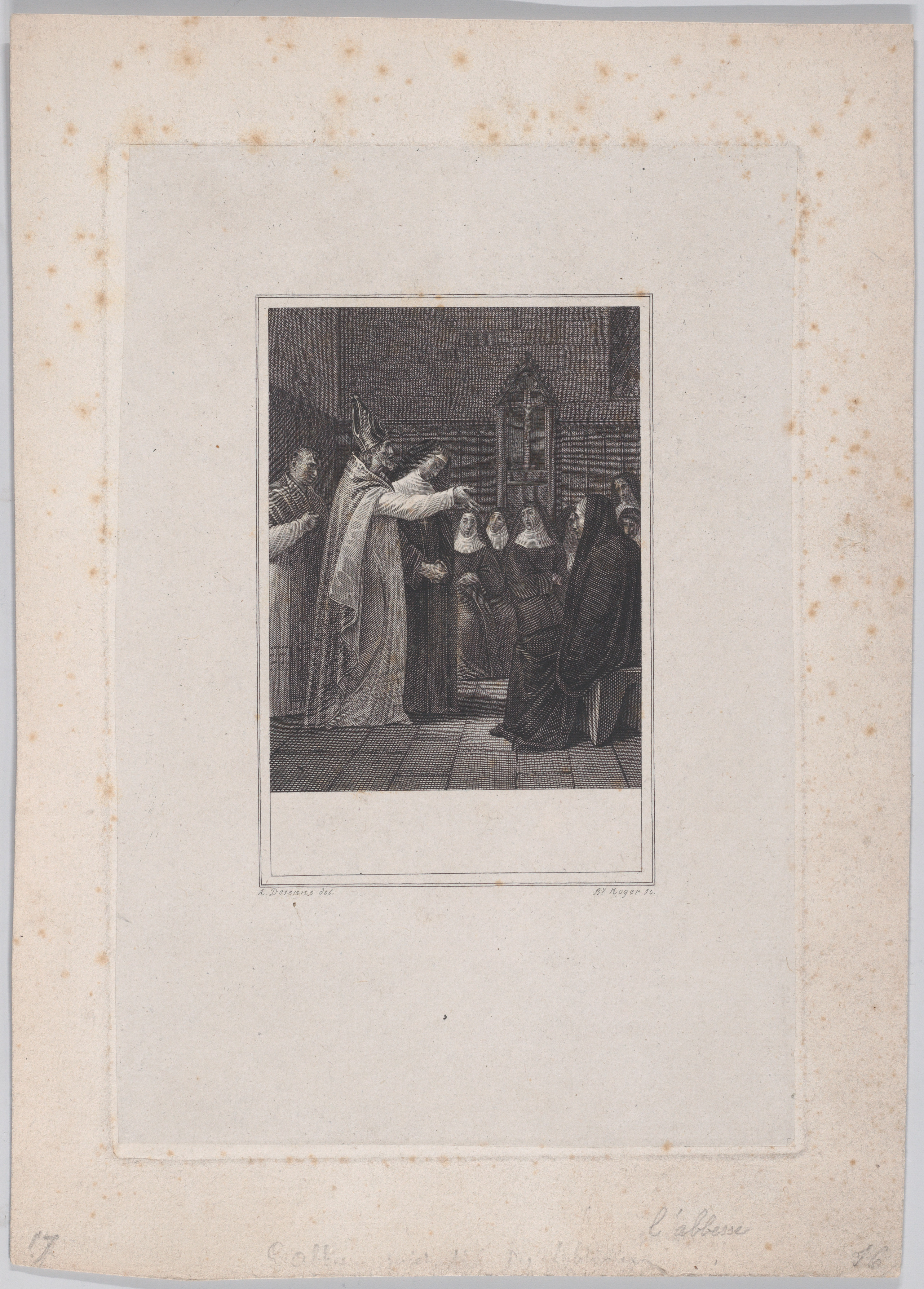
Roger used the stipple engraving technique to achieve subtle colour transitions. This method involves creating images through small dots instead of continuous lines. In works like Stellina en Edouard, he used this approach to convey the textures of fabric and skin. His style reflects the shift from Neoclassical order to the emotions of the Romantic period.
Modern collectors appreciate the technical clarity of these 19th-century prints. They provide a calm aesthetic for minimalist or traditional rooms. The historical accuracy of his work offers a connection to the origins of archaeology. These pieces are quiet additions to a home art collection.
Notable Works
Tap to view larger.
Frequently Asked Questions
When was Barthélémy Joseph Fulcran Roger born?
Barthélémy Joseph Fulcran Roger was born in 1767 and died in 1841.What is Barthélémy Joseph Fulcran Roger known for?
Barthélémy Joseph Fulcran Roger is known for barthélémy Joseph Fulcran Roger was a French Neoclassical engraver known for his contributions to Napoleon's scientific surveys and his delicate stipple-engraved portraits.


