

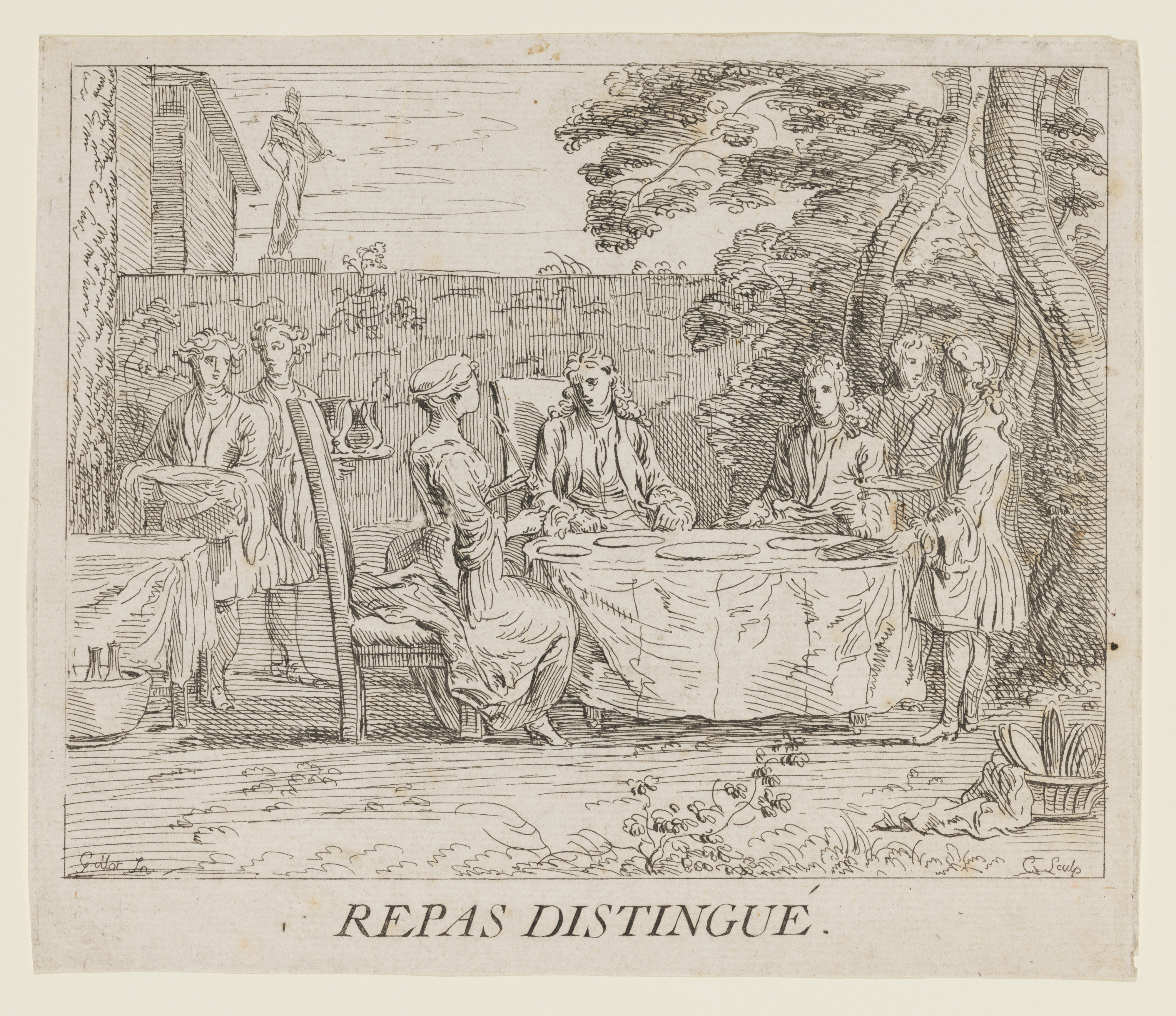

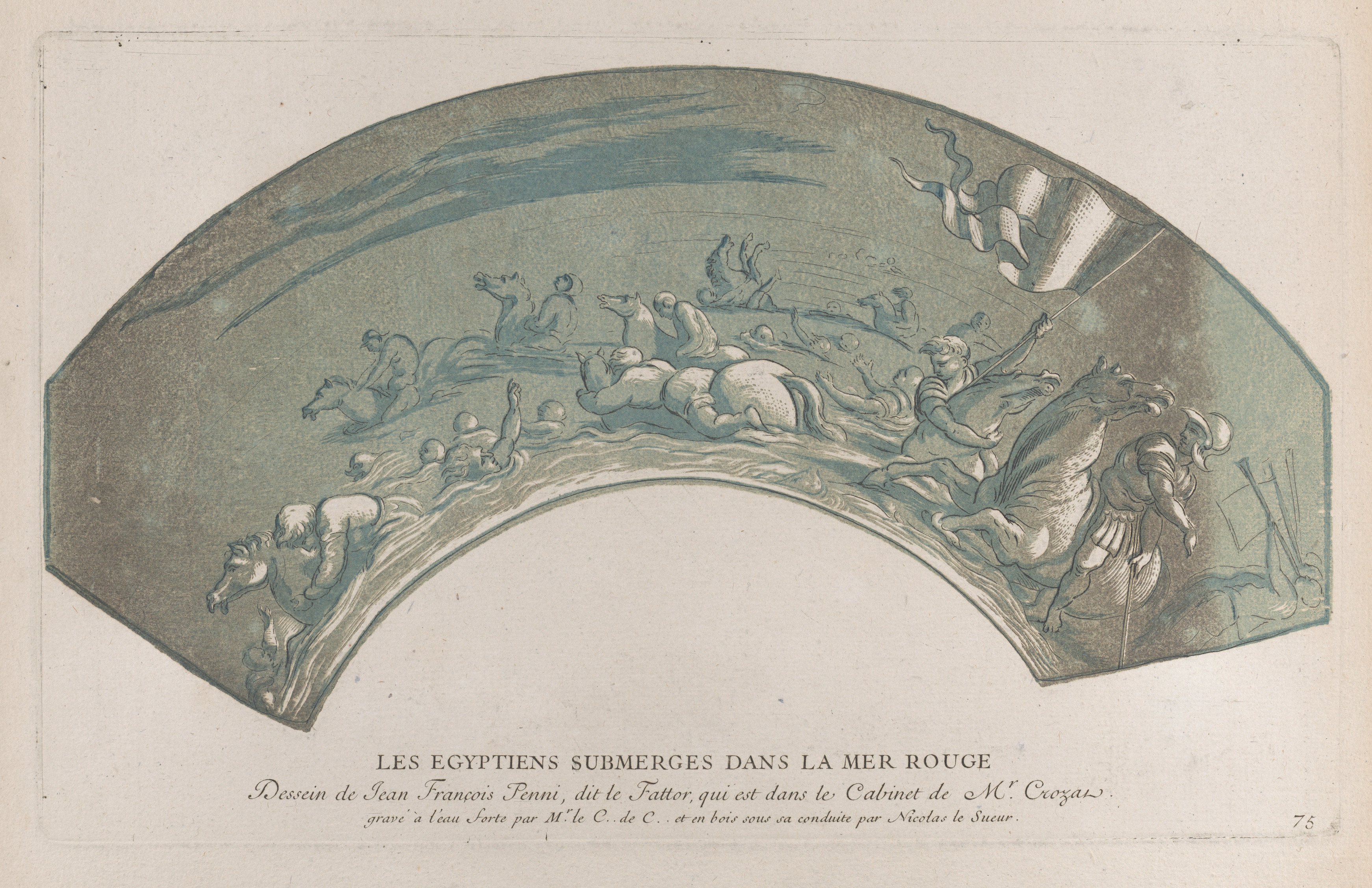

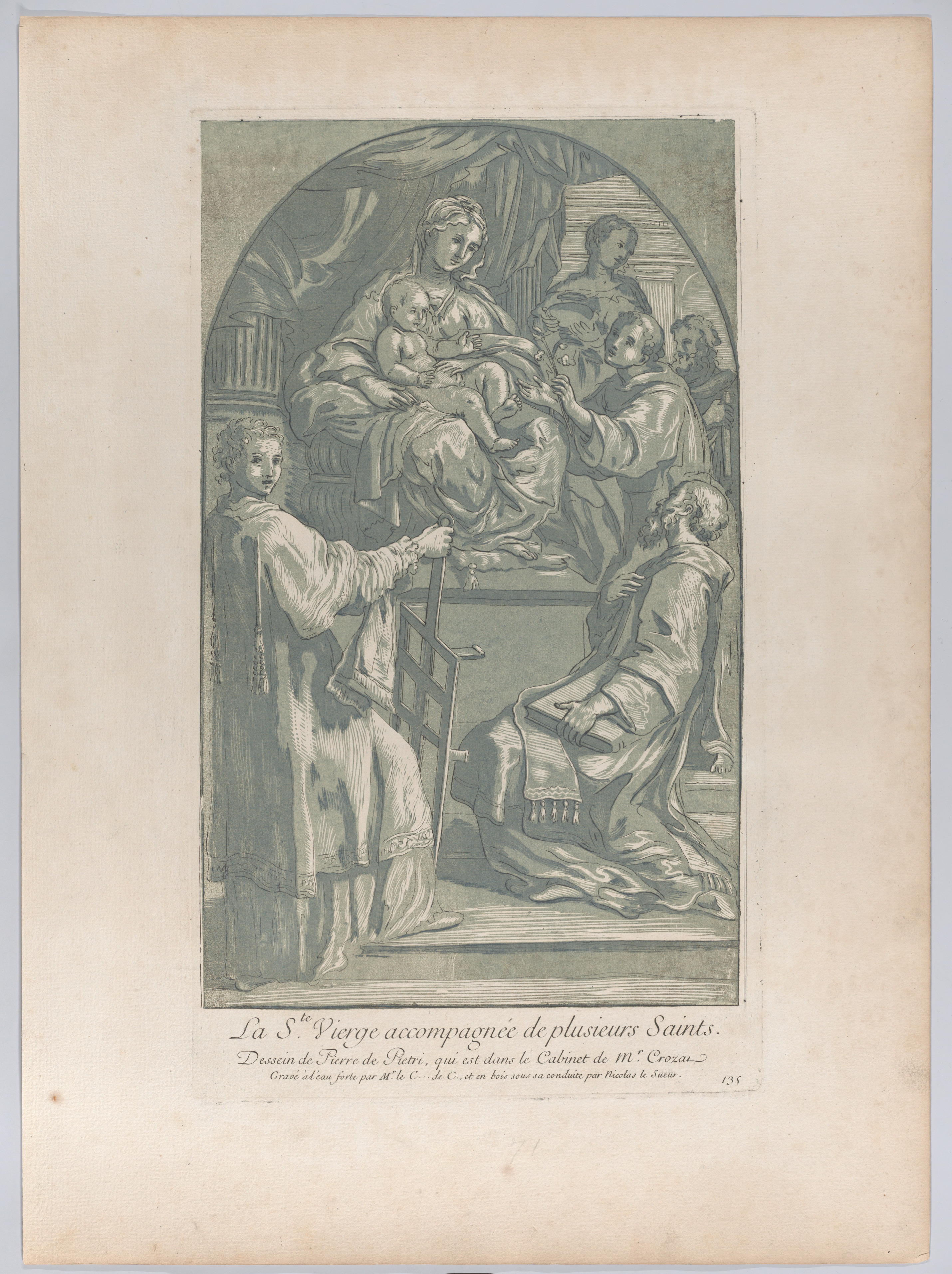


Anne Claude de Thubières, comte de Caylus
Anne Claude de Thubières, comte de Caylus, produced various writings between 1732 and 1767. His work included observations on costume, reflections on the writings of Pliny, and studies concerning the descriptions of shields by Homer, Hesiod, and Virgil. He also published a seven-volume collection regarding Egyptian, Etruscan, Greek, and Roman antiquities.
Biography
Solis Prints offers fine art prints of his work, including Angels Carrying Gideon's Fleece, Dance, Emperor Henry IV at the Feet of Pope Gregory VII, Lamentation (After Perugino), and Le Naufrage.
Notable Works
Tap to view larger.
Next stop
Browse the movements →
Every movement in the collection, from the Renaissance to Pop art.
Anne Claude de Thubières, comte de Caylus prints
Hand-finished archival prints from Anne Claude de Thubières, comte de Caylus's body of work.
 Le Naufrage - Anne Claude de Thubières, comte de Caylus
From £28.00
Le Naufrage - Anne Claude de Thubières, comte de Caylus
From £28.00
 Martyrdom of Christians - Anne Claude de Thubières, comte de Caylus
From £28.00
Martyrdom of Christians - Anne Claude de Thubières, comte de Caylus
From £28.00
 Dance - Anne Claude de Thubières, comte de Caylus
From £28.00
Dance - Anne Claude de Thubières, comte de Caylus
From £28.00
 The Rabbit Pellets Seller - Anne Claude de Thubières, comte de Caylus
From £28.00
The Rabbit Pellets Seller - Anne Claude de Thubières, comte de Caylus
From £28.00
 The Organ Grinder with a Magic Lantern - Anne Claude de Thubières, comte de Caylus
From £28.00
The Organ Grinder with a Magic Lantern - Anne Claude de Thubières, comte de Caylus
From £28.00
 The Knife Sharpener - Anne Claude de Thubières, Comte de Caylus
From £28.00
The Knife Sharpener - Anne Claude de Thubières, Comte de Caylus
From £28.00
Take Anne Claude de Thubières, comte de Caylus home.
See all Anne Claude de Thubières, comte de Caylus prints →Frequently Asked Questions
What is Anne Claude de Thubières, comte de Caylus known for?
Anne Claude de Thubières, comte de Caylus is known for anne Claude de Thubières, comte de Caylus, was an author who published works on antiquities, classical literature, and costume between 1732 and 1767.