



1530–1585
Adamo Scultori
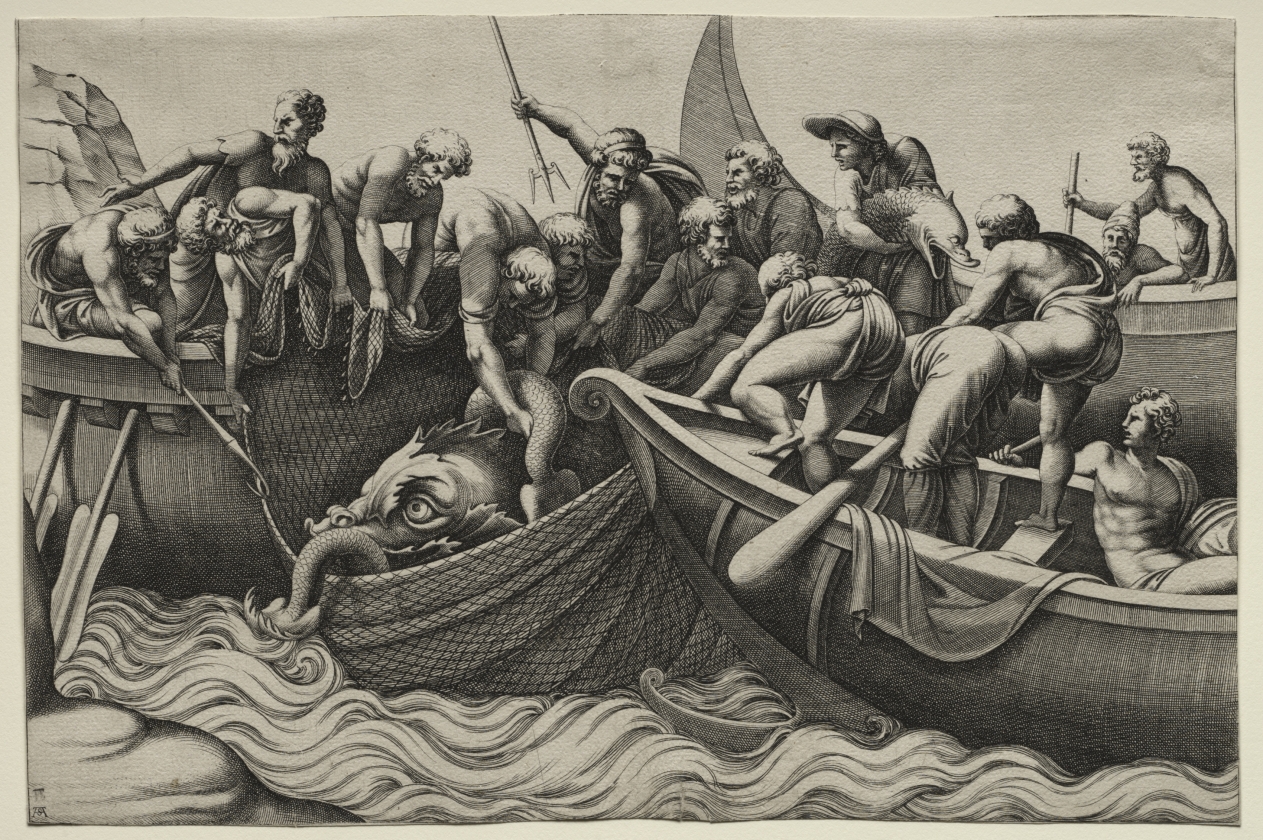
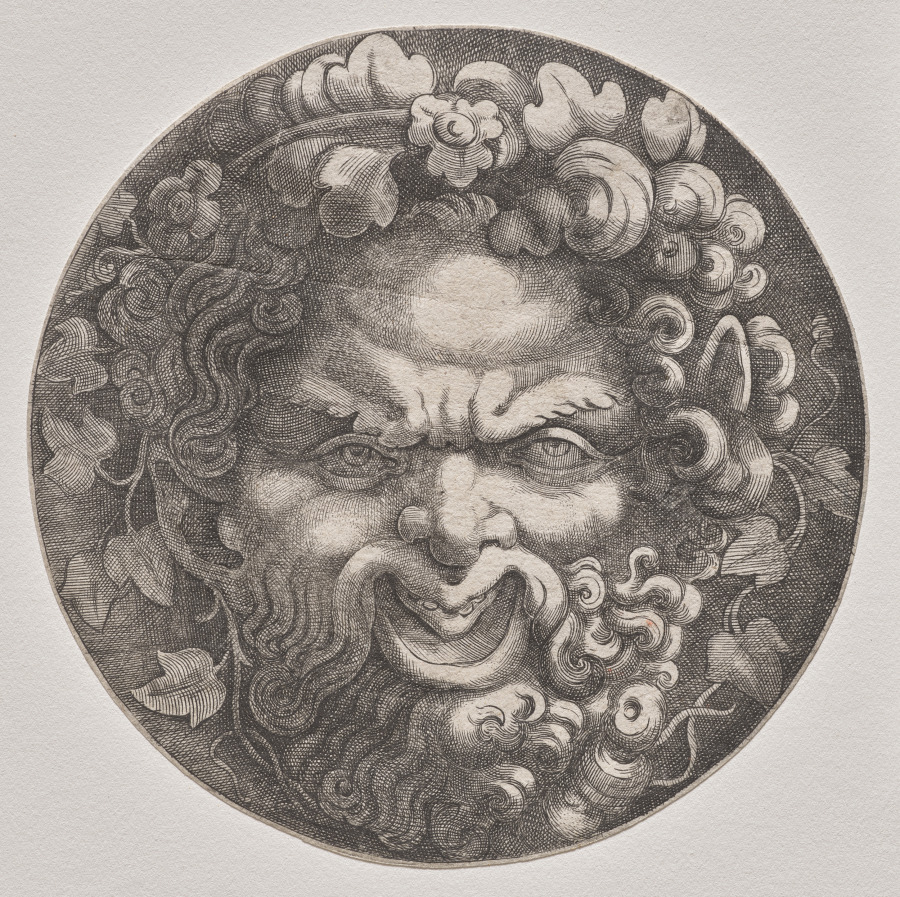
Adamo Scultori lived from 1530 until 1585. He produced works including The Haul of Monstrous Fish, Drie groteske maskers, Hercules op de rug gezien, Drie putti met dolfijnen, and Drie mannen offeren een varken.
Biography
Solis Prints offers fine art prints of Drie groteske maskers, Hercules Seen from the Back, The Haul of Monstrous Fish, Three Men Sacrificing a Pig, and Two Cupids Riding on Dolphins.
Notable Works
Tap to view larger.
Next stop
Browse the movements →
Every movement in the collection, from the Renaissance to Pop art.
Adamo Scultori prints
Hand-finished archival prints from Adamo Scultori's body of work.
 Three Putti with Dolphins - Adamo Scultori
From £28.00
Three Putti with Dolphins - Adamo Scultori
From £28.00
 Hercules with Club and Lion Skin - Adamo Scultori
From £28.00
Hercules with Club and Lion Skin - Adamo Scultori
From £28.00
 Head of Silenus - Adamo Scultori
From £37.00
Head of Silenus - Adamo Scultori
From £37.00
 Twee groteske maskers en Silenus - Adamo Scultori
From £28.00
Twee groteske maskers en Silenus - Adamo Scultori
From £28.00
 Three Men Sacrificing a Pig - Adamo Scultori
From £28.00
Three Men Sacrificing a Pig - Adamo Scultori
From £28.00
 Hercules Seen from the Back - Adamo Scultori
From £28.00
Hercules Seen from the Back - Adamo Scultori
From £28.00
Take Adamo Scultori home.
See all Adamo Scultori prints →Frequently Asked Questions
When was Adamo Scultori born?
Adamo Scultori was born in 1530 and died in 1585.What is Adamo Scultori known for?
Adamo Scultori is known for adamo Scultori was an artist who lived from 1530 until 1585.