

Collection
William Merritt Chase
Explore curated art prints selected for distinctive homes and considered interiors.
Suggested filters
-
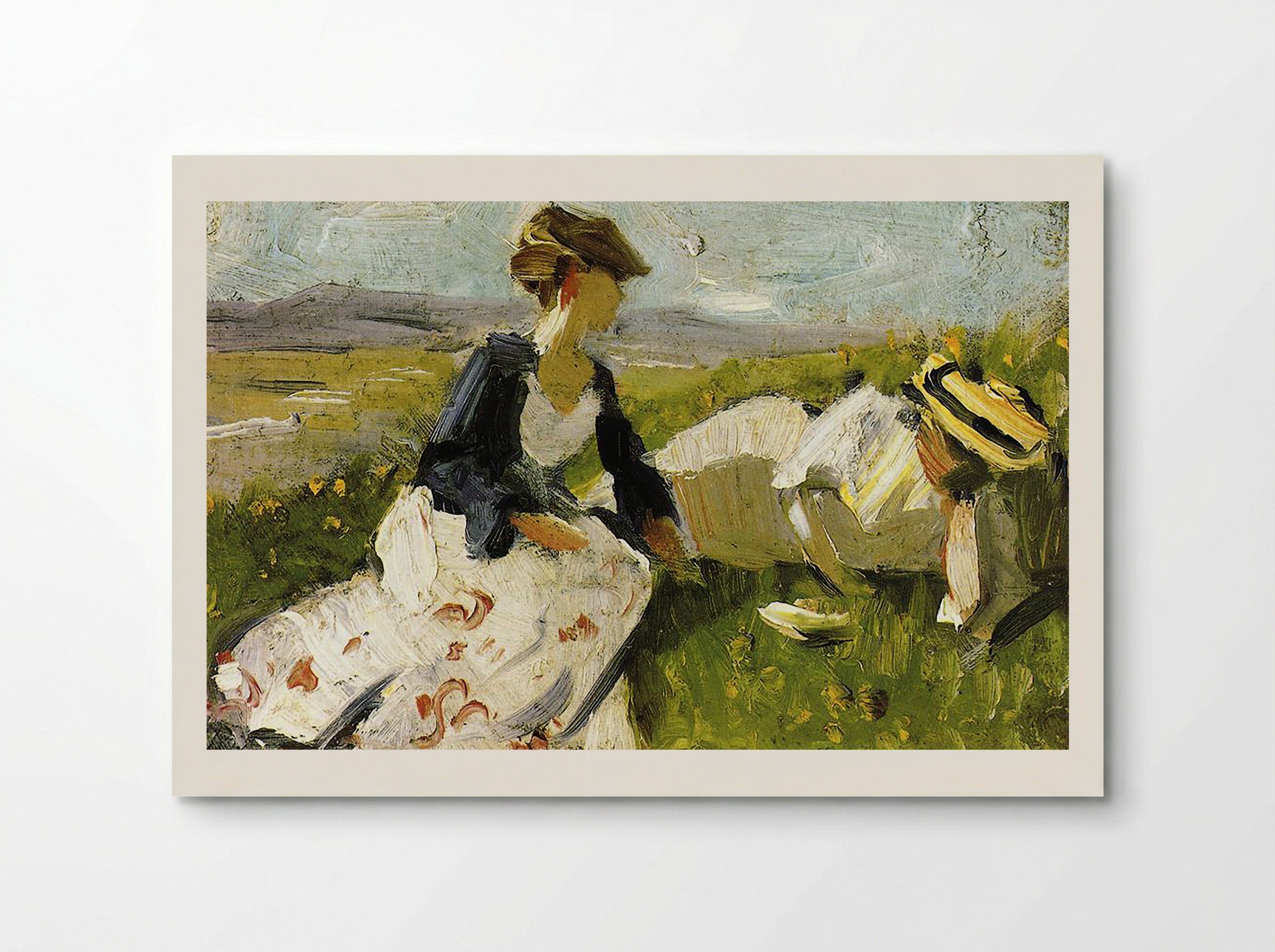
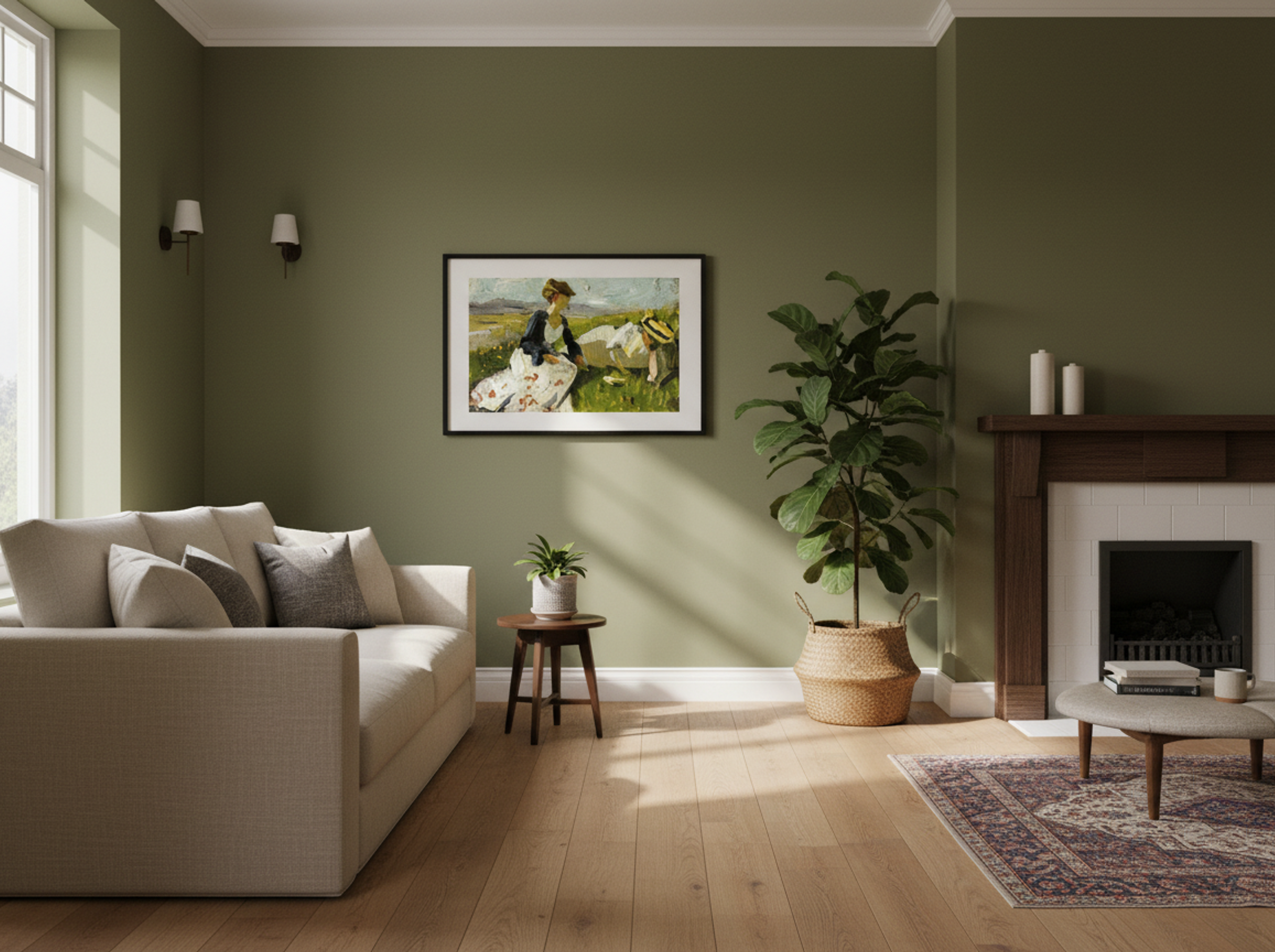 Two Women on the Hillside - William Merritt Chase
Print · Framed · Canvas
Regular price From £28.00 GBPSale price From £28.00 GBP Regular price -
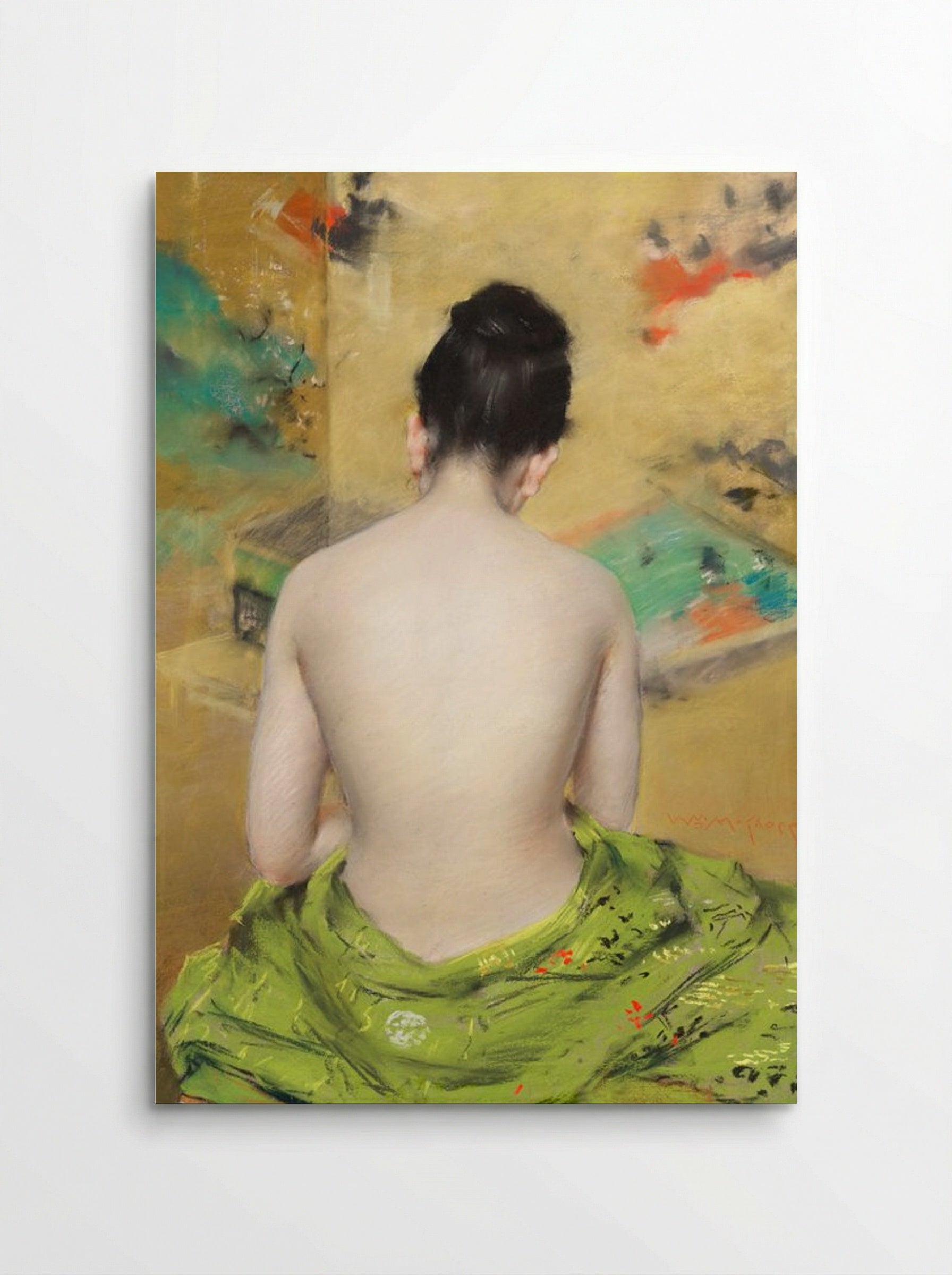
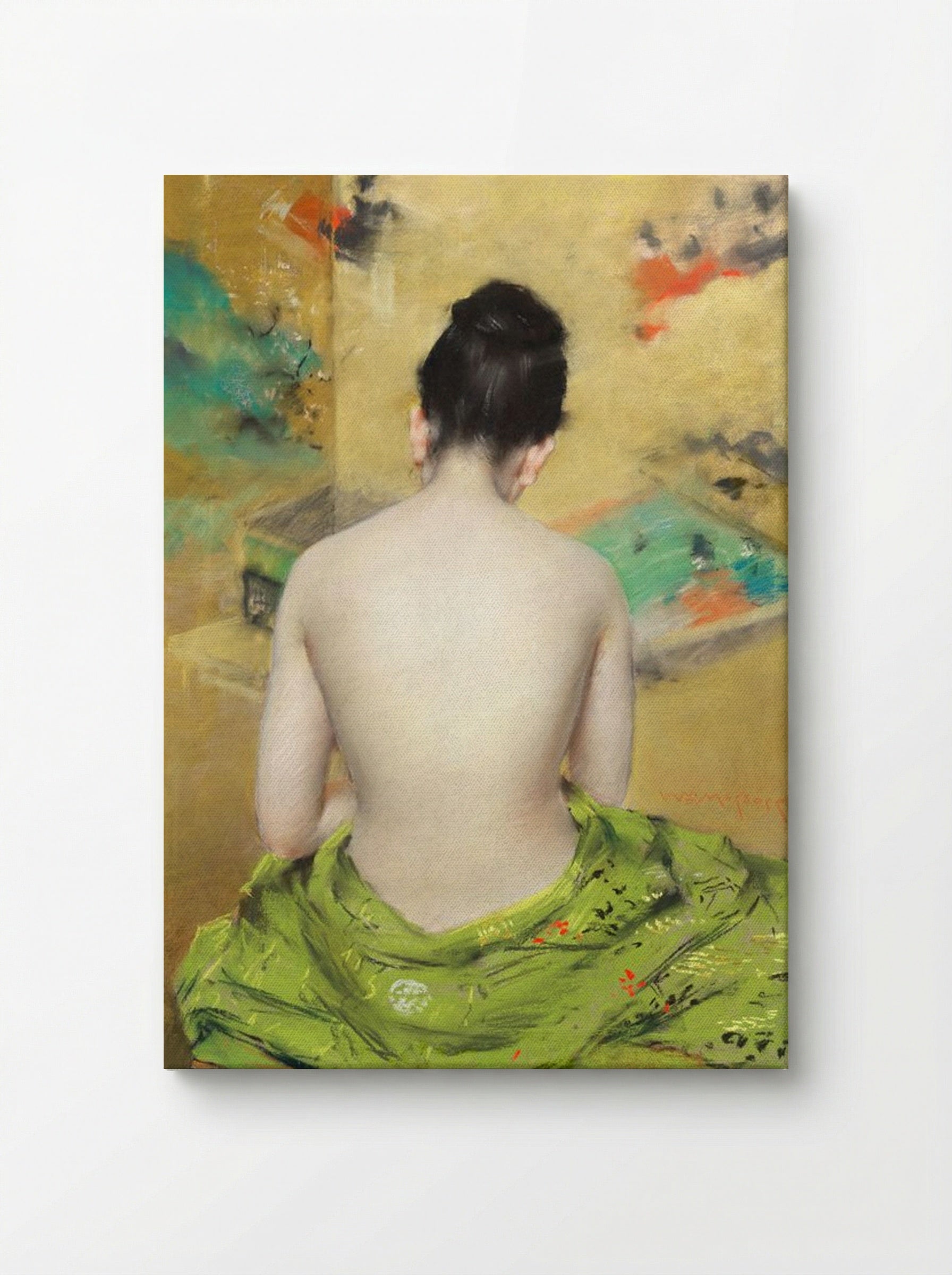 Study of a Japanese Model (Back View) - William Merritt Chase
Print · Framed · Canvas
Regular price From £28.00 GBPSale price From £28.00 GBP Regular price -

 Nude with Kimono - William Merritt Chase
Print · Framed · Canvas
Regular price From £28.00 GBPSale price From £28.00 GBP Regular price -

 The Nursery - William Merritt Chase
Print · Framed · Canvas
Regular price From £30.00 GBPSale price From £30.00 GBP Regular price -

 The Turkish Page - William Merritt Chase
Print · Framed · Canvas
Regular price From £30.00 GBPSale price From £30.00 GBP Regular price -

 The Old Road to the Sea - William Merritt Chase
Print · Framed · Canvas
Regular price From £28.00 GBPSale price From £28.00 GBP Regular price -

 Portrait of Dora Wheeler - William Merritt Chase
Print · Framed · Canvas
Regular price From £30.00 GBPSale price From £30.00 GBP Regular price -

 Portrait of My Daughter Alice - William Merritt Chase
Print · Framed · Canvas
Regular price From £28.00 GBPSale price From £28.00 GBP Regular price -
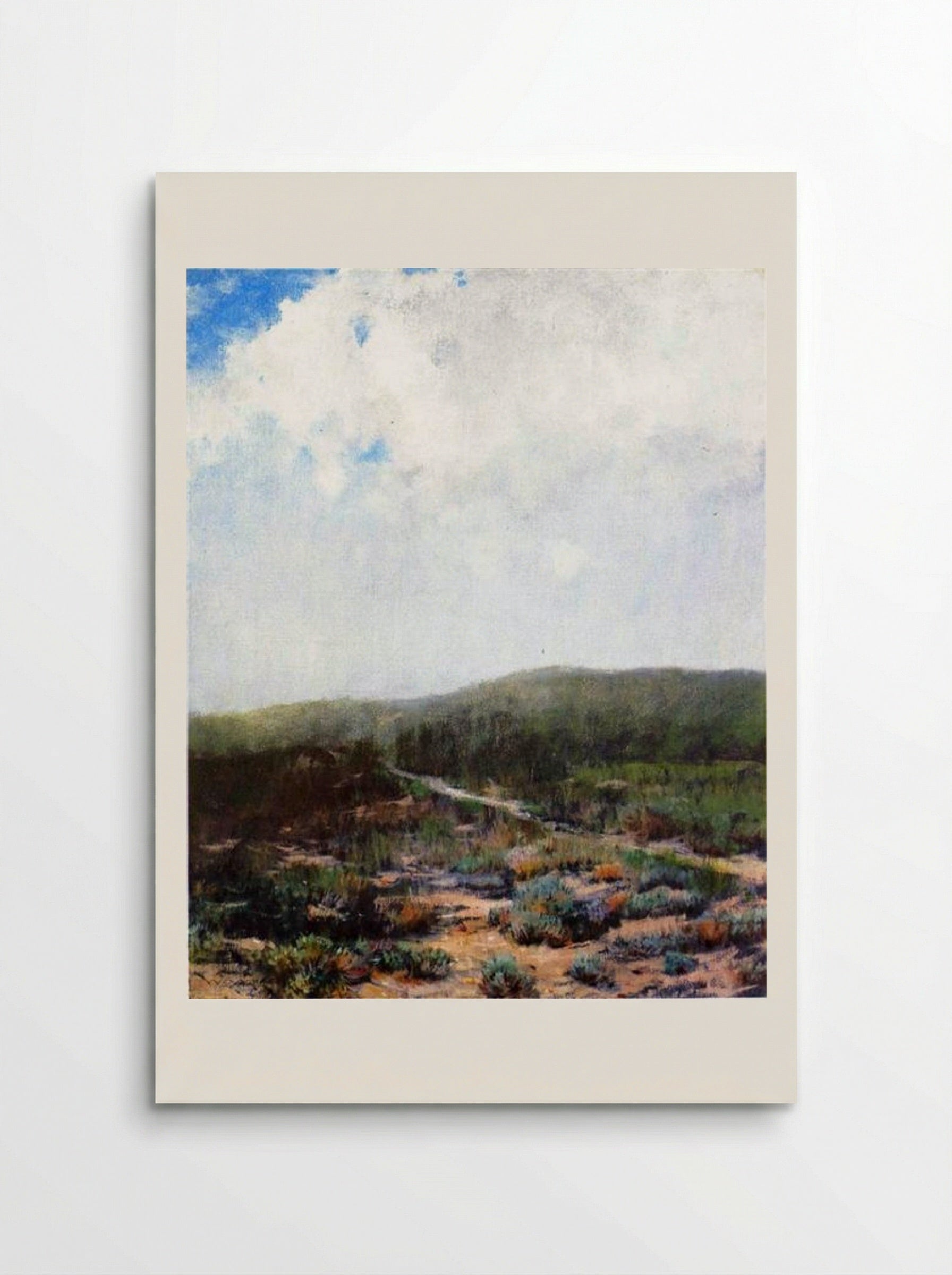 Dunes at Shinnecock - William Merritt Chase
Print
Regular price From £28.00 GBPSale price From £28.00 GBP Regular price -
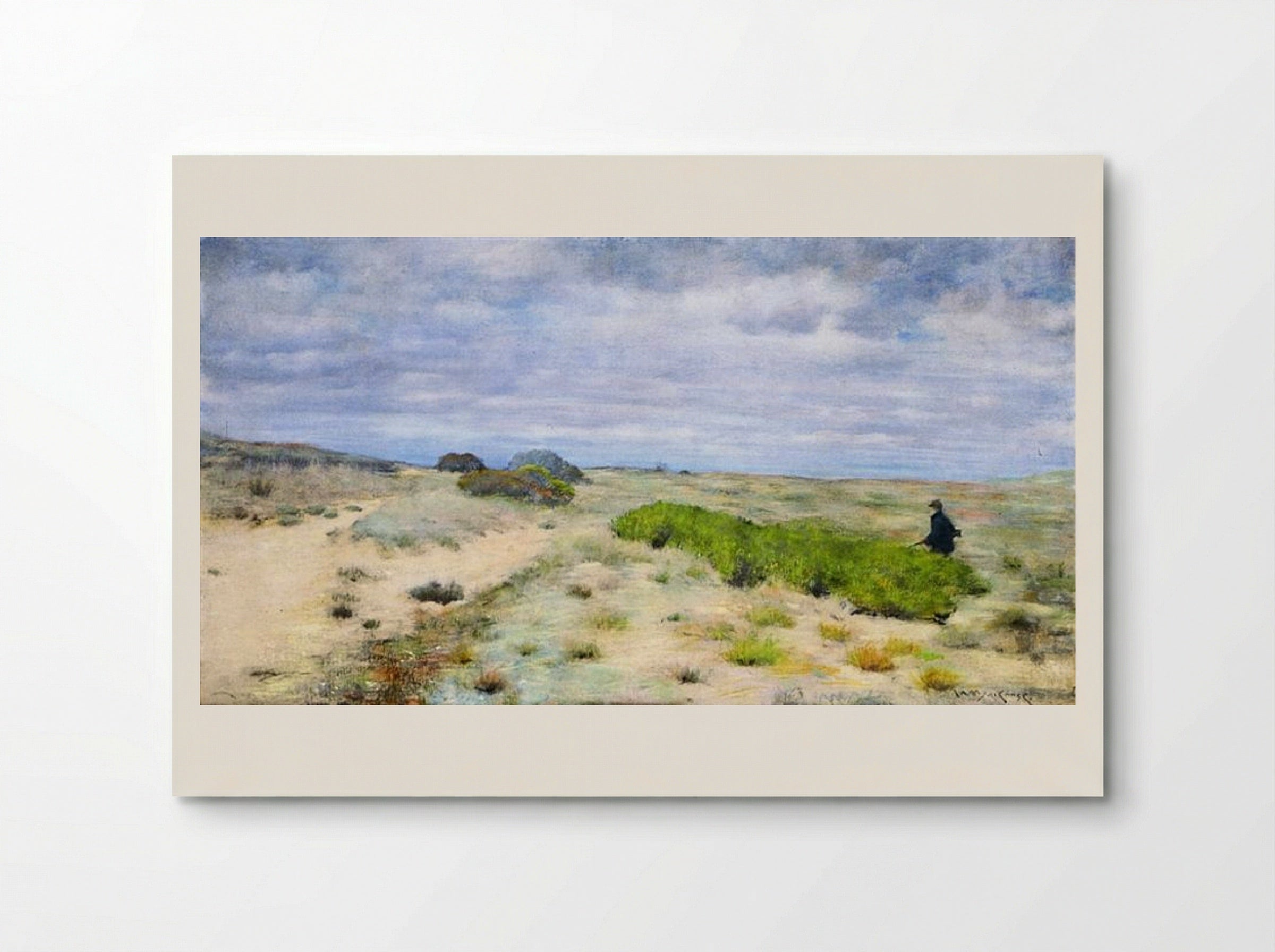 The Pot Hunter - William Merritt Chase
Print
Regular price From £28.00 GBPSale price From £28.00 GBP Regular price -
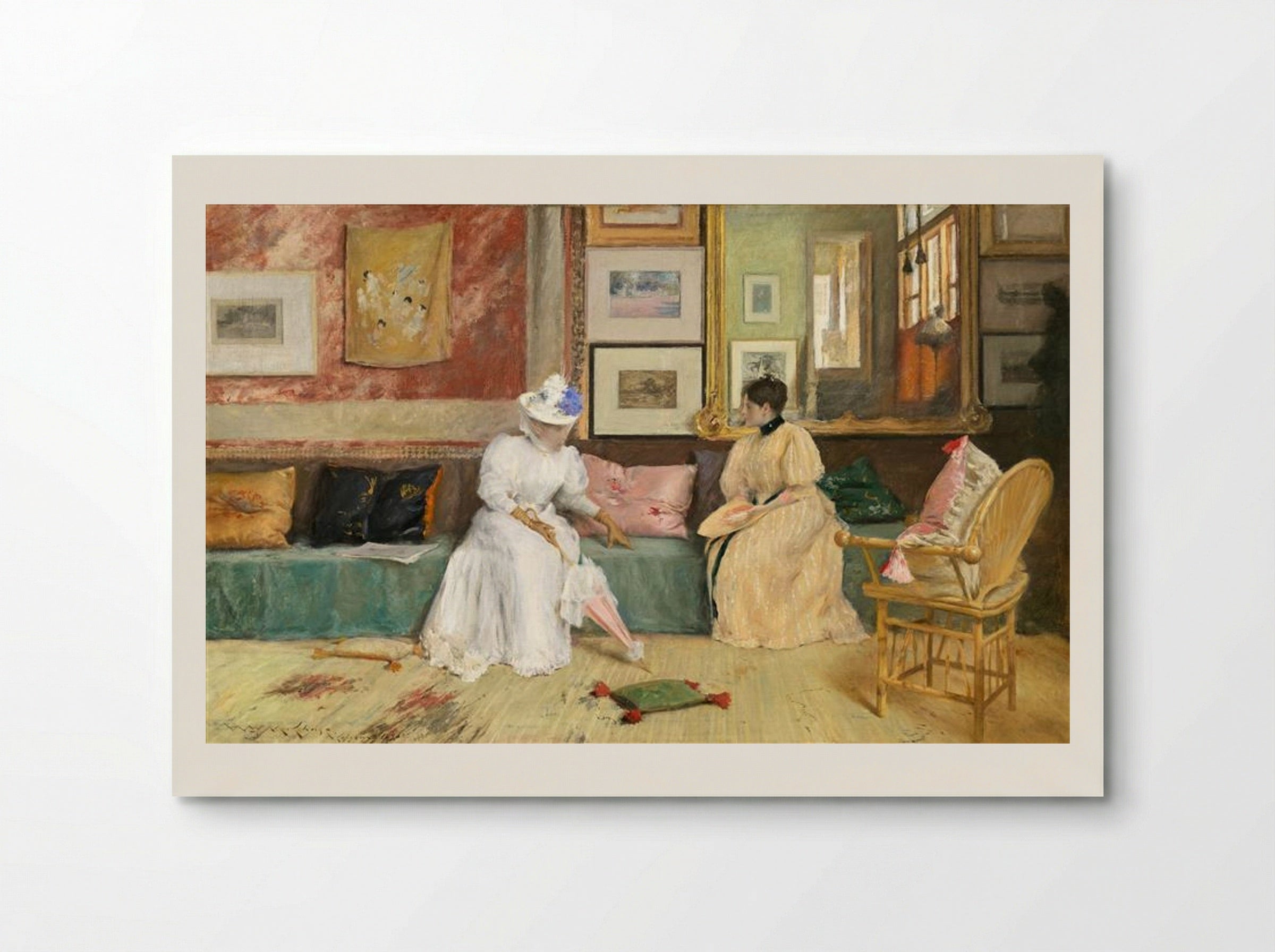 A Friendly Call - William Merritt Chase
Print
Regular price From £28.00 GBPSale price From £28.00 GBP Regular price -
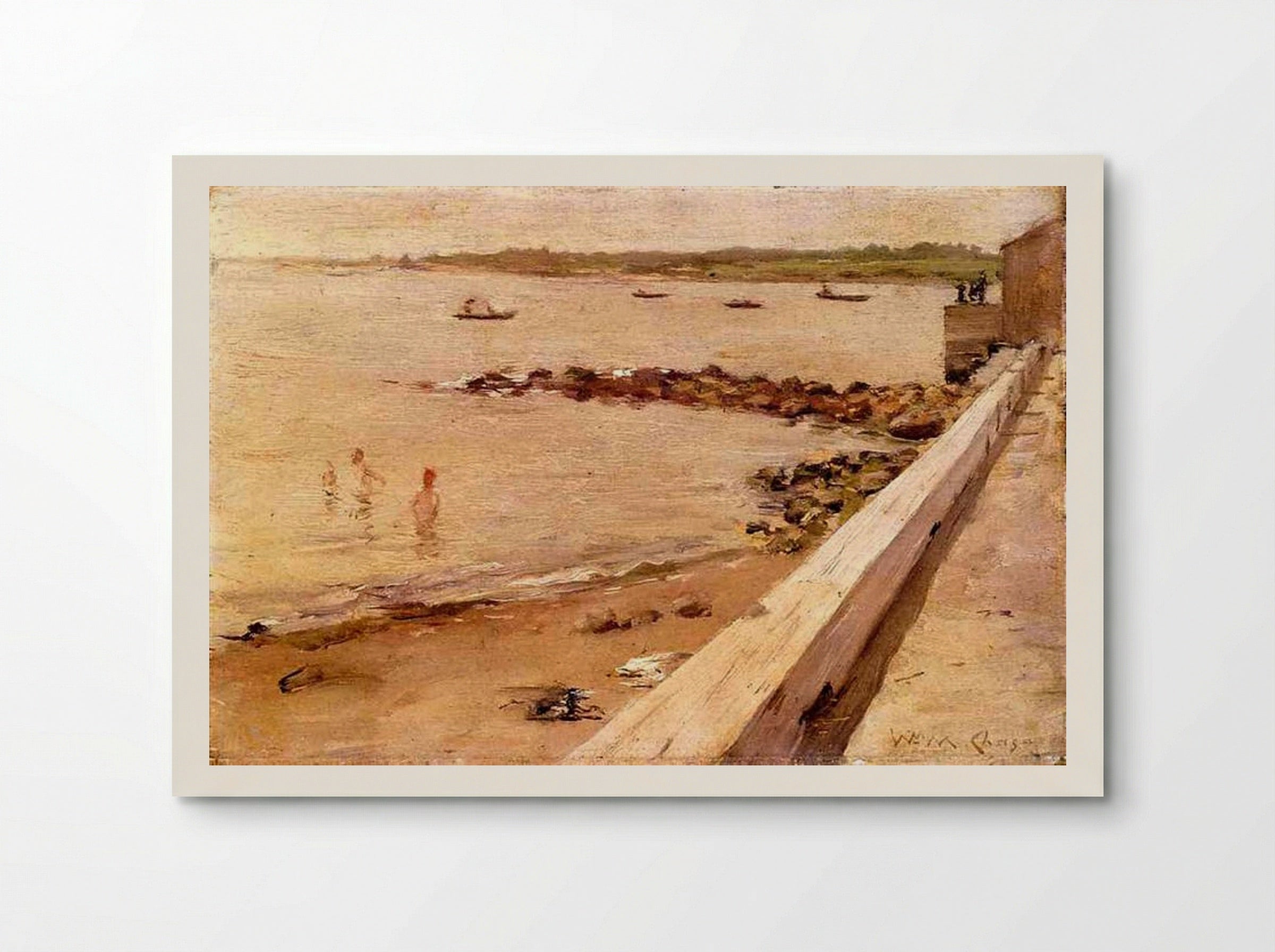 The Bathers - William Merritt Chase
Print
Regular price From £28.00 GBPSale price From £28.00 GBP Regular price -
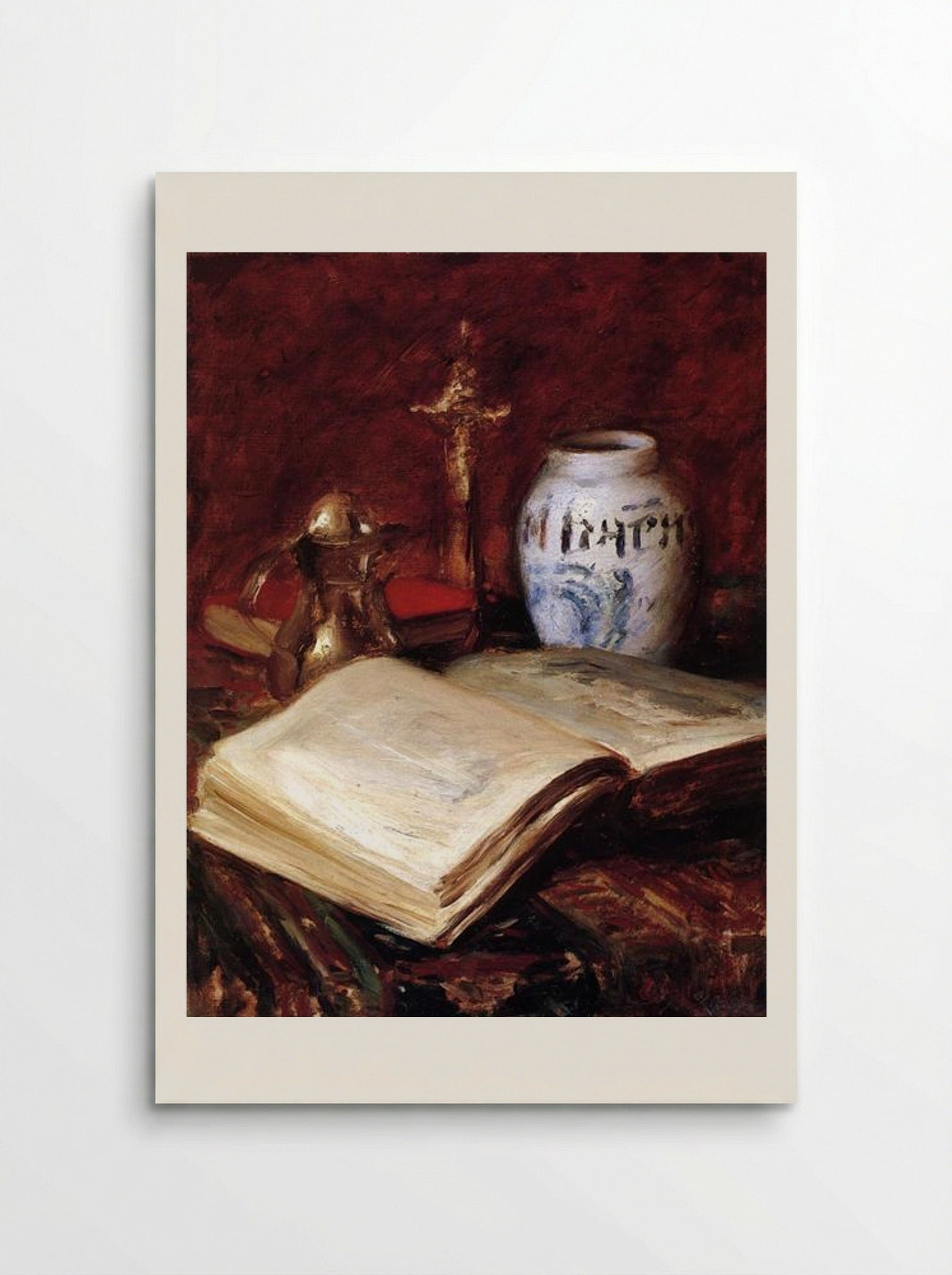 The Old Book - William Merritt Chase
Print
Regular price From £28.00 GBPSale price From £28.00 GBP Regular price -
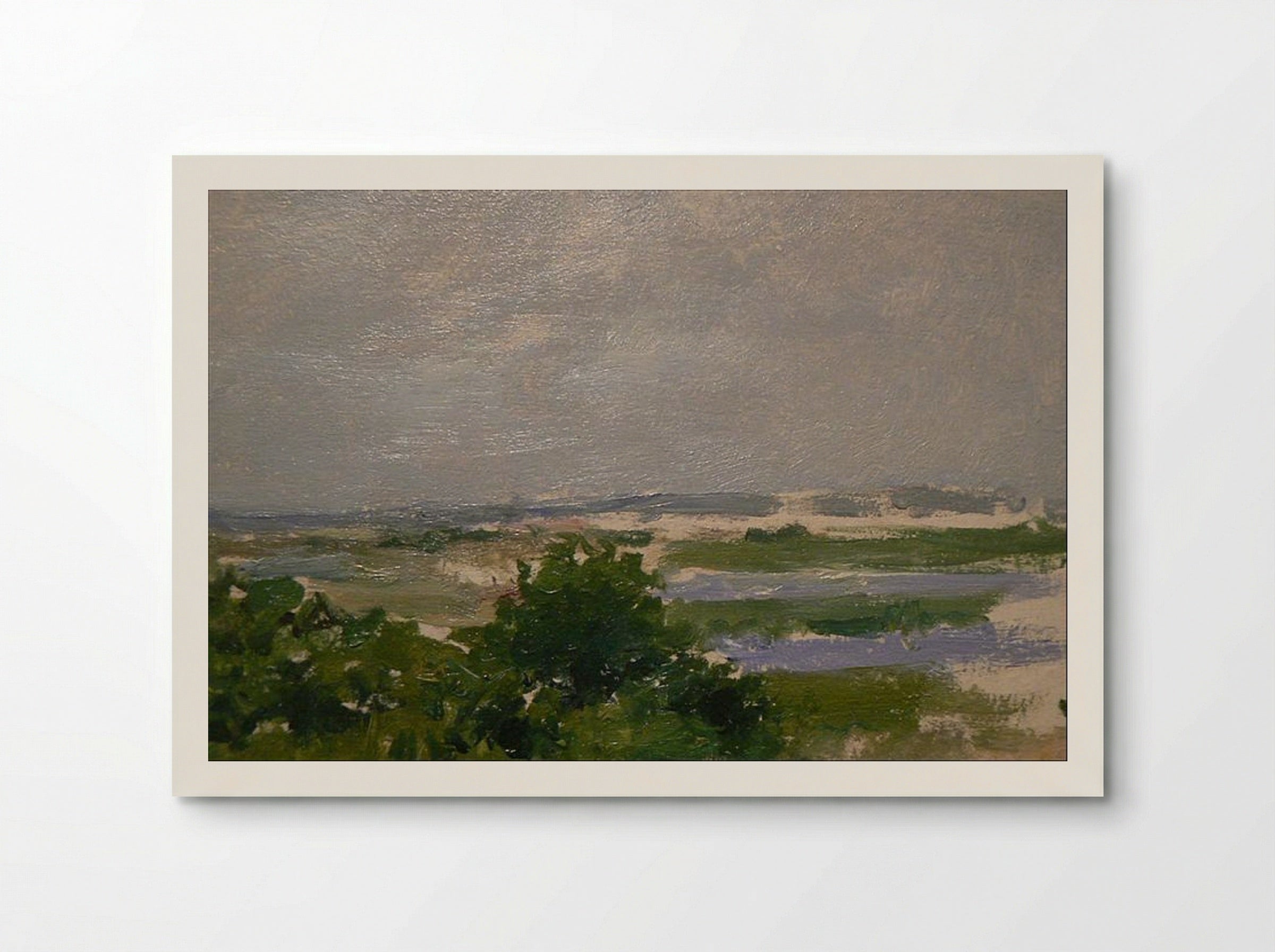 Shinnecock Hills - William Merritt Chase
Print
Regular price From £28.00 GBPSale price From £28.00 GBP Regular price -
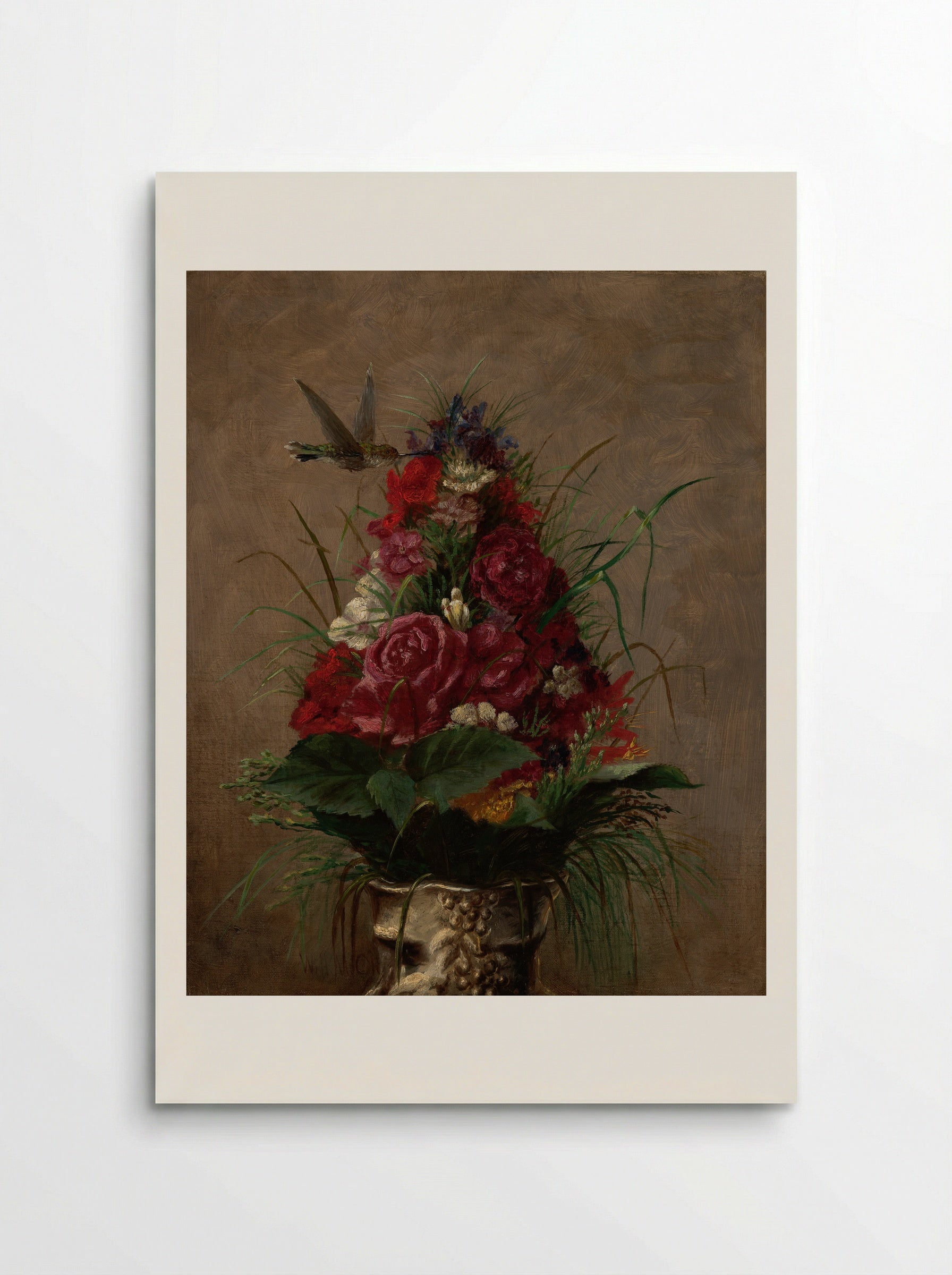 Still Life with Flowers and Hummingbird - William Merritt Chase
Print
Regular price From £28.00 GBPSale price From £28.00 GBP Regular price -
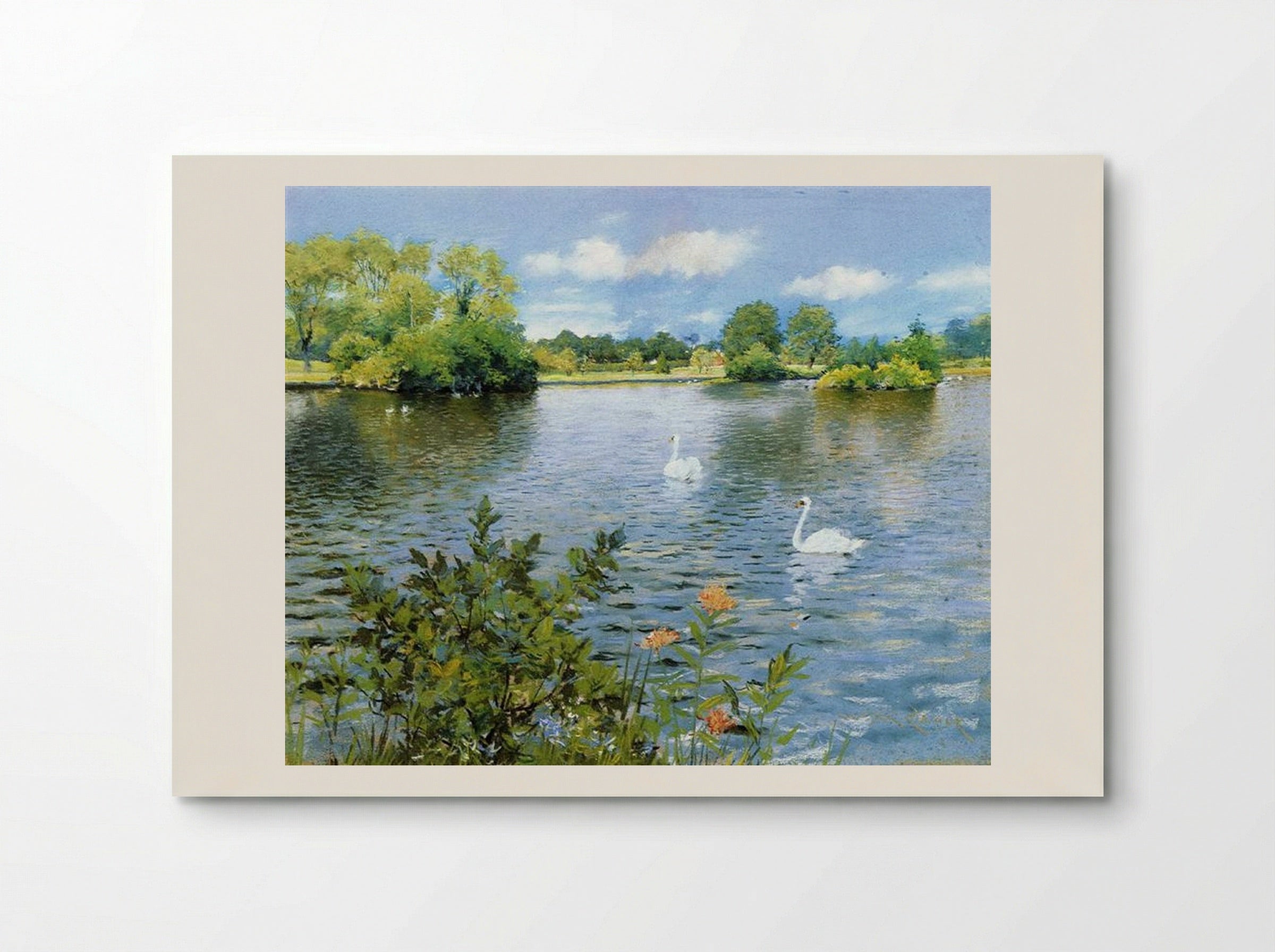 A Long Island Lake - William Merritt Chase
Print
Regular price From £28.00 GBPSale price From £28.00 GBP Regular price -
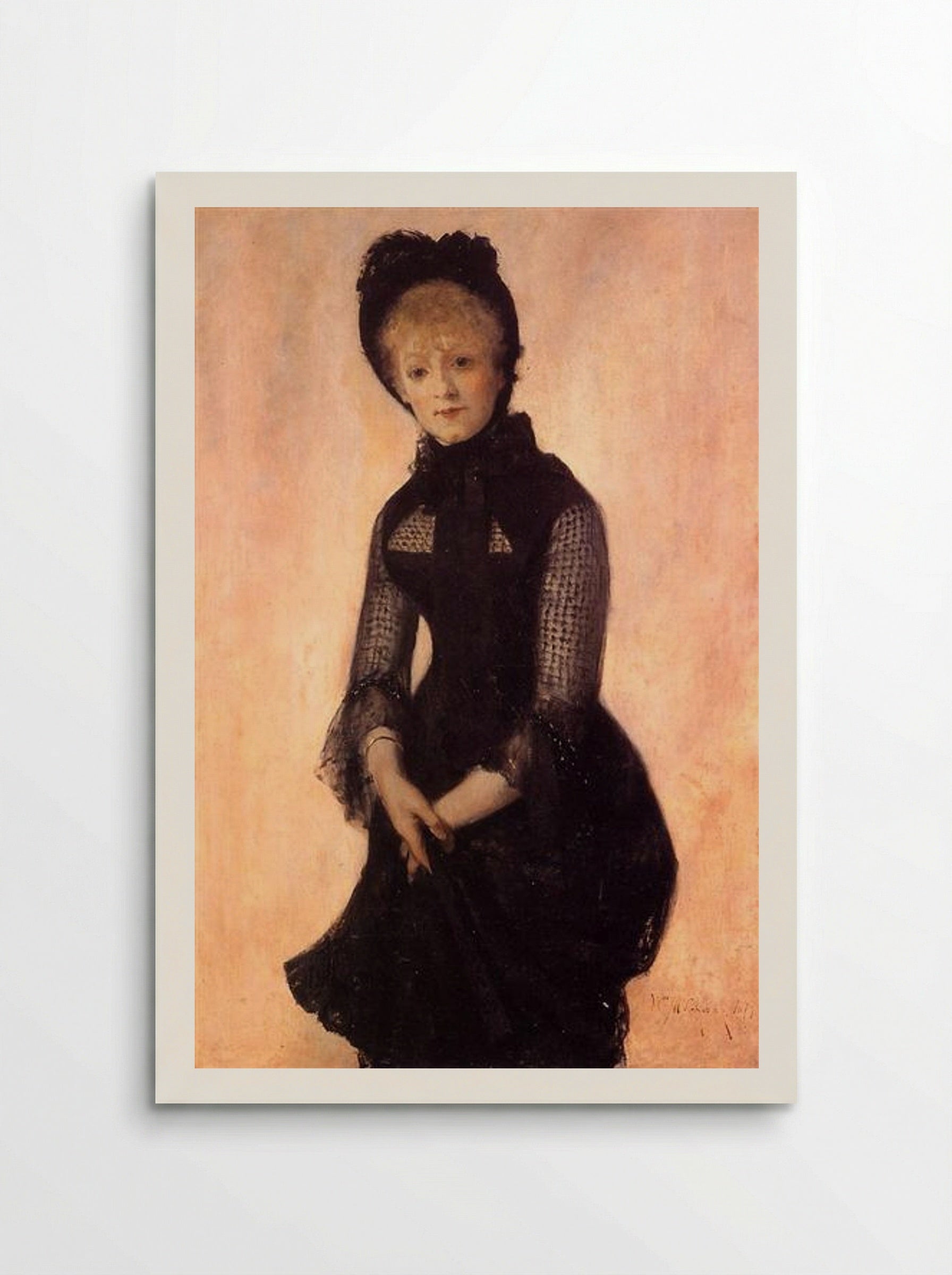 Portrait of Harriet Hubbard Ayer - William Merritt Chase
Print
Regular price From £28.00 GBPSale price From £28.00 GBP Regular price -
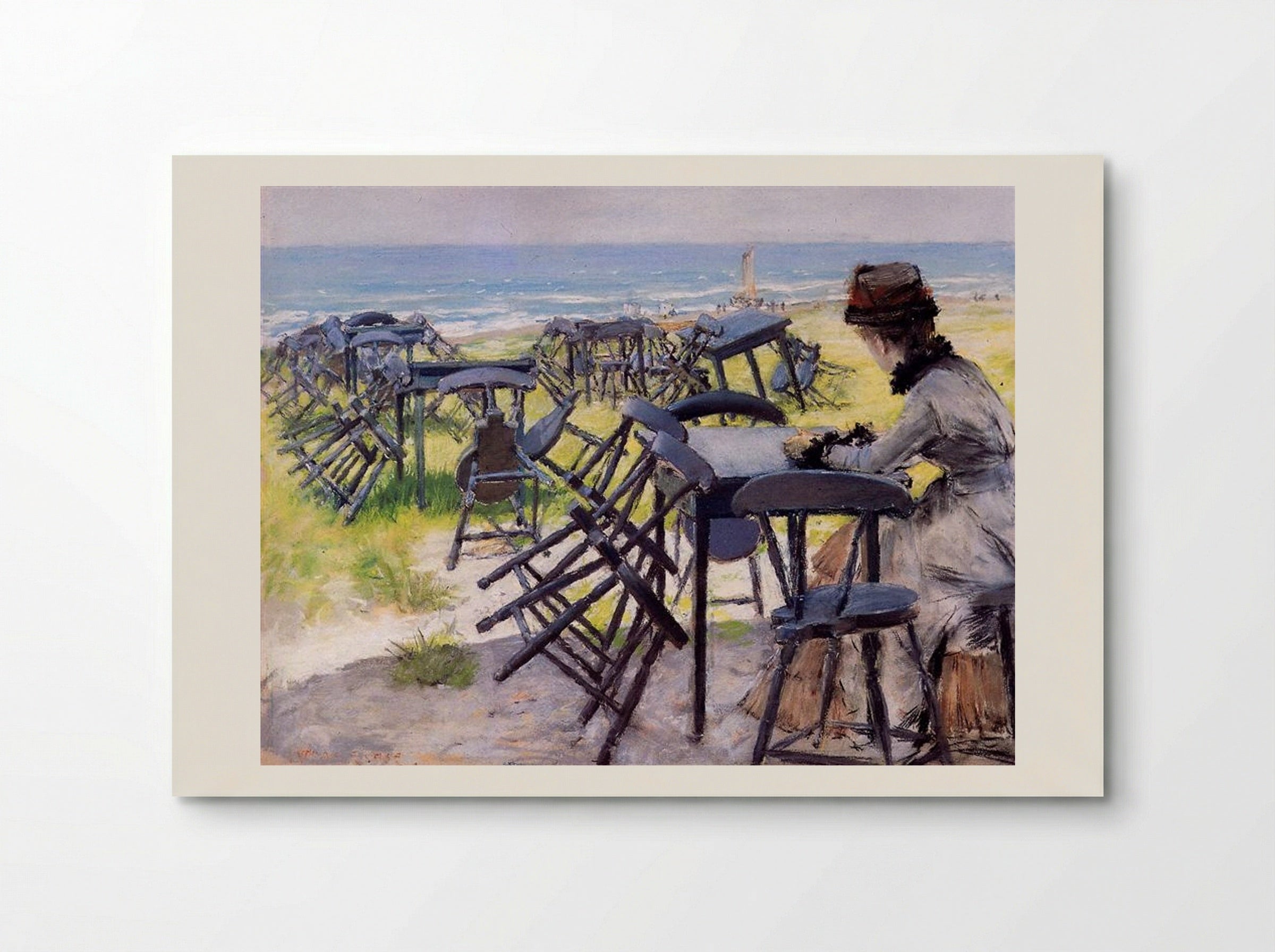 End of the Season - William Merritt Chase
Print
Regular price From £28.00 GBPSale price From £28.00 GBP Regular price -
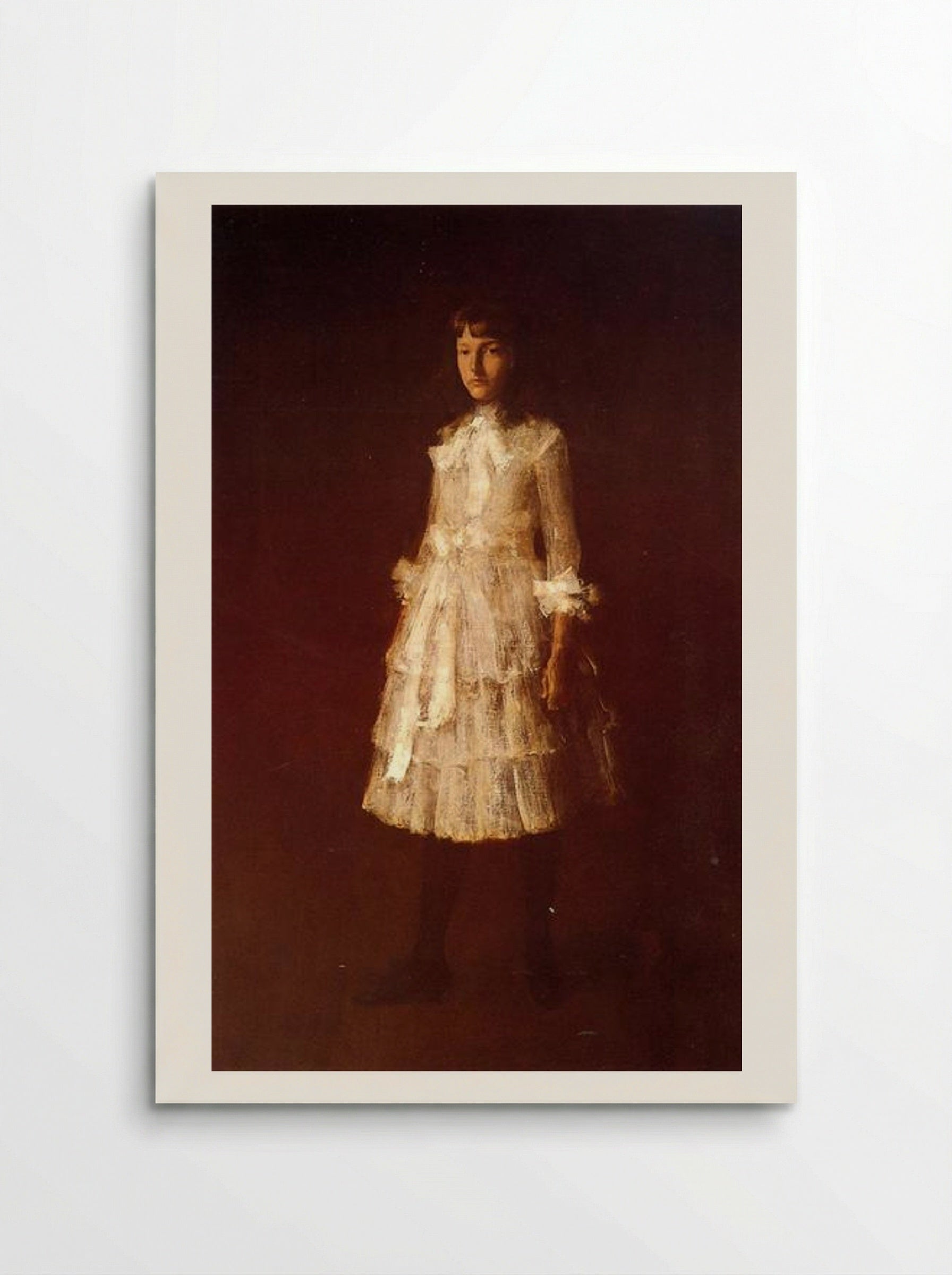 Hattie - William Merritt Chase
Print
Regular price From £28.00 GBPSale price From £28.00 GBP Regular price -
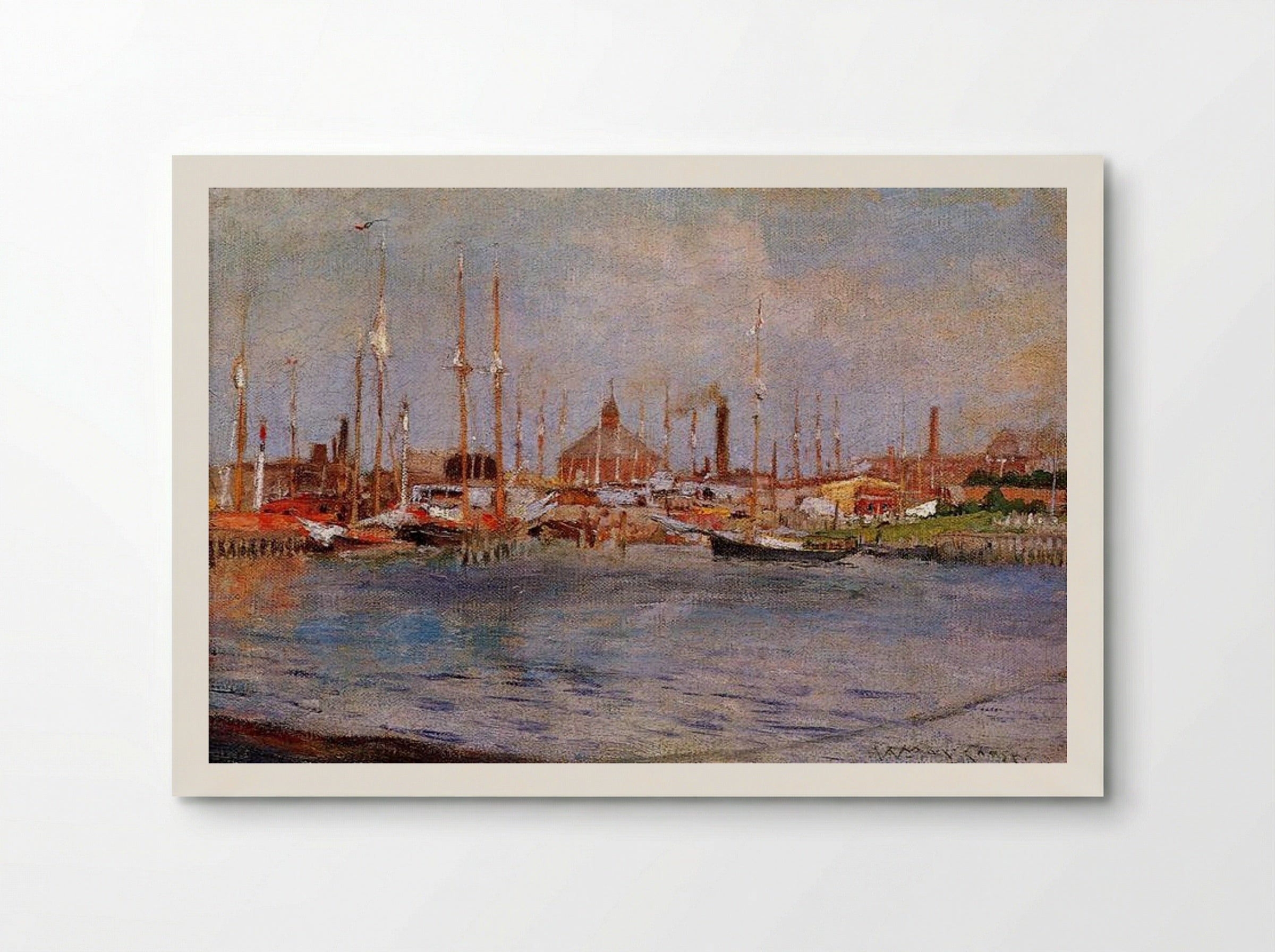 Near Bay Ridge - William Merritt Chase
Print
Regular price From £28.00 GBPSale price From £28.00 GBP Regular price -
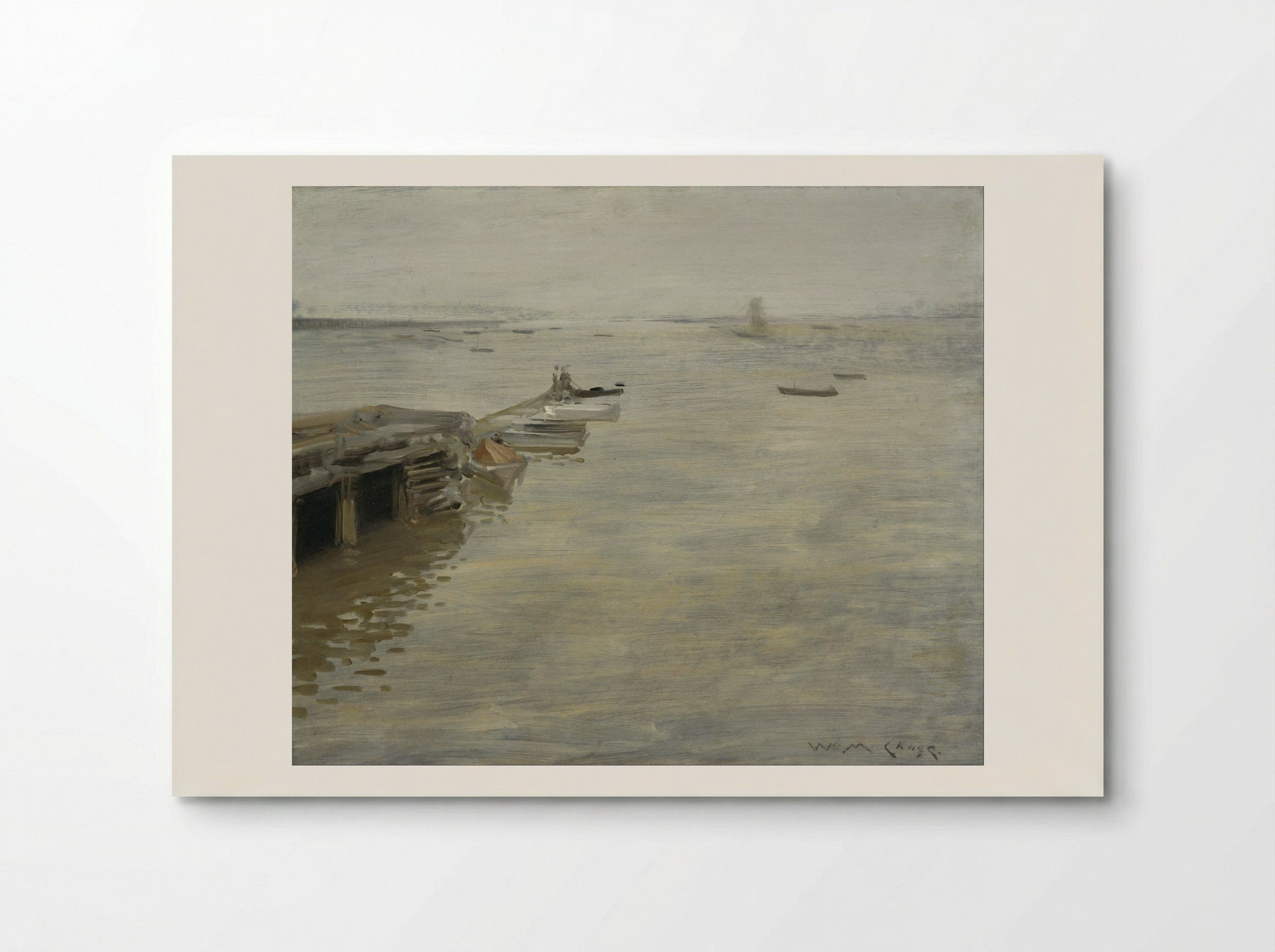 Gray Day on the Lagoon (A Passenger Boat — Venice) - William Merritt Chase
Print
Regular price From £28.00 GBPSale price From £28.00 GBP Regular price -
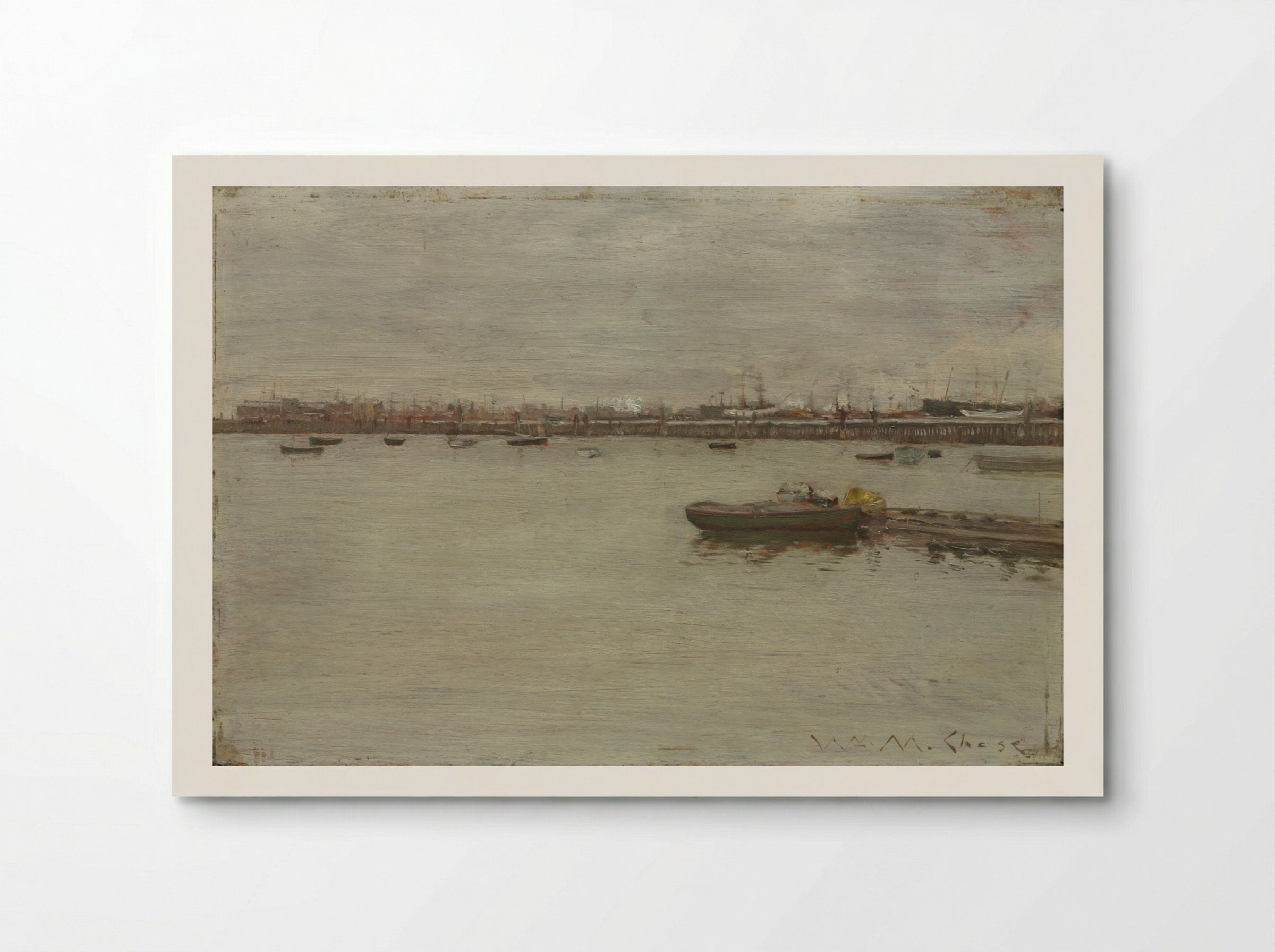 Gray Day on the Bay - William Merritt Chase
Print
Regular price From £28.00 GBPSale price From £28.00 GBP Regular price -
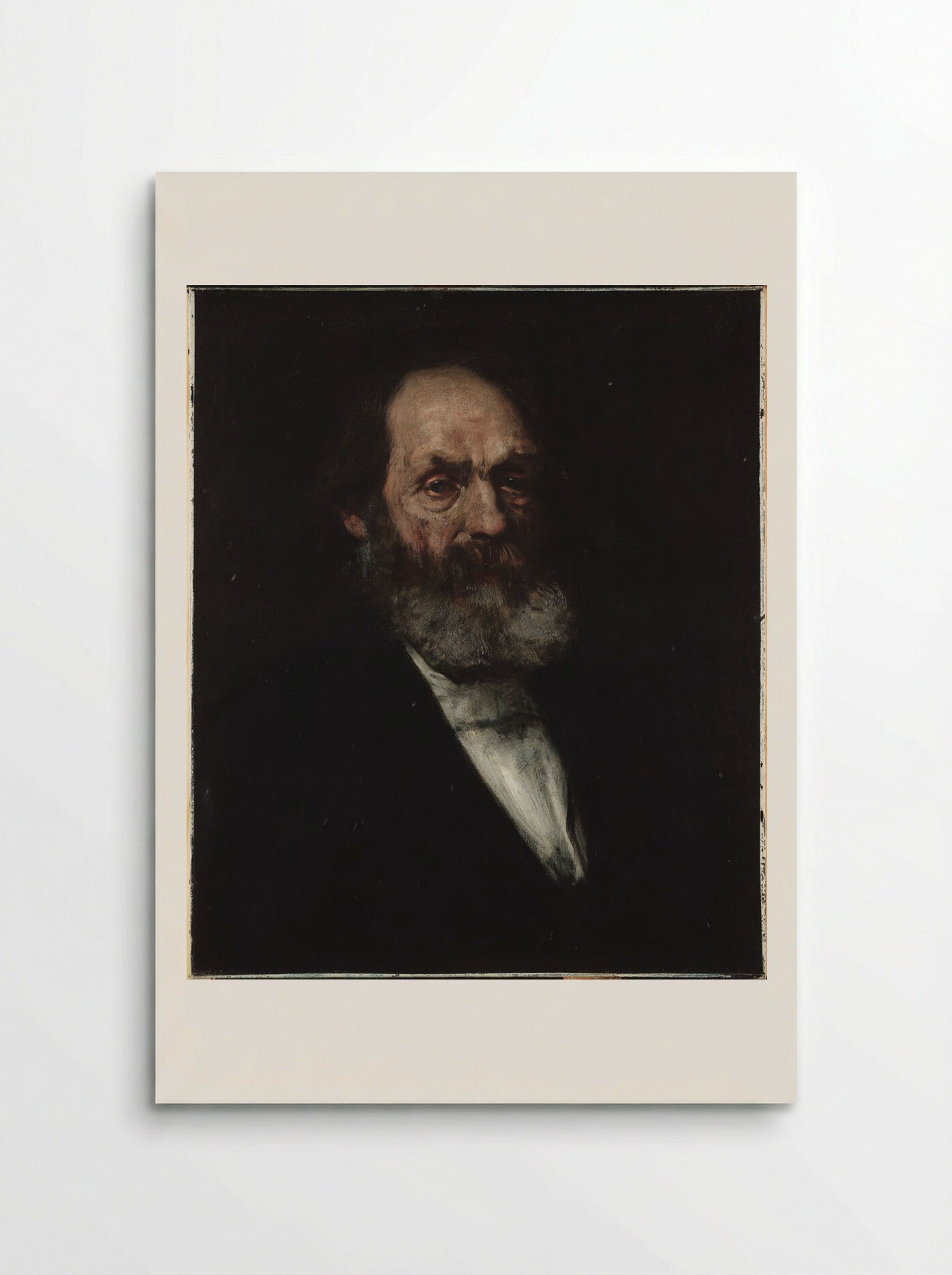 Edward Everett Hale - William Merritt Chase
Print
Regular price From £28.00 GBPSale price From £28.00 GBP Regular price -
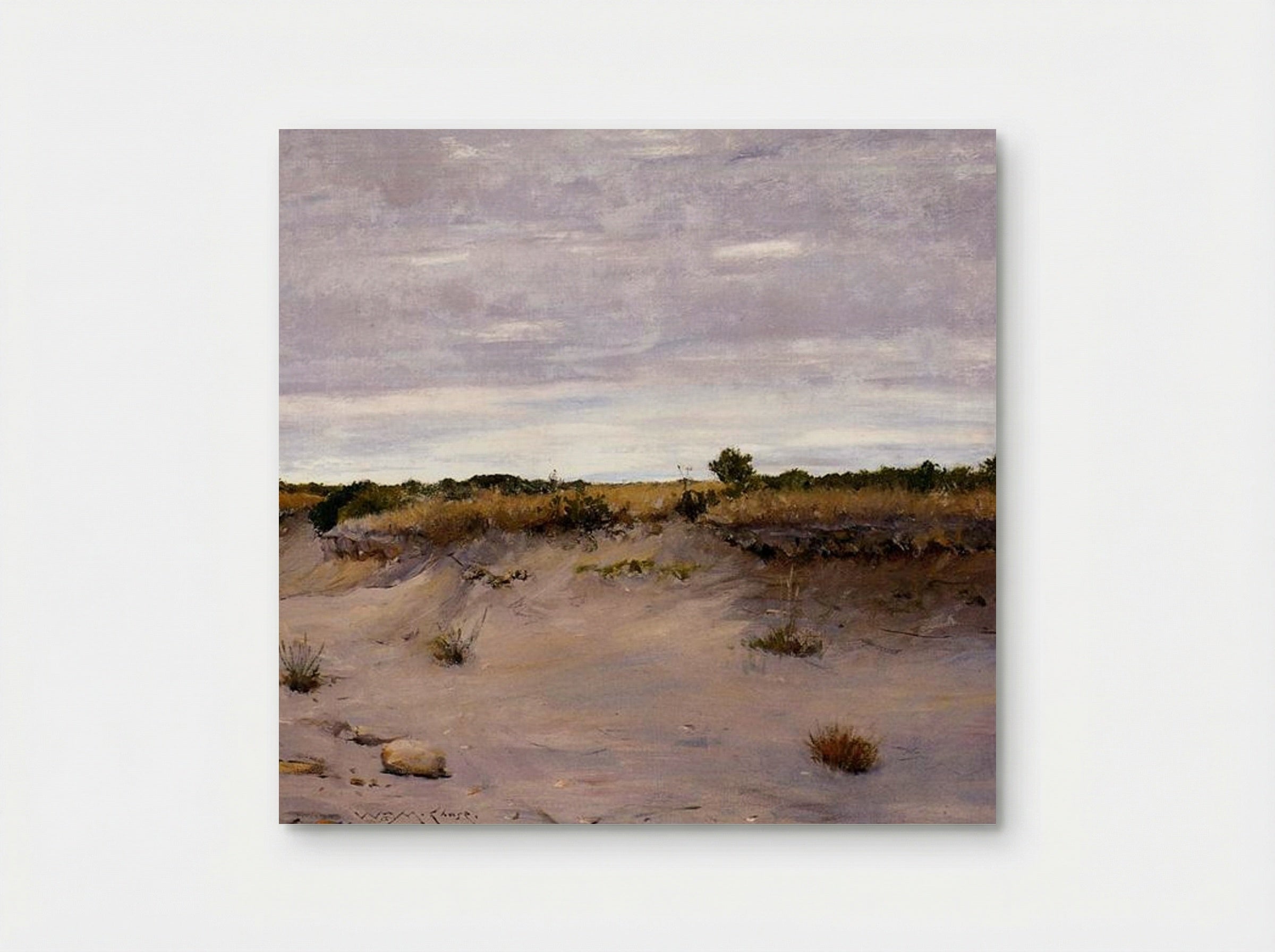 Wind Swept Sands, Shinnecock, Long Island - William Merritt Chase
Print
Regular price From £37.00 GBPSale price From £37.00 GBP Regular price


Artist Biography
William Merritt Chase
Chase briefly joined the Navy at eighteen. After three months on the USS Vermont and USS Portsmouth he wrote to his father asking to arrange a discharge. He went to art school instead, which was probably better for everyone.
He studied at the Royal Academy of Munich, came home with a technique influenced by Velazquez and the dark tonalities of the old Dutch masters, and became one of the most important art teachers in American history. His pupils included Georgia O'Keeffe, Edward Hopper, Charles Sheeler, Joseph Stella, Marsden Hartley and Rockwell Kent. The list reads like a syllabus for twentieth-century American art.
In 1891 he founded the Shinnecock Hills Summer School on Long Island, the first plein-air painting school in the United States. His friend Stanford White designed his summer house there, with an integral studio. He taught outdoors, painting the dunes and scrubland of the South Fork with a luminous palette that anticipated the Impressionism he would later formally adopt. He was invited to join The Ten, the leading American Impressionist group, in 1902.
His most famous still-life subject was dead fish: whole fish lying on a plate against a dark background, painted with the same tonal precision he brought to landscapes and portraits. The subject sounds monotonous but the paintings are extraordinary, each fish rendered as an individual study in colour and light.
He was not modest. He decorated his studio with antiques and costumes and posed for photographs wearing a top hat. He believed art was a serious profession that deserved serious presentation, which for Chase meant looking like he meant it.
He studied at the Royal Academy of Munich, came home with a technique influenced by Velazquez and the dark tonalities of the old Dutch masters, and became one of the most important art teachers in American history. His pupils included Georgia O'Keeffe, Edward Hopper, Charles Sheeler, Joseph Stella, Marsden Hartley and Rockwell Kent. The list reads like a syllabus for twentieth-century American art.
In 1891 he founded the Shinnecock Hills Summer School on Long Island, the first plein-air painting school in the United States. His friend Stanford White designed his summer house there, with an integral studio. He taught outdoors, painting the dunes and scrubland of the South Fork with a luminous palette that anticipated the Impressionism he would later formally adopt. He was invited to join The Ten, the leading American Impressionist group, in 1902.
His most famous still-life subject was dead fish: whole fish lying on a plate against a dark background, painted with the same tonal precision he brought to landscapes and portraits. The subject sounds monotonous but the paintings are extraordinary, each fish rendered as an individual study in colour and light.
He was not modest. He decorated his studio with antiques and costumes and posed for photographs wearing a top hat. He believed art was a serious profession that deserved serious presentation, which for Chase meant looking like he meant it.


Why Choose Us ?