

Collection
Childe Hassam
Explore curated art prints selected for distinctive homes and considered interiors.
-
 Houses of Parliament, Early Evening - Childe Hassam
Print
Regular price From £28.00 GBPSale price From £28.00 GBP Regular price -
 July Night - Childe Hassam
Print
Regular price From £28.00 GBPSale price From £28.00 GBP Regular price -
 Central Park - Childe Hassam
Print
Regular price From £28.00 GBPSale price From £28.00 GBP Regular price -
 Oregon Landscape - Childe Hassam
Print
Regular price From £28.00 GBPSale price From £28.00 GBP Regular price -
 The Rose Garden - Childe Hassam
Print
Regular price From £28.00 GBPSale price From £28.00 GBP Regular price -
 Messenger Boy - Childe Hassam
Print
Regular price From £28.00 GBPSale price From £28.00 GBP Regular price -
 Spring, Navesink Highlands - Childe Hassam
Print
Regular price From £28.00 GBPSale price From £28.00 GBP Regular price -
 The Cove - Childe Hassam
Print
Regular price From £28.00 GBPSale price From £28.00 GBP Regular price -
 Mt. Hood (Oregon) - Childe Hassam
Print
Regular price From £28.00 GBPSale price From £28.00 GBP Regular price -
 Dragon Cloud, Old Lyme - Childe Hassam
Print
Regular price From £28.00 GBPSale price From £28.00 GBP Regular price -
 The Brush House - Childe Hassam
Print
Regular price From £28.00 GBPSale price From £28.00 GBP Regular price -

 Old Washington No. 2 - Childe Hassam
Print · Framed
Regular price From £28.00 GBPSale price From £28.00 GBP Regular price -

 Saint Philip's, Charleston, South Carolina - Childe Hassam
Print · Framed
Regular price From £28.00 GBPSale price From £28.00 GBP Regular price -

 Tulip Tree Flowers - Childe Hassam
Print · Framed
Regular price From £28.00 GBPSale price From £28.00 GBP Regular price -

 Looking towards Mount Adams from Mount Hood - Childe Hassam
Print · Framed
Regular price From £28.00 GBPSale price From £28.00 GBP Regular price -

 End of Timberline, Mt. Hood - Childe Hassam
Print · Framed
Regular price From £28.00 GBPSale price From £28.00 GBP Regular price -

 Washington Monument from H Street, Washington DC - Childe Hassam
Print · Framed
Regular price From £28.00 GBPSale price From £28.00 GBP Regular price -

 Big Sycamore, Harper's Ferry - Childe Hassam
Print · Framed
Regular price From £28.00 GBPSale price From £28.00 GBP Regular price -

 Equestrian Statue of General Andrew Jackson, Washington DC - Childe Hassam
Print · Framed
Regular price From £28.00 GBPSale price From £28.00 GBP Regular price -

 The Little Church Around the Corner - Childe Hassam
Print · Framed
Regular price From £28.00 GBPSale price From £28.00 GBP Regular price -

 Still Life with Fruit - Childe Hassam
Print · Framed
Regular price From £28.00 GBPSale price From £28.00 GBP Regular price -

 Adams and St. Helens, Early Morning - Childe Hassam
Print · Framed
Regular price From £28.00 GBPSale price From £28.00 GBP Regular price -

 Brick Mansion, Portsmouth, New Hampshire - Childe Hassam
Print · Framed
Regular price From £28.00 GBPSale price From £28.00 GBP Regular price -
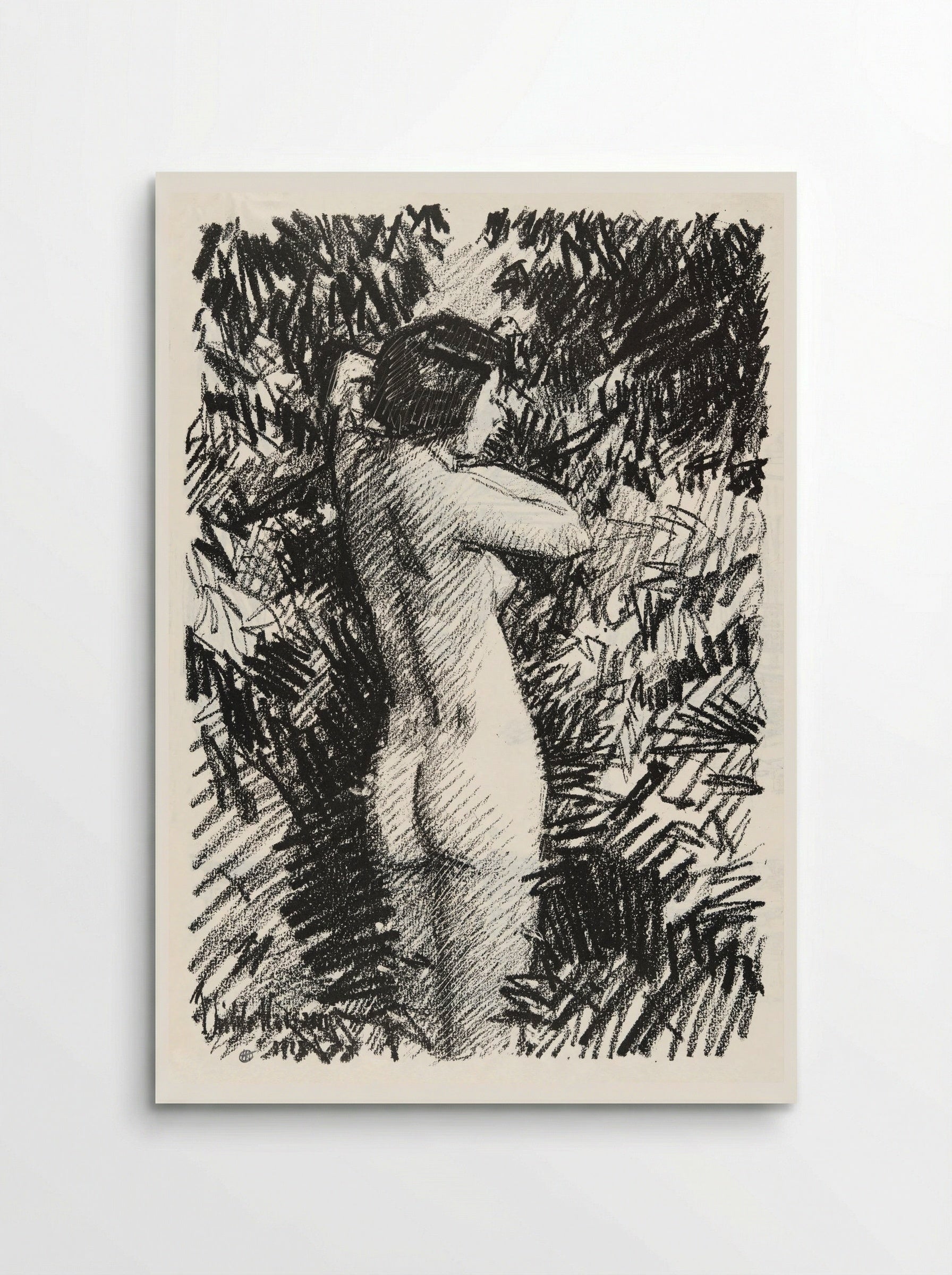
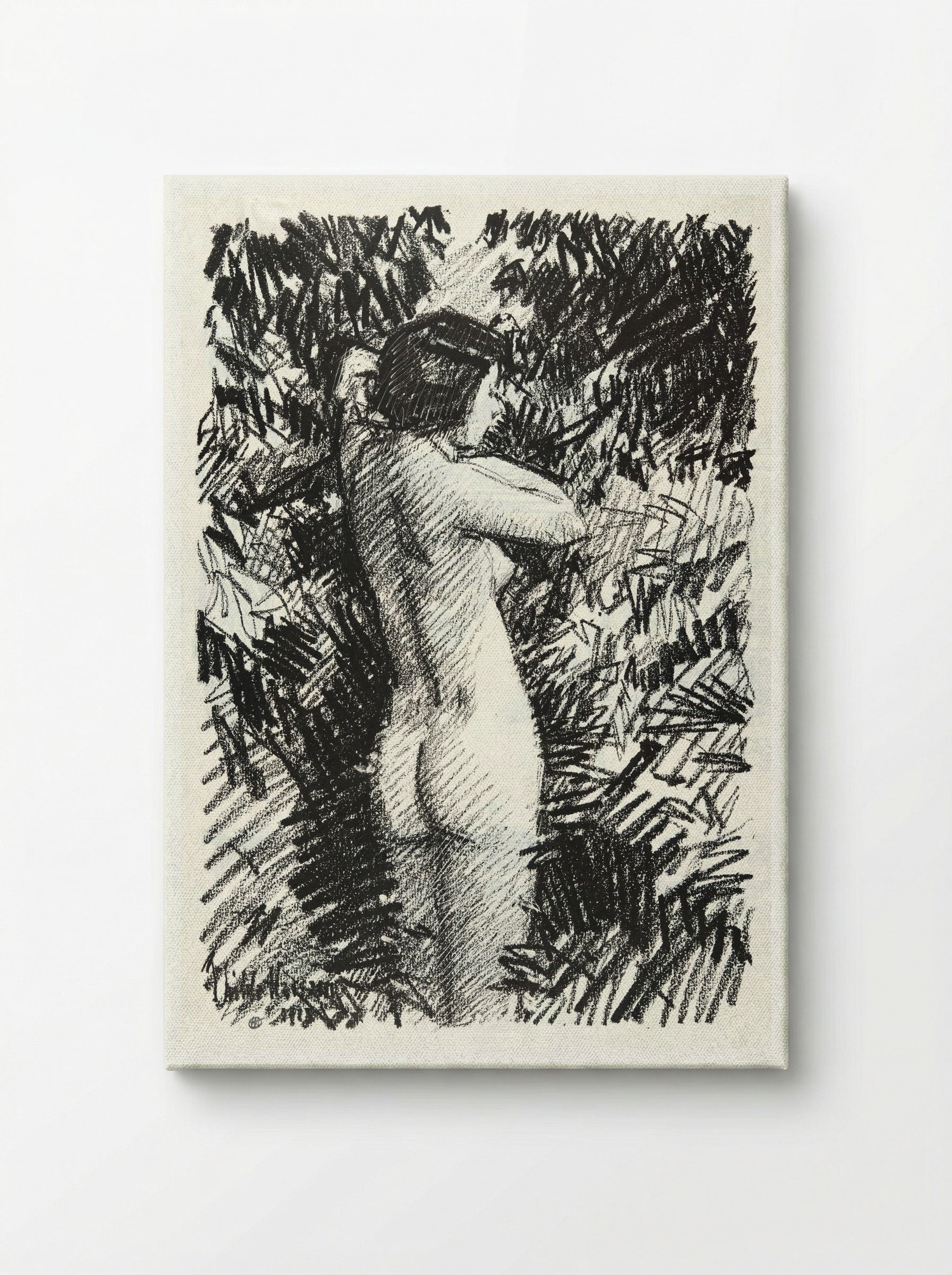 Nude in Landscape - Childe Hassam
Print · Framed · Canvas
Regular price From £28.00 GBPSale price From £28.00 GBP Regular price


Why Choose Us ?