

Collection
William Hogarth
Explore curated art prints selected for distinctive homes and considered interiors.
Suggested filters
-
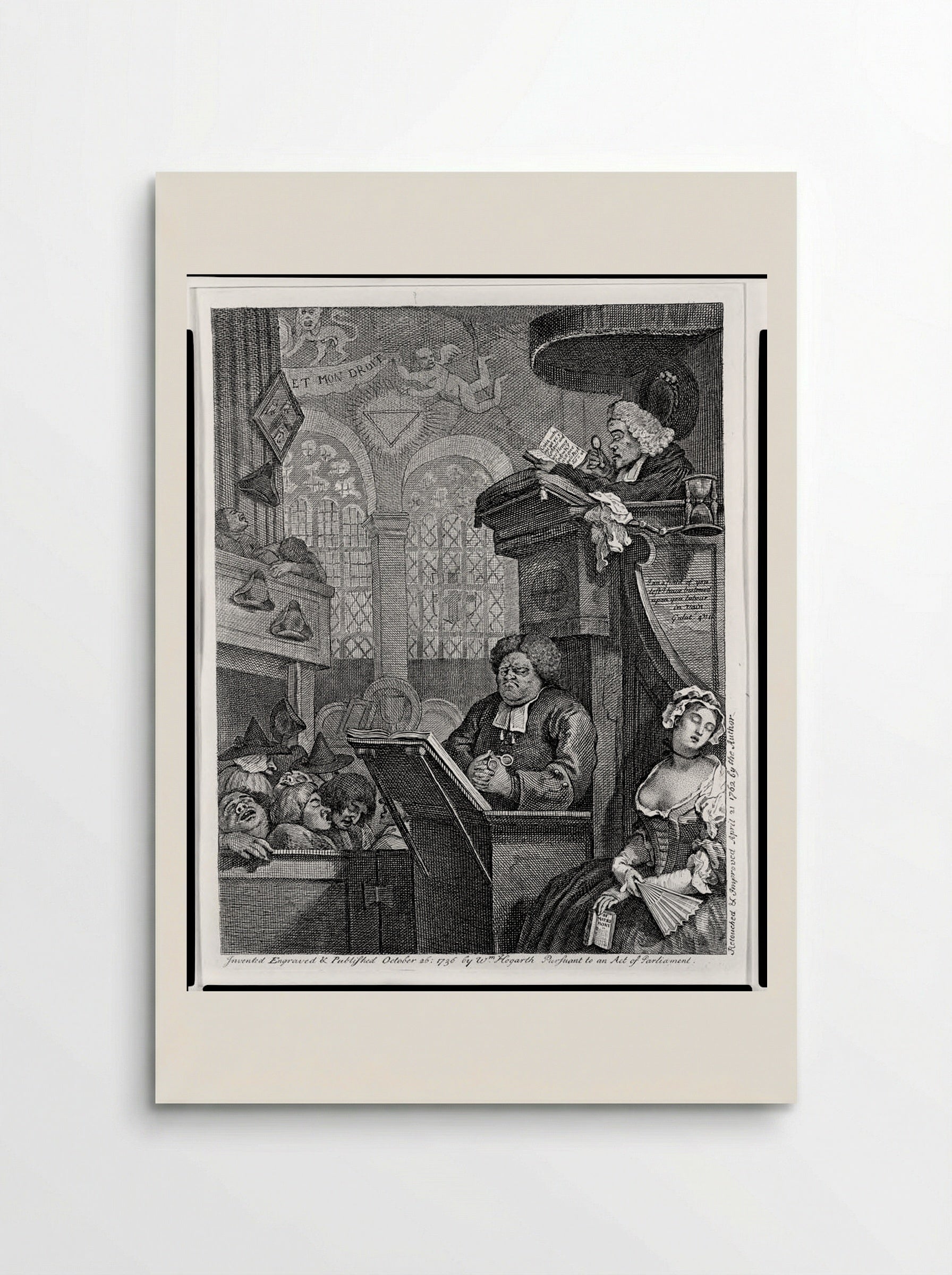
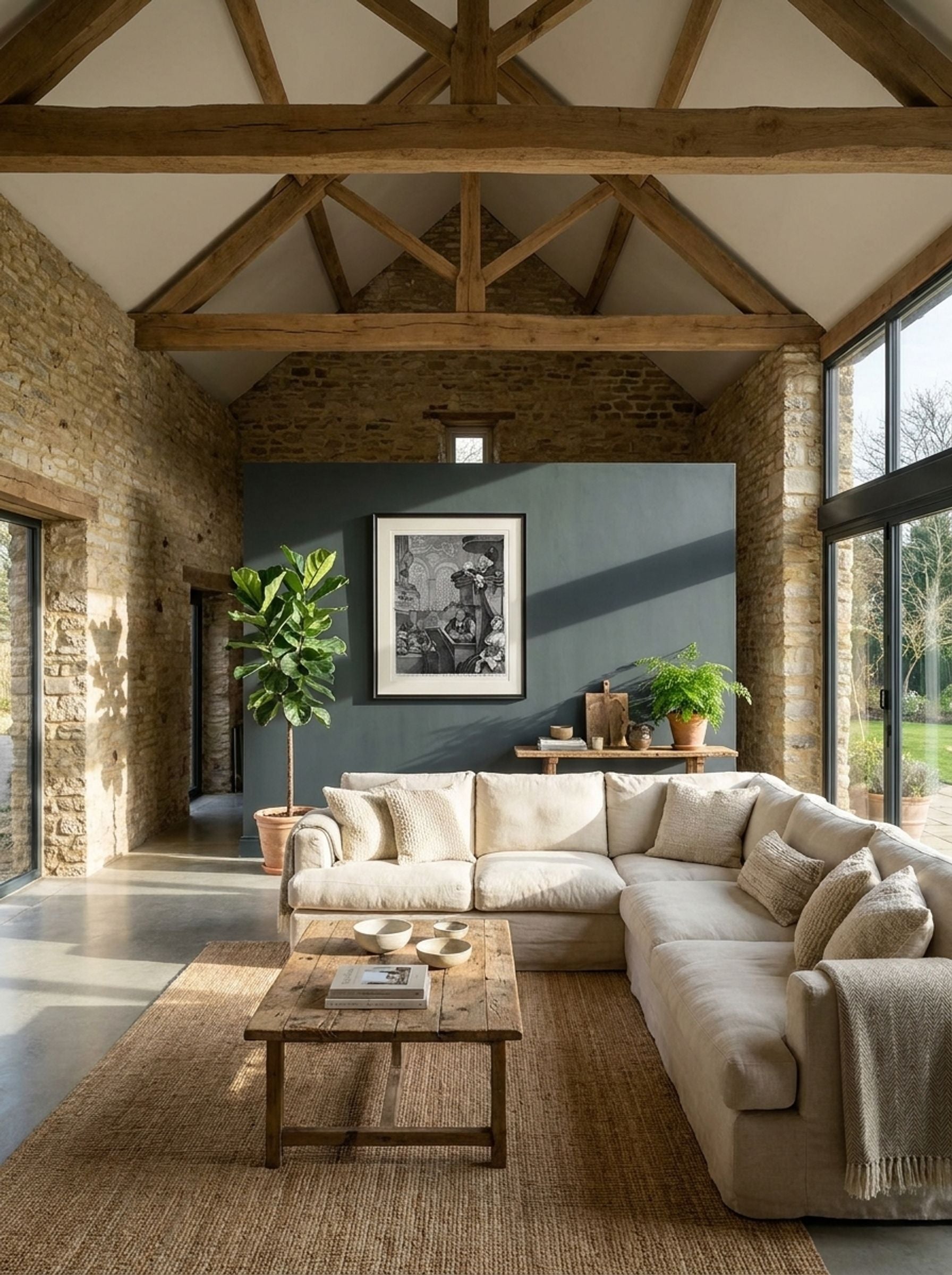 The Sleeping Congregation - William Hogarth
Print · Framed
Regular price From £28.00 GBPSale price From £28.00 GBP Regular price -

 Before - William Hogarth
Print · Framed
Regular price From £37.00 GBPSale price From £37.00 GBP Regular price -

 The Distressed Poet - William Hogarth
Print · Framed
Regular price From £37.00 GBPSale price From £37.00 GBP Regular price -

 The Enraged Musician - William Hogarth
Print · Framed
Regular price From £37.00 GBPSale price From £37.00 GBP Regular price -

 The Second Stage of Cruelty - William Hogarth
Print · Framed
Regular price From £37.00 GBPSale price From £37.00 GBP Regular price -

 Marriage A-la-Mode, Plate VI: The Lady's Death - William Hogarth
Print · Framed
Regular price From £28.00 GBPSale price From £28.00 GBP Regular price -

 After - William Hogarth
Print · Framed
Regular price From £28.00 GBPSale price From £28.00 GBP Regular price -

 Noon - William Hogarth
Print · Framed
Regular price From £28.00 GBPSale price From £28.00 GBP Regular price -

 Morning - William Hogarth
Print · Framed
Regular price From £28.00 GBPSale price From £28.00 GBP Regular price -

 Night - William Hogarth
Print · Framed
Regular price From £28.00 GBPSale price From £28.00 GBP Regular price -

 Chairing the Members - William Hogarth
Print · Framed
Regular price From £28.00 GBPSale price From £28.00 GBP Regular price -

 Marriage A-la-Mode: 2, The Tête à Tête - William Hogarth
Print · Framed
Regular price From £28.00 GBPSale price From £28.00 GBP Regular price -

 The Marriage Contract - William Hogarth
Print · Framed
Regular price From £28.00 GBPSale price From £28.00 GBP Regular price -

 Marriage A-la-Mode, Plate III: The Inspection - William Hogarth
Print · Framed
Regular price From £28.00 GBPSale price From £28.00 GBP Regular price -
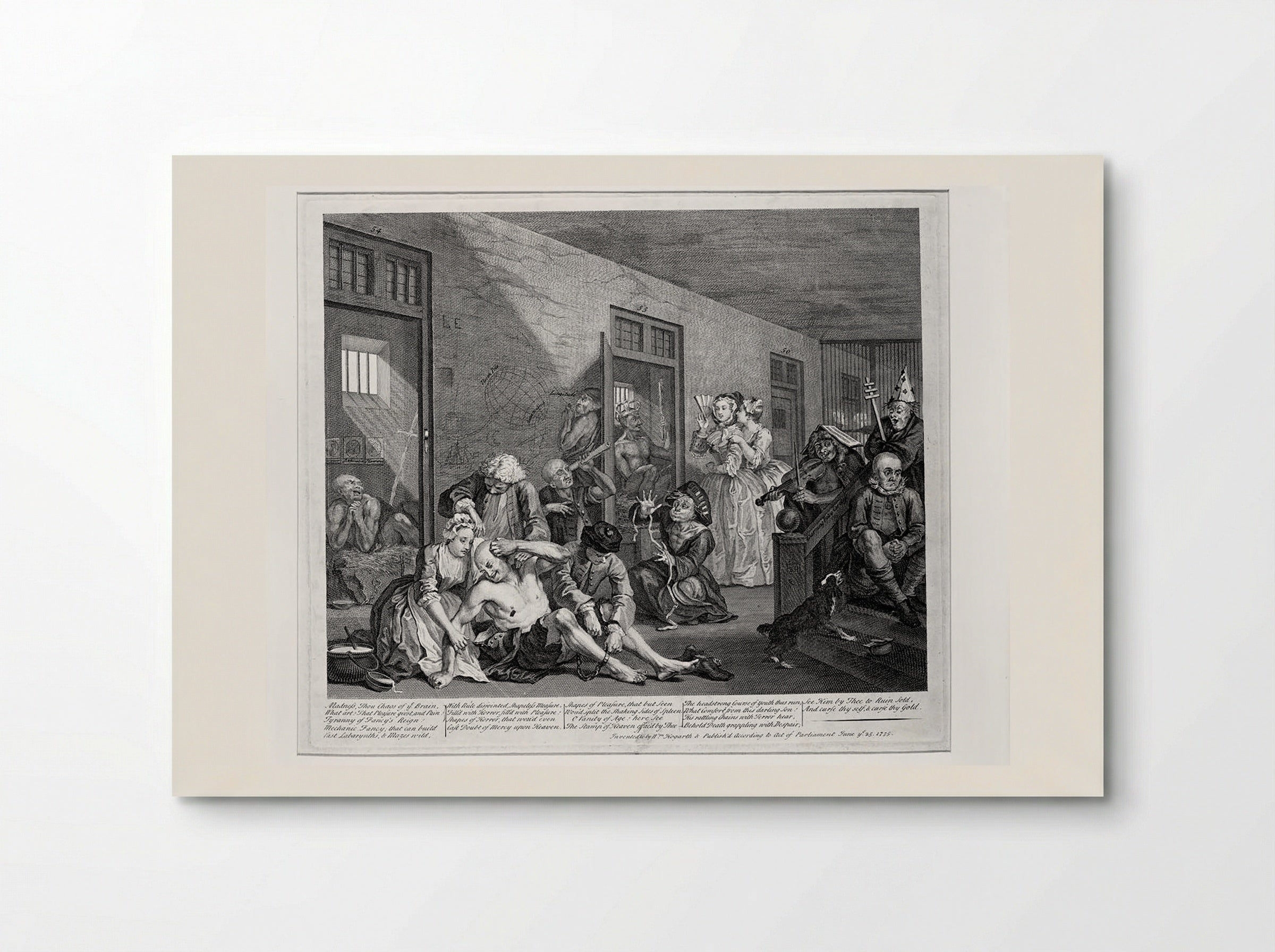
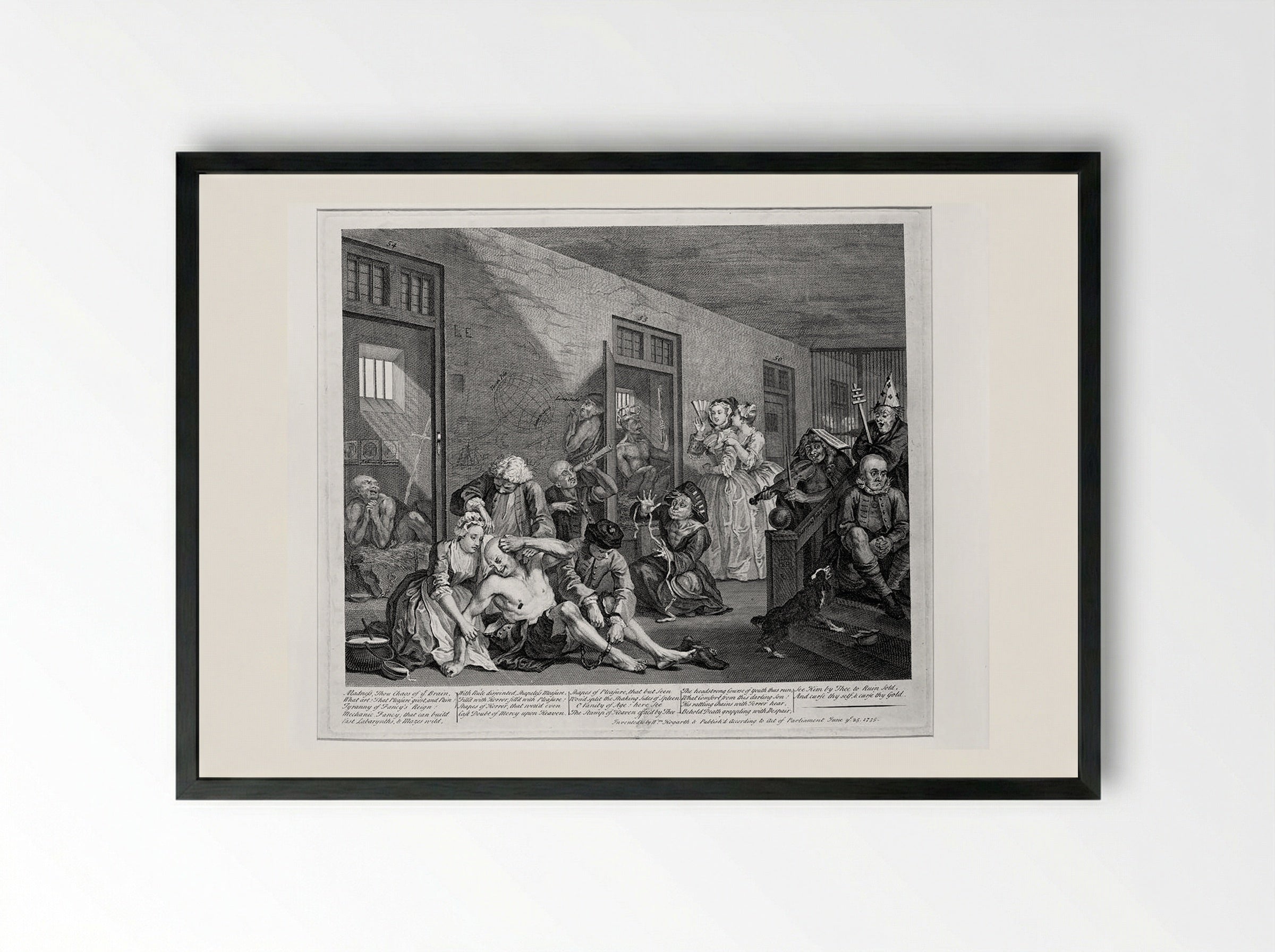 The Rake in Bedlam - William Hogarth
Print · Framed
Regular price From £28.00 GBPSale price From £28.00 GBP Regular price -
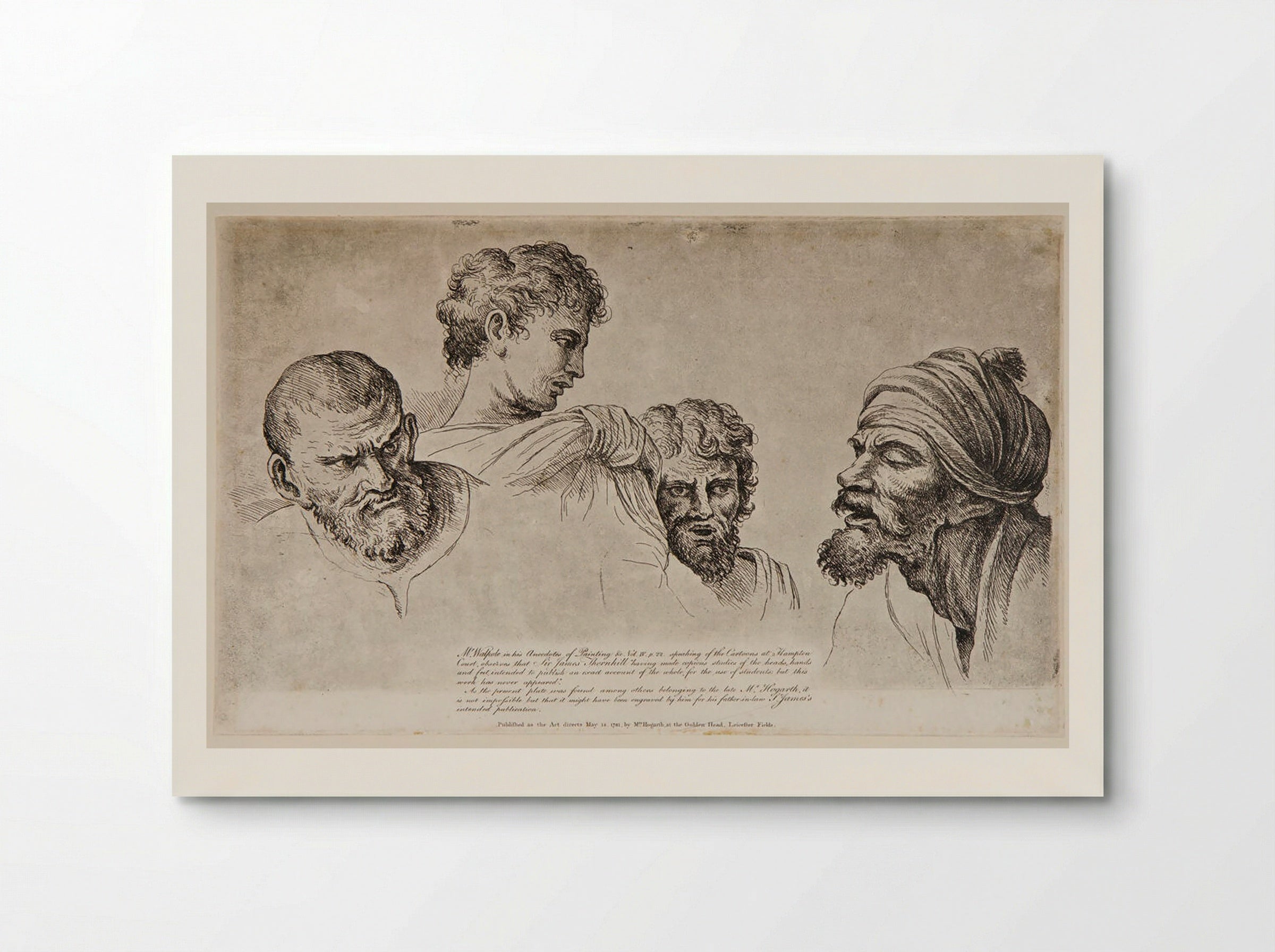
 Four Heads from the Raphael Cartoons at Hampton Court - William Hogarth
Print · Framed
Regular price From £28.00 GBPSale price From £28.00 GBP Regular price -
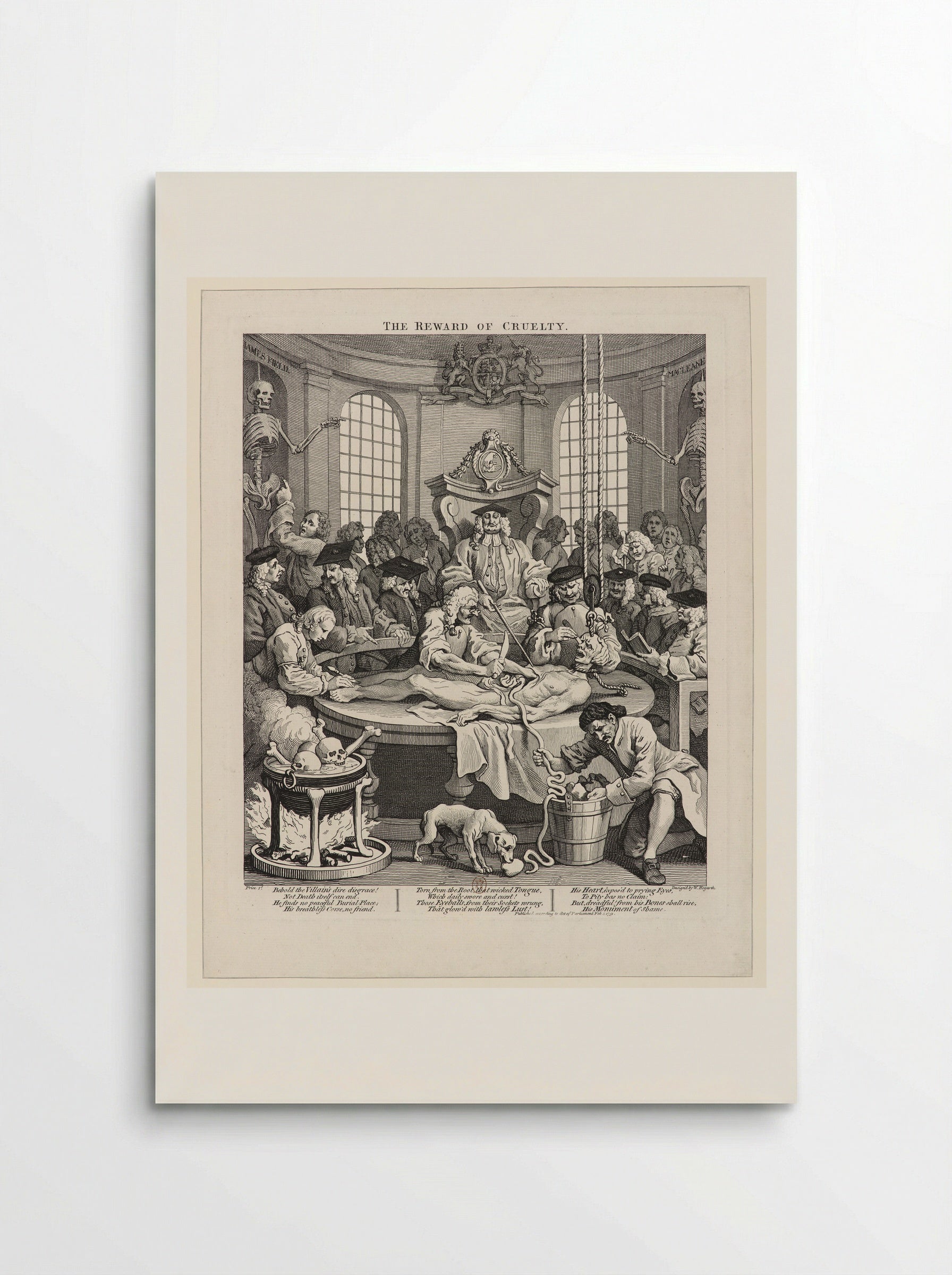
 The Reward of Cruelty - William Hogarth
Print · Framed · Canvas
Regular price From £28.00 GBPSale price From £28.00 GBP Regular price -
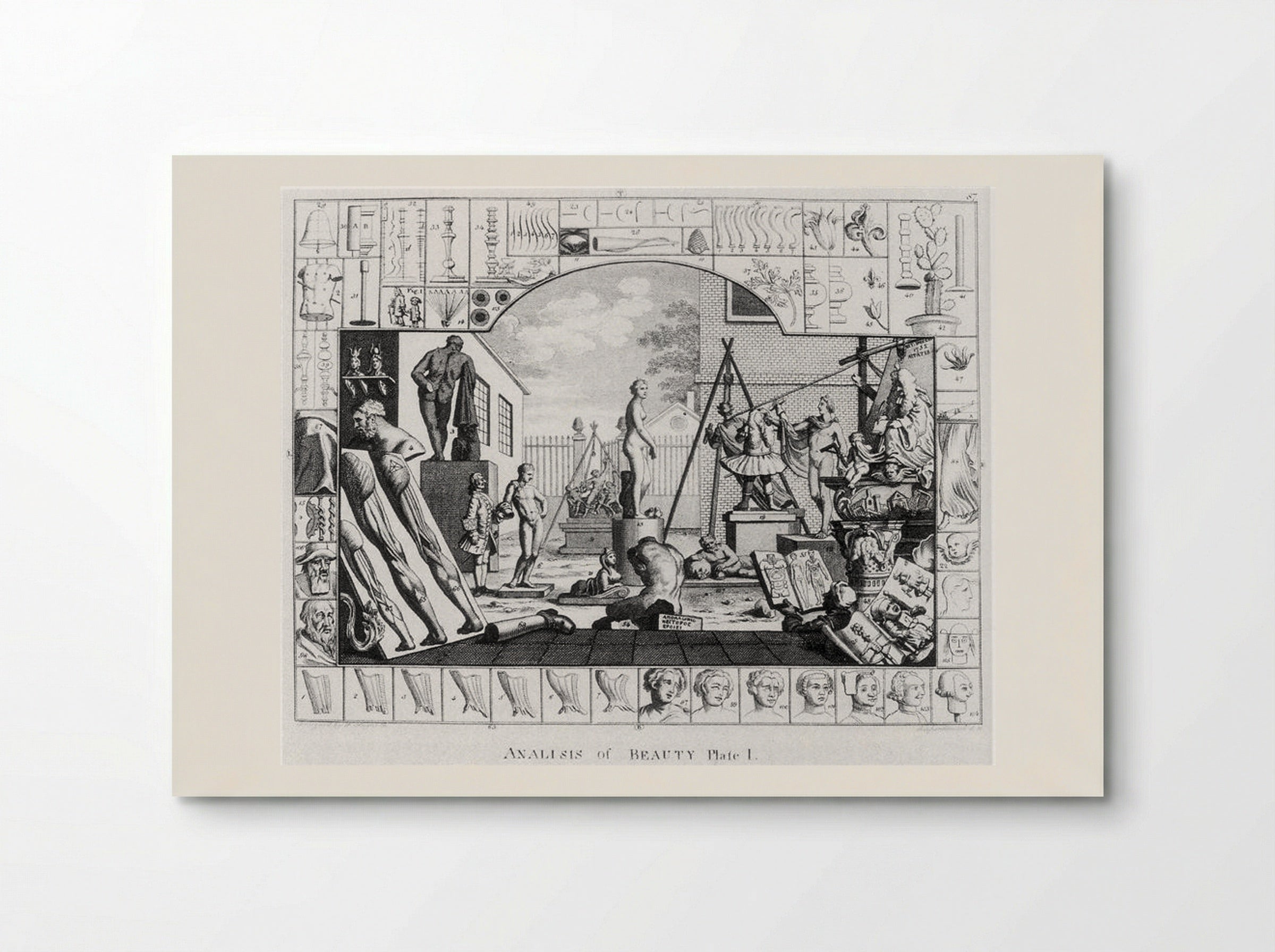 The Analysis of Beauty, Plate 1 - William Hogarth
Print
Regular price From £28.00 GBPSale price From £28.00 GBP Regular price -
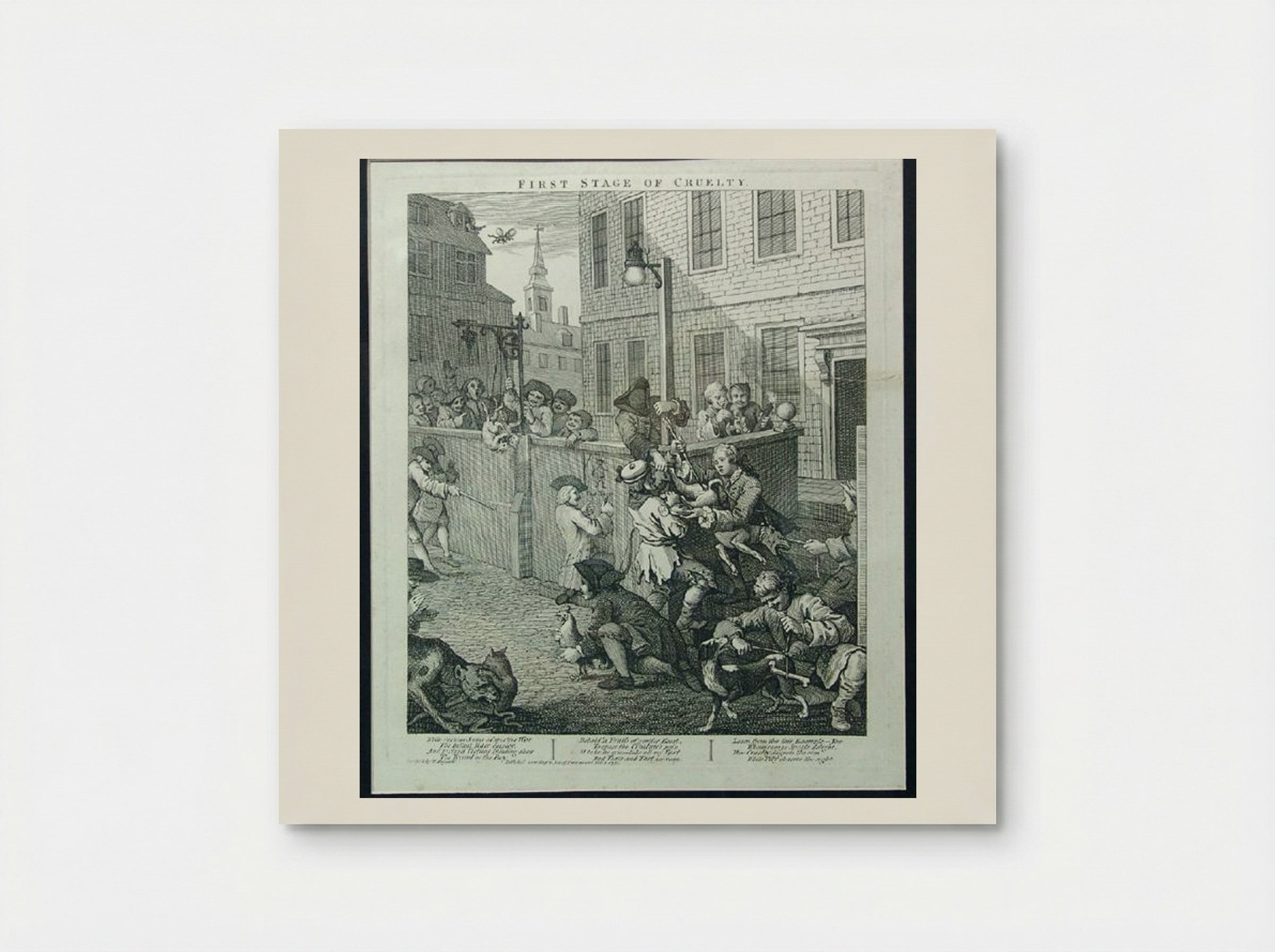 First Stage of Cruelty - William Hogarth
Print
Regular price From £37.00 GBPSale price From £37.00 GBP Regular price -
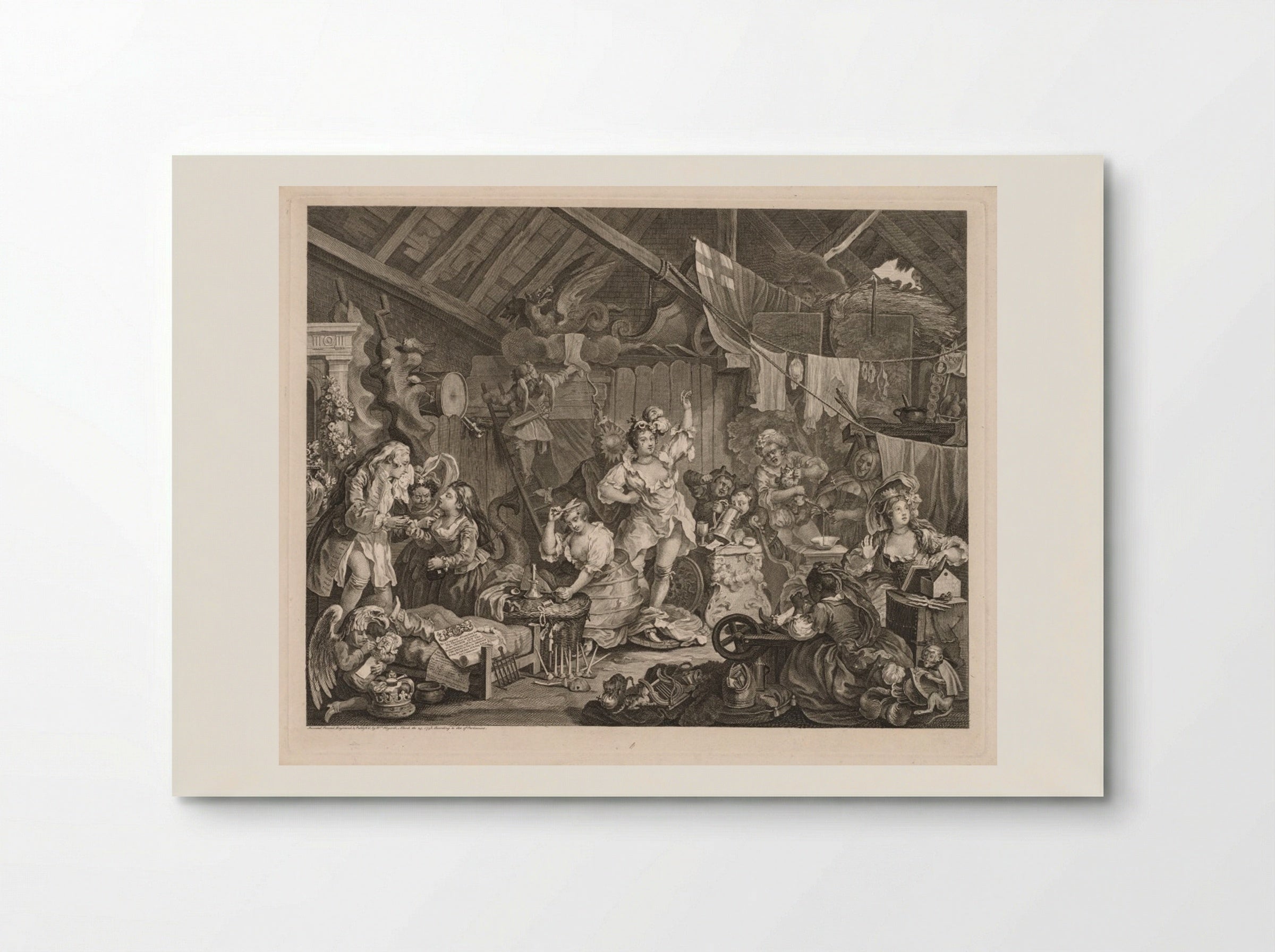 Strolling Actresses Dressing in a Barn - William Hogarth
Print
Regular price From £28.00 GBPSale price From £28.00 GBP Regular price -
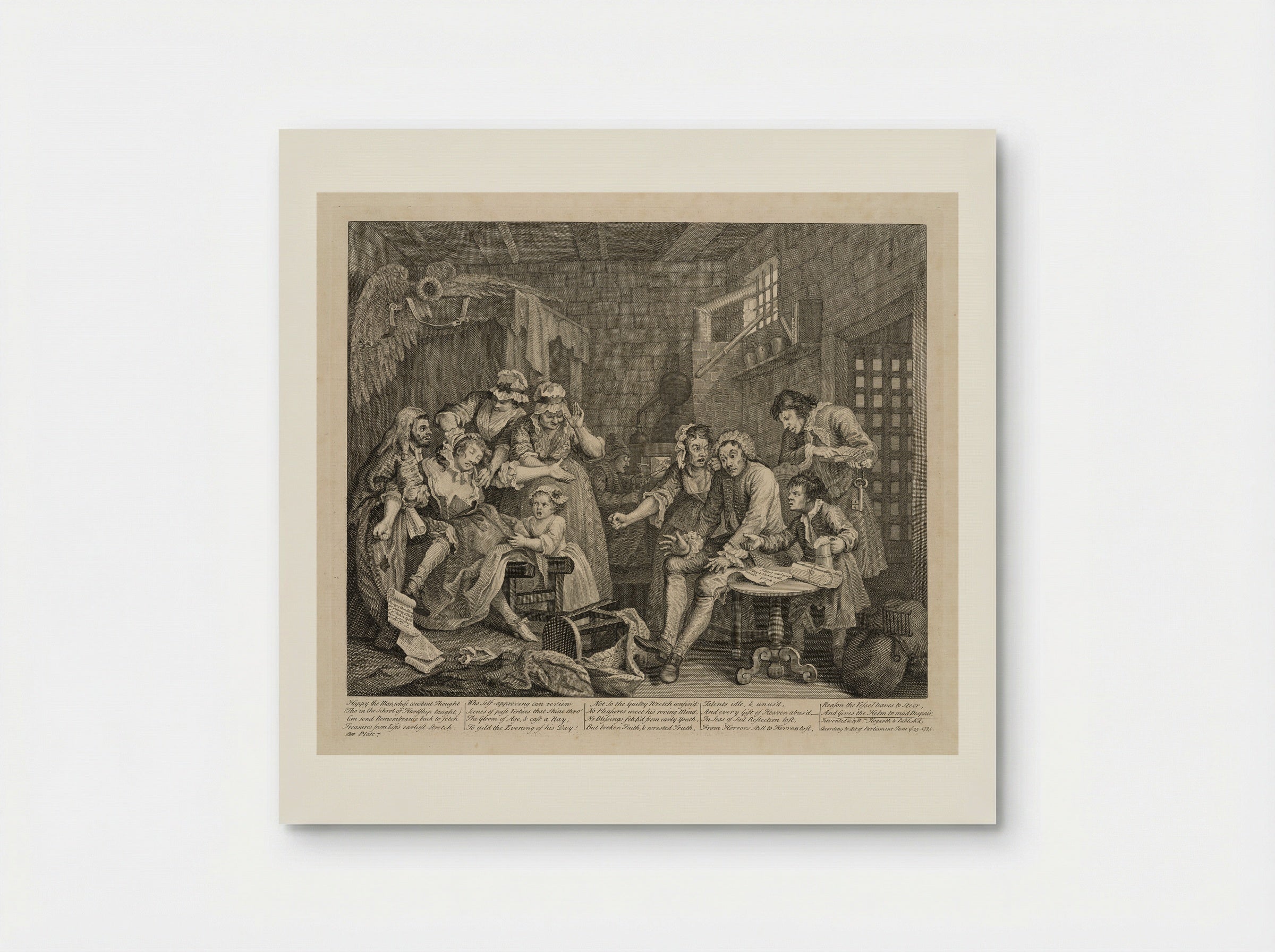
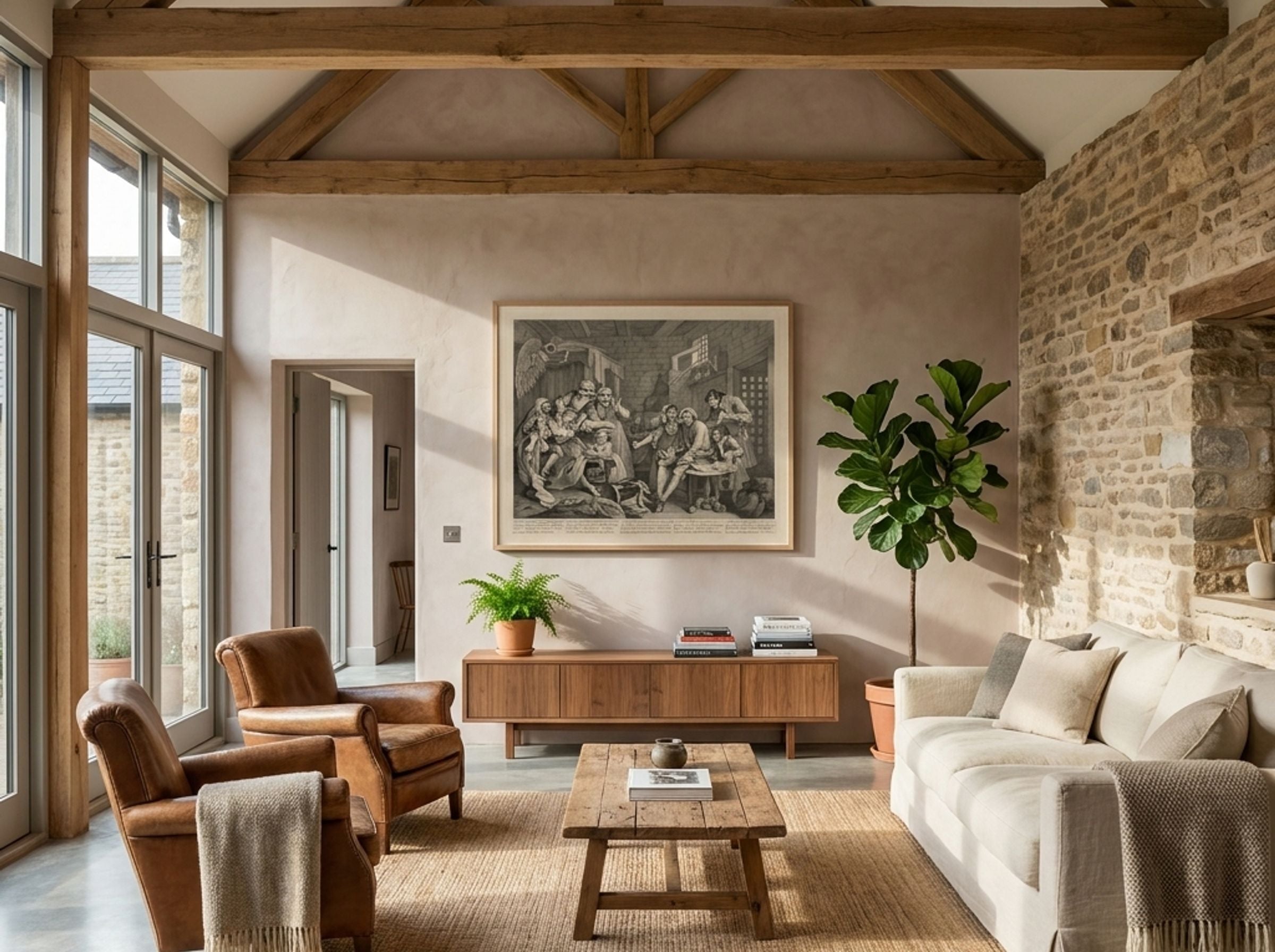 The Rake and His Family in Debtor's Prison - William Hogarth
Print · Framed
Regular price From £37.00 GBPSale price From £37.00 GBP Regular price -
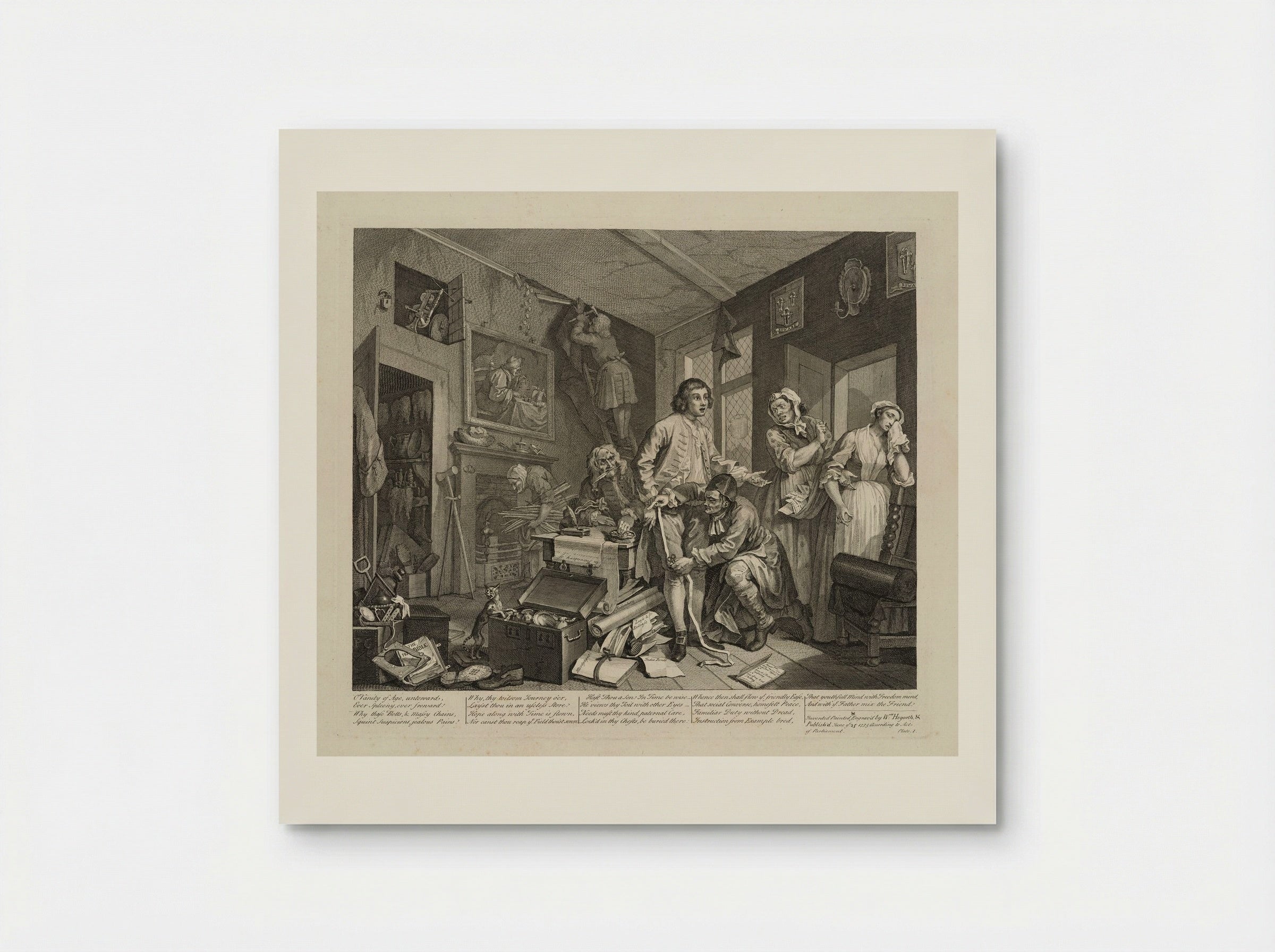
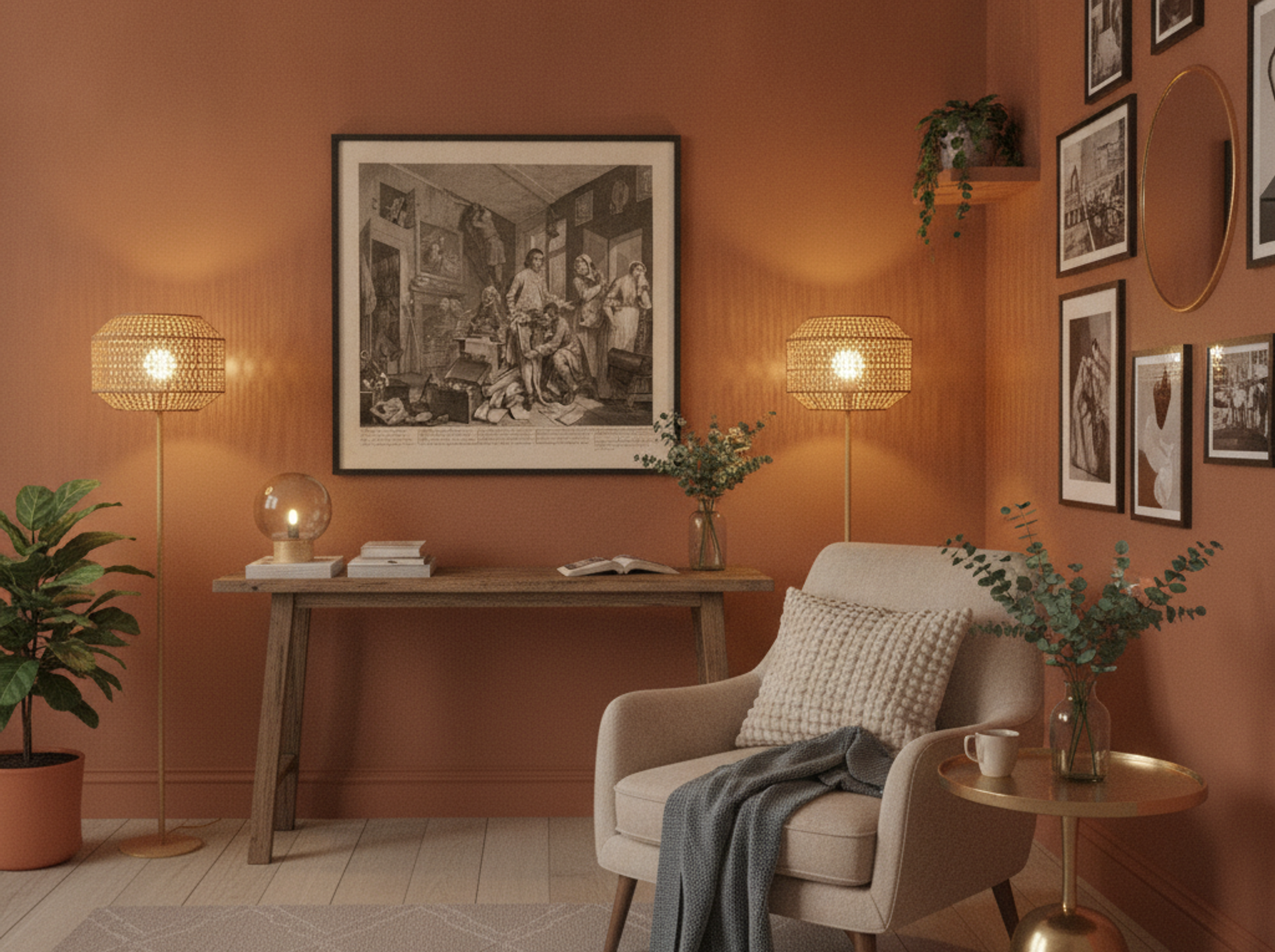 The Rake Spends His Inheritance - William Hogarth
Print · Framed
Regular price From £37.00 GBPSale price From £37.00 GBP Regular price -
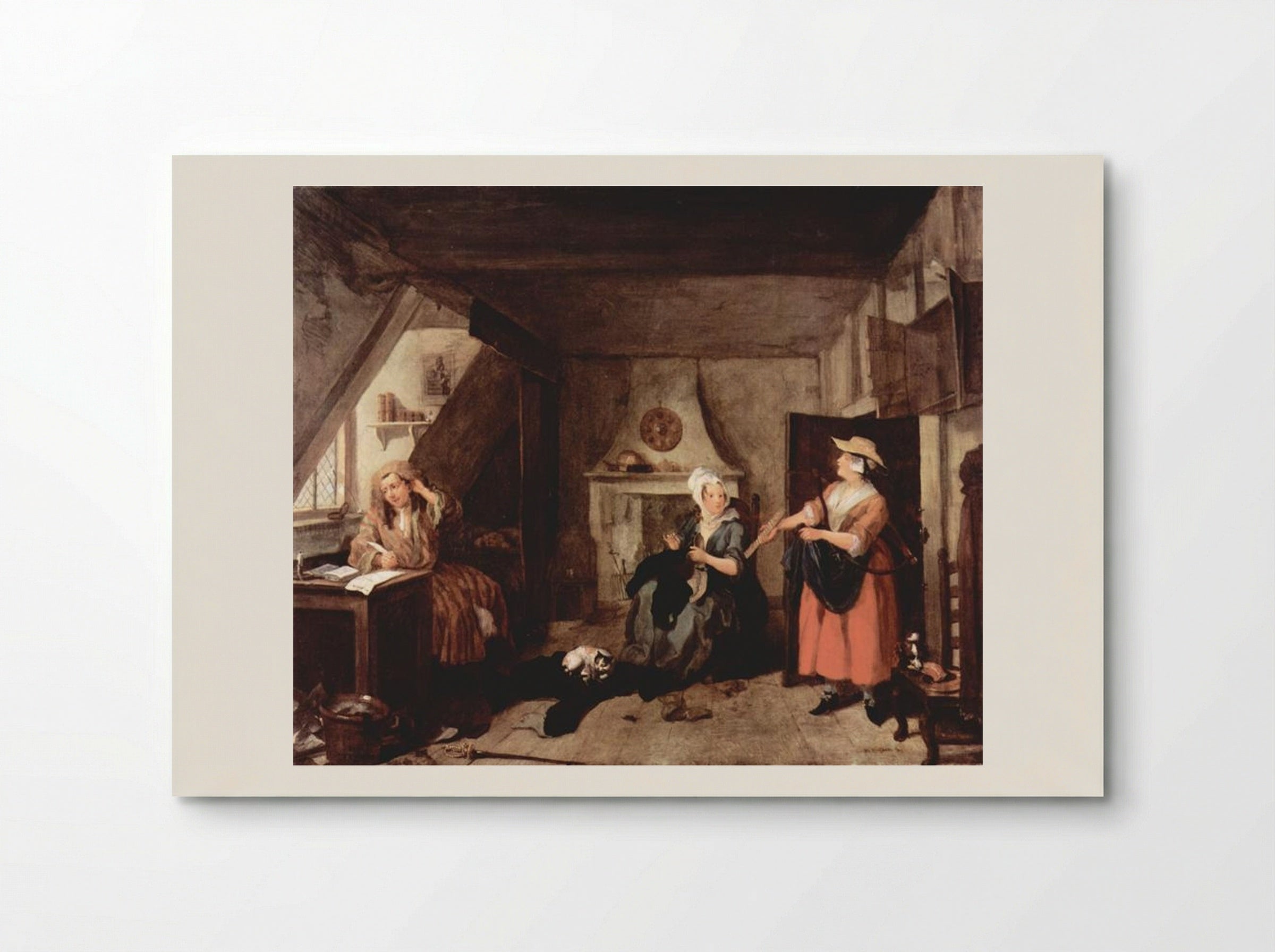
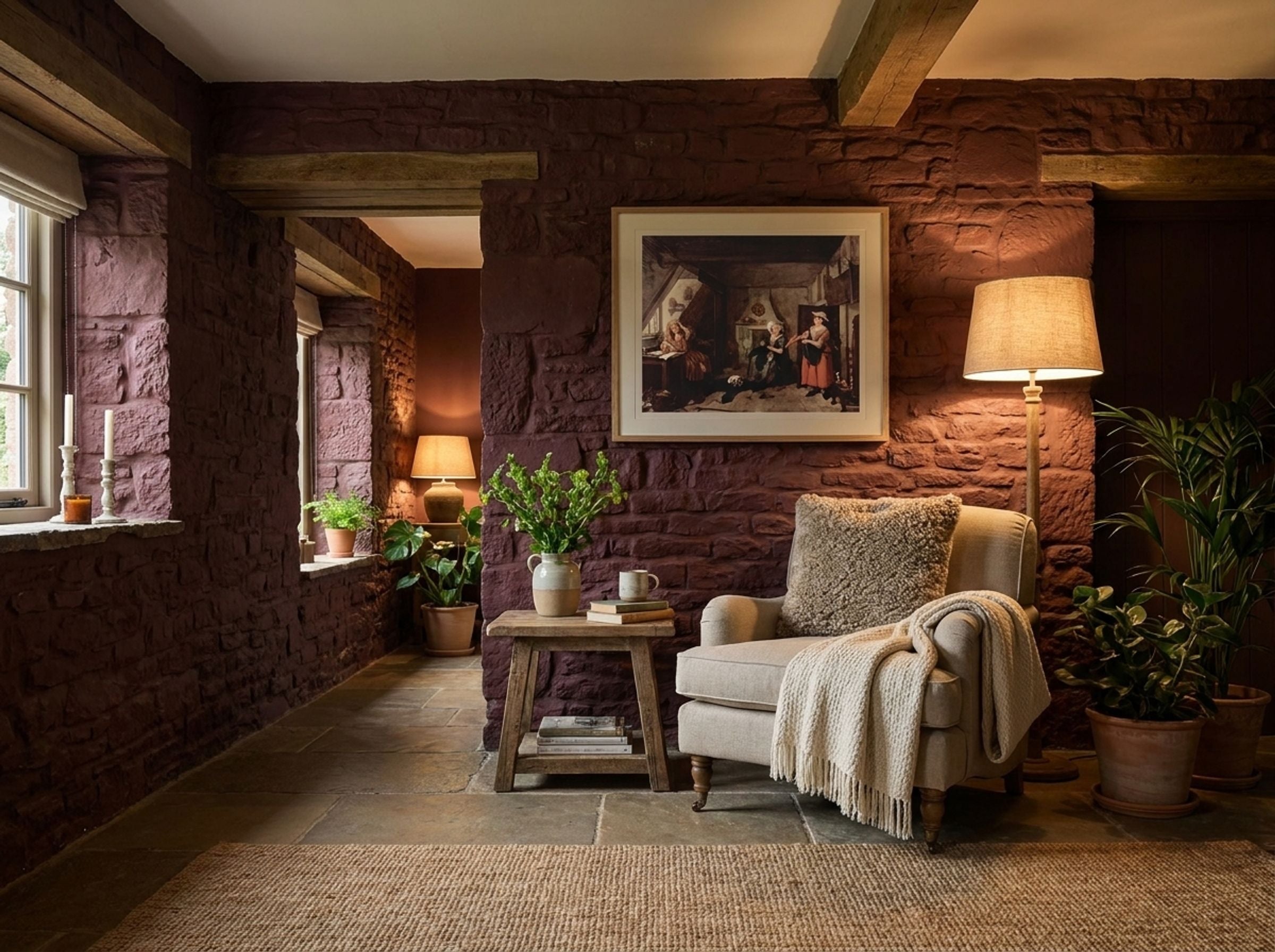 The Distrest Poet - William Hogarth
Print
Regular price From £28.00 GBPSale price From £28.00 GBP Regular price -
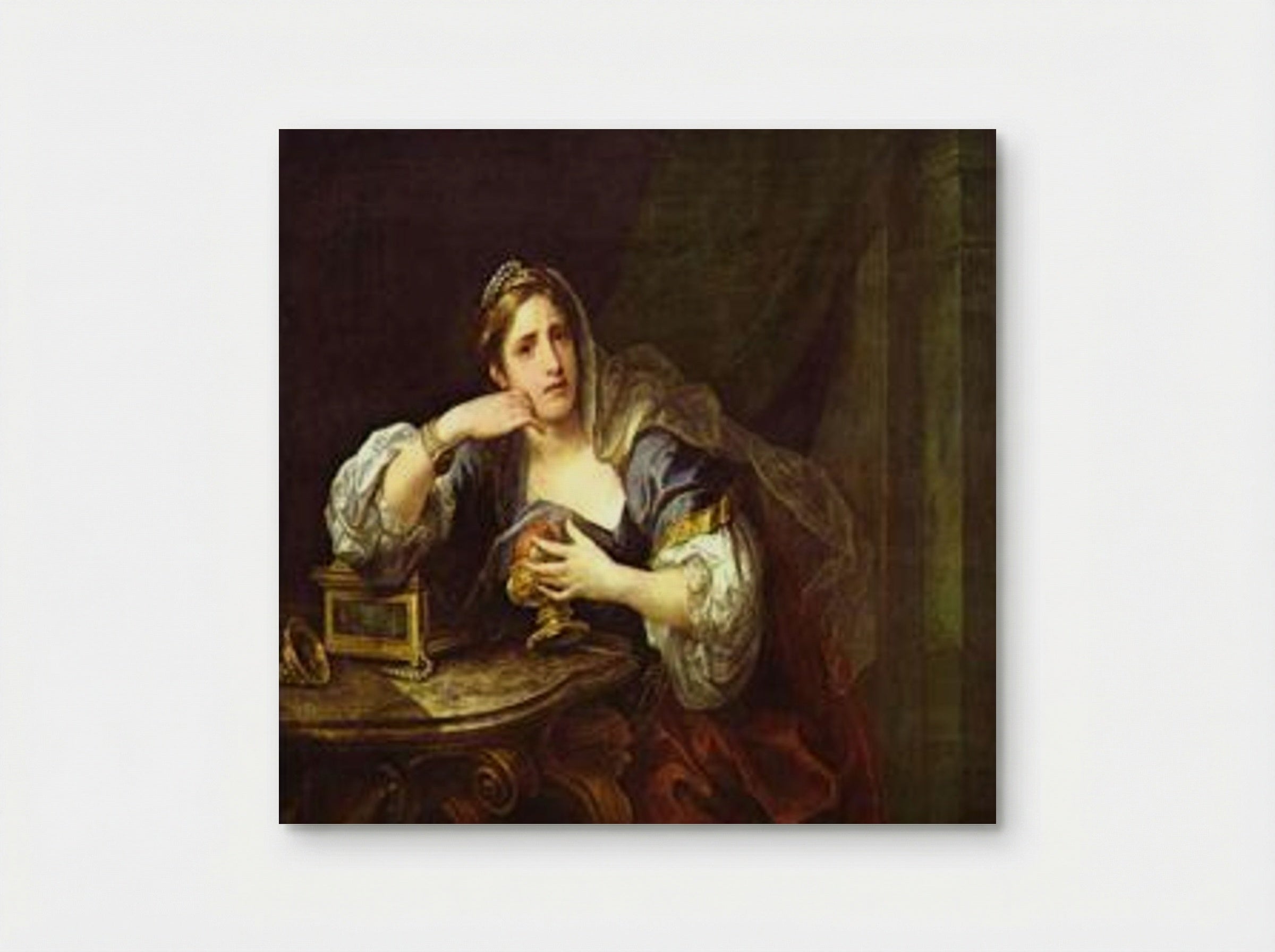
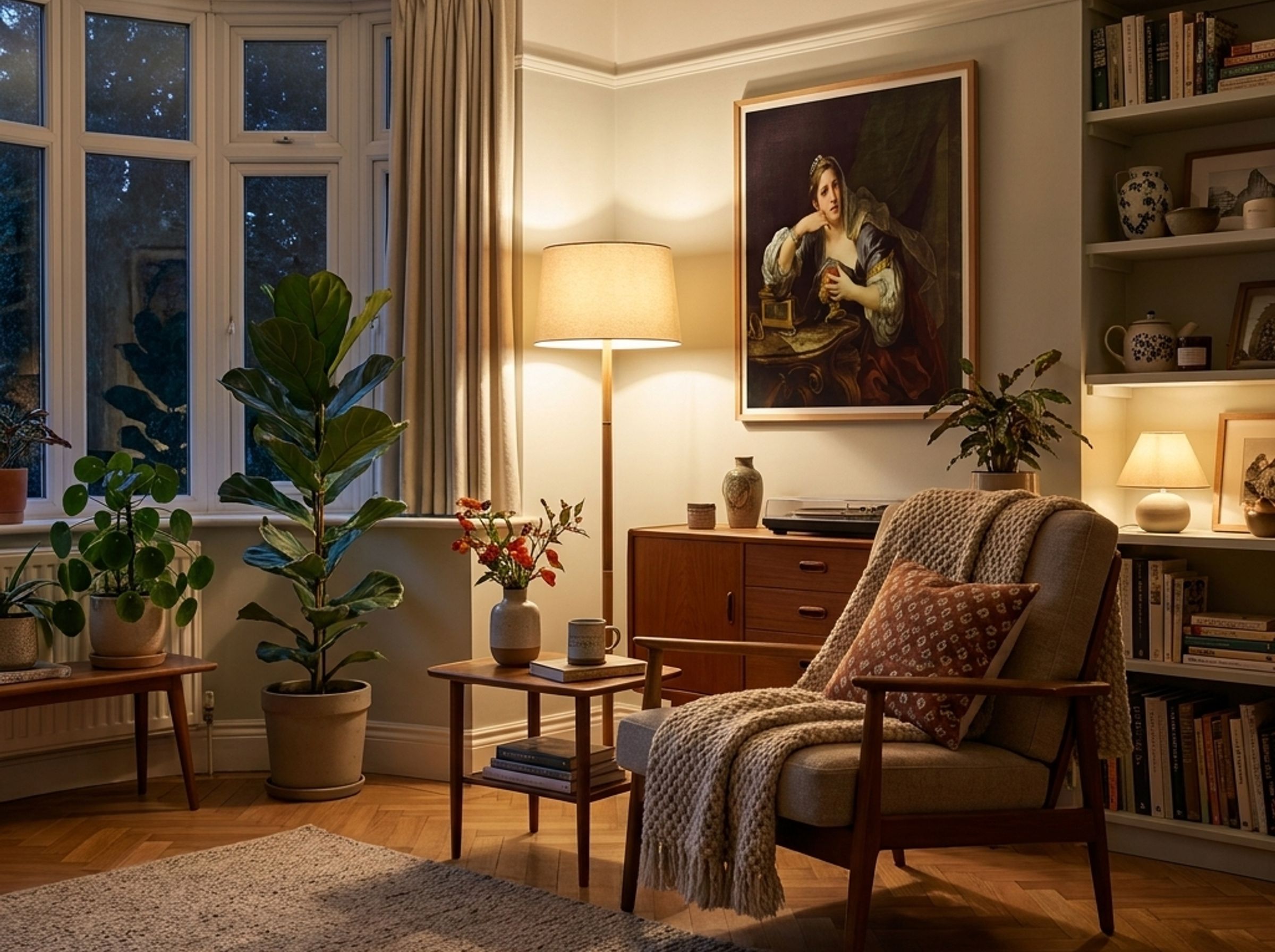 Sigismonda Mourning Over the Heart of Guiscardo - William Hogarth
Print
Regular price From £37.00 GBPSale price From £37.00 GBP Regular price


Artist Biography
William Hogarth
Hogarth invented the comic strip three hundred years early. A Rake's Progress (1733) and A Harlot's Progress (1732) are narrative sequences of paintings and prints that tell moral stories through sequential images, each one packed with visual detail that rewards close reading. The drunk in the tavern, the debtor in prison, the madman in Bedlam: each scene is a chapter. Together they form a novel in pictures.
He was born in Smithfield, London, near the meat market. His father, a schoolteacher, was imprisoned for debt when William was a child. The experience of debtors' prison appears throughout his work. He apprenticed to a silver engraver and taught himself painting by copying old masters and observing London street life with the attention of a novelist.
He was shrewd about money and copyright. The Engraving Copyright Act of 1735 ('Hogarth's Act') was passed largely through his lobbying. It gave printmakers legal ownership of their designs for the first time, preventing pirated copies. He was protecting his income: the popular prints were his main revenue source.
He painted portraits, historical scenes, and the extraordinary Shrimp Girl, an unfinished head study of a street vendor that anticipates Impressionism by a century. The brushwork is loose, fresh, and immediate. It does not look like anything else painted in the 1740s. He also wrote The Analysis of Beauty (1753), a treatise on aesthetics that argued beauty derived from serpentine lines, which was mocked but was not wrong.
He died in 1764, at sixty-six. He is buried in Chiswick, west London. His tomb has a modest inscription. His influence on British satirical art, from Gillray to Banksy, has no inscription and no end.
He was born in Smithfield, London, near the meat market. His father, a schoolteacher, was imprisoned for debt when William was a child. The experience of debtors' prison appears throughout his work. He apprenticed to a silver engraver and taught himself painting by copying old masters and observing London street life with the attention of a novelist.
He was shrewd about money and copyright. The Engraving Copyright Act of 1735 ('Hogarth's Act') was passed largely through his lobbying. It gave printmakers legal ownership of their designs for the first time, preventing pirated copies. He was protecting his income: the popular prints were his main revenue source.
He painted portraits, historical scenes, and the extraordinary Shrimp Girl, an unfinished head study of a street vendor that anticipates Impressionism by a century. The brushwork is loose, fresh, and immediate. It does not look like anything else painted in the 1740s. He also wrote The Analysis of Beauty (1753), a treatise on aesthetics that argued beauty derived from serpentine lines, which was mocked but was not wrong.
He died in 1764, at sixty-six. He is buried in Chiswick, west London. His tomb has a modest inscription. His influence on British satirical art, from Gillray to Banksy, has no inscription and no end.


Why Choose Us ?