

Collection
Walter Crane
Explore curated art prints selected for distinctive homes and considered interiors.
-
 Lohengrin - Walter Crane
Print
Regular price From £28.00 GBPSale price From £28.00 GBP Regular price -
 The Moat and Bishop's Palace, Wells Cathedral - Walter Crane
Print
Regular price From £28.00 GBPSale price From £28.00 GBP Regular price -

 Protestant Cemetery, Rome - Walter Crane
Print · Framed
Regular price From £28.00 GBPSale price From £28.00 GBP Regular price -

 The Briar Rose (Centre Panel) - Walter Crane
Print · Framed
Regular price From £28.00 GBPSale price From £28.00 GBP Regular price -

 The House that Jack Built - Walter Crane
Print · Framed
Regular price From £37.00 GBPSale price From £37.00 GBP Regular price -

 Neptune's Horses - Walter Crane
Print · Framed
Regular price From £37.00 GBPSale price From £37.00 GBP Regular price -

 Winter - Walter Crane
Print · Framed
Regular price From £28.00 GBPSale price From £28.00 GBP Regular price -

 Summer - Walter Crane
Print · Framed
Regular price From £28.00 GBPSale price From £28.00 GBP Regular price -

 Dove Ceiling Wallpaper Design - Walter Crane
Print · Framed
Regular price From £28.00 GBPSale price From £28.00 GBP Regular price -
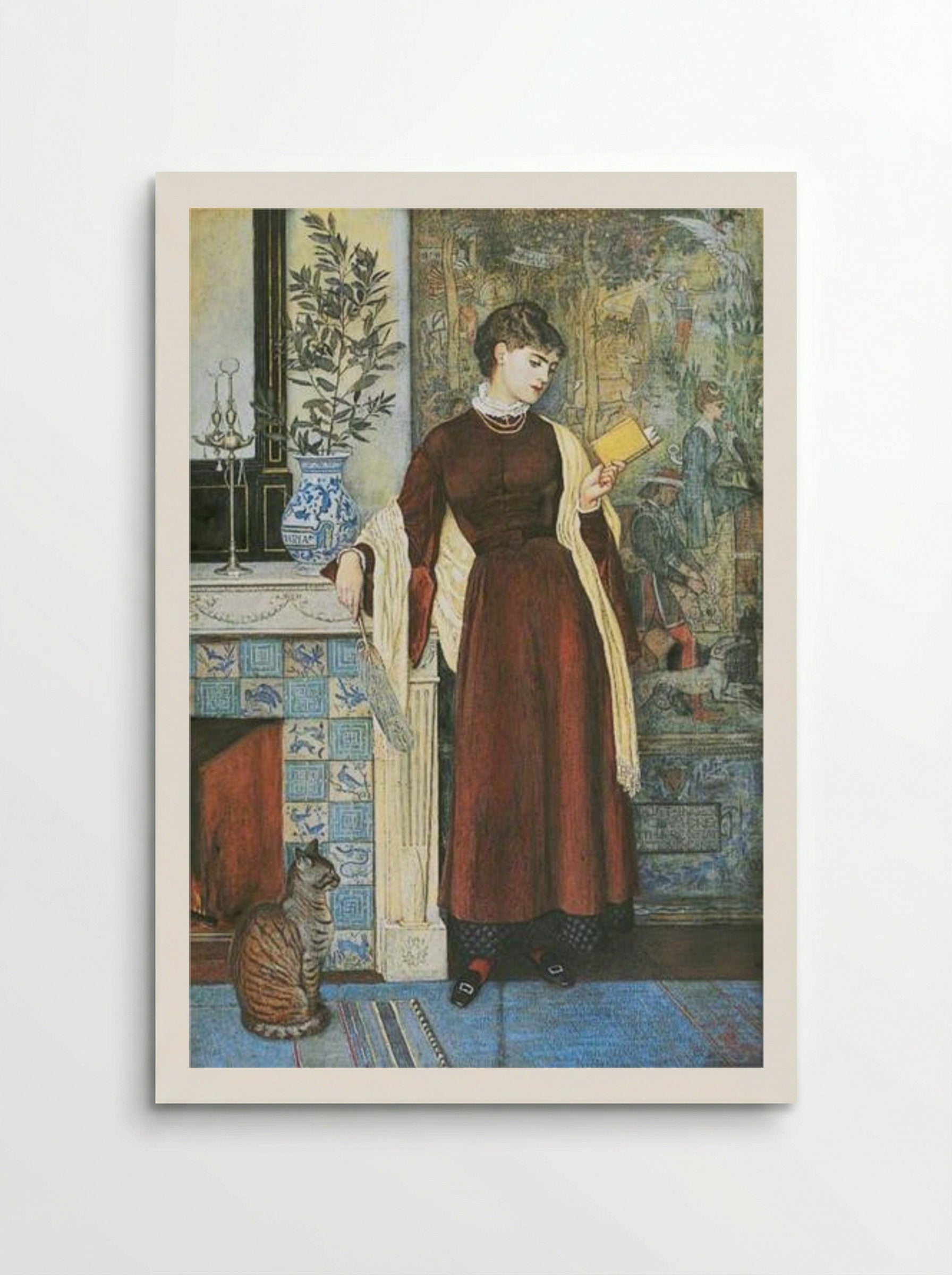
-
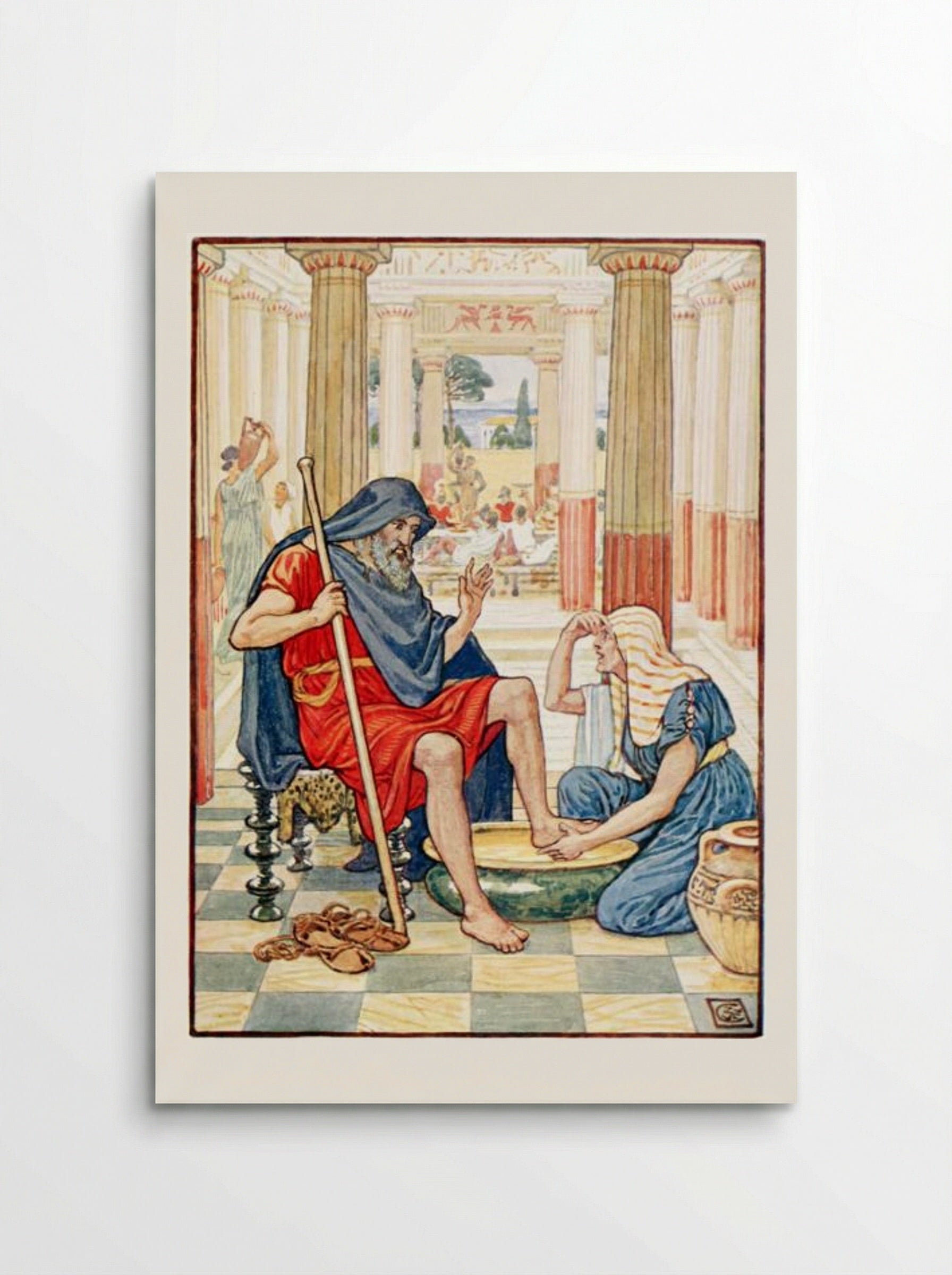 Yea, Verily, thou art odysseus - Walter Crane
Print
Regular price From £28.00 GBPSale price From £28.00 GBP Regular price -
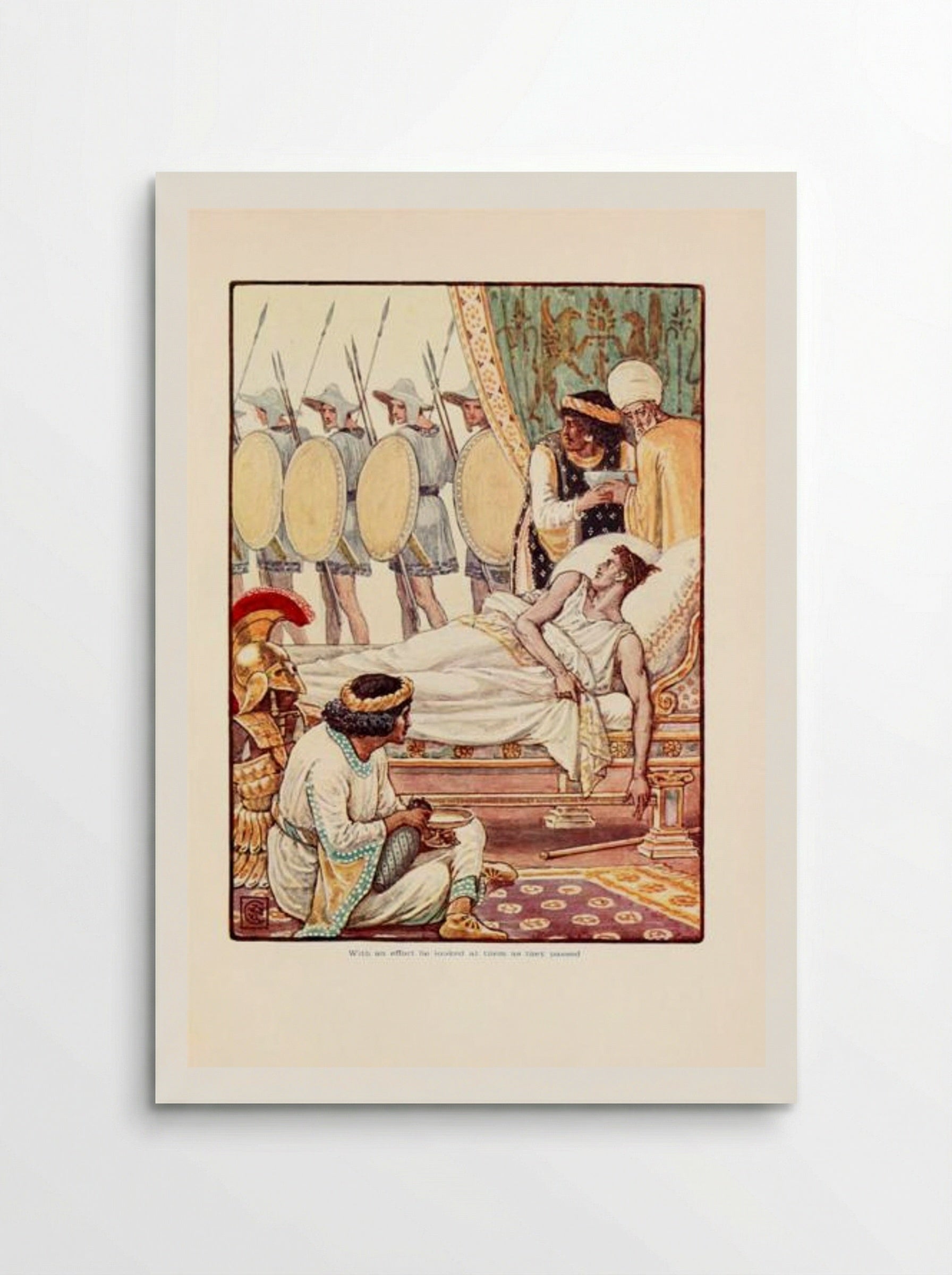 With an effort he looked at them as they passed - Walter Crane
Print
Regular price From £28.00 GBPSale price From £28.00 GBP Regular price -
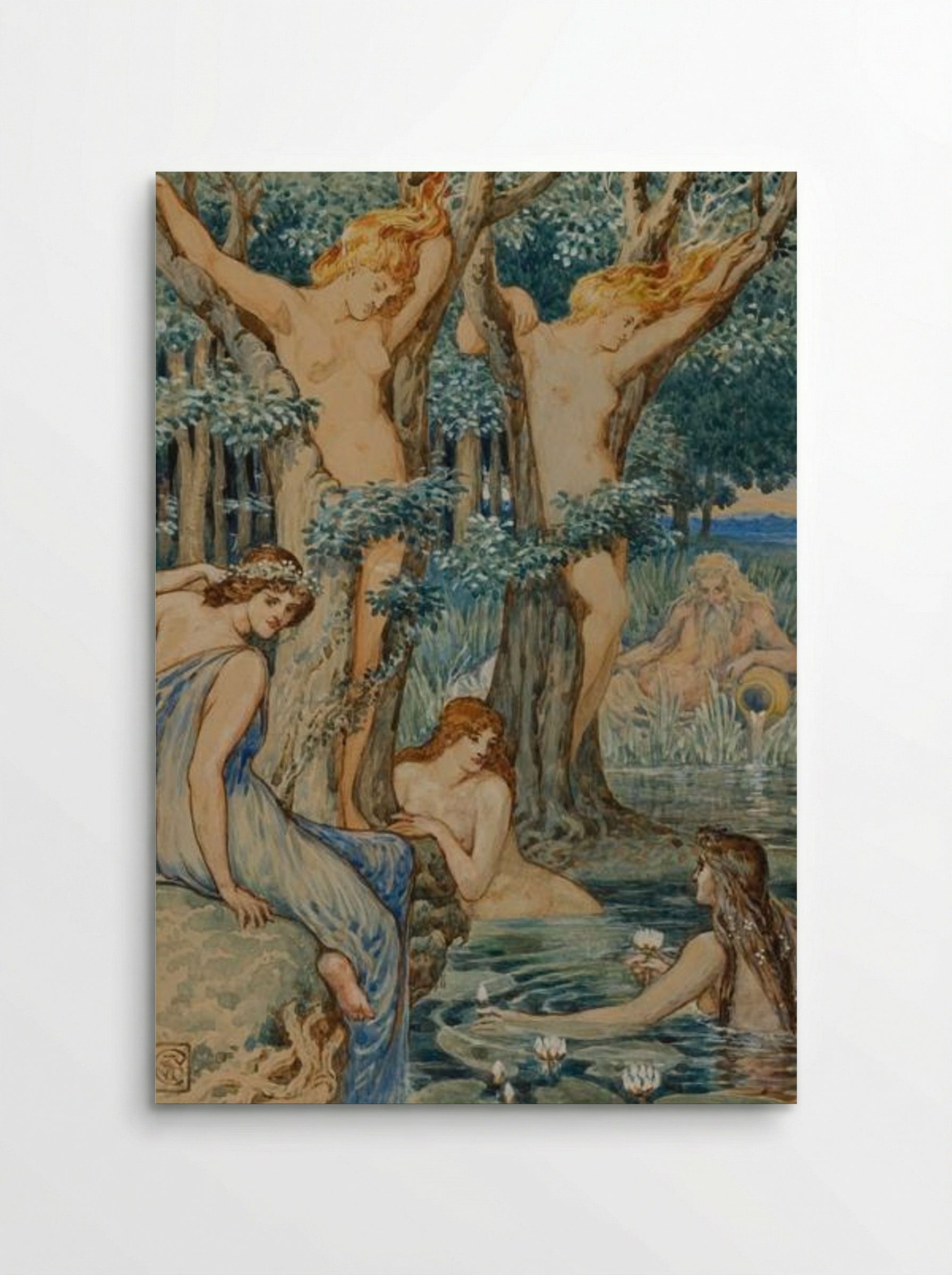 Nyads and Dryads - Walter Crane
Print
Regular price From £28.00 GBPSale price From £28.00 GBP Regular price -
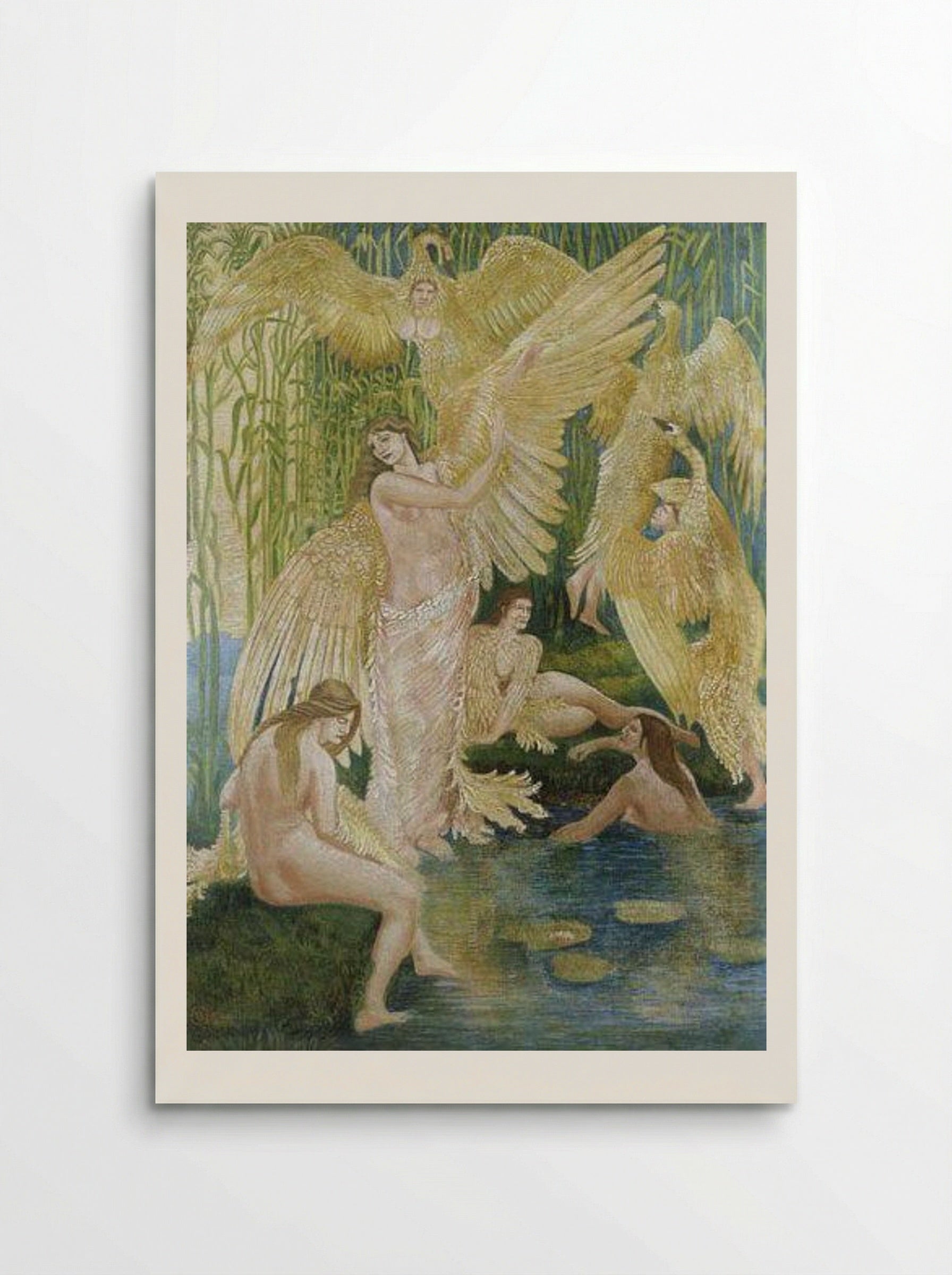 The Swan Maidens - Walter Crane
Print
Regular price From £28.00 GBPSale price From £28.00 GBP Regular price -
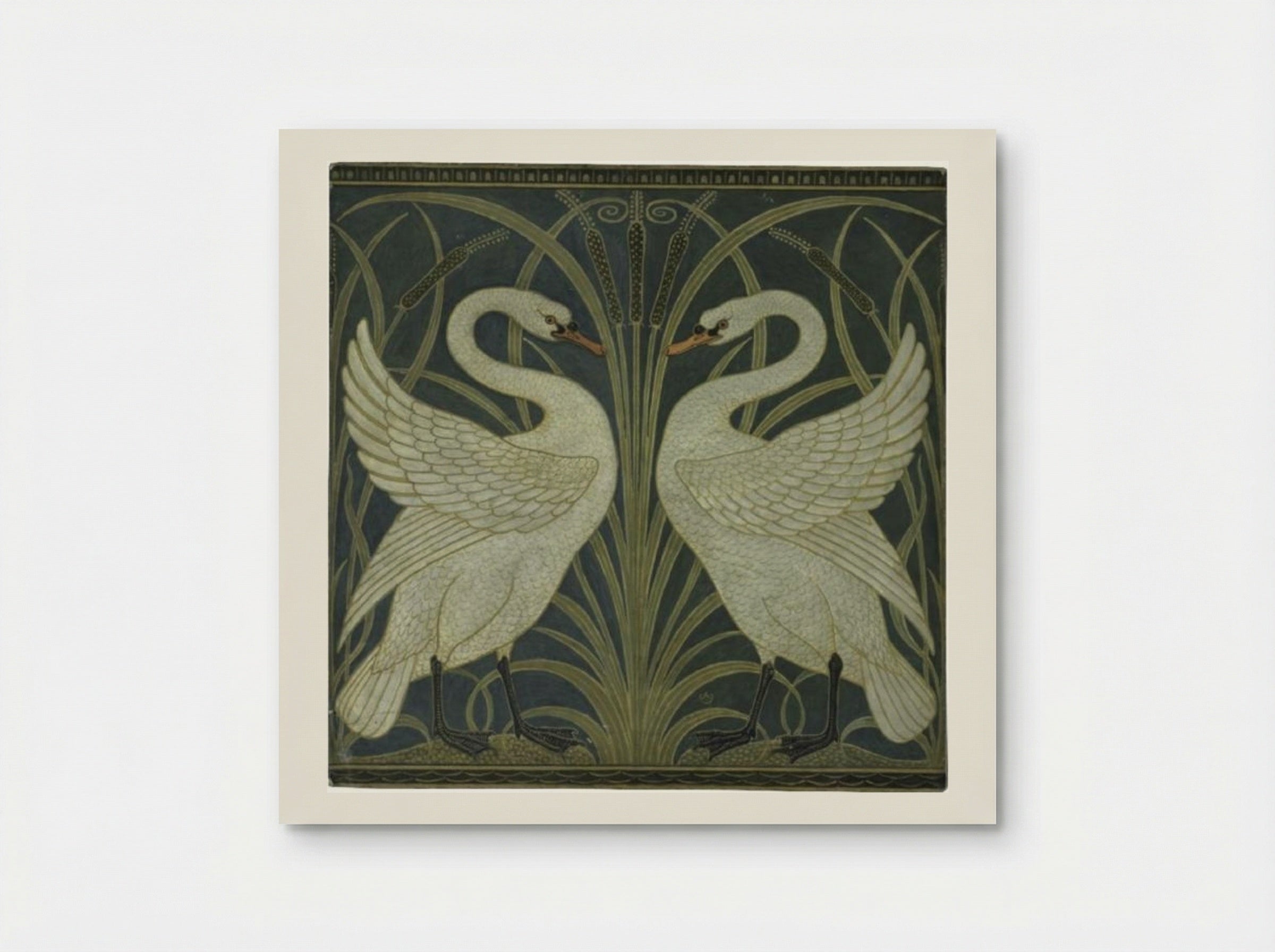 Swan, Rush and Iris Wallpaper - Walter Crane
Print
Regular price From £37.00 GBPSale price From £37.00 GBP Regular price -
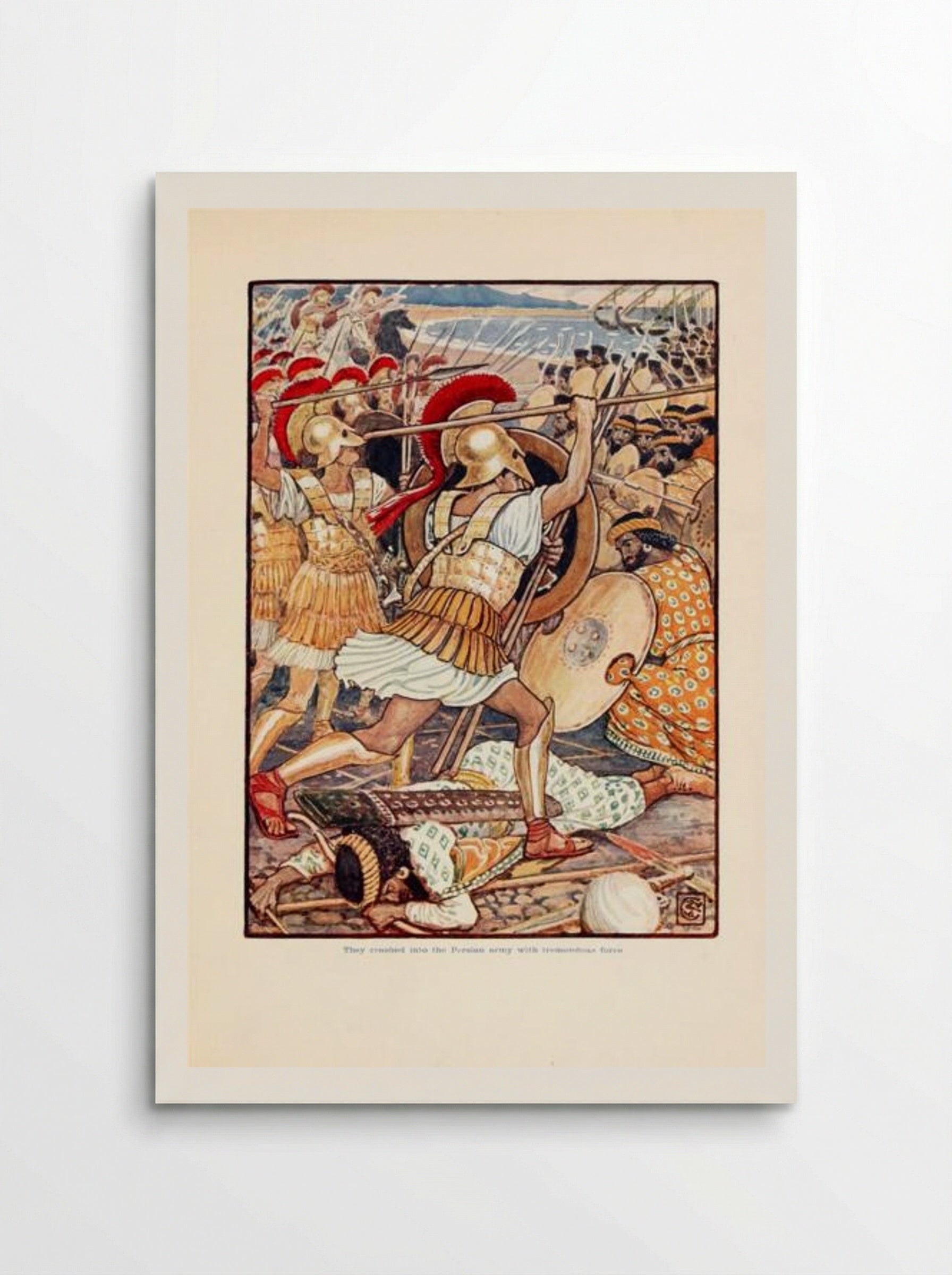 They crashed into Persian army with tremendous force - Walter Crane
Print
Regular price From £28.00 GBPSale price From £28.00 GBP Regular price -
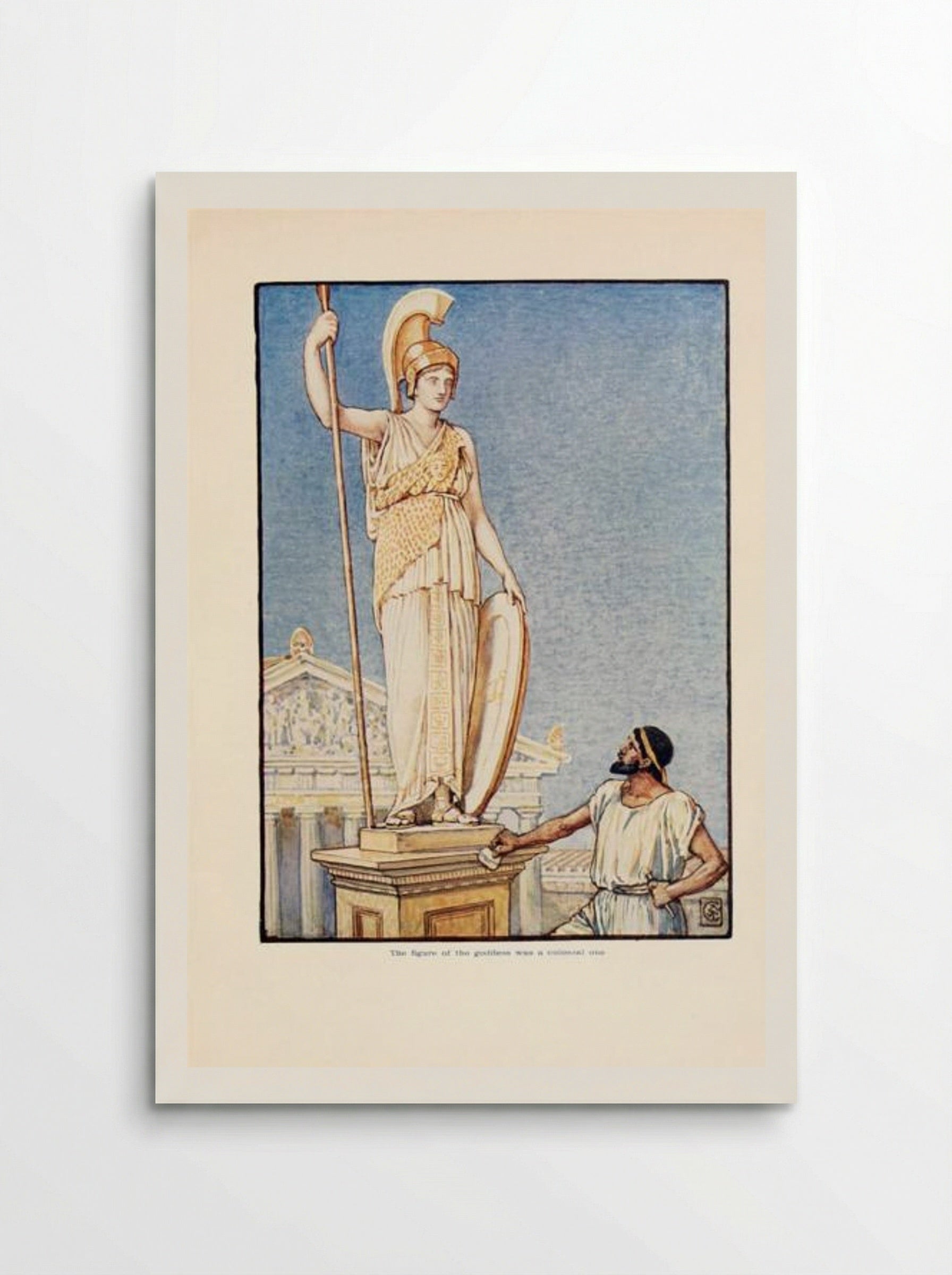 The figure of the Goddess was a Colossal one - Walter Crane
Print
Regular price From £28.00 GBPSale price From £28.00 GBP Regular price -
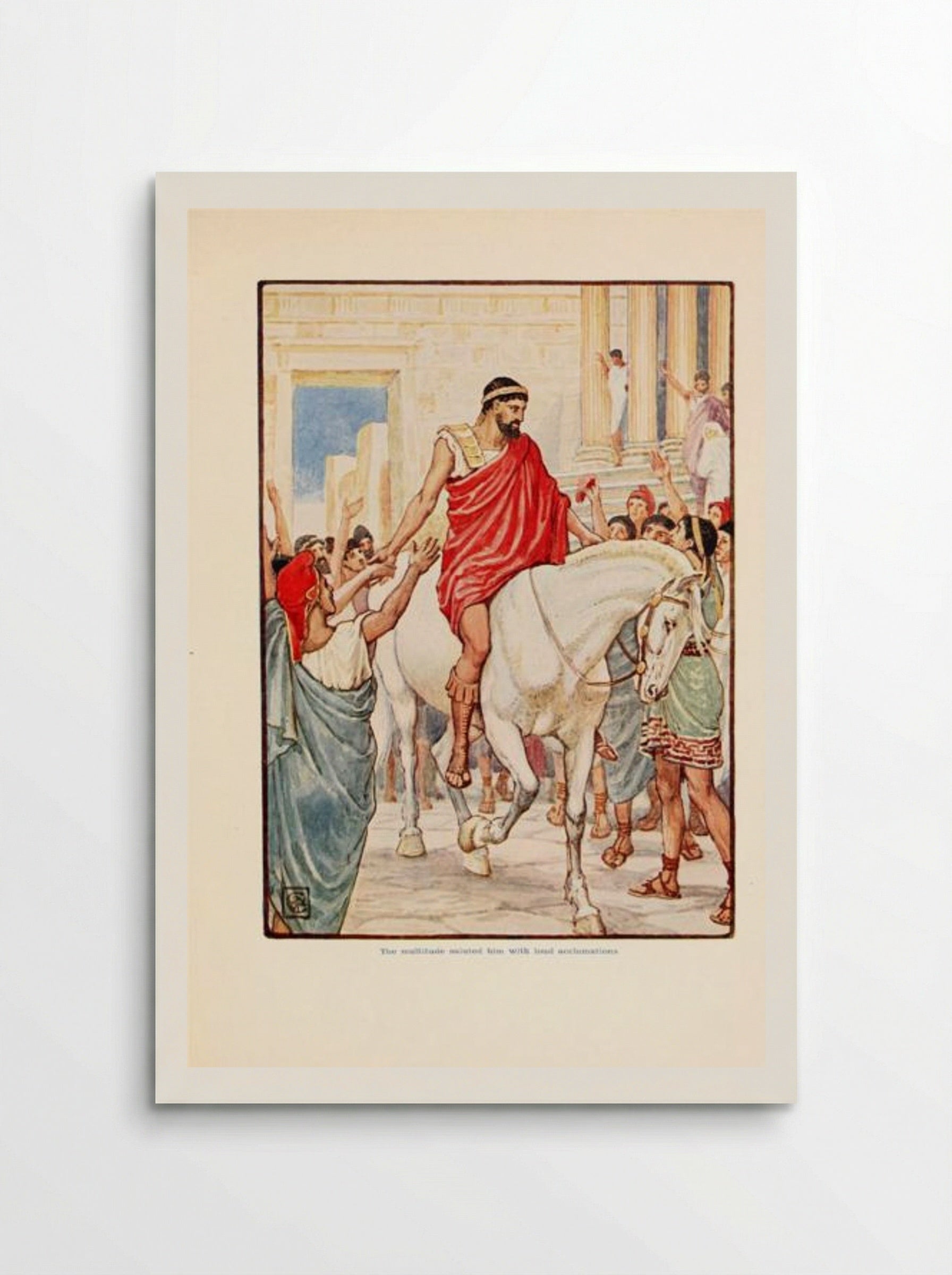 The multitude saluted him with loud acclamations - Walter Crane
Print
Regular price From £28.00 GBPSale price From £28.00 GBP Regular price -
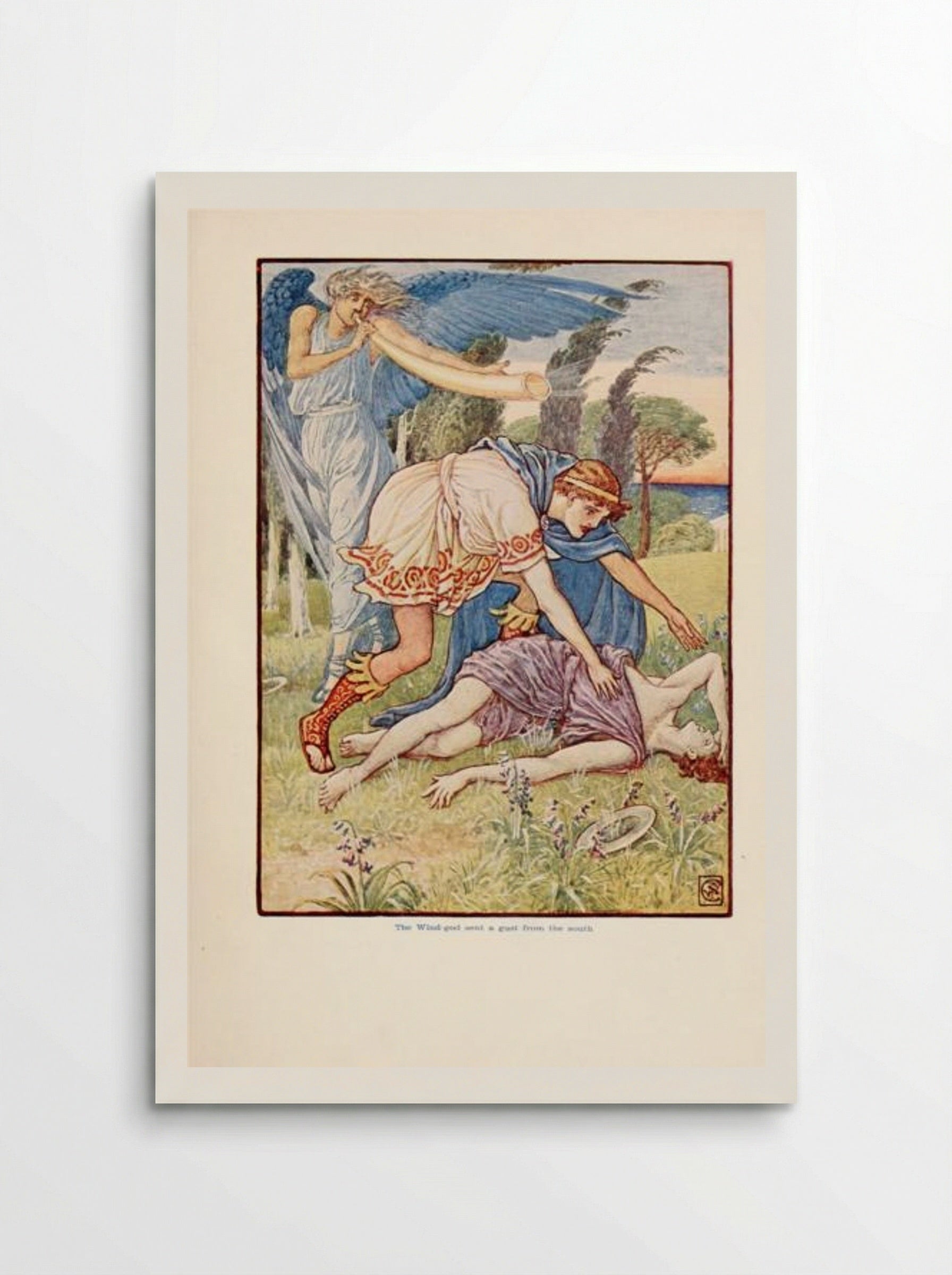 The Wind: God Sent a Gust from the South - Walter Crane
Print
Regular price From £28.00 GBPSale price From £28.00 GBP Regular price -
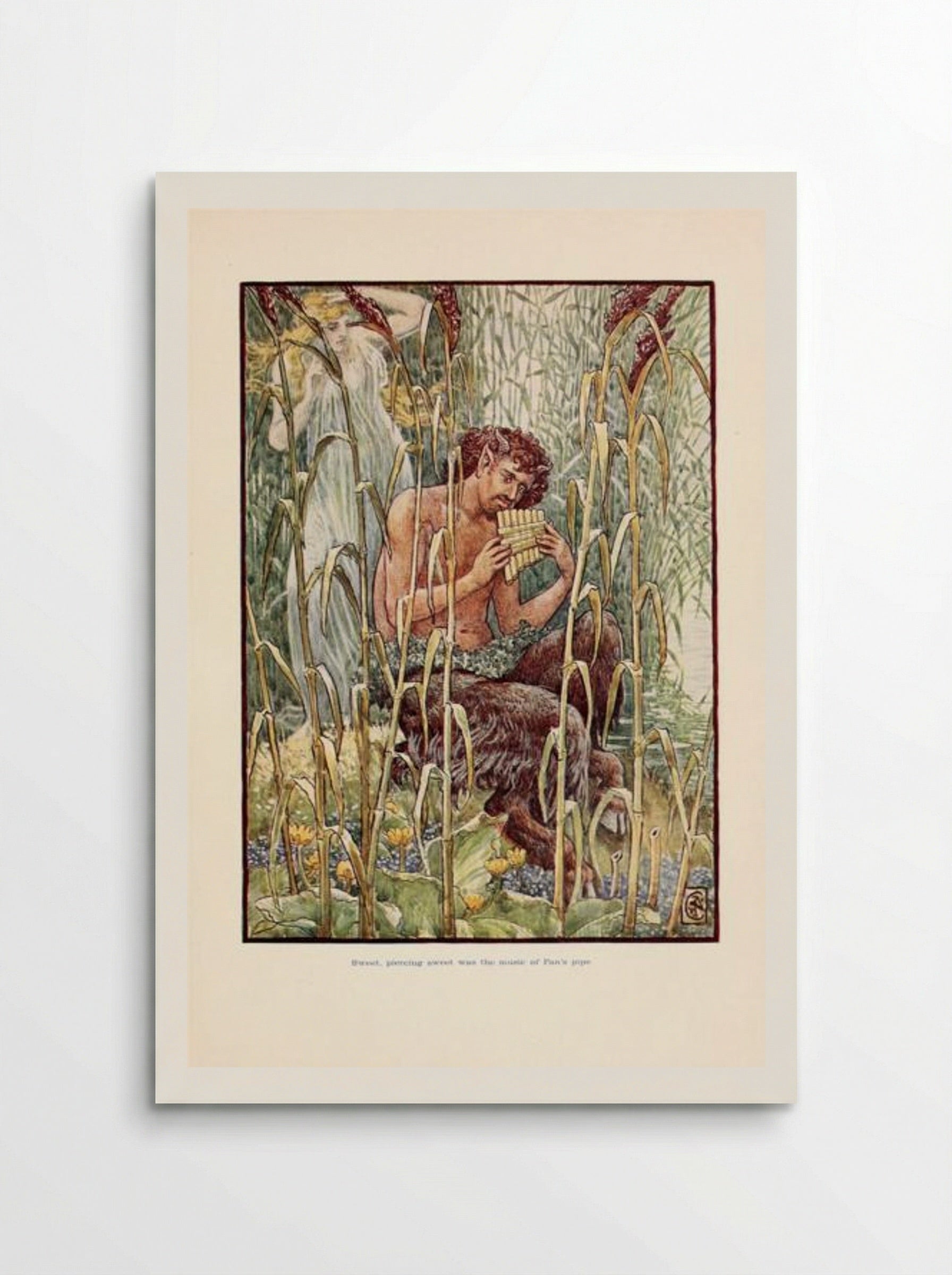 Sweet, piercing sweet was the music of Pan's pipe - Walter Crane
Print
Regular price From £28.00 GBPSale price From £28.00 GBP Regular price -
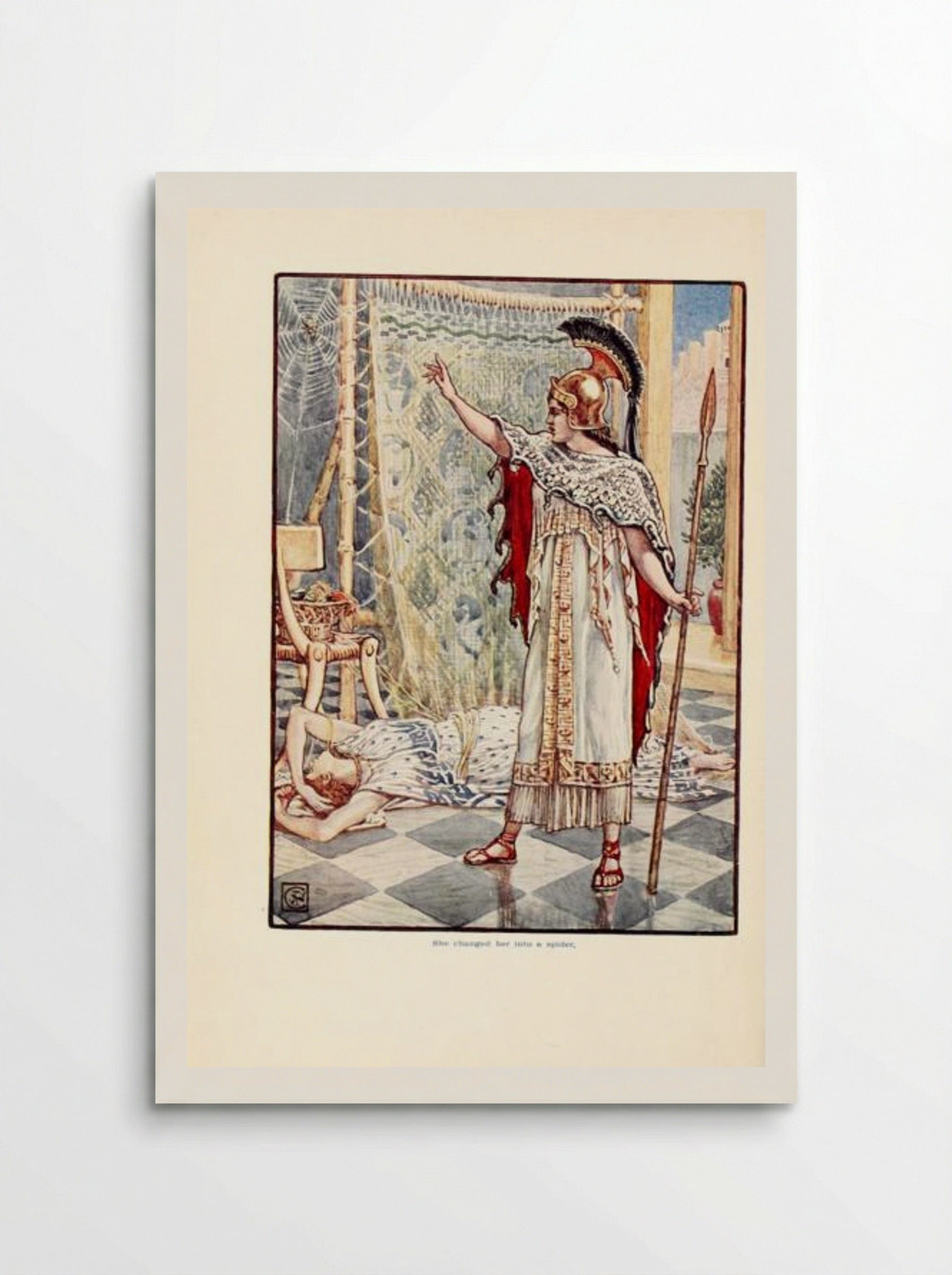 She Changed Her into Spider - Walter Crane
Print
Regular price From £28.00 GBPSale price From £28.00 GBP Regular price -
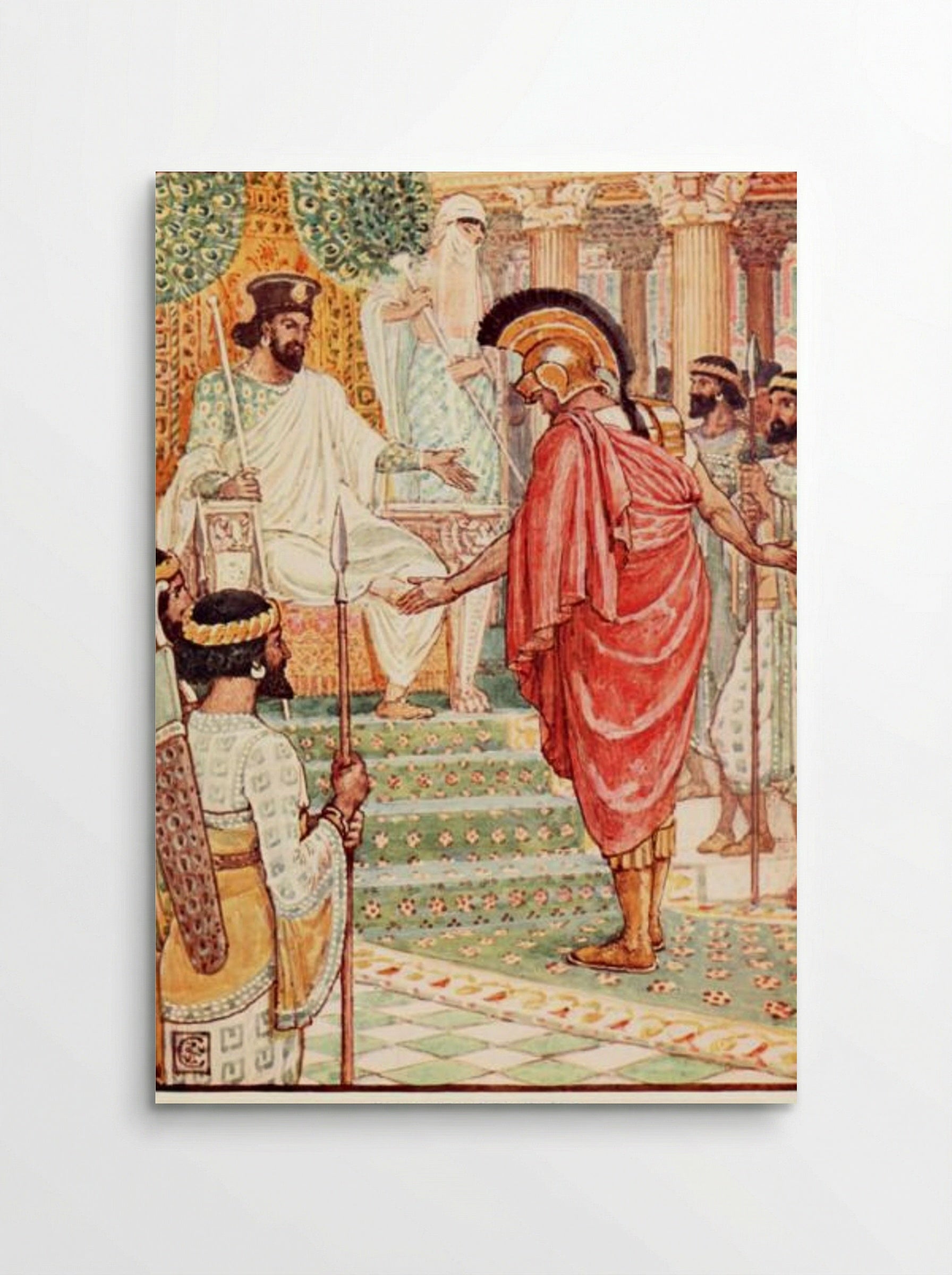 He stoods silent before King - Walter Crane
Print
Regular price From £28.00 GBPSale price From £28.00 GBP Regular price -
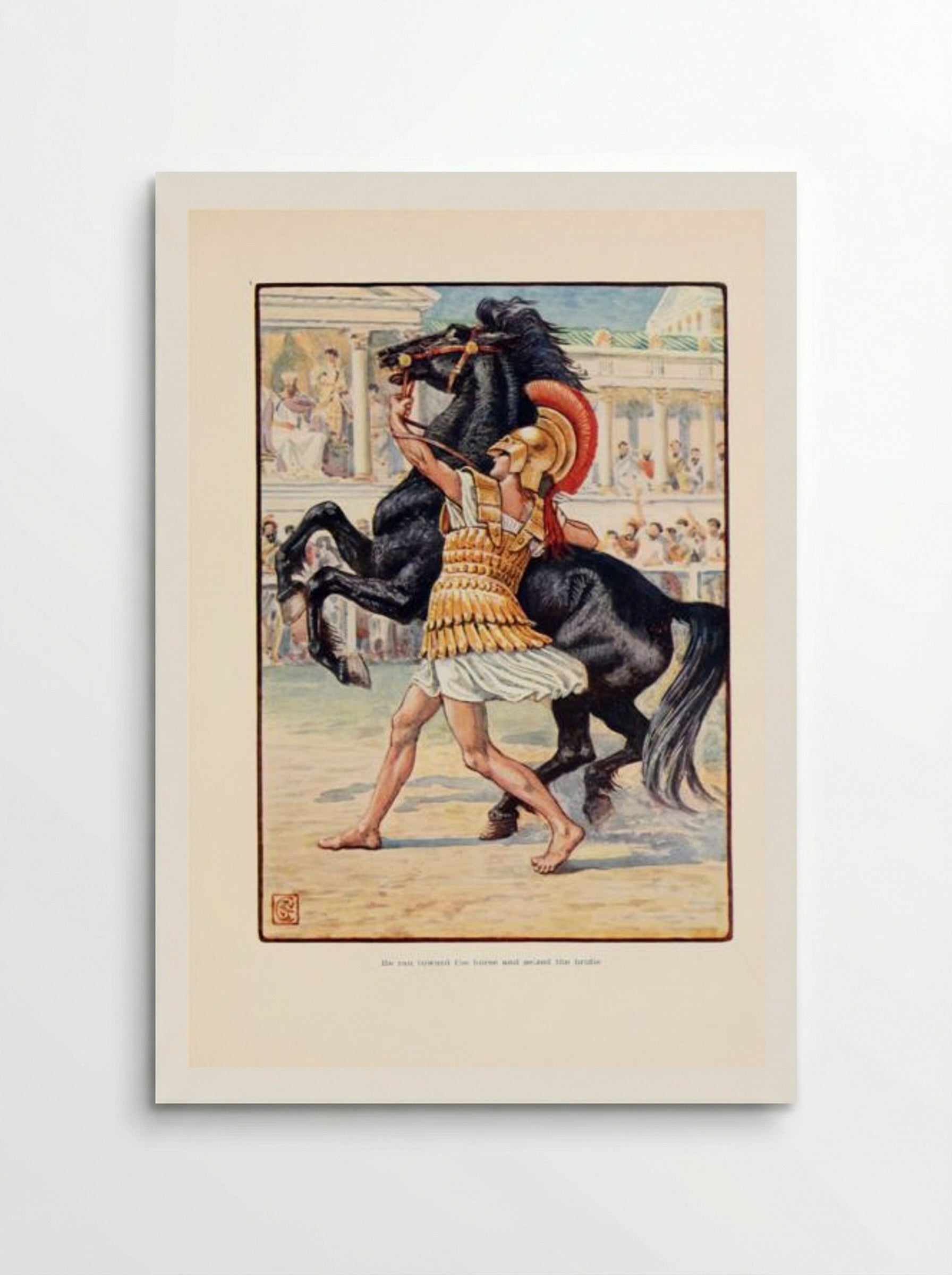 He ran toward the horse and seized the bridle - Walter Crane
Print
Regular price From £28.00 GBPSale price From £28.00 GBP Regular price -
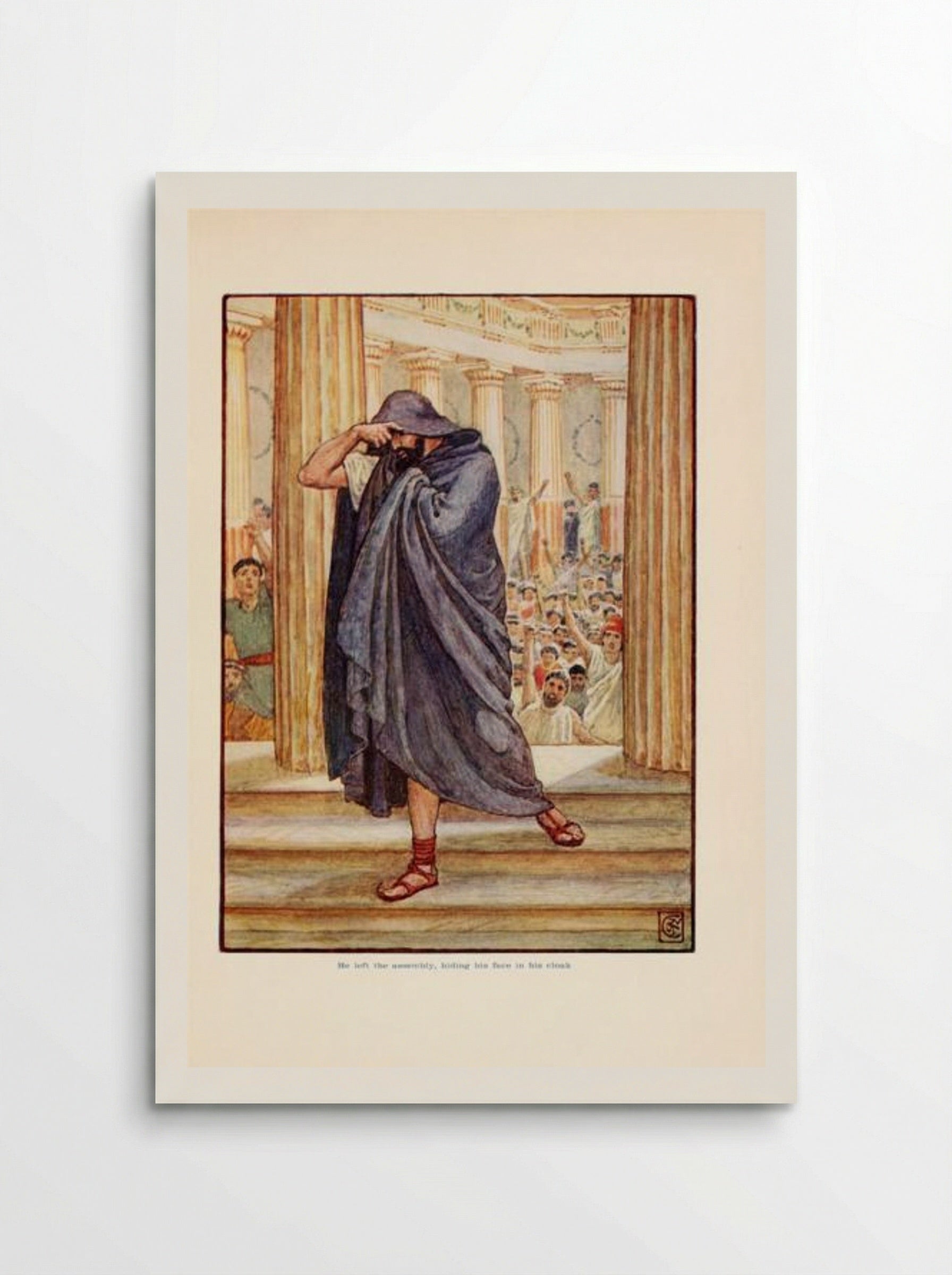 He left the assembly, hiding his face in his cloak - Walter Crane
Print
Regular price From £28.00 GBPSale price From £28.00 GBP Regular price


Artist Biography
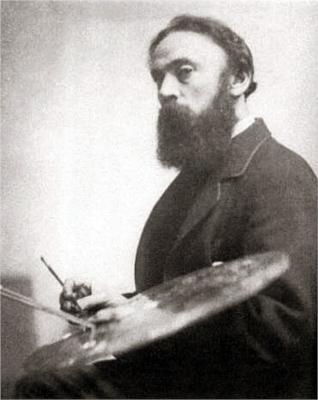
Walter Crane
Crane heard William Morris lecture on Art and Socialism in 1884 and became a committed socialist on the spot. From then on he divided his time between designing wallpapers for the drawing rooms of the wealthy and drawing cartoons for Justice, Commonweal and The Clarion, the socialist newspapers of the day. He saw no contradiction: good design was a political act, and capitalism produced ugly objects.
He began as a children's book illustrator, apprenticed to the wood engraver W.J. Linton. His Toy Books for the publisher Routledge, produced from 1865 onward, used flat areas of colour, strong outlines and decorative borders influenced by Japanese woodblock prints and the Pre-Raphaelites. They were among the first mass-produced children's books to treat illustration as a design problem rather than an afterthought.
During a lecture tour of the United States he spoke in favour of clemency for the anarchists sentenced to death after the Haymarket Affair. His wealthy American patrons cancelled engagements. Crane did not retract.
He became Vice President of the Healthy and Artistic Dress Union, a movement promoting loose-fitting clothing in opposition to tight Victorian corsetry. He wrote The Claims of Decorative Art, arguing that decorative art was not a lesser form. He was Art Director of the Art Workers' Guild and the first president of the Arts and Crafts Exhibition Society.
He wanted to be taken seriously as a painter of allegorical canvases, but the galleries would not exhibit them. The children's books and the socialist cartoons are what lasted. Morris would have appreciated the irony.
He began as a children's book illustrator, apprenticed to the wood engraver W.J. Linton. His Toy Books for the publisher Routledge, produced from 1865 onward, used flat areas of colour, strong outlines and decorative borders influenced by Japanese woodblock prints and the Pre-Raphaelites. They were among the first mass-produced children's books to treat illustration as a design problem rather than an afterthought.
During a lecture tour of the United States he spoke in favour of clemency for the anarchists sentenced to death after the Haymarket Affair. His wealthy American patrons cancelled engagements. Crane did not retract.
He became Vice President of the Healthy and Artistic Dress Union, a movement promoting loose-fitting clothing in opposition to tight Victorian corsetry. He wrote The Claims of Decorative Art, arguing that decorative art was not a lesser form. He was Art Director of the Art Workers' Guild and the first president of the Arts and Crafts Exhibition Society.
He wanted to be taken seriously as a painter of allegorical canvases, but the galleries would not exhibit them. The children's books and the socialist cartoons are what lasted. Morris would have appreciated the irony.




Why Choose Us ?