

Collection
Utagawa Toyokuni I
Explore curated art prints selected for distinctive homes and considered interiors.
Suggested filters
-
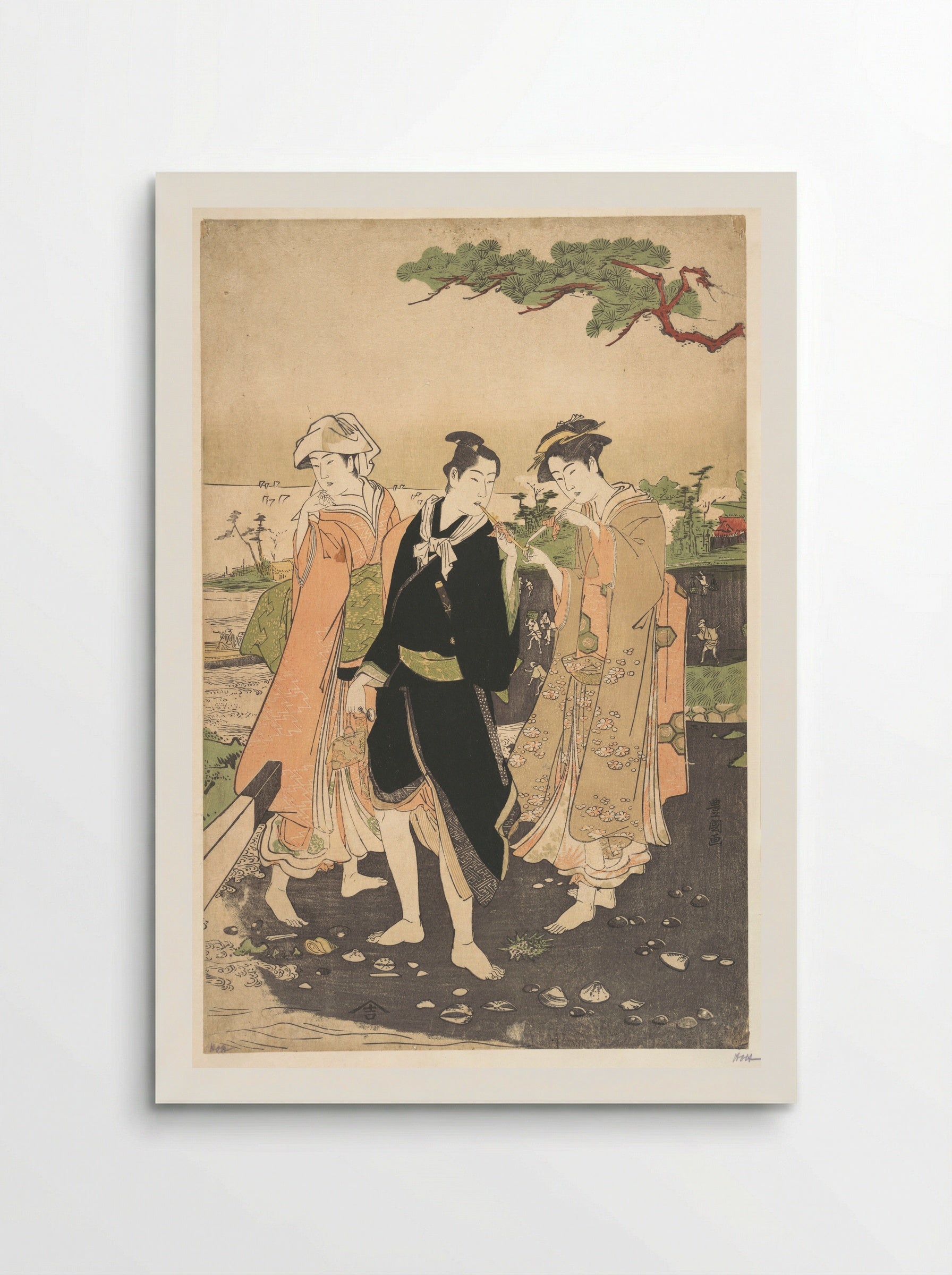 Along the Seashore at Futami - Utagawa Toyokuni I
Print
Regular price From £28.00 GBPSale price From £28.00 GBP Regular price -
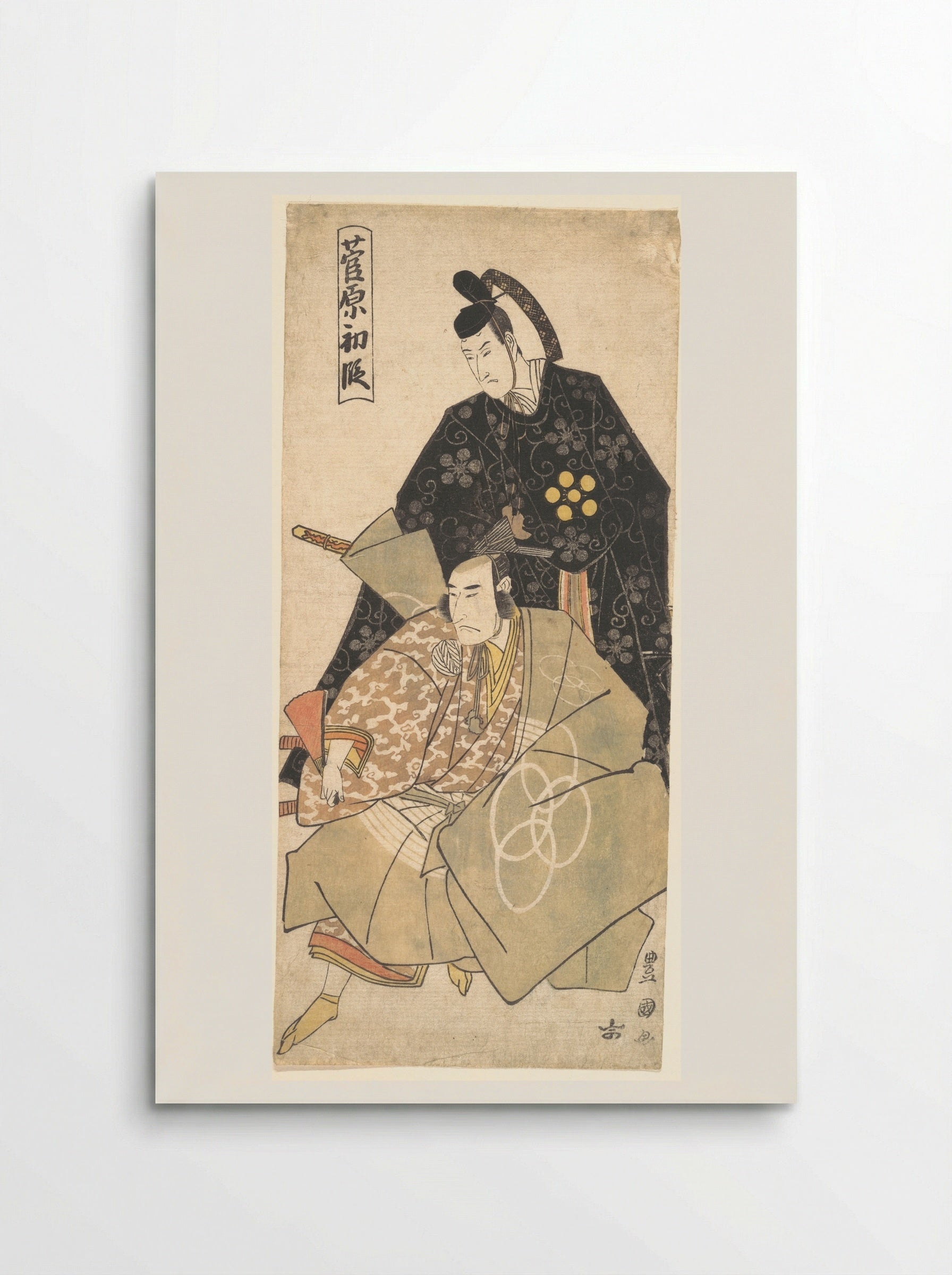 Act I of the Drama "Sugawara" - Utagawa Toyokuni I
Print
Regular price From £28.00 GBPSale price From £28.00 GBP Regular price -
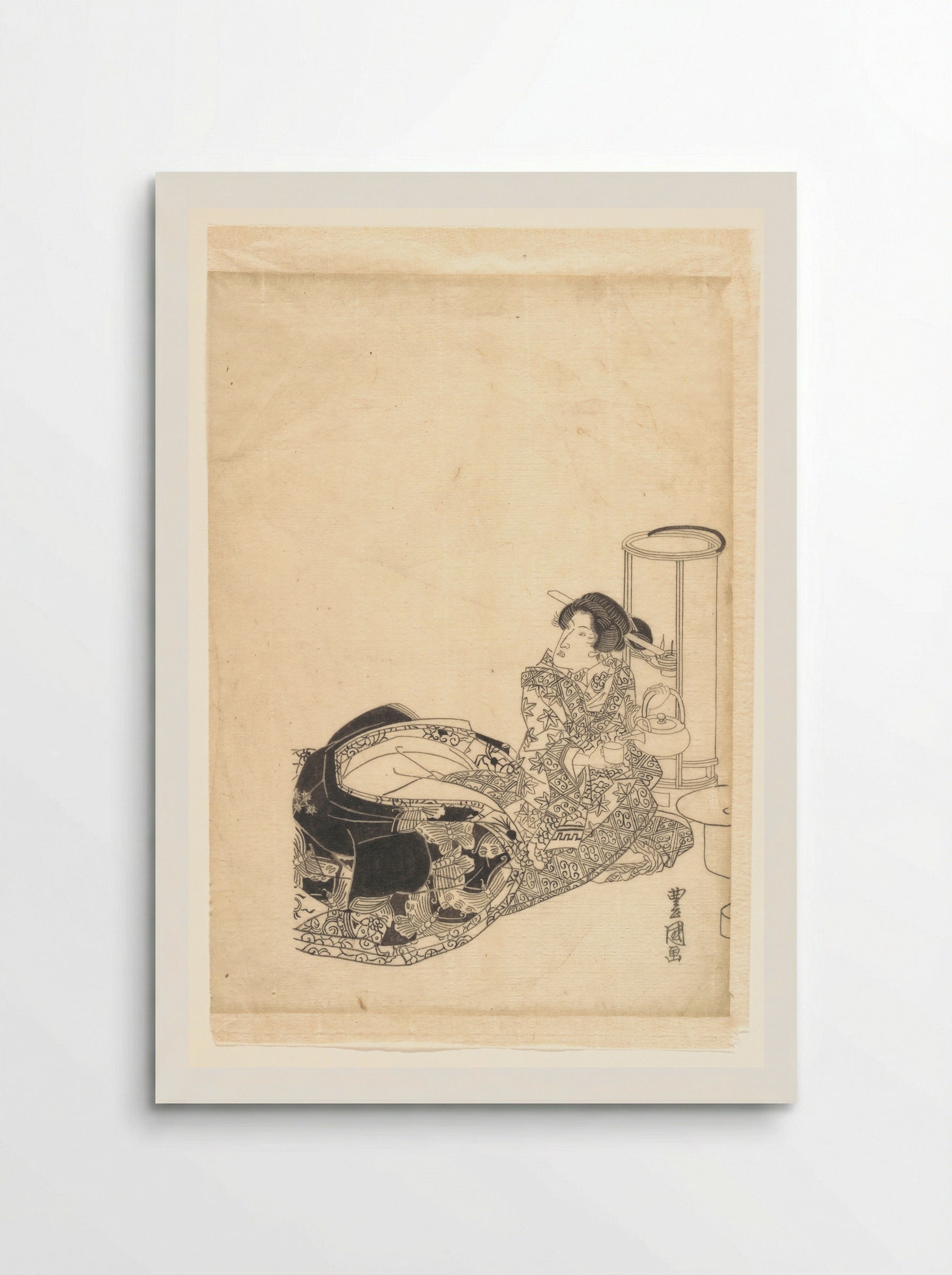 Courtesan or Actor as Courtesan Pouring Tea by the Light of a Lantern - Utagawa Toyokuni I
Print
Regular price From £28.00 GBPSale price From £28.00 GBP Regular price -
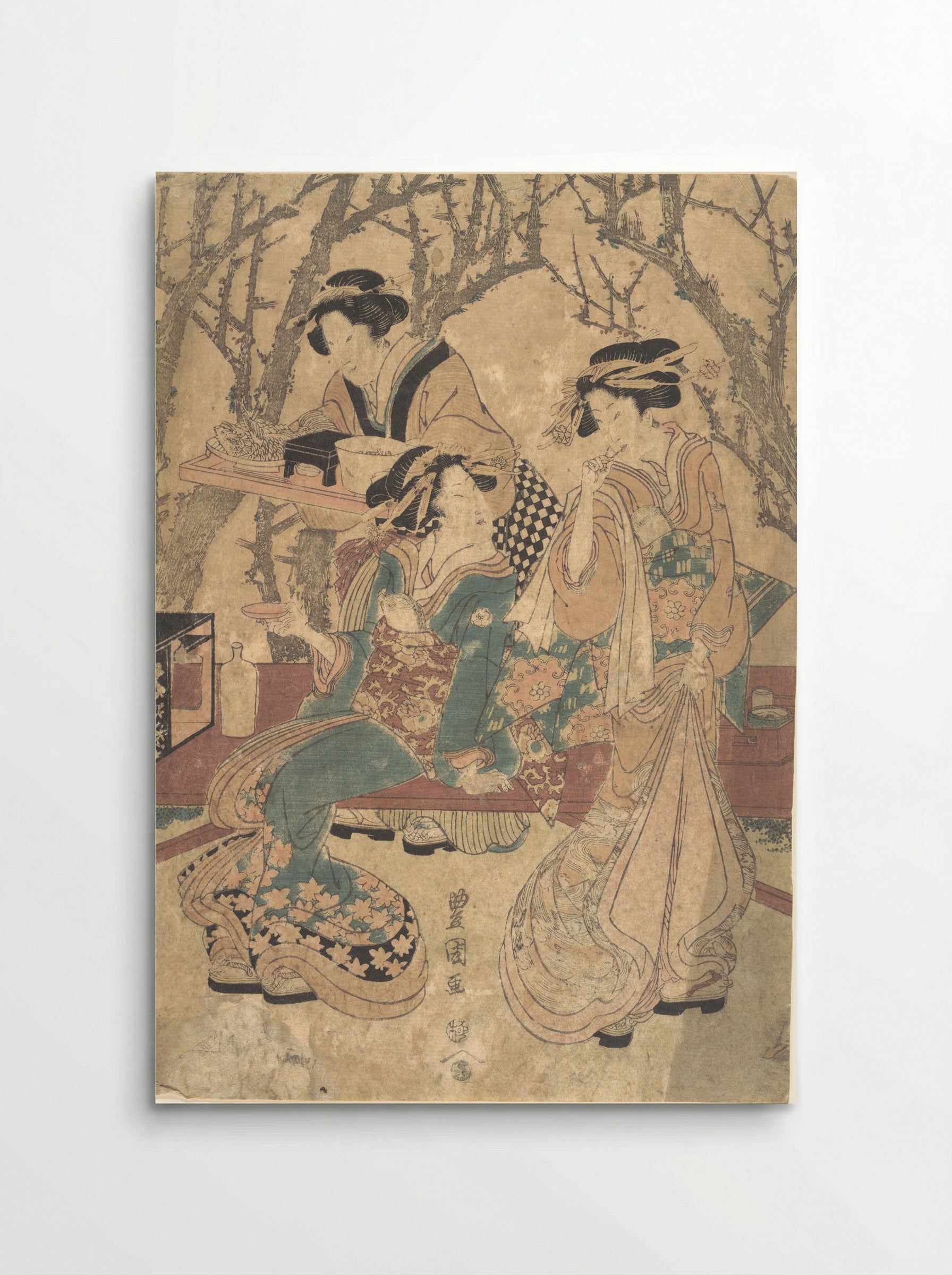 Three Women Dining Before a Group of Trees - Utagawa Toyokuni I
Print
Regular price From £28.00 GBPSale price From £28.00 GBP Regular price -
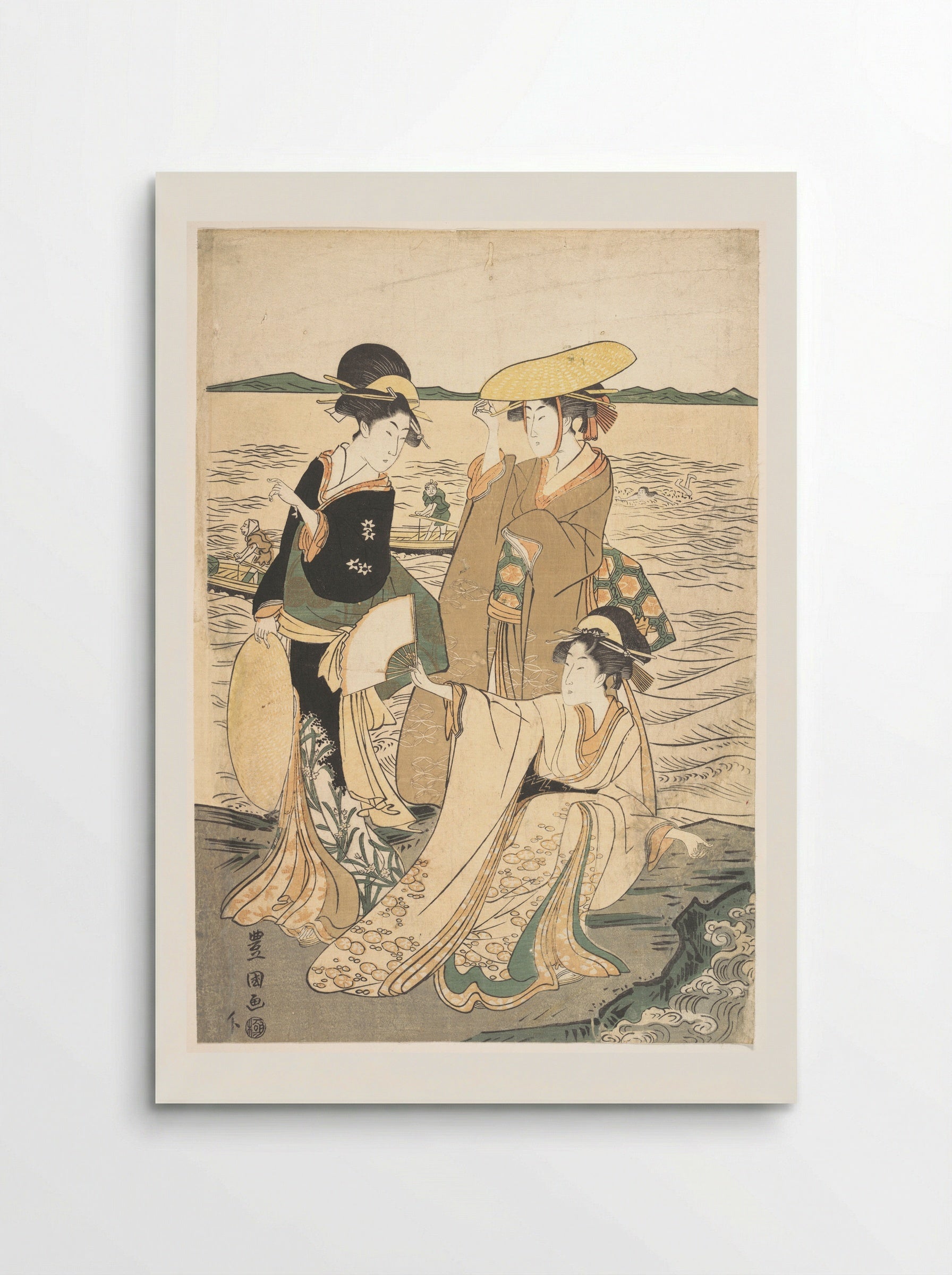 Three Young Ladies by the Seashore - Utagawa Toyokuni I
Print
Regular price From £28.00 GBPSale price From £28.00 GBP Regular price -
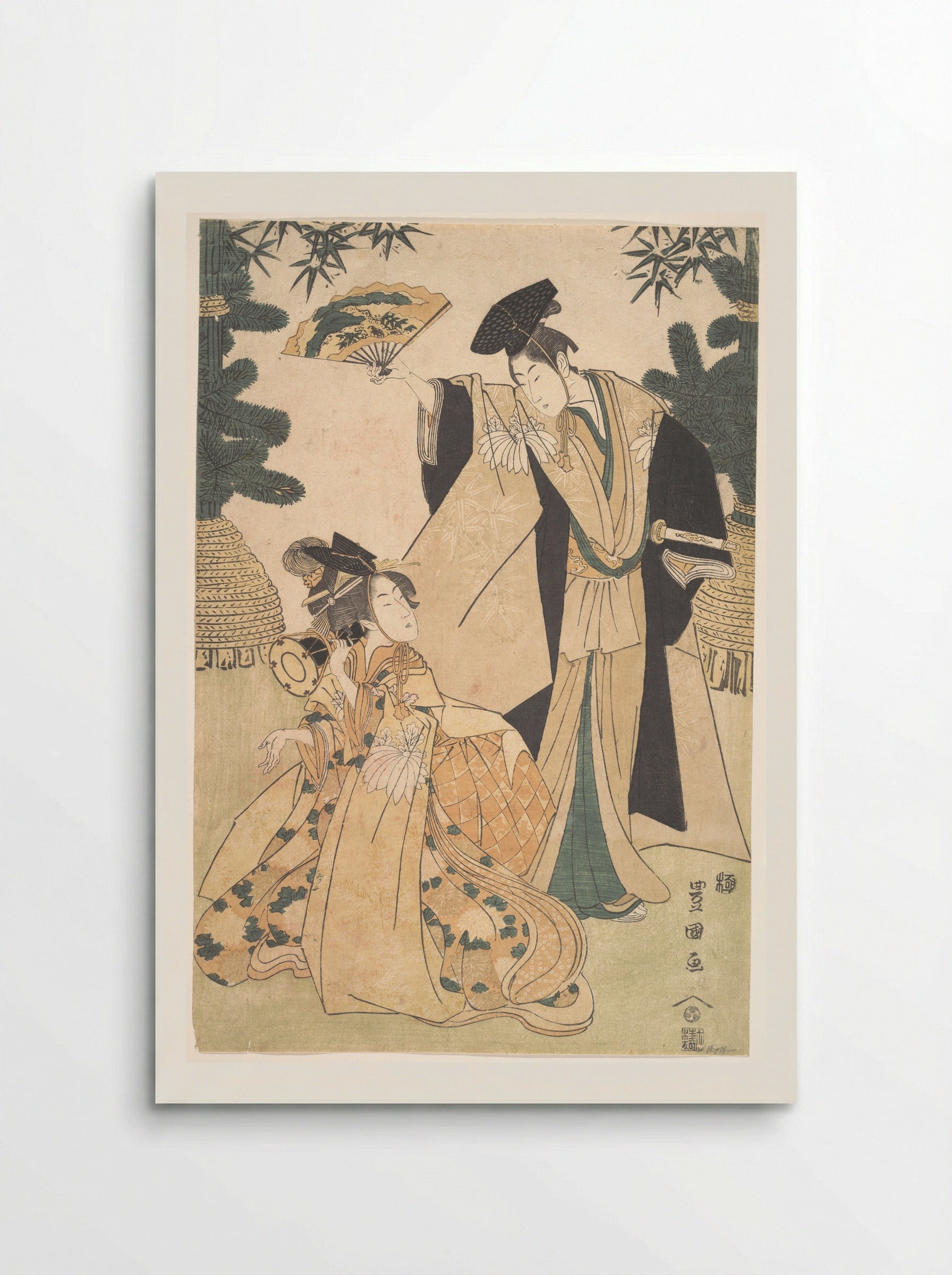 Young Lady with Drum and Man with Fan Saluting Her - Utagawa Toyokuni I
Print
Regular price From £28.00 GBPSale price From £28.00 GBP Regular price -
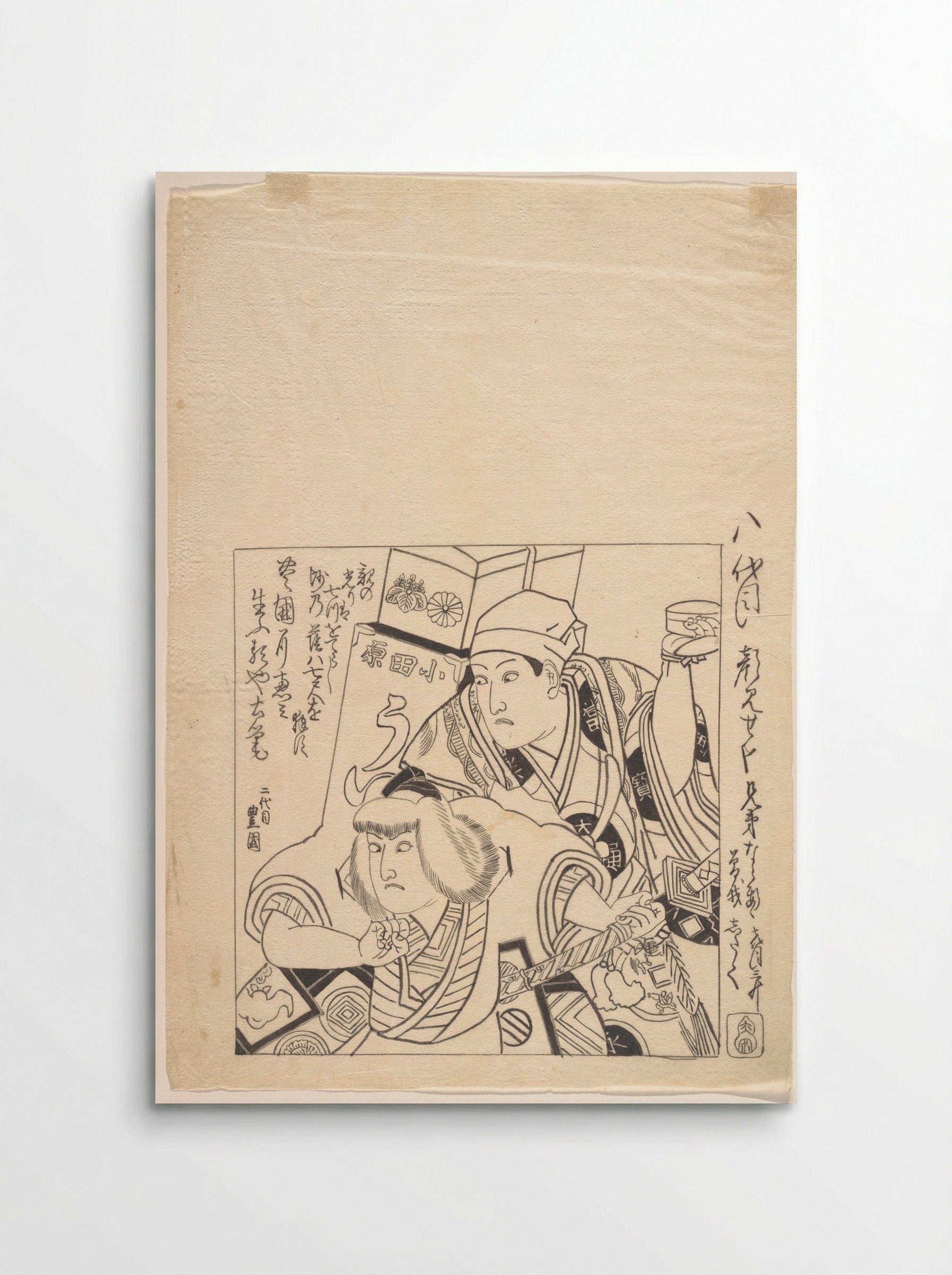 Shitaku and Sansho VII in Soga Kyodai (a Kabuki Play of the Soga Brothers) - Utagawa Toyokuni I
Print
Regular price From £28.00 GBPSale price From £28.00 GBP Regular price -
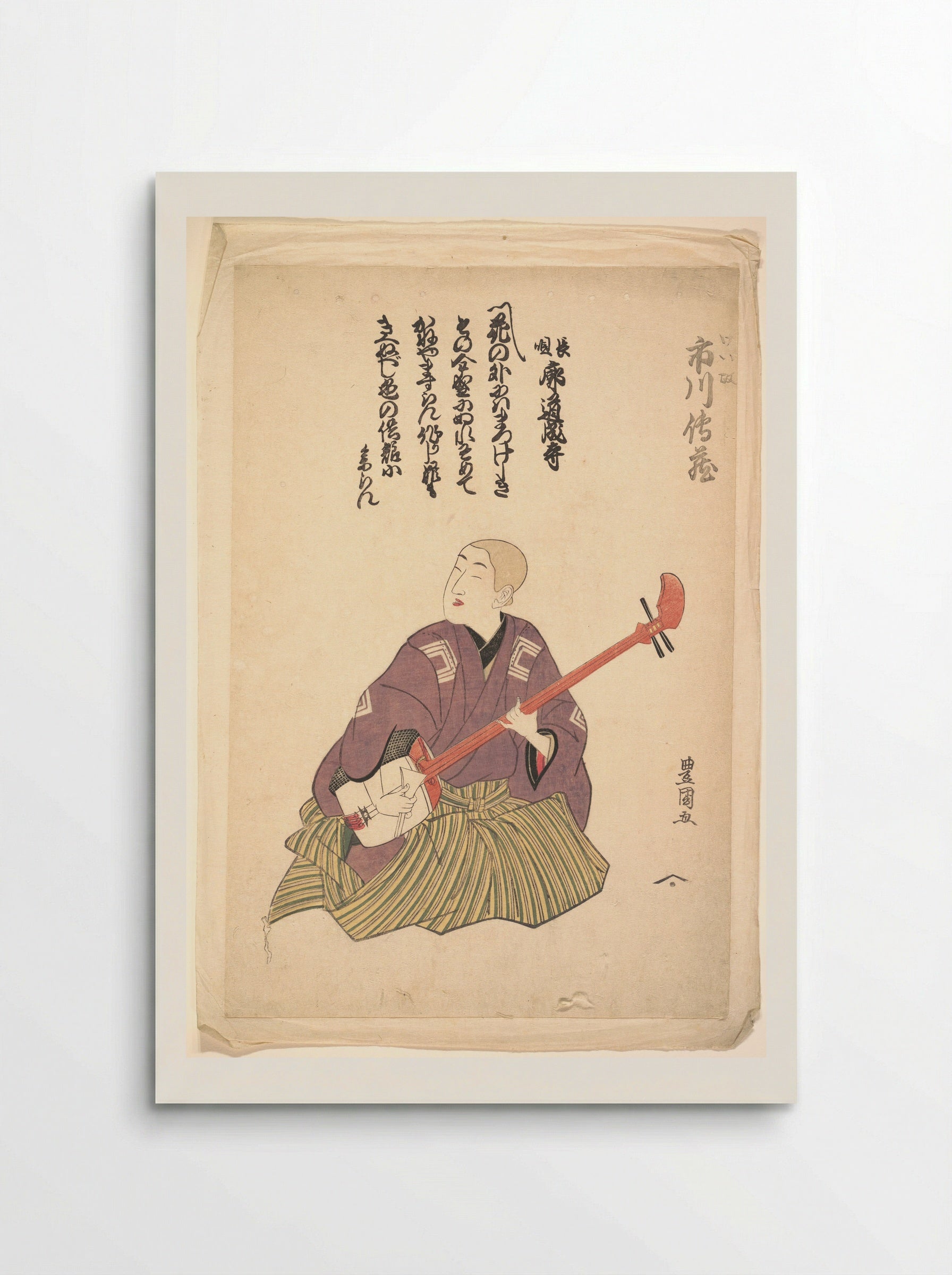
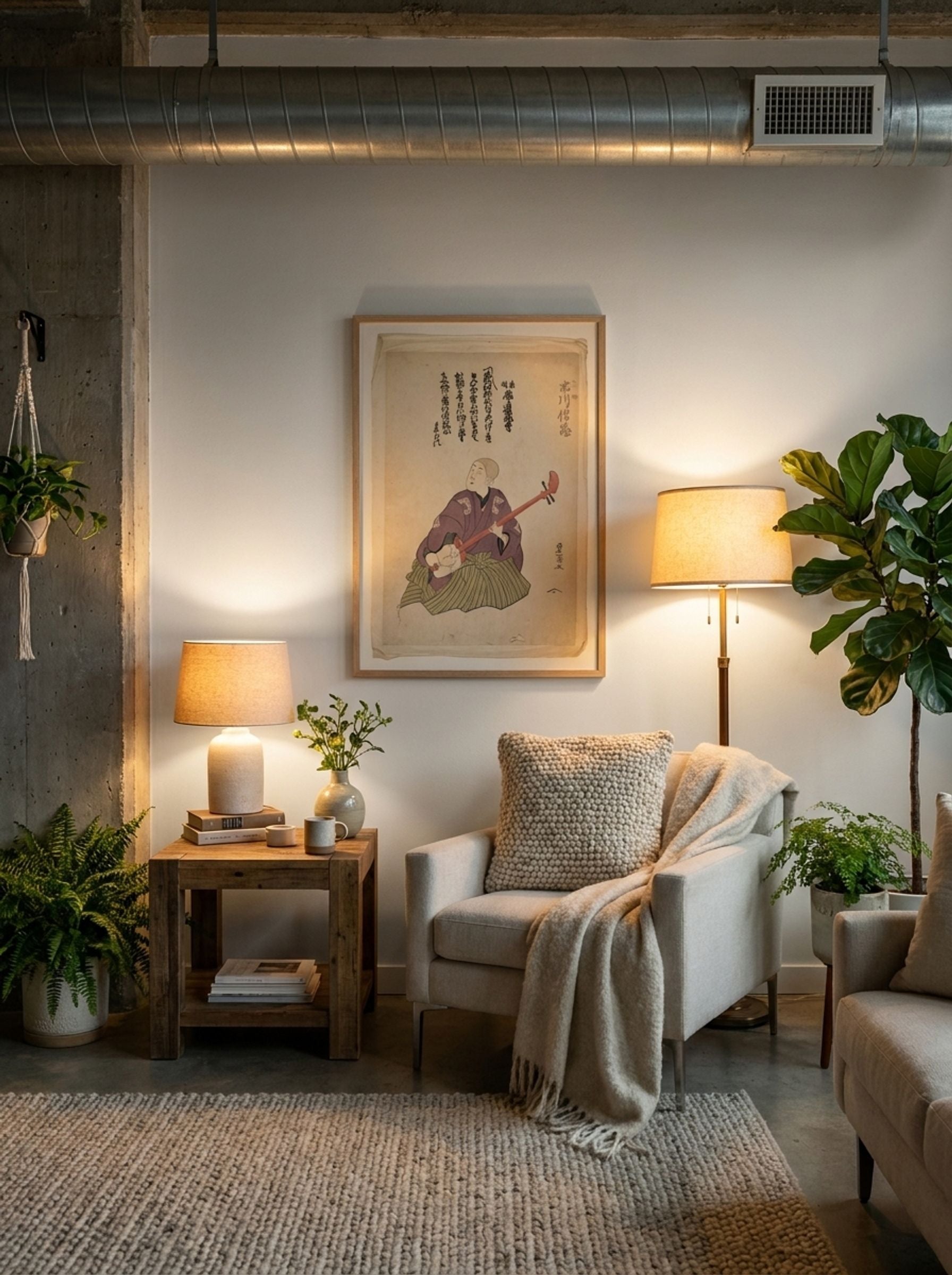 Keisei Ichikawa Denzo - Utagawa Toyokuni I
Print · Framed
Regular price From £28.00 GBPSale price From £28.00 GBP Regular price -
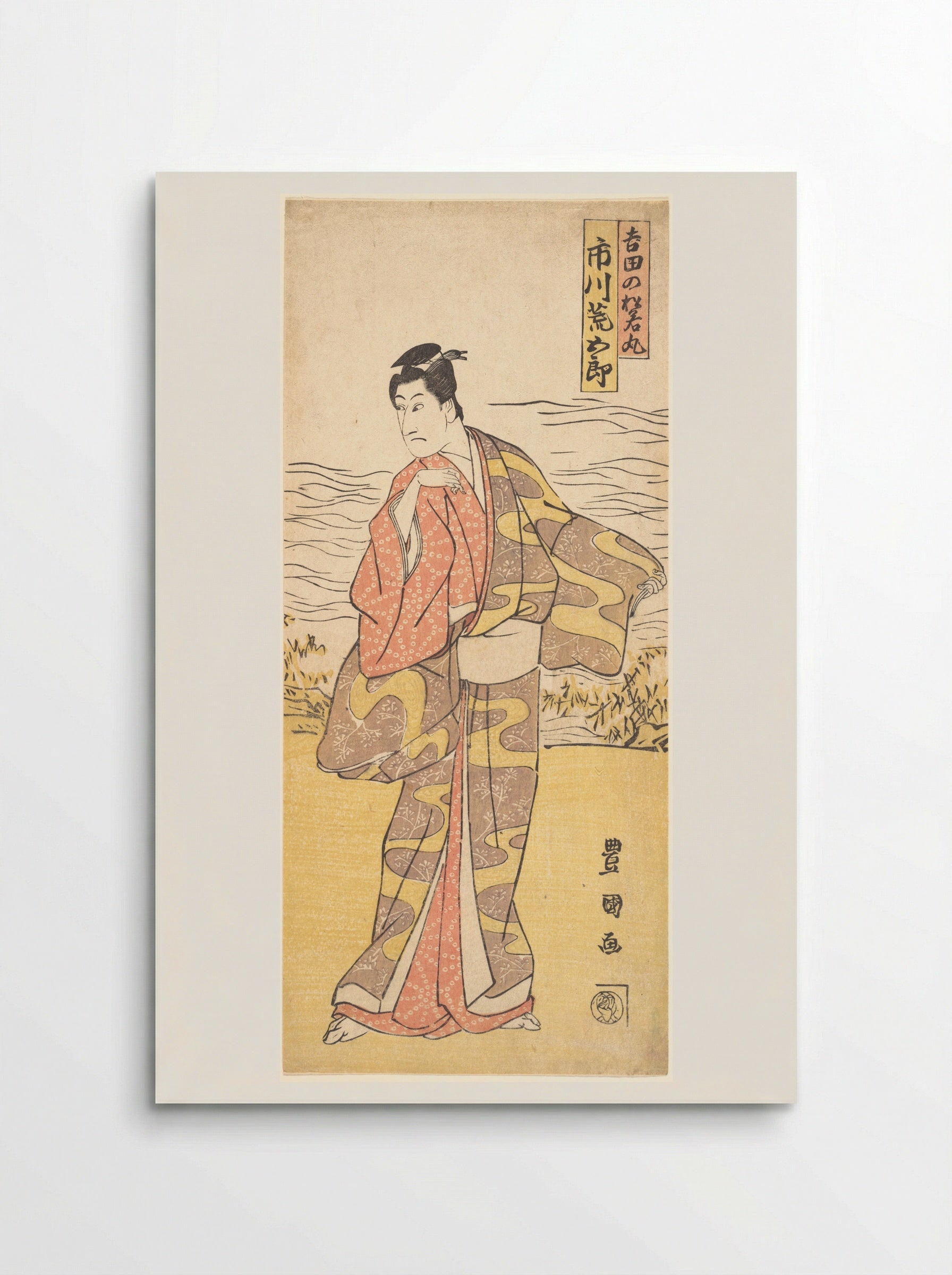
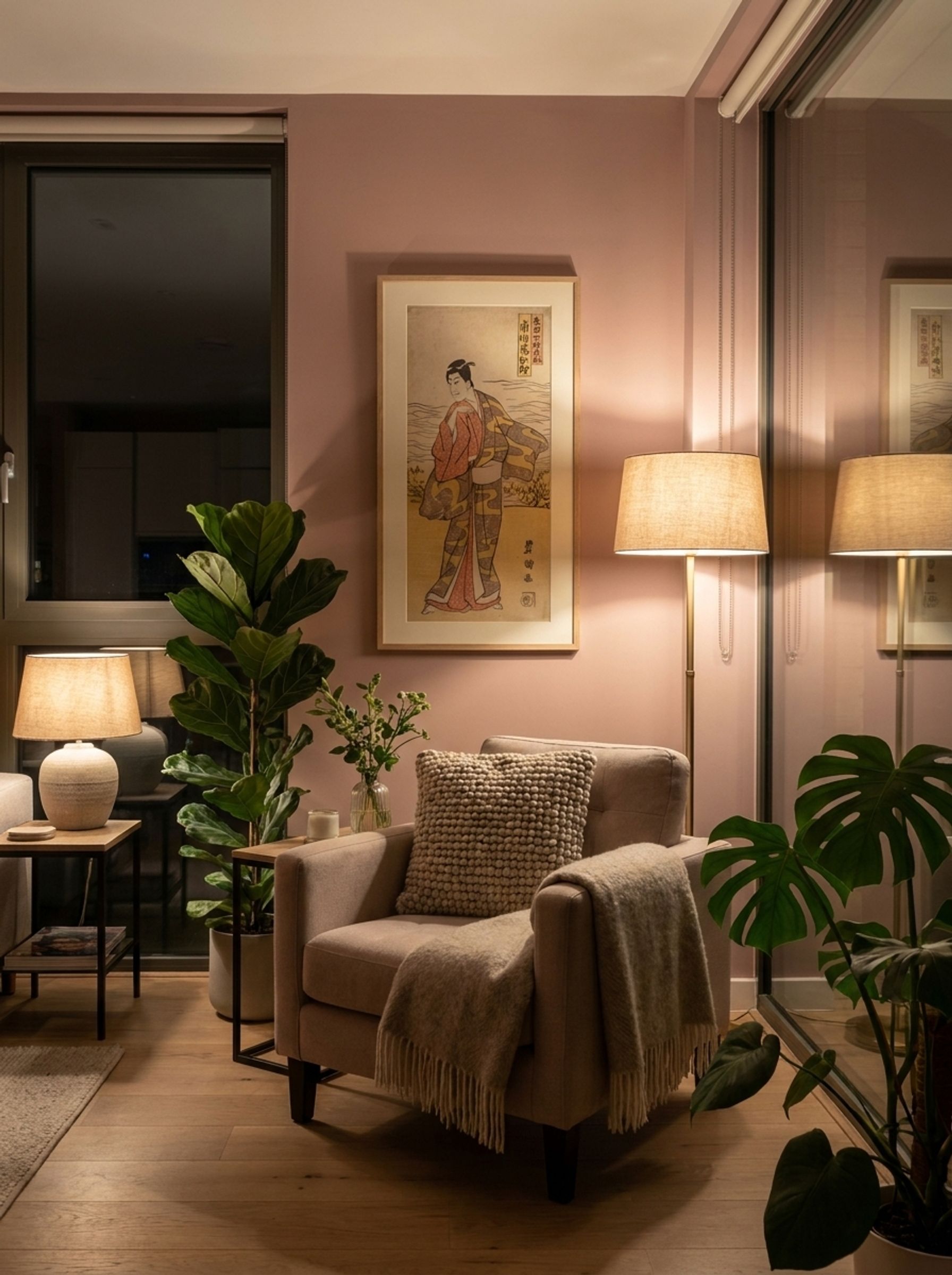 The Actor Ichikawa Aragōrō as Yoshida no Matsuwaka-Maru - Utagawa Toyokuni I
Print · Framed
Regular price From £28.00 GBPSale price From £28.00 GBP Regular price

Artist Biography
Utagawa Toyokuni I
"My pictures are merely something that I draw, and nothing more than that." Toyokuni's self-assessment was modest to the point of dishonesty. He transformed kabuki actor portraiture from stiff formal likenesses into dynamic images of performers in character on stage, and in doing so built the most commercially powerful woodblock print studio in Edo.
He was born in 1769, the son of a puppet maker. He studied under Utagawa Toyoharu, founder of the Utagawa school, and followed convention by taking one syllable of his master's name. His early work synthesised the styles of Utamaro, Eishi and Choki through close study and relentless practice. By the mid-1790s he had found his own voice. Yakusha Butai no Sugatae (Portraits of Actors in Their Various Roles), a series of large polychrome prints produced between 1794 and 1796, showed kabuki actors costumed and posed on stage rather than seated in formal dress. The series was a commercial triumph and set the standard for actor portraiture for the next generation.
He also excelled at bijin-ga, pictures of beautiful women, establishing compositions that ukiyo-e artists followed for decades. His innovations extended to format: he pioneered the use of diptych, triptych and polyptych arrangements that allowed more complex narrative compositions than the single sheet could hold.
As demand surged, Toyokuni's studio expanded until his personal involvement in each print became nominal. The quality of his later work declined, but the school he built survived him. His two most gifted pupils, Kunisada and Kuniyoshi, became major figures in their own right, and the Utagawa school dominated ukiyo-e production through the final decades of the Edo period. He died in 1825.
He was born in 1769, the son of a puppet maker. He studied under Utagawa Toyoharu, founder of the Utagawa school, and followed convention by taking one syllable of his master's name. His early work synthesised the styles of Utamaro, Eishi and Choki through close study and relentless practice. By the mid-1790s he had found his own voice. Yakusha Butai no Sugatae (Portraits of Actors in Their Various Roles), a series of large polychrome prints produced between 1794 and 1796, showed kabuki actors costumed and posed on stage rather than seated in formal dress. The series was a commercial triumph and set the standard for actor portraiture for the next generation.
He also excelled at bijin-ga, pictures of beautiful women, establishing compositions that ukiyo-e artists followed for decades. His innovations extended to format: he pioneered the use of diptych, triptych and polyptych arrangements that allowed more complex narrative compositions than the single sheet could hold.
As demand surged, Toyokuni's studio expanded until his personal involvement in each print became nominal. The quality of his later work declined, but the school he built survived him. His two most gifted pupils, Kunisada and Kuniyoshi, became major figures in their own right, and the Utagawa school dominated ukiyo-e production through the final decades of the Edo period. He died in 1825.


Why Choose Us ?