

Collection
Odilon Redon
Explore curated art prints selected for distinctive homes and considered interiors.
Suggested filters
-
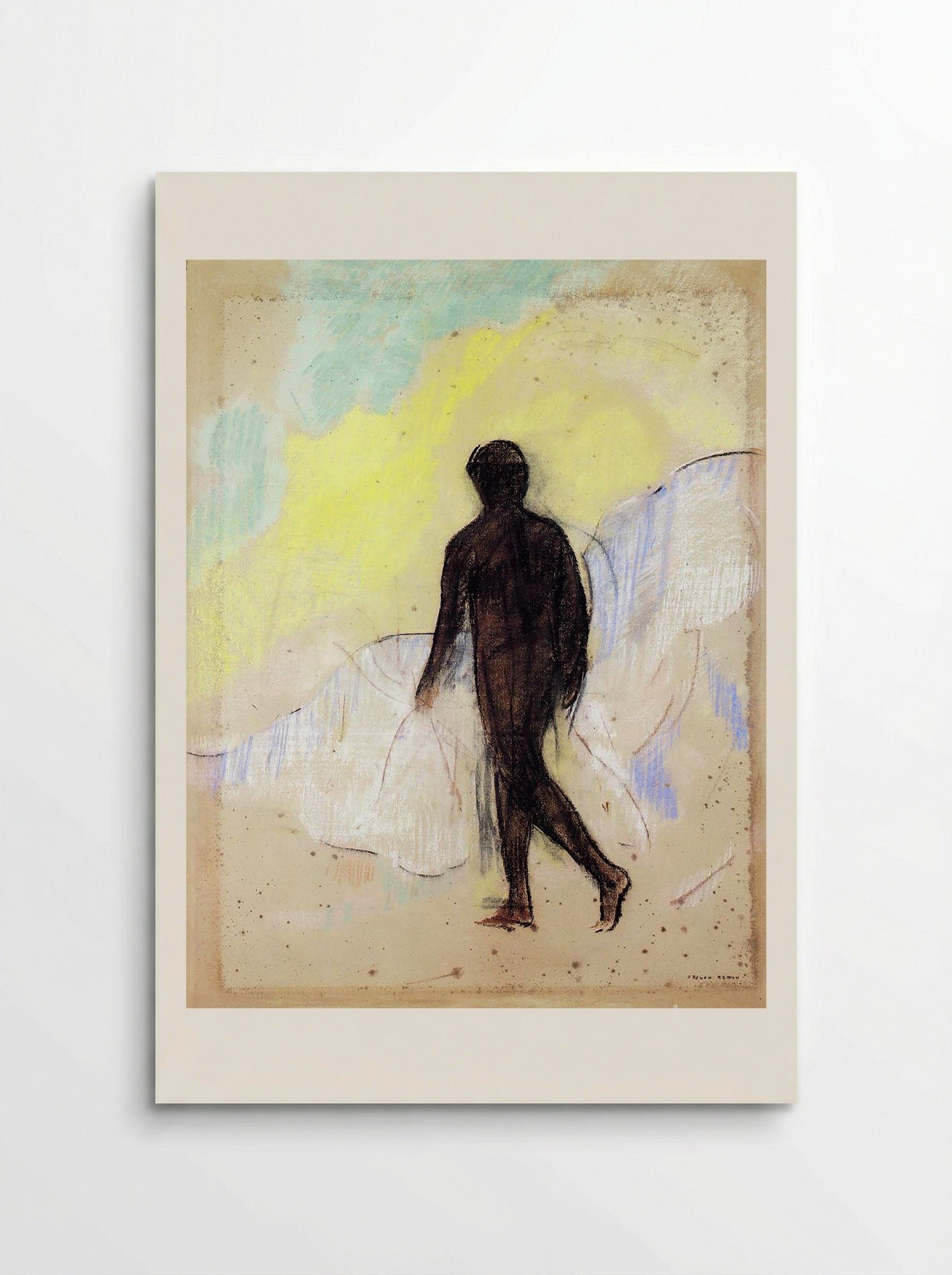
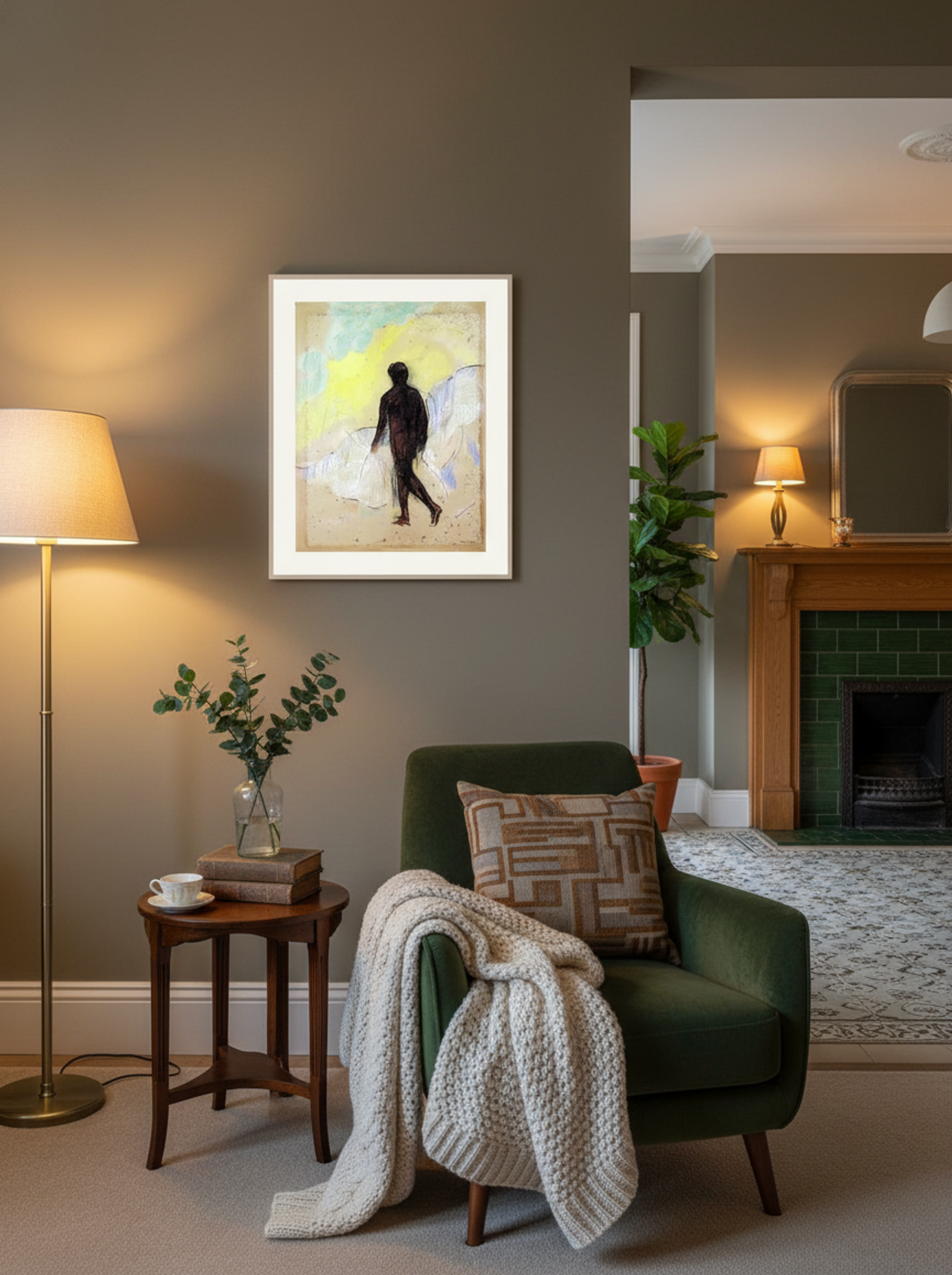 The Man - Odilon Redon
Print · Framed
Regular price From £28.00 GBPSale price From £28.00 GBP Regular price -
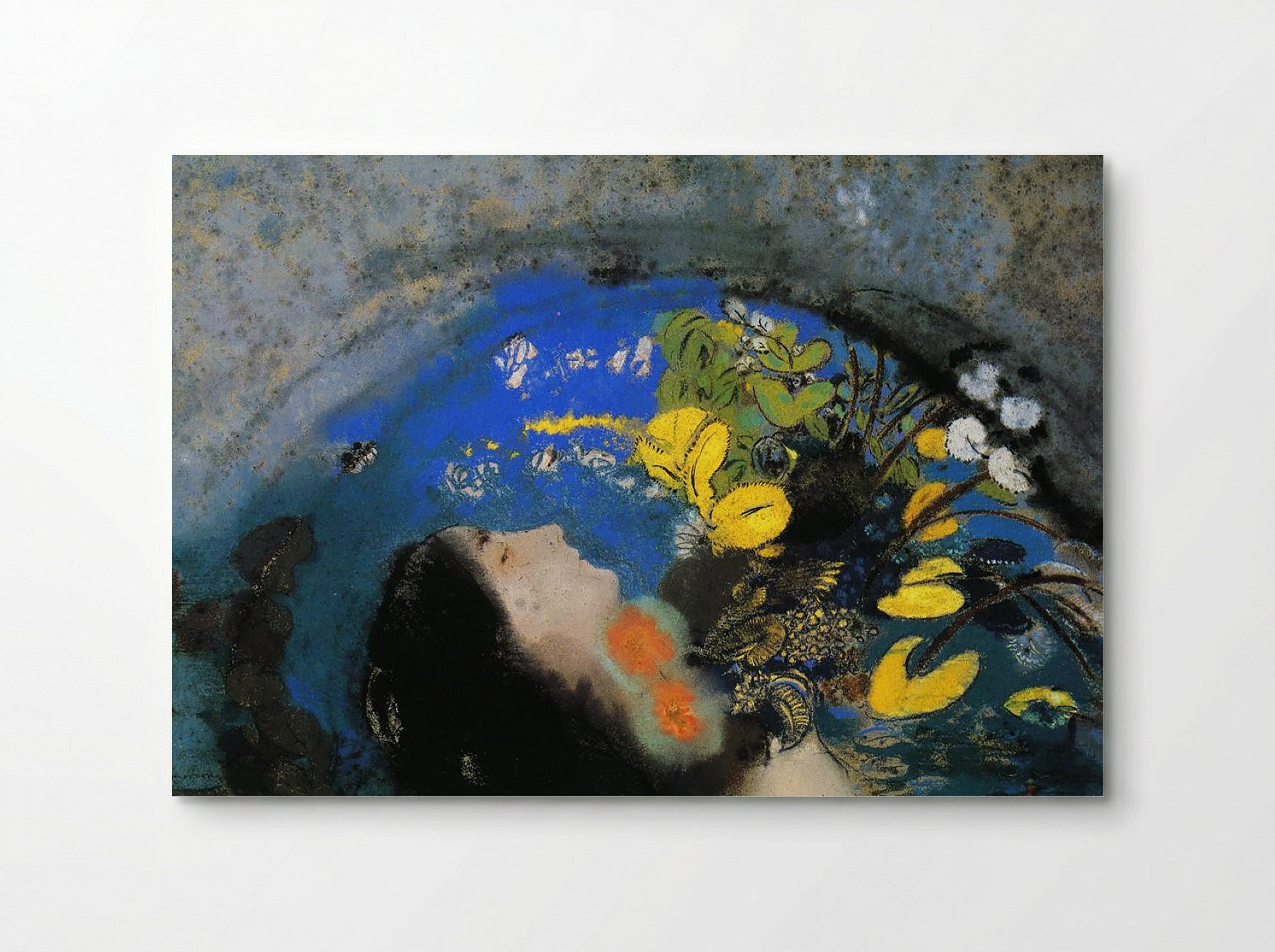
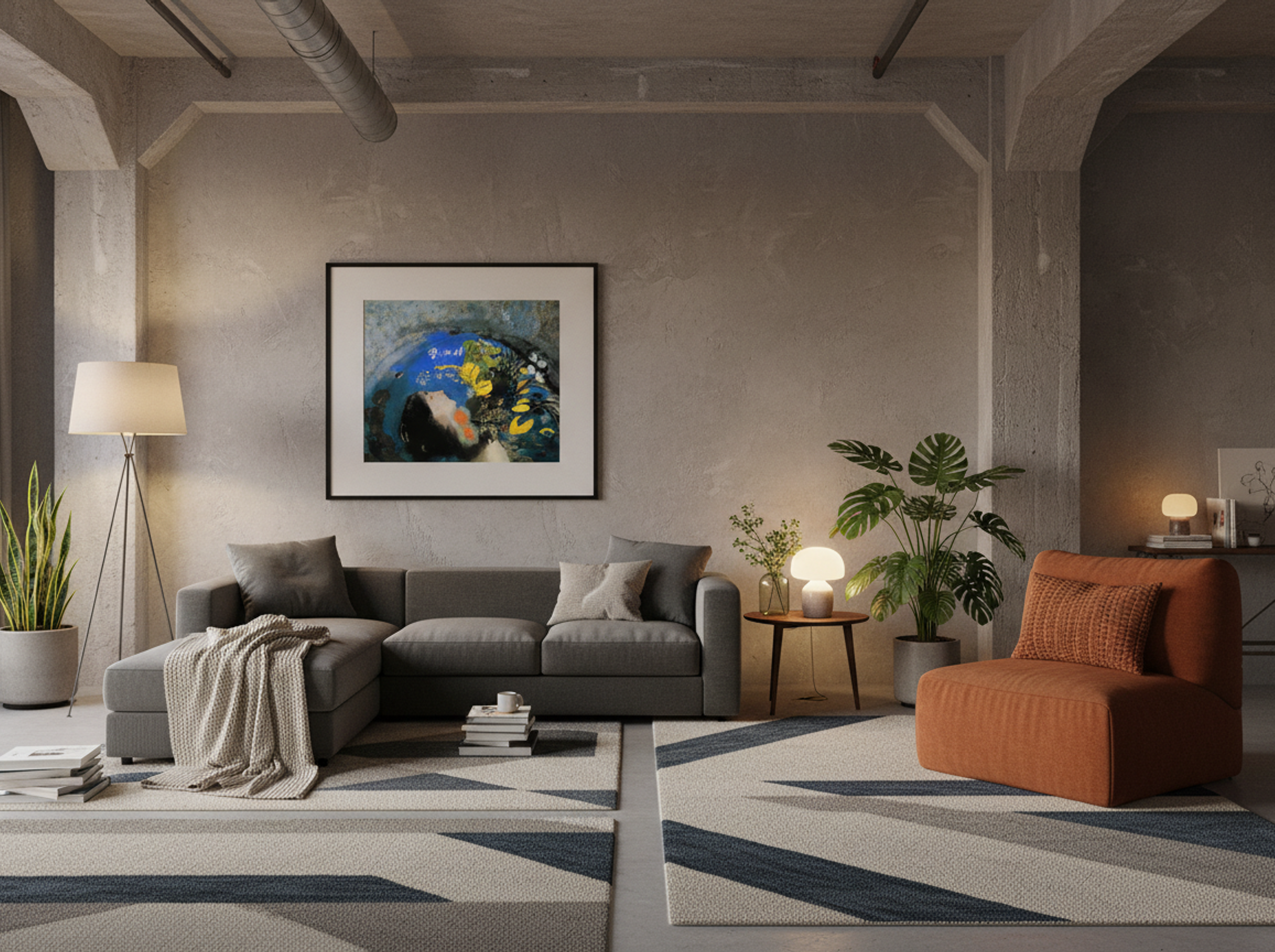 Ophelia - Odilon Redon
Print · Framed
Regular price From £28.00 GBPSale price From £28.00 GBP Regular price -
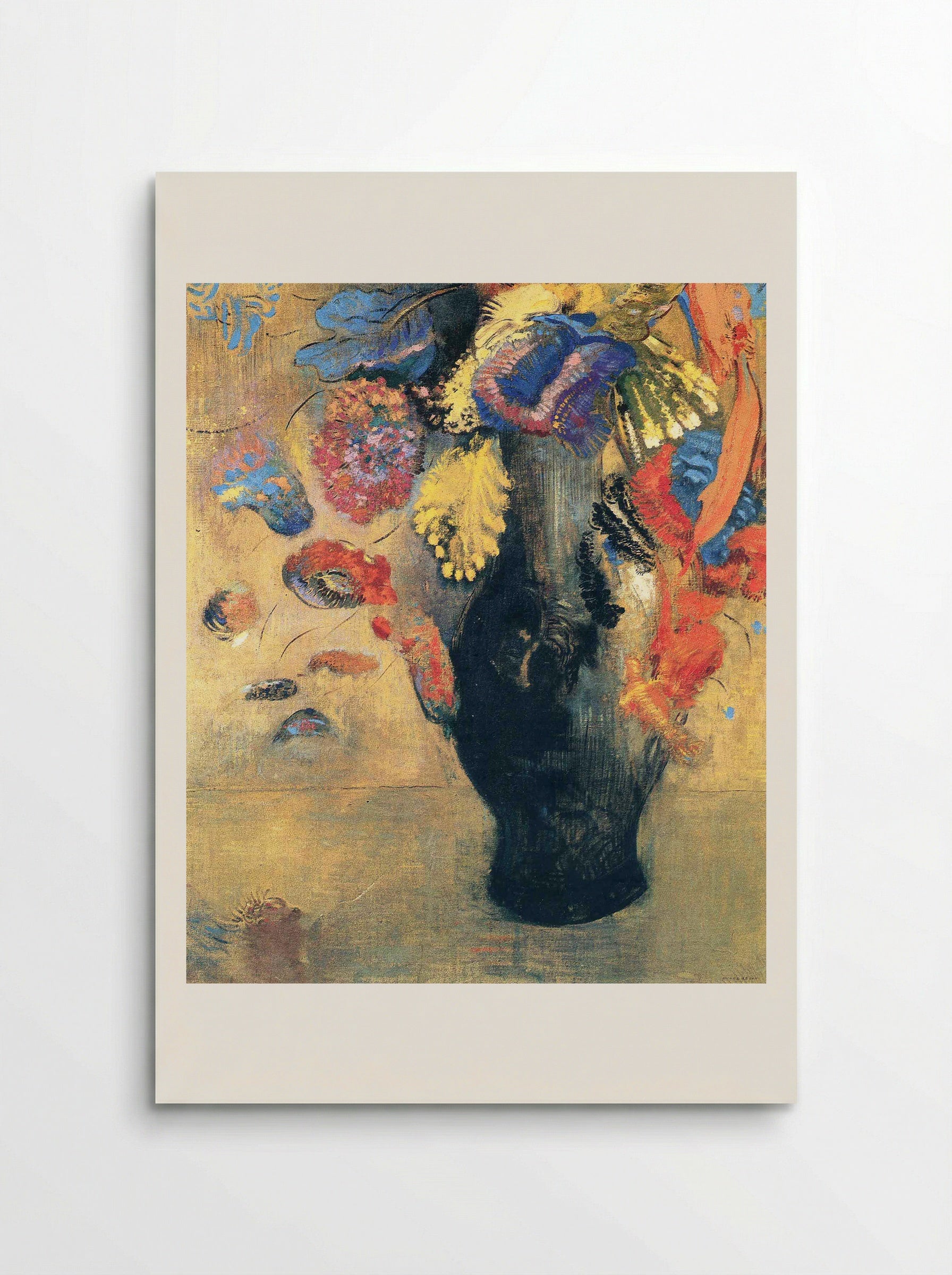
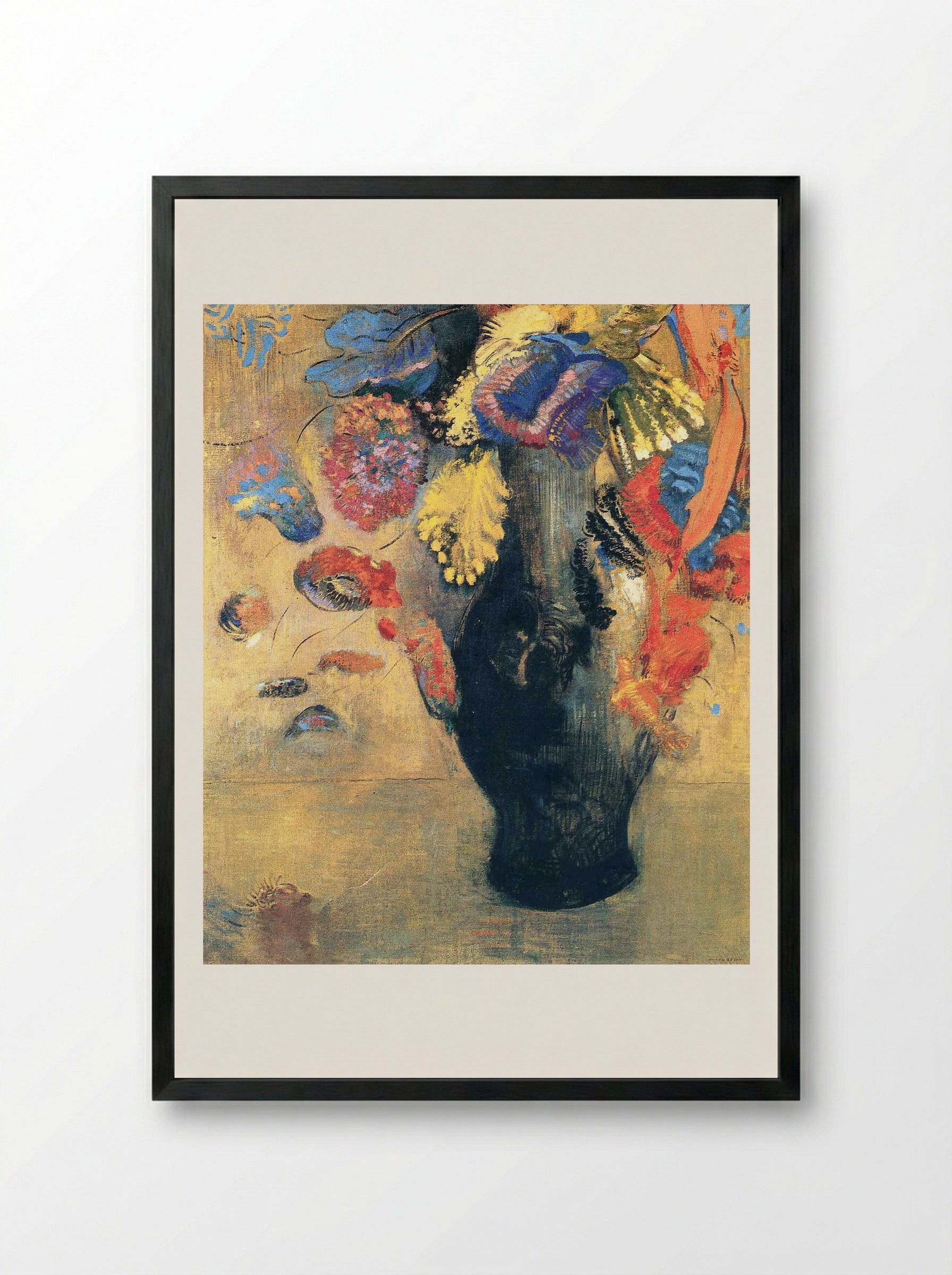 Flowers in a Black Vase - Odilon Redon
Print · Framed
Regular price From £28.00 GBPSale price From £28.00 GBP Regular price

Artist Biography
Odilon Redon
Redon's father made his fortune in the slave trade in Louisiana in the 1830s. The boy was conceived in New Orleans and born in Bordeaux in 1840. His parents sent him to live with an uncle on a rural estate at Peyrelebade, where he spent most of his childhood alone. He was sickly and withdrawn. The isolation produced someone who looked inward when he drew.
For the first two decades of his career he worked exclusively in black: charcoal drawings and lithographs he called his noirs. Floating eyeballs, severed heads with closed lids, spiders with human faces, plants that grow teeth. The images are hallucinatory but precisely rendered, closer to medical illustration than fantasy. He published his first lithograph album, Dans le Reve, in 1879. Nobody noticed.
Recognition came sideways. In 1884, Joris-Karl Huysmans published A rebours, a novel about a reclusive aesthete who decorates his rooms with Redon's prints. The book became a cult text for the Symbolist movement and Redon became famous by association. Stephane Mallarme, the Symbolist poet, became a close friend. Redon also completed a series of lithographs dedicated to Edgar Allan Poe, whose poems Mallarme and Baudelaire had translated into French.
After 1900 he stopped making noirs entirely and shifted to colour: pastels and oils of flowers, mythological figures and butterflies in palettes that anticipate Matisse. The transition was so complete that the Surrealists later claimed the black work while the Fauves claimed the colour, and neither group seemed to notice they were talking about the same person.
He studied under Jean-Leon Gerome at the Ecole des Beaux-Arts, which is an unlikely pairing: Gerome painted Roman gladiators with photographic precision. Redon painted eyeballs attached to balloons. Goya and Delacroix were the influences that actually stuck.
For the first two decades of his career he worked exclusively in black: charcoal drawings and lithographs he called his noirs. Floating eyeballs, severed heads with closed lids, spiders with human faces, plants that grow teeth. The images are hallucinatory but precisely rendered, closer to medical illustration than fantasy. He published his first lithograph album, Dans le Reve, in 1879. Nobody noticed.
Recognition came sideways. In 1884, Joris-Karl Huysmans published A rebours, a novel about a reclusive aesthete who decorates his rooms with Redon's prints. The book became a cult text for the Symbolist movement and Redon became famous by association. Stephane Mallarme, the Symbolist poet, became a close friend. Redon also completed a series of lithographs dedicated to Edgar Allan Poe, whose poems Mallarme and Baudelaire had translated into French.
After 1900 he stopped making noirs entirely and shifted to colour: pastels and oils of flowers, mythological figures and butterflies in palettes that anticipate Matisse. The transition was so complete that the Surrealists later claimed the black work while the Fauves claimed the colour, and neither group seemed to notice they were talking about the same person.
He studied under Jean-Leon Gerome at the Ecole des Beaux-Arts, which is an unlikely pairing: Gerome painted Roman gladiators with photographic precision. Redon painted eyeballs attached to balloons. Goya and Delacroix were the influences that actually stuck.


Why Choose Us ?