

Collection
Mattia Preti
Explore curated art prints selected for distinctive homes and considered interiors.
Suggested filters
-
 The Incredulity of Saint Thomas - Mattia Preti
Print
Regular price From £28.00 GBPSale price From £28.00 GBP Regular price -
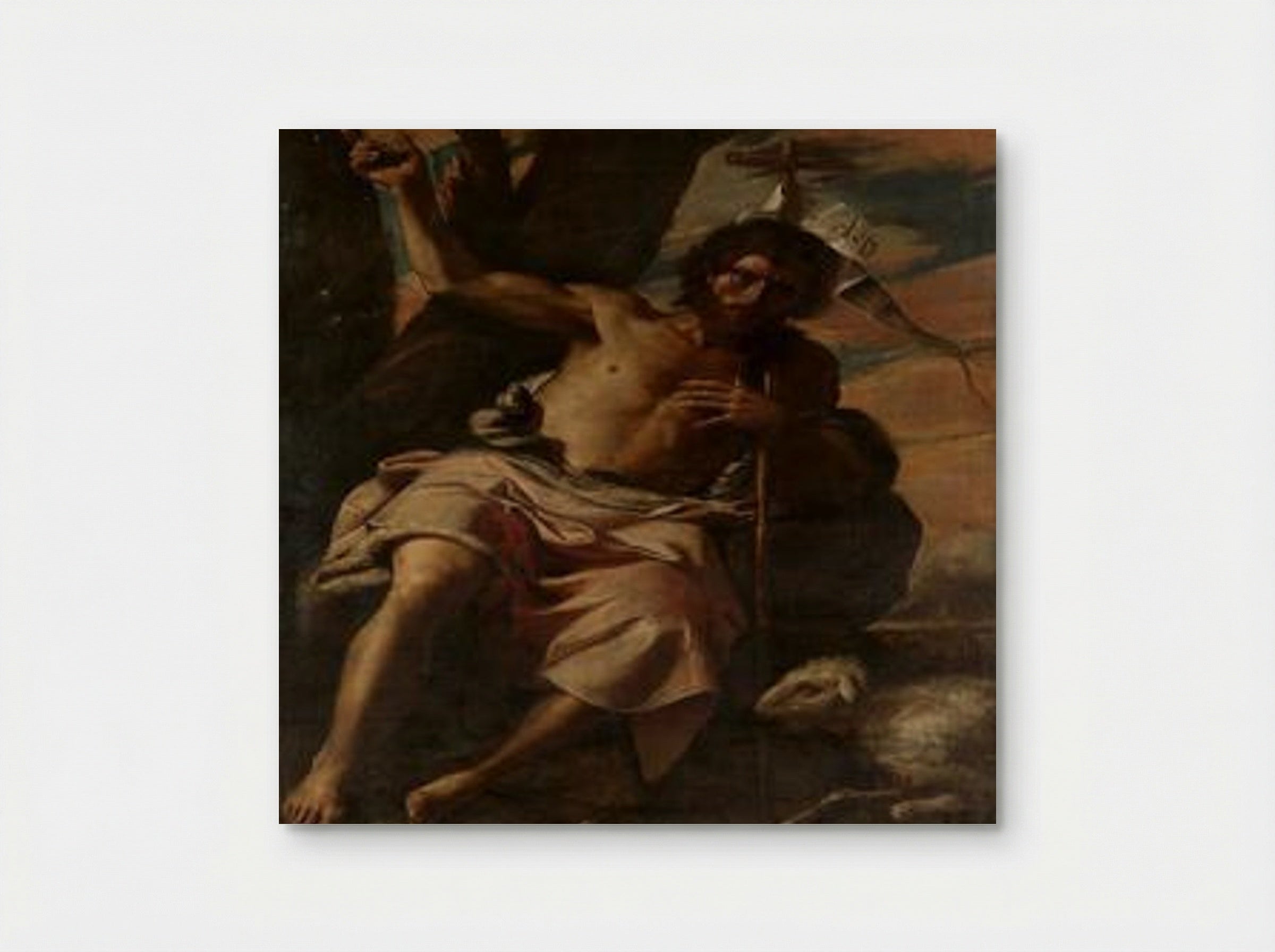 Saint John the Baptist Preaching - Mattia Preti
Print
Regular price From £37.00 GBPSale price From £37.00 GBP Regular price -
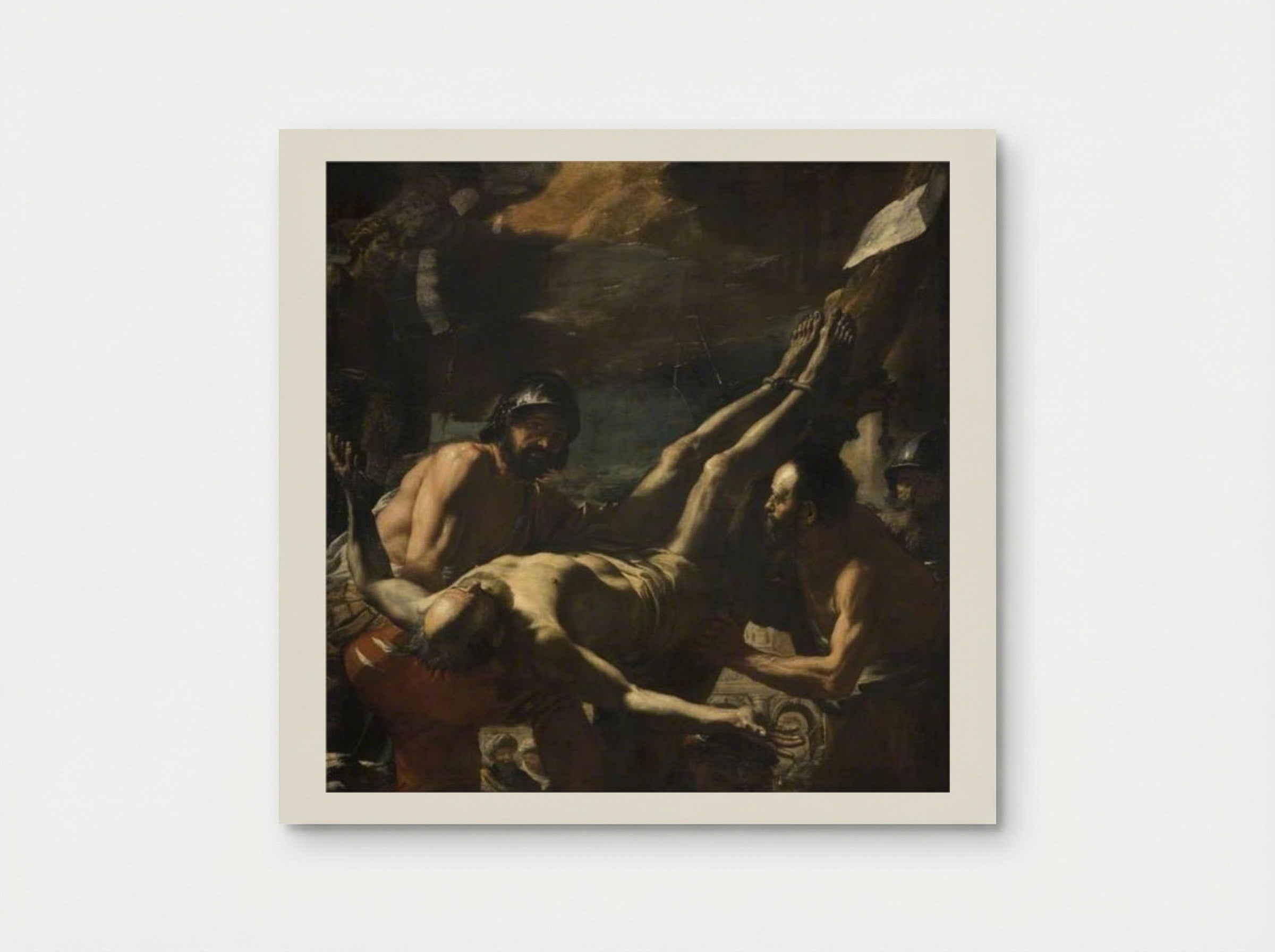 The Martyrdom of Saint Peter - Mattia Preti
Print
Regular price From £37.00 GBPSale price From £37.00 GBP Regular price -
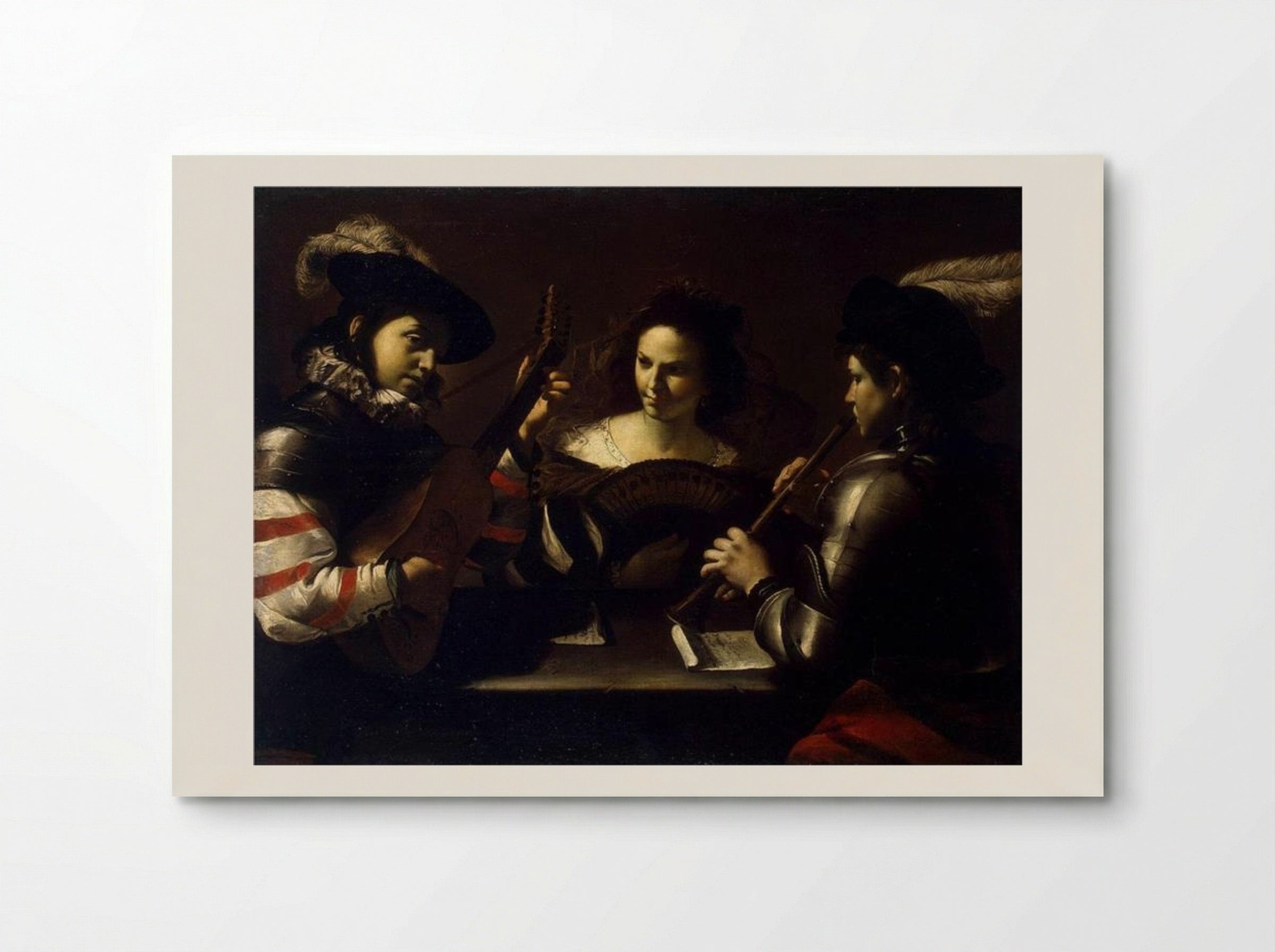 The Concert - Mattia Preti
Print
Regular price From £28.00 GBPSale price From £28.00 GBP Regular price -
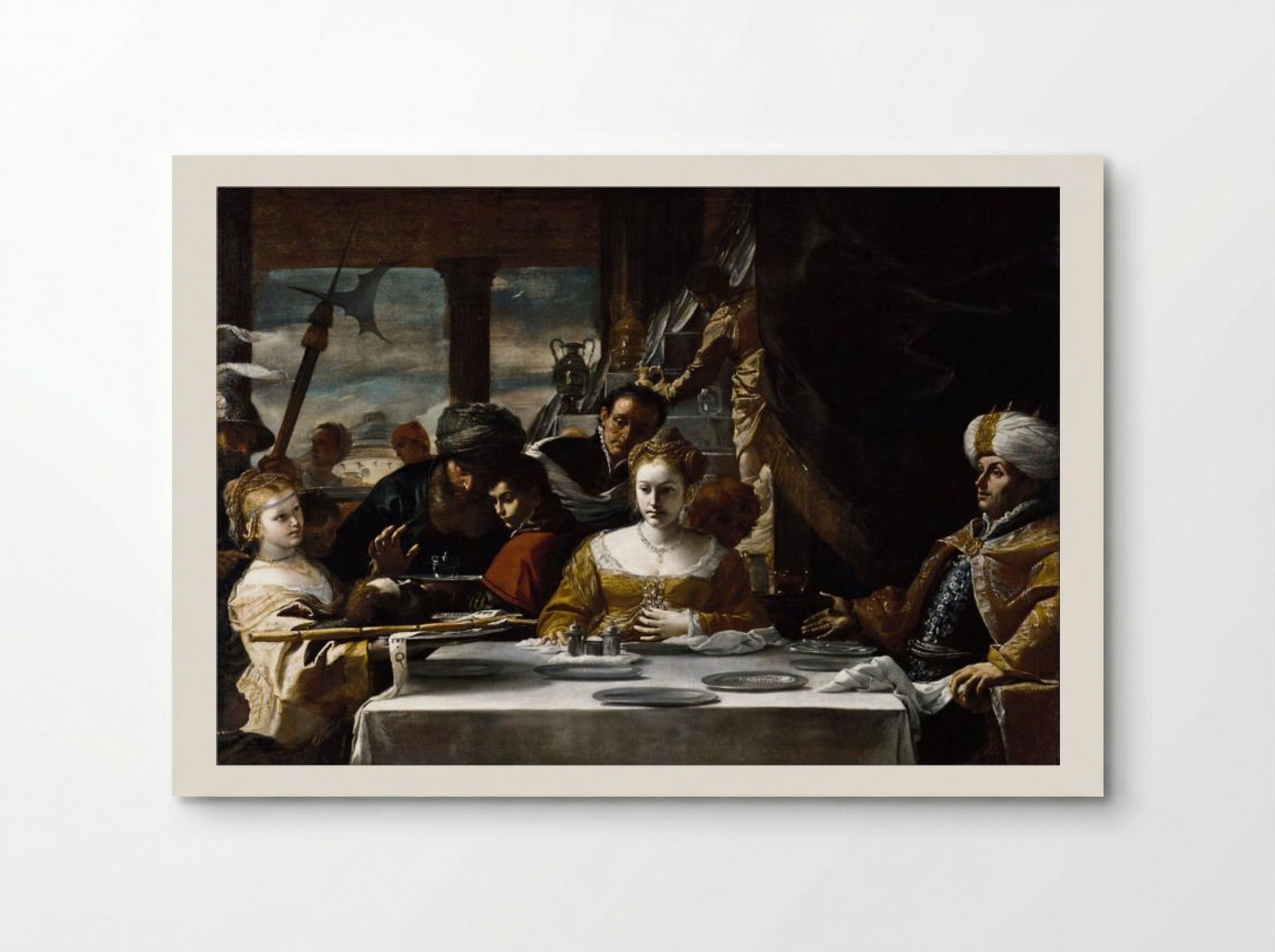 Feast of Herod - Mattia Preti
Print
Regular price From £28.00 GBPSale price From £28.00 GBP Regular price -
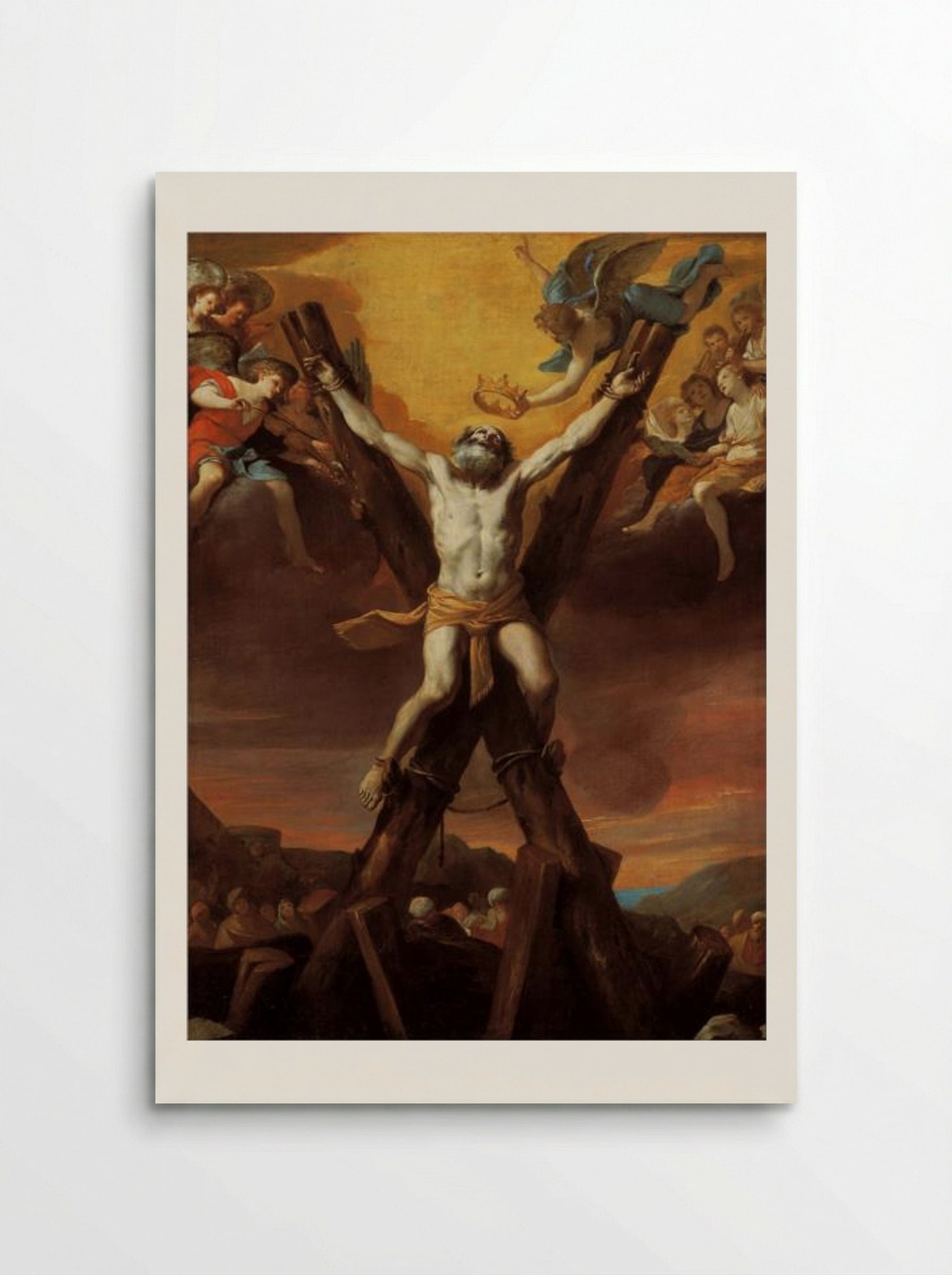 The Crucifixion of Saint Andrew - Mattia Preti
Print
Regular price From £28.00 GBPSale price From £28.00 GBP Regular price -
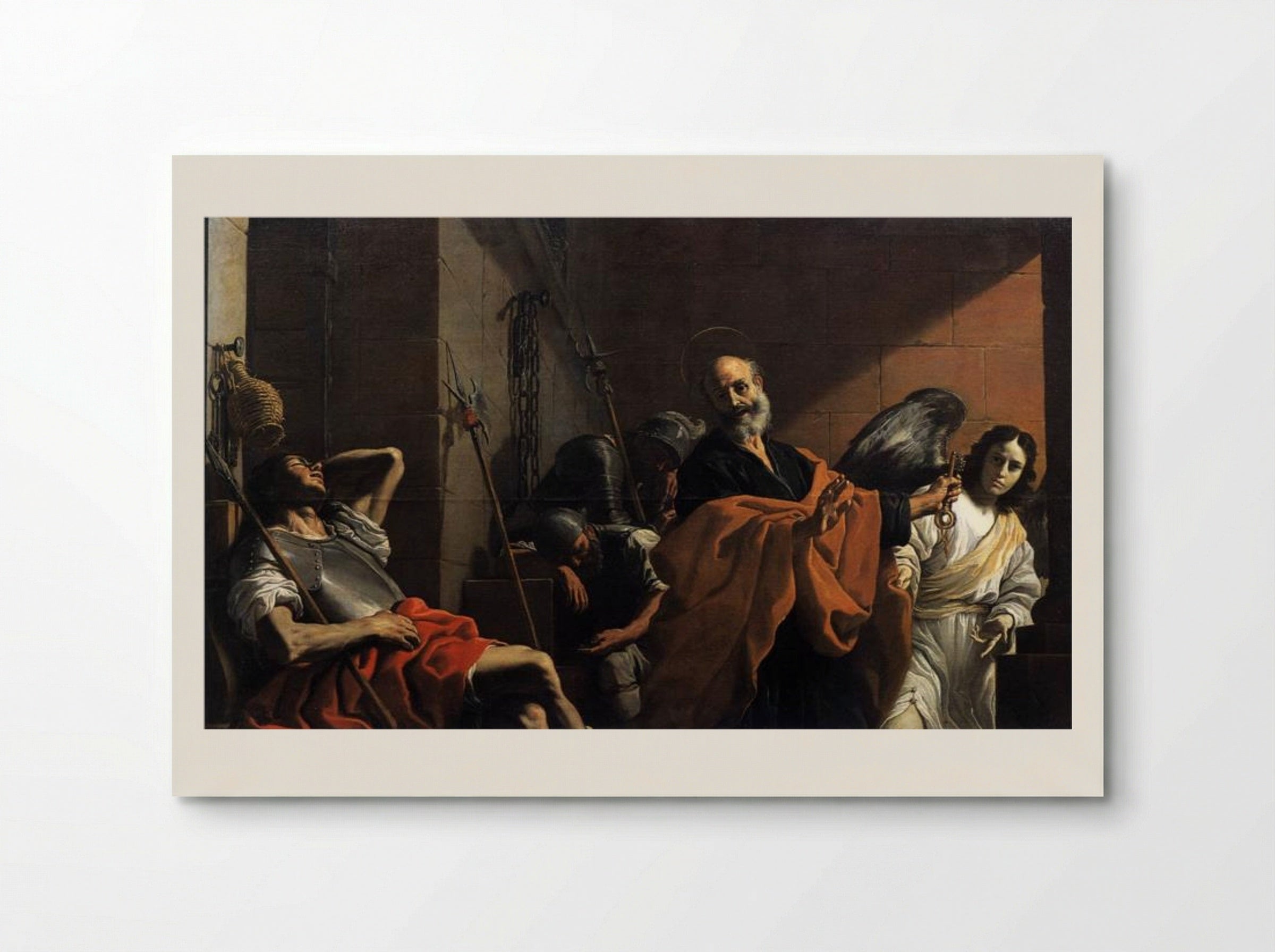 Release of Saint Peter from Prison - Mattia Preti
Print
Regular price From £28.00 GBPSale price From £28.00 GBP Regular price -
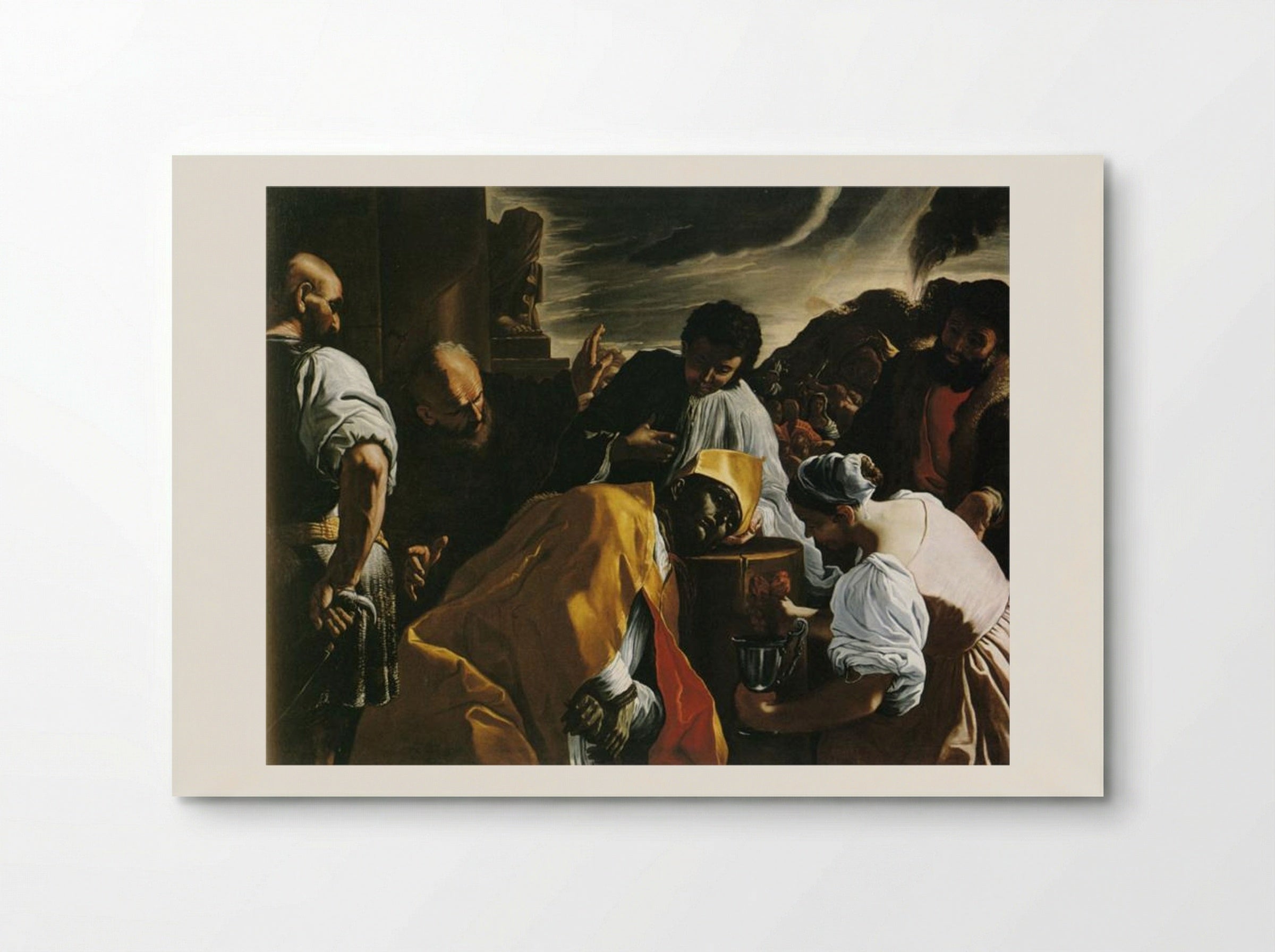 The Martyrdom of Saint Gennaro - Mattia Preti
Print
Regular price From £28.00 GBPSale price From £28.00 GBP Regular price


Artist Biography
Mattia Preti
Preti painted frescoes on the gates of Naples during the 1656 plague. The city was dying around him; he painted anyway. The works have not survived, but they cemented his reputation as a painter who could work under any conditions. He was known as "Il Cavalier Calabrese" after being appointed a Knight of the Order of Saint John in 1660.
He was born in Taverna, Calabria, in 1613 and moved to Rome in 1630 to join his elder brother Gregorio, already a painter there. His style combined Caravaggio's drama with the colour of Guido Reni and the theatricality of Rubens. In 1661 he moved to Malta, where he spent his most productive decades painting the vast ceiling cycle of the life of Saint John the Baptist in Valletta's Co-Cathedral (1661 to 1666). The scale of the Maltese work, covering the entire barrel vault, is among the largest fresco programmes of the seventeenth century. He is buried in the Co-Cathedral alongside fellow Knights.
His colour sensibility, drawn from Reni and filtered through Roman experience, gives even his most dramatically lit compositions a warmth that separates him from the colder tenebrism of other Caravaggisti. He died in 1699, at eighty-six, having worked across Italy and Malta for nearly seven decades.
He was born in Taverna, Calabria, in 1613 and moved to Rome in 1630 to join his elder brother Gregorio, already a painter there. His style combined Caravaggio's drama with the colour of Guido Reni and the theatricality of Rubens. In 1661 he moved to Malta, where he spent his most productive decades painting the vast ceiling cycle of the life of Saint John the Baptist in Valletta's Co-Cathedral (1661 to 1666). The scale of the Maltese work, covering the entire barrel vault, is among the largest fresco programmes of the seventeenth century. He is buried in the Co-Cathedral alongside fellow Knights.
His colour sensibility, drawn from Reni and filtered through Roman experience, gives even his most dramatically lit compositions a warmth that separates him from the colder tenebrism of other Caravaggisti. He died in 1699, at eighty-six, having worked across Italy and Malta for nearly seven decades.


Why Choose Us ?