

Collection
Joseph Stella
Explore curated art prints selected for distinctive homes and considered interiors.
Suggested filters
-
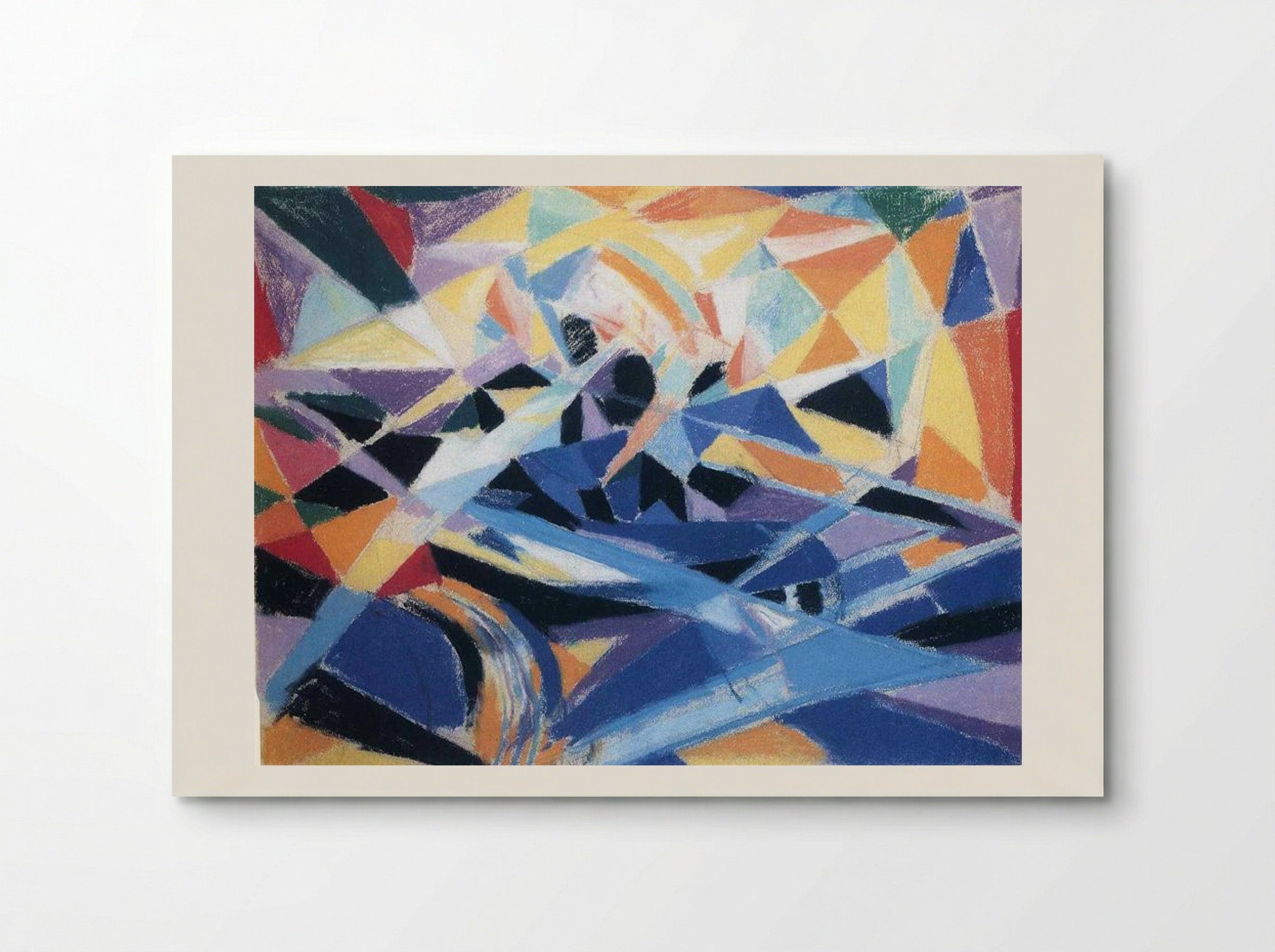 Futurist Composition - Joseph Stella
Print
Regular price From £28.00 GBPSale price From £28.00 GBP Regular price -
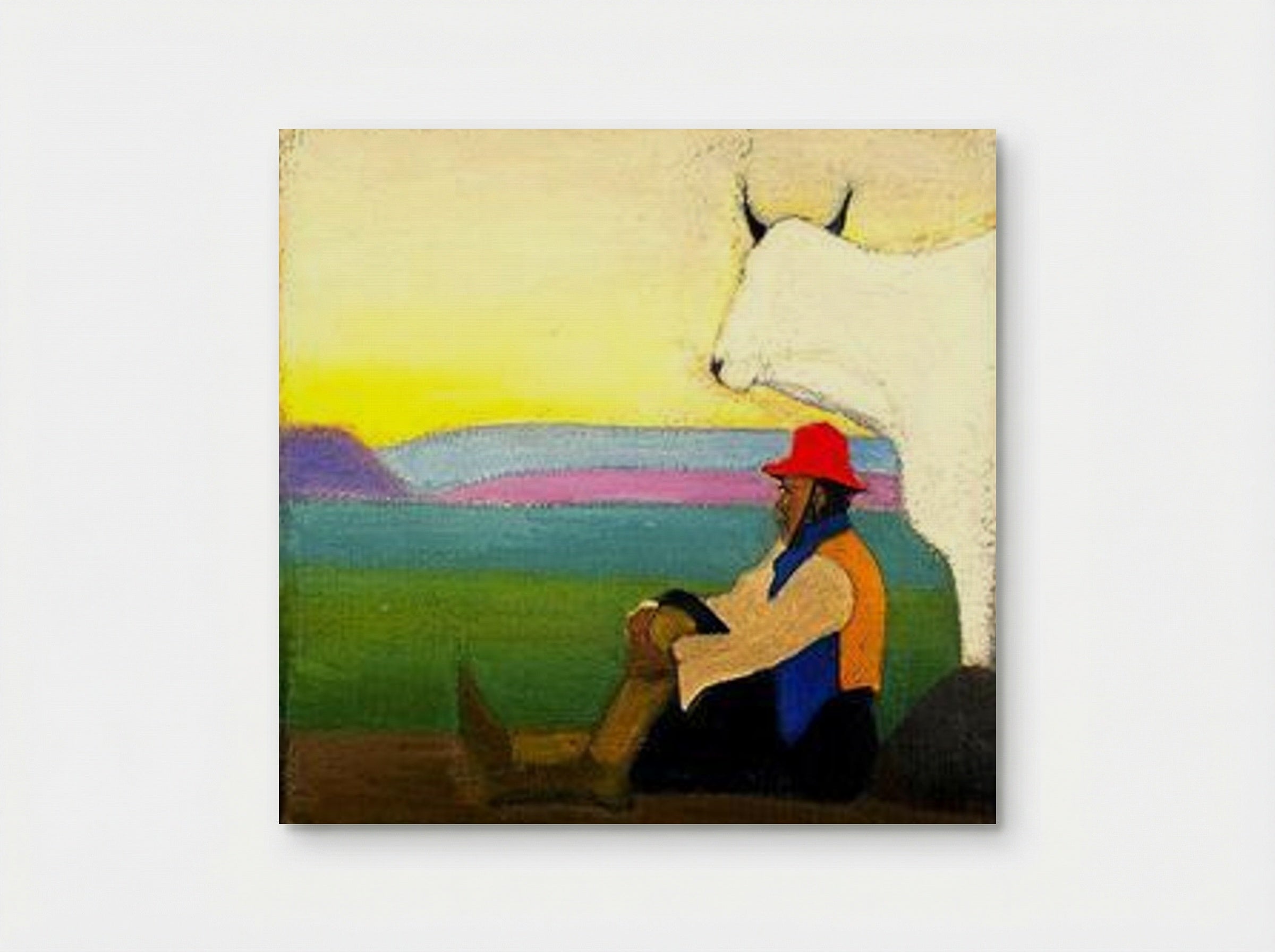 The Red Hat - Joseph Stella
Print
Regular price From £37.00 GBPSale price From £37.00 GBP Regular price -
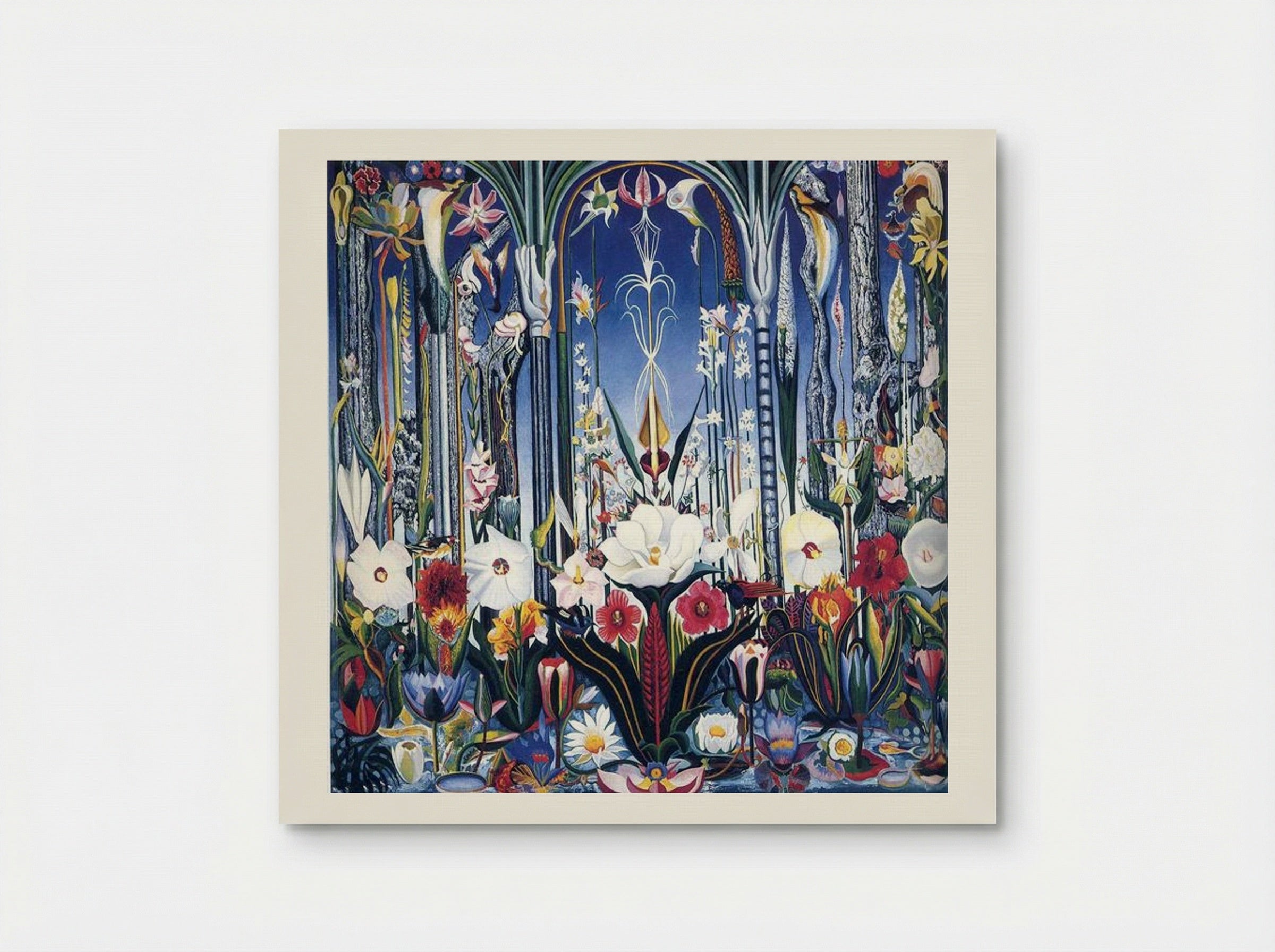 Flowers, Italy - Joseph Stella
Print
Regular price From £37.00 GBPSale price From £37.00 GBP Regular price

Artist Biography
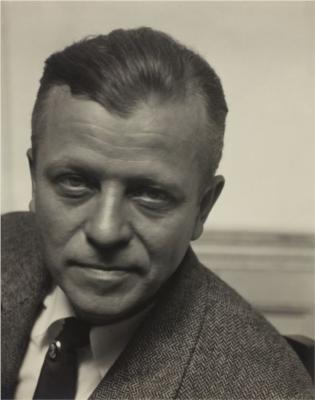
Joseph Stella
Stella accompanied Marcel Duchamp to a plumbing supply store in 1917 to buy the urinal that became Fountain. He was there at one of the defining moments of twentieth-century art, and it was not even his most consequential encounter with a piece of American infrastructure.
He was born Giuseppe Michele Stella in Muro Lucano, near Potenza, Italy, in 1877. His father and grandfather were attorneys. In 1896 he emigrated to New York to study medicine, following his older brother, a doctor, but abandoned that plan almost immediately and enrolled at the Art Students League, then studied under William Merritt Chase. A return trip to Europe in 1909 exposed him to Fauvism, Cubism and Futurism at exactly the right moment.
The Brooklyn Bridge became his obsession. He first painted it in 1919 after standing alone on the promenade late at night, listening to what he described as "the underground tumult of the trains in perpetual motion" and "the shrill sulphurous voice of the trolley wires". He later wrote that he felt "as if on the threshold of a new religion". His Brooklyn Bridge paintings, of which he made several versions over two decades, use Futurist fragmentation and Gothic verticality to transform an engineering structure into something approaching the sacred.
He was never fully at home in America. He spent long periods in Europe, North Africa and the Caribbean, producing collages from urban ephemera (paper scraps, wrappers with visible branding, bits of street life) that were never exhibited in his lifetime and only discovered by his circle after his death. He died in New York in 1946, at sixty-nine.
He was born Giuseppe Michele Stella in Muro Lucano, near Potenza, Italy, in 1877. His father and grandfather were attorneys. In 1896 he emigrated to New York to study medicine, following his older brother, a doctor, but abandoned that plan almost immediately and enrolled at the Art Students League, then studied under William Merritt Chase. A return trip to Europe in 1909 exposed him to Fauvism, Cubism and Futurism at exactly the right moment.
The Brooklyn Bridge became his obsession. He first painted it in 1919 after standing alone on the promenade late at night, listening to what he described as "the underground tumult of the trains in perpetual motion" and "the shrill sulphurous voice of the trolley wires". He later wrote that he felt "as if on the threshold of a new religion". His Brooklyn Bridge paintings, of which he made several versions over two decades, use Futurist fragmentation and Gothic verticality to transform an engineering structure into something approaching the sacred.
He was never fully at home in America. He spent long periods in Europe, North Africa and the Caribbean, producing collages from urban ephemera (paper scraps, wrappers with visible branding, bits of street life) that were never exhibited in his lifetime and only discovered by his circle after his death. He died in New York in 1946, at sixty-nine.



Why Choose Us ?