

Collection
John Henry Twachtman
Explore curated art prints selected for distinctive homes and considered interiors.
Suggested filters
-
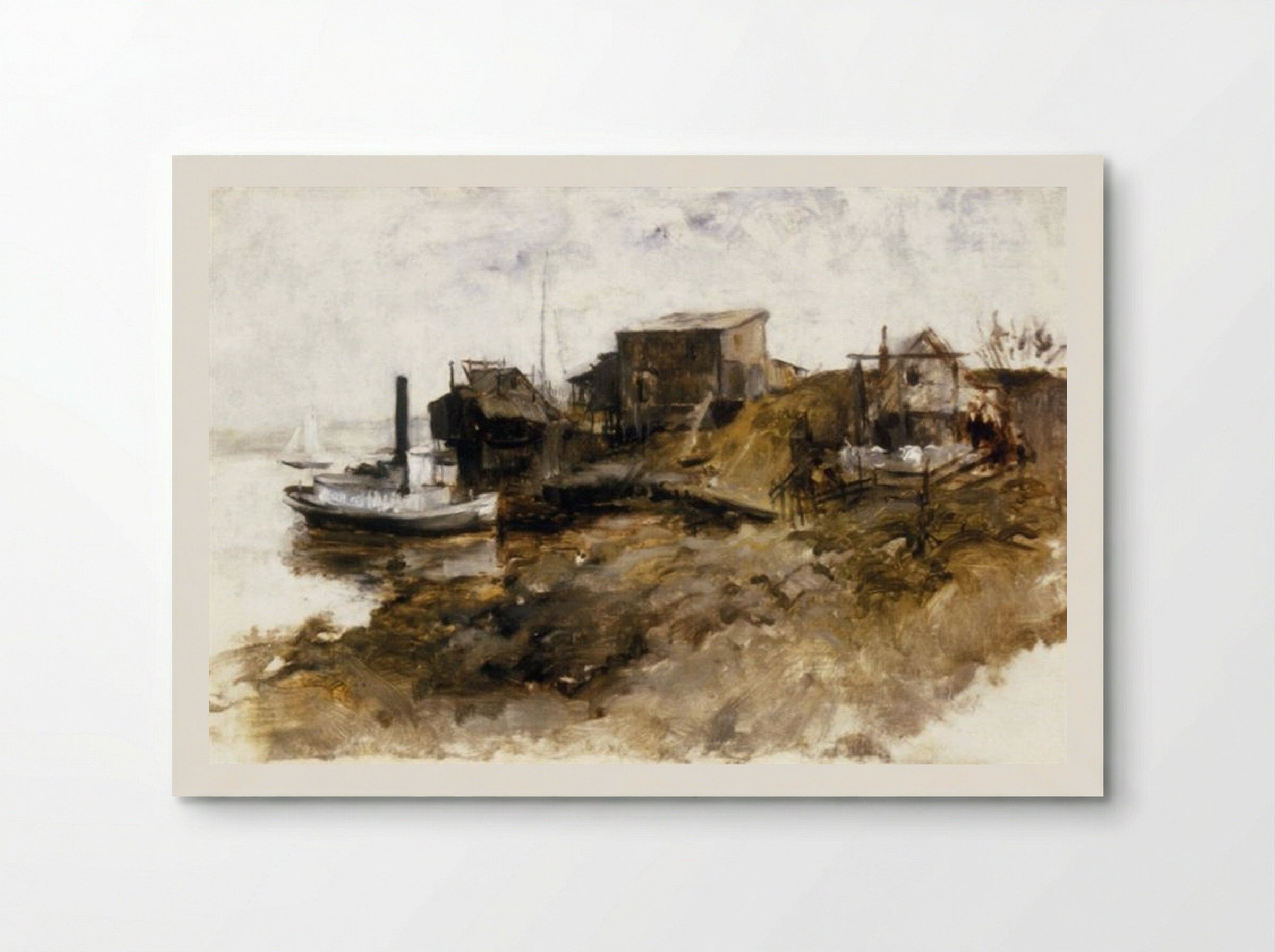 Harbor View - John Henry Twachtman
Print
Regular price From £28.00 GBPSale price From £28.00 GBP Regular price -
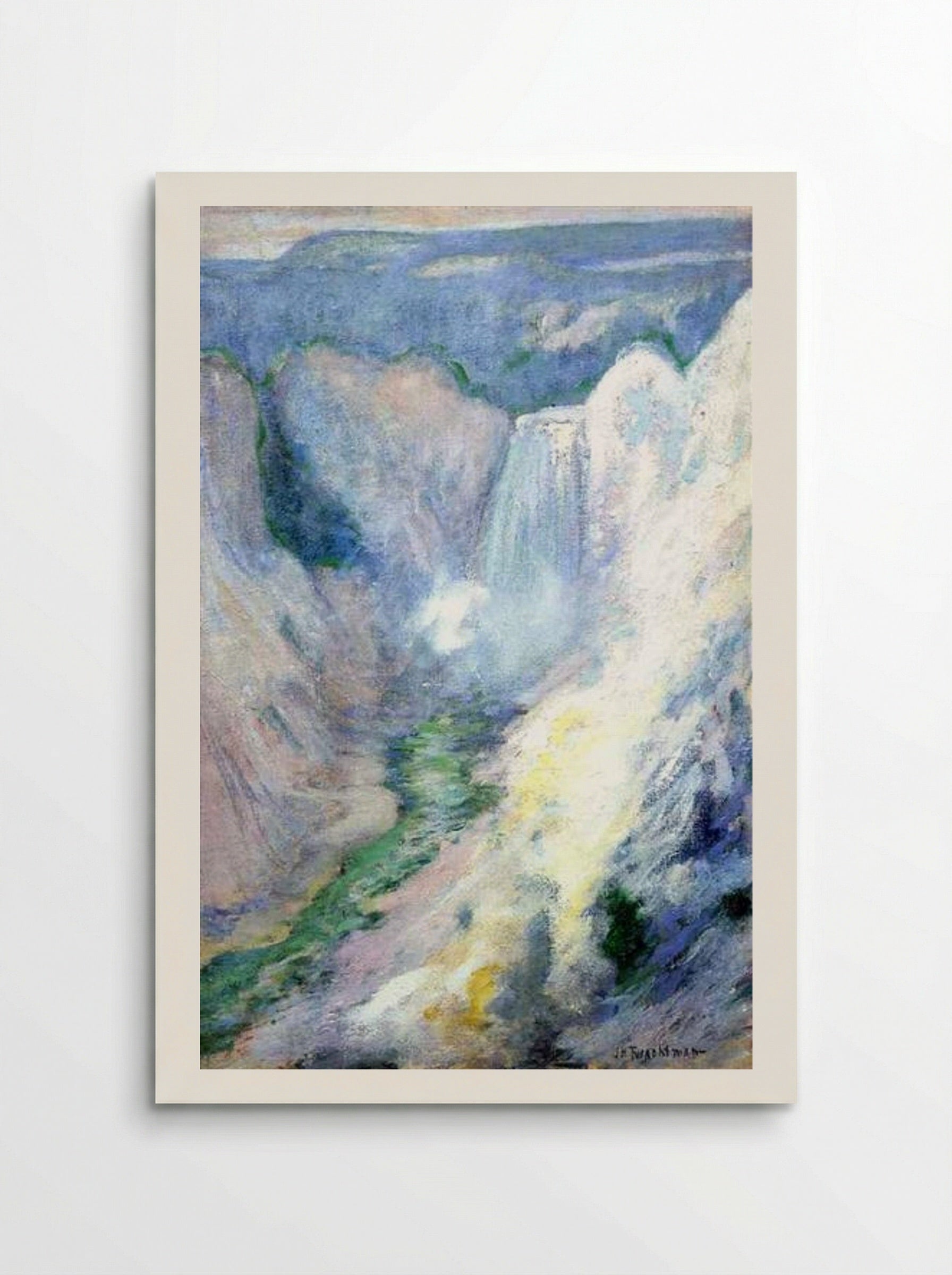 Waterfall in Yellowstone - John Henry Twachtman
Print
Regular price From £28.00 GBPSale price From £28.00 GBP Regular price -
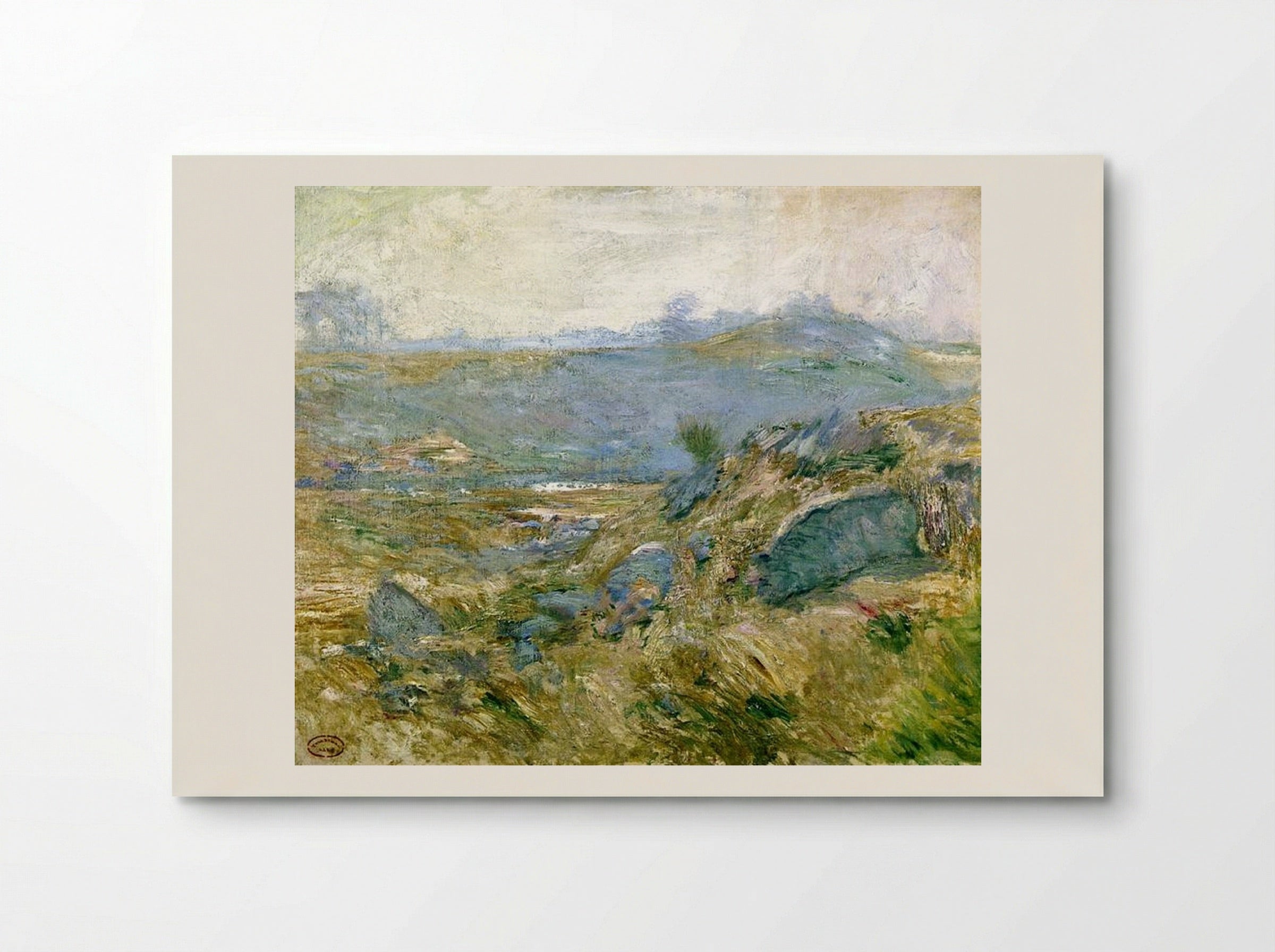 November Haze (aka Upland Pastures) - John Henry Twachtman
Print
Regular price From £28.00 GBPSale price From £28.00 GBP Regular price -
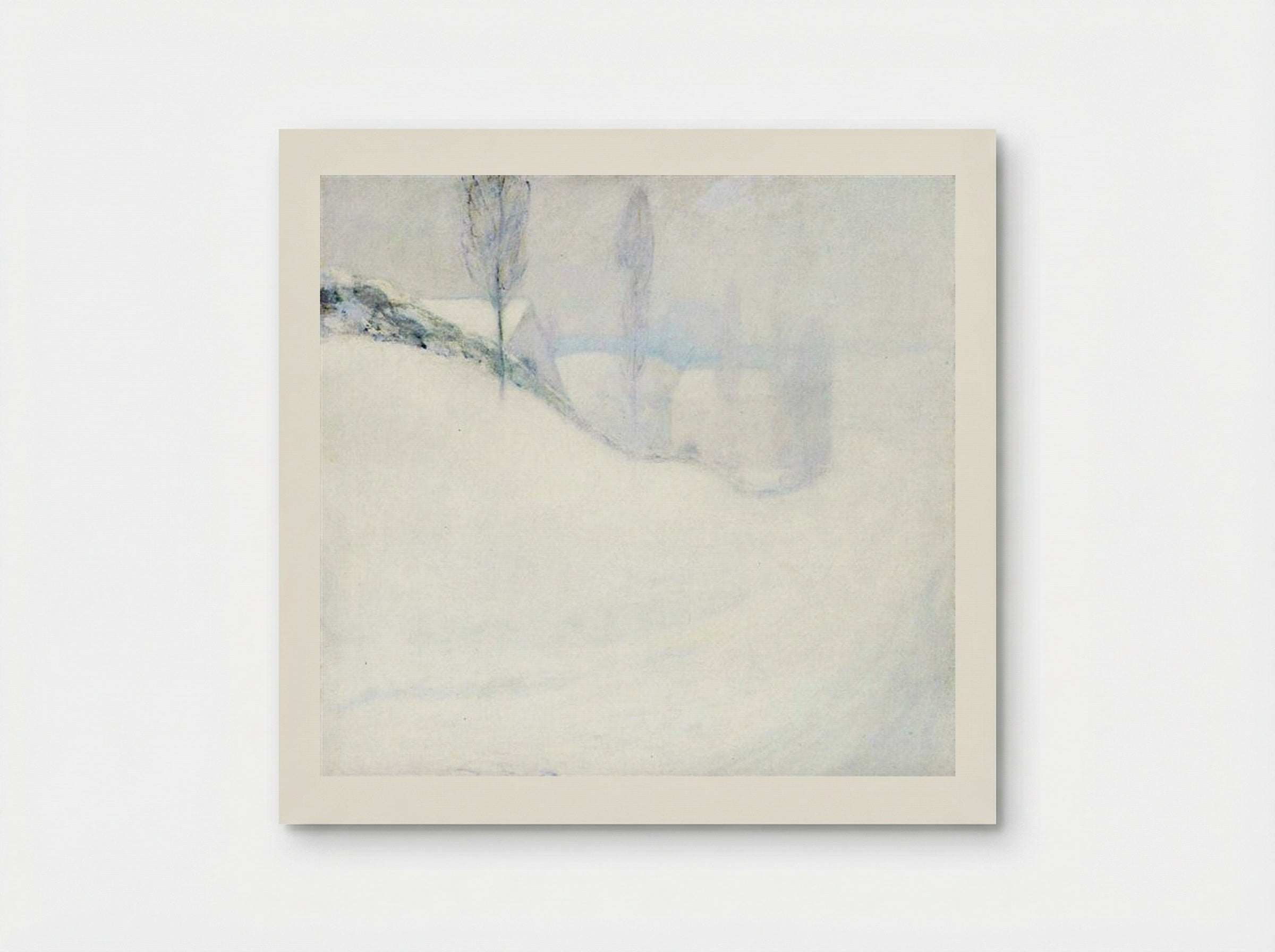 Round Hill Road - John Henry Twachtman
Print
Regular price From £37.00 GBPSale price From £37.00 GBP Regular price -
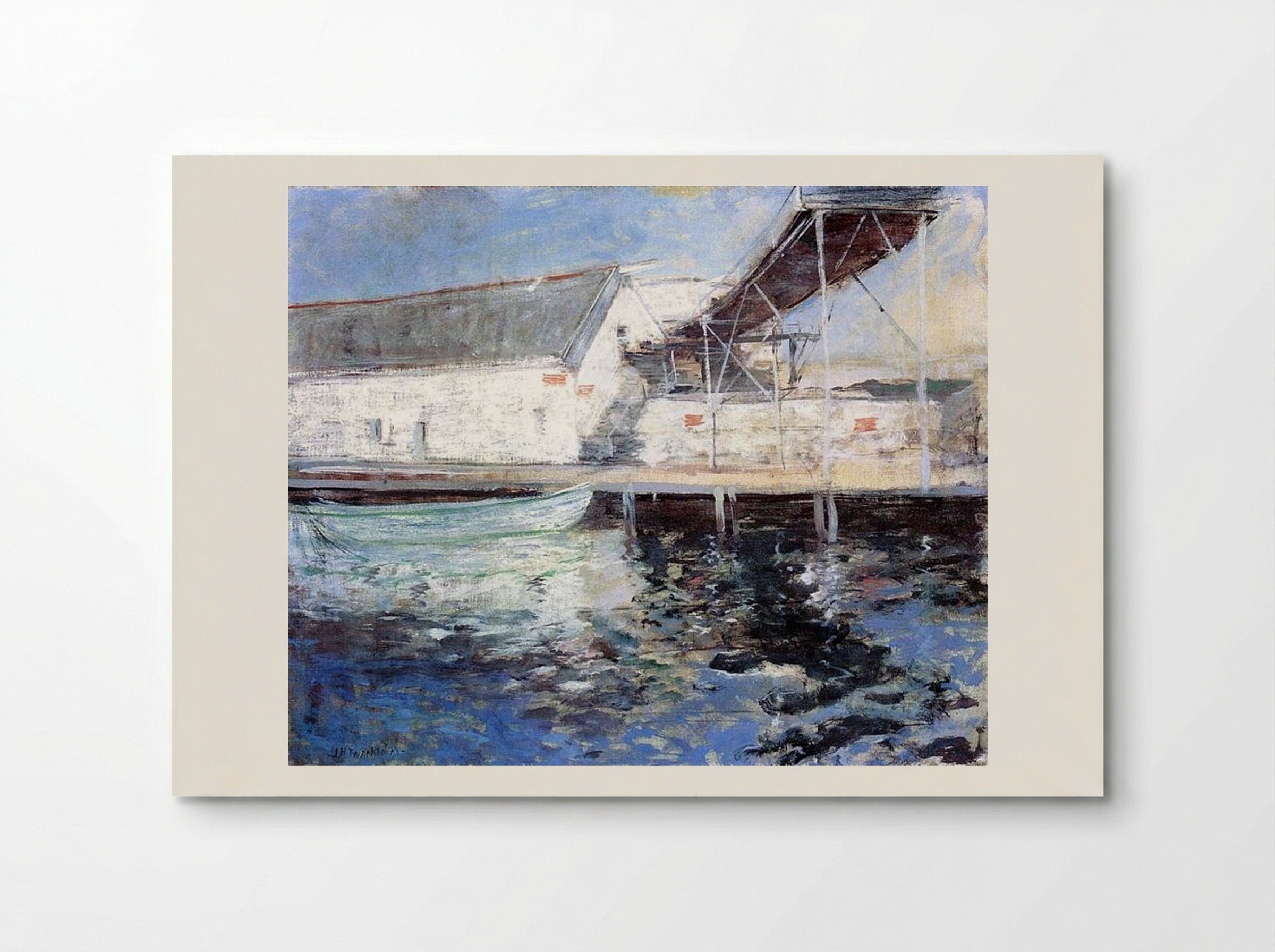 Fish Sheds, Gloucester, Massachusetts - John Henry Twachtman
Print
Regular price From £28.00 GBPSale price From £28.00 GBP Regular price -
 Landscape - John Henry Twachtman
Print
Regular price From £37.00 GBPSale price From £37.00 GBP Regular price -
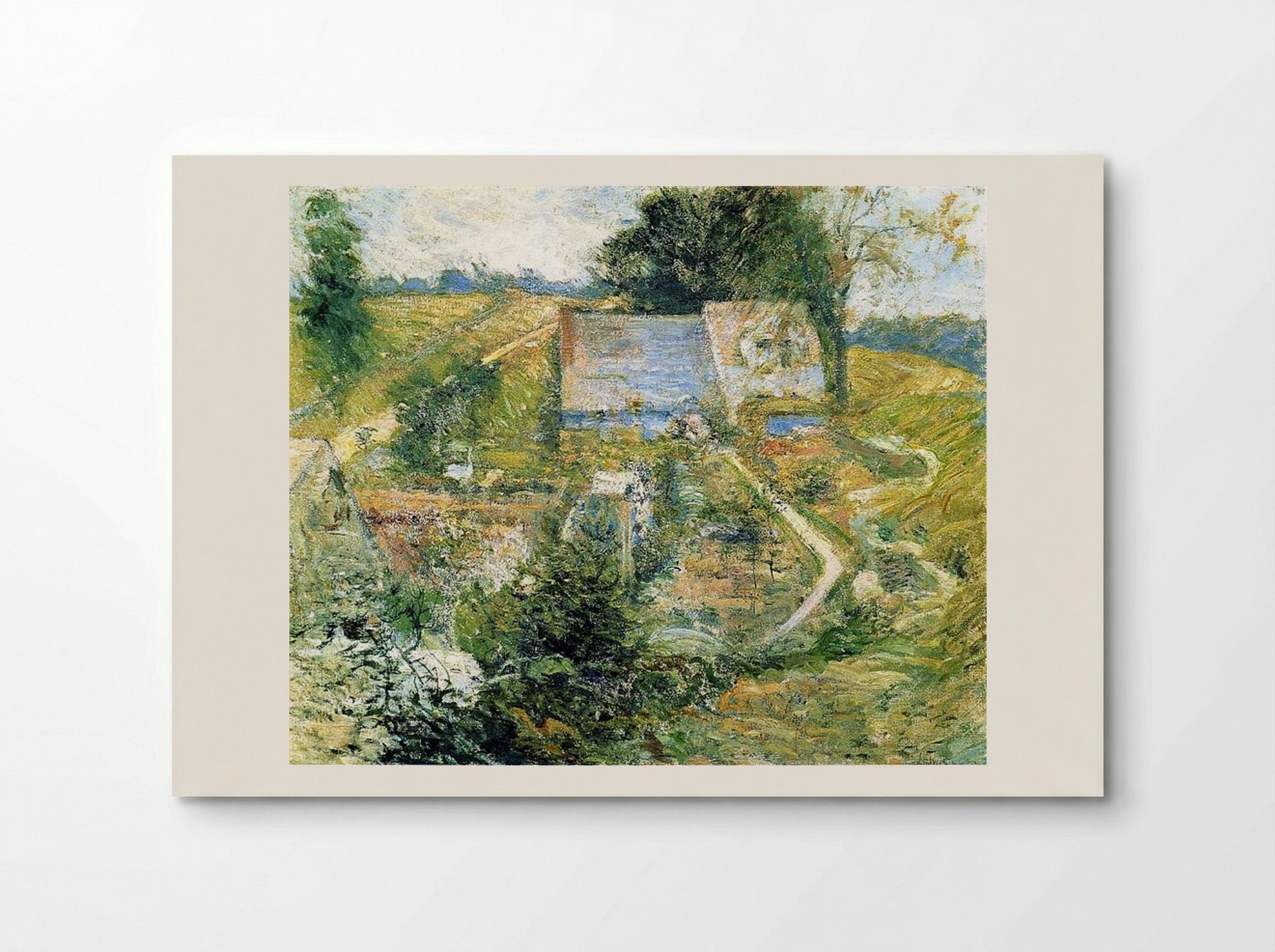 From the Upper Terrace - John Henry Twachtman
Print
Regular price From £28.00 GBPSale price From £28.00 GBP Regular price -
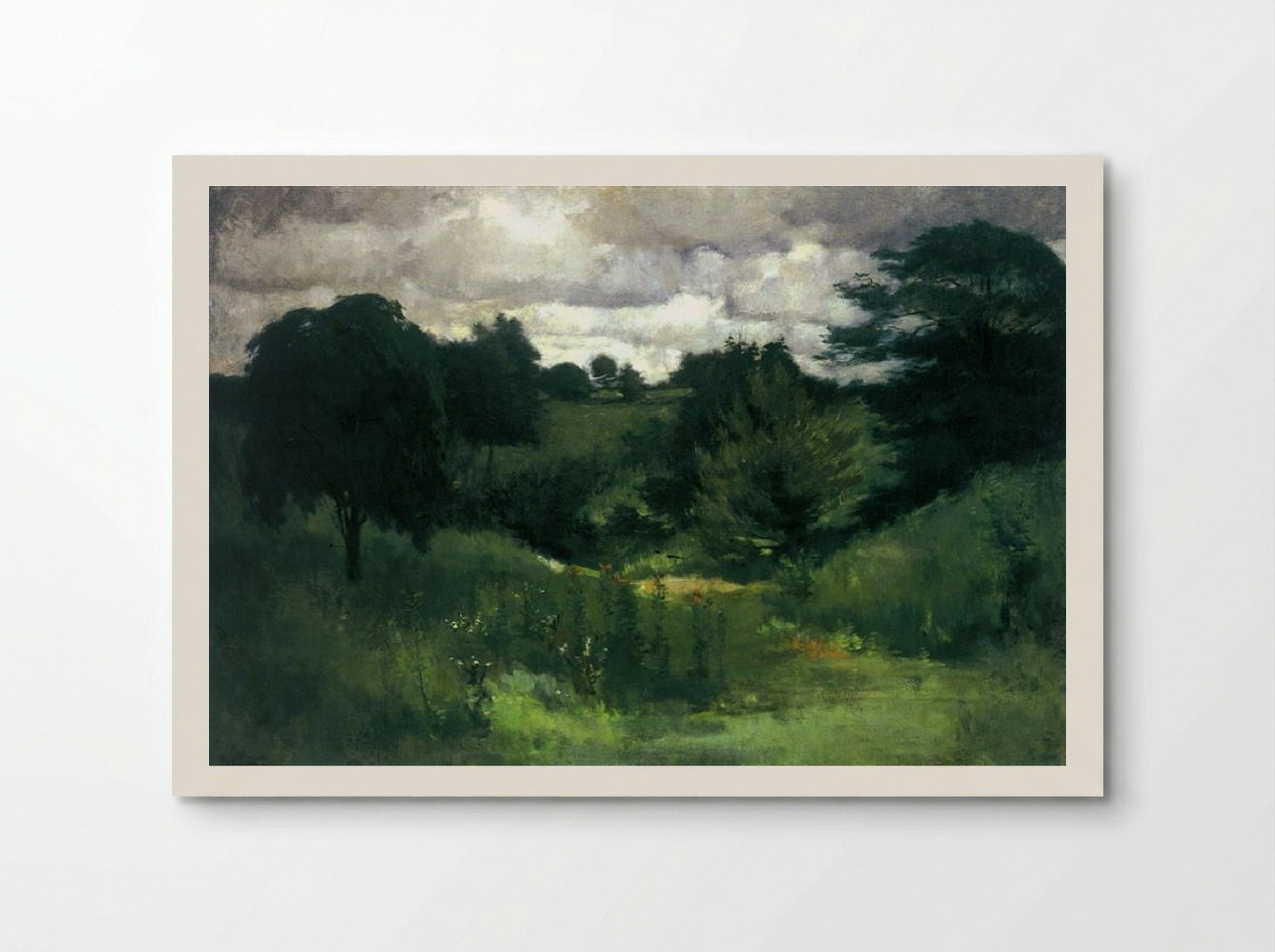 Dark Trees, Cincinnati - John Henry Twachtman
Print
Regular price From £28.00 GBPSale price From £28.00 GBP Regular price -
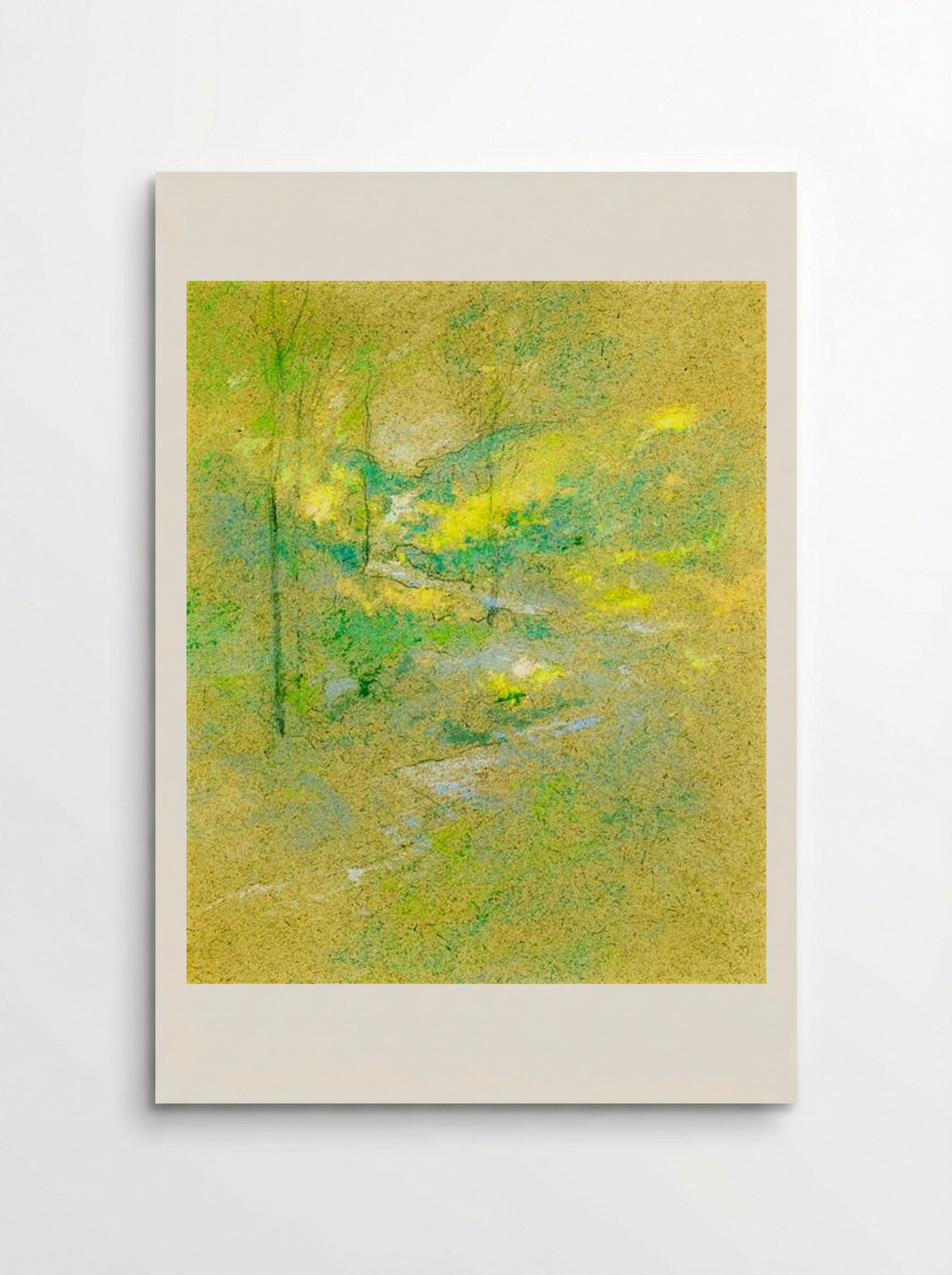 Brook among the Trees - John Henry Twachtman
Print
Regular price From £28.00 GBPSale price From £28.00 GBP Regular price -
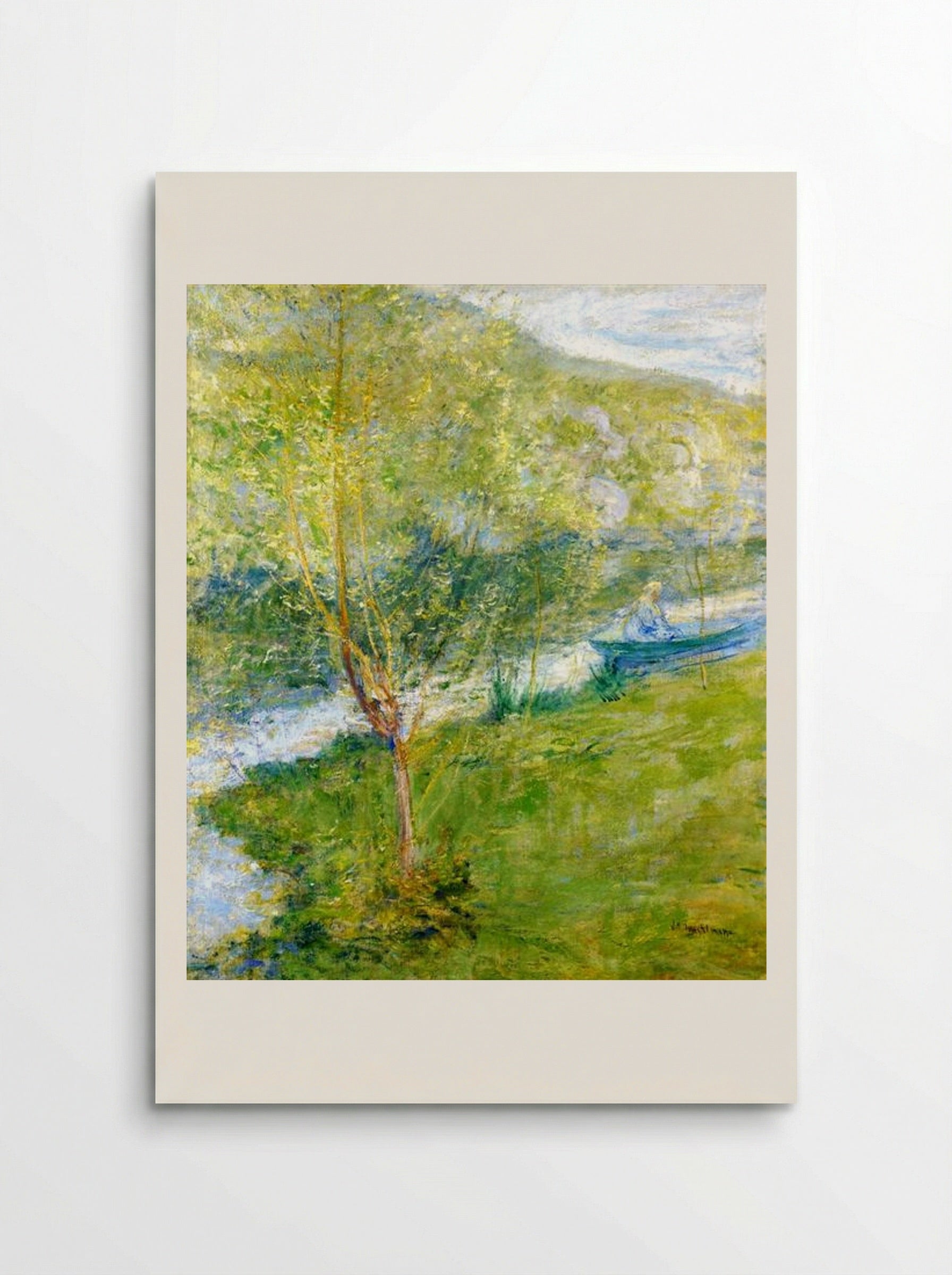 Spring - John Henry Twachtman
Print
Regular price From £28.00 GBPSale price From £28.00 GBP Regular price -
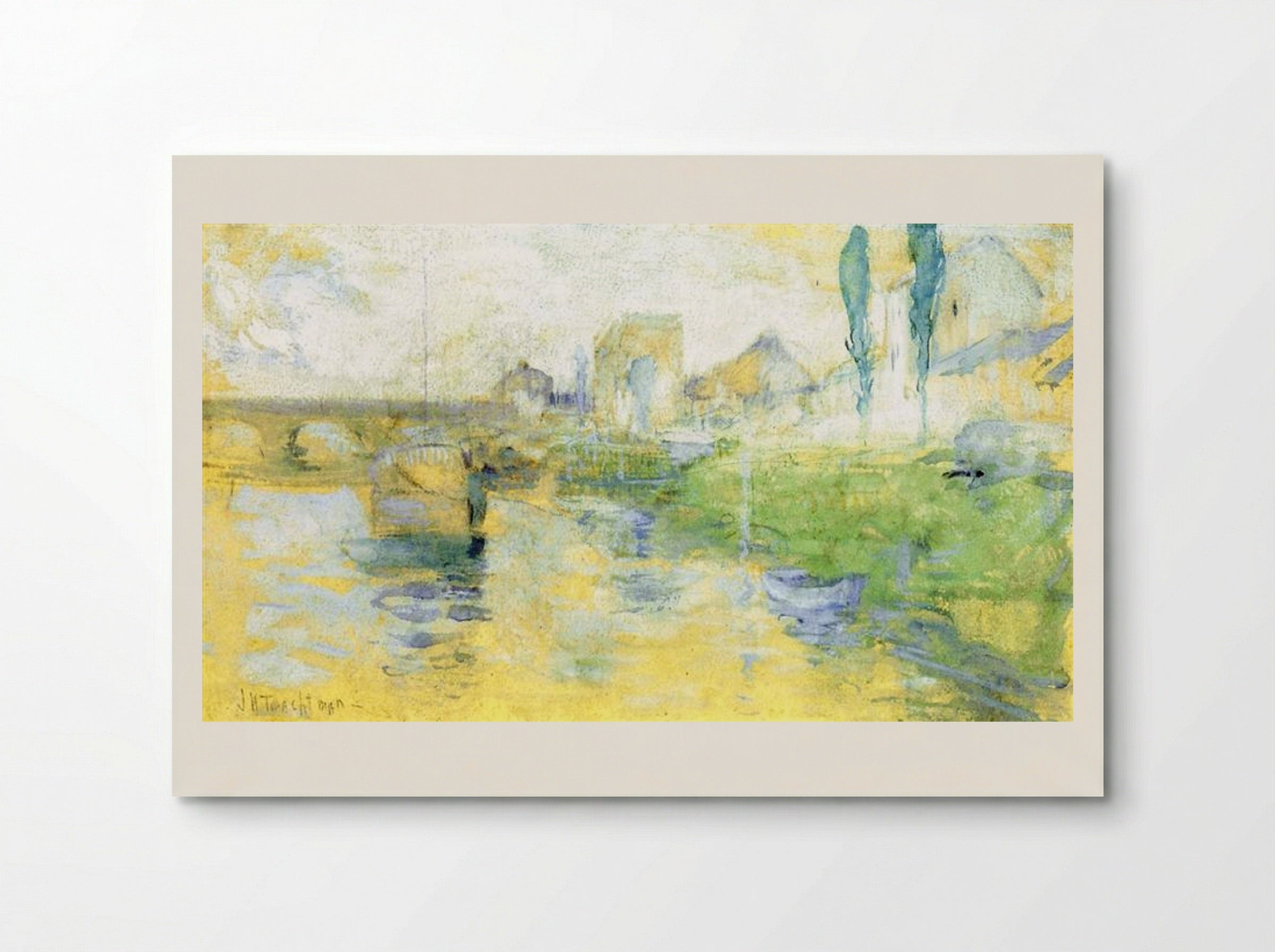 French River Scene - John Henry Twachtman
Print
Regular price From £28.00 GBPSale price From £28.00 GBP Regular price -
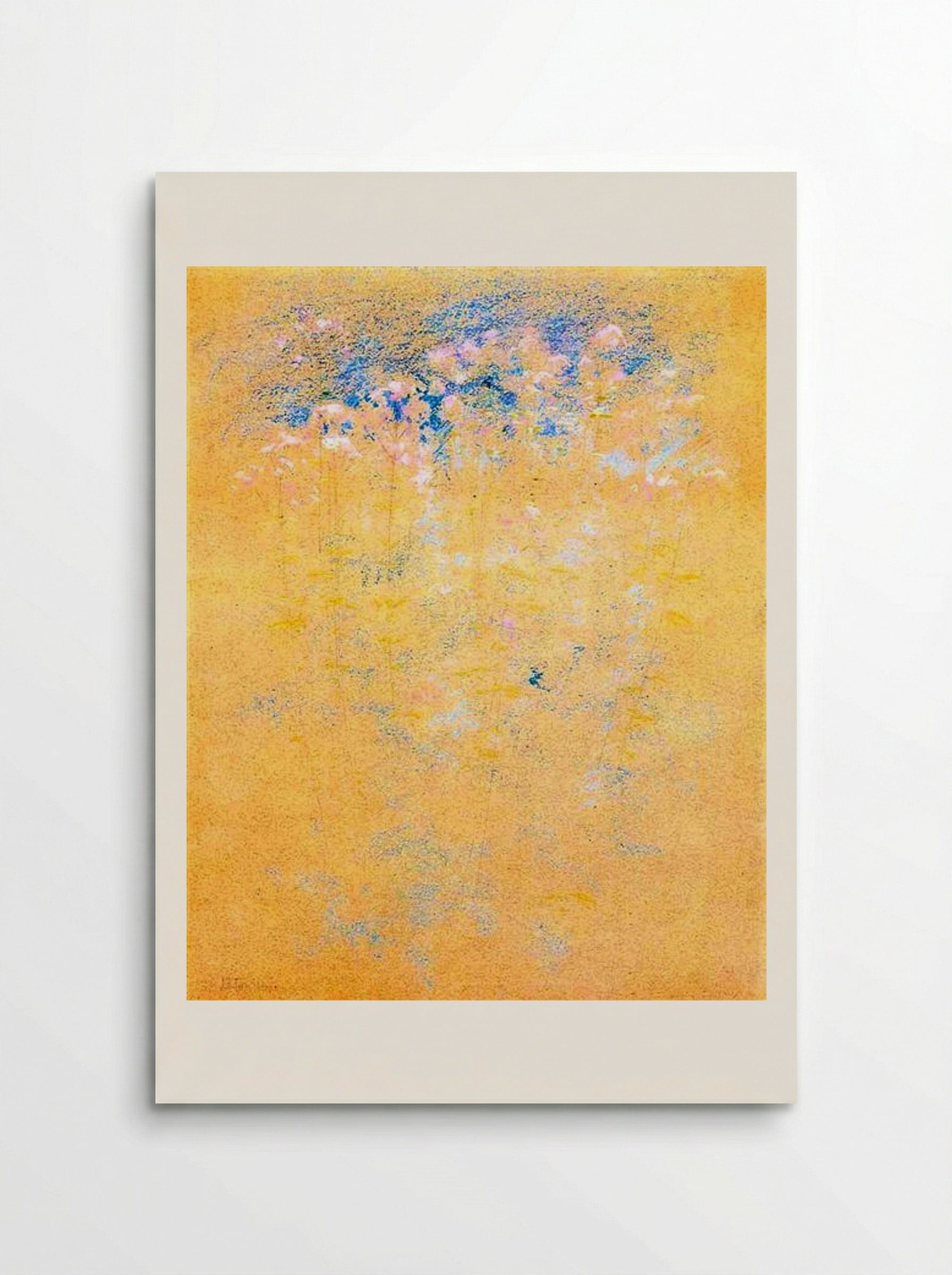 Weeds and Flowers - John Henry Twachtman
Print
Regular price From £28.00 GBPSale price From £28.00 GBP Regular price -
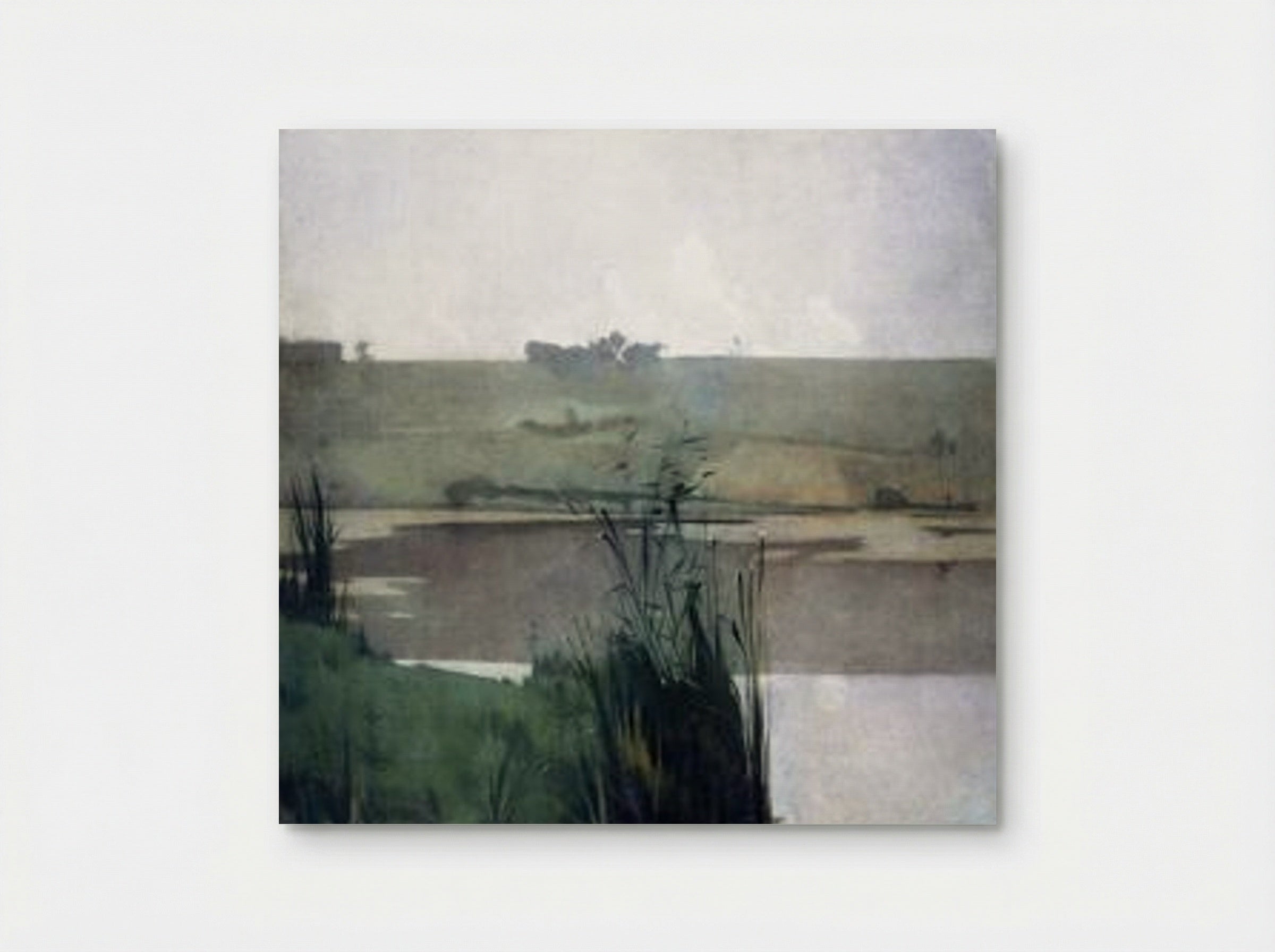 Arques-la-Bataille - John Henry Twachtman
Print
Regular price From £37.00 GBPSale price From £37.00 GBP Regular price -
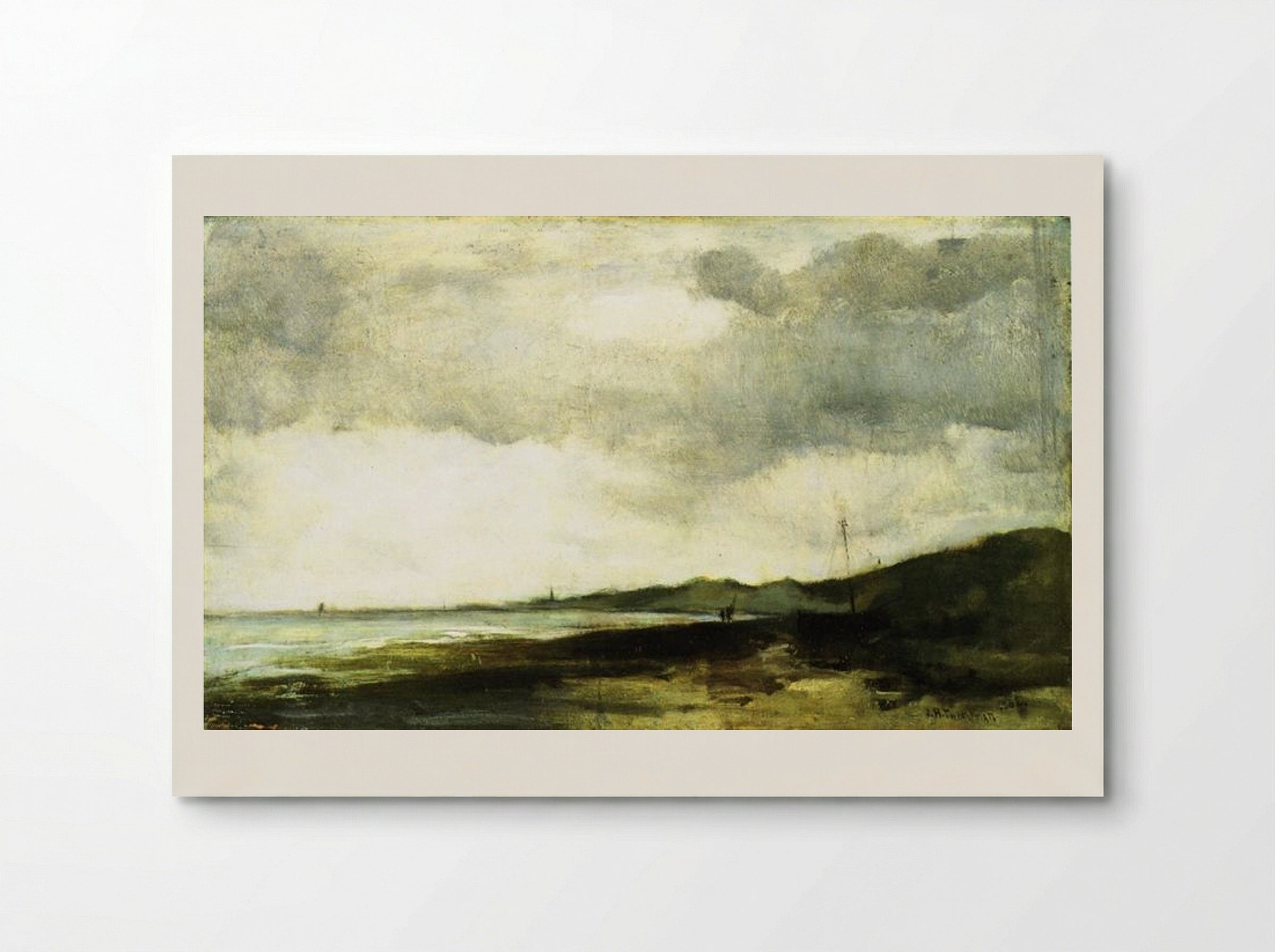 Coastal View - John Henry Twachtman
Print
Regular price From £28.00 GBPSale price From £28.00 GBP Regular price -
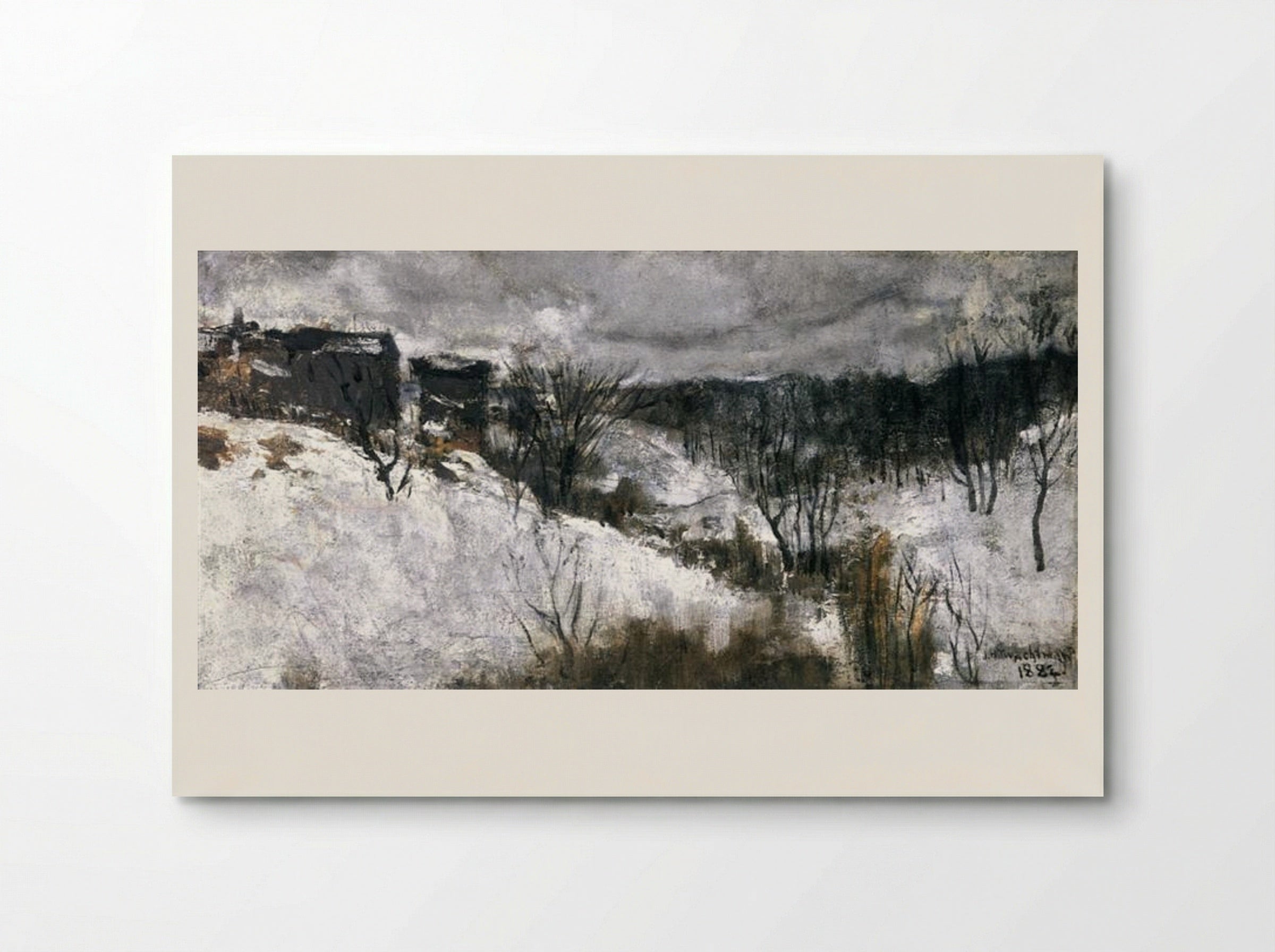 Bloody Run - John Henry Twachtman
Print
Regular price From £28.00 GBPSale price From £28.00 GBP Regular price

Artist Biography
John Henry Twachtman
Twachtman painted the same small waterfall on his Connecticut property dozens of times, in snow, in spring melt, in summer shade, in different qualities of light, and never tired of it. He was a painter's painter, admired by colleagues and unsellable to the public. The gap between professional respect and commercial failure defined his career.
He was born in Cincinnati in 1853, studied there under Frank Duveneck, then enrolled at the Academy of Fine Arts in Munich in 1875, where he acquired the dark, heavy manner of the Munich school. A trip to Venice with Duveneck and William Merritt Chase in 1878 began to loosen him. By 1883 he was in Paris at the Academie Julian, and the brownish palette was gone. Whistler's tonal subtlety and the Impressionists' light replaced it; Theodore Robinson and Childe Hassam encouraged the shift further.
He bought a farm in Greenwich, Connecticut, in 1890, and it became his primary subject. The waterfall, the pool, the hemlock trees and the snow-covered fields appeared in compositions influenced by Japanese prints, with high horizon lines and flattened perspectives that anticipated abstract thinking. His winter paintings are studies in whiteness that sit somewhere between Impressionism and Tonalism, quieter than either label suggests.
In 1898 he became a founding member of The Ten, a group of American artists dissatisfied with the conservative exhibition system. He also founded an informal art school at Cos Cob, Connecticut, and was known for practical jokes and irreverent wit. He died in 1902, at forty-nine. The recognition he expected in his lifetime came after it.
He was born in Cincinnati in 1853, studied there under Frank Duveneck, then enrolled at the Academy of Fine Arts in Munich in 1875, where he acquired the dark, heavy manner of the Munich school. A trip to Venice with Duveneck and William Merritt Chase in 1878 began to loosen him. By 1883 he was in Paris at the Academie Julian, and the brownish palette was gone. Whistler's tonal subtlety and the Impressionists' light replaced it; Theodore Robinson and Childe Hassam encouraged the shift further.
He bought a farm in Greenwich, Connecticut, in 1890, and it became his primary subject. The waterfall, the pool, the hemlock trees and the snow-covered fields appeared in compositions influenced by Japanese prints, with high horizon lines and flattened perspectives that anticipated abstract thinking. His winter paintings are studies in whiteness that sit somewhere between Impressionism and Tonalism, quieter than either label suggests.
In 1898 he became a founding member of The Ten, a group of American artists dissatisfied with the conservative exhibition system. He also founded an informal art school at Cos Cob, Connecticut, and was known for practical jokes and irreverent wit. He died in 1902, at forty-nine. The recognition he expected in his lifetime came after it.


Why Choose Us ?