

Collection
Jean Honore Fragonard
Explore curated art prints selected for distinctive homes and considered interiors.
Suggested filters
-
 Portrait of a Young Artist, presumed to be Jacques Andre Naigeon - Jean-Honore Fragonard
Print
Regular price From £37.00 GBPSale price From £37.00 GBP Regular price -
 At the Stove - Jean-Honore Fragonard
Print
Regular price From £37.00 GBPSale price From £37.00 GBP Regular price -
 The Adoration of the Shepherds - Jean-Honoré Fragonard
Print
Regular price From £37.00 GBPSale price From £37.00 GBP Regular price -
 Girl with a Dog - Jean-Honore Fragonard
Print
Regular price From £37.00 GBPSale price From £37.00 GBP Regular price -
 The Pillow Fight - Jean-Honoré Fragonard
Print
Regular price From £37.00 GBPSale price From £37.00 GBP Regular price -
 Two Sisters - Jean-Honoré Fragonard
Print
Regular price From £37.00 GBPSale price From £37.00 GBP Regular price -
 The Music Lesson - Jean-Honore Fragonard
Print
Regular price From £37.00 GBPSale price From £37.00 GBP Regular price -
 A Young Girl Reading - Jean-Honoré Fragonard
Print
Regular price From £37.00 GBPSale price From £37.00 GBP Regular price -
 A Boy as Pierrot - Jean-Honore Fragonard
Print
Regular price From £37.00 GBPSale price From £37.00 GBP Regular price -
 Venus and Cupid - Jean-Honoré Fragonard
Print
Regular price From £37.00 GBPSale price From £37.00 GBP Regular price -
 Self-portrait - Jean-Honoré Fragonard
Print
Regular price From £37.00 GBPSale price From £37.00 GBP Regular price -
 The Reader - Jean-Honoré Fragonard
Print
Regular price From £37.00 GBPSale price From £37.00 GBP Regular price -
 The Love Letter - Jean-Honoré Fragonard
Print
Regular price From £37.00 GBPSale price From £37.00 GBP Regular price -
 The Sermon of Love - Jean-Honoré Fragonard
Print
Regular price From £37.00 GBPSale price From £37.00 GBP Regular price -
 The Bathers - Jean-Honoré Fragonard
Print
Regular price From £37.00 GBPSale price From £37.00 GBP Regular price -
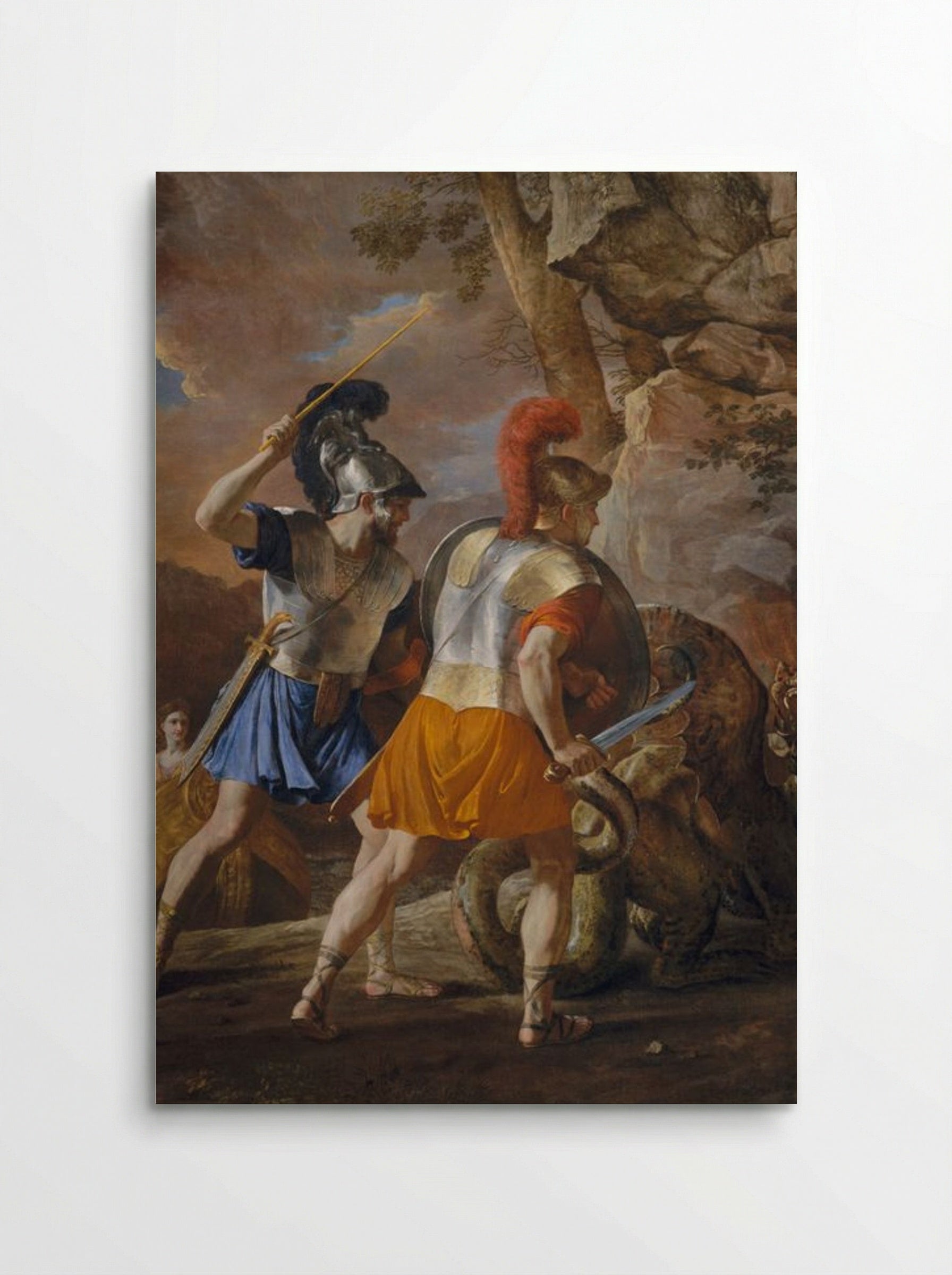
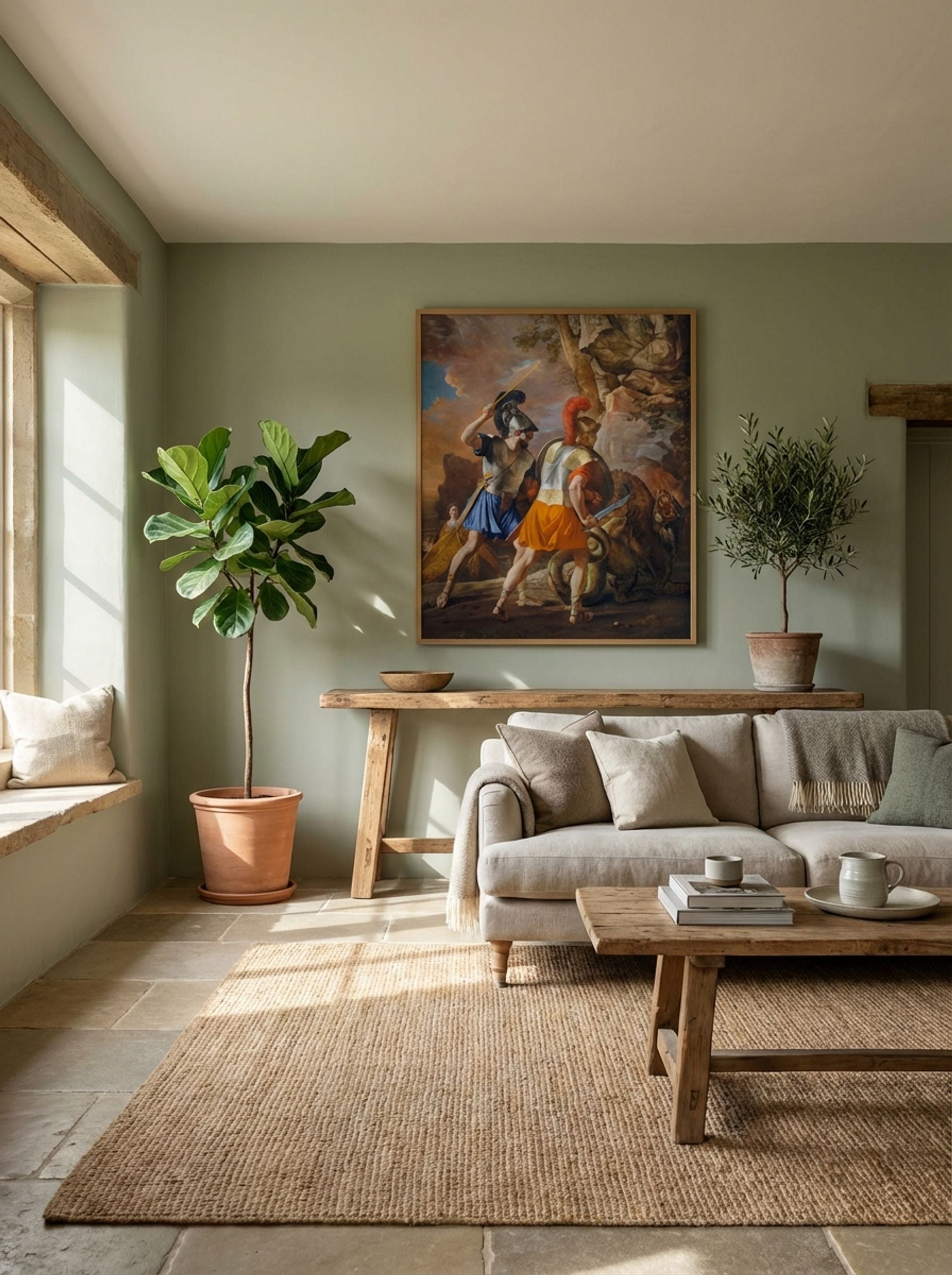 The Companions of Rinaldo - Jean-Honoré Fragonard
Print · Framed · Canvas
Regular price From £28.00 GBPSale price From £28.00 GBP Regular price -

 Bacchanales: Nymph Supported by Two Satyrs - Jean-Honoré Fragonard
Print · Framed · Canvas
Regular price From £28.00 GBPSale price From £28.00 GBP Regular price -

 The Two Prophets - Jean-Honoré Fragonard
Print · Framed · Canvas
Regular price From £28.00 GBPSale price From £28.00 GBP Regular price -

 The Disciples at the Tomb - Jean-Honoré Fragonard
Print · Framed · Canvas
Regular price From £28.00 GBPSale price From £28.00 GBP Regular price -
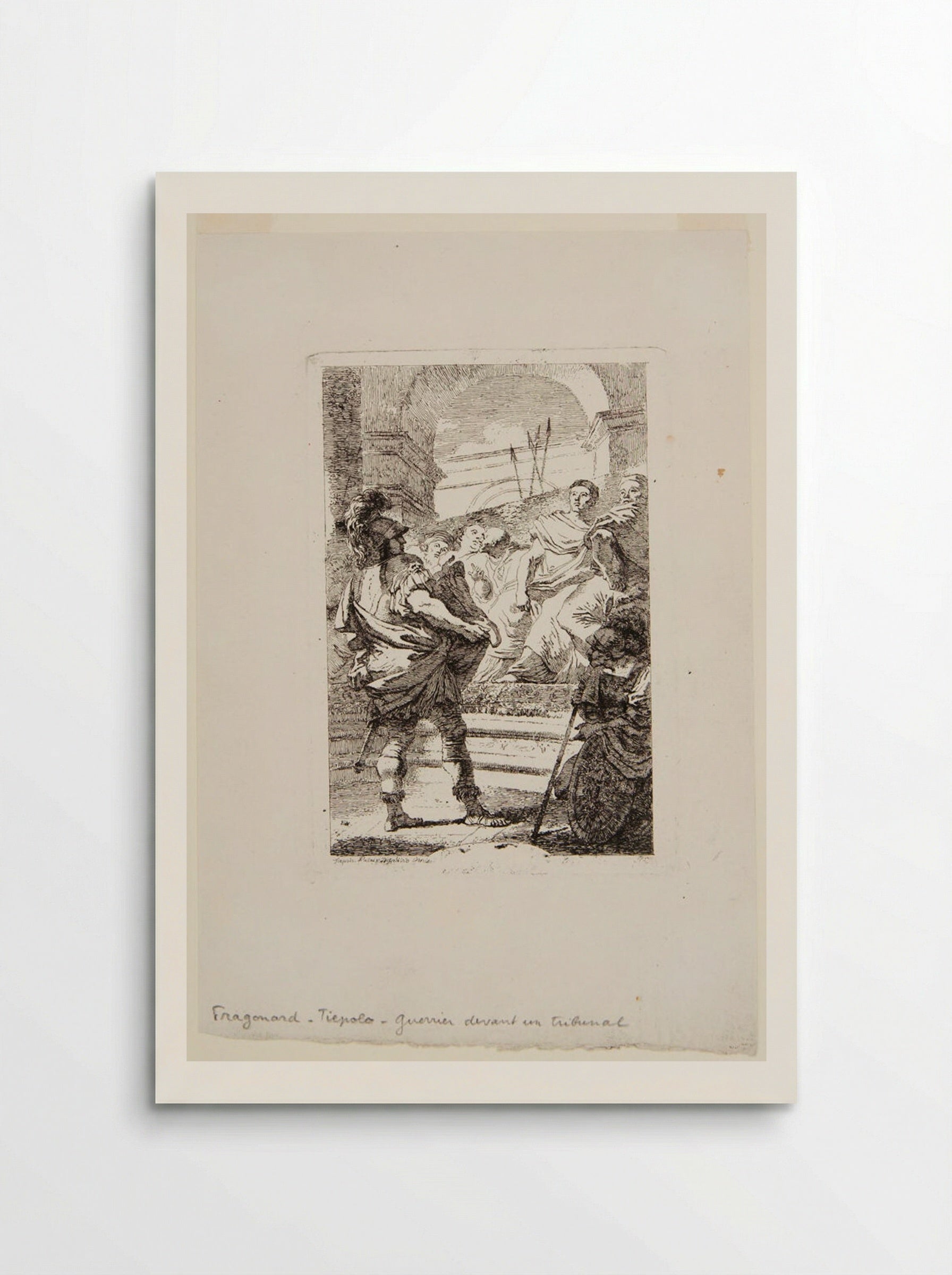
 Warrior Before a Tribunal - Jean-Honoré Fragonard
Print · Framed · Canvas
Regular price From £28.00 GBPSale price From £28.00 GBP Regular price -
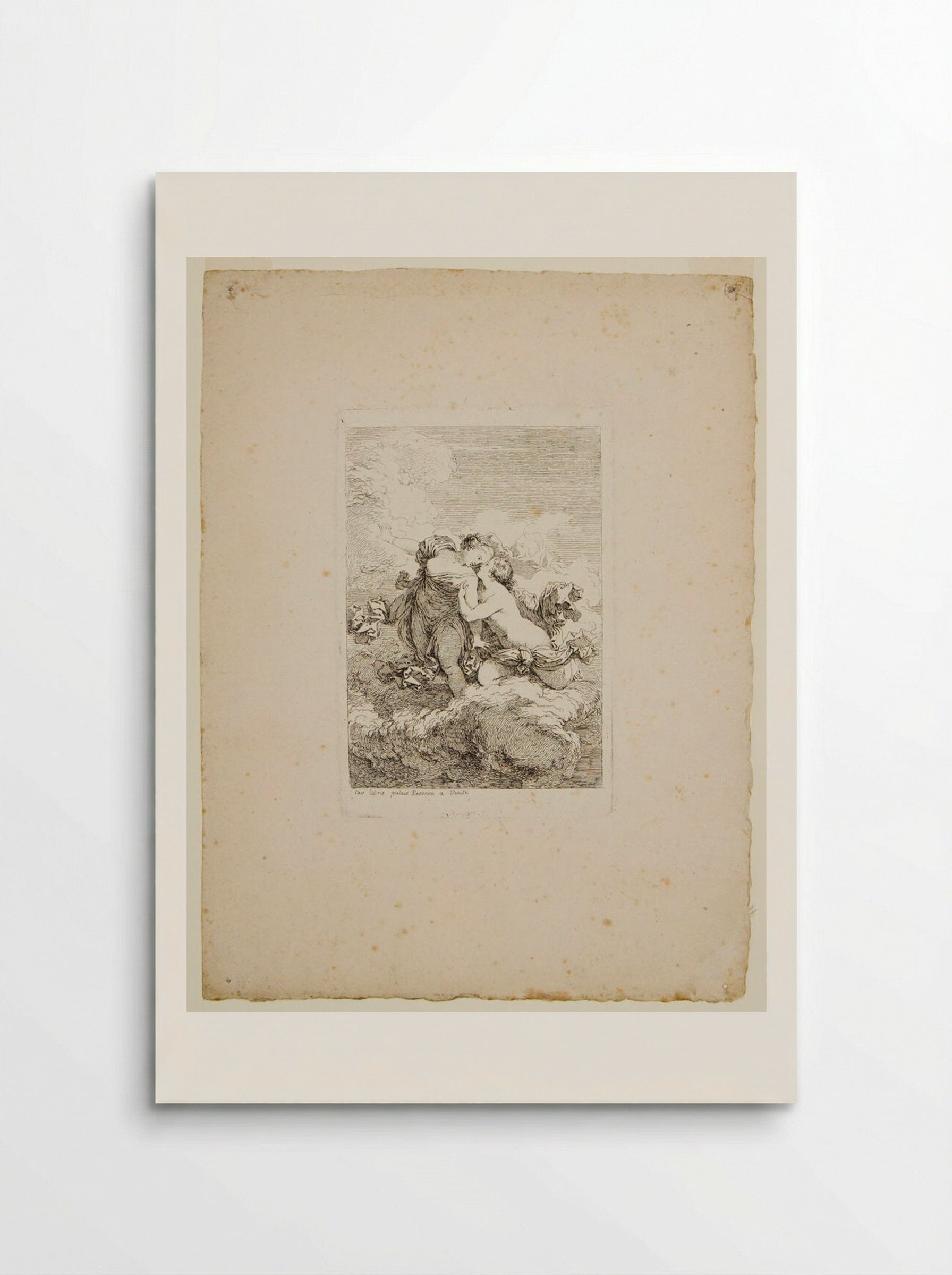 Two Women on a Cloud - Jean-Honoré Fragonard
Print
Regular price From £28.00 GBPSale price From £28.00 GBP Regular price -
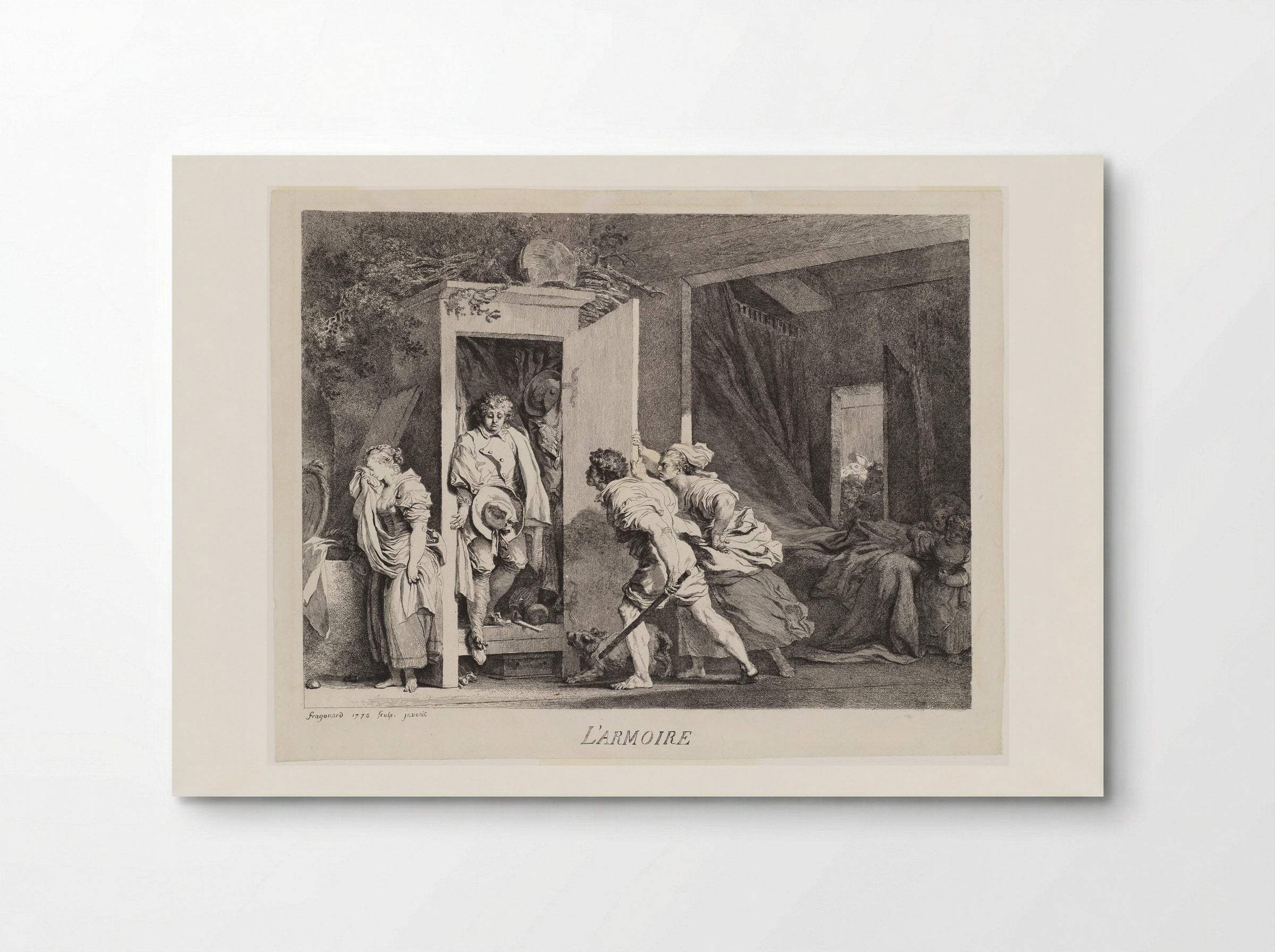 The Armoire - Jean-Honoré Fragonard
Print
Regular price From £28.00 GBPSale price From £28.00 GBP Regular price -
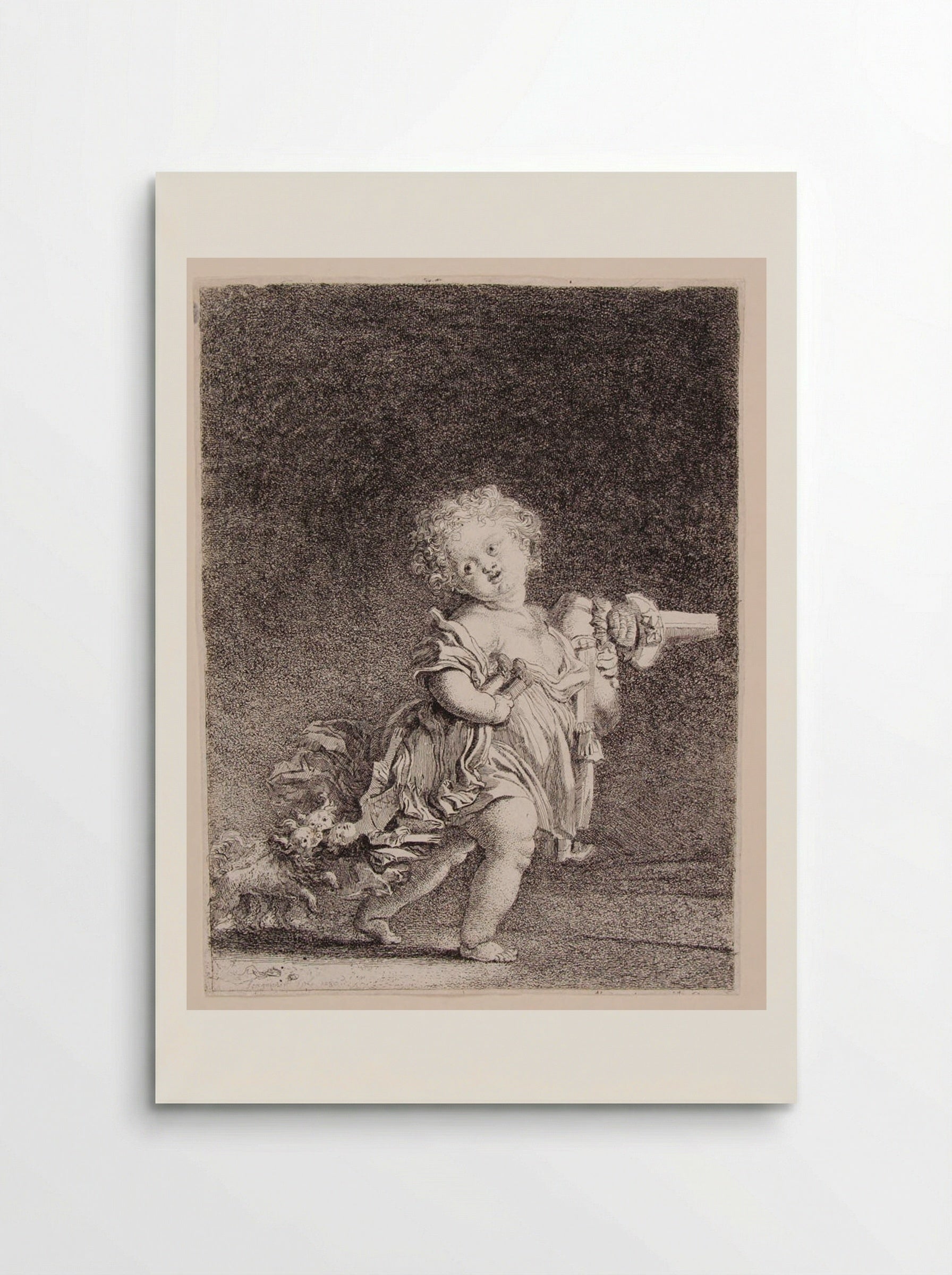 Monsieur Fanfan - Jean-Honoré Fragonard
Print
Regular price From £28.00 GBPSale price From £28.00 GBP Regular price -
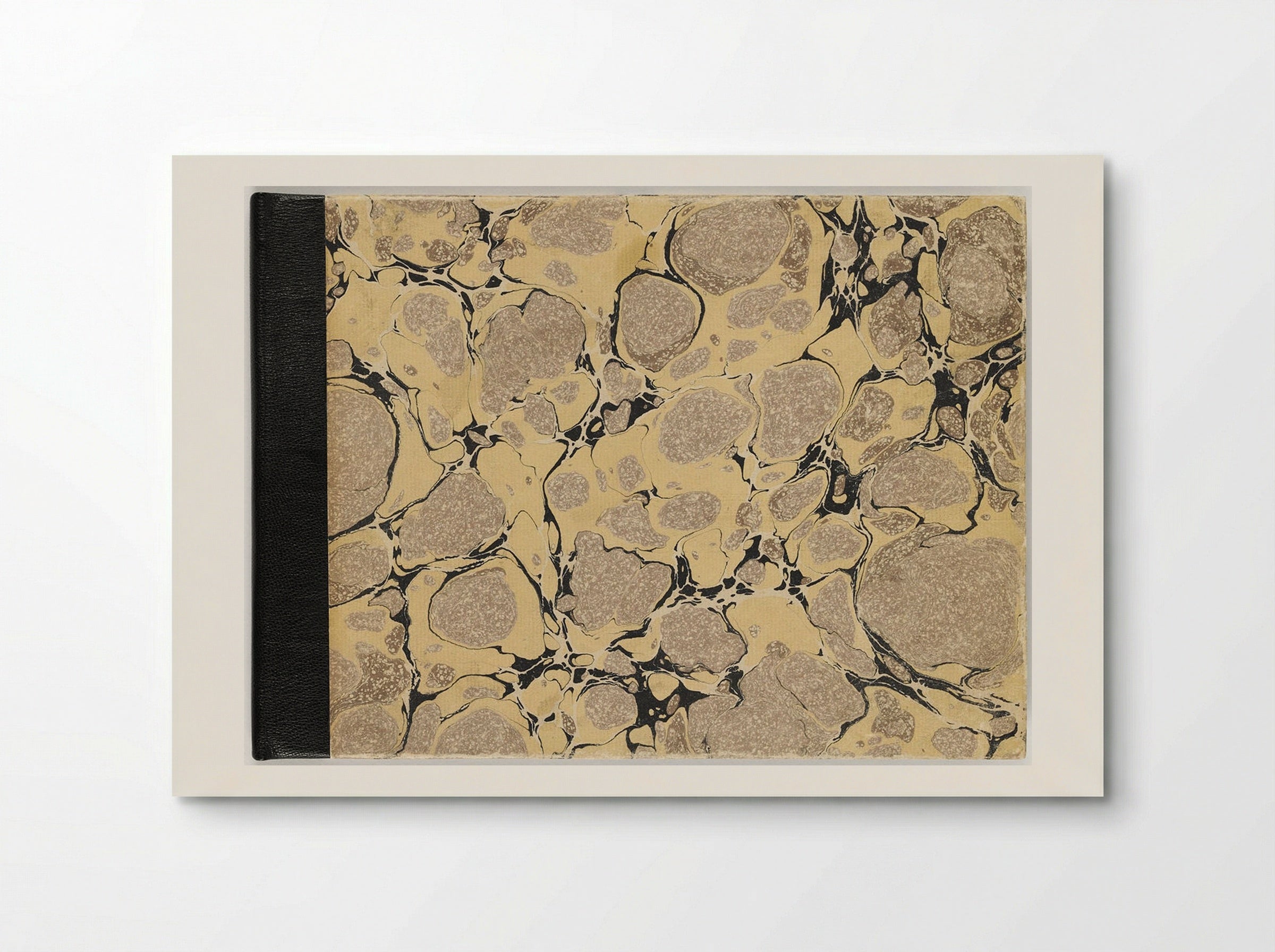 Sketchbook from the Italian Period - Jean-Honoré Fragonard
Print
Regular price From £28.00 GBPSale price From £28.00 GBP Regular price


Artist Biography
Jean Honore Fragonard
The Swing was commissioned by a courtier who wanted himself depicted looking up his mistress's skirt as she swung above. A bishop pushes the swing in the background. The original commissioner first approached another painter, who refused the subject as undignified. Fragonard accepted.
He was born in Grasse, in Provence, in 1732. He trained under Boucher, the leading Rococo painter, won the Prix de Rome, and spent five years in Italy studying Tiepolo and the Baroque illusionists. He painted so-called figures de fantaisie, full portraits, in about an hour each. He was enormously prolific: over 550 paintings are attributed to him.
The Revolution destroyed his client base. The aristocracy who bought his paintings were dead, exiled, or ruined. Jacques-Louis David, the leading Revolutionary painter and stylistically his opposite, intervened on his behalf. David got Fragonard appointed to an administrative arts committee, which likely saved his life. This is remarkable: David was sending former aristocrats to the guillotine while protecting their favourite painter. Fragonard also helped organise what would become the Louvre's collection.
He lost his position under Napoleon and died in 1806. The story that he died eating an ice on a hot day is probably anecdotal but frequently repeated. His reputation collapsed after death and was not revived for fifty years.
He was born in Grasse, in Provence, in 1732. He trained under Boucher, the leading Rococo painter, won the Prix de Rome, and spent five years in Italy studying Tiepolo and the Baroque illusionists. He painted so-called figures de fantaisie, full portraits, in about an hour each. He was enormously prolific: over 550 paintings are attributed to him.
The Revolution destroyed his client base. The aristocracy who bought his paintings were dead, exiled, or ruined. Jacques-Louis David, the leading Revolutionary painter and stylistically his opposite, intervened on his behalf. David got Fragonard appointed to an administrative arts committee, which likely saved his life. This is remarkable: David was sending former aristocrats to the guillotine while protecting their favourite painter. Fragonard also helped organise what would become the Louvre's collection.
He lost his position under Napoleon and died in 1806. The story that he died eating an ice on a hot day is probably anecdotal but frequently repeated. His reputation collapsed after death and was not revived for fifty years.
Related Artists


Why Choose Us ?