

Collection
Jan Matejko
Explore curated art prints selected for distinctive homes and considered interiors.
Suggested filters
-
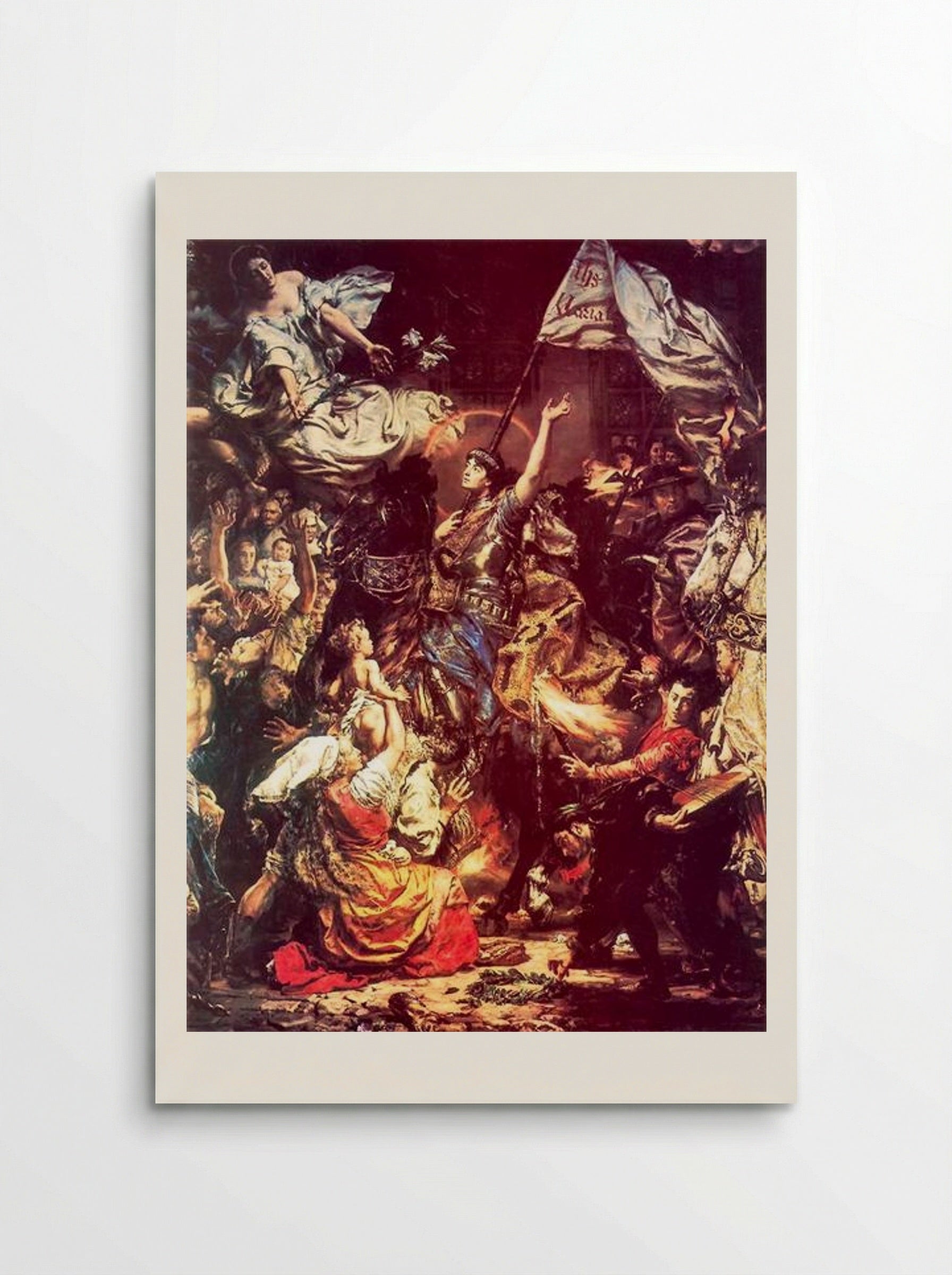 Maid of Orleans - Jan Matejko
Print
Regular price From £28.00 GBPSale price From £28.00 GBP Regular price -
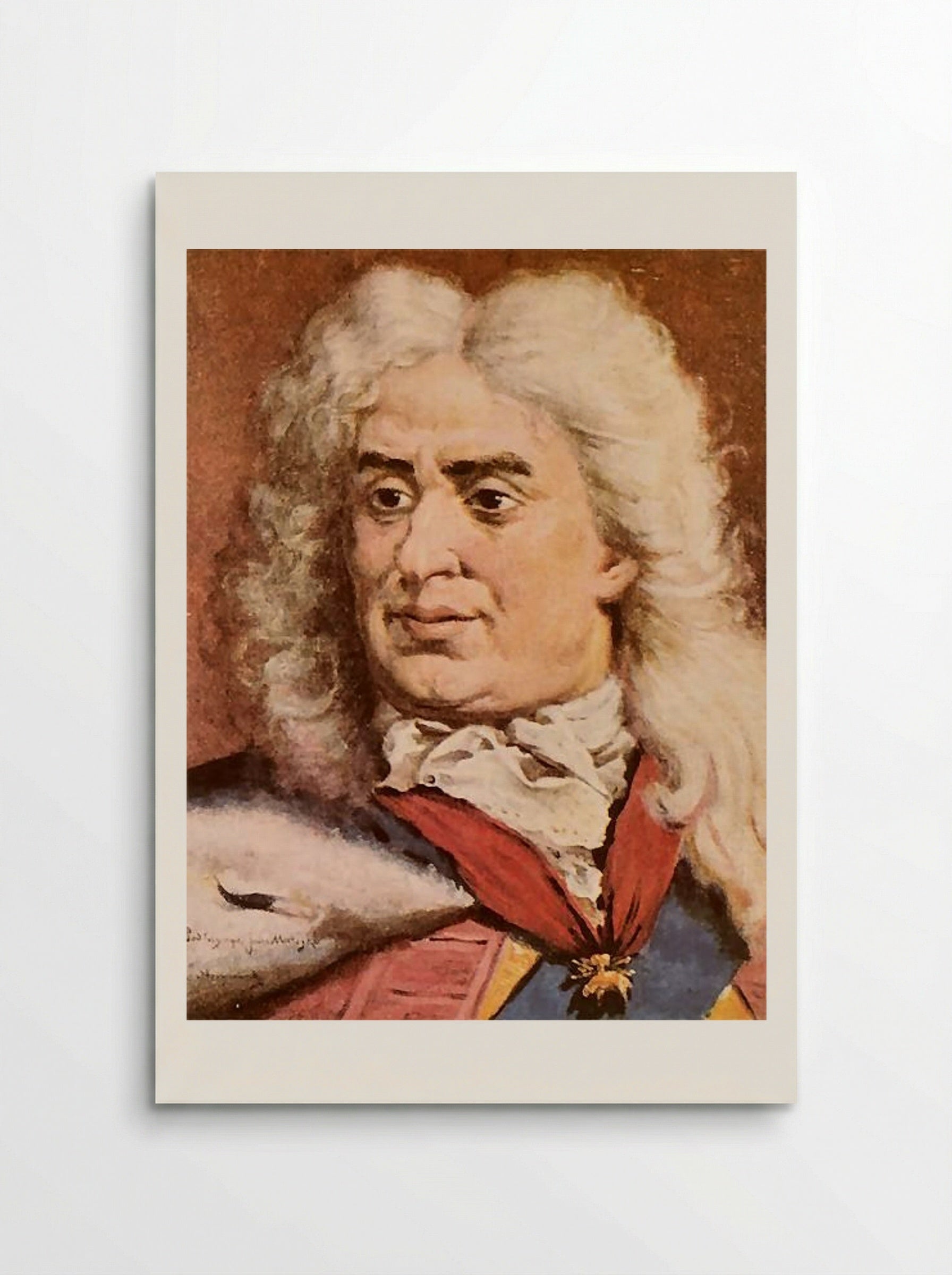 Augustus II the Strong - Jan Matejko
Print
Regular price From £28.00 GBPSale price From £28.00 GBP Regular price -
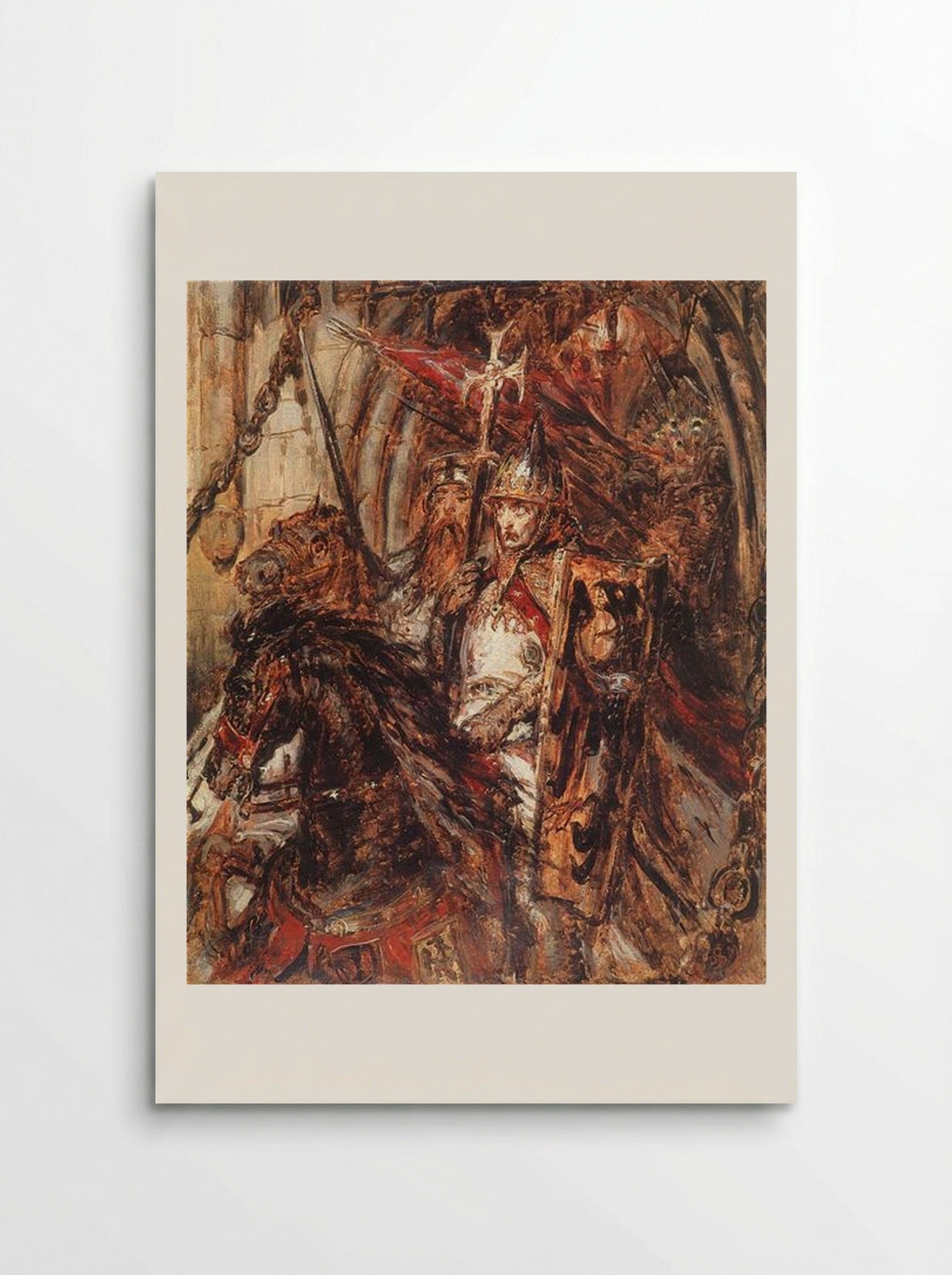 Henryk Pobozny - Jan Matejko
Print
Regular price From £28.00 GBPSale price From £28.00 GBP Regular price -
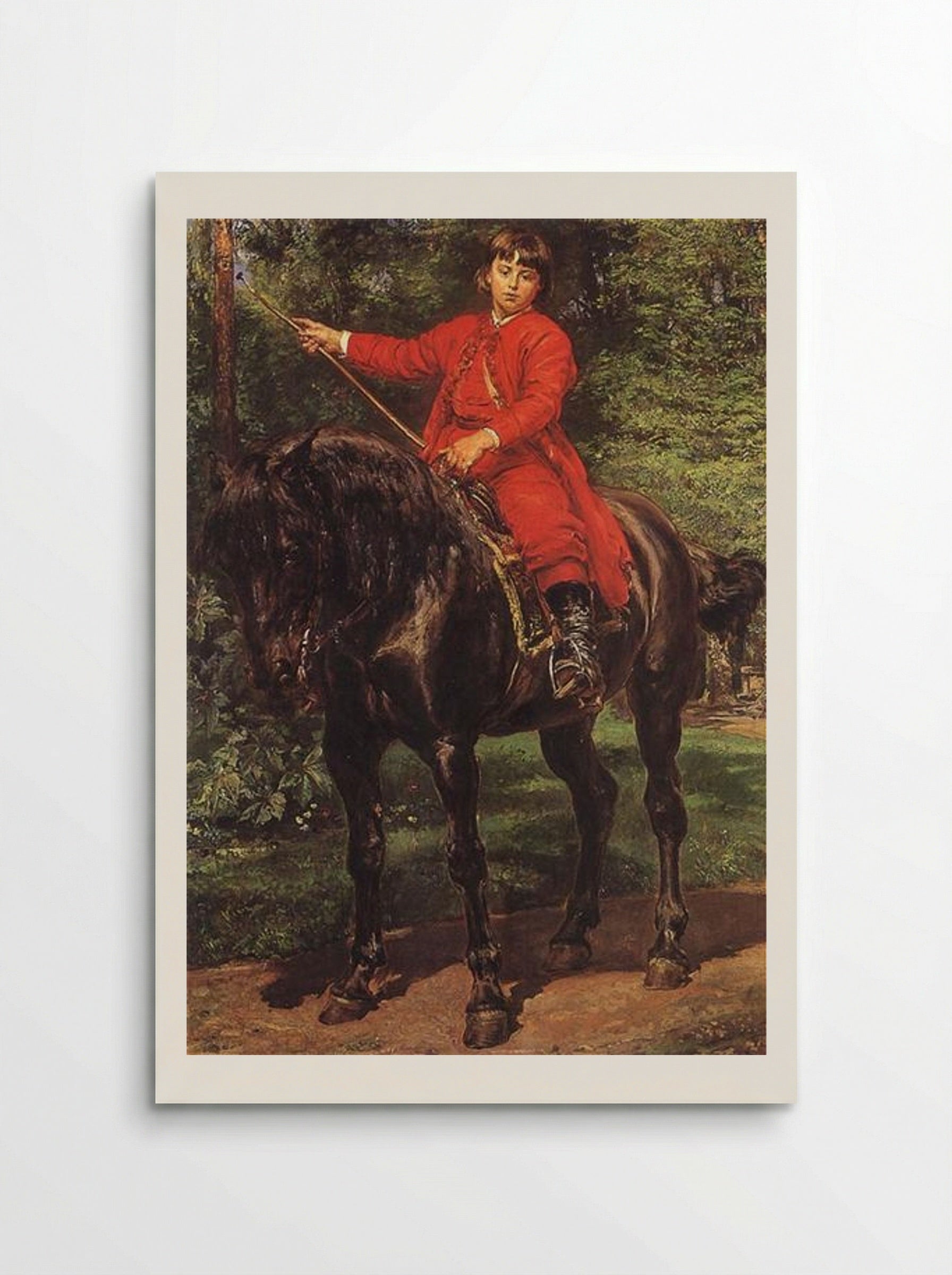 Son George (Jan Matejko) - Jan Matejko
Print
Regular price From £28.00 GBPSale price From £28.00 GBP Regular price -
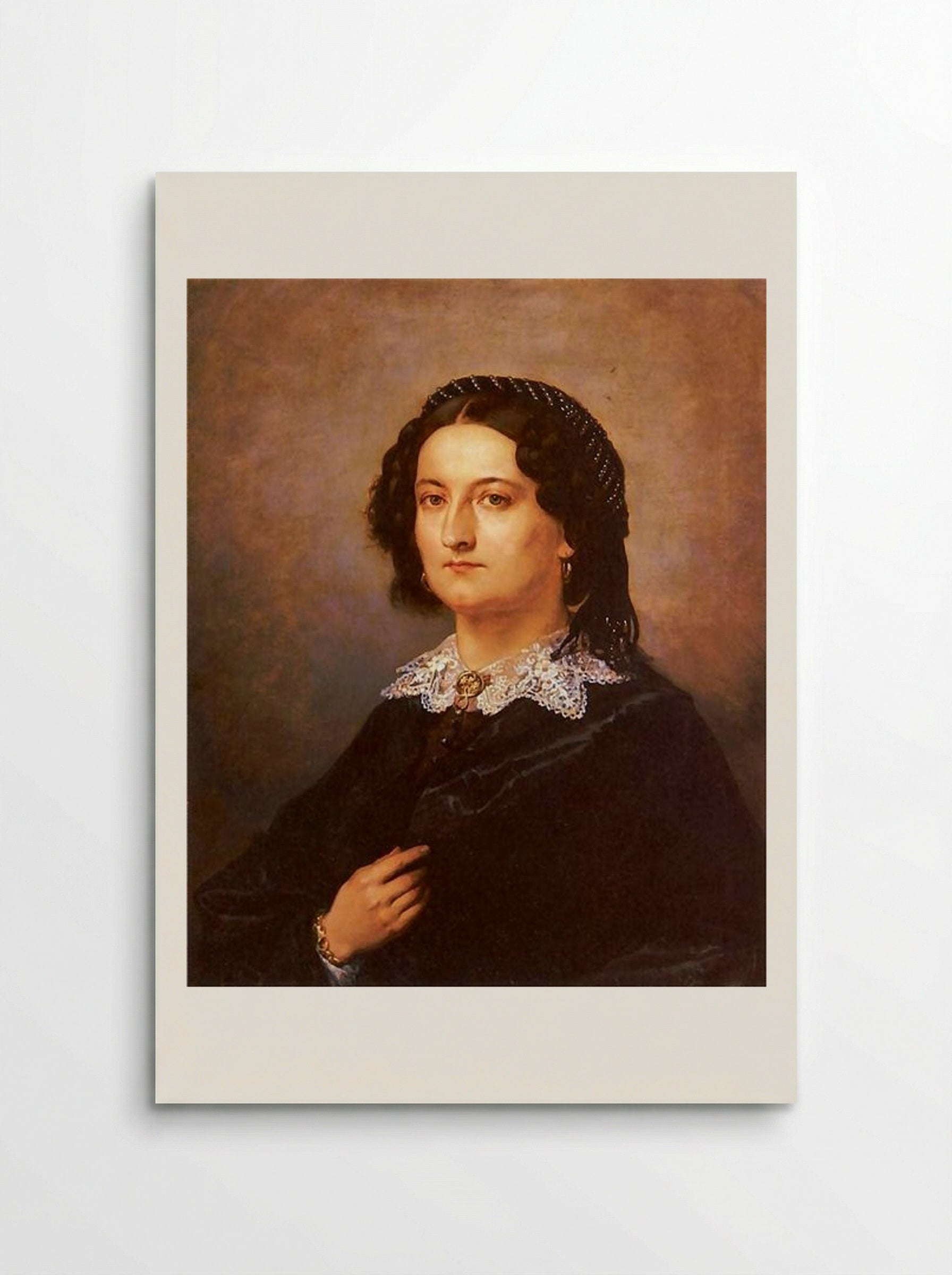 Victoria Kosinska (Jan Matejko) - Jan Matejko
Print
Regular price From £28.00 GBPSale price From £28.00 GBP Regular price -
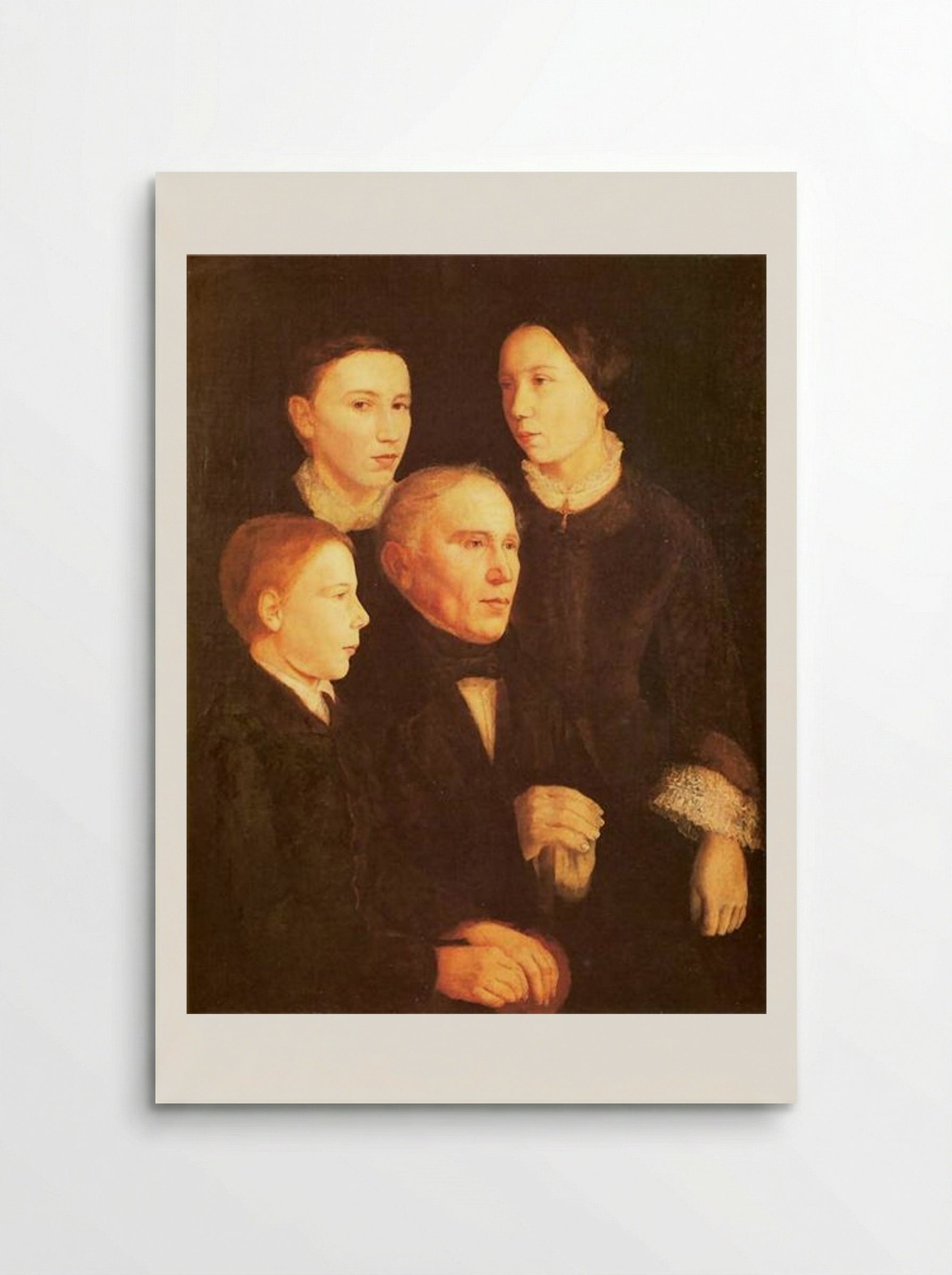 Matejko Family Portrait - Jan Matejko
Print
Regular price From £28.00 GBPSale price From £28.00 GBP Regular price -
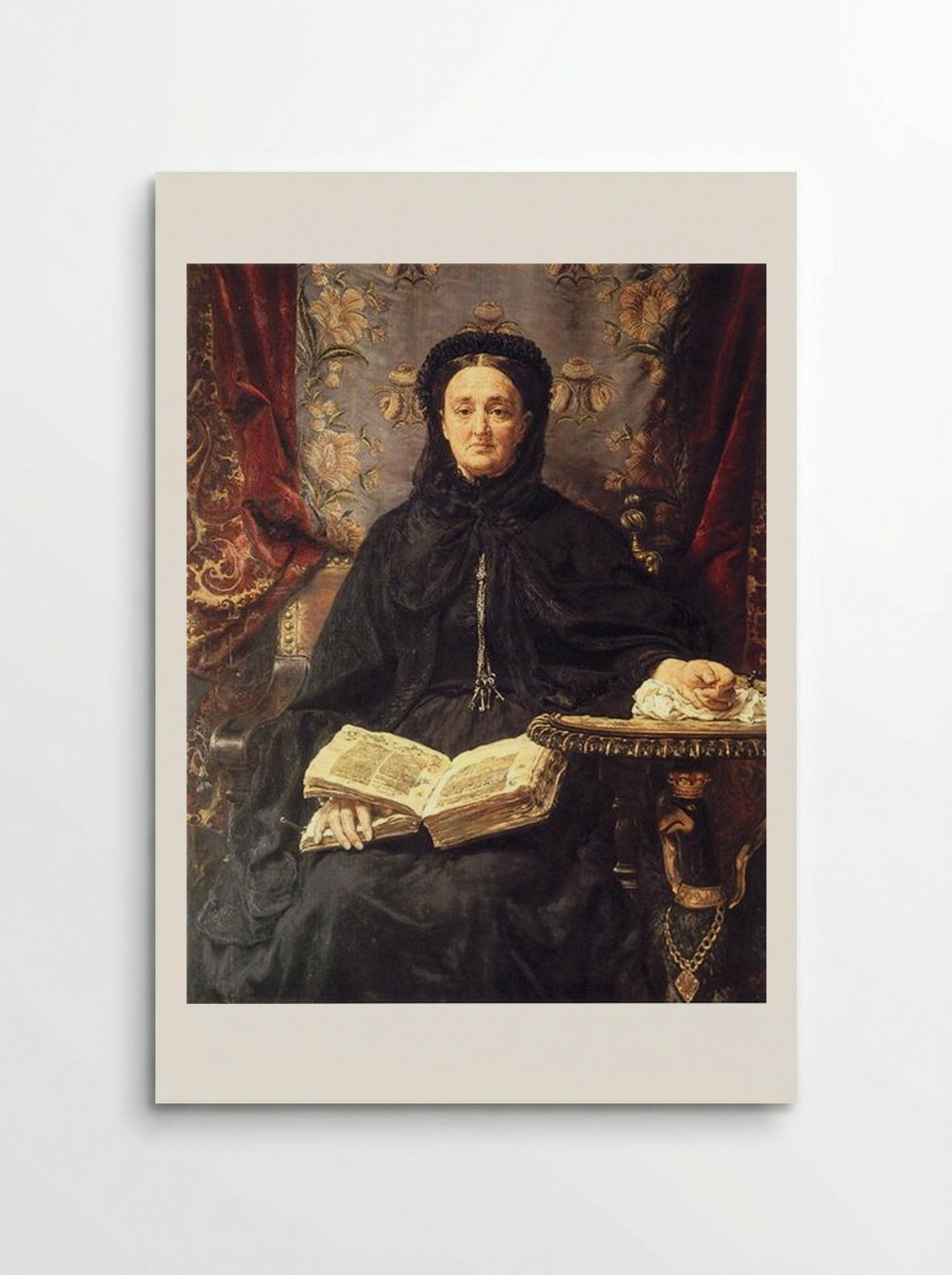 Catherine Potocka - Jan Matejko
Print
Regular price From £28.00 GBPSale price From £28.00 GBP Regular price -
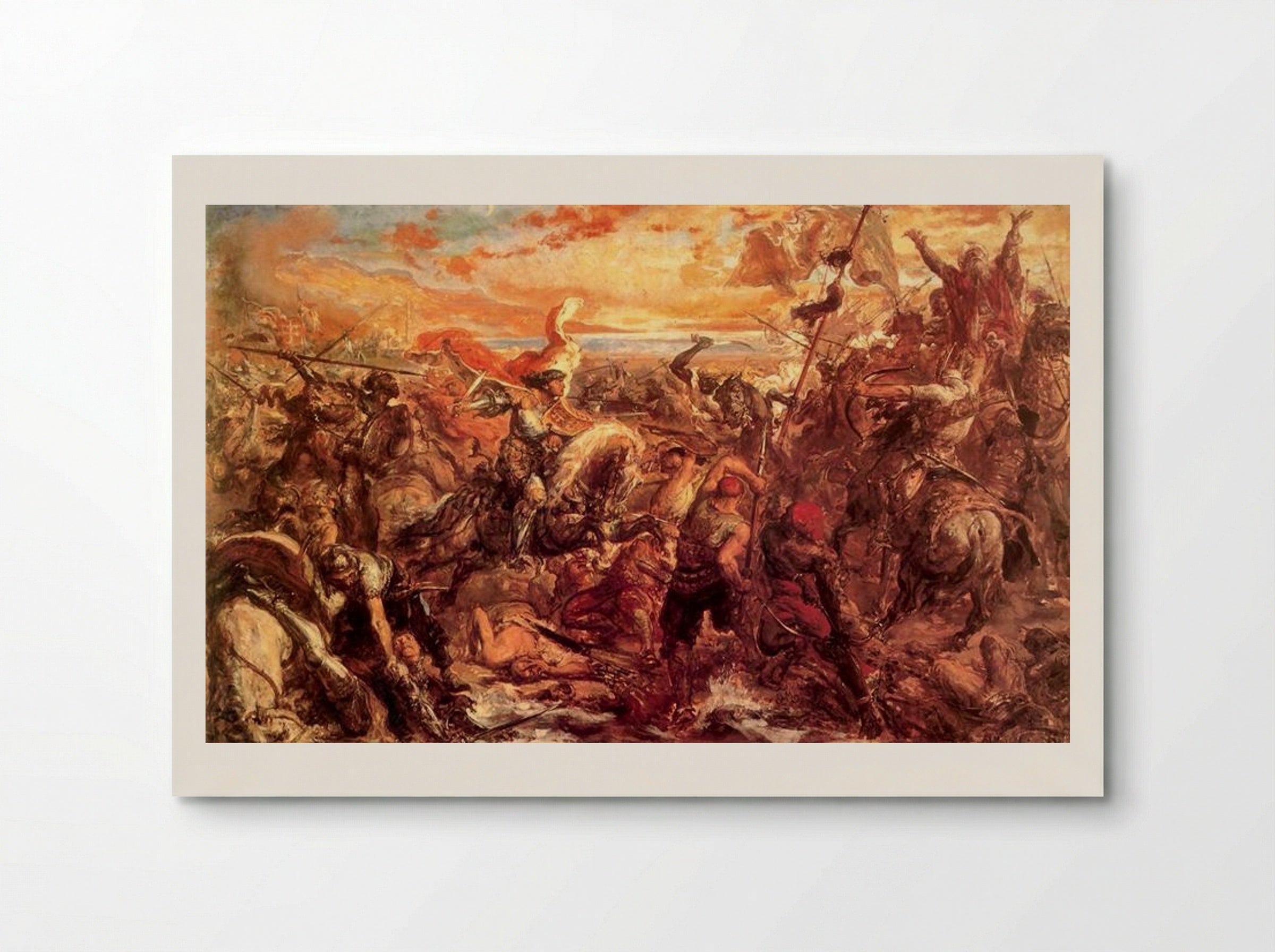
-
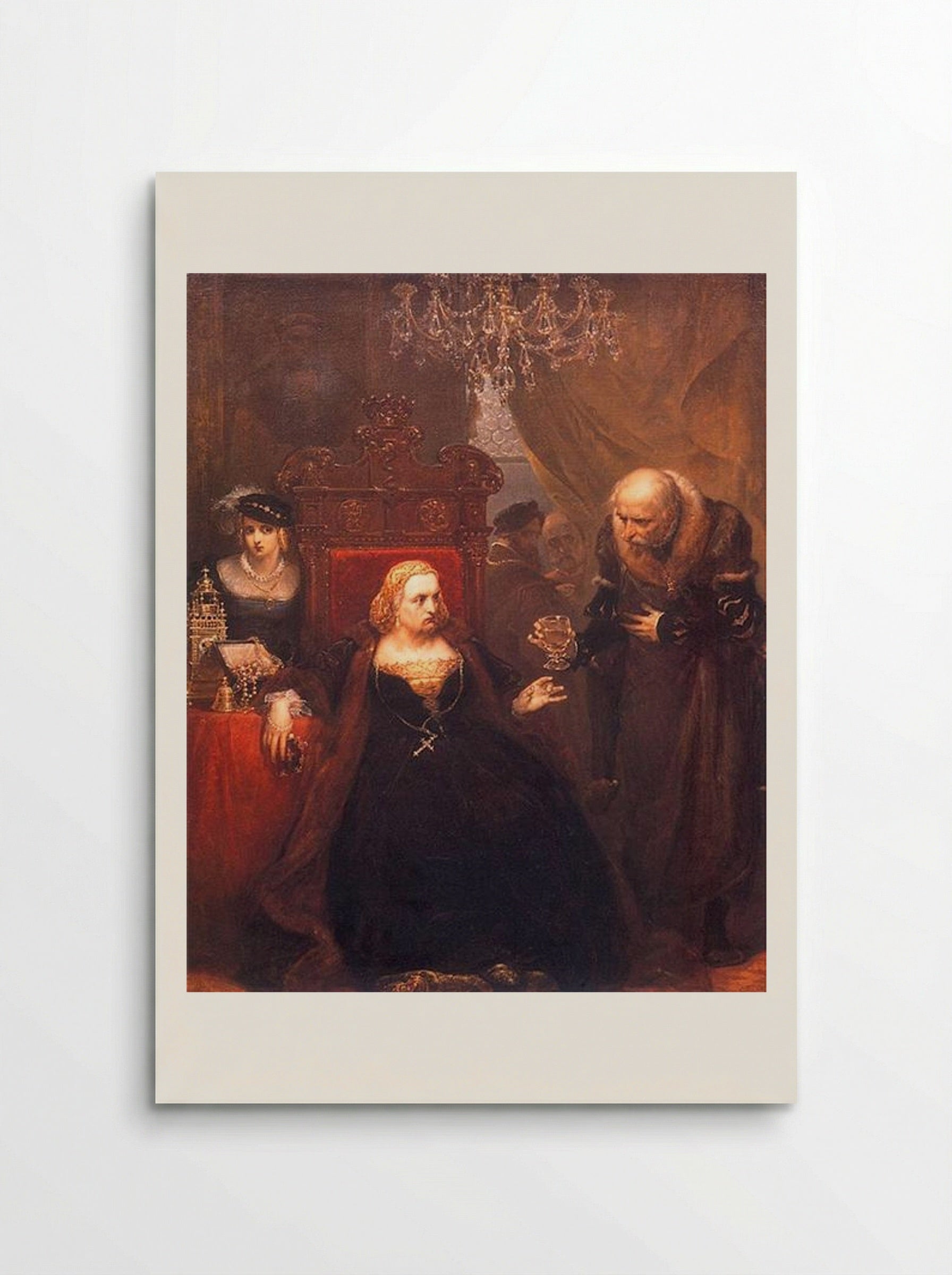 The Poisoning of Queen Bona - Jan Matejko
Print
Regular price From £28.00 GBPSale price From £28.00 GBP Regular price -
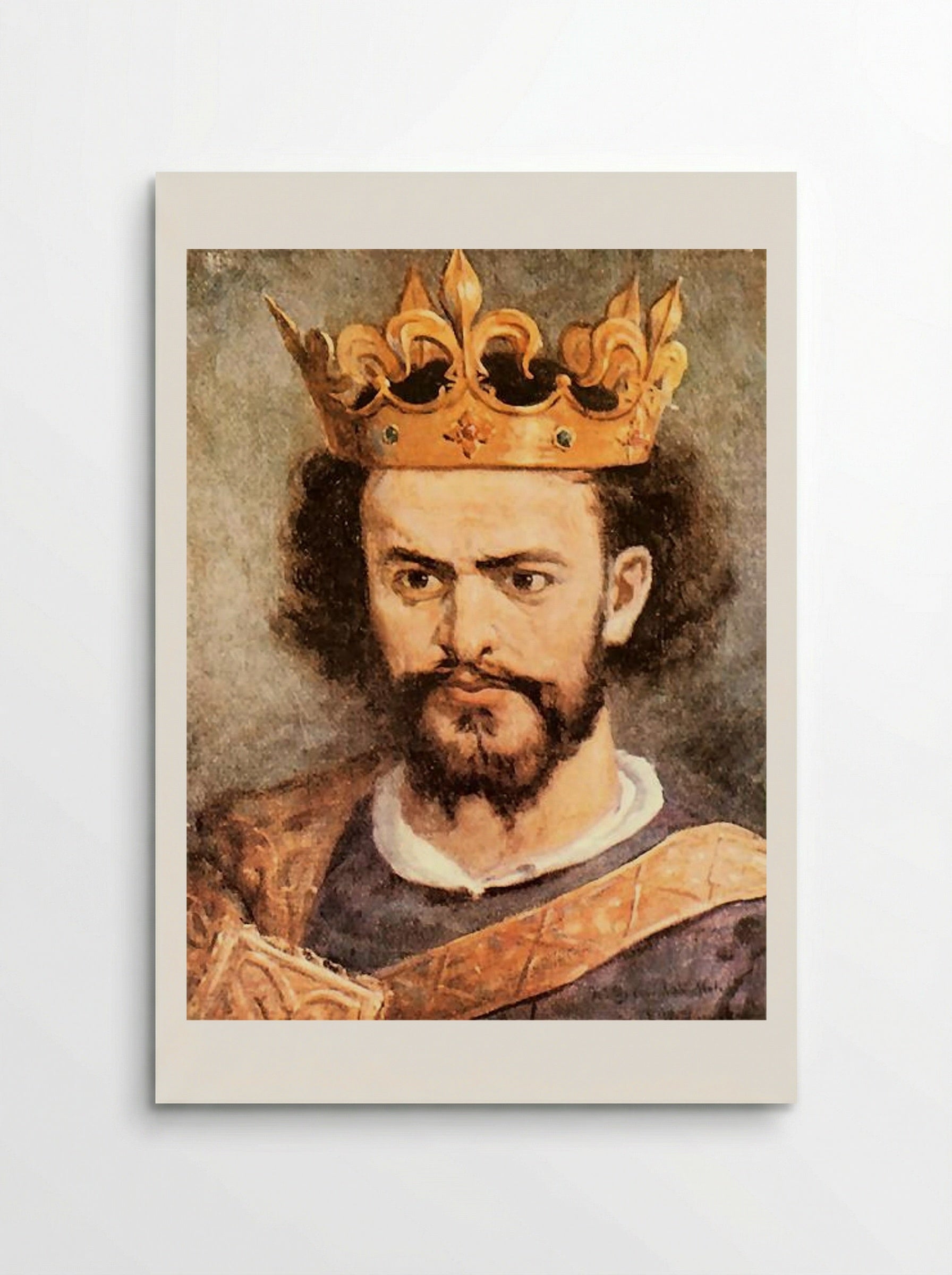 Louis of Anjou - Jan Matejko
Print
Regular price From £28.00 GBPSale price From £28.00 GBP Regular price -
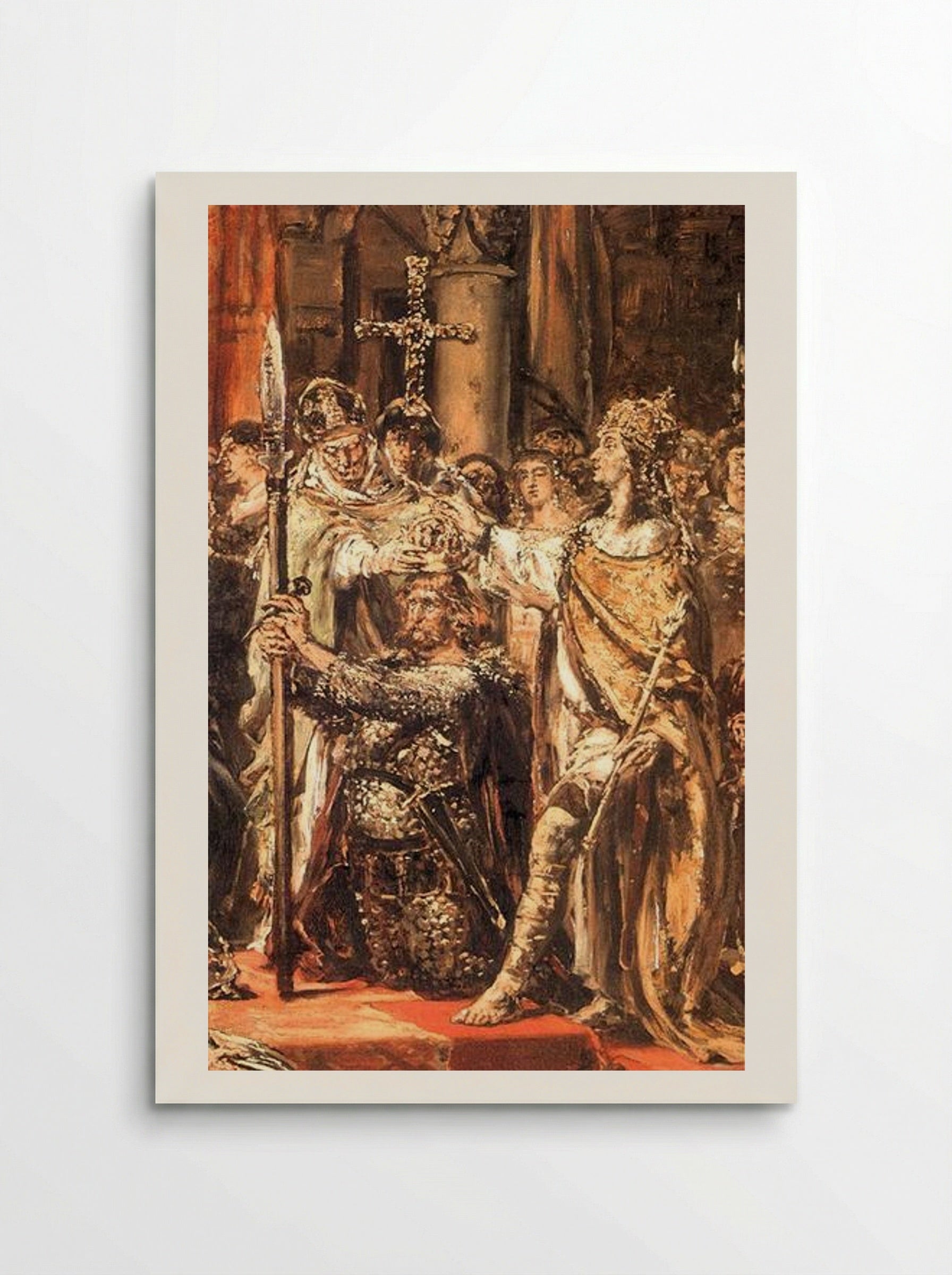 Coronation - Jan Matejko
Print
Regular price From £28.00 GBPSale price From £28.00 GBP Regular price -
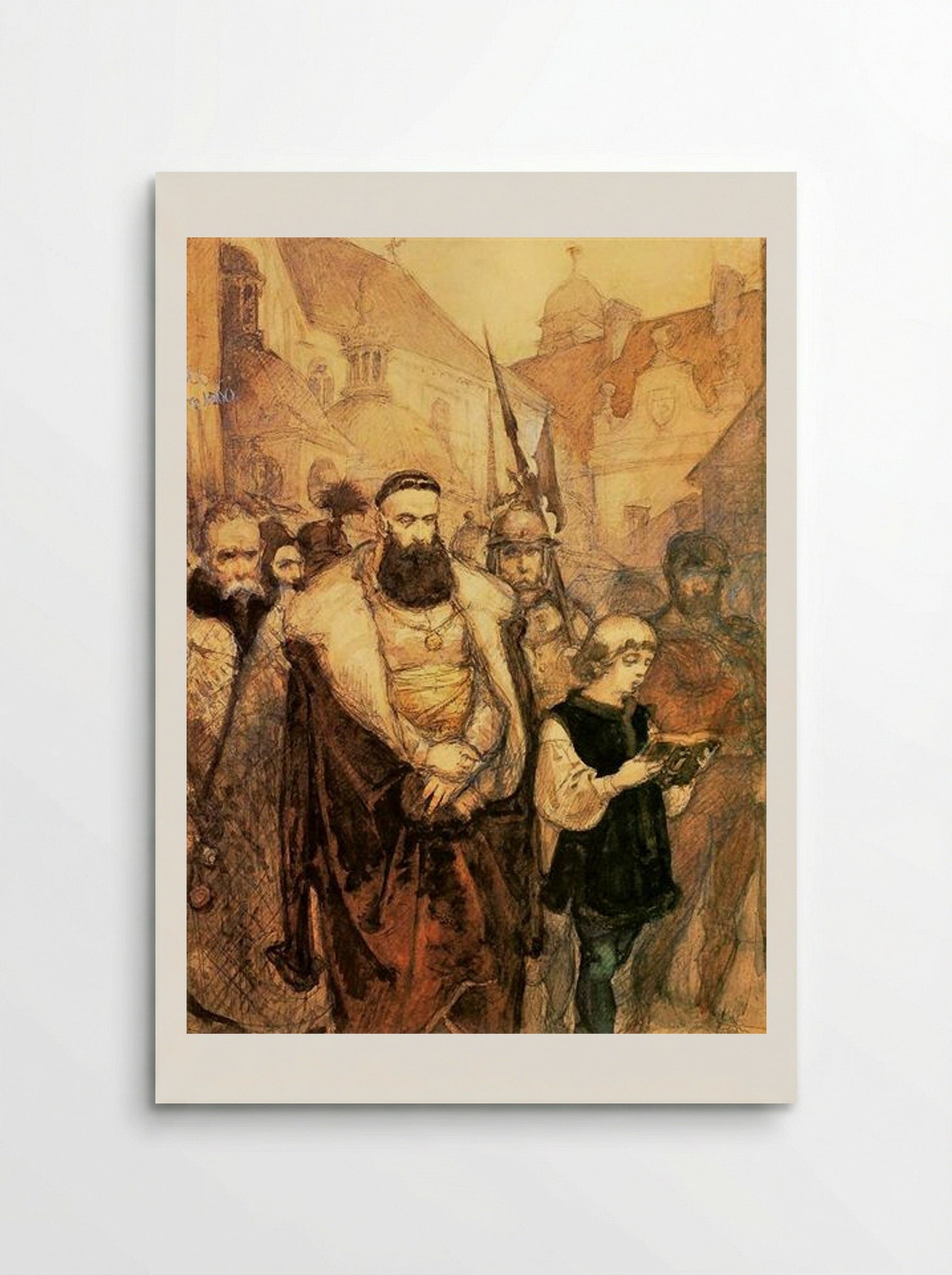 Samuel Zborowski - Jan Matejko
Print
Regular price From £28.00 GBPSale price From £28.00 GBP Regular price -
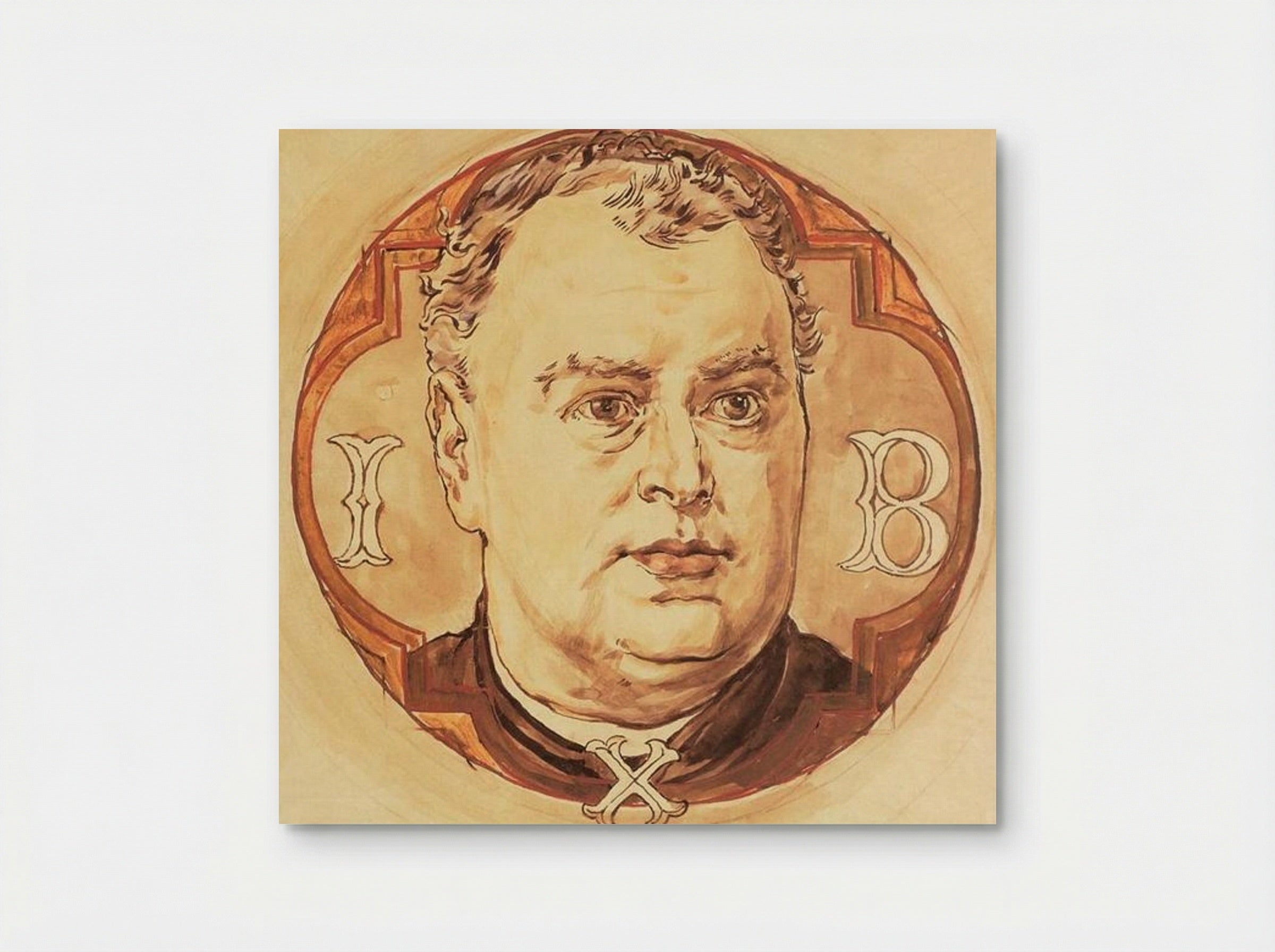 Julian Bukowski (Jan Matejko) - Jan Matejko
Print
Regular price From £37.00 GBPSale price From £37.00 GBP Regular price -
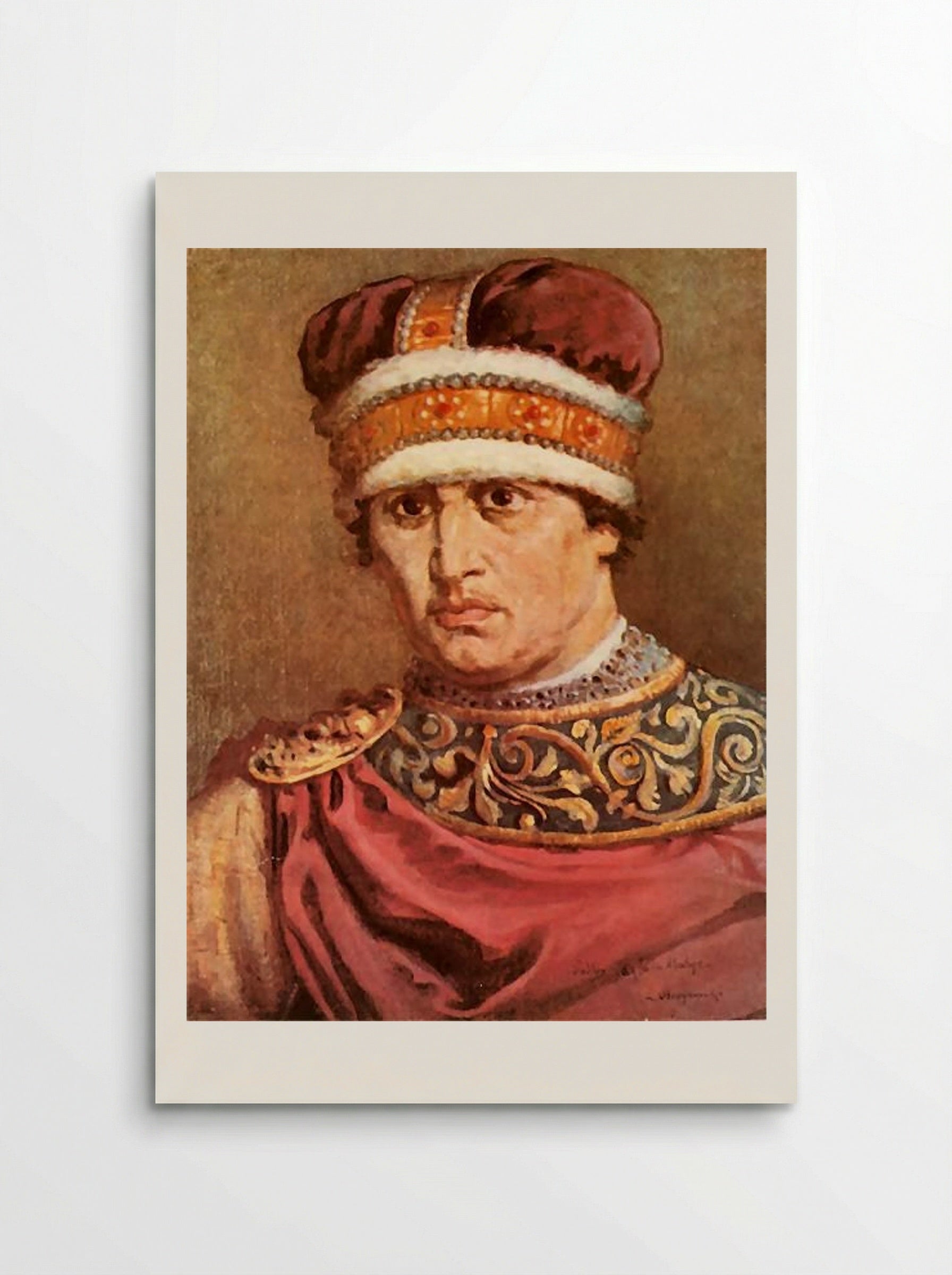 Wladyslaw the Exile - Jan Matejko
Print
Regular price From £28.00 GBPSale price From £28.00 GBP Regular price -
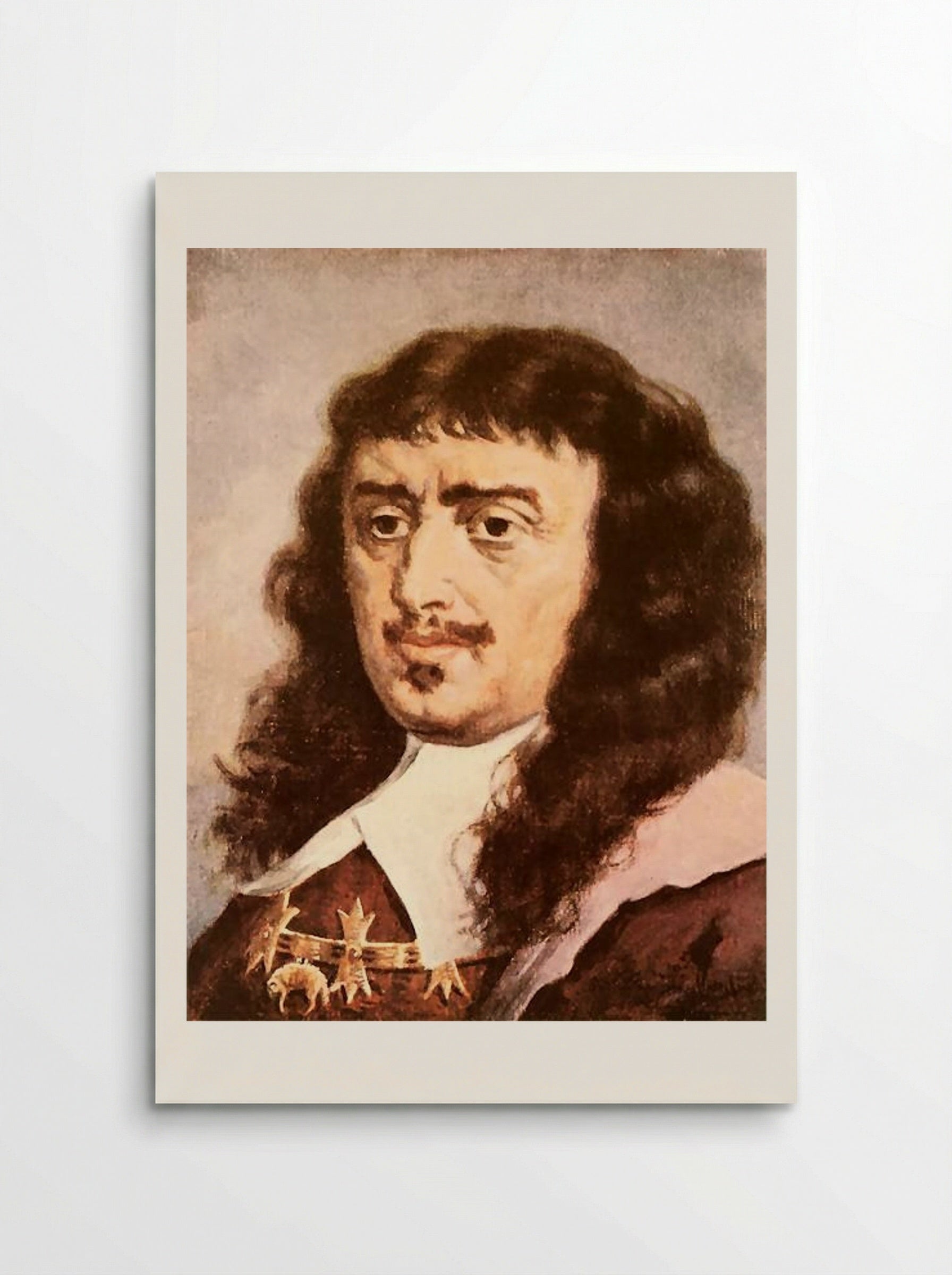 John Casimir - Jan Matejko
Print
Regular price From £28.00 GBPSale price From £28.00 GBP Regular price -
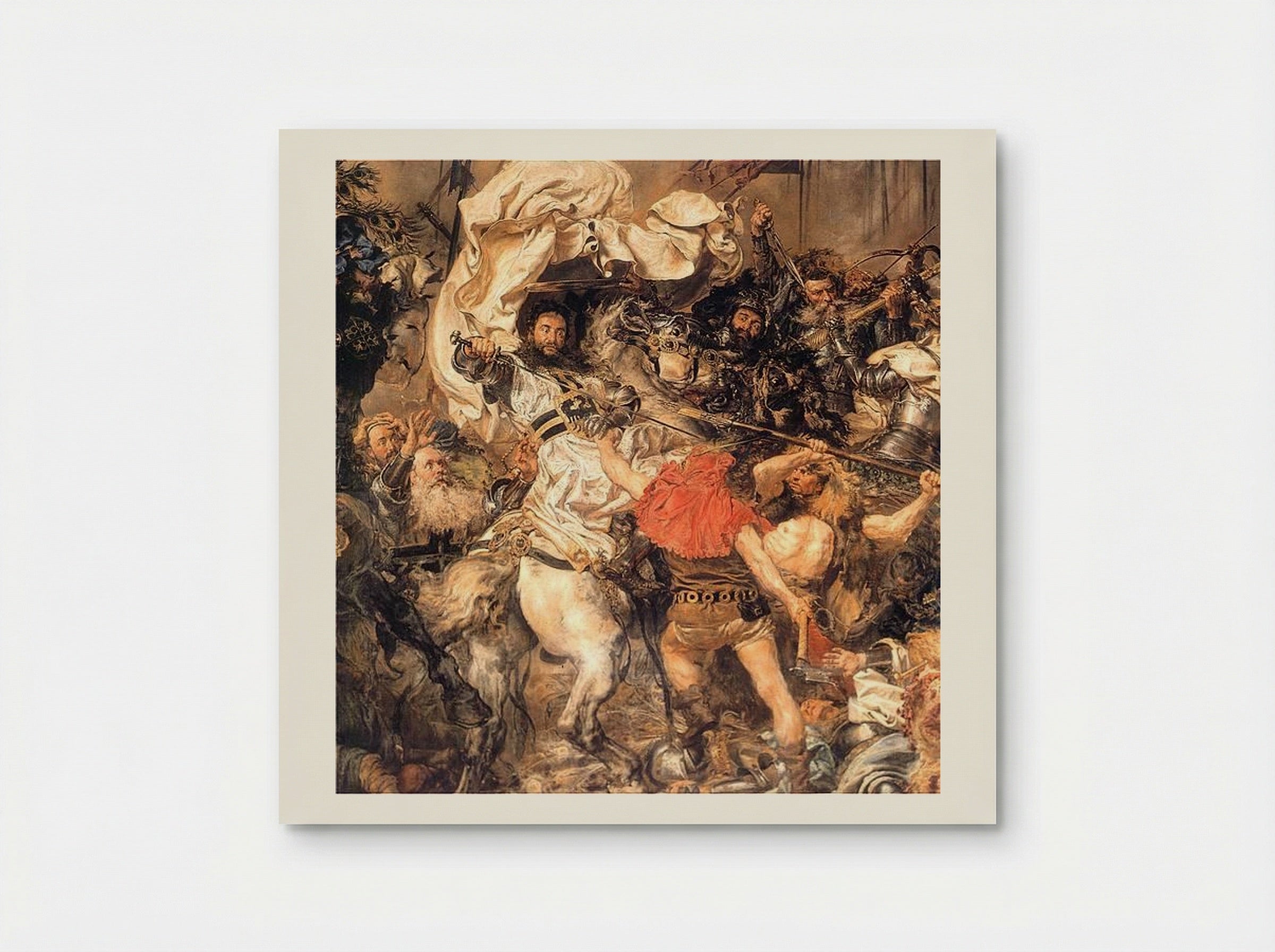 Battle of Grunwald, the Death of the Grand Master Ulrich von Jungingen (Detail) - Jan Matejko
Print
Regular price From £37.00 GBPSale price From £37.00 GBP Regular price -
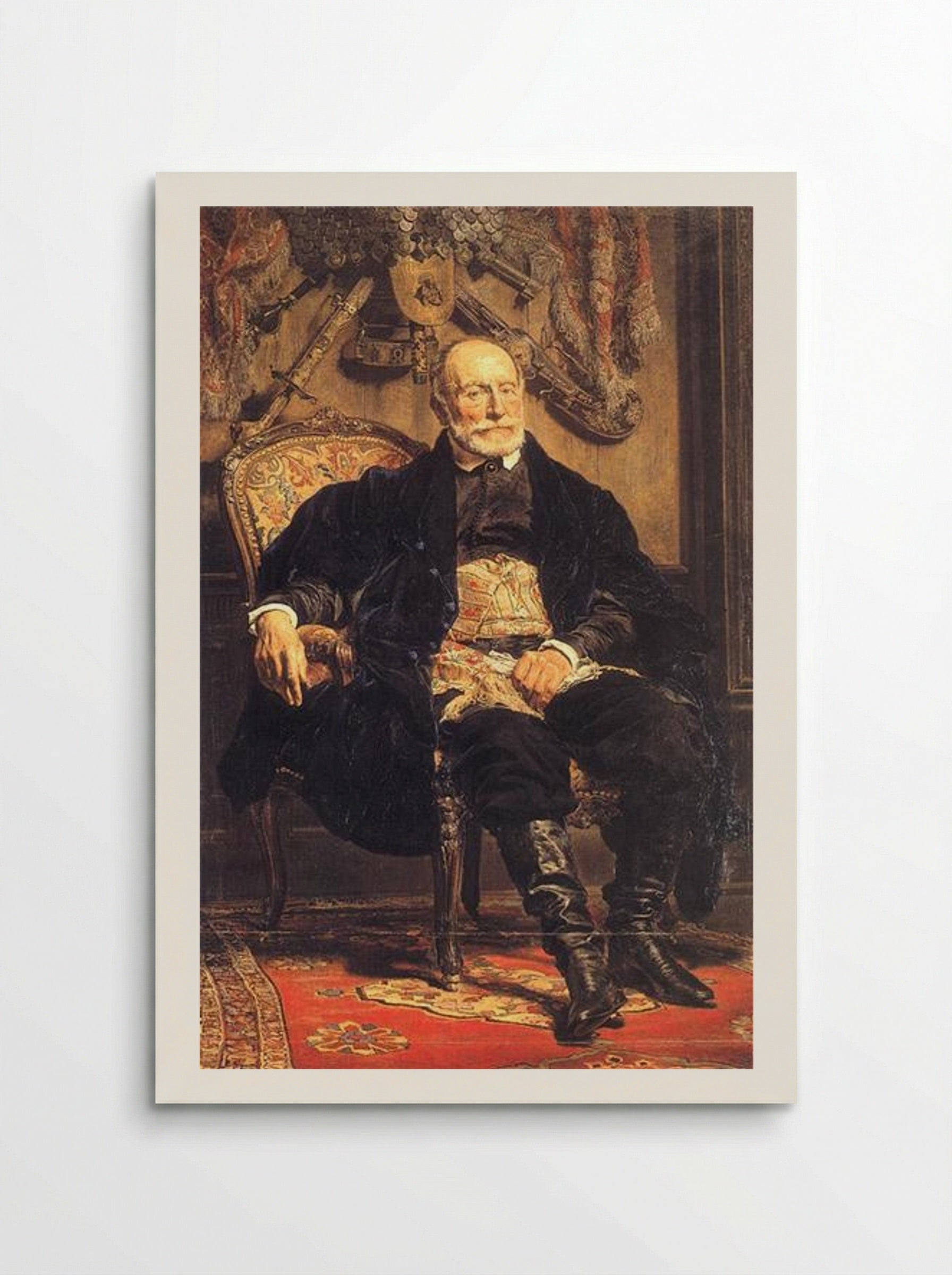 Peter Moszynski - Jan Matejko
Print
Regular price From £28.00 GBPSale price From £28.00 GBP Regular price -
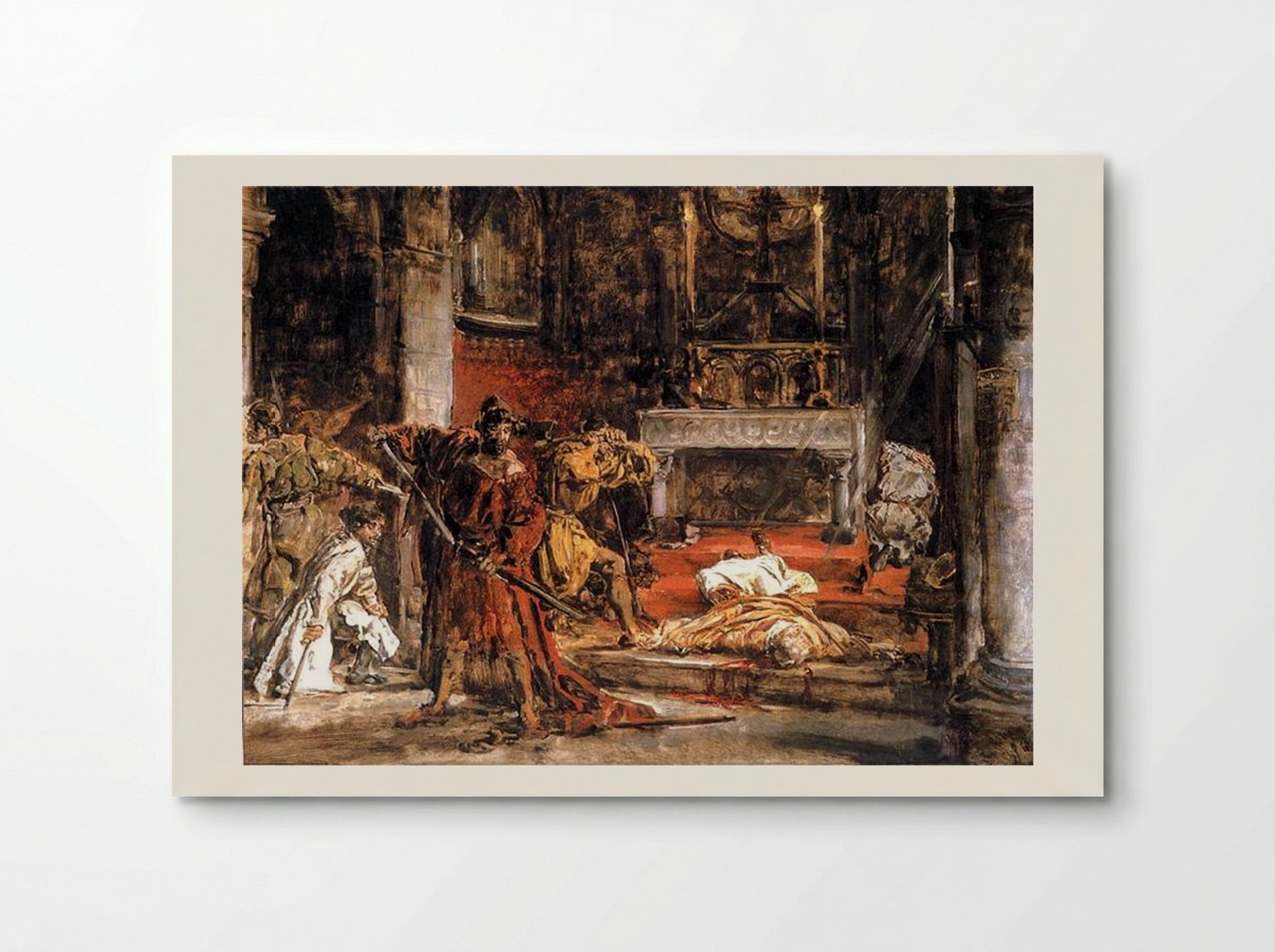 The Murder of St Stanislaus - Jan Matejko
Print
Regular price From £28.00 GBPSale price From £28.00 GBP Regular price -
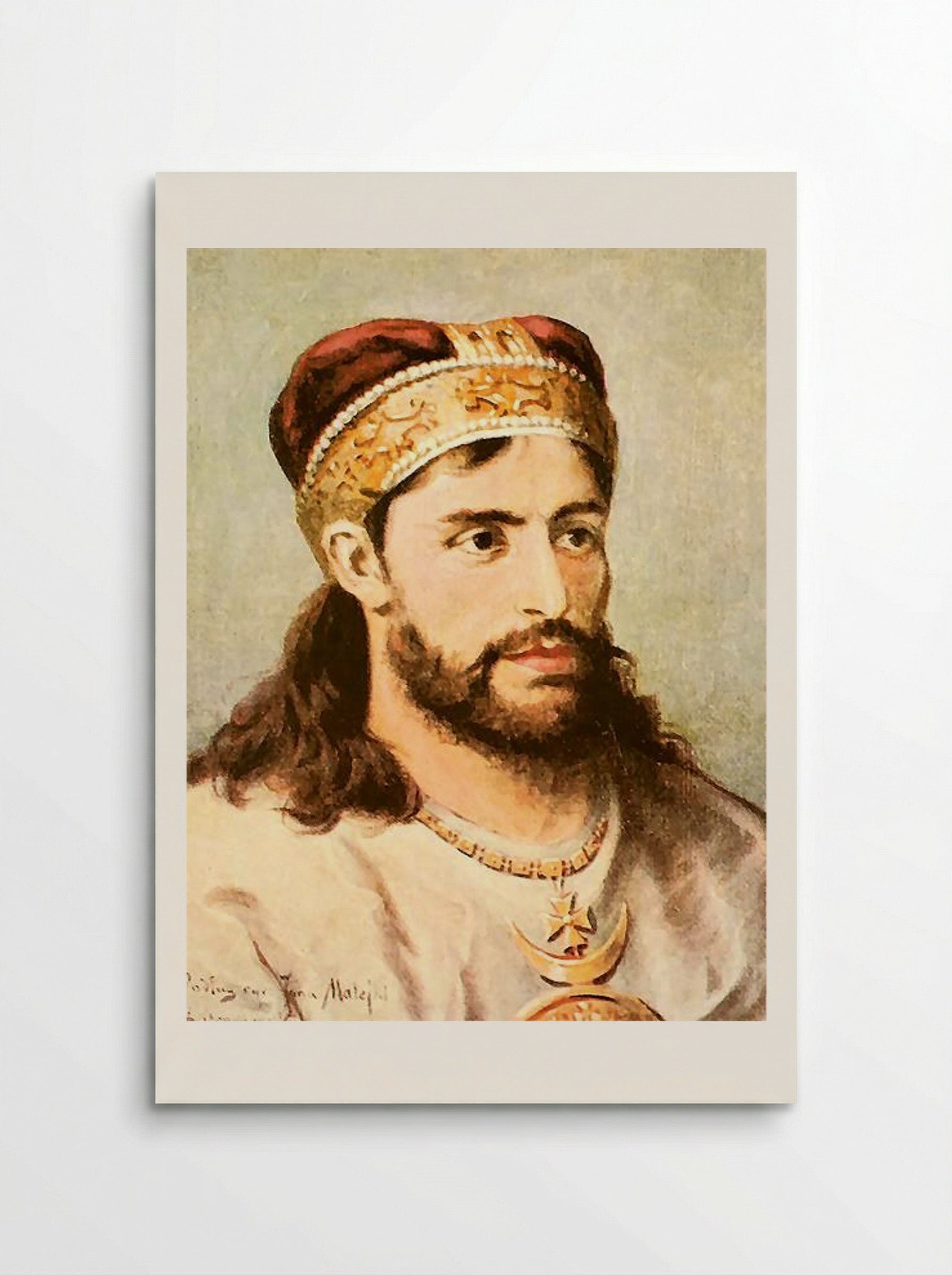 Casimir the Just - Jan Matejko
Print
Regular price From £28.00 GBPSale price From £28.00 GBP Regular price -
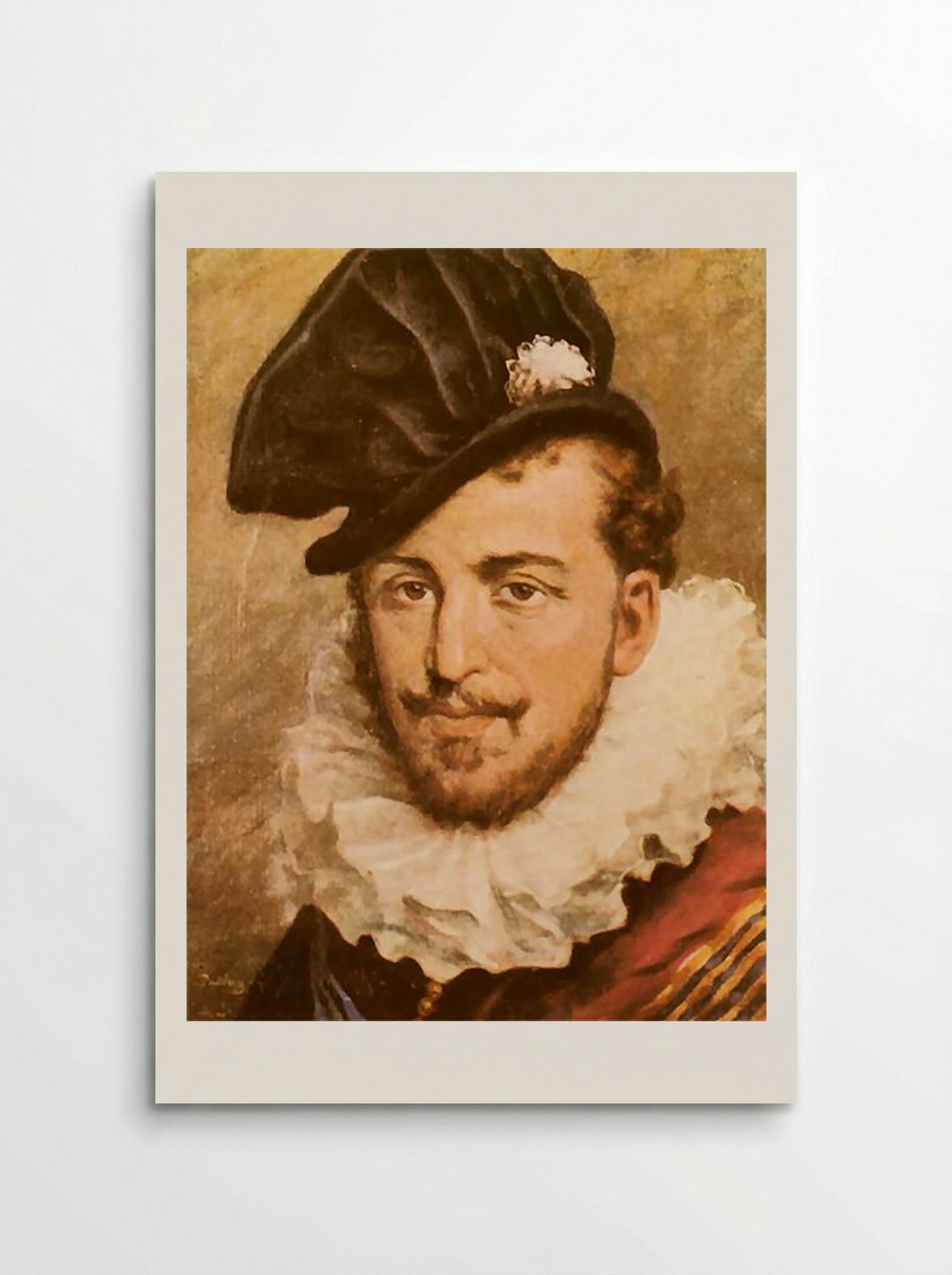 Henry Valois - Jan Matejko
Print
Regular price From £28.00 GBPSale price From £28.00 GBP Regular price -
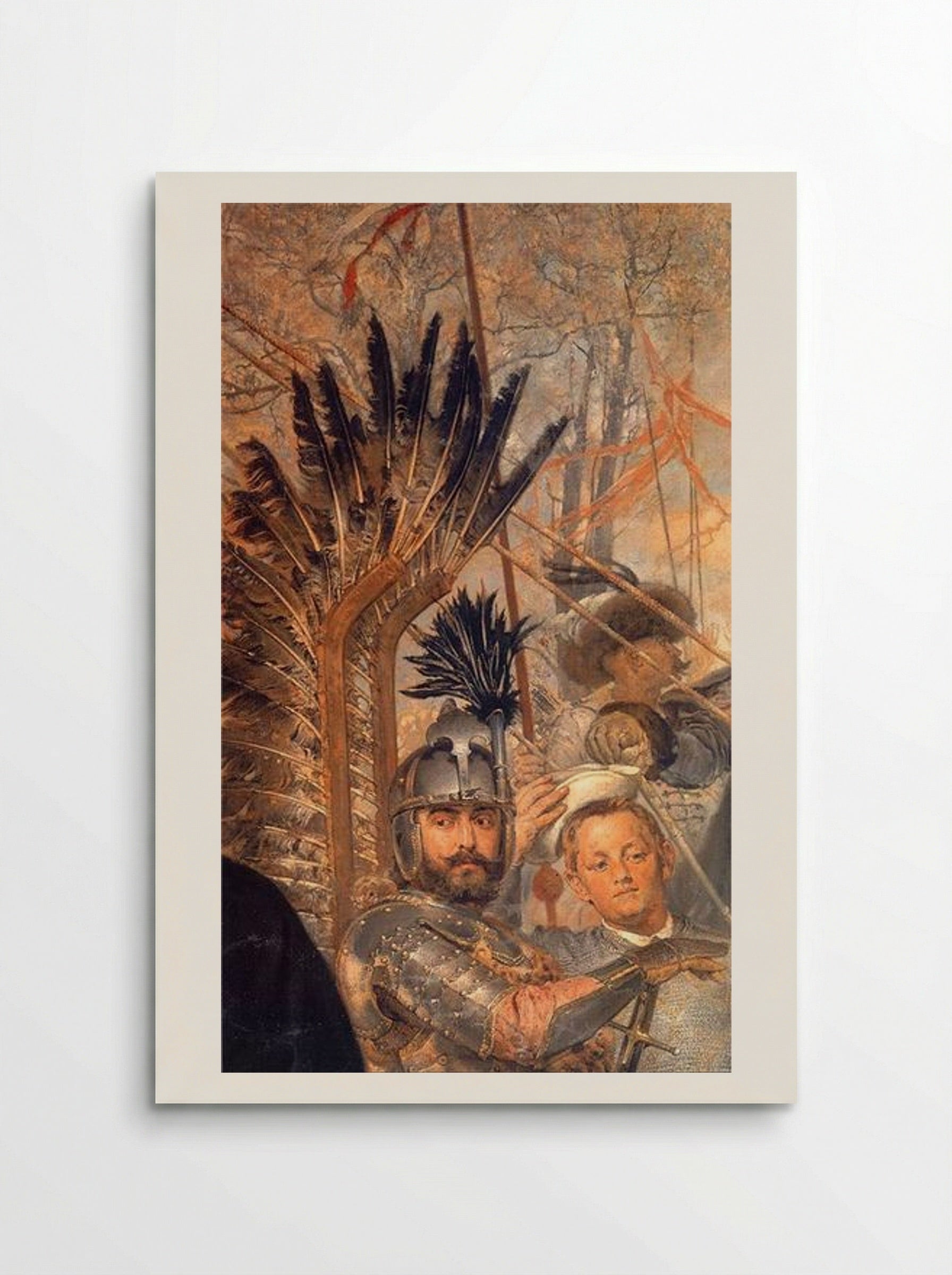 Hetman of the Polish Crown in the 17th Century - Jan Matejko
Print
Regular price From £28.00 GBPSale price From £28.00 GBP Regular price -
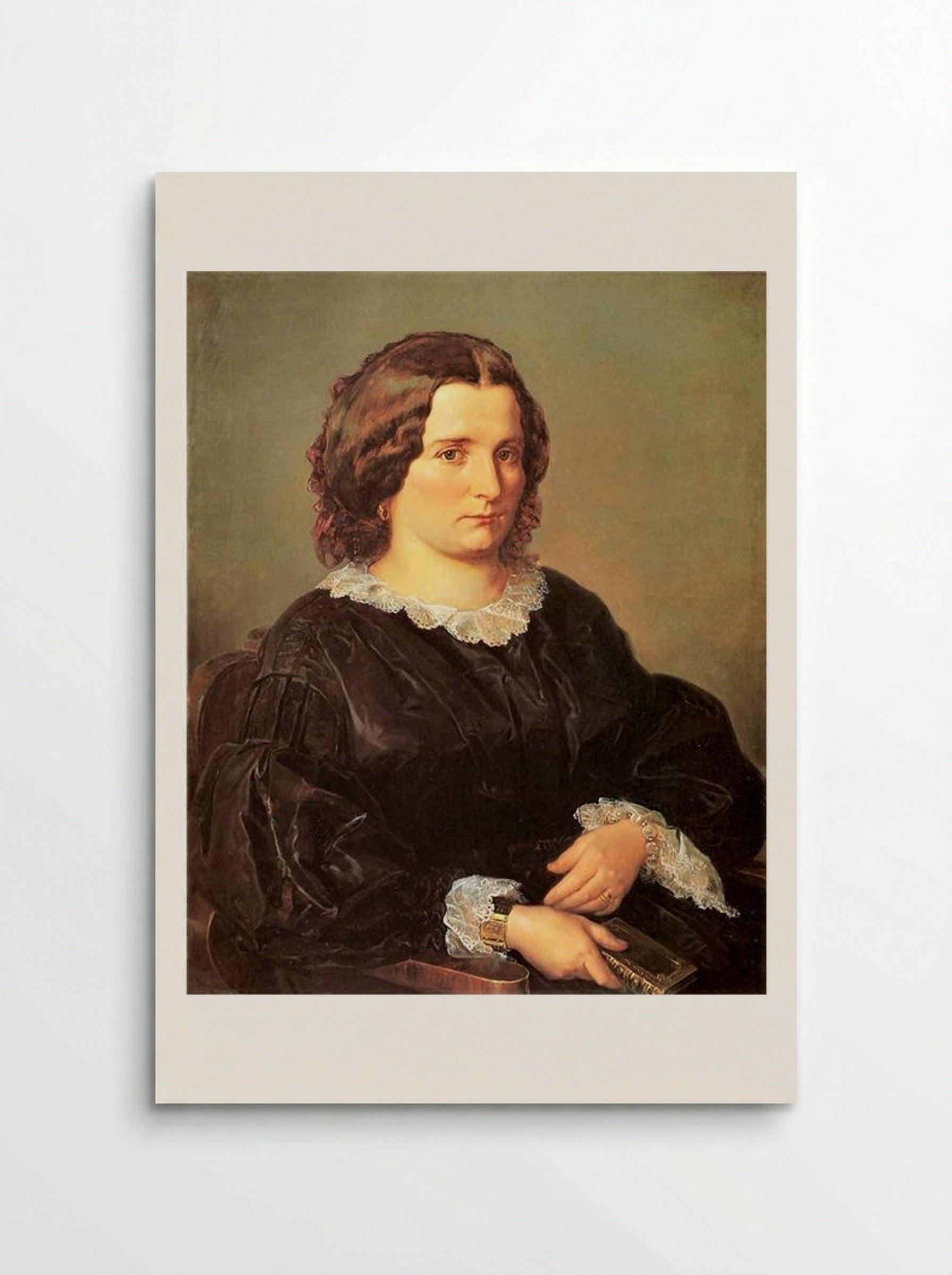 Maria Maurizio - Jan Matejko
Print
Regular price From £28.00 GBPSale price From £28.00 GBP Regular price -
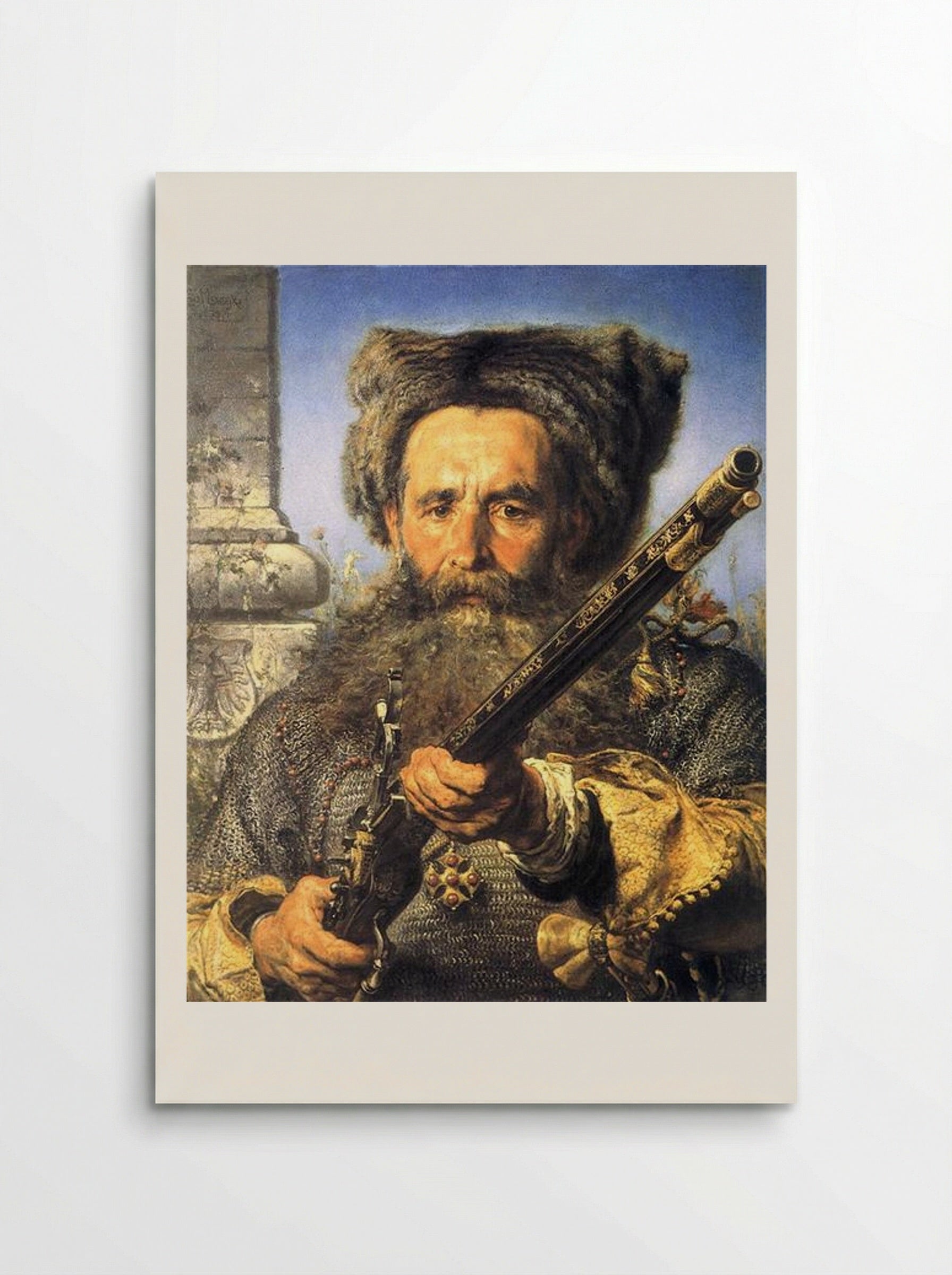 Ostafij Daszkiewicz - Jan Matejko
Print
Regular price From £28.00 GBPSale price From £28.00 GBP Regular price -
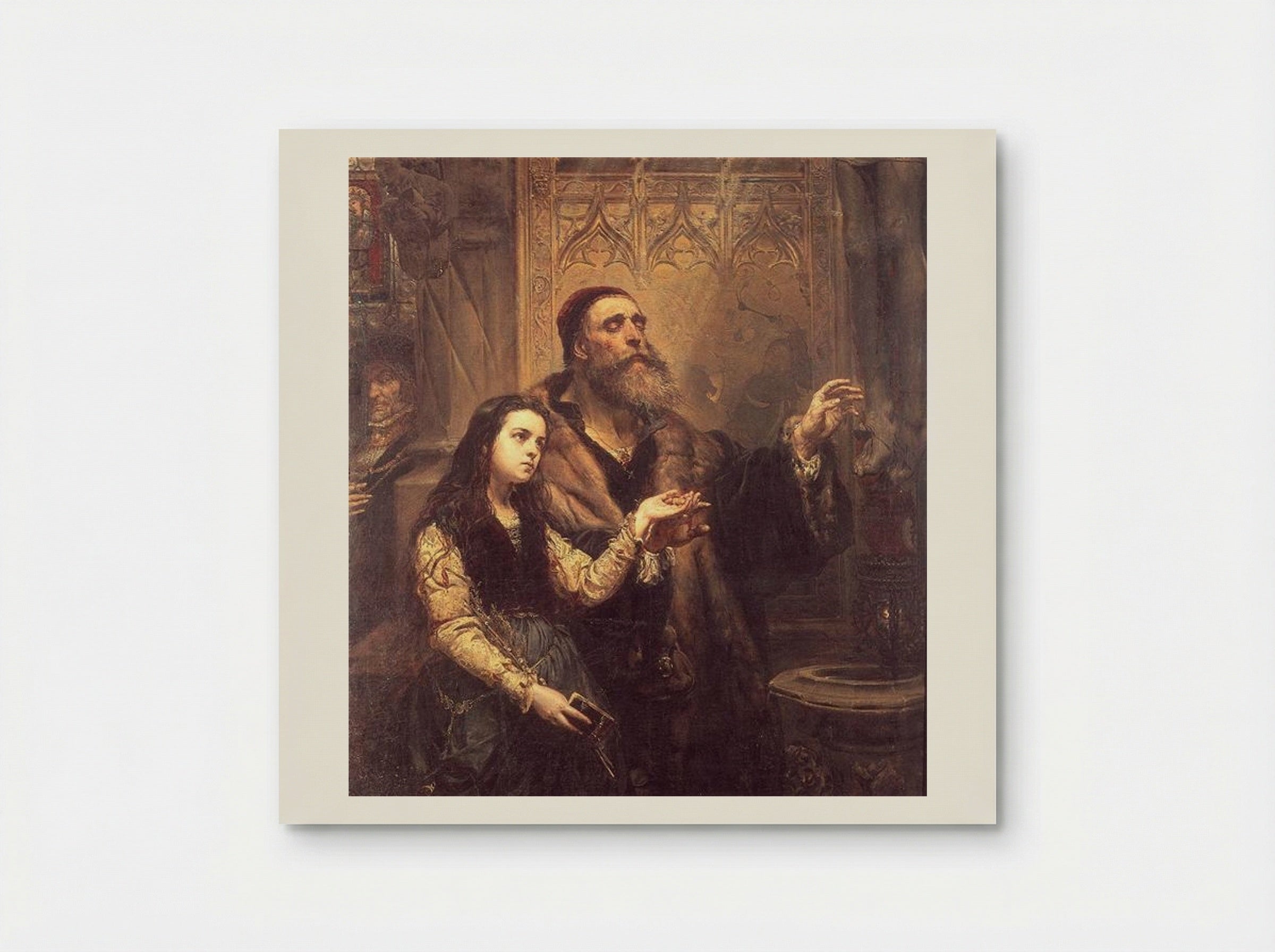 Blind Veit Stoss with Daughter - Jan Matejko
Print
Regular price From £37.00 GBPSale price From £37.00 GBP Regular price

Artist Biography
Jan Matejko
Nietzsche, tipping into psychosis in Turin in January 1889, sent Matejko an unsolicited letter. That a philosopher on the edge of madness would think to write to a Polish history painter says something about how far Matejko's reputation had travelled by the end of his life.
Matejko was born in Krakow in 1838 to a Czech father and a half-German, half-Polish mother. Despite being only one-quarter Polish by blood, his household was fiercely patriotic: Polish books, portraits of Polish heroes, and a brother who followed General Jozef Bem into the Hungarian Revolution of 1848 (and died in battle). He enrolled at the Krakow Academy of Fine Arts at fourteen, studying under Wojciech Stattler. He never mastered a foreign language and struggled even with Polish, which made the public appearances demanded of him throughout his career an ordeal.
His ambition was to paint Polish history on a monumental scale. Stanczyk (1862) showed the royal jester alone with the news of a military defeat, a painting that reads as an editorial cartoon stretched to the size of a wall. Battle of Grunwald (1878) and Rejtan (1866) followed, each canvas an argument about national identity dressed as historical spectacle. Wilhelm von Kaulbach's method of "historical symbolism", which prioritised interpretation over documentary accuracy, shaped Matejko's approach. His brother Franciszek, a historian at the Jagiellonian Library, fed him archival detail.
As director of the Krakow School of Fine Arts, he trained over eighty students. Maurycy Gottlieb, Jacek Malczewski, Jozef Mehoffer and Stanislaw Wyspianski all passed through his studio; several became leading figures in the Young Poland movement, earning Matejko the title "Father of Young Poland". In 1887 he attended the opening of Queen Jadwiga's sarcophagus to sketch her skull for a portrait. He died in 1893, aged fifty-five.
Matejko was born in Krakow in 1838 to a Czech father and a half-German, half-Polish mother. Despite being only one-quarter Polish by blood, his household was fiercely patriotic: Polish books, portraits of Polish heroes, and a brother who followed General Jozef Bem into the Hungarian Revolution of 1848 (and died in battle). He enrolled at the Krakow Academy of Fine Arts at fourteen, studying under Wojciech Stattler. He never mastered a foreign language and struggled even with Polish, which made the public appearances demanded of him throughout his career an ordeal.
His ambition was to paint Polish history on a monumental scale. Stanczyk (1862) showed the royal jester alone with the news of a military defeat, a painting that reads as an editorial cartoon stretched to the size of a wall. Battle of Grunwald (1878) and Rejtan (1866) followed, each canvas an argument about national identity dressed as historical spectacle. Wilhelm von Kaulbach's method of "historical symbolism", which prioritised interpretation over documentary accuracy, shaped Matejko's approach. His brother Franciszek, a historian at the Jagiellonian Library, fed him archival detail.
As director of the Krakow School of Fine Arts, he trained over eighty students. Maurycy Gottlieb, Jacek Malczewski, Jozef Mehoffer and Stanislaw Wyspianski all passed through his studio; several became leading figures in the Young Poland movement, earning Matejko the title "Father of Young Poland". In 1887 he attended the opening of Queen Jadwiga's sarcophagus to sketch her skull for a portrait. He died in 1893, aged fifty-five.



Why Choose Us ?