

Collection
James Mcneill Whistler
Explore curated art prints selected for distinctive homes and considered interiors.
Suggested filters
-

 Harmony in Blue and Silver: Beaching the Boat, Étretat - James Abbott McNeill Whistler
Print · Framed
Regular price From £28.00 GBPSale price From £28.00 GBP Regular price -

 The Storm, Sunset - James Abbott McNeill Whistler
Print · Framed
Regular price From £28.00 GBPSale price From £28.00 GBP Regular price -

 La Vieille aux Loques - James Abbott McNeill Whistler
Print · Framed
Regular price From £28.00 GBPSale price From £28.00 GBP Regular price -

 Green and Violet: Mrs. Walter Sickert - James Abbott McNeill Whistler
Print · Framed
Regular price From £28.00 GBPSale price From £28.00 GBP Regular price -

 Harmony in Grey and Peach Colour - James Abbott McNeill Whistler
Print · Framed
Regular price From £28.00 GBPSale price From £28.00 GBP Regular price -
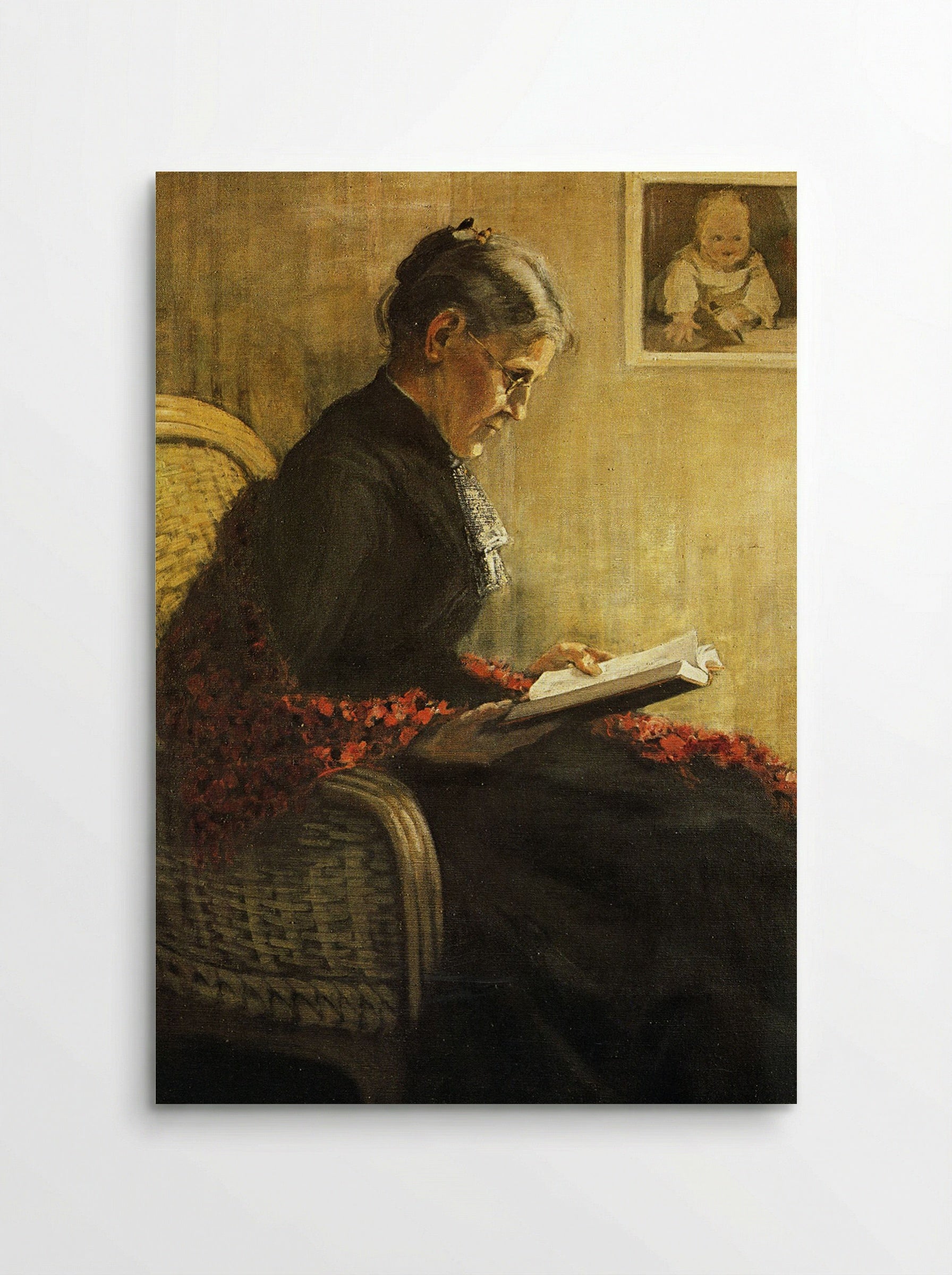
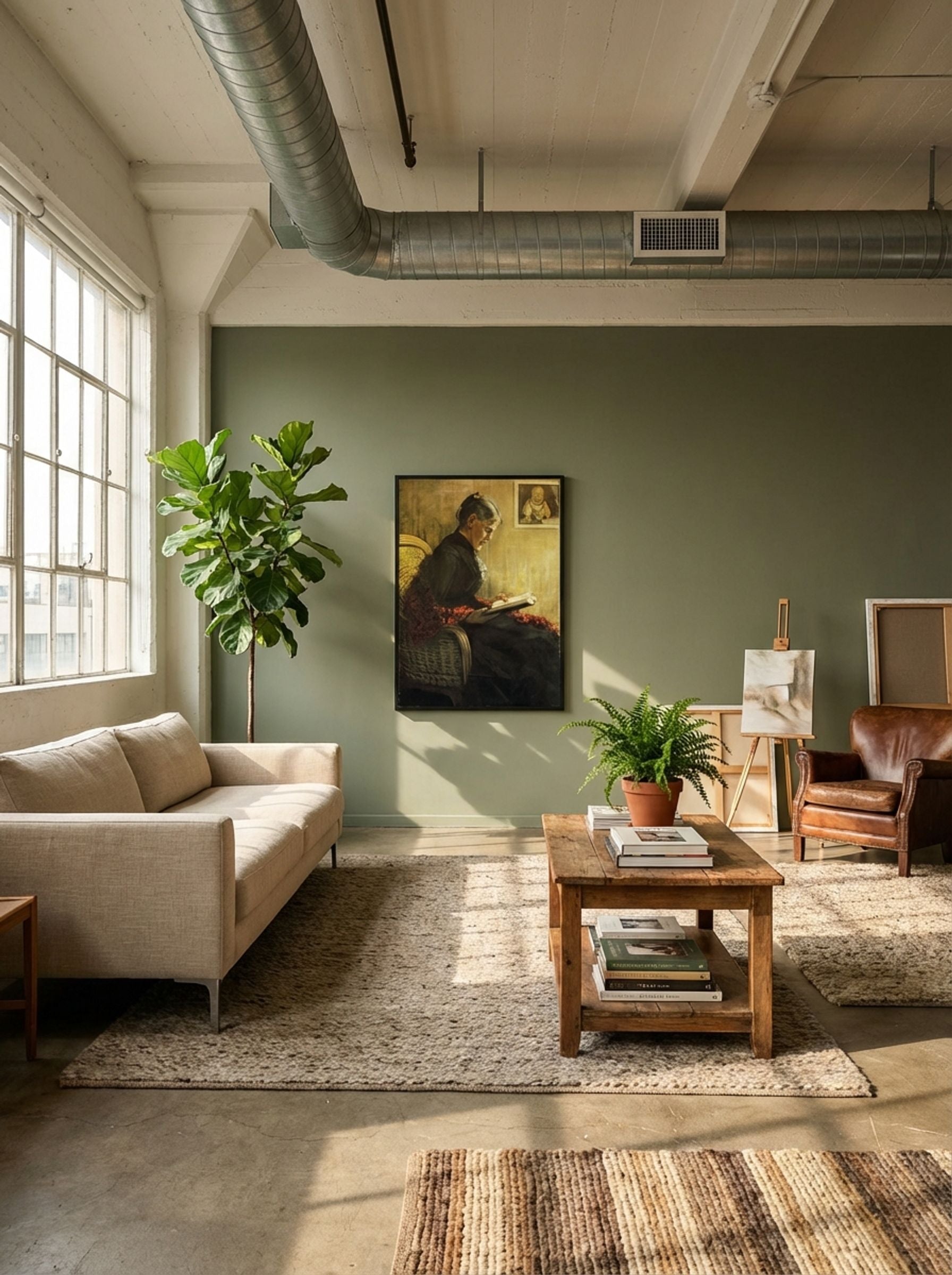 Arrangement in Grey and Black, Portrait of the Artist's Mother - James Abbott McNeill Whistler
Print · Framed · Canvas
Regular price From £28.00 GBPSale price From £28.00 GBP Regular price -

 Nocturne in Grey and Gold: Chelsea Snow - James Abbott McNeill Whistler
Print · Framed · Canvas
Regular price From £28.00 GBPSale price From £28.00 GBP Regular price -

 Little Arthur - James McNeill Whistler
Print · Framed · Canvas
Regular price From £28.00 GBPSale price From £28.00 GBP Regular price -

 Thames Police - James McNeill Whistler
Print · Framed · Canvas
Regular price From £28.00 GBPSale price From £28.00 GBP Regular price -

 La Vieille aux Loques - James McNeill Whistler
Print · Framed · Canvas
Regular price From £28.00 GBPSale price From £28.00 GBP Regular price -

 Little Velvet Dress - James McNeill Whistler
Print · Framed · Canvas
Regular price From £28.00 GBPSale price From £28.00 GBP Regular price -

 Rue des Bons Enfants, Tours - James McNeill Whistler
Print · Framed · Canvas
Regular price From £28.00 GBPSale price From £28.00 GBP Regular price -

 La Marchande de Moutarde - James McNeill Whistler
Print · Framed · Canvas
Regular price From £28.00 GBPSale price From £28.00 GBP Regular price -

 The Unsafe Tenement - James McNeill Whistler
Print · Framed · Canvas
Regular price From £28.00 GBPSale price From £28.00 GBP Regular price -

 Early Morning: The Thames at Battersea - James McNeill Whistler
Print · Framed · Canvas
Regular price From £28.00 GBPSale price From £28.00 GBP Regular price -

 Becquet - James McNeill Whistler
Print · Framed · Canvas
Regular price From £28.00 GBPSale price From £28.00 GBP Regular price -

 The Little Pool - James McNeill Whistler
Print · Framed · Canvas
Regular price From £28.00 GBPSale price From £28.00 GBP Regular price -

 Annie Haden - James McNeill Whistler
Print · Framed · Canvas
Regular price From £28.00 GBPSale price From £28.00 GBP Regular price -

 La Belle Irlandaise - James McNeill Whistler
Print · Framed · Canvas
Regular price From £28.00 GBPSale price From £28.00 GBP Regular price -

 La Mère Gérard - James McNeill Whistler
Print · Framed · Canvas
Regular price From £28.00 GBPSale price From £28.00 GBP Regular price -

 Greenwich Pensioner - James McNeill Whistler
Print · Framed · Canvas
Regular price From £28.00 GBPSale price From £28.00 GBP Regular price -

 The Violin Player - James McNeill Whistler
Print · Framed · Canvas
Regular price From £28.00 GBPSale price From £28.00 GBP Regular price -

 La Salute: Dawn - James McNeill Whistler
Print · Framed · Canvas
Regular price From £28.00 GBPSale price From £28.00 GBP Regular price -

 Street at Saverne - James McNeill Whistler
Print · Framed · Canvas
Regular price From £28.00 GBPSale price From £28.00 GBP Regular price


Artist Biography
James Mcneill Whistler
Whistler was expelled from West Point for failing his chemistry exam. Asked to discuss silicon, he opened by calling it a gas. He later said: had silicon been a gas, I would have been a major general. He had accumulated demerits for keeping his hair longer than allowed and talking back to instructors. He appealed the expulsion all the way to the superintendent, Robert E. Lee. Lee declined.
He was born in 1834 in Lowell, Massachusetts. His father, a civil engineer, took the family to St Petersburg to advise on the railroad to Moscow. The young Whistler took drawing classes at the Imperial Academy of Sciences. After the West Point disaster, he briefly worked for the US Coast and Geodetic Survey, learning the etching techniques he would use for the rest of his career, then left for Paris. He never lived in America again.
The painting everyone knows as Whistler's Mother is actually called Arrangement in Grey and Black No. 1. He named his works with musical terms (Nocturnes, Arrangements, Harmonies, Symphonies) to insist that painting was about tonal composition, not subject matter. The painting of his mother was about grey and black. That it also depicted his mother was, in principle, secondary.
In 1877, John Ruskin reviewed his Nocturne in Black and Gold: The Falling Rocket and wrote that he never expected to hear a coxcomb ask two hundred guineas for flinging a pot of paint in the public's face. Whistler sued for libel. The case was heard over two days in November 1878. He won, and was awarded damages of one farthing, the least valuable coin in the realm. The legal costs bankrupted him.
He signed his work with a butterfly. It started as a monogram inspired by the potter's marks on Chinese ceramics he collected, gradually evolving into an abstract butterfly shape. Around 1880, he added a stinger to it, representing both the delicate and the combative sides of his personality. The Peacock Room, his masterpiece of decorative art, extended his obsession with total harmony from a single painting to an entire architectural space.
He was born in 1834 in Lowell, Massachusetts. His father, a civil engineer, took the family to St Petersburg to advise on the railroad to Moscow. The young Whistler took drawing classes at the Imperial Academy of Sciences. After the West Point disaster, he briefly worked for the US Coast and Geodetic Survey, learning the etching techniques he would use for the rest of his career, then left for Paris. He never lived in America again.
The painting everyone knows as Whistler's Mother is actually called Arrangement in Grey and Black No. 1. He named his works with musical terms (Nocturnes, Arrangements, Harmonies, Symphonies) to insist that painting was about tonal composition, not subject matter. The painting of his mother was about grey and black. That it also depicted his mother was, in principle, secondary.
In 1877, John Ruskin reviewed his Nocturne in Black and Gold: The Falling Rocket and wrote that he never expected to hear a coxcomb ask two hundred guineas for flinging a pot of paint in the public's face. Whistler sued for libel. The case was heard over two days in November 1878. He won, and was awarded damages of one farthing, the least valuable coin in the realm. The legal costs bankrupted him.
He signed his work with a butterfly. It started as a monogram inspired by the potter's marks on Chinese ceramics he collected, gradually evolving into an abstract butterfly shape. Around 1880, he added a stinger to it, representing both the delicate and the combative sides of his personality. The Peacock Room, his masterpiece of decorative art, extended his obsession with total harmony from a single painting to an entire architectural space.
Related Artists


Why Choose Us ?