

Collection
Giovanni Boldini
Explore curated art prints selected for distinctive homes and considered interiors.
Suggested filters
-

 Madame Pages In Evening Dress - Giovanni Boldini
Print · Framed
Regular price From £28.00 GBPSale price From £28.00 GBP Regular price -
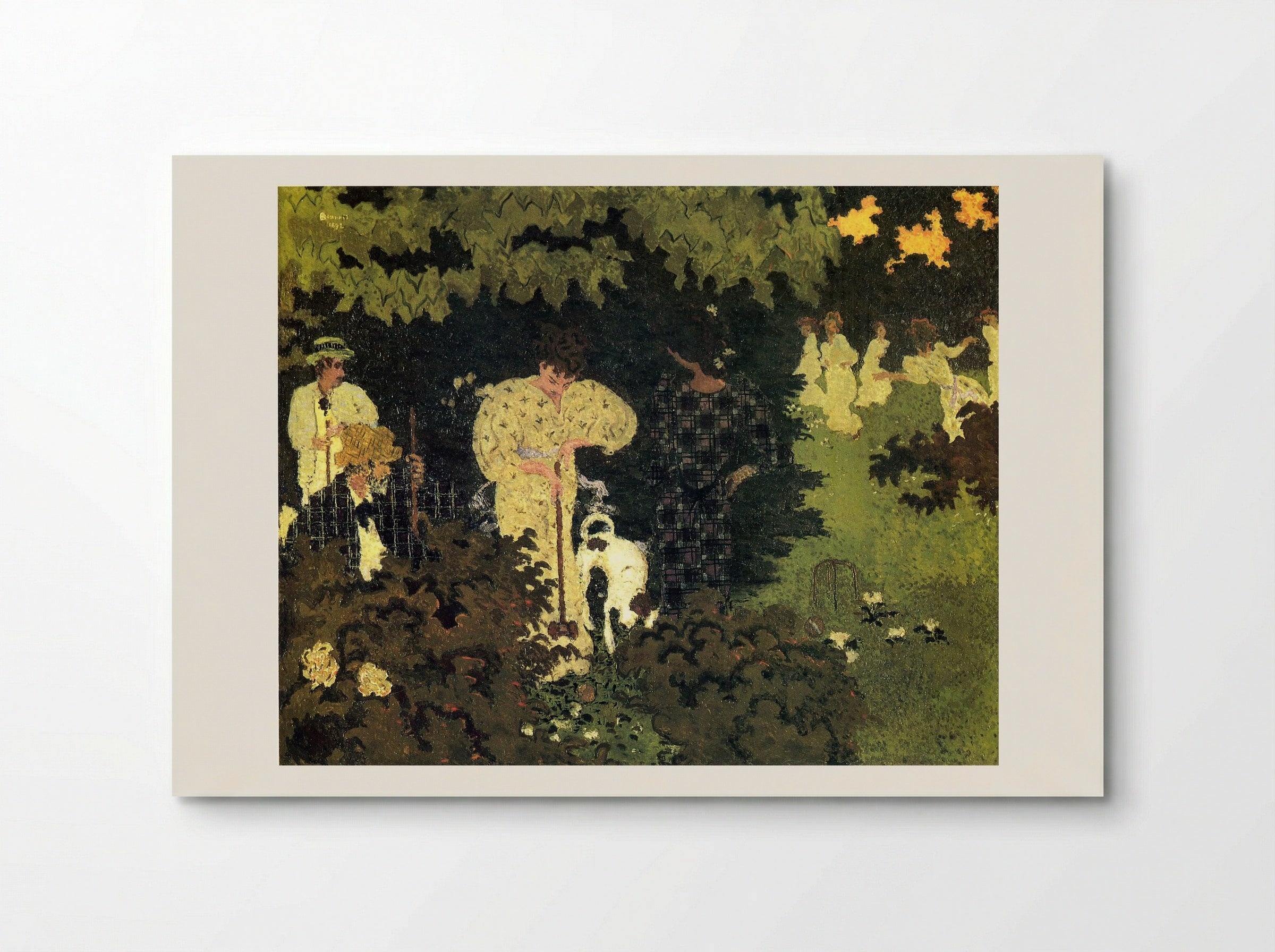
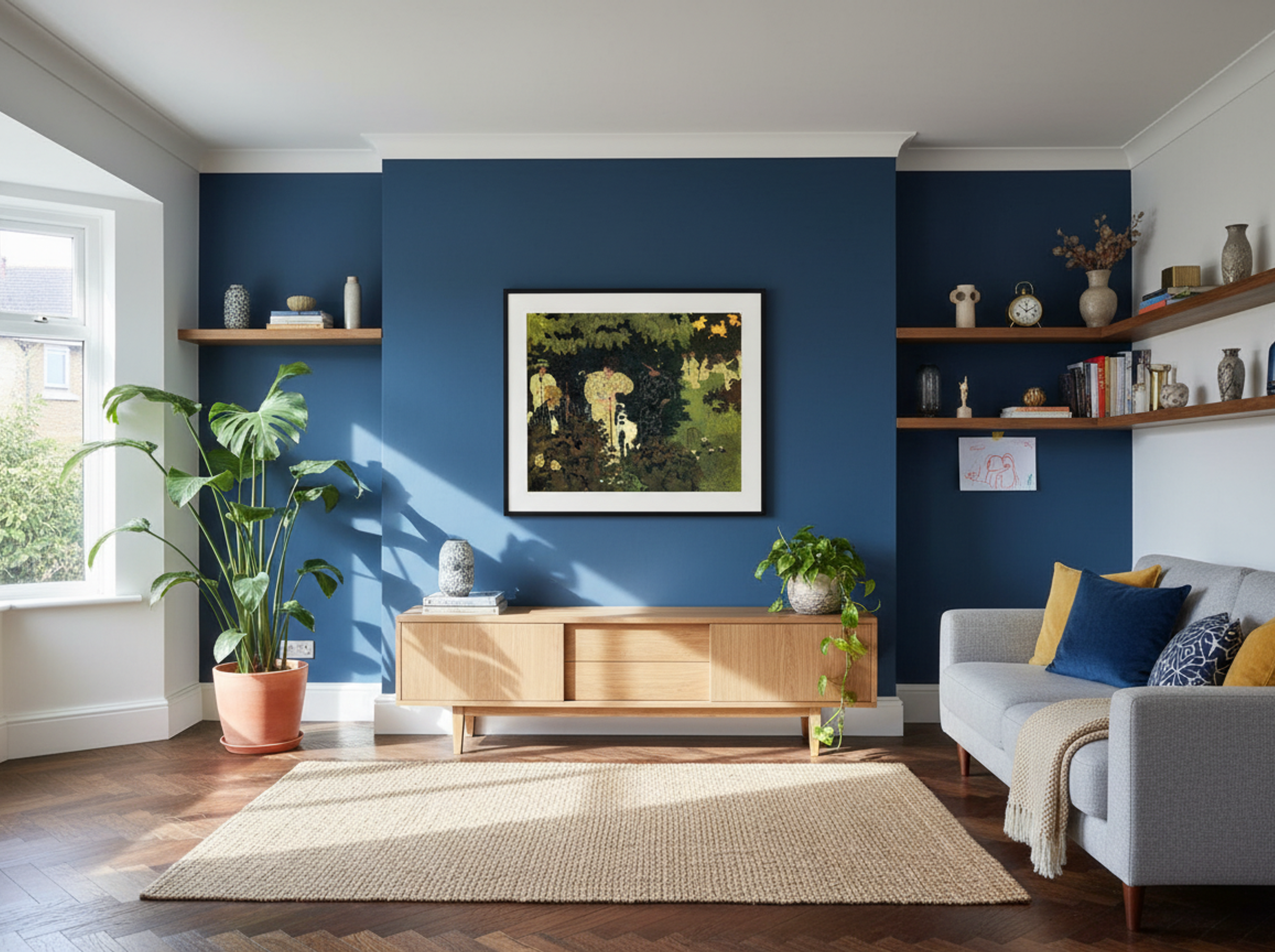 Dusk, or A Round of Croquet - Giovanni Boldini
Print · Framed · Canvas
Regular price From £28.00 GBPSale price From £28.00 GBP Regular price -

 Peaceful Days - Giovanni Boldini
Print · Framed · Canvas
Regular price From £28.00 GBPSale price From £28.00 GBP Regular price -
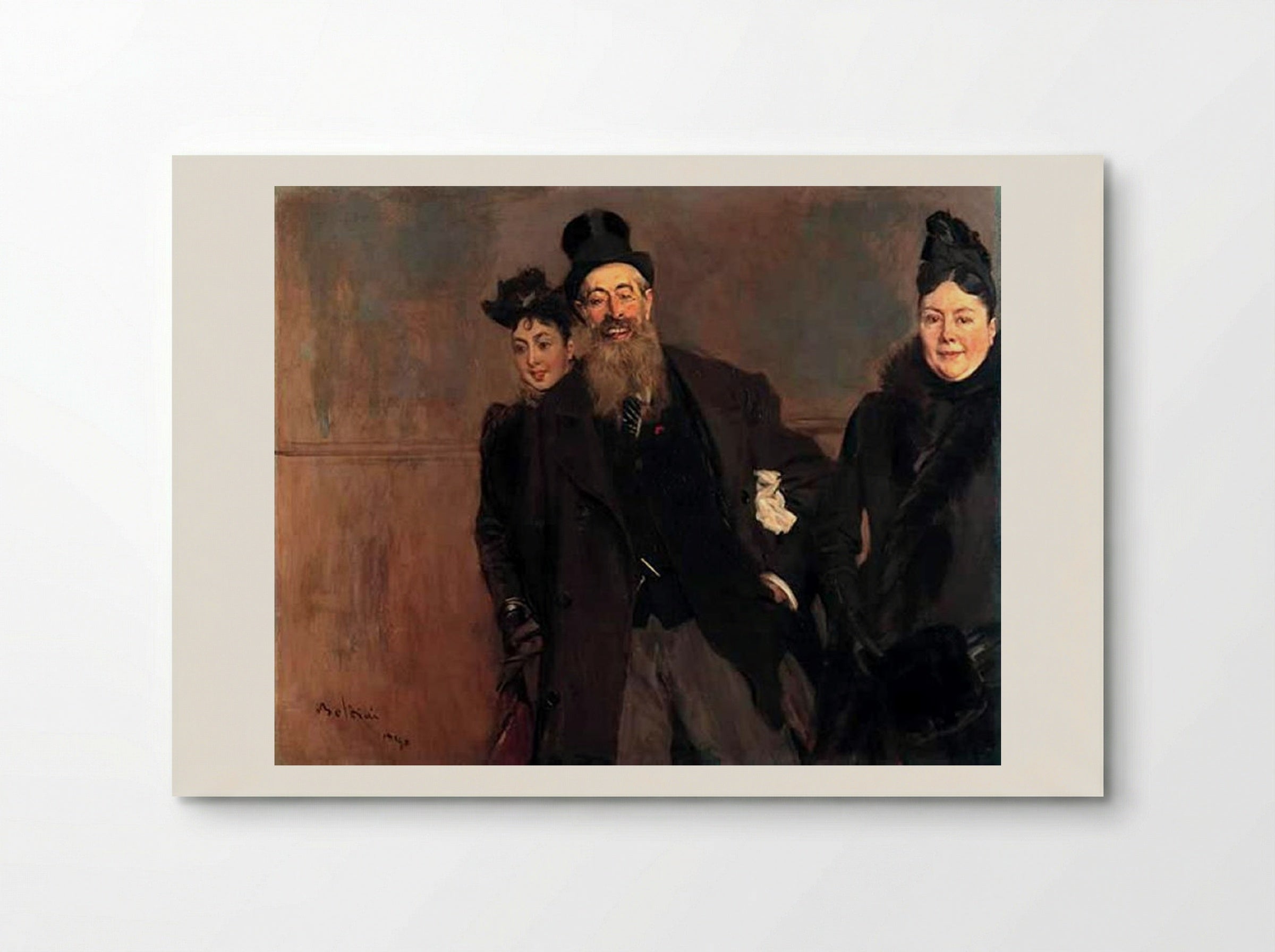
 John Lewis Brown with Wife and Daughter - Giovanni Boldini
Print · Framed · Canvas
Regular price From £28.00 GBPSale price From £28.00 GBP Regular price -
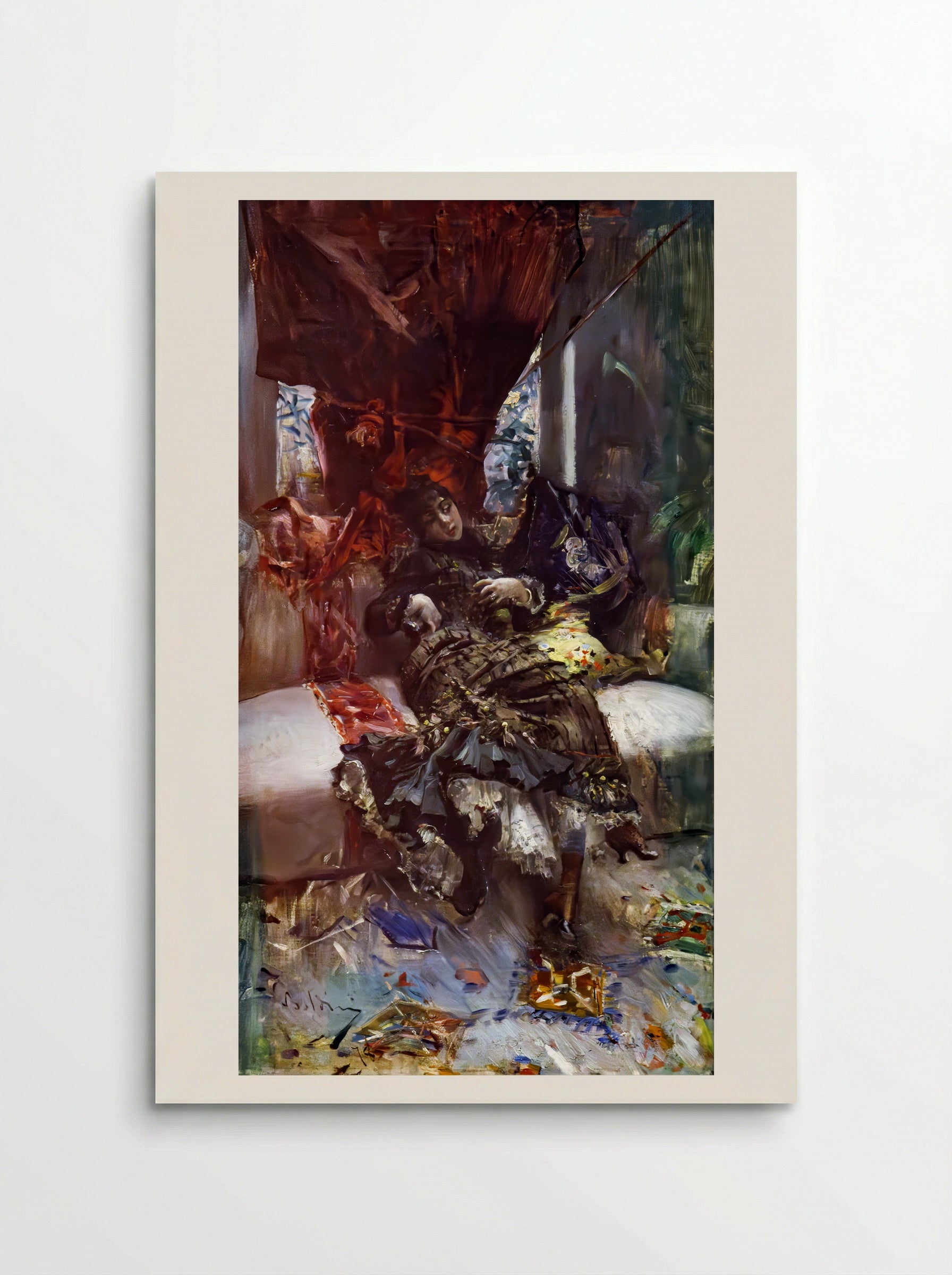 In the Studio - Giovanni Boldini
Print
Regular price From £28.00 GBPSale price From £28.00 GBP Regular price -
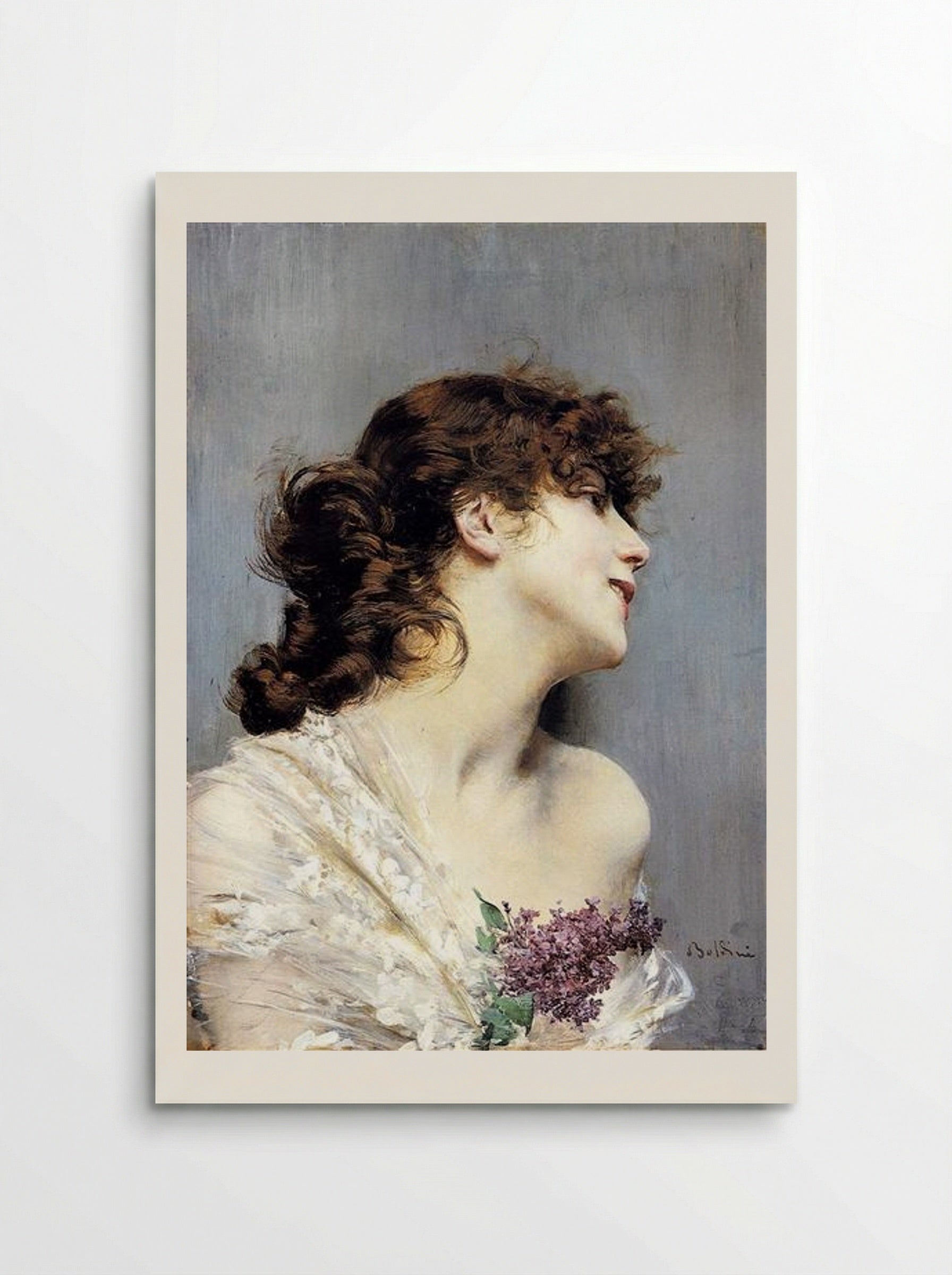 Profile of a Young Woman - Giovanni Boldini
Print
Regular price From £28.00 GBPSale price From £28.00 GBP Regular price -
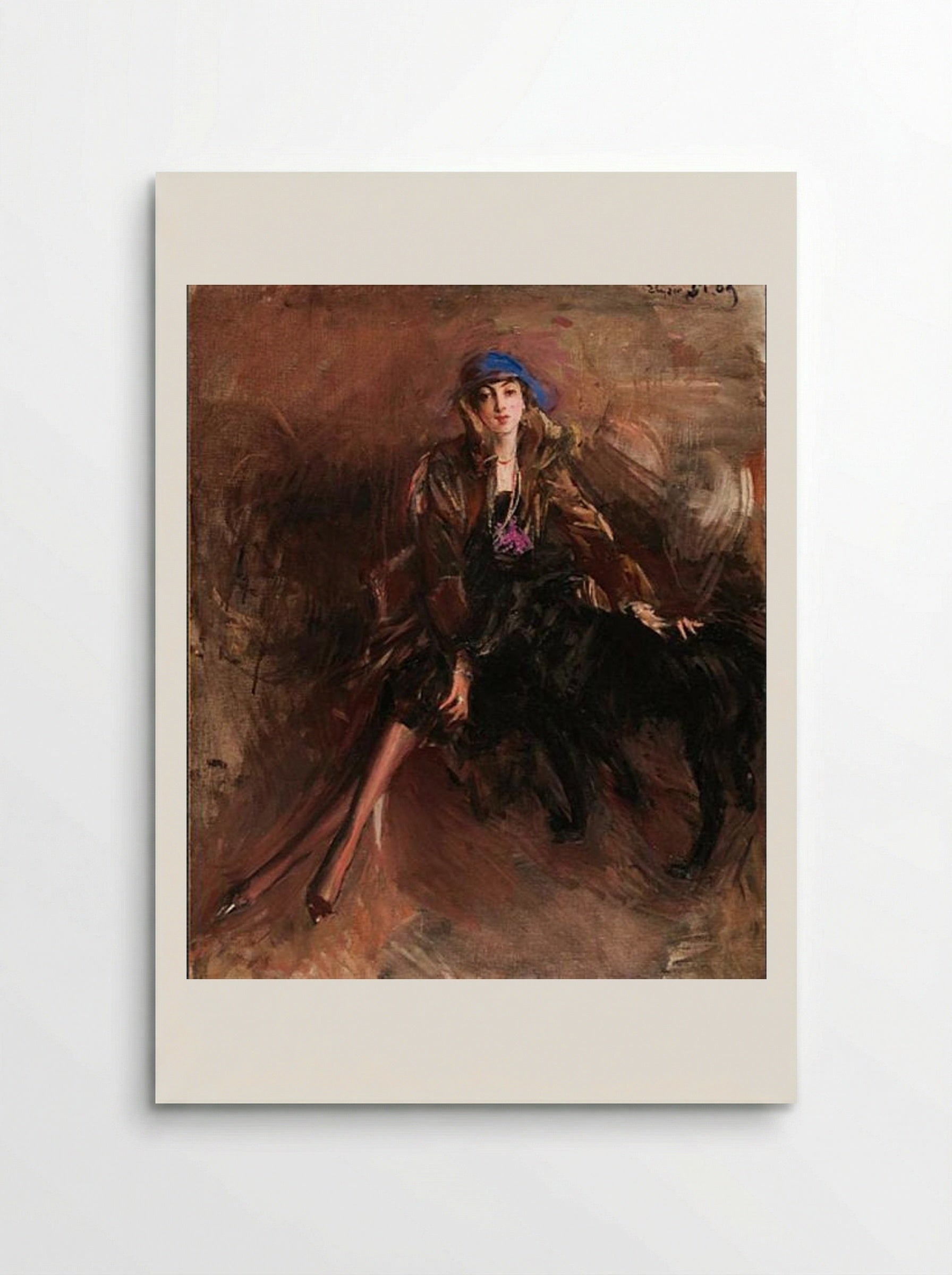 Lady with Black Greyhound - Giovanni Boldini
Print
Regular price From £28.00 GBPSale price From £28.00 GBP Regular price -
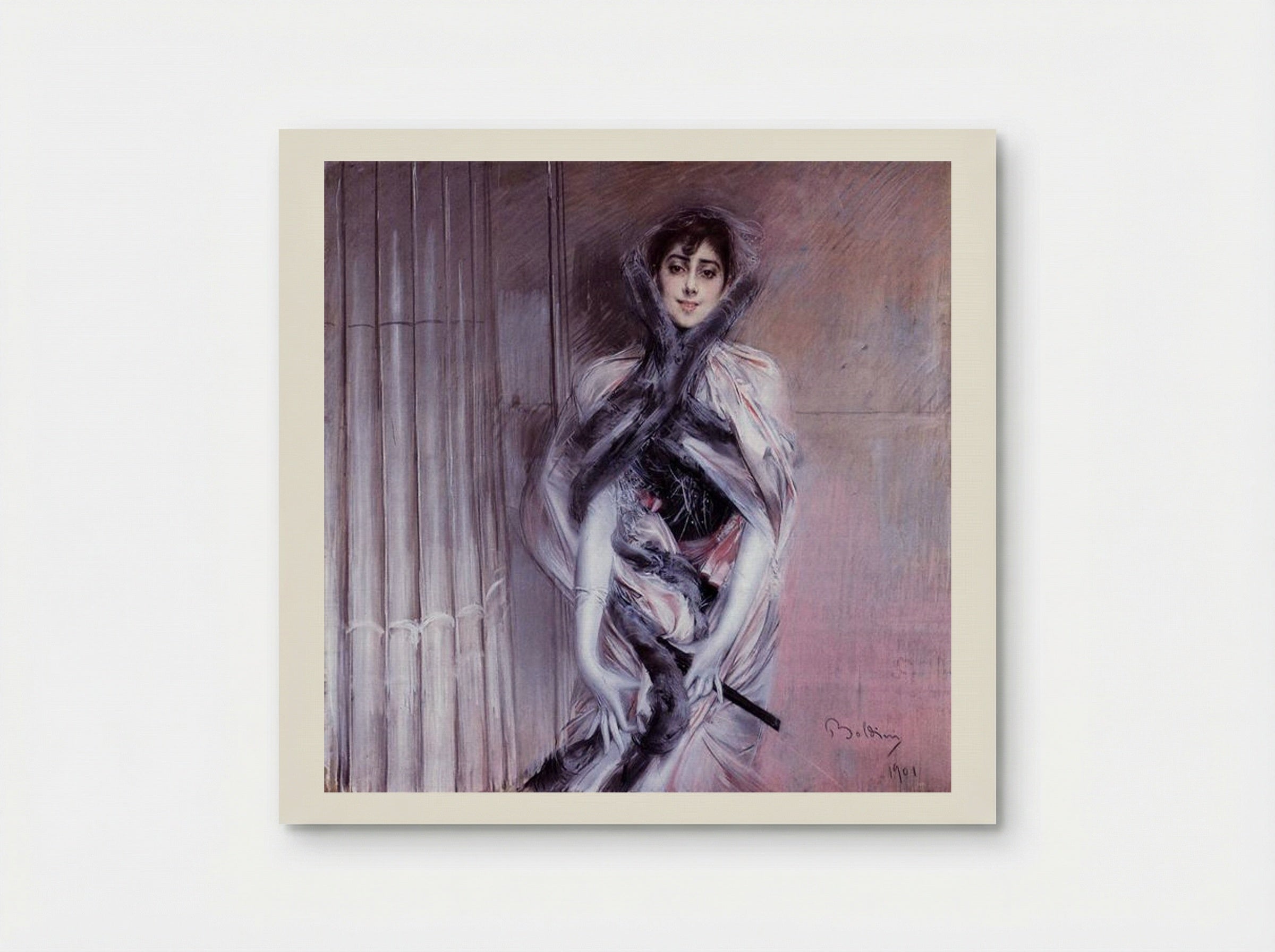 Emiliana Concha de Ossa - Giovanni Boldini
Print
Regular price From £37.00 GBPSale price From £37.00 GBP Regular price -
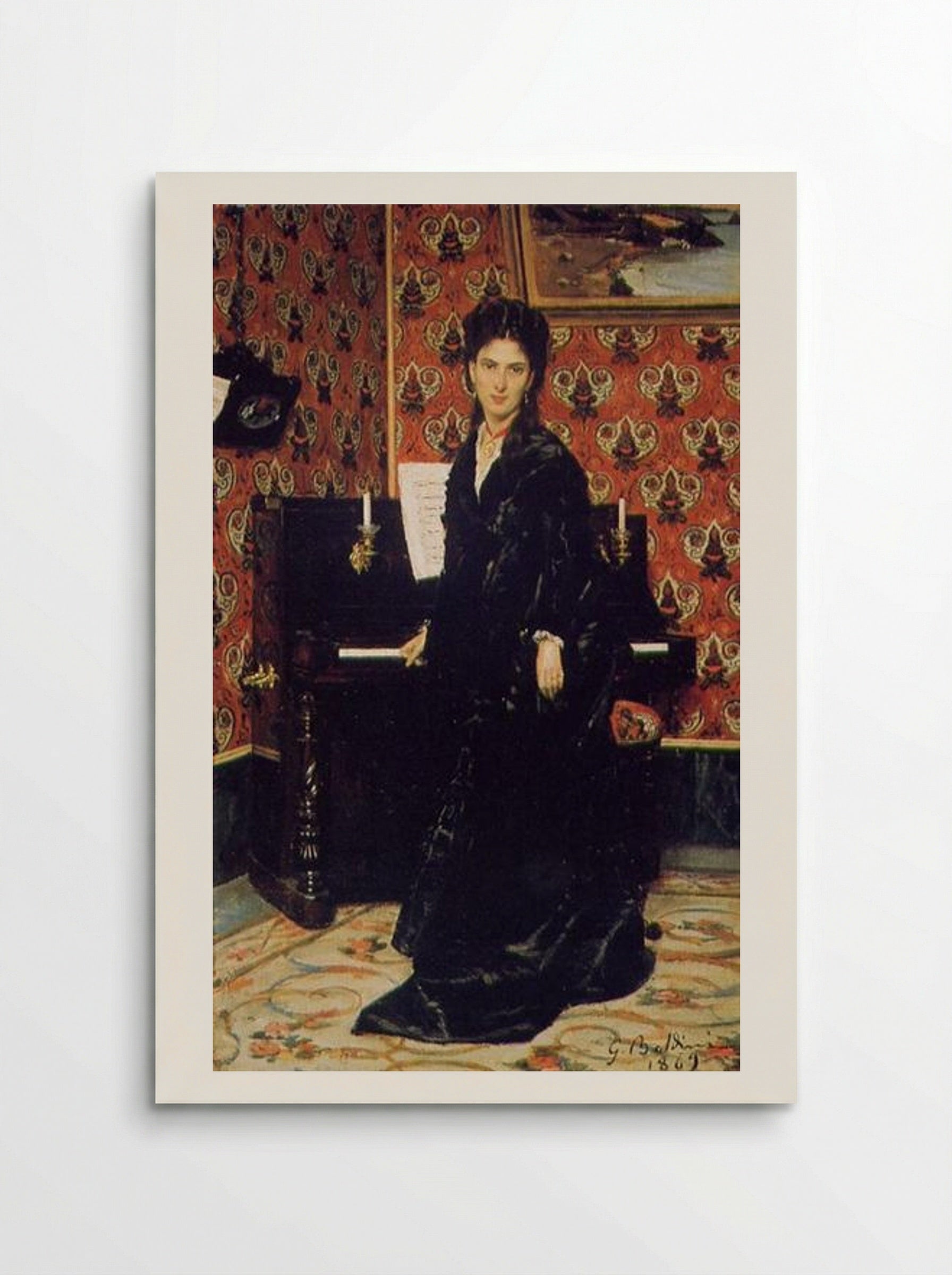 Portrait of Mary Donegan - Giovanni Boldini
Print
Regular price From £28.00 GBPSale price From £28.00 GBP Regular price -
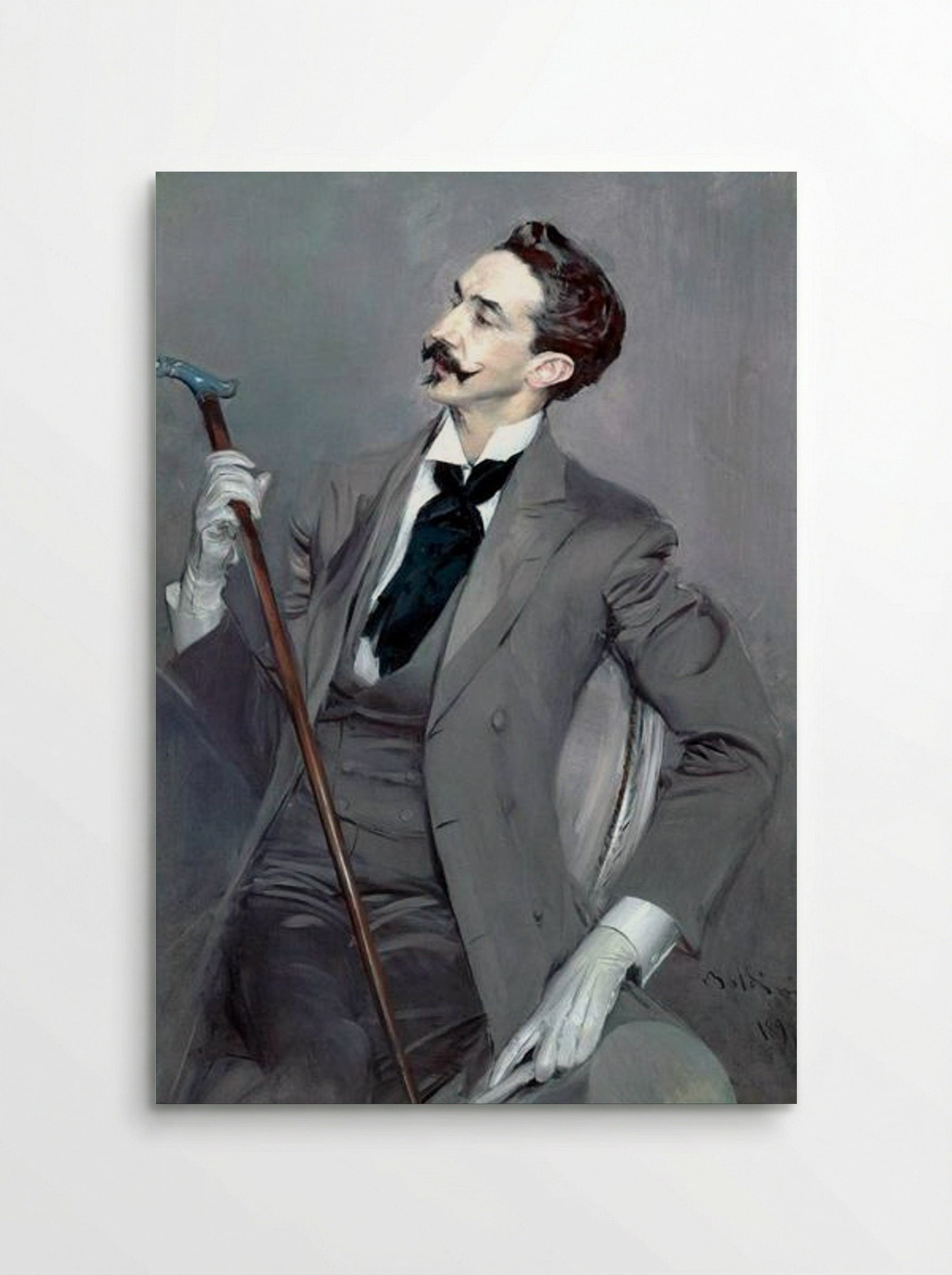 Count Robert de Montesquiou - Giovanni Boldini
Print
Regular price From £28.00 GBPSale price From £28.00 GBP Regular price -
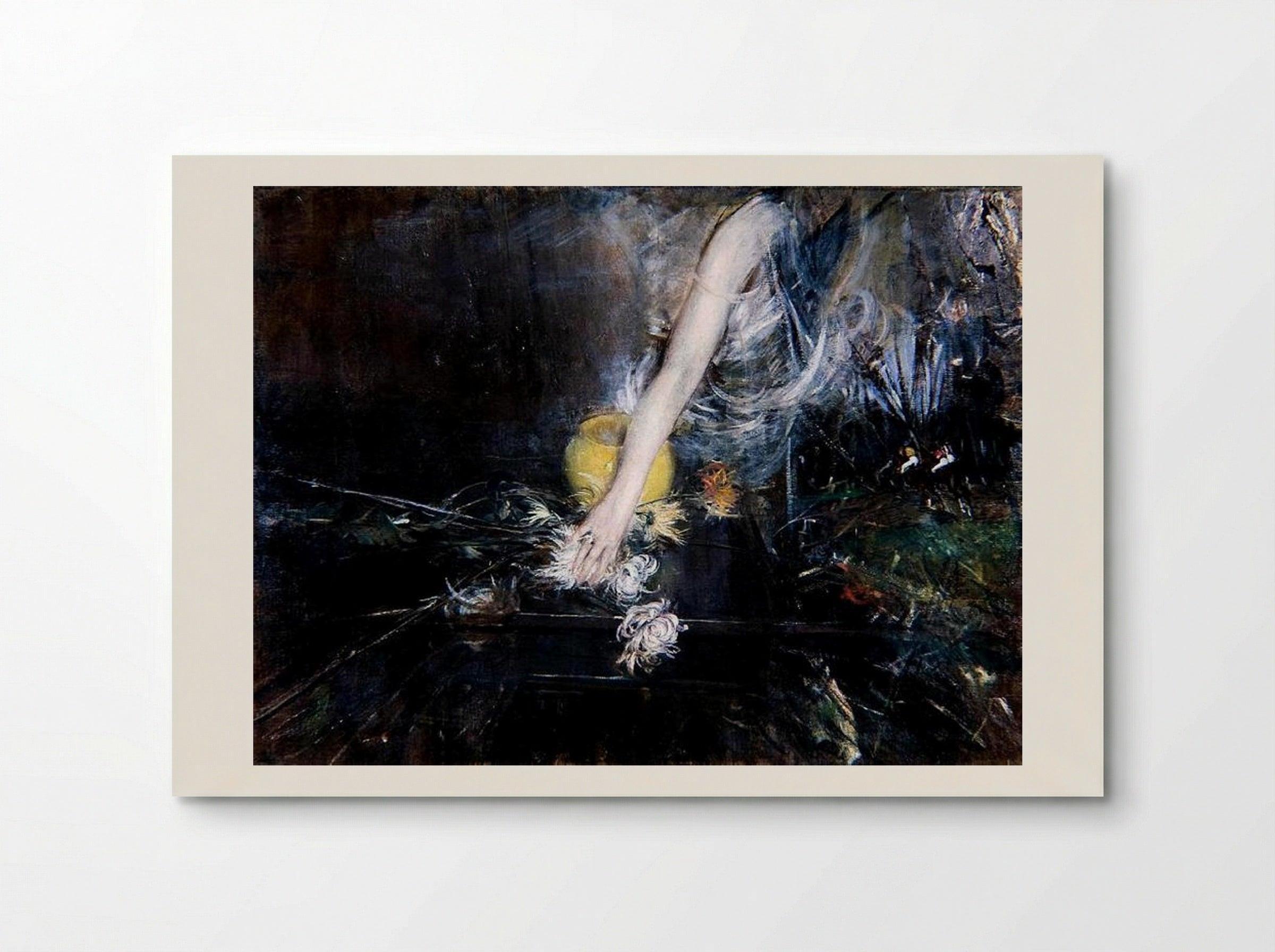 Arm with Vase of Flowers - Giovanni Boldini
Print
Regular price From £28.00 GBPSale price From £28.00 GBP Regular price -
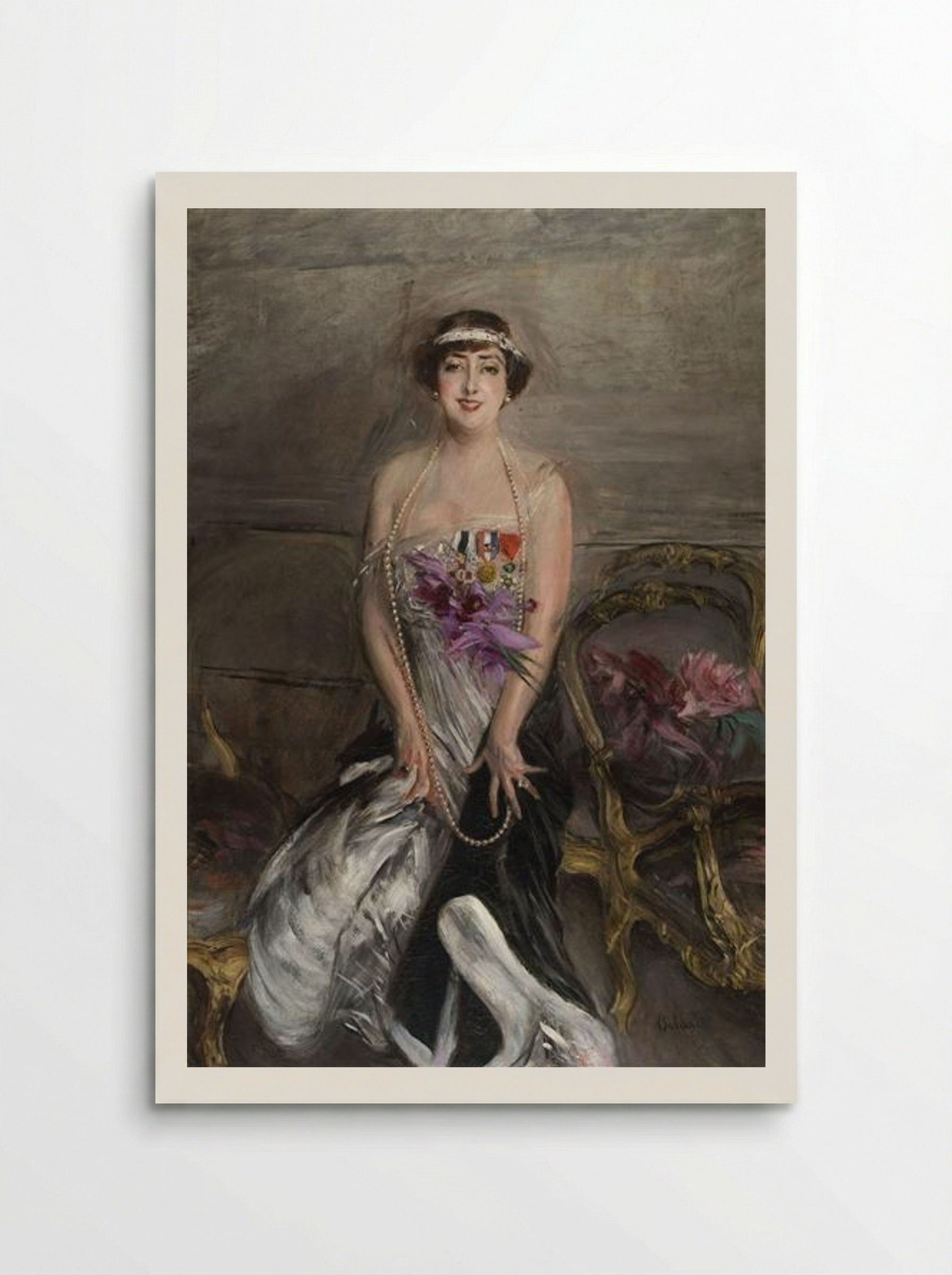 Madame Michelham - Giovanni Boldini
Print
Regular price From £28.00 GBPSale price From £28.00 GBP Regular price -
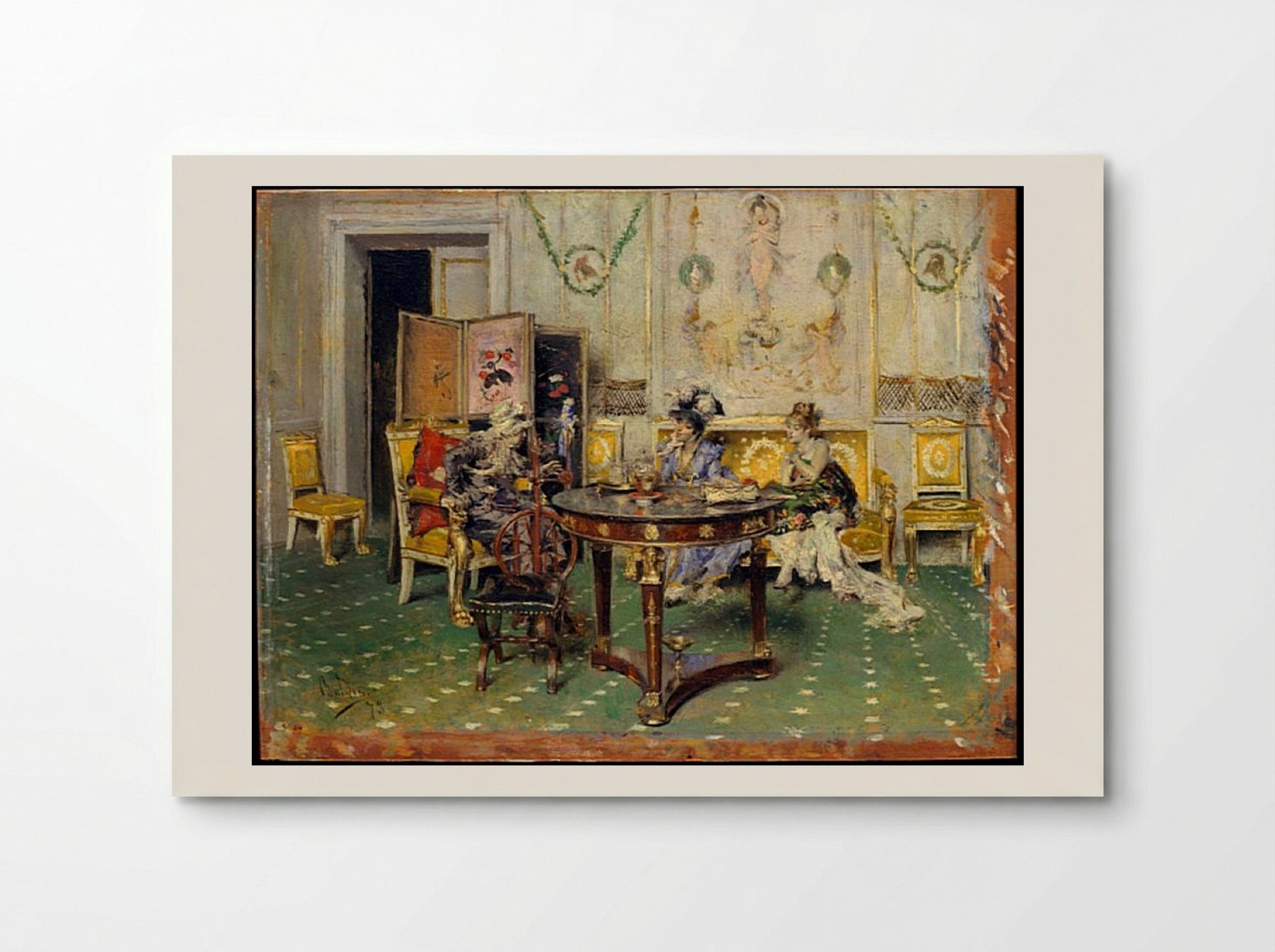 Gossip - Giovanni Boldini
Print
Regular price From £28.00 GBPSale price From £28.00 GBP Regular price -
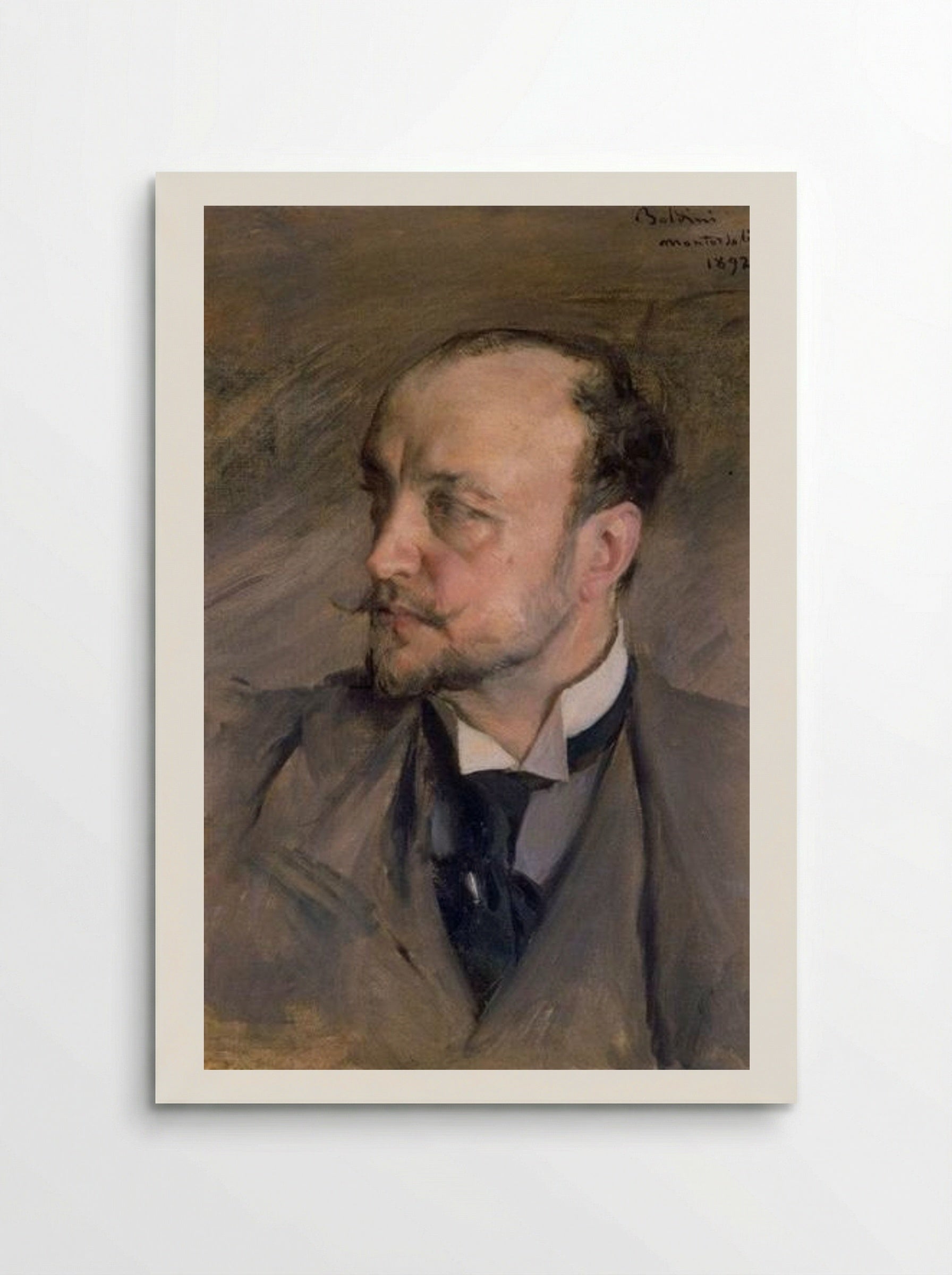 Self Portrait - Giovanni Boldini
Print
Regular price From £28.00 GBPSale price From £28.00 GBP Regular price -
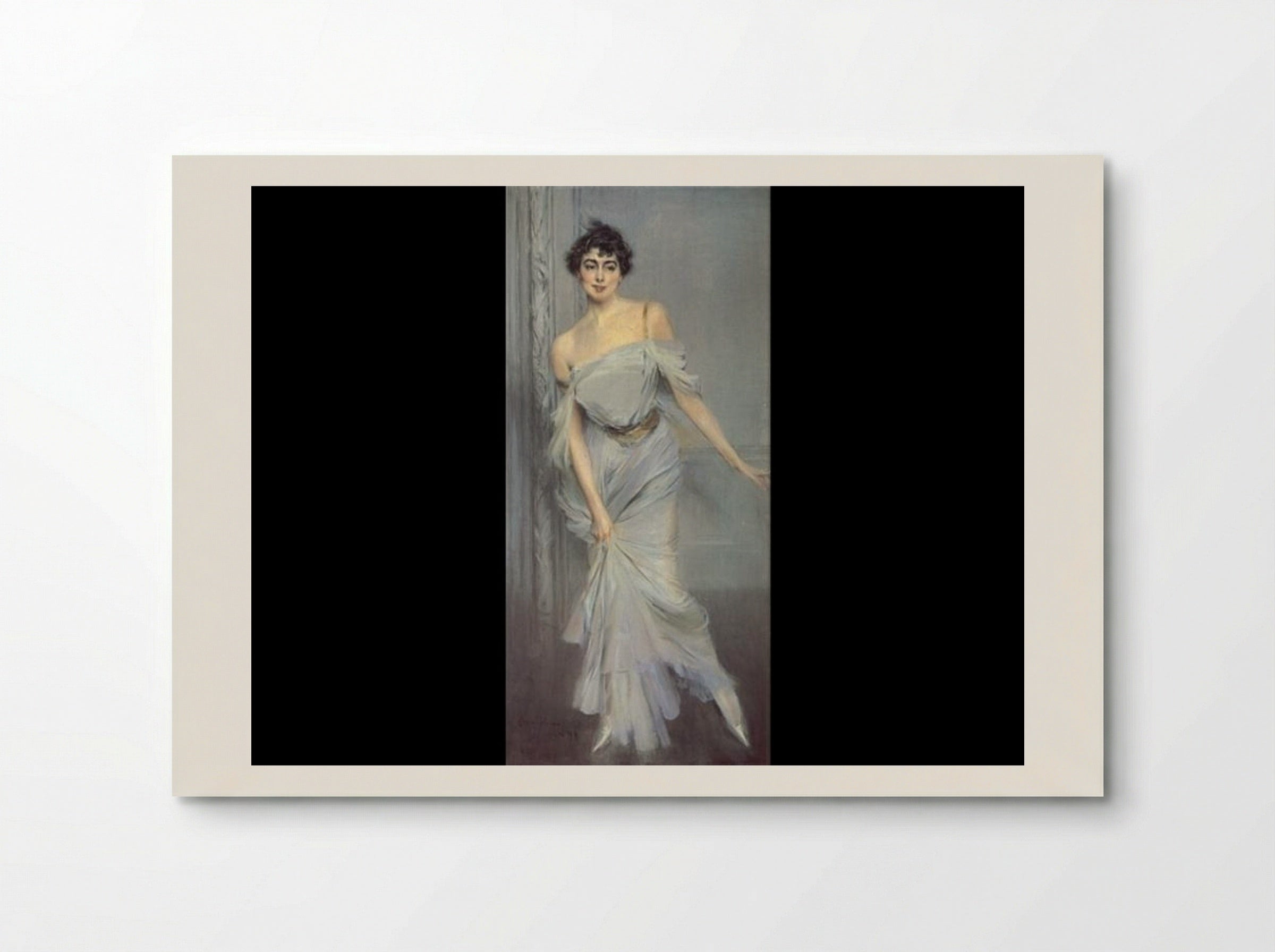 Madame Charles Max - Giovanni Boldini
Print
Regular price From £28.00 GBPSale price From £28.00 GBP Regular price -
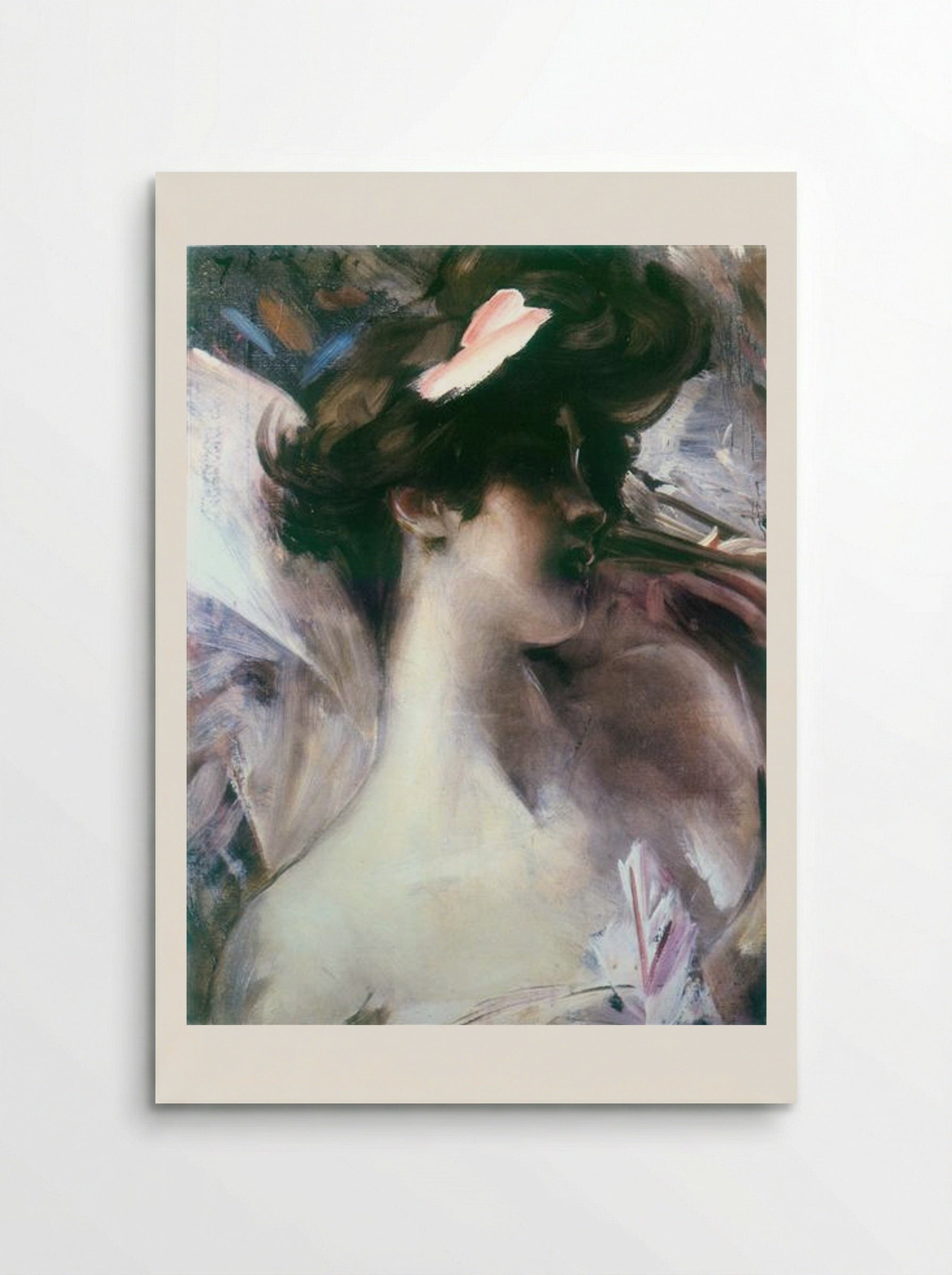 Young Woman's Head on a Pink Background - Giovanni Boldini
Print
Regular price From £28.00 GBPSale price From £28.00 GBP Regular price -
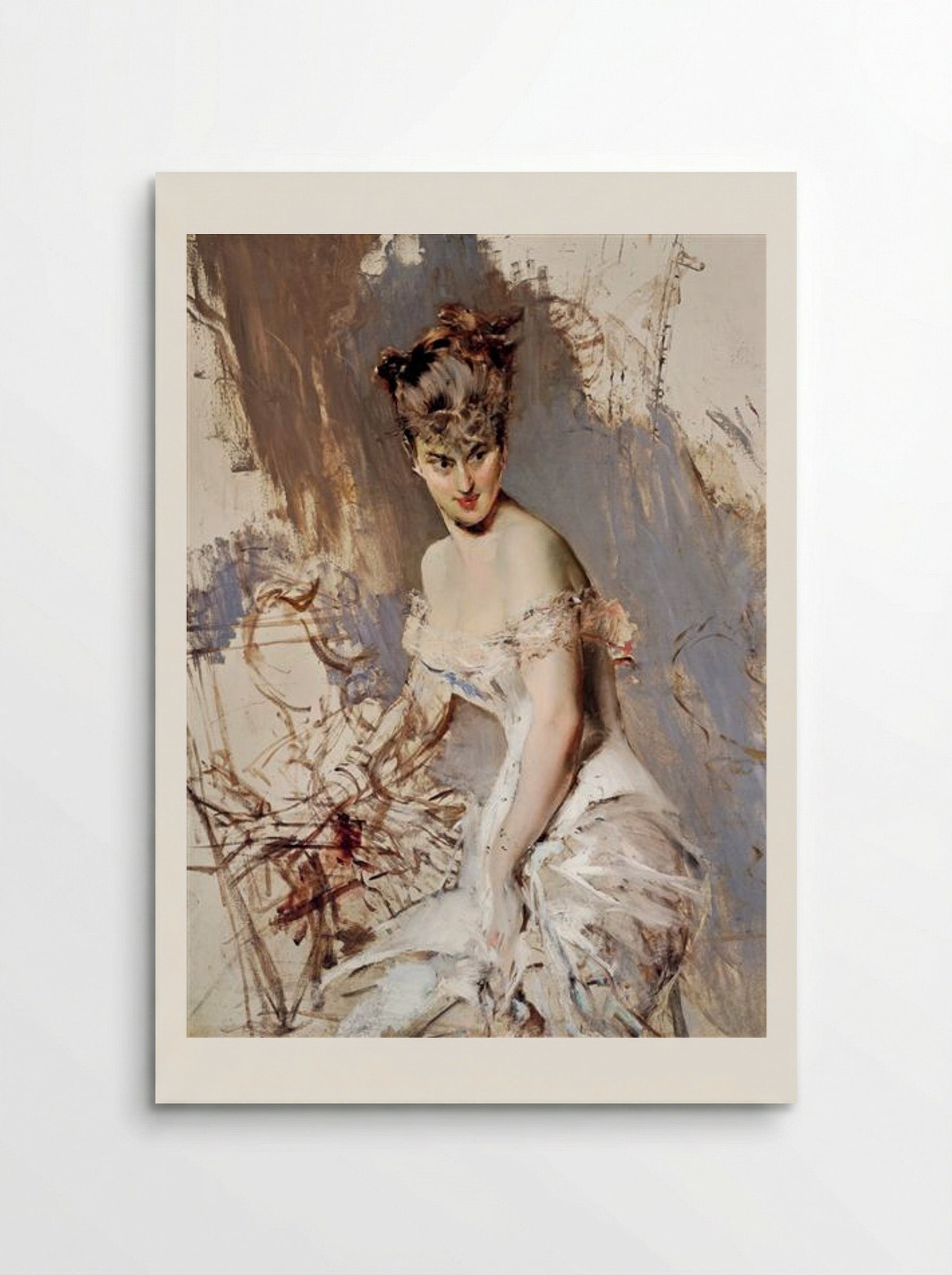 Portrait of Alice Regnault - Giovanni Boldini
Print
Regular price From £28.00 GBPSale price From £28.00 GBP Regular price -
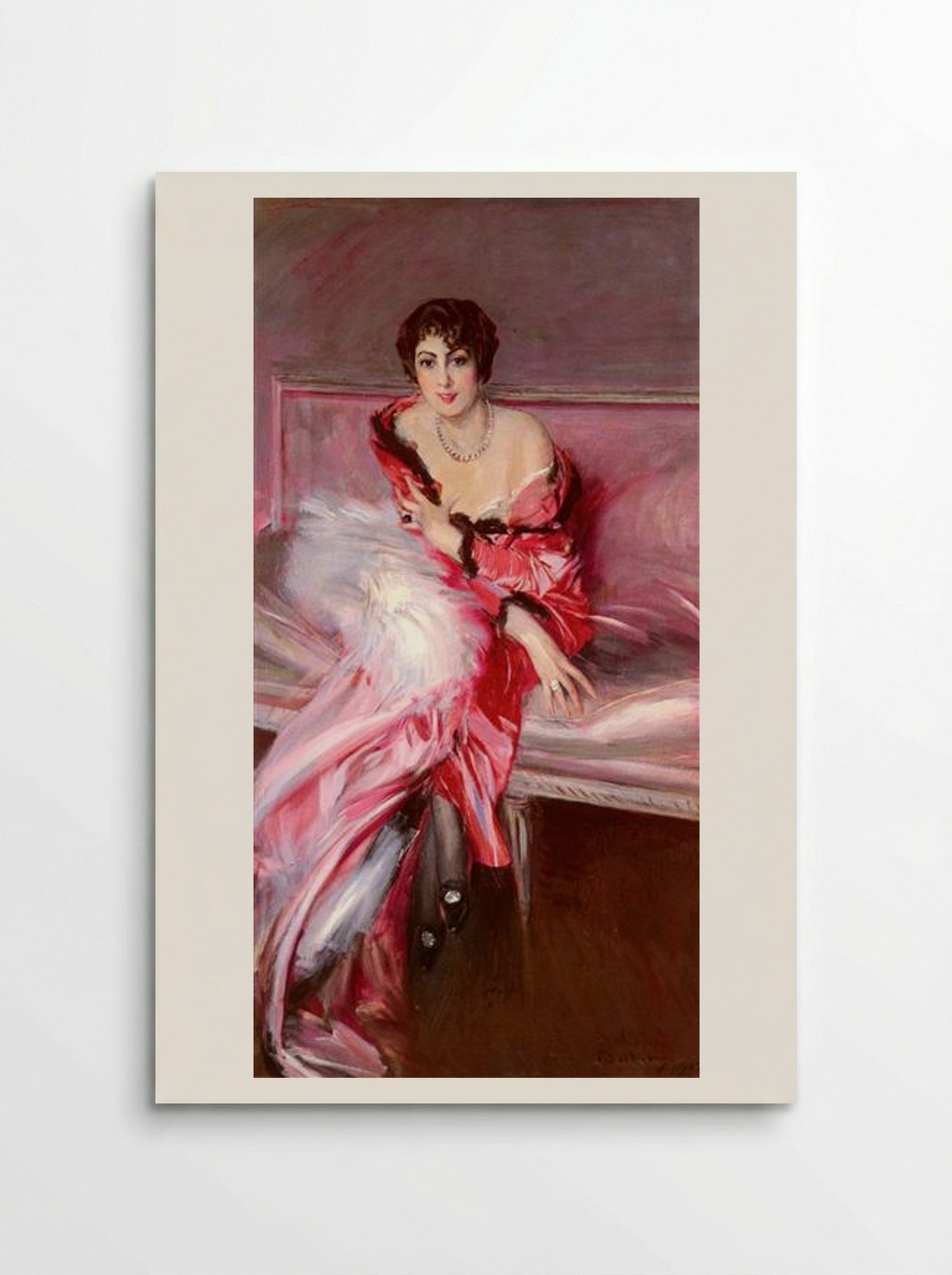 Portrait Of Madame Juillard In Red - Giovanni Boldini
Print
Regular price From £28.00 GBPSale price From £28.00 GBP Regular price -
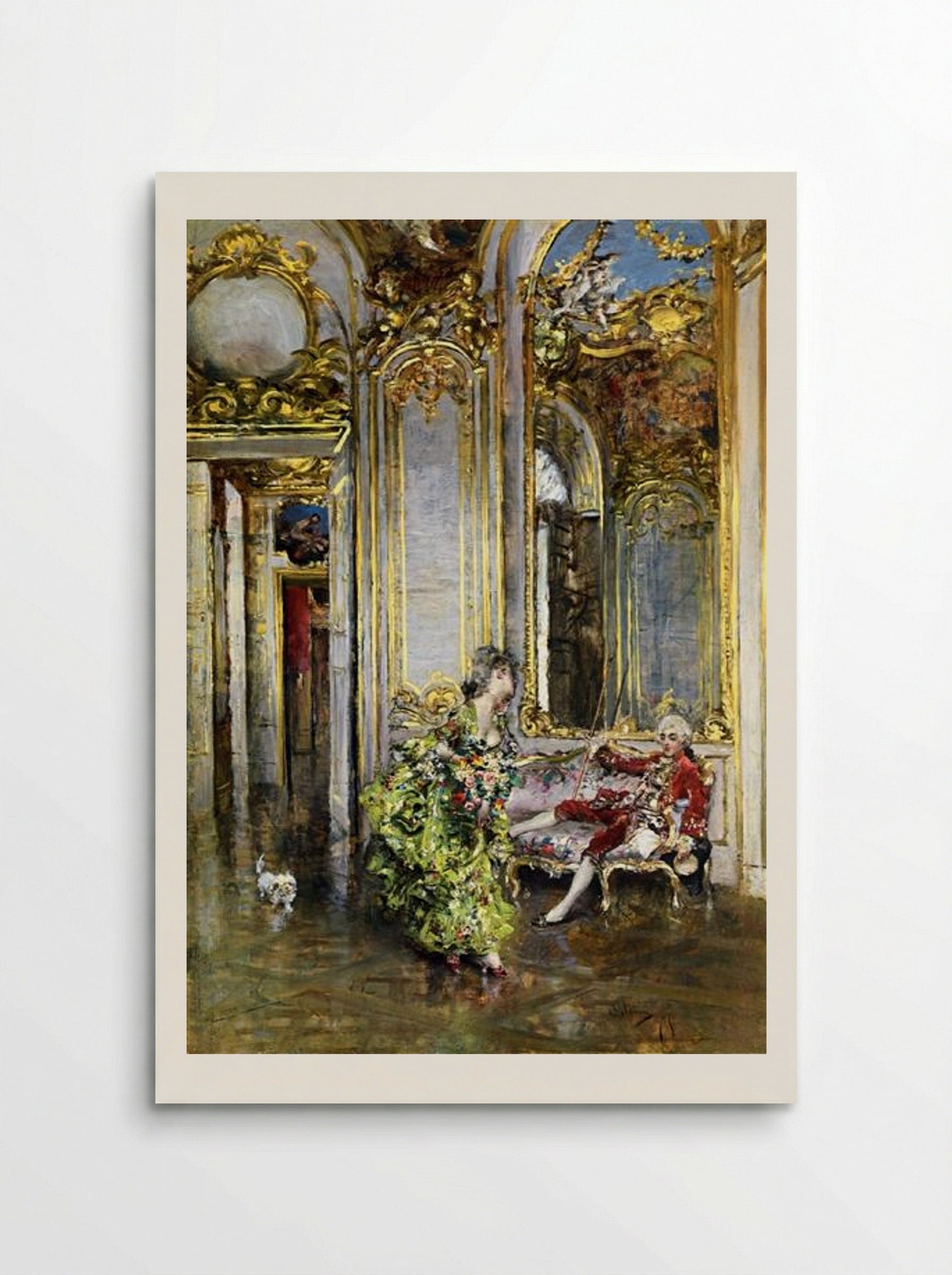 A Friend of the Marquis - Giovanni Boldini
Print
Regular price From £28.00 GBPSale price From £28.00 GBP Regular price -
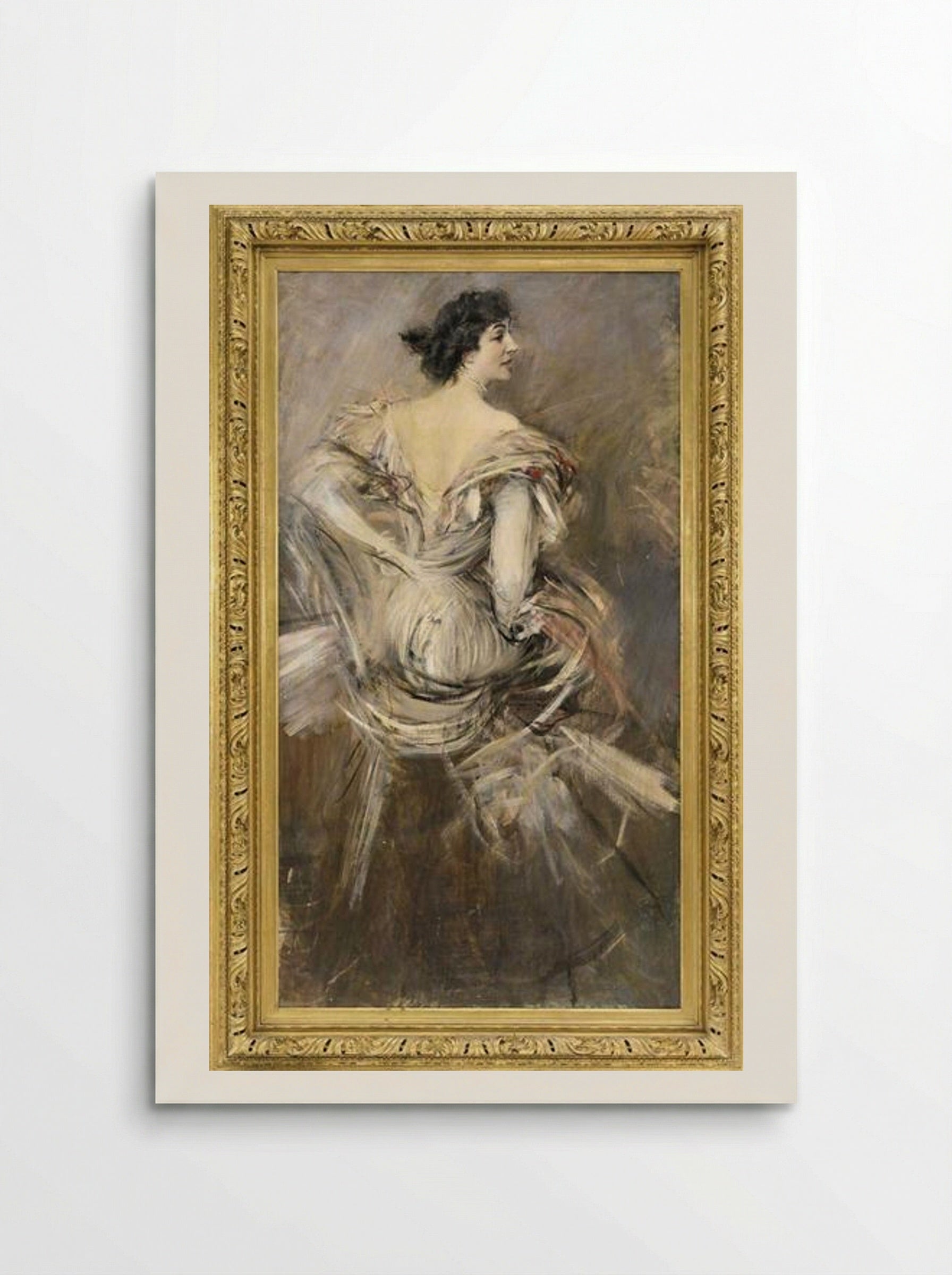 Lady in Brown Evening Dress - Giovanni Boldini
Print
Regular price From £28.00 GBPSale price From £28.00 GBP Regular price -
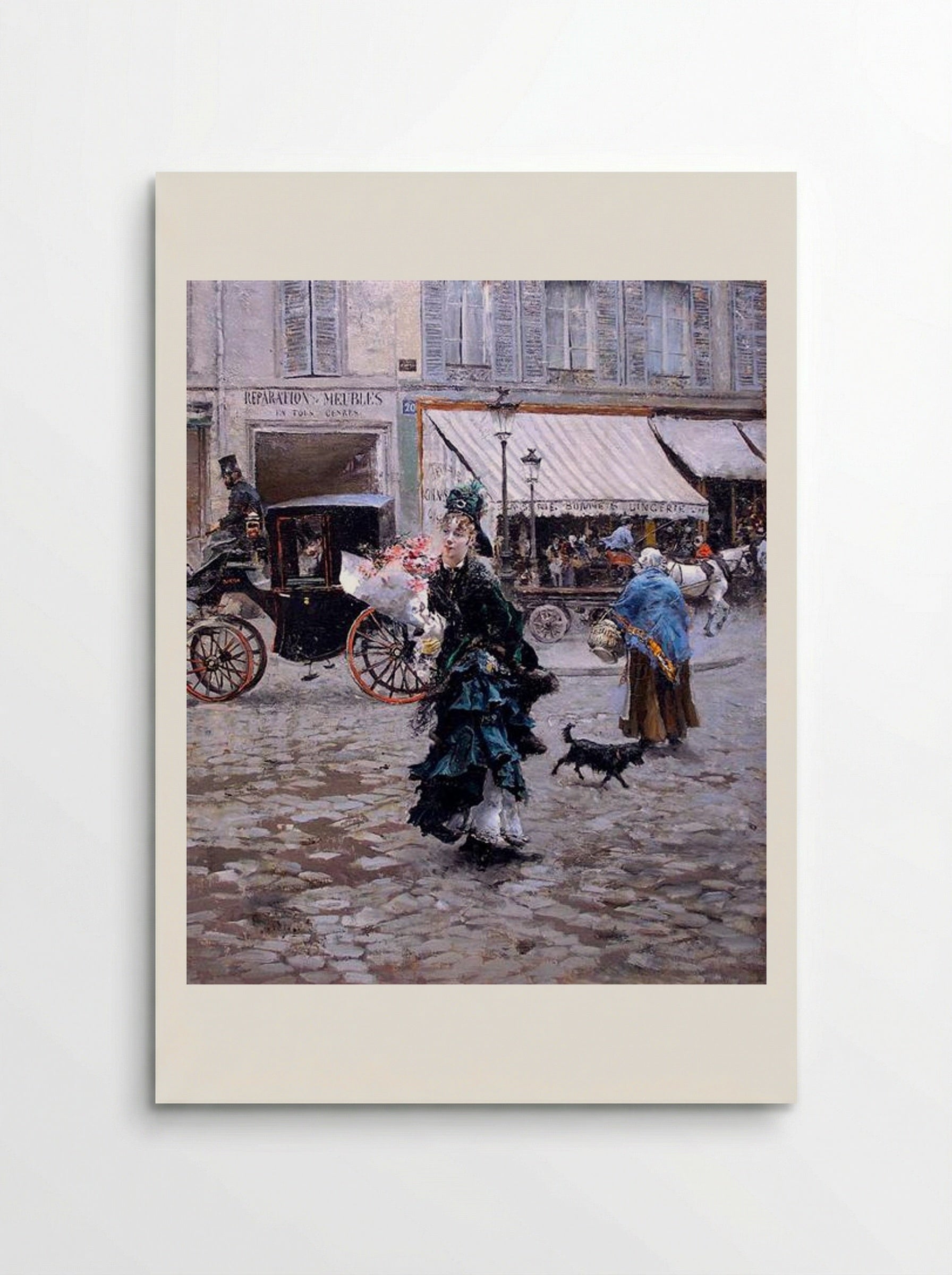 Crossing the Street - Giovanni Boldini
Print
Regular price From £28.00 GBPSale price From £28.00 GBP Regular price -
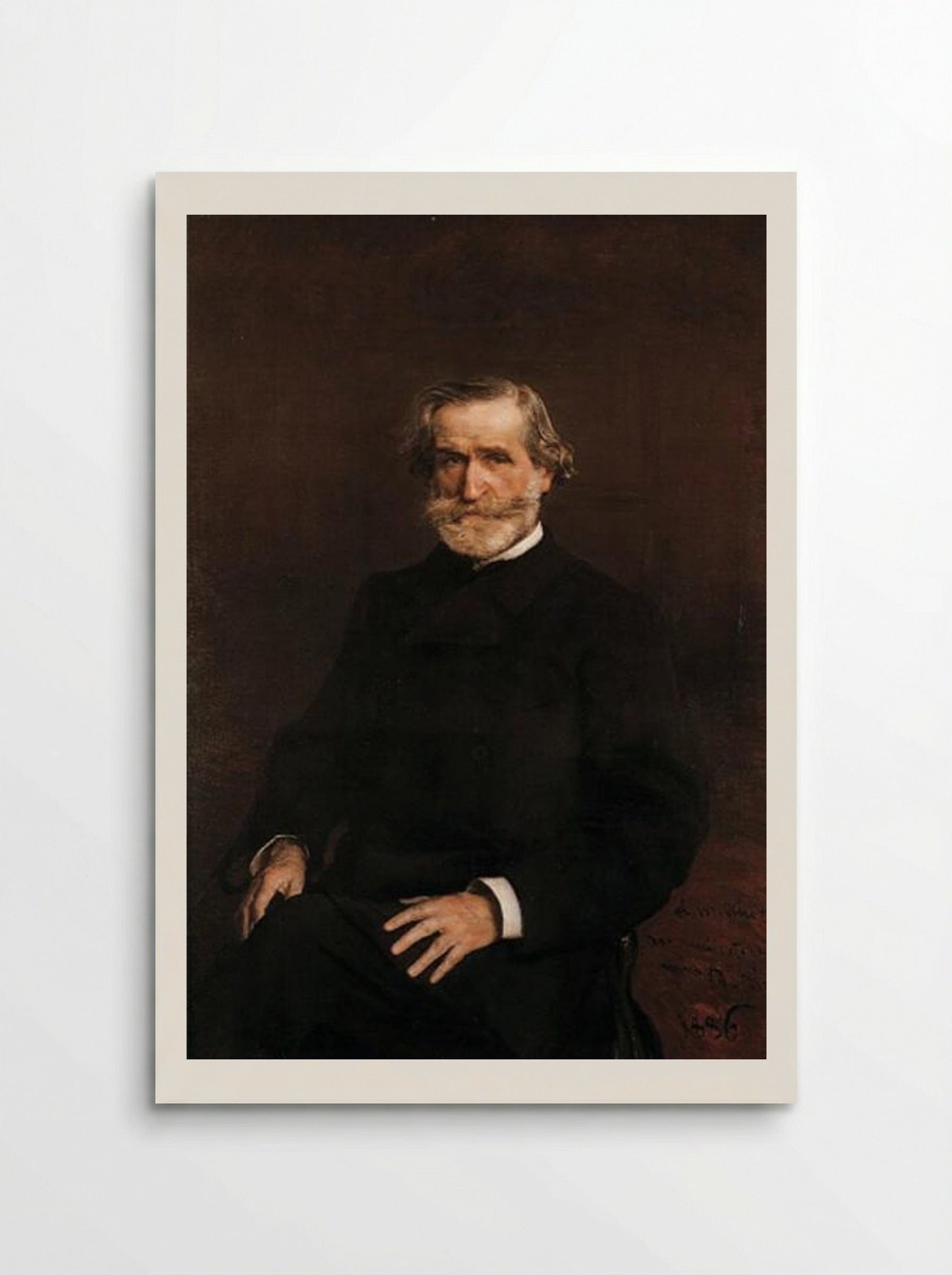 Portrait of Giuseppe Verdi - Giovanni Boldini
Print
Regular price From £28.00 GBPSale price From £28.00 GBP Regular price -
 Self-Portrait While Looking at a Painting - Giovanni Boldini
Print
Regular price From £28.00 GBPSale price From £28.00 GBP Regular price -
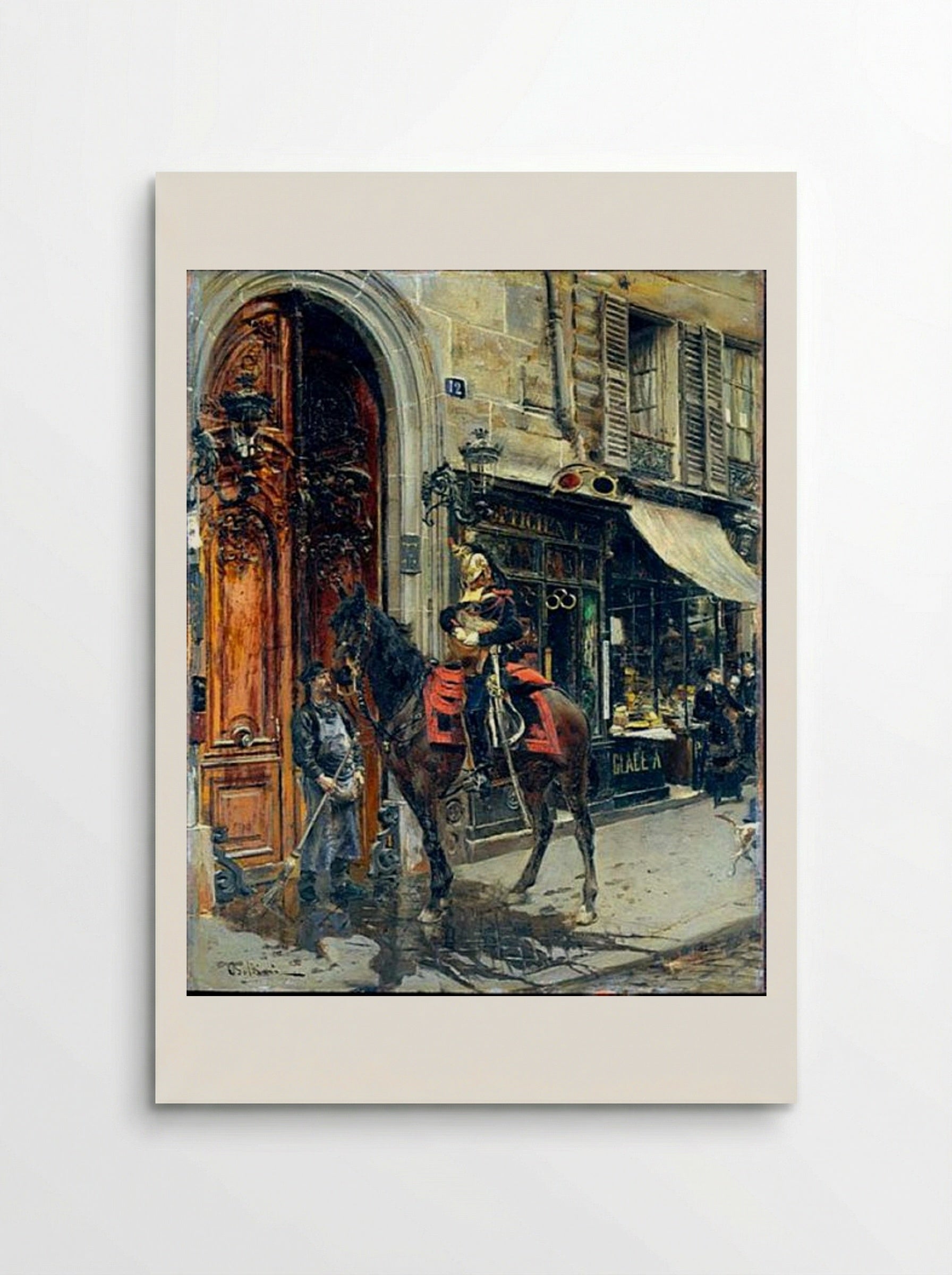 The Dispatch Bearer - Giovanni Boldini
Print
Regular price From £28.00 GBPSale price From £28.00 GBP Regular price


Artist Biography
Giovanni Boldini
In 2010, a Boldini portrait was found in a Paris flat that had been sealed for over fifty years. The painting showed his former muse, the actress Marthe de Florian, and it emerged into a world that had largely forgotten both the sitter and the scale of Boldini's fame. In the 1890s he had been the most fashionable portrait painter in Paris, with a waiting list that included aristocrats, actresses and anyone who wanted to look more alive than they actually were.
He was born in Ferrara in 1842, the son of a painter. He was filling sketchbooks by the age of five, before he could write. At eighteen he already had a reputation as a portraitist. In 1862 he went to Florence and fell in with the Macchiaioli, the Italian precursors to Impressionism whose broken brushwork and plein-air practice influenced his early style. He reached Paris in 1871 and stayed.
Time magazine later called him the "Master of Swish" for his fluid, elongated brushstrokes. His portraits captured sitters in soft focus, stretching their features to accentuate elegance and creating a sense of motion that made his subjects look both sophisticated and restless. The technique owed something to Parmigianino's Mannerist elongations and anticipated Futurism's interest in movement. He was friends with Degas, Manet, Sisley, Caillebotte and Corot, and in 1889 travelled to Spain with Degas to study Velazquez and Goya.
He worked in oil, pastel, watercolour and drawing, and was prolific across all media. He died in Paris in 1931, at eighty-eight, having outlived Belle Epoque society and the world that had kept him busy.
He was born in Ferrara in 1842, the son of a painter. He was filling sketchbooks by the age of five, before he could write. At eighteen he already had a reputation as a portraitist. In 1862 he went to Florence and fell in with the Macchiaioli, the Italian precursors to Impressionism whose broken brushwork and plein-air practice influenced his early style. He reached Paris in 1871 and stayed.
Time magazine later called him the "Master of Swish" for his fluid, elongated brushstrokes. His portraits captured sitters in soft focus, stretching their features to accentuate elegance and creating a sense of motion that made his subjects look both sophisticated and restless. The technique owed something to Parmigianino's Mannerist elongations and anticipated Futurism's interest in movement. He was friends with Degas, Manet, Sisley, Caillebotte and Corot, and in 1889 travelled to Spain with Degas to study Velazquez and Goya.
He worked in oil, pastel, watercolour and drawing, and was prolific across all media. He died in Paris in 1931, at eighty-eight, having outlived Belle Epoque society and the world that had kept him busy.


Why Choose Us ?